
Transform Your Balcony into a Succulent Paradise: Hardscaping Ideas for Small Spaces

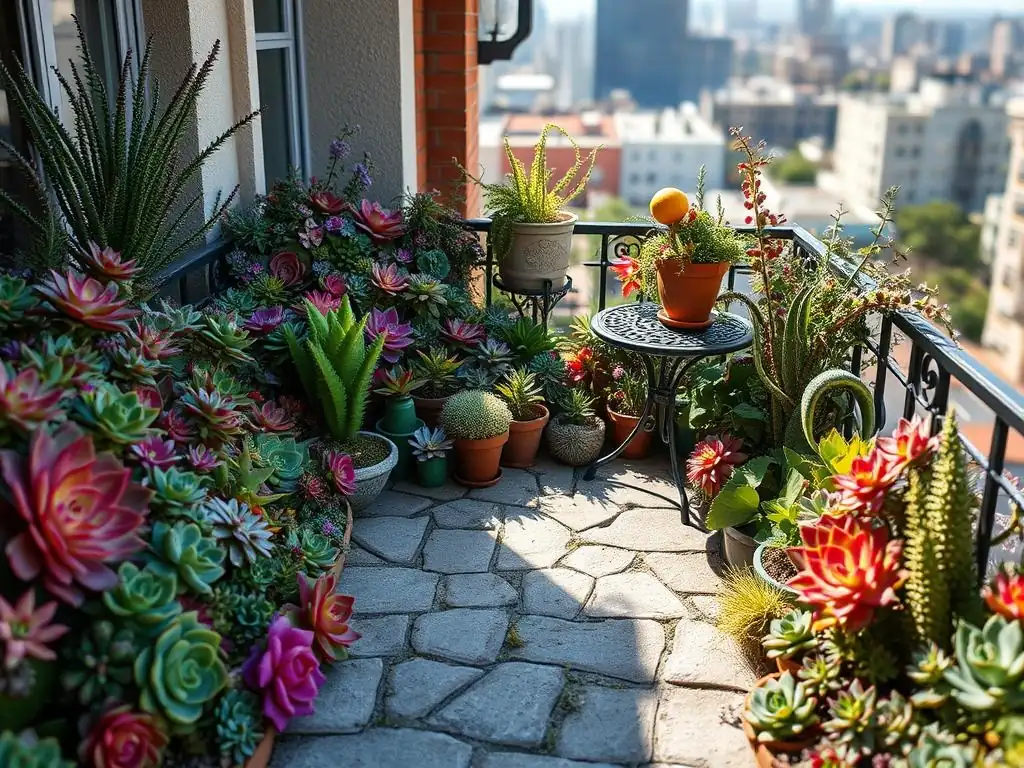
Welcome to SucculentEssentials.org, your gateway to the mesmerizing world of succulents! Are you dreaming of a vibrant, thriving succulent garden, but limited by space? Then prepare to be inspired. We've got the secrets to creating a stunning small balcony succulent garden, overflowing with life and personality. Discover ingenious hardscaping ideas and unlock the potential of your outdoor space – even if it's just a tiny balcony. Dive in and let's transform your urban oasis into a succulent paradise!
- Maximizing Your Small Balcony for Succulent Gardening
- Creating a Functional and Stylish Succulent Balcony Garden
- Selecting the Perfect Succulents for Your Small Balcony Garden
- Adding Decorative Elements to Your Small Balcony Succulent Garden
- Maintaining Your Small Balcony Succulent Garden
- Inspiring Small Balcony Succulent Garden Ideas and Designs
- Resources for Creating Your Dream Small Balcony Succulent Garden
- Frequently Asked Questions
- Final Reflection: Cultivating Joy in Small Spaces
- Unleash Your Inner Gardener: Create Your Dream Balcony Oasis!
Maximizing Your Small Balcony for Succulent Gardening
Transforming a small balcony into a thriving succulent paradise is entirely achievable with careful planning and the right hardscaping choices. This guide provides practical, small balcony succulent garden ideas, focusing on maximizing space and creating a visually stunning and easy-to-maintain succulent oasis. We'll explore how to assess your existing space, select appropriate hardscaping materials, and incorporate design elements that enhance both the beauty and practicality of your miniature succulent garden.
Forget the myth that succulents need vast expanses of land; with a little creativity and these expert tips, even the smallest balcony can bloom with vibrant, drought-tolerant succulents. This article will equip you with the knowledge to create a low-maintenance, yet breathtaking, succulent garden, perfectly suited for your small space and lifestyle. Let's delve into the specifics of creating your own small balcony succulent haven!
Assessing Your Balcony Space and Sunlight Exposure for Succulents
Before you even think about purchasing a single succulent, a thorough assessment of your balcony is crucial. This involves evaluating two key factors: space and sunlight. The size of your balcony directly impacts the scale and design of your succulent garden. A tiny balcony might necessitate vertical gardening techniques or compact container arrangements, while a slightly larger one offers more flexibility. Measure your balcony’s length, width, and depth meticulously. Note any existing features like railings, walls, or built-in structures that could influence your design. 🤔
Sunlight exposure is equally important. Succulents thrive in bright, indirect sunlight. Observe your balcony throughout the day to determine how many hours of sunlight it receives, and at what intensity. Is it mostly shaded, partially sunny, or bathed in full sun? This information will guide your succulent selection.
Some succulents tolerate full sun, while others prefer more shade. Consider the direction your balcony faces (north, south, east, or west) as this impacts the intensity and duration of sunlight exposure. Accurate sunlight assessment is key to preventing sunburn or etiolation (leggy growth due to insufficient light). Knowing these factors will help you to choose the right types of succulents and the best location for them on your balcony.
Choosing the Right Hardscaping Materials for a Small Succulent Garden
The right hardscaping materials can dramatically enhance your small balcony succulent garden. Your choices should be guided by durability, aesthetics, and suitability for a small space. Here are some excellent options:
| Material | Pros | Cons | Suitability for Small Balconies |
|---|---|---|---|
| Wooden Planters | Natural look, readily available, various sizes and styles available | Requires regular maintenance (sealing, treating) | Excellent |
| Metal Planters | Modern aesthetic, durable, various finishes | Can overheat in direct sunlight, may rust | Good, especially lightweight options |
| Ceramic Pots | Elegant, diverse designs, good drainage | Can be fragile, heavier than other options | Good, choose smaller sizes |
| Plastic Pots | Lightweight, inexpensive, diverse colors and shapes | Can look less aesthetically pleasing than other options | Excellent, especially for vertical gardens |
| Vertical Planters | Space-saving, visually interesting, various designs available | May require specific mounting hardware | Excellent |
Remember to prioritize drainage! Succulents are susceptible to root rot, so well-draining pots and materials are essential. Consider using raised planters or adding drainage holes to your chosen containers. Drainage is paramount for the health and longevity of your succulent collection. Choose materials that complement your balcony's existing aesthetic and create a cohesive design. A carefully curated selection of hardscaping materials will transform your small balcony into a stylish and functional succulent haven. ✨
Creating a Functional and Stylish Succulent Balcony Garden
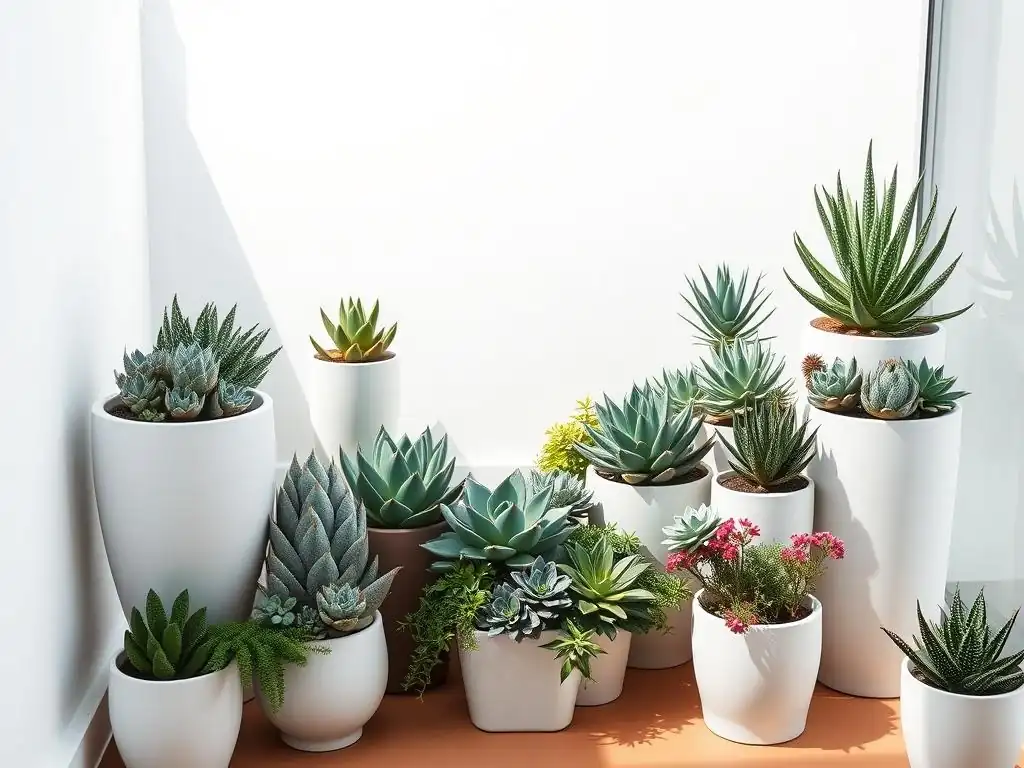
This section focuses on maximizing your small balcony's potential for a thriving succulent garden. We'll explore design principles that blend practicality with aesthetic appeal, ensuring your succulent paradise is both beautiful and easy to maintain. Remember, even the smallest balcony can support a diverse and vibrant collection of succulents, provided you utilize space efficiently and select the right hardscaping elements.
The key to success lies in careful planning and thoughtful selection of containers and structures. We'll examine how to choose materials that complement your existing balcony décor while enhancing the overall look and functionality of your succulent garden. Consider the style of your building and surroundings; a rustic wooden planter might not suit a modern glass-fronted apartment, while sleek metal containers might clash with a traditional brick building.
Choosing complementary materials is crucial for a cohesive and visually pleasing result. Remember to factor in the weight of the planters when filled with succulents and soil, especially if your balcony has weight restrictions.
Incorporating Raised Planters and Vertical Gardening for Small Balconies
Raised planters offer a fantastic solution for small balcony succulent gardens. They provide height, adding visual interest and maximizing space utilization. Instead of sprawling horizontally, you can stack planters vertically, creating a layered effect. Consider using tiered planters or building your own using reclaimed wood or metal. This approach allows you to showcase a wider variety of succulents with different heights and textures. For example, you could place taller echeverias on the top tier, with smaller sedums and sempervivums nestled below.
Vertical gardening is another space-saving technique. You can create a living wall using specialized wall-mounted planters or repurposed items like old shelves or pallets. Ensure your chosen method is securely fixed to the balcony railing or wall to prevent accidents. Remember to choose succulents that thrive in vertical orientations and are not too heavy, preventing potential damage or imbalance. A well-designed vertical garden can transform a bare wall into a stunning feature. Consider the sun exposure of your balcony when planning your vertical garden; some succulents require more direct sunlight than others.
Utilizing Wall-Mounted Planters and Hanging Baskets for Space-Saving Solutions
Wall-mounted planters are an excellent way to add greenery without taking up valuable floor space on your balcony. They come in various styles, materials (from ceramic to metal), and sizes, catering to different aesthetic preferences and succulent collections. They're especially useful for smaller balconies or those with limited floor space. Choose lightweight, weather-resistant materials that can withstand the elements. Consider the weight capacity of your balcony wall before installing these planters.
Hanging baskets provide another clever solution for maximizing space. They're perfect for trailing succulents like string of pearls or string of hearts, which cascade beautifully from above. Use sturdy hooks or brackets that are securely attached to the balcony ceiling or railing. Ensure the baskets are well-drained to prevent root rot. Remember to regularly water hanging baskets, as they can dry out faster than ground-level planters. A combination of wall-mounted planters and hanging baskets creates a dynamic and visually appealing vertical garden, maximizing your small balcony's potential.
Building a Mini Succulent Terrace with Steps and Levels
Creating a mini-terrace with steps and levels adds depth and visual interest to a small balcony succulent garden. This approach allows you to showcase succulents of varying sizes and heights, creating a more dynamic and layered composition. You can build a simple stepped structure using reclaimed wood, bricks, or even large, sturdy planters. The steps create distinct levels, allowing you to arrange succulents strategically, maximizing sunlight exposure and visual impact.
Consider using different types of containers on each level to add visual interest. For example, you could use terracotta pots on one level, metal containers on another, and wooden boxes on a third. The use of varying heights and textures creates a more engaging and aesthetically pleasing garden.
Remember to choose succulents appropriate for each level's sun exposure and drainage needs. This tiered approach can transform a small, flat balcony into a multi-dimensional and visually striking succulent haven. The addition of stepping stones or small pathways between the levels further enhances the terrace effect, making the garden even more inviting and functional.
Selecting the Perfect Succulents for Your Small Balcony Garden
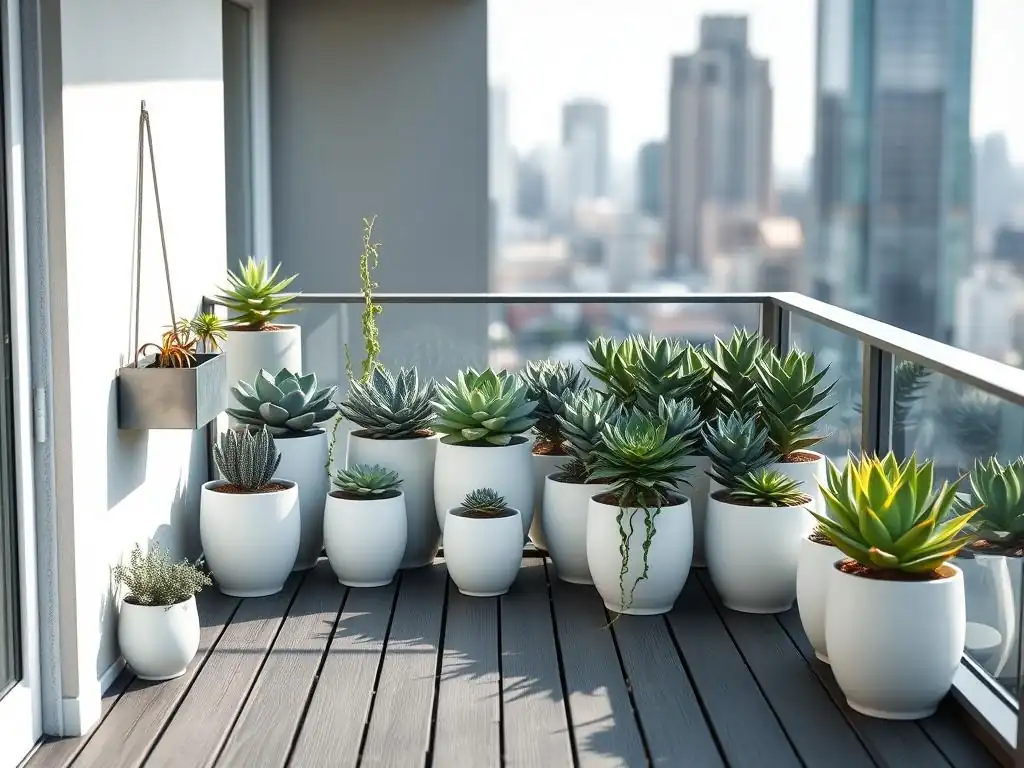
This section focuses on choosing the right succulents to thrive in your small balcony garden. Success hinges on selecting varieties suited to the specific conditions of your space, ensuring a flourishing and visually stunning display. Remember, careful selection is key to maximizing your small balcony's potential. This is crucial for optimizing your "small balcony succulent garden ideas."
Choosing Drought-Tolerant and Sun-Loving Succulents for Balcony Gardens
Balconies, especially those facing south or west, often experience intense sun exposure. This necessitates selecting succulents known for their drought tolerance and sun-loving nature. Many succulents originate from arid climates, making them naturally resilient to these conditions. Here are some excellent choices:
- Sedum: These are incredibly versatile and come in a variety of shapes, sizes, and colors. Sedum morganianum (Burro's Tail) is a popular choice, with its cascading stems, while Sedum spurium (Dragon's Blood Sedum) offers vibrant red foliage.
- Echeveria: Known for their rosette formations, Echeverias are visually striking and relatively low-maintenance. They tolerate full sun and infrequent watering. Consider Echeveria 'Perle von Nürnberg' for its beautiful powdery blue-green leaves.
- Sempervivum (Hens and Chicks): These hardy succulents form dense clusters, making them ideal for small spaces. They are extremely tolerant of drought and cold temperatures.
- Haworthia: These succulents are smaller, often more compact, and appreciate bright light but can tolerate some shade. They are perfect for adding texture and visual interest to your arrangement.
These succulents not only withstand harsh conditions, but also reward you with striking colors and textures, enriching your small balcony succulent garden ideas. Remember to always check the specific light and water requirements of the individual succulent variety before purchasing.
Selecting Succulents Based on Balcony Size and Sunlight Conditions
The size of your balcony and the amount of sunlight it receives directly impact your succulent choices. Smaller balconies might benefit from smaller, compact succulents to avoid overcrowding. Conversely, larger balconies allow for more variety and larger specimens. Sunlight exposure dictates the types of succulents that will thrive.
| Balcony Size | Sunlight Conditions | Recommended Succulents | Considerations |
|---|---|---|---|
| Small (under 50 sq ft) | Full Sun | Sedum, Echeveria, Sempervivum, Haworthia | Choose compact varieties to avoid overcrowding. |
| Small (under 50 sq ft) | Partial Shade | Haworthia, Gasteria, Kalanchoe | Ensure sufficient bright light; avoid deep shade. |
| Large (over 50 sq ft) | Full Sun | Agave, Aloe, larger Echeveria, various Sedum varieties | Allows for a wider range of sizes and species. |
| Large (over 50 sq ft) | Partial Shade | Larger Haworthia, Crassula ovata (Jade Plant) | Provides flexibility in plant placement and arrangement. |
Careful consideration of these factors guarantees your succulents receive optimal conditions for healthy growth and a visually appealing display. Remember, proper planning is essential for realizing your best "small balcony succulent garden ideas."
Creating a Balanced and Visually Appealing Succulent Arrangement
The arrangement itself is crucial for a visually stunning display. Consider factors such as color, texture, and height variation when arranging your succulents. Think of it as a miniature landscape!
- Color Palette: Mix and match succulents with different leaf colors to create a vibrant display. Consider incorporating succulents with shades of green, blue, red, and purple.
- Texture: Combine succulents with different leaf textures – smooth, fuzzy, spiky – to add visual interest and depth.
- Height Variation: Use a combination of tall and short succulents to create a layered effect. Taller succulents can serve as focal points, while shorter ones fill in the spaces.
- Container Choice: The container you choose plays a significant role. Terracotta pots add a rustic charm, while modern containers offer a contemporary feel.
By carefully considering these factors, you can create a balanced and visually appealing succulent arrangement that transforms your small balcony into a thriving, miniature desert oasis. This approach elevates your "small balcony succulent garden ideas" from simple planting to a carefully curated landscape. Remember, a little planning goes a long way in achieving a stunning result. 🌵
Adding Decorative Elements to Your Small Balcony Succulent Garden
This section focuses on enhancing the aesthetic appeal of your small balcony succulent garden using various decorative elements. Remember, even small details can significantly impact the overall look and feel of your space, transforming it from a simple collection of plants into a thriving, visually stunning miniature oasis. Clever use of decorative elements can also help to visually organize your succulents and create focal points. We'll explore several options to inspire your creativity and help you achieve the succulent paradise you've envisioned.
Integrating Outdoor Lighting to Highlight Your Succulents at Night
Outdoor lighting is crucial for enjoying your succulent garden even after the sun sets. Strategic placement of lights can dramatically enhance the beauty of your succulents, highlighting their textures and colors in a captivating way. Consider these options:
- Solar-powered pathway lights: These are an eco-friendly and convenient choice, requiring no wiring. Place them subtly along the edges of your balcony to gently illuminate the plants and create a welcoming ambiance. They are perfect for highlighting the lower-growing succulents.
- String lights: These versatile lights offer a whimsical and charming touch. Drape them amongst your succulents for a magical, fairy-light effect, particularly effective with trailing varieties. Experiment with different colors – warm white offers a cozy feel, while colored lights add a playful touch.
- Spotlights: For a more dramatic effect, consider small spotlights directed at specific succulents or groups of succulents. This option is ideal for showcasing larger, more striking specimens or creating focal points within your garden. Be mindful not to overheat your plants with overly intense lighting.
- Uplighting: Position lights below your succulents to create an upward glow, making them appear to float in the darkness. This technique is especially effective with succulents that have interesting shapes or textures.
Remember to choose lights with low heat output to avoid damaging your delicate succulents. A well-lit balcony succulent garden provides a captivating nighttime spectacle, extending the enjoyment of your carefully curated space well into the evening hours. Experiment with different lighting styles to find the perfect ambiance for your personal taste.
Using Decorative Stones, Gravel, and Pebbles for Visual Interest
Incorporating different types of stones, gravel, and pebbles can significantly enhance the visual appeal and functionality of your small balcony succulent garden. These materials offer a multitude of benefits beyond mere aesthetics:
- Drainage: Succulents thrive in well-draining soil. A layer of gravel or pebbles at the bottom of your pots improves drainage, preventing root rot, a common problem for succulents.
- Weed Suppression: A layer of gravel or pebbles on the surface of your potting mix helps to suppress weed growth, reducing maintenance.
- Visual Texture and Contrast: The varied colors, shapes, and sizes of stones can add significant visual interest to your garden. Consider using contrasting colors to create a dynamic and eye-catching display. For example, combine dark volcanic rock with lighter-colored river stones.
- Path Creation: If your balcony allows, create small pathways using larger stones or pavers to delineate different areas of your garden and provide easy access for maintenance.
The use of decorative stones is a simple yet highly effective way to elevate the appearance of your small balcony succulent garden. Consider the overall color scheme of your balcony and choose stones that complement your succulents and other decorative elements. Experiment with different sizes and textures to create a visually stimulating and functional landscape.
Adding Small Sculptures and Other Decorative Accents to Enhance Your Space
Adding small sculptures, figurines, or other decorative accents can inject personality and charm into your small balcony succulent garden. These elements can transform a simple collection of plants into a unique and expressive space reflecting your individual style.
- Miniature garden ornaments: Small animals, birds, or whimsical characters can add a playful touch. Choose items made of weather-resistant materials to ensure their longevity.
- Metal accents: Small metal wind chimes or decorative stakes can add a touch of elegance and movement. Ensure they are rust-resistant to withstand the elements.
- Ceramic pots and planters: Beyond just functionality, pots and planters themselves can be decorative elements. Choose pots with interesting shapes, textures, or colors that complement your succulents.
- Natural elements: Incorporate natural elements like driftwood, small branches, or decorative pinecones for a rustic and organic feel.
Remember to maintain a balance; overcrowding your small balcony with too many decorative elements can make it feel cluttered and detract from the beauty of your succulents. Choose a few carefully selected pieces that complement your overall design and enhance the overall aesthetic appeal of your mini succulent paradise. Consider the style and theme of your balcony and select accents that reflect your personal taste and enhance the overall harmony of the space.
Maintaining Your Small Balcony Succulent Garden
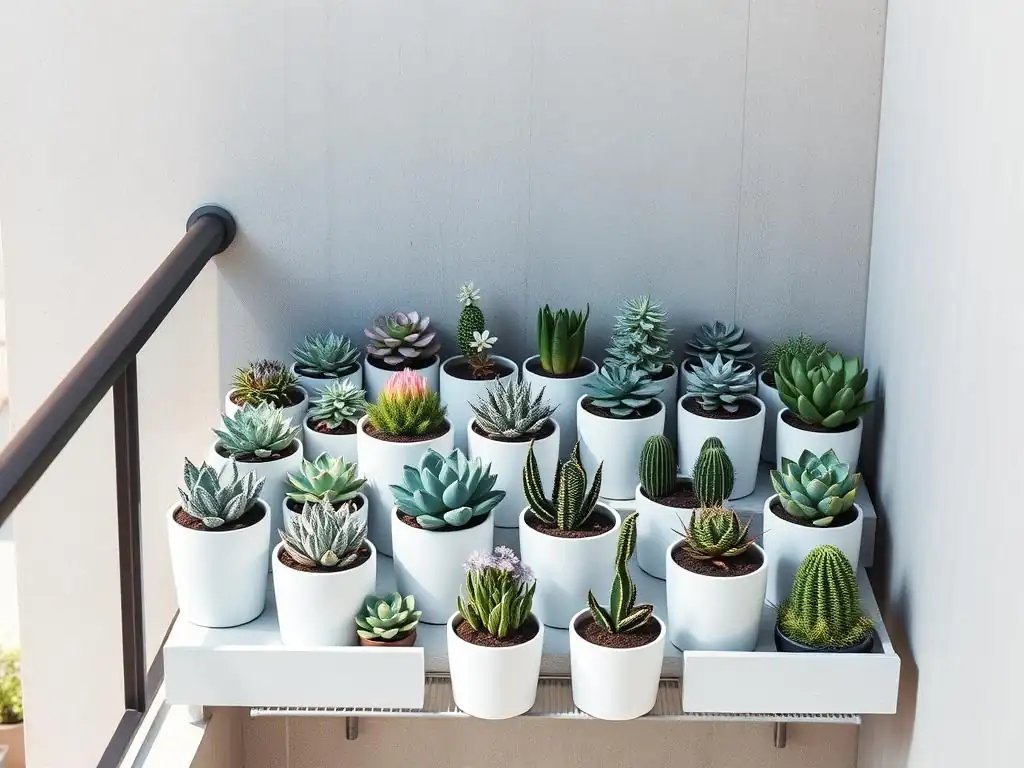
Creating a thriving succulent garden on a small balcony requires consistent care and attention. While succulents are known for their drought tolerance, neglecting their needs can lead to unhealthy plants and a less vibrant display. This section focuses on essential maintenance practices to ensure your small balcony succulent garden flourishes. We'll explore optimal watering techniques, appropriate fertilization strategies, and effective methods for protecting your precious plants from environmental stressors and common threats.
Watering and Fertilizing Succulents on a Small Balcony
Proper watering is crucial for succulent health, especially in the confined space of a small balcony. Overwatering is a common mistake, leading to root rot. Instead of following a rigid schedule, assess the soil moisture before watering. Use your finger to check the top inch of soil – if it's dry, it's time to water. Water thoroughly until excess water drains from the drainage holes in your pots.
Allow the soil to dry completely between waterings. The frequency will depend on factors like sun exposure, temperature, and pot size. During hotter months, you may need to water more frequently. During winter, watering needs significantly decrease.
Fertilizing succulents on a small balcony should be done sparingly. Succulents are slow growers and don't require a lot of nutrients. Use a balanced, water-soluble fertilizer diluted to half strength. Apply fertilizer only during the growing season (spring and summer) and avoid fertilizing during dormancy (fall and winter). Over-fertilizing can lead to salt buildup in the soil, harming your plants. A good rule of thumb is to fertilize every 4-6 weeks during the growing season. Remember to always follow the fertilizer's instructions carefully.
Here's a helpful table summarizing watering and fertilizing guidelines:
| Season | Watering Frequency | Fertilizer Application |
|---|---|---|
| Spring/Summer | Every 7-14 days (or when soil is dry) | Every 4-6 weeks (diluted) |
| Fall/Winter | Every 2-4 weeks (or when soil is dry) | None |
Protecting Your Succulents from Extreme Weather Conditions
Small balconies are often exposed to harsh weather conditions. Protecting your succulents from extreme temperatures, strong winds, and excessive sun is essential for their survival. During hot summer days, consider providing some shade, especially during peak sun hours. This can be achieved using shade cloth, moving the pots to a slightly shaded area, or using a pergola. For extremely cold winters, bring your succulents indoors or provide protection with frost-resistant covers.
Strong winds can damage or even uproot smaller succulents. Consider using windbreaks, such as a screen or a small wall, to protect your plants. Alternatively, group your pots together to create a microclimate that offers some protection from the wind. Regularly inspect your plants for any signs of wind damage and reposition them accordingly. Remember that even seemingly minor damage can leave your succulents vulnerable to pests and diseases.
Dealing with Pests and Diseases in Small Balcony Succulent Gardens
Succulents, while generally hardy, can be susceptible to certain pests and diseases. Regular inspection is key to early detection and treatment. Common pests include mealybugs, aphids, and spider mites. These can be treated with insecticidal soap or neem oil. Always follow the product instructions carefully. For more severe infestations, consider professional assistance.
Diseases are often caused by overwatering or poor drainage. Ensure your pots have adequate drainage holes and avoid overwatering. If you notice signs of disease, such as root rot or fungal infections, remove the affected plants to prevent the spread of disease to other succulents. Proper sanitation practices, including sterilizing your tools and pots, are crucial in preventing disease outbreaks. Regularly checking for signs of pest infestations or disease will help keep your small balcony succulent garden thriving and beautiful. Early intervention is key to maintaining a healthy and vibrant succulent collection.
Inspiring Small Balcony Succulent Garden Ideas and Designs
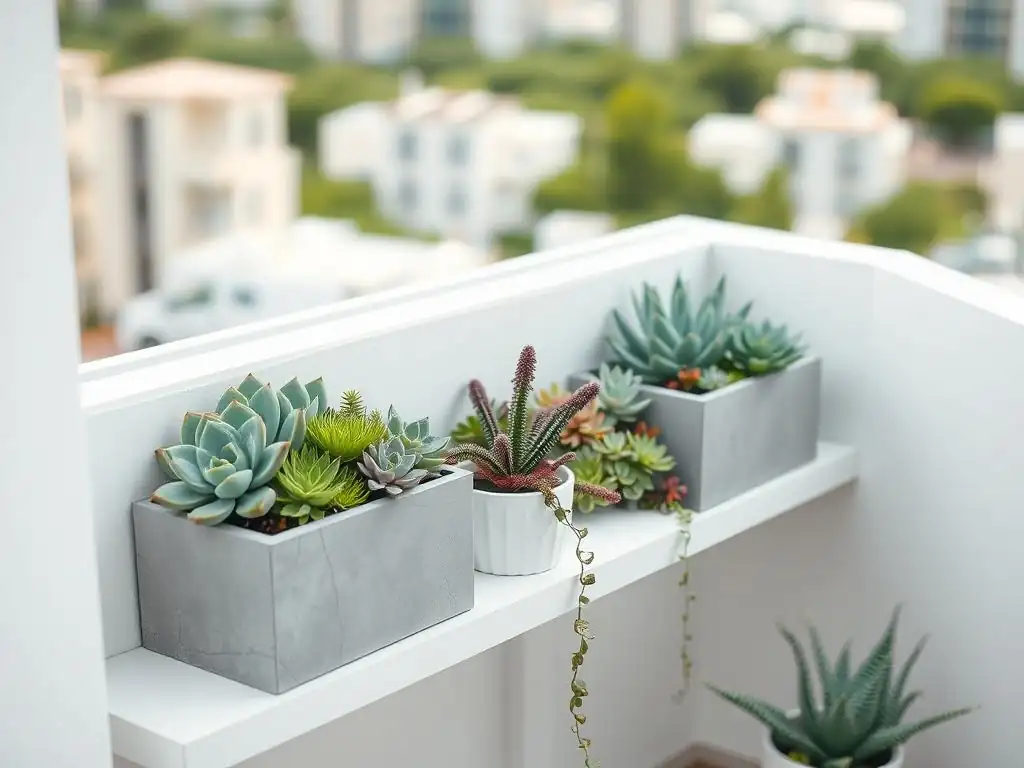
Creating a thriving succulent garden on a small balcony requires clever planning and the right hardscaping elements. The limited space necessitates maximizing verticality and optimizing the use of every square inch. Forget sprawling groundcover—think upwards! Here, we explore innovative ideas to turn your compact outdoor area into a vibrant succulent oasis. The key is to embrace minimalist design principles while incorporating elements that enhance both the aesthetic appeal and the practicality of your small succulent garden.
Gallery of Small Balcony Succulent Garden Designs (with images)
(Note: This section would ideally contain a visually appealing gallery of diverse small balcony succulent garden designs. Since images are not permitted, I will describe several designs to illustrate the possibilities.)
Here are some design concepts to inspire your own small balcony succulent garden:
- The Vertical Wall Garden: Imagine a wall-mounted planter system, perhaps made from reclaimed wood or sleek metal, cascading with a variety of succulents. Varying textures and colors—from the muted greens of Sedum to the vibrant purples of Echeveria—would create a visually stunning display. This design maximizes vertical space, perfect for small balconies.
- The Tiered Planter System: A tiered planter system, strategically placed on a balcony railing or against a wall, allows for a layered effect. Smaller succulents can be placed at the top, gradually increasing in size as you move down the tiers. This adds depth and visual interest. Consider using different materials for each tier – perhaps a mix of ceramic, terracotta, and metal planters for a unique look.
- The Hanging Basket Oasis: Hanging baskets brimming with trailing succulents like Sedum morganianum ("Burro's Tail") and String of Pearls can transform a small balcony into a lush, verdant space. The hanging element saves valuable floor space and adds a touch of elegance. Vary the basket sizes and materials for a dynamic display.
- The Miniature Succulent Garden: Create a miniature landscape within a large container, incorporating small rocks, pebbles, and even miniature figurines. This design allows for creative expression and can be particularly charming in a small space. Select succulents that complement each other in terms of size, color, and texture.
Case Study: A Small Balcony Transformation - Before & After
Let's consider a hypothetical small balcony transformation to illustrate the impact of careful planning and design.
Before: The balcony was initially a barren concrete slab, largely unused and lacking aesthetic appeal. The only existing feature was a rusty old railing. The space felt cramped and uninviting.
After: The transformation involved several key steps:
- Cleaning and Preparation: The concrete was thoroughly cleaned, and any loose debris was removed. A fresh coat of light-colored paint brightened up the space.
- Hardscaping Elements: A simple, yet elegant, wooden planter box was built along the railing, maximizing the available space. This created a strong horizontal line, visually broadening the area. Additionally, a small, stylish, metal wall-mounted planter was added to introduce a vertical element.
- Succulent Selection: A diverse range of succulents was carefully chosen to complement each other in terms of size, texture, and color. The selection included drought-tolerant varieties suitable for the balcony's sun exposure. Trailing succulents were used in the hanging baskets, while upright varieties were planted in the planter boxes.
- Finishing Touches: Small decorative rocks were added around the base of the plants to enhance the overall aesthetic appeal. The rusty railing was repainted, adding a touch of modern style.
The result was a dramatic transformation. The once-barren balcony was now a vibrant, thriving succulent garden, a testament to the power of thoughtful design and careful planning. This "small balcony succulent garden ideas" case study demonstrates how even the smallest space can be transformed into a beautiful and functional outdoor haven. The careful selection of succulents and hardscaping elements created a space that is both visually appealing and practical. 🌱
Resources for Creating Your Dream Small Balcony Succulent Garden
This section provides essential resources to help you transform your small balcony into a thriving succulent paradise. We'll cover where to source the best supplies and point you towards further learning opportunities to enhance your succulent gardening expertise. Remember, even a small space can blossom with the right planning and resources!
List of Recommended Suppliers for Small Balcony Succulent Gardening Supplies
Finding the right supplies is crucial for success in small-space succulent gardening. Here's a curated list to help you get started, categorized for easier navigation:
I. Succulents & Plant Starts:
- Specialty nurseries: These often carry a wider variety of succulents, including rare or unusual cultivars, perfect for creating a unique small balcony succulent garden. They can also offer expert advice tailored to your specific needs and climate. Consider searching for local nurseries specializing in succulents for personalized service and support.
- Online retailers: Online marketplaces offer a vast selection of succulents and often provide detailed descriptions and high-quality images, allowing for careful selection. Look for reputable sellers with positive customer reviews and transparent shipping policies. Be mindful of shipping times and potential stress on the plants during transit.
- Local garden centers: While their succulent selection might be more limited than specialty nurseries, they offer convenience and often have seasonal deals. Check their inventory regularly, as succulent availability can fluctuate.
II. Pots & Planters:
- Small-sized pots: Prioritize pots appropriate for your balcony's limited space. Choose from a variety of materials like terracotta (excellent drainage), ceramic (aesthetically pleasing), or plastic (lightweight and budget-friendly). Consider the weight, especially if your balcony has limitations.
- Vertical planters: These maximize vertical space, perfect for small balconies. Look for wall-mounted planters, hanging baskets, or tiered systems that optimize space utilization. This approach is particularly useful for maximizing the “small balcony succulent garden ideas” potential.
- Unique container options: Explore repurposed items like vintage teacups, old watering cans, or even small wooden crates for a charming and personalized touch to your small balcony succulent garden.
III. Soil & Amendments:
- Well-draining potting mix: This is paramount for succulent health. Look for mixes specifically formulated for cacti and succulents, ensuring good aeration and drainage to prevent root rot. Avoid using regular garden soil, which retains too much moisture.
- Perlite or pumice: These amendments improve drainage and aeration in your potting mix, crucial for preventing overwatering, a common problem in container gardening, especially with small balcony succulent garden ideas.
- Organic matter: A small amount of organic matter, such as composted bark, can enrich the soil and provide essential nutrients, but use sparingly to maintain good drainage.
IV. Tools & Accessories:
- Small trowels and hand rakes: Essential for planting, repotting, and weeding.
- Watering can with a rose head: For gentle and precise watering, crucial for preventing overwatering in small containers.
- Gardening gloves: Protect your hands from thorns and potential irritants.
This detailed list provides a solid foundation for sourcing the necessary materials for your small balcony succulent garden. Remember to prioritize quality over quantity, selecting supplies that best suit your space and the needs of your chosen succulents.
Links to Additional Resources on Succulent Care and Design (Information Pending)
This section will be updated with links to relevant articles, guides, and videos on proper succulent care and design techniques. We are currently compiling a comprehensive list of trustworthy resources to ensure the information provided is accurate and helpful. This will include detailed guides on watering techniques, sunlight requirements, pest control, and propagation methods, specifically tailored for small-space gardening. We are also researching and compiling links to inspiring examples of small balcony succulent gardens for design ideas. Check back soon for this valuable information!
Frequently Asked Questions
What are the best succulents for a small balcony?
Many succulents thrive in containers and small spaces. String of Pearls, Sedum morganianum, and Echeveria varieties are excellent choices due to their compact size and drought tolerance. Consider the amount of sunlight your balcony receives when making your selection.
How much sunlight do balcony succulents need?
Most succulents need at least six hours of sunlight daily. A south-facing balcony is ideal, but east- or west-facing balconies can also work. Supplement with grow lights if necessary, especially during winter months.
What type of containers are best for a balcony succulent garden?
Terracotta pots are a popular choice as they allow for better drainage. However, any container with drainage holes will work. Consider the size and weight of the container, especially if your balcony has limited space or weight restrictions.
What is the best way to water succulents on a balcony?
Water thoroughly when the soil is completely dry to the touch, allowing excess water to drain completely. Avoid overwatering, which can lead to root rot. Watering frequency depends on factors like sunlight, temperature, and pot size.
How can I protect my balcony succulents from harsh weather?
During extreme heat, provide shade during the hottest part of the day. In cold weather, bring your succulents indoors or protect them with a covering like burlap or plastic sheeting. Consider the specific needs of your chosen succulent varieties.
Final Reflection: Cultivating Joy in Small Spaces
Transforming a small balcony into a thriving succulent garden isn't just about aesthetics; it's about reclaiming a piece of your environment and cultivating a sense of peace and accomplishment. The seemingly insignificant space becomes a vibrant testament to the power of intention and creativity, a personal oasis in the heart of bustling city life or a quiet retreat in a suburban setting. This is more relevant than ever in a world increasingly focused on mindful living and urban gardening.
The impact of bringing nature, even in miniature, into our daily lives is profound. It fosters a connection to the natural world, offering a respite from the digital overload and the constant demands of modern life. The glory of gardening: hands in the dirt, head in the sun, heart with nature. To nurture a garden is to feed not just the body, but the soul.
This quote perfectly encapsulates the transformative power of even the smallest garden, a sentiment I've personally experienced while creating my own miniature succulent paradise.
Now, I invite you to consider your own small space. What potential lies dormant, waiting to be unlocked? Don't let limitations define you; let them inspire you. Take the lessons learned here – from hardscaping techniques to plant selection – and apply them to your own balcony, patio, or even a window box. Embrace the challenge, nurture your green thumb, and watch as your little corner of the world blossoms into a vibrant reflection of your own creativity and resilience.
Unleash Your Inner Gardener: Create Your Dream Balcony Oasis!
Thanks for exploring the world of balcony gardening with us! We hope you've found inspiration to transform your small space into a thriving succulent garden. Ready to get started?
- Design your dream succulent garden: Sketch out your perfect balcony oasis. Consider the placement of pots and your succulents. This is the first step toward a flourishing balcony garden!
- Share your vision: Post a picture of your design—or a mood board—on social media using #SucculentEssentials and #BalconyOasis. Let's inspire each other!
- Embrace the unexpected: Try an unconventional element – perhaps a repurposed container or a vertical wall system. You might discover a new favorite gardening technique!
Ready to turn your balcony dreams into reality? What's the first succulent you'll plant?