
Elevate Your Succulent Display: Creative Ideas for Incorporating Stones and Pebbles

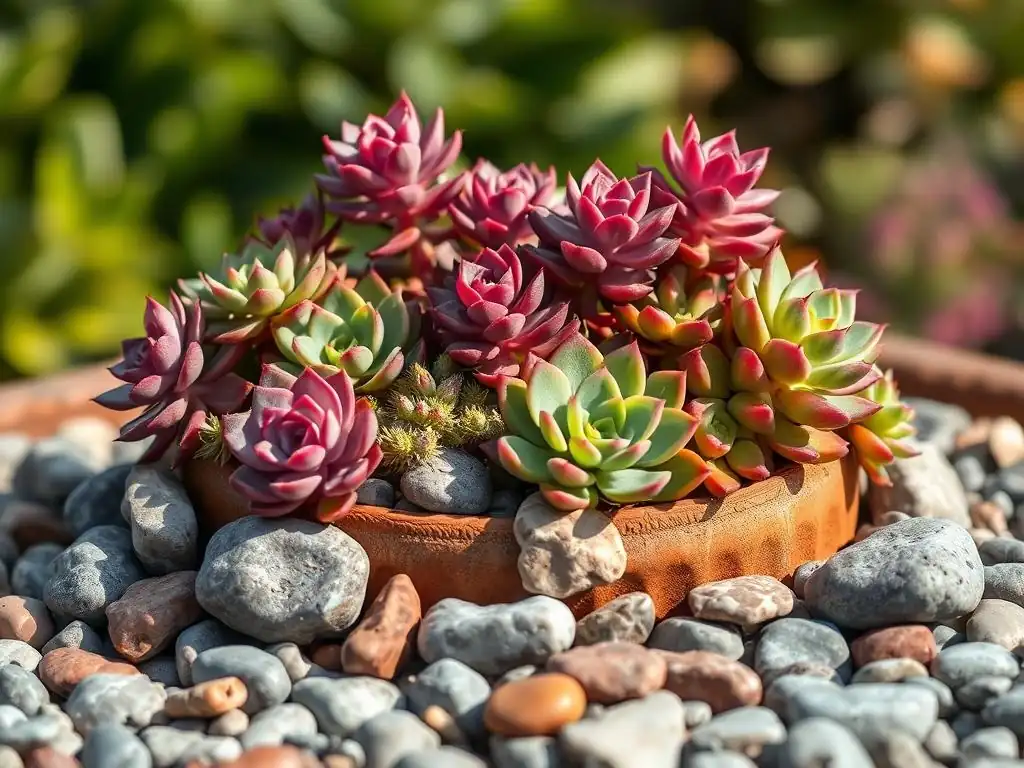
Welcome to SucculentEssentials.org, where the thriving world of succulents awaits! Are you ready to unlock the secrets to crafting breathtaking succulent displays? We'll guide you through innovative techniques, and today we're diving deep into the artistry of succulent arrangement stone ideas, transforming your outdoor space into a miniature desert oasis. Discover how the perfect blend of stones and pebbles can elevate your succulent arrangements to a whole new level—prepare to be inspired!
- Enhancing Succulent Arrangements with Stones: A Guide to Choosing the Right Rocks
- Creative Succulent Arrangement Stone Ideas for Different Settings
- Practical Applications of Stones and Pebbles in Succulent Care
- DIY Projects: Succulent Arrangement Stone Ideas You Can Make at Home
- Advanced Techniques: Elevating Your Succulent and Stone Displays
- Maintaining Your Succulent and Stone Arrangements: Tips for Long-Lasting Beauty
-
Frequently Asked Questions
- What types of stones work best in succulent arrangements?
- How do I prevent stones from damaging my succulents?
- What are some creative ways to use stones in a succulent arrangement?
- How do I choose the right size pot for my succulent arrangement with stones?
- Are there any specific stones I should avoid using in my succulent arrangement?
- Final Reflection: Cultivating Beauty: Stones, Succulents, and the Art of Arrangement
- Unleash Your Inner Succulent Artist!
Enhancing Succulent Arrangements with Stones: A Guide to Choosing the Right Rocks
Succulents, with their diverse shapes, colors, and textures, are already captivating plants. However, incorporating carefully selected stones and pebbles can elevate your succulent displays from charming to truly breathtaking. This guide delves into the art of using hardscaping elements, specifically stones, to complement and enhance the beauty of your succulent arrangements. We'll explore how to choose the right stones based on size, shape, color, and texture, ensuring a harmonious and visually stunning final product.
Learn how to source materials ethically and discover creative ways to integrate these natural elements into your succulent gardens, whether they're small tabletop arrangements or larger outdoor installations. This comprehensive guide will help you master the art of succulent arrangement stone ideas, transforming your planting projects into unique works of art. Let's explore the fascinating world of succulent landscaping and discover how to unlock the full potential of your drought-tolerant plants.
Selecting Stones for Your Succulent Arrangement: Size, Shape, and Color Considerations
Choosing the right stones is paramount to creating a successful succulent arrangement. The size, shape, and color of your stones should complement, not compete with, the succulents themselves. Consider the overall scale of your arrangement. For smaller displays, opt for smaller pebbles and gravel, while larger arrangements can accommodate larger stones and rocks.
The shape of the stones also plays a crucial role. Smooth, rounded stones create a softer, more natural look, while angular, more geometric stones can add a touch of modern design. Experiment with a variety of shapes and sizes to achieve the desired aesthetic.
Color is another key consideration. Neutral colors like gray, beige, and white provide a versatile backdrop that allows the succulents to take center stage. However, incorporating stones with bolder colors, such as terracotta or deep browns, can add visual interest and contrast. Think about the colors of your succulents and choose stones that either complement or contrast those shades for a balanced and visually appealing arrangement. Remember to consider the overall color scheme of your garden or outdoor space when making your selections.
Here's a table summarizing key considerations:
| Stone Feature | Considerations | Example |
|---|---|---|
| Size | Scale of arrangement; smaller for smaller pots | Small pebbles for a small dish garden |
| Shape | Rounded for softness; angular for modern design | Smooth river stones; jagged slate |
| Color | Neutrals for versatility; bold colors for contrast | Gray gravel; reddish-brown pebbles |
Matching Stone Textures and Colors to Your Succulents: A Visual Guide
The success of your succulent arrangement hinges on the interplay between the textures and colors of the stones and succulents. Consider the visual weight and texture of your chosen succulents. For example, succulents with fine, delicate leaves pair well with smooth, polished stones, creating a sense of harmony. Conversely, succulents with thicker, more robust leaves might benefit from a more textured stone backdrop, adding visual interest and depth.
Think about creating visual pathways and focal points within your arrangement. Strategically placing stones of varying sizes and colors can guide the eye and highlight specific succulents. A visual guide might help you understand this concept more clearly:
- Succulents with smooth leaves: Pair with smooth, polished stones or small, uniform pebbles.
- Succulents with textured leaves: Pair with stones that have a similar texture, like rough river rocks or even small pieces of bark.
- Succulents with vibrant colors: Pair with neutral-colored stones to make the succulent colors pop.
- Succulents with muted colors: Pair with stones that have a complementary color or a slightly bolder tone to create contrast.
Remember that experimenting is key! Don't be afraid to try different combinations until you find the perfect balance. Consider taking photos of your arrangement from different angles to assess the overall visual impact.
Sourcing Stones for Your Succulent Projects: Local Options and Ethical Considerations
Sourcing your stones ethically and sustainably is crucial. Avoid purchasing stones that have been harvested from environmentally sensitive areas or that have been obtained through unsustainable practices. Prioritize locally sourced materials whenever possible. This reduces your carbon footprint and supports local businesses.
Here are some options for sourcing stones:
- Local landscaping supply yards: These often carry a wide variety of stones and pebbles at competitive prices.
- Garden centers: Many garden centers offer a selection of stones specifically for landscaping and succulent arrangements.
- Nature walks and hikes: With careful consideration and respect for the environment, you might be able to collect stones from your local area (always check local regulations before collecting).
- Repurposing materials: Consider using recycled materials, such as broken pottery or decorative stones from old projects.
Remember to always obtain permission before collecting stones from private or protected land and to minimize your impact on the environment. Respecting nature is just as important as creating a beautiful succulent arrangement.
Creative Succulent Arrangement Stone Ideas for Different Settings
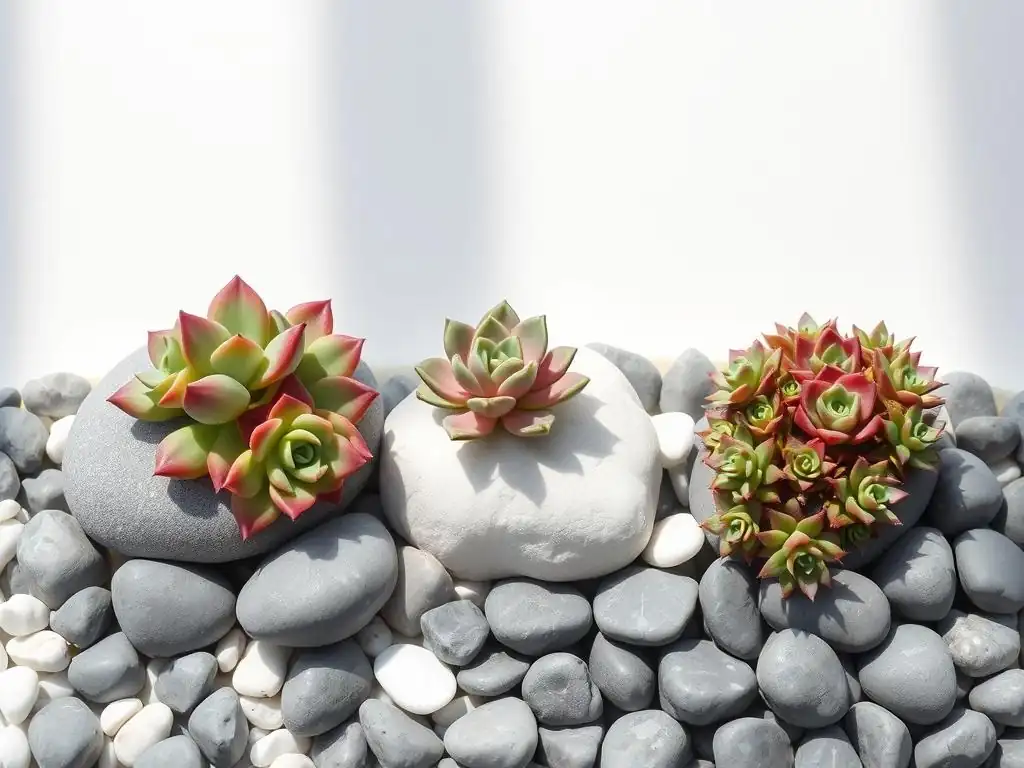
This section explores innovative ways to integrate stones and pebbles into your succulent arrangements, enhancing their aesthetic appeal and providing practical benefits. We'll examine how different stone types, sizes, and colors can complement various succulent species and garden settings, offering inspiration for your next succulent project. Mastering the art of succulent arrangement with stone ideas can significantly elevate the visual impact of your displays, transforming them from simple plantings into captivating works of art. The right stone choices can also improve drainage and moisture control, contributing to the long-term health of your succulents.
Stunning Succulent and Stone Arrangements for Patios and Decks
Patios and decks offer excellent opportunities to showcase succulent arrangements enhanced by carefully selected stones. The hard surfaces provide a clean contrast to the soft textures of succulents, creating a visually striking juxtaposition. Consider using smooth, river-washed stones in light colors like white, beige, or grey to complement succulents with delicate foliage and pastel blooms. Larger, bolder stones in darker shades can anchor larger succulent groupings, providing a sense of stability and grounding the arrangement.
For example, a grouping of Echeveria succulents with their rosette shapes could be beautifully showcased in a shallow, terracotta dish with a base layer of small, white pebbles for drainage. Larger, grey river stones could then be strategically placed around the succulents, creating visual pathways and highlighting the individual plants. This approach not only looks stunning but also aids in drainage, preventing root rot, a common problem for succulents in containers. Remember to choose stones that are non-porous to avoid harboring moisture.
Another approach is to use contrasting textures. Combine smooth, polished stones with succulents that have rough, textured leaves. This creates visual interest and a dynamic interplay of shapes and textures. Experiment with different stone sizes and colors to achieve a balanced and visually appealing arrangement. Consider adding a few decorative elements, such as small metal sculptures or whimsical figurines, to further enhance the overall design.
Incorporating Stones into Elevated Succulent Planters and Displays
Elevated planters offer a unique opportunity to showcase succulents and stones in a three-dimensional arrangement. By using tiered planters or creating your own elevated structure, you can create depth and visual interest. Consider using a variety of stone types and sizes to create different levels and textures within the arrangement.
For instance, a multi-tiered planter could feature a base layer of larger, darker stones, providing stability and contrast. The middle tier could utilize smaller, lighter stones, allowing the succulents to stand out. The top tier could showcase smaller succulents nestled among smooth, polished pebbles. This layered approach creates a sense of movement and visual flow, transforming a simple planter into a captivating display.
Remember that drainage is crucial in elevated planters. Ensure that there are sufficient drainage holes and that the stones used for drainage are inert and won't break down over time, clogging the drainage system. Selecting the correct stone type for drainage is crucial to the long-term health of your succulents.
Using Stones to Create a Focal Point in Your Succulent Garden
Stones can be used to create a focal point in your succulent garden, drawing the eye and creating a sense of order and design. This could involve creating a dry creek bed using various sizes and colors of stones, strategically placing larger stones to delineate pathways, or using stones to frame different sections of the garden.
For example, a grouping of large, uniquely shaped stones could serve as a striking centerpiece, surrounded by a variety of succulents with contrasting textures and colors. This creates a natural, yet carefully designed look. You could also use smaller stones to create a pathway winding through your succulent garden, guiding the eye and creating a sense of exploration.
Consider using contrasting colors and textures to make your focal point truly stand out. For instance, a grouping of smooth, white stones could be used to highlight a collection of dark-colored succulents, creating a dramatic contrast. The strategic placement of stones can also help to define different areas within your succulent garden, creating a sense of organization and structure. Remember that the size and shape of the stones you choose will significantly impact the overall aesthetic of your design.
Experiment with different arrangements to find what works best for your garden and the specific succulent varieties you are using. Don't be afraid to let your creativity flow! 🪴
Miniature Succulent Gardens with Stones: Small Spaces, Big Impact
Creating miniature succulent gardens is a fantastic way to incorporate stones and pebbles into your succulent arrangement, especially if you're working with limited space. These charming little displays can be crafted in a variety of containers, from tiny teacups and old tins to shallow bowls and even repurposed seashells. The key is to choose succulents that are compact and slow-growing, ensuring they won't outgrow their miniature habitat too quickly. Consider species like Sedum rubrotinctum (Jelly Bean Plant), Echeveria minima, or various sempervivum varieties (hens and chicks).
The stones you select play a vital role in both the aesthetics and the functionality of your miniature garden. Smaller, smooth pebbles can be used to create a clean, minimalist look, while larger, more textured stones can add a touch of rustic charm. Remember that the stones also serve a practical purpose: they help with drainage.
A layer of pebbles at the bottom of your container ensures that excess water doesn't sit around the roots of your succulents, preventing root rot, a common problem for these drought-tolerant plants. Experiment with different colors and textures of stones to create a visually appealing and well-draining environment for your miniature succulent collection. For instance, using a mix of white river stones and dark grey slate chips can create a striking contrast.
When arranging your miniature succulent garden, consider the overall composition. Don't overcrowd the container; allow enough space for each succulent to grow without competing for resources. Place the larger succulents towards the back or center, using smaller succulents and pebbles to fill in the gaps and create visual interest. You can even incorporate tiny decorative elements, like miniature figurines or small pieces of driftwood, to add a unique touch.
Remember that less is often more when it comes to miniature gardens; a well-planned, thoughtfully arranged miniature garden will have a far greater impact than a crowded one. Maintaining a balance between succulents and stones is crucial for a successful and aesthetically pleasing miniature succulent arrangement. Regularly check the moisture level of the soil and adjust watering accordingly, ensuring your miniature garden thrives.
Practical Applications of Stones and Pebbles in Succulent Care
This section delves into the practical uses of stones and pebbles in enhancing succulent health and the aesthetic appeal of your succulent arrangements. We'll explore how these readily available hardscaping elements contribute to better drainage, soil aeration, moisture retention, and weed control – all crucial aspects of successful succulent cultivation. Mastering these techniques will significantly improve the longevity and vibrancy of your succulent displays, transforming them from simple plantings into thriving, visually stunning arrangements.
Remember, choosing the right stone type and size is key for optimal results. Consider factors like porosity, size, and overall aesthetic harmony with your chosen succulents.
Using Stones for Drainage and Soil Aeration in Succulent Pots
Proper drainage is paramount for succulent health. Succulents, being drought-tolerant, are highly susceptible to root rot caused by overly saturated soil. Incorporating stones at the base of your succulent pots creates a crucial drainage layer. This layer prevents water from becoming stagnant, allowing excess moisture to escape freely. This simple technique significantly reduces the risk of root rot, a common problem leading to succulent decline.
For optimal drainage, use a layer of approximately 1-2 inches of gravel, small pebbles, or lava rocks at the bottom of your pots before adding your succulent potting mix. Larger stones can be used for larger containers. The size should be small enough to allow for water percolation but large enough to prevent clogging. Consider using a mix of sizes for better drainage and aeration.
This approach ensures that the roots are never sitting in standing water, promoting healthy root growth and preventing fungal diseases. Think of it as creating a miniature drainage system within the pot itself. This simple addition can dramatically improve the long-term health and survival rate of your succulents.
Preventing Soil Erosion and Maintaining Soil Moisture with Pebbles
Soil erosion is a common issue, particularly in containers placed outdoors. Wind and watering can easily wash away the precious topsoil around your succulents, exposing their roots and potentially leading to dehydration. A layer of pebbles strategically placed around the base of your plants acts as a natural barrier, preventing soil erosion.
The pebbles create a protective barrier, holding the soil in place. Furthermore, the pebbles help to retain moisture in the soil. The small spaces between the pebbles trap moisture, slowing down evaporation and reducing the frequency of watering. This is particularly beneficial in drier climates or for succulents planted in exposed areas.
This technique is especially effective when combined with a layer of organic mulch. The pebbles prevent the mulch from being washed away, maximizing its effectiveness. Experiment with different sizes and colors of pebbles to achieve a visually appealing and functional layer. Remember, the goal is to create a stable and moisture-retentive environment for your succulents.
Creating a Natural Mulch Layer with Stones to Suppress Weeds
Weeds are a constant battle for any gardener, and succulents are no exception. Weeds compete with your succulents for nutrients and water, hindering their growth and potentially overwhelming them. A layer of gravel, stones, or pebbles acts as a natural mulch, suppressing weed growth.
By covering the soil surface with a layer of stones, you effectively block sunlight from reaching weed seeds, preventing germination. This significantly reduces weed growth, minimizing the need for weeding and the use of herbicides. This is a particularly effective and eco-friendly method of weed control. Choose stones that are aesthetically pleasing and complement your succulent arrangement.
A well-placed stone mulch layer not only helps to control weeds but also enhances the overall visual appeal of your succulent display, creating a clean and polished look. Experiment with different stone sizes and colors to find the perfect combination that suits your style and the overall design of your succulent arrangement. Consider using a combination of larger stones and smaller pebbles for a more textured and visually interesting mulch layer.
DIY Projects: Succulent Arrangement Stone Ideas You Can Make at Home
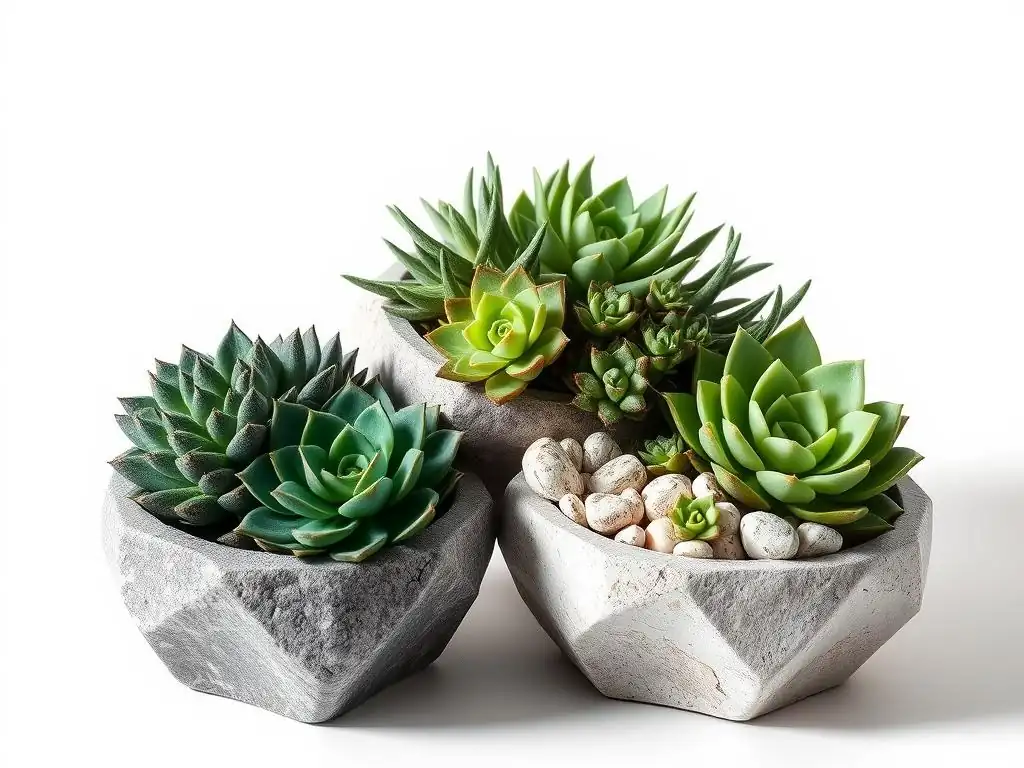
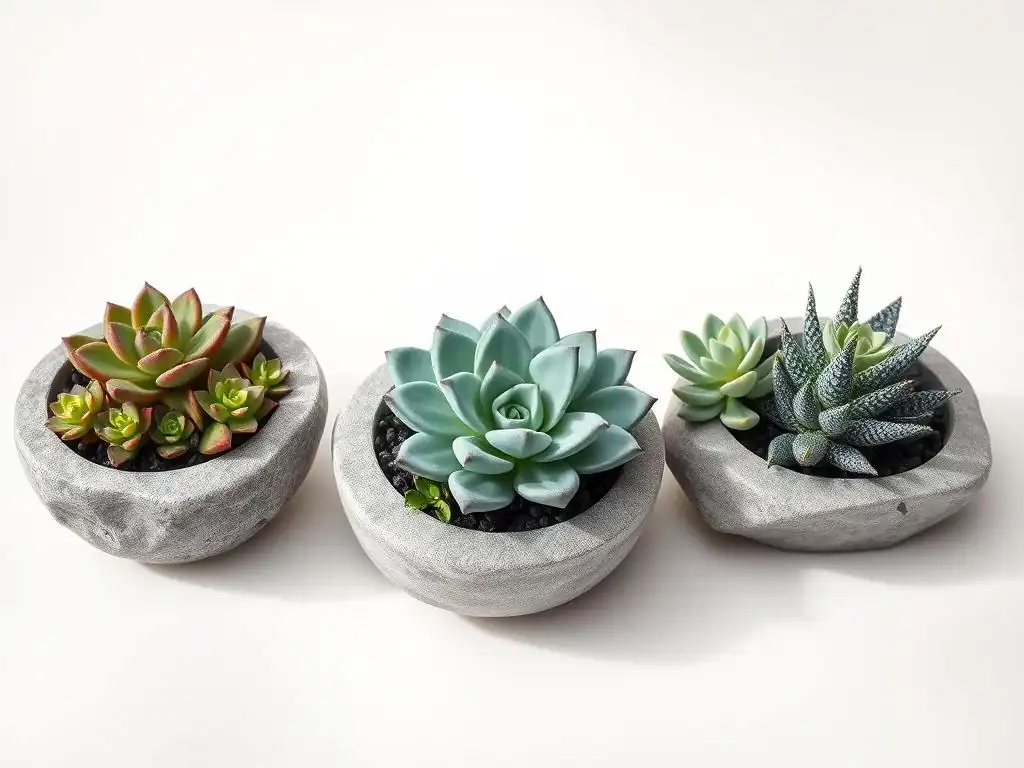
This section explores practical, hands-on projects that integrate succulents and stones, offering unique and aesthetically pleasing succulent arrangement stone ideas for your home or garden. We'll cover different skill levels, from beginner-friendly projects to more advanced creations. Remember, the beauty of these arrangements lies in their individuality; feel free to adapt these ideas to your own style and available materials. The key is to balance the visual weight of the succulents with the textural interest of the stones, creating a harmonious and thriving miniature landscape.
Step-by-Step Guide: Creating a Succulent and Stone Terrarium
Creating a succulent and stone terrarium is a fantastic way to showcase your creativity while providing a low-maintenance, visually captivating display. This project is ideal for beginners and requires minimal tools.
Materials:
- A glass container (a bowl, vase, or repurposed jar works well)
- A layer of activated charcoal (to prevent mold and mildew)
- Potting mix specifically formulated for succulents and cacti
- Assorted succulents (choose a variety of sizes, colors, and textures)
- Small, smooth stones or pebbles (consider varying colors and sizes for visual interest)
- Small gardening tools (trowel, spoon)
Instructions:
- Clean your glass container thoroughly.
- Add a thin layer of activated charcoal to the bottom.
- Fill the container about halfway with succulent potting mix.
- Arrange your stones strategically, creating a base layer or pathways. Consider using larger stones at the bottom and gradually decreasing in size as you move upwards.
- Carefully plant your succulents, spacing them to allow for growth. Smaller succulents can be nestled between the stones.
- Gently water the terrarium, ensuring the soil is moist but not soggy.
- Place your terrarium in a location with bright, indirect sunlight.
This process allows you to experiment with different stone types and colors, crafting a unique terrarium every time. Remember to research the specific light and water requirements of your chosen succulent varieties to ensure their long-term health. Adding a decorative layer of sand or colored gravel on top can further enhance the aesthetic appeal. Consider using river rocks for a natural look, or polished stones for a more refined feel. The possibilities are endless!
Building a Miniature Succulent Rock Garden: A Beginner's Tutorial
A miniature succulent rock garden is a perfect outdoor project, ideal for small spaces or as a charming addition to a larger landscape. This project emphasizes the integration of succulents with natural stone elements, creating a low-maintenance, drought-tolerant garden.
Materials Needed:
- A shallow container or tray (consider using a repurposed wooden crate or a metal tray)
- Landscape fabric (to prevent weeds)
- Succulent potting mix
- A variety of small succulents
- Rocks and pebbles of varying sizes and colors. Consider using a mix of river rocks, flagstones, and even small decorative stones.
- Small gardening tools
Steps:
- Line your container with landscape fabric to suppress weeds and improve drainage.
- Fill the container with succulent potting mix, leaving about an inch of space at the top.
- Create a visually appealing arrangement of rocks and pebbles, leaving spaces for the succulents. Consider creating pathways or focal points with larger stones.
- Plant your succulents, ensuring they have enough space to grow. Smaller succulents can be placed between the stones.
- Water thoroughly, allowing excess water to drain.
- Place your rock garden in a sunny location with good drainage.
This project offers a lot of flexibility. You can use different types of stones to create different visual effects – smooth river stones for a natural look, or more angular, textured stones for a bolder aesthetic. Remember to choose succulents that are well-suited to your climate and sunlight conditions. Regularly inspect for weeds and remove any as needed. This miniature garden provides a wonderful opportunity to experiment with different combinations of succulents and stones, creating a unique and personal design.
Designing a Succulent Wall Planter with Stone Accents
This project is slightly more advanced but offers a striking and modern way to incorporate succulents and stones. It's ideal for vertical gardening and can add a dramatic touch to any wall or fence.
Essential Materials:
- A sturdy wooden frame or a pre-made wall planter (consider size and depth based on your chosen succulents)
- Landscape fabric
- Succulent potting mix
- Drainage holes (essential to prevent root rot)
- A selection of succulents (choose varieties that will thrive in the chosen location)
- Flat stones or tiles (these will act as both a decorative element and help retain moisture)
- Construction adhesive (appropriate for outdoor use)
Construction and Planting:
- Prepare the wooden frame by ensuring adequate drainage holes are drilled in the bottom. Line the frame with landscape fabric.
- Fill the frame with succulent potting mix, leaving some space at the top.
- Strategically arrange the flat stones or tiles within the planter, creating interesting patterns or designs. The stones will also help to anchor the succulents and prevent them from sliding.
- Plant the succulents, ensuring they have enough space to grow. Consider varying heights and textures for a visually appealing display.
- Use the construction adhesive to secure any loose stones or succulents.
- Water thoroughly, allowing excess water to drain.
- Mount the planter on a wall or fence in a location with bright, indirect sunlight.
This project allows for significant customization. You can experiment with different stone types, colors, and arrangements. The use of varied textures and shades of succulents against the backdrop of the stones can create a truly stunning wall display. Remember to choose succulents that are tolerant of the sun exposure and climate in your location. Regular watering is crucial, but avoid overwatering, which can lead to root rot. This project provides a modern and stylish way to enjoy the beauty of succulents while showcasing the versatility of stones in landscaping.
Advanced Techniques: Elevating Your Succulent and Stone Displays
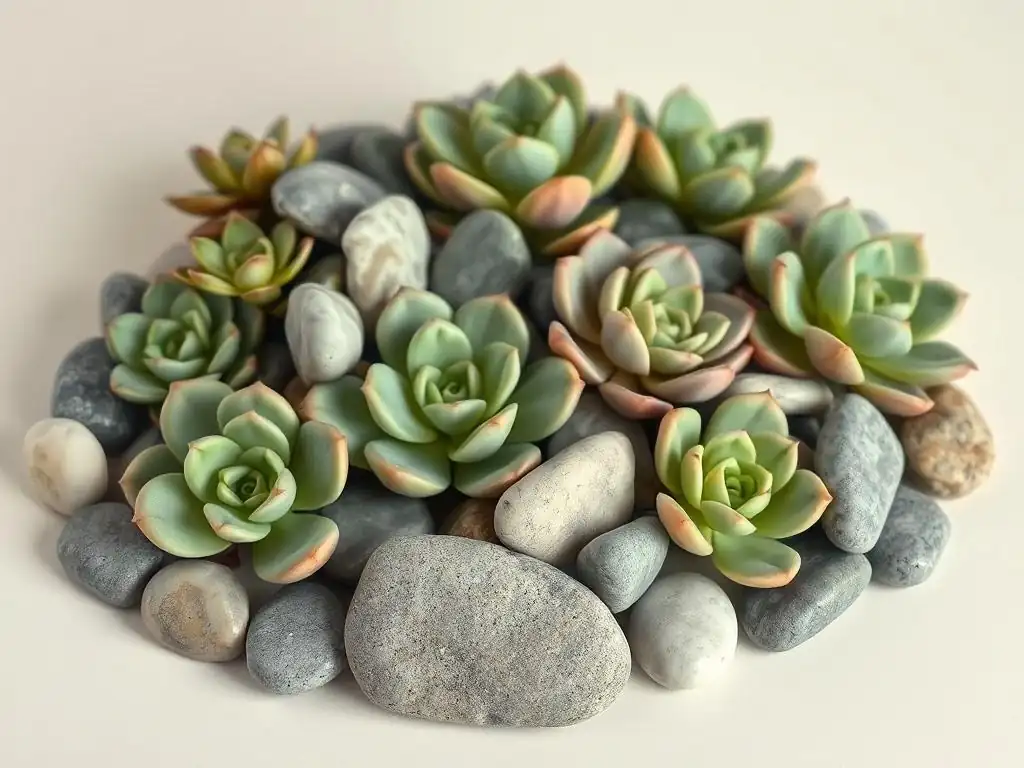
This section delves into sophisticated methods for integrating stones and pebbles into your succulent arrangements, moving beyond basic placement to create truly stunning and unique displays. We'll explore how thoughtful selection of stone types, shapes, and sizes can dramatically enhance the aesthetic appeal and overall impact of your succulent gardens. Mastering these techniques will transform your succulent arrangements from simple displays into captivating works of art, perfectly reflecting your personal style and enhancing your outdoor space. Remember, the right combination of succulents and stones can create a truly mesmerizing xeriscape design.
Using Different Stone Types to Create Visual Interest in Succulent Arrangements
The choice of stone significantly impacts the overall look and feel of your succulent arrangement. Using a variety of stone types introduces texture, color, and visual depth, preventing a monotonous appearance. Consider these options for adding visual interest:
- Smooth River Rocks: These offer a soft, natural contrast to the often spiky textures of succulents. Their rounded shapes and subtle color variations create a calming, serene atmosphere. Consider using varying sizes for a more dynamic display.
- Sharp, Angular Stones: Incorporating angular stones, like pieces of slate or granite, adds a touch of ruggedness and drama. These work particularly well with succulents that have a more structured, geometric growth pattern. The contrast in textures is visually striking.
- Colored Stones and Pebbles: Introducing stones with contrasting colors can create a vibrant and eye-catching arrangement. Think about using red volcanic rock, blue-grey slate, or even brightly colored glass pebbles for a more modern aesthetic. Experiment with different color palettes to match your existing landscaping or create a completely new focal point.
- Textured Stones: Stones with interesting textures, such as those with striations or pitting, add another layer of visual complexity. These can be strategically placed to draw the eye and create focal points within the arrangement.
Consider the following table to illustrate the impact of different stone types:
| Stone Type | Texture | Color Range | Visual Impact | Succulent Pairing Suggestions |
|---|---|---|---|---|
| Smooth River Rocks | Smooth, Rounded | Beige, Grey, Brown, Black | Calming, Serene, Natural | Sedum, Echeveria, Graptopetalum |
| Angular Slate | Rough, Jagged | Grey, Blue-Grey, Black | Dramatic, Rugged, Modern | Sempervivum, Agave, Aeonium |
| Colored Glass Pebbles | Smooth, Shiny | Varied (Red, Blue, Green) | Vibrant, Modern, Eye-Catching | Haworthia, Gasteria, Crassula |
| Textured Basalt | Rough, Pitted | Dark Grey, Black | Complex, Earthy, Texturally Interesting | Dudleya, Senecio, Sedum (more robust varieties) |
Remember to consider the overall color scheme of your succulents when selecting stones. Complementary colors will enhance the beauty of both elements, while contrasting colors can create a bold and exciting statement.
Incorporating Unique Stone Shapes and Sizes for Artistic Expression
Beyond simply choosing different types of stones, the shapes and sizes you select play a crucial role in creating a visually appealing succulent arrangement. Strategic placement of various sizes and shapes adds depth and visual interest.
For example, using larger, flatter stones can create a sense of stability and foundation for your arrangement. Smaller pebbles can be used to fill in gaps and create a more natural-looking landscape. Varying the size and shape of your stones prevents a repetitive pattern and adds visual intrigue. Consider using unusual or uniquely shaped stones as focal points or accents. A striking piece of petrified wood or a uniquely shaped river rock can add a touch of the unexpected and elevate your design.
Think of your arrangement as a miniature landscape – use larger stones to mimic boulders, medium-sized stones as rocks, and smaller pebbles as gravel. This creates a sense of scale and realism, making your succulent arrangement even more captivating. Experiment with different groupings and arrangements to see what works best. Don't be afraid to try unconventional combinations and let your creativity guide you. The key is to create a balanced and harmonious composition.
Designing a Succulent Landscape with Various Stones and Pebbles: A Comprehensive Guide
Creating a successful succulent landscape involves careful planning and execution. This extends beyond the simple placement of succulents; it involves strategically incorporating various sizes and types of stones and pebbles to create a cohesive and visually stunning design.
Consider these steps for designing your succulent landscape with stones:
- Planning and Design: Sketch out your design beforehand, considering the size and shape of your planting area, the types of succulents you'll be using, and the stones you'll incorporate. Think about the overall style you want to achieve – modern, rustic, minimalist, etc.
- Layering and Texturing: Begin by laying down a base layer of larger stones to create a foundation. Then, add medium-sized stones and pebbles to fill in the gaps and create texture. Consider using different colors and textures to add visual interest.
- Succulent Placement: Carefully plant your succulents, considering their size, growth habit, and color. Group similar succulents together or create a mix of textures and colors.
- Refining and Adjusting: Step back and assess your design. Make any necessary adjustments to the placement of succulents and stones. Ensure there's a good balance between the succulents and the stones, and that the overall composition is visually appealing.
- Maintenance: Succulents require minimal watering, but ensure proper drainage to prevent root rot. Regularly inspect your arrangement for weeds and make any necessary adjustments.
By following these steps and utilizing the techniques discussed earlier, you can create a breathtaking succulent landscape that seamlessly blends the beauty of succulents with the natural charm of stones and pebbles. Remember that the process is as much about experimentation and creative expression as it is about following a specific formula. Enjoy the process of crafting your unique and stunning succulent arrangement!
Maintaining Your Succulent and Stone Arrangements: Tips for Long-Lasting Beauty
Creating a stunning succulent arrangement with stones and pebbles is only half the battle; maintaining its beauty and health requires consistent care. This section delves into practical tips for ensuring your succulent and stone masterpiece thrives for years to come. Proper maintenance isn't just about aesthetics; it's crucial for the health and longevity of your succulents. The right approach can prevent common problems and maximize the visual appeal of your carefully curated arrangement. Remember, even drought-tolerant succulents need some TLC!
Cleaning and Maintaining Your Stone Displays: Practical Advice
Regular cleaning is key to preventing the buildup of dust, debris, and algae, which can detract from the overall appearance of your stone display. For routine cleaning, simply use a soft brush or cloth to gently remove dust and loose particles from both the stones and the succulents. Avoid using harsh chemicals or high-pressure water, as these can damage delicate succulents and erode the stone's surface.
A gentle solution of mild soap and water can be used sparingly for stubborn stains, but always rinse thoroughly afterward. Consider the type of stone you've used; some are more porous and susceptible to staining than others. [Specific cleaning recommendations for various stone types pending].
For larger stone arrangements or those in outdoor settings, a more thorough cleaning might be necessary seasonally. This could involve using a garden hose with a gentle spray setting to remove accumulated dirt and debris. Remember to protect your succulents from the direct force of the water.
You may find it helpful to cover them temporarily with a plastic sheet or similar protective barrier during cleaning. Regular, gentle cleaning will keep your succulent arrangement looking pristine and prevent the accumulation of grime that can harbor pests or diseases. It's a small investment of time that yields significant aesthetic and health benefits for your succulents.
Protecting Your Succulents and Stones from Harsh Weather Conditions
The resilience of succulents doesn't negate the need for protection from extreme weather. Harsh sun, freezing temperatures, and heavy rainfall can all negatively impact both your succulents and the stones in your arrangement. For outdoor arrangements, strategic placement is crucial. Avoid areas exposed to intense, direct sunlight, especially during the hottest parts of the day. Consider using shade cloth or strategically positioning the arrangement to provide some natural shade during peak sun hours. This is especially important for succulents that are not particularly heat-tolerant.
During winter, protect your arrangement from freezing temperatures. Depending on your climate, this may involve bringing the arrangement indoors, covering it with frost cloth, or moving it to a sheltered location. Extreme cold can cause damage to succulent leaves and even root rot. Heavy rainfall can lead to overwatering, so consider providing some overhead protection during periods of prolonged or intense rain.
A simple awning or a strategically placed overhang can make all the difference. Planning for seasonal weather variations is key to maintaining the health and beauty of your succulent arrangement. Remember, proactive protection is far better than reactive repair!
Troubleshooting Common Problems: Addressing Issues with Drainage, Rot, and Pests in Stone Arrangements
Even with meticulous care, problems can arise. Proper drainage is paramount for succulent health. Ensure your stone arrangement allows for adequate water drainage to prevent root rot, a common problem caused by overly wet soil. If you notice signs of rot (soft, mushy leaves or stems), remove the affected parts immediately and allow the soil to dry thoroughly before watering again. Proper soil mix is crucial; it should be well-draining and not retain excess moisture. [Specific soil mix recommendations pending].
Pests can also be an issue. Regularly inspect your succulents for signs of infestation, such as aphids, mealybugs, or scale. Treat any infestations promptly using appropriate insecticidal soap or other organic pest control methods. Avoid using harsh chemicals that could damage your plants or the stones in your arrangement. Early detection and treatment are vital to preventing widespread damage.
Remember that a healthy environment, with proper drainage and sunlight, is the best defense against pests and diseases. A proactive approach to maintenance will help keep your succulent arrangement thriving and beautiful for years to come. Remember to always prioritize the health of your succulents! 🌱
Frequently Asked Questions
What types of stones work best in succulent arrangements?
Many stones work! Consider smooth river rocks, decorative pebbles, or even larger, interesting stones as focal points. Avoid sharp stones that could damage roots.
How do I prevent stones from damaging my succulents?
Ensure there's adequate space between the stones and the succulent's roots. A well-draining soil mix is crucial to prevent root rot, which is exacerbated by overly wet conditions near stones. Use a layer of gravel at the bottom of your pot for better drainage.
What are some creative ways to use stones in a succulent arrangement?
Use different sizes and colors of stones to create visual interest. You can create paths or borders with stones, use them as elevated platforms for smaller succulents, or incorporate larger stones as sculptural elements.
How do I choose the right size pot for my succulent arrangement with stones?
The pot should be proportionate to the size of your succulents and stones. Ensure there's enough space for the roots and the drainage layer. Consider the overall aesthetic you're aiming for. A shallow, wide pot might work best for a low-lying arrangement.
Are there any specific stones I should avoid using in my succulent arrangement?
Avoid sharp, jagged stones that could injure the succulents. Also, avoid stones that are porous and could retain too much moisture, leading to root rot. Lime-based stones can also alter the soil pH, potentially harming your plants.
Final Reflection: Cultivating Beauty: Stones, Succulents, and the Art of Arrangement
The art of succulent arrangement, far from being a mere hobby, reflects our innate desire to create beauty and find solace in the natural world. This seemingly simple act of placing succulents amongst carefully chosen stones and pebbles speaks to a deeper human need for connection with nature, a need increasingly relevant in our fast-paced, technology-driven lives. The careful consideration of texture, color, and form in these miniature landscapes offers a powerful antidote to the chaos of modern existence.
The enduring appeal of succulent arrangements, enhanced by the inclusion of stones and pebbles, lies in their versatility and ability to evoke a sense of calm and tranquility. They are living works of art that evolve over time, mirroring the natural processes of growth and change. This dynamic quality, coupled with the relatively low-maintenance nature of succulents, makes them accessible to a wide range of people, regardless of their experience with gardening. The glory of gardening: hands in the dirt, head in the sun, heart with nature. To nurture a garden is to feed not just the body, but the soul.
This quote perfectly encapsulates the restorative power of engaging with nature, a power amplified by the creative process of arranging succulents and stones.
Now, consider your own space. Imagine the calming effect a thoughtfully arranged succulent display could bring to your home or office. Take the time to explore the possibilities—experiment with different types of stones, succulents, and containers. Let your creativity flow, and allow the process of arranging to become a meditative practice. Embrace the beauty of imperfection, for it is in the unique character of each stone and succulent that the true magic lies. Create your own miniature oasis, a testament to the power of nature's artistry and your own creative spirit.
Unleash Your Inner Succulent Artist!
Thanks for exploring the world of succulent displays with us! We hope you've gained inspiration for incorporating stones and pebbles to enhance your plant arrangements. Ready to transform your collection?
- Design your dream succulent garden: Let your imagination run wild and create a stunning display. Experiment with different colors, textures, and arrangements to bring your vision to life.
- Share your masterpiece: Show off your beautiful succulent display on social media! Use #SucculentEssentials and tag us — we'd love to see your creations.
- Explore further: Discover more resources and inspiration on our website to delve deeper into the world of succulent care and design. Find unique ways to enhance your collection.
What kind of stone or pebble will you use to showcase your next succulent arrangement?