
The Beauty of Succulents: Transforming Your Lawn into a Work of Art

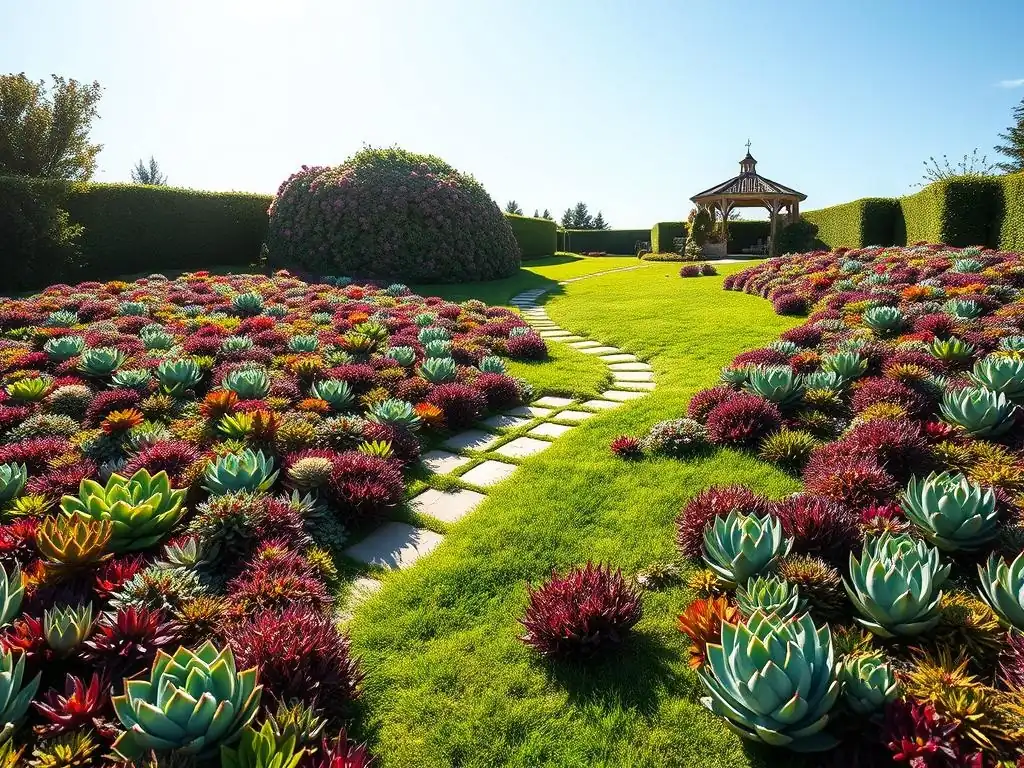
Welcome to SucculentEssentials.org, where the fascinating world of succulents unfolds before you! Prepare to be amazed by the incredible diversity and resilience of these drought-tolerant beauties. But forget everything you think you know about ordinary lawns… We're diving headfirst into the extraordinary realm of succulent lawn art ideas, transforming your outdoor space into a breathtaking, low-maintenance masterpiece. Discover how to cultivate a vibrant, unique landscape and unlock the secrets to creating stunning succulent arrangements that will leave your neighbors green with envy. Ready to embark on this captivating journey? Let's get started!
- Sustainable Lawn Alternatives: Why Choose a Succulent Lawn?
- Succulent Lawn Art Ideas: Design Inspiration and Planning
- Creating Your Succulent Lawn: A Step-by-Step Guide
- Maintaining Your Thriving Succulent Lawn
- Advanced Succulent Lawn Art Ideas: Elevating Your Design
- Showcase Your Succulent Lawn Art: Photography and Sharing
- Frequently Asked Questions
- Final Reflection: Cultivating Beauty, One Succulent at a Time
- Unleash Your Inner Landscape Artist: Design Your Dream Succulent Garden!
Sustainable Lawn Alternatives: Why Choose a Succulent Lawn?
Tired of the endless cycle of mowing, watering, and fertilizing your traditional lawn? Yearning for a landscape that's both beautiful and environmentally responsible? Then consider transforming your lawn into a vibrant, low-maintenance succulent garden! This article explores the exciting possibilities of using succulents to create stunning and sustainable lawn art, offering a unique and visually appealing alternative to traditional grass.
We'll delve into the environmental advantages, explore water conservation techniques, and highlight the long-term cost savings associated with this innovative landscaping approach. Prepare to be inspired by the artistry and practicality of succulent lawn art ideas, perfect for those seeking a breathtaking and eco-friendly outdoor space. This guide will equip you with the knowledge and inspiration needed to create your own breathtaking succulent masterpiece, turning your lawn into a testament to sustainable beauty.
The Environmental Benefits of a Succulent Landscape
Replacing your traditional grass lawn with succulents offers a multitude of environmental benefits. Traditional lawns often require significant amounts of water, fertilizers, and pesticides, contributing to water pollution and harming beneficial insects and wildlife. Succulents, on the other hand, are remarkably drought-tolerant, requiring minimal watering once established. This significantly reduces your water footprint and minimizes the need for chemical interventions.
Furthermore, succulents help prevent soil erosion, improving soil health and supporting biodiversity by providing habitat for beneficial insects and small animals. The reduced need for mowing also minimizes noise and air pollution associated with gas-powered lawnmowers. Choosing a succulent landscape is a conscious decision towards a healthier planet 🌎. By adopting this sustainable approach, you contribute to a greener future, reducing your environmental impact and creating a haven for local wildlife.
Water Conservation with Drought-Tolerant Succulents
One of the most compelling reasons to embrace succulent lawn art is the significant water conservation it allows. Succulents are renowned for their exceptional drought tolerance. Their unique physiology enables them to store water in their leaves and stems, making them incredibly efficient at surviving with minimal watering, especially once established. This drastically reduces your water consumption compared to a traditional lawn, which often requires frequent and deep watering, especially during hot and dry periods.
Consider the substantial savings on your water bill alone! The reduced watering frequency also translates to less time spent maintaining your landscape, freeing up your time for other activities. Implementing a proper drainage system is crucial for success, preventing waterlogging which can harm the succulents. Careful planning and selection of appropriate succulent varieties suited to your specific climate is essential for optimal water conservation.
Reduced Maintenance and Long-Term Savings
Beyond the environmental advantages, a succulent lawn offers significant long-term cost savings and reduced maintenance. Unlike traditional lawns that require frequent mowing, fertilizing, and weed control, succulents need minimal upkeep. The initial investment in planting may be slightly higher, but the long-term savings quickly outweigh the initial cost. You'll save money on water bills, fertilizer, pesticides, and lawn equipment maintenance.
The reduced time commitment for maintenance translates to more free time for you to enjoy your beautiful, low-maintenance succulent landscape. Furthermore, many succulents have a long lifespan, requiring less frequent replacement than traditional lawn grasses, further reducing long-term expenses. The overall result is a stunning, sustainable, and economically advantageous landscape solution. This makes succulent lawn art a practical and aesthetically pleasing option for environmentally conscious homeowners seeking long-term value.
Succulent Lawn Art Ideas: Design Inspiration and Planning
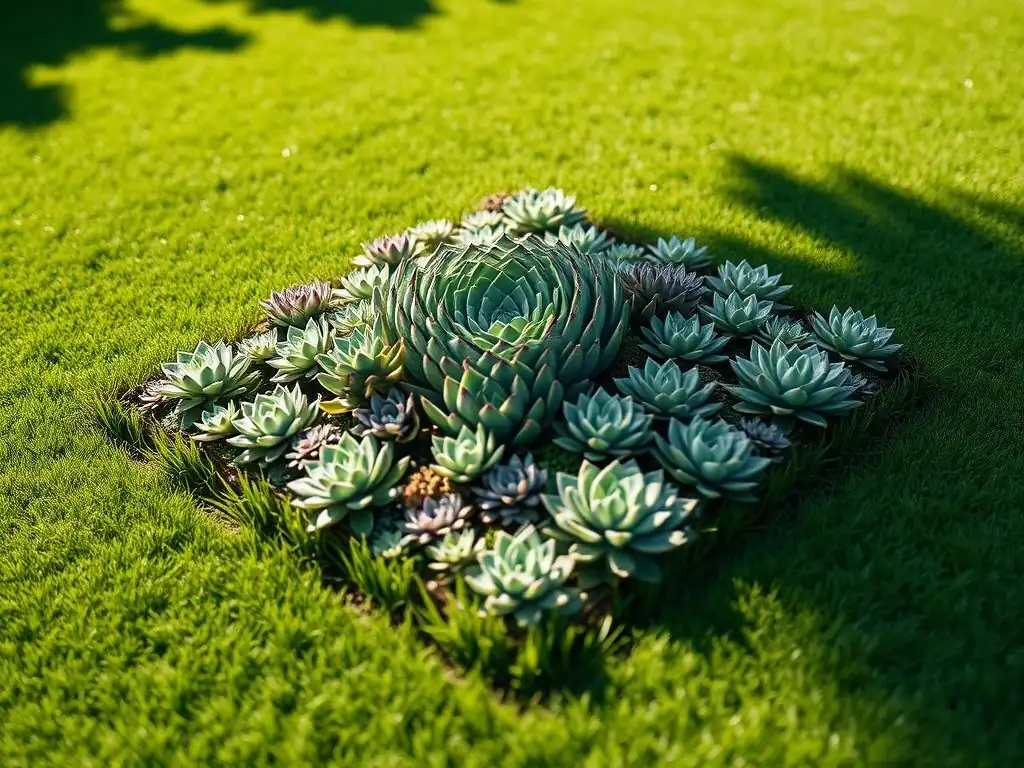
This section dives into the exciting world of transforming your lawn into a stunning succulent landscape. We'll explore practical design considerations to help you create a unique and thriving succulent lawn art installation. Forget the traditional grass lawn; let's embrace the drought-tolerant beauty and low-maintenance appeal of succulents. This approach offers a sustainable and visually captivating alternative, perfect for those seeking "succulent lawn art ideas".
Choosing the Right Succulents for Your Lawn Art
Selecting the appropriate succulents is paramount to the success of your project. Consider factors like your climate, sunlight exposure, and soil type. Different succulents thrive under varying conditions. For example, Sedum species are exceptionally hardy and tolerate full sun, while Echeveria prefer partial shade and well-drained soil. A diverse selection will create a more visually interesting and resilient lawn.
Here's a helpful table to guide your choices:
| Succulent Type | Sun Exposure | Water Needs | Soil Type | Notes |
|---|---|---|---|---|
| Sedum spp. | Full Sun | Low | Well-drained | Extremely drought-tolerant, various colors |
| Echeveria spp. | Partial Shade | Low | Well-drained | Rosettes, diverse colors and textures |
| Sempervivum spp. | Full Sun | Low | Well-drained | Also known as Hens and Chicks, cold-hardy |
| Dudleya spp. | Full Sun | Low | Well-drained | Unique shapes and colors, drought-resistant |
| Delosperma spp. | Full Sun | Moderate | Well-drained | Ice plants, vibrant flowers |
Remember to research the specific needs of each succulent you choose to ensure their long-term health and vibrancy. Consider creating a small test area with a few varieties to see how they perform in your specific environment before committing to a large-scale project. This helps avoid potential issues and ensures the success of your "succulent lawn art ideas".
Designing Your Succulent Garden: Shape, Size, and Layout
Planning the layout is crucial for a cohesive and visually appealing succulent lawn. Think about the overall shape and size of your succulent garden. Will it be a geometric design, a free-flowing organic shape, or a combination of both? Consider the surrounding landscape and architecture to ensure your succulent lawn art complements its environment.
- Geometric Shapes: Squares, circles, or triangles can create a modern and structured look.
- Organic Shapes: Curving lines and irregular shapes offer a more natural and flowing aesthetic.
- Combined Approaches: Blending geometric and organic elements can create a unique and dynamic design.
Mapping out your design on paper or using gardening software can help visualize the final result before planting. Consider incorporating pathways, stepping stones, or other elements to enhance accessibility and visual interest. Think about the scale of your design in relation to the surrounding landscape. A small succulent garden might be overwhelmed by a large lawn, while a large design might look out of place in a small garden. Careful planning will ensure that your "succulent lawn art ideas" translate effectively to reality.
Creating Visual Interest with Texture and Color Variations
The beauty of succulents lies in their diverse textures and colors. Maximize visual appeal by incorporating a variety of succulents with different leaf shapes, sizes, and colors. Playing with texture and color creates depth and interest, enhancing the overall artistic impact of your succulent lawn.
Consider these strategies:
- Textural Contrast: Combine succulents with smooth, fleshy leaves with those that have spiky, hairy, or powdery leaves.
- Color Coordination: Use a color palette that complements your home's exterior or the surrounding landscape. Think about warm tones (reds, oranges, yellows) versus cool tones (blues, greens, purples).
- Layering and Height: Vary the height of your succulents by using a combination of low-growing groundcovers and taller, upright varieties. This creates visual depth and dimension.
By thoughtfully combining different textures and colors, you can create a truly stunning and unique succulent lawn that showcases the remarkable beauty and versatility of these amazing plants. Remember, the key to successful "succulent lawn art ideas" lies in careful planning and a creative approach to design. Don't be afraid to experiment and let your creativity shine!
Creating Your Succulent Lawn: A Step-by-Step Guide
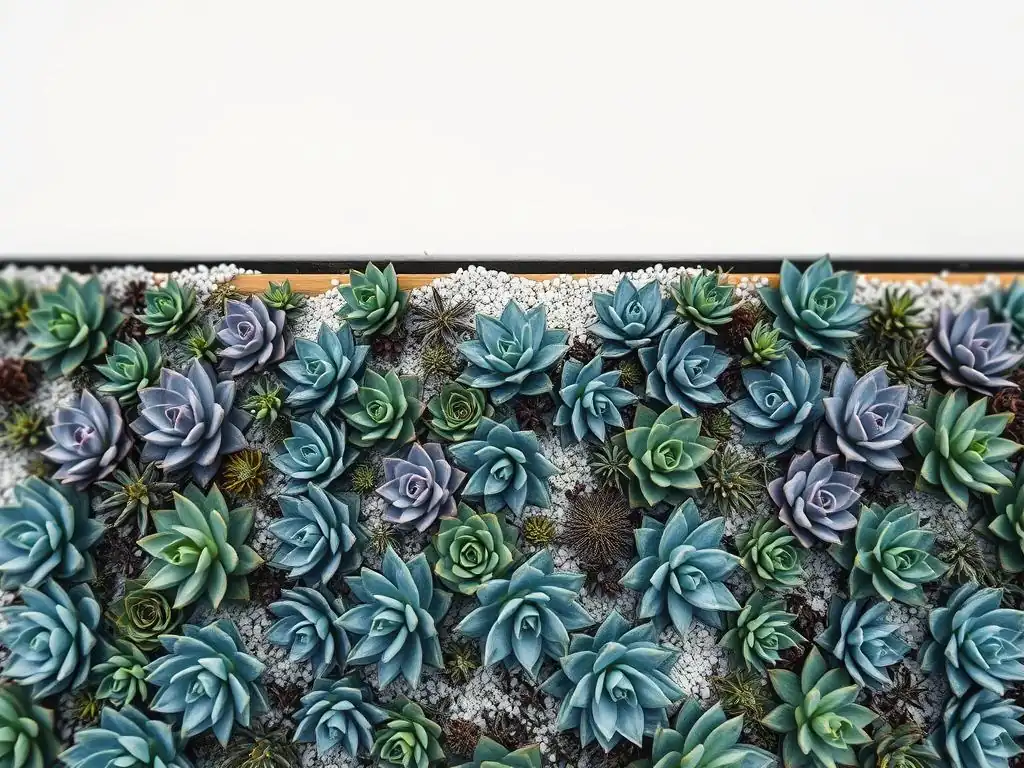
This section details the process of establishing a thriving succulent lawn, transforming your outdoor space into a low-maintenance, visually stunning landscape. We'll cover soil preparation, planting techniques, and ongoing care, providing you with the knowledge to create your own unique succulent lawn art. Remember, patience and attention to detail are key to success in this rewarding endeavor.
Preparing the Soil for Your Succulent Lawn
Before you even think about planting, proper soil preparation is crucial for a healthy succulent lawn. Succulents thrive in well-draining soil that prevents waterlogging, a common cause of root rot. Amend heavy clay soils to improve drainage significantly. This involves incorporating organic matter like coarse sand, perlite, or pumice to increase porosity.
The ideal soil mix should mimic the natural environment of succulents – a sandy, gritty texture that allows for excellent aeration. Avoid using soils rich in organic matter like peat moss, as these retain too much moisture. Aim for a soil pH slightly acidic to neutral (6.0-7.0). You can test your soil pH using a home testing kit readily available at most garden centers.
Here's a sample soil mix recipe for a succulent lawn:
| Component | Percentage | Notes |
|---|---|---|
| Potting Soil | 30% | Use a high-quality, well-draining potting mix. |
| Coarse Sand | 40% | Provides excellent drainage and aeration. |
| Perlite or Pumice | 30% | Further enhances drainage and prevents compaction. |
Before planting, thoroughly till the soil to a depth of at least 12 inches. This ensures proper root penetration and allows for better water infiltration. Remove any weeds or grass to prevent competition for resources. A weed barrier fabric laid beneath the soil can further help suppress weed growth, simplifying maintenance. Remember, a well-prepared soil bed is the foundation for a beautiful and thriving succulent lawn.
Planting Your Succulents: Techniques for Success
Choosing the right succulents for your lawn is paramount. Opt for drought-tolerant varieties that are suited to your climate and sunlight exposure. Consider a mix of textures, colors, and sizes to create visual interest. Smaller succulents, like Sedum spp. or Delosperma, are ideal for creating a dense, carpet-like effect. Larger succulents can be strategically placed as focal points.
When planting, space your succulents appropriately to allow for growth. Overcrowding can lead to competition and disease. Dig individual holes slightly larger than the succulent’s root ball. Gently remove the succulent from its container, ensuring not to damage the roots. Place the succulent in the hole, ensuring the top of the root ball is level with the soil surface. Backfill the hole with the prepared soil mix, gently firming it around the base of the plant.
Consider these planting techniques for enhanced visual appeal:
- Pattern Planting: Create geometric patterns or designs using different succulent types.
- Color Blocking: Group succulents with similar colors together for a dramatic effect.
- Random Planting: For a more natural, wildflower meadow look.
After planting, water your succulent lawn thoroughly but sparingly. Avoid overwatering, which can lead to root rot. The initial watering will help settle the soil and encourage root establishment.
Watering and Maintaining Your New Succulent Lawn
Maintaining your succulent lawn requires a different approach than traditional lawns. Succulents are incredibly drought-tolerant, requiring minimal watering once established. Overwatering is a far greater threat than underwatering. Water deeply but infrequently, allowing the soil to dry completely between waterings. The frequency of watering will depend on your climate, soil type, and the type of succulents you've planted. In hotter, drier climates, you may need to water more frequently, while in cooler, more humid climates, you may need to water less often.
Regular weeding is essential to prevent competition for resources. Hand-weeding is the best method to avoid damaging the delicate succulent roots. Mulching the area with small gravel or pebbles can help suppress weed growth and maintain soil moisture. Avoid using chemical herbicides, as these can harm your succulents.
Regular inspection for pests and diseases is also important. Early detection and treatment can prevent widespread problems. Most succulent problems stem from improper watering practices. Monitor your succulent lawn closely, and adjust your watering schedule as needed. With proper care and attention, your succulent lawn will reward you with years of low-maintenance beauty, showcasing the stunning versatility of succulents in outdoor landscaping. Enjoy your unique succulent lawn art!
Maintaining Your Thriving Succulent Lawn
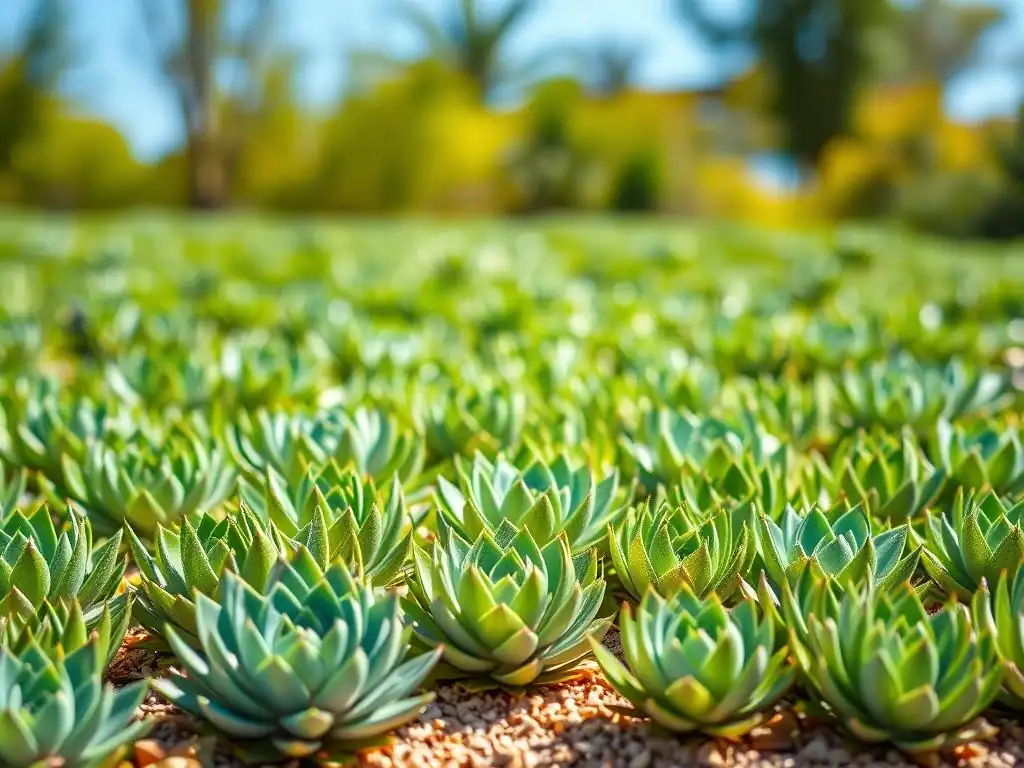
Creating a stunning succulent lawn requires more than just planting; it demands ongoing care to ensure its vibrancy and longevity. This section details crucial maintenance practices to keep your succulent landscape flourishing. Remember, consistent, mindful care is key to achieving a truly breathtaking and sustainable succulent lawn. Proper watering, fertilization, and pest control are the cornerstones of a healthy, thriving succulent garden, transforming your lawn into a work of art that's both beautiful and resilient.
Watering Strategies for a Healthy Succulent Lawn
Succulents are renowned for their drought tolerance, but that doesn't mean they don't need water. Overwatering is a common mistake that can lead to root rot and plant death. The key is to water deeply but infrequently, allowing the soil to dry out completely between waterings. The frequency will depend on several factors: climate, soil type, pot size (if applicable), and the specific succulent species.
- Climate: In hot, dry climates, you might need to water more frequently than in cooler, more humid areas. Observe your succulents carefully; their leaves will often become slightly shriveled when they need water.
- Soil Type: Well-draining soil is crucial. Amend heavy clay soils with perlite or coarse sand to improve drainage. This prevents water from pooling around the roots.
- Pot Size: Smaller pots dry out faster than larger ones. Monitor smaller pots more closely.
- Species: Some succulents are more drought-tolerant than others. Research the specific needs of the succulents in your lawn.
A good rule of thumb is to water thoroughly when the top inch or two of soil feels dry. Water deeply until you see water draining from the bottom of the pot (if potted) or until the soil is evenly moist. Avoid overhead watering, which can lead to fungal diseases. Instead, opt for a gentle soaking at the base of the plants.
Fertilizing Your Succulents: Essential Nutrients and Timing
While succulents are low-maintenance, they still benefit from occasional fertilization. Over-fertilizing, however, can be detrimental, leading to leggy growth and reduced flowering. Use a balanced, slow-release succulent fertilizer, following the package instructions carefully. Too much fertilizer can burn the roots and damage the plants.
Here's a suggested fertilization schedule:
| Season | Frequency | Fertilizer Type | Notes |
|---|---|---|---|
| Spring/Summer | Every 4-6 weeks | Balanced, slow-release formula | Reduce frequency in hot, dry weather. |
| Fall/Winter | Every 8-12 weeks | Reduced or no fertilization | Succulents are largely dormant during this time. |
Remember to always water your succulents before fertilizing to prevent fertilizer burn. Observe your plants carefully; if you notice signs of over-fertilization (e.g., rapid, leggy growth, yellowing leaves), immediately reduce or cease fertilization.
Pest and Disease Control in Your Succulent Landscape
While succulents are relatively resistant to pests and diseases, they can still be vulnerable. Regular inspection is key to early detection and prevention. Common pests include mealybugs, aphids, and spider mites. Common diseases include root rot (caused by overwatering) and fungal infections.
Here's a breakdown of common problems and solutions:
- Mealybugs: These small, white insects suck sap from the plants. Treat with insecticidal soap or neem oil.
- Aphids: These small, soft-bodied insects also suck plant sap. Use insecticidal soap or a strong spray of water to dislodge them.
- Spider Mites: These tiny mites create webbing on the plants. Use insecticidal soap or neem oil.
- Root Rot: This is caused by overwatering. Improve drainage and allow the soil to dry completely between waterings. Severely affected plants may need to be repotted in fresh, well-draining soil.
- Fungal Infections: These can be caused by excessive moisture. Improve air circulation and avoid overhead watering. Use a fungicide if necessary.
Regularly inspect your succulents for signs of pests or diseases. Early detection and prompt treatment are crucial to preventing widespread problems and maintaining the health and beauty of your succulent lawn art. Remember, a proactive approach to pest and disease control is essential for a thriving and visually stunning succulent landscape. 🌱
Dealing with Winter Conditions for Your Succulent Lawn
Winter presents unique challenges for succulent lawns, demanding a shift in your care routine to ensure their survival and continued beauty. Many succulents are surprisingly hardy, but understanding their specific needs during the colder months is crucial. Neglecting winter care can lead to frost damage, root rot, and even plant death. Therefore, a proactive approach is essential for maintaining a vibrant succulent lawn throughout the year.
One of the most significant concerns during winter is frost. While many succulents tolerate light frosts, prolonged exposure to freezing temperatures can cause irreversible damage to their leaves and stems. Protecting your succulent lawn from harsh frost involves several strategies. For instance, consider using frost cloth or row covers to create a protective barrier against the cold.
These lightweight fabrics allow for sunlight penetration while preventing the damaging effects of frost. Another effective method is to mulch around your succulents with organic materials like straw or shredded bark. This mulch acts as insulation, preventing the soil from freezing and protecting the succulent's roots. Remember to avoid heavy mulching, as this can lead to excess moisture and potentially root rot.
Watering is another critical aspect of winter succulent lawn care. The general rule of thumb is to water less frequently during winter than during the warmer months. Succulents go dormant in the winter, meaning their metabolic processes slow down significantly. Overwatering during this period can lead to waterlogged soil, which suffocates the roots and encourages fungal diseases, leading to root rot. Before watering, check the soil moisture level by inserting your finger a few inches into the soil. Water only when the soil is completely dry.
Finally, consider the impact of winter winds. Strong winds can desiccate succulents, leading to wilting and damage. If you live in an area with particularly strong winter winds, consider providing some wind protection for your succulent lawn, perhaps by placing windbreaks or screens. These barriers will help reduce the wind's impact, preventing desiccation and protecting your plants.
Remember that even seemingly minor details, such as the placement of your succulent lawn in relation to prevailing winds, can significantly impact its winter survival. Careful planning and preventative measures are key to ensuring the continued beauty and health of your succulent lawn throughout the winter months. By following these simple yet crucial steps, you can enjoy the beauty of your succulent lawn even during the coldest months of the year.
Advanced Succulent Lawn Art Ideas: Elevating Your Design
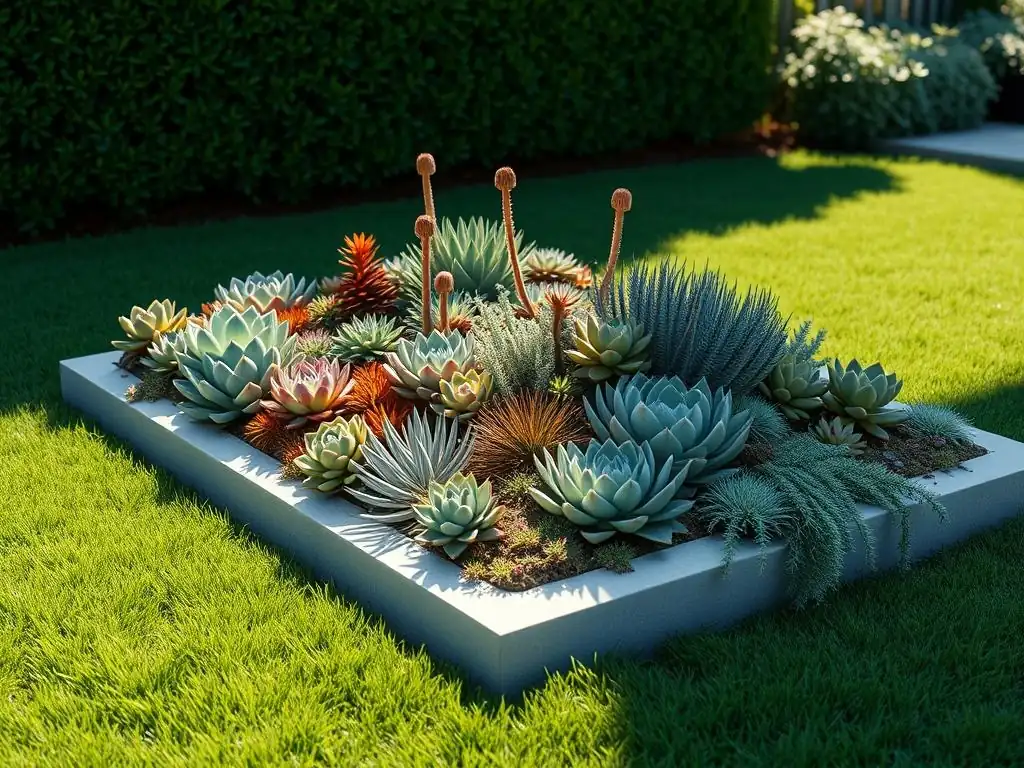
This section explores sophisticated techniques to transform your succulent lawn from a simple ground cover into a true masterpiece. We'll move beyond the basics, delving into design elements that add depth, texture, and visual intrigue to your outdoor space. Remember, the key to successful succulent lawn art lies in careful planning and execution, considering factors like sunlight exposure, soil drainage, and the individual needs of each succulent species. Let's explore some advanced techniques to elevate your design.
Incorporating Other Drought-Tolerant Plants
While succulents are the stars of the show, incorporating other drought-tolerant plants can significantly enhance the visual appeal and biodiversity of your succulent lawn. Consider adding plants with contrasting textures and colors to create a more dynamic landscape. For example, the silvery foliage of Artemisia species provides a beautiful contrast to the fleshy leaves of many succulents. Similarly, the vibrant blooms of certain cacti, like Echinocereus, can add pops of color during their flowering season. Careful selection is crucial; ensure the companion plants have similar water and sunlight requirements to avoid imbalances.
Here's a table outlining some excellent companion plants for your succulent lawn:
| Plant Name | Texture | Color Palette | Water Needs | Sunlight Needs |
|---|---|---|---|---|
| Artemisia stelleriana | Silvery, Fine | Silver, Gray | Low | Full sun |
| Sedum species | Varied | Greens, Pinks, Reds | Low | Full sun to part shade |
| Echinocereus species | Spiny | Various vibrant colors | Low | Full sun |
| Yucca species | Stiff, Sword-like | Greens, Blues | Low | Full sun |
Remember to research the specific needs of each plant you choose to ensure their long-term health and integration within your succulent lawn. Careful spacing is also key; avoid overcrowding to prevent competition for resources.
Adding Decorative Elements to Your Succulent Lawn
Beyond the plants themselves, carefully chosen decorative elements can elevate your succulent lawn to a new level of artistry. Think beyond the typical garden ornaments and consider items that complement the natural textures and colors of the succulents. For example, strategically placed rocks of varying sizes and colors can create visual interest and improve drainage. Smooth, river rocks can act as pathways, while larger, rougher stones can serve as focal points or define different areas within your lawn.
Consider also incorporating:
- Recycled materials: Upcycled containers, broken pottery, or even rusted metal pieces can add an industrial-chic aesthetic.
- Natural elements: Driftwood, pinecones, or even carefully placed branches can introduce organic textures and shapes.
- Lighting: Low-voltage landscape lighting can highlight the textures and colors of your succulents, especially at night, creating a magical atmosphere.
The key is to choose elements that enhance, not detract, from the natural beauty of your succulent lawn. Avoid anything too gaudy or overwhelming; subtle additions are often the most effective. Remember to consider the overall style and theme of your landscape when selecting decorative elements.
Creating Focal Points with Unique Succulent Varieties
Strategic placement of unique or rare succulent varieties can create stunning focal points within your succulent lawn. Consider using larger, statement succulents as centerpieces for particular areas or pathways. Unusual colors, shapes, and textures can draw the eye and add visual interest. For example, the striking rosettes of Echeveria 'Perle von Nürnberg' or the dramatic, sculptural forms of Agave species can serve as magnificent focal points.
Consider creating these focal points:
- Near pathways or entrances: Welcome guests with a stunning display.
- Around seating areas: Enhance the ambiance of your outdoor relaxation space.
- At the corners of your lawn: Define the boundaries and add visual interest.
Remember that the choice of focal point succulents should complement the overall design of your lawn, and their placement should be thoughtful and intentional. Avoid clustering too many focal points together; less is often more effective in creating a visually appealing and balanced landscape. The goal is to create a harmonious blend of various succulents, each playing a specific role in the overall design. Careful planning, combined with a keen eye for detail, will result in a truly captivating and unique succulent lawn.
Showcase Your Succulent Lawn Art: Photography and Sharing
Creating a stunning succulent lawn is only half the battle; showcasing your hard work and inspiring others is just as important! This section will guide you through capturing the beauty of your succulent landscape and sharing your creations with the world. High-quality photos and strategic social media engagement are crucial for maximizing the impact of your succulent lawn art.
Capturing the Beauty of Your Succulent Landscape
Photography is key to highlighting the textures, colors, and overall artistry of your succulent lawn. Consider these tips for capturing truly captivating images:
- Lighting: The golden hour (sunrise and sunset) provides the most flattering light, softening shadows and enhancing colors. Avoid harsh midday sun, which can wash out details.
- Angles: Experiment with different angles – get down low, shoot from above, and try various perspectives to showcase the unique features of your design. A bird's-eye view can be particularly effective for showcasing the overall pattern and layout.
- Composition: Utilize the rule of thirds to create visually appealing images. Frame your succulent arrangements strategically, perhaps using natural elements like rocks or pathways as leading lines.
- Focus: Ensure your succulent arrangements are in sharp focus. Use a tripod or a stable surface to avoid blurry photos, especially in low light.
- Editing: Subtle editing can enhance your photos. Adjust brightness, contrast, and saturation to bring out the best in your succulent lawn art. However, avoid over-editing, which can make your photos look unnatural.
Remember to capture details! Close-up shots of individual succulents or interesting groupings can add depth and visual interest to your overall portfolio. Think about showcasing the diversity of textures and colors within your succulent lawn.
Sharing your succulent lawn art on social media platforms expands your reach and connects you with a community of fellow succulent enthusiasts. Here's how to maximize your social media impact:
- Platform Selection: Choose platforms that align with your audience. Instagram is ideal for visually-driven content, while Pinterest is great for sharing inspirational ideas and DIY projects. Consider also using platforms like Facebook and Twitter to engage with a broader audience.
- Hashtags: Utilize relevant hashtags to increase the visibility of your posts. Consider hashtags like #succulentlawn, #succulentlandscape, #xeriscaping, #succulentgardening, #succulentlawnartideas, #DIYgardening, #sustainablelawn. Research popular hashtags within the succulent community to identify relevant options.
- Captions: Write engaging captions that tell a story about your succulent lawn. Share details about the design process, the types of succulents used, and any challenges you overcame. Encourage interaction by asking questions or inviting comments.
- High-Quality Images: Always use high-resolution images. Low-quality images detract from the beauty of your work and can make it difficult for others to appreciate the details.
- Consistency: Regularly post updates to keep your followers engaged. Share progress photos, before-and-after shots, and tips for creating your own succulent lawn art.
By consistently sharing high-quality photos and engaging content, you can build a strong online presence and inspire others to create their own beautiful succulent lawns.
Inspiration and Ideas from Other Succulent Lawn Enthusiasts
Don't limit yourself to your own creations! Explore the work of other succulent lawn enthusiasts for inspiration and fresh ideas. Here are some ways to find inspiration:
- Social Media: Search relevant hashtags on platforms like Instagram and Pinterest. Follow accounts dedicated to succulent gardening and landscaping. You can discover innovative design ideas, learn about new succulent varieties, and find creative ways to incorporate succulents into your own lawn art.
- Online Communities: Join online forums and groups dedicated to succulents. Engage with other enthusiasts, share your own work, and learn from their experiences. This collaborative environment can provide valuable insights and inspiration for your next project.
- Gardening Blogs and Websites: Many blogs and websites are dedicated to succulent gardening. Read articles, view galleries, and explore different design styles to broaden your understanding of succulent lawn art possibilities.
By actively engaging with the succulent community, you'll stay updated on the latest trends, discover new techniques, and continually improve your own succulent lawn art. Remember, the beauty of succulent lawns lies not only in their visual appeal but also in the shared passion and creativity within the community.
Frequently Asked Questions
What are some unique succulent lawn art ideas?
You can create stunning arrangements using various succulent types in different shapes and sizes, forming patterns, words, or even miniature landscapes in your lawn. Consider using raised beds, containers, or even directly planting into the ground for a more natural look.
How do I choose the right succulents for my lawn art project?
Select succulents that thrive in your climate and soil conditions. Opt for drought-tolerant varieties that can withstand sun exposure and minimal watering. Consider their mature sizes and growth habits to create a balanced and aesthetically pleasing design.
What are the essential tools and materials for creating succulent lawn art?
You'll need shovels or trowels for planting, containers or raised beds, well-draining soil, succulents, and possibly decorative elements like rocks or pebbles. Gloves are also recommended to protect your hands.
How often should I water my succulent lawn art?
Watering frequency depends on your climate and the type of succulents used. Generally, deep watering less frequently is better than shallow, frequent watering. Allow the soil to dry out completely between waterings to prevent root rot.
Can I create succulent lawn art in a small space?
Absolutely! Smaller-scale designs using miniature succulents in pots or containers work perfectly for limited spaces. You can create vertical gardens or wall-mounted arrangements to maximize space and add visual interest.
Final Reflection: Cultivating Beauty, One Succulent at a Time
The transformation of our outdoor spaces is not merely a trend; it's a reflection of our growing desire to connect with nature and create personalized havens. The shift towards succulent lawn art, as explored in this article, speaks volumes about our evolving aesthetic preferences and our increasing appreciation for low-maintenance, drought-tolerant landscaping. This isn't just about pretty plants; it's about mindful design and sustainable living.
The enduring appeal of succulents lies not only in their striking visual diversity but also in their resilience and adaptability. They represent a powerful metaphor for navigating life's challenges with grace and strength. The beauty of a thing is in its function,
wrote William Morris, and succulents, with their ability to thrive in harsh conditions, embody this principle perfectly. Their ability to flourish even in seemingly inhospitable environments inspires us to find beauty and resilience in our own lives, mirroring the transformative power of creating a succulent lawn.
Now, consider your own outdoor space. What story do you want it to tell? What kind of haven do you envision creating? Let the inspiration gleaned from this exploration of succulent lawn art guide you. Don't be afraid to experiment, to embrace the unexpected, and to cultivate a space that reflects your unique personality and fosters a deeper connection with the natural world. Begin your own transformation, one succulent at a time.
Unleash Your Inner Landscape Artist: Design Your Dream Succulent Garden!
Thank you for exploring the vibrant world of succulents with us! We hope you're feeling inspired to create your own stunning succulent garden. Ready to get started?
- Begin designing your dream succulent garden today! Grab a pencil, sketch out your space, and brainstorm the perfect arrangement. Consider the sunlight, drainage, and the overall style you envision.
- Share your succulent journey! Post pictures of your progress on social media using #SucculentEssentials – we'd love to see your creations!
- Browse our website's extensive succulent care guide to ensure the health and vibrancy of your new garden. This guide is packed with helpful tips to promote thriving plants.
What exciting succulent will take center stage in your first design? Let us know in the comments!