
Succulents on Display: Public Gardens That Showcase Unique Varieties


Welcome to SucculentEssentials.org, your gateway to the captivating world of succulents! Are you ready to discover breathtaking displays of nature's artistry? Then prepare to be amazed by our exploration of the best succulent public gardens – oases of vibrant color and unique textures waiting to be explored. Dive into the world of outdoor landscaping and xeriscaping, and uncover the secrets to cultivating these resilient beauties in your own space. Let your succulent journey begin!
- Discovering the Best Succulent Public Gardens Worldwide
- Exploring Diverse Succulent Species in Public Gardens
- Planning Your Visit to Succulent-Rich Public Gardens
- Beyond the Displays: Educational Opportunities in Public Gardens
- Inspiring Your Own Succulent Garden Designs
- Frequently Asked Questions
- Final Reflection: The Enduring Allure of Succulents
- Unveil Your Inner Gardener: Cultivate Your Succulent Obsession
Discovering the Best Succulent Public Gardens Worldwide
Succulents, with their diverse forms, vibrant colors, and remarkable resilience, have captivated plant enthusiasts worldwide. Beyond the individual collections adorning windowsills and patios, these fascinating plants thrive in spectacular public displays, offering a unique opportunity to appreciate their beauty and diversity on a grand scale. This article explores some of the best succulent public gardens globally, highlighting exceptional collections and providing inspiration for your own succulent adventures.
Whether you're a seasoned collector, a budding enthusiast, or simply appreciate the aesthetic appeal of these drought-tolerant plants, discovering these oases of succulent splendor is a must. We'll delve into top-rated gardens, showcase locations boasting rare varieties, and offer guidance on finding stunning succulent displays closer to home. Prepare to be amazed by the incredible variety and artistry found in these carefully curated public spaces dedicated to the captivating world of succulents.
Top 5 Gardens for Succulent Enthusiasts: A Global Tour
Choosing the "best" is subjective, but based on reputation, variety, and overall visitor experience, these five gardens consistently receive high praise from succulent aficionados:
- [Garden Name 1, Location]: Known for its [specific feature, e.g., extensive collection of agaves] and [another specific feature, e.g., breathtaking desert landscape integration]. Visitors frequently comment on [positive visitor experience detail, e.g., the informative signage and well-maintained pathways]. The garden boasts over [approximate number] different succulent species.
- [Garden Name 2, Location]: This garden stands out for its [specific feature, e.g., unique arrangement of succulents in themed sections] and [another specific feature, e.g., stunning architectural integration with the succulent displays]. Expect to see [mention a specific rare or unusual succulent species, if known].
- [Garden Name 3, Location]: Famous for its [specific feature, e.g., impressive collection of cacti and succulents from the Americas] and [another specific feature, e.g., educational programs and workshops]. The garden's dedication to conservation efforts makes it a particularly noteworthy destination.
- [Garden Name 4, Location]: This garden offers a [specific feature, e.g., more intimate and curated experience] with a focus on [specific succulent type or characteristic, e.g., miniature succulents and their unique forms]. Visitors praise the garden’s [positive visitor experience detail, e.g., tranquil atmosphere and well-designed walking paths].
- [Garden Name 5, Location]: Known for its [specific feature, e.g., diverse collection showcasing succulents from around the world] and [another specific feature, e.g., stunning panoramic views combined with the succulent displays]. The sheer scale of the collection is truly impressive.
Exceptional Displays of Rare and Unusual Succulents
Beyond the widely known species, many public gardens cultivate rare and unusual succulents, offering a glimpse into the extraordinary diversity within this plant family. These gardens often participate in conservation programs, protecting endangered species and promoting their propagation. Searching for gardens known for specializing in rare succulents requires a bit more research, but the reward is encountering breathtaking specimens rarely seen elsewhere. For example, some gardens might showcase:
- Haworthia species with incredibly intricate leaf patterns.
- Rare Aloe varieties with unique colors and forms.
- Unusual Conophytum species that mimic stones.
- Enigmatic Lithops (living stones) that blend seamlessly into their surroundings.
To find these hidden gems, consider searching online forums and communities dedicated to succulent enthusiasts. Many passionate collectors share their discoveries and insights, helping you locate those public gardens that go above and beyond in showcasing the unusual. Remember to check the garden's website or contact them directly to confirm the availability of specific species.
Finding Local Public Gardens with Impressive Succulent Collections
Discovering local succulent displays doesn't require extensive travel. Many botanical gardens, arboreta, and even smaller community parks feature impressive succulent collections. Start by searching online for "[your city/region] botanical gardens," "[your city/region] succulent gardens," or "[your city/region] parks with drought-tolerant plants."
You can also:
- Contact your local horticultural society or gardening club for recommendations.
- Check local tourism websites and visitor guides for listings of gardens and parks.
- Utilize online mapping services to locate nearby botanical gardens and parks, then check their websites for information on plant collections.
Remember to check the garden's website or call ahead to confirm their opening hours and whether they have a dedicated succulent collection before your visit. Enjoy exploring the succulent wonders in your own backyard!
Exploring Diverse Succulent Species in Public Gardens
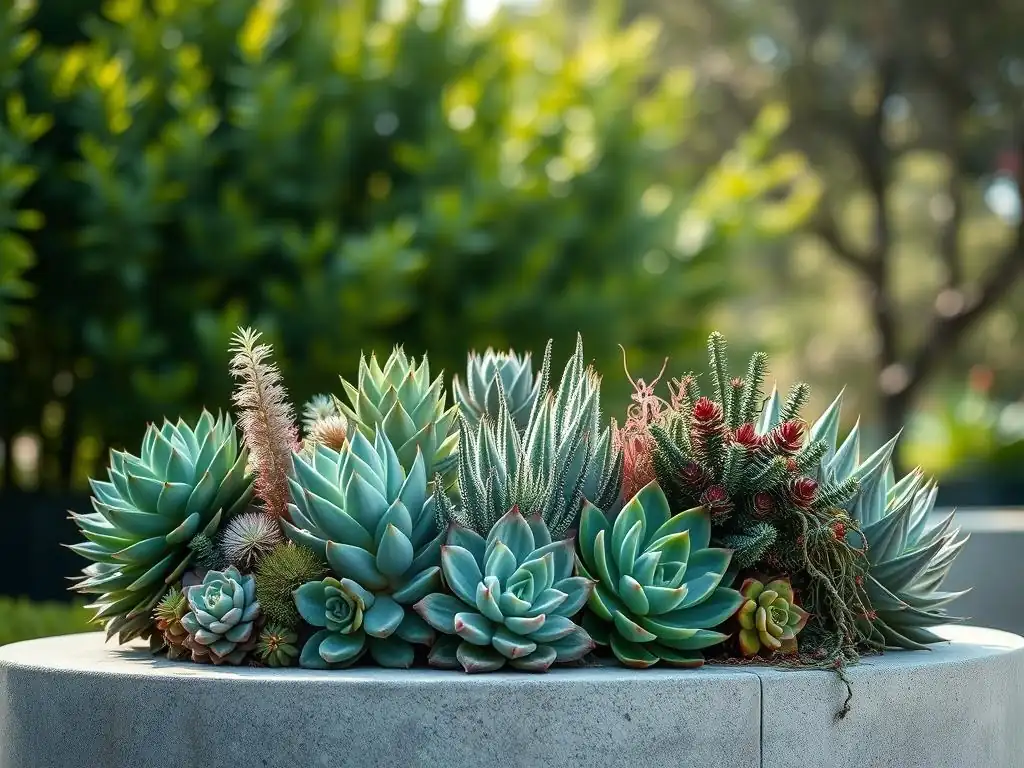
This section delves into the fascinating variety of succulent species often showcased in public gardens, highlighting the opportunities these displays offer for learning and appreciation. Public gardens dedicated to succulents, or those with significant succulent collections within their broader displays, provide unparalleled access to a diverse range of these captivating plants. By observing these curated collections, enthusiasts can expand their knowledge beyond the commonly available species found in nurseries.
The sheer diversity on display—from miniature echeverias to towering agaves—demonstrates the remarkable adaptability and aesthetic versatility of succulents. Many gardens strategically group succulents by genus, family, or even geographic origin, facilitating a deeper understanding of their taxonomic relationships and evolutionary history. This organized approach greatly aids in identifying and comparing different species, and encourages a more nuanced appreciation of succulent diversity.
Identifying Common and Uncommon Succulent Varieties on Display
Public gardens often feature labeled plants, making identification relatively straightforward. However, the real learning begins when you start comparing similar species side-by-side. For instance, observing subtle differences in leaf shape, texture, and coloration between various Echeveria species allows for a more refined understanding of their individual characteristics.
Similarly, comparing different Sedum varieties reveals the vast spectrum of growth habits and aesthetic qualities within a single genus. Beyond the common succulents readily available to home gardeners, public gardens often showcase rarer and more unusual varieties. These may include species from geographically isolated regions or those with particularly unique adaptations.
These uncommon succulents offer valuable insights into the evolutionary pathways that have shaped the remarkable diversity within the succulent world. Careful observation, combined with any provided informational signage, allows for a richer understanding of these sometimes-elusive plants, potentially inspiring further research and exploration. Many gardens even host workshops or guided tours led by horticultural experts, providing an opportunity for hands-on learning and detailed identification assistance.
Learning about Succulent Habitats and Native Regions Through Public Gardens
Many well-curated succulent displays within public gardens are organized geographically, providing a valuable educational opportunity. By observing succulents grouped by their native regions, visitors gain a deeper understanding of their natural habitats and the environmental conditions they thrive in. For example, a display showcasing succulents from the arid regions of Mexico might highlight the adaptations these plants have developed to survive intense sunlight and prolonged drought. Similarly, a section dedicated to South African succulents would illustrate the diverse strategies employed by these plants to cope with different soil types and climates.
This geographical organization helps to dispel the misconception that all succulents require identical care. Understanding the natural habitats of different species provides crucial insights into their specific needs, enriching the cultivation experience for both beginners and seasoned succulent enthusiasts. This contextual understanding is crucial for successful cultivation and conservation efforts.
Observing Succulent Growth Patterns and Adaptations in Different Settings
The careful placement of succulents within a public garden setting allows for the observation of growth patterns and adaptations in diverse microclimates. For example, comparing the growth of the same succulent species planted in full sun versus partial shade demonstrates the impact of sunlight intensity on growth rate, leaf color, and overall plant health. Similarly, observing succulents planted in different soil types—well-draining gravel mixes versus richer, more organic soils—highlights the importance of proper soil composition for succulent well-being.
These observations provide valuable practical insights for home gardeners, demonstrating how subtle environmental adjustments can significantly impact succulent growth and health. The opportunity to observe these adaptations firsthand, within a controlled yet natural setting, is invaluable for understanding the intricacies of succulent cultivation.
Furthermore, noting any signs of stress or disease in specific plants can offer valuable lessons in pest management and disease prevention. This hands-on learning experience within a public garden setting makes the often abstract concepts of plant care readily accessible and easily understood.
Planning Your Visit to Succulent-Rich Public Gardens
Visiting a public garden specifically known for its succulent collection can be a rewarding experience for any succulent enthusiast. To maximize your enjoyment and learning, careful planning is essential. This section provides practical tips to ensure a memorable visit. Finding the "best succulent public gardens" often involves more than just knowing the location; it's about knowing when and how to visit.
Tips for Visiting Public Gardens to Maximize Your Succulent Viewing Experience
Before embarking on your succulent-viewing adventure, consider these helpful tips:
- Check the garden's website: Many public gardens maintain updated websites with seasonal bloom information, special events, and even maps highlighting succulent displays. This pre-visit research will save you time and ensure you don't miss any key areas. Knowing the layout beforehand allows for efficient exploration, maximizing your time with these fascinating plants.
- Wear comfortable shoes: Public gardens can be expansive, with many pathways potentially uneven or lengthy. Comfortable footwear is crucial for a pleasant experience, allowing you to fully explore without discomfort. This is especially important if you plan on spending several hours appreciating the diverse succulent collections.
- Bring water and sunscreen: Depending on the climate and time of year, you might find yourself spending considerable time outdoors. Staying hydrated and protected from the sun is essential for a comfortable visit. Remember to prioritize your well-being to fully enjoy the beauty of the succulents.
- Respect the environment: Public gardens thrive on the collective responsibility of visitors. Refrain from touching or disturbing the plants, and always stay on marked pathways. Remember, these are living plants and need to be treated with care to ensure their continued health and beauty for all visitors.
- Engage with garden staff: Garden staff are often knowledgeable and passionate about the plants under their care. Don't hesitate to ask questions; they can provide valuable insights into specific succulent varieties, care techniques, and even offer recommendations for your own succulent gardening endeavors. This interaction enhances the educational aspect of your visit.
Best Times of Year to Visit for Optimal Succulent Bloom and Display
The ideal time to visit a public garden for optimal succulent viewing depends heavily on the specific location and the types of succulents cultivated. However, some general guidelines apply:
| Season | Advantages | Considerations |
|---|---|---|
| Spring (March-May) | Many succulents begin their blooming period, offering vibrant colors. | Some succulents may still be recovering from winter dormancy. |
| Summer (June-August) | Lush growth and possibly more mature blooms, but hotter temperatures. | Heat can cause some succulents to experience stress; plan accordingly. |
| Fall (September-November) | Stunning fall colors in some varieties; milder temperatures than summer. | Some succulents may begin to enter dormancy. |
| Winter (December-February) | Some succulents display unique winter textures and colors. | Fewer blooms overall; weather conditions may be challenging. |
Remember that microclimates within a garden can significantly impact blooming times. Contact the specific garden you plan to visit for the most up-to-date information on peak bloom periods for their succulent collections. This ensures you'll see the succulents at their most vibrant and beautiful.
Photography Tips for Capturing the Beauty of Succulents in Public Gardens
Capturing the beauty of succulents through photography can enhance your garden experience. Here are some tips to help you take stunning photos:
- Lighting is key: Soft, diffused light, either early morning or late afternoon, is generally ideal for succulent photography. Harsh midday sun can create harsh shadows and wash out colors.
- Explore different angles: Don't just shoot from eye level. Experiment with low angles, high angles, and close-ups to highlight unique textures and details. Consider the background and framing to create visually appealing compositions.
- Use a macro lens (if possible): A macro lens allows for extreme close-ups, capturing the intricate details of succulent leaves, flowers, and textures. This detail is often what makes succulent photography so captivating.
- Focus on composition: Pay attention to the rule of thirds, leading lines, and other compositional techniques to create visually pleasing images. A well-composed photograph will significantly enhance the impact of your succulent photography.
- Edit your photos: Post-processing can enhance colors, contrast, and sharpness, helping your photos truly showcase the beauty of the succulents. This step is crucial for achieving professional-looking results.
By following these tips, you can capture truly memorable images of the succulents in your chosen public garden—a lasting reminder of your visit to one of the "best succulent public gardens" you've discovered. Remember to always respect garden rules and regulations when taking photographs.
Beyond the Displays: Educational Opportunities in Public Gardens
Public gardens showcasing succulents offer far more than just aesthetically pleasing displays; they serve as valuable educational hubs for enthusiasts of all levels. These gardens often incorporate educational elements directly into their design, providing opportunities to learn about succulent care, propagation, and conservation efforts. The integration of informational signage, interactive displays, and knowledgeable staff transforms a simple visit into an enriching learning experience. This section explores the diverse educational opportunities available within these unique green spaces.
Learning about Succulent Care and Propagation from Public Garden Experts
Many public gardens dedicated to succulents employ horticultural experts who are passionate about sharing their knowledge. These experts are often available to answer visitor questions, providing personalized advice on succulent care tailored to specific climates and conditions. They can offer insights into:
- Optimal watering techniques: Understanding the delicate balance between providing enough moisture and avoiding overwatering, crucial for succulent health. For instance, an expert might explain the importance of allowing the soil to dry out completely between waterings, a common misconception among novice succulent owners.
- Suitable soil composition: Learning about the ideal soil mix for succulents, emphasizing well-draining properties to prevent root rot. They may highlight the benefits of adding perlite or pumice to commercially available potting mixes.
- Light requirements: Determining the appropriate amount of sunlight needed for different succulent varieties, including the signs of sunscald or etiolation. They might explain how to adjust placement based on seasonal changes in sunlight intensity.
- Propagation methods: Mastering various propagation techniques, such as leaf cuttings, stem cuttings, and offsets. They could demonstrate practical methods and discuss success rates for different species.
Furthermore, some gardens offer guided tours led by these experts, providing a more structured and in-depth learning experience. These tours often incorporate practical demonstrations and hands-on activities, enhancing the learning process significantly. The availability of these expert-led tours and question-and-answer sessions significantly elevates the educational value of a visit to a succulent-focused public garden. The opportunity to directly engage with professionals provides invaluable insights and fosters a deeper understanding of succulent cultivation.
Beyond informal interactions with staff, many public gardens organize workshops and events specifically focused on succulents. These events cater to diverse skill levels, ranging from beginner-friendly introductions to advanced techniques for experienced cultivators. Examples include:
- Succulent potting workshops: These workshops provide hands-on experience in potting succulents, covering topics like selecting appropriate containers, preparing the soil, and properly planting the succulents to ensure their long-term health.
- Succulent propagation workshops: These workshops delve into the intricacies of propagating succulents, covering various techniques like leaf cuttings, stem cuttings, and offsets, and explaining the optimal conditions for successful propagation.
- Succulent arrangement workshops: These workshops focus on the art of creating aesthetically pleasing succulent arrangements, covering design principles and practical techniques for combining different succulent varieties.
- Lectures and presentations: These events may feature guest speakers who are experts in succulent cultivation, conservation, or related fields. These lectures offer valuable insights into topics such as succulent identification, pest and disease management, and the ecological role of succulents.
These events often provide participants with valuable materials, such as handouts, plant lists, and even starter succulents to take home and practice their newly acquired skills. The interactive nature of these workshops and the opportunity to learn from experienced professionals significantly enhance the learning experience. Checking the garden's website or contacting them directly is crucial to stay updated on upcoming workshops and events related to succulents.
Accessing Resources and Information on Succulent Conservation
Many public gardens actively participate in succulent conservation efforts, and visitors can learn about these initiatives through various resources. This might include:
- Informational signage: Displays strategically placed throughout the garden can offer information about endangered succulent species, the threats they face (habitat loss, over-collection), and conservation strategies being implemented.
- Dedicated exhibits: Some gardens may dedicate entire exhibits to showcasing rare or endangered succulents, raising awareness about their importance and the need for conservation.
- Educational materials: Brochures, pamphlets, and online resources may provide detailed information about succulent conservation efforts, highlighting the role of public gardens in these initiatives.
- Volunteer opportunities: Some gardens offer volunteer opportunities related to succulent conservation, allowing visitors to actively participate in preserving these unique plants. These opportunities might involve assisting with propagation, monitoring plant health, or participating in habitat restoration projects.
Learning about conservation efforts within a public garden fosters a deeper appreciation for the unique beauty and ecological significance of succulents. By understanding the challenges these plants face, visitors can become more informed and responsible succulent enthusiasts, contributing to their long-term survival. Engaging with these resources empowers visitors to actively participate in protecting these valuable plants and their habitats.
Inspiring Your Own Succulent Garden Designs
This section explores how observing expertly curated succulent displays in public gardens can spark creativity and inform the design of your own succulent haven. The best succulent public gardens offer more than just a pretty view; they're living, breathing design manuals. By studying their layouts, plant choices, and overall aesthetic, you can gain valuable insights to translate into your personal space. We'll delve into practical ways to harness this inspiration, moving beyond simple imitation to creating a unique and thriving succulent garden tailored to your specific needs and environment.
Drawing Inspiration from Public Garden Succulent Displays
Public gardens often showcase a breathtaking diversity of succulents, arranged in ways that highlight their unique textures, colors, and growth habits. Notice how designers utilize contrasting forms and colors. For instance, a sprawling Sedum morganianum (Burro's Tail) might be beautifully juxtaposed with the upright, architectural lines of an Agave species. Pay close attention to the garden's overall design principles.
Is it a formal, geometric arrangement? Or a more naturalistic, free-flowing design? Consider the use of hardscaping – paths, walls, and other non-living elements – and how they complement the succulents. Document your observations!
Take detailed notes, sketches, or even photographs to help you remember specific plant combinations and design elements you found particularly striking. Analyzing successful public garden displays allows you to understand the principles of successful succulent gardening on a larger scale, easily adaptable to your own home garden. Remember, the goal isn't to copy, but to learn and adapt.
Adapting Public Garden Designs to Your Own Home Landscape
While a sprawling public garden might boast hundreds of plants, your home landscape may be more limited. The key is to scale down the design principles. If you admired a particular cascading arrangement in a public garden, consider adapting it to a smaller wall planter or hanging basket. Similarly, a geometric design featuring repeating succulents could be miniaturized for a patio or balcony setting. Consider your microclimate.
A design that thrives in the sunny conditions of a public garden might need adjustments for a shadier home environment. You may need to select succulents that tolerate less direct sunlight or adjust the placement of your containers to maximize sun exposure. Adapting designs requires careful consideration of your space, sunlight levels, and the specific needs of the succulents you choose. Don't be afraid to experiment and adjust your plan based on your observations and the performance of your plants.
Utilizing Public Gardens as Resources for Succulent Selection and Sourcing
Public gardens often label their plants, providing a valuable resource for identifying succulents you may wish to incorporate into your own garden. This is an excellent opportunity to learn about different species, their care requirements, and their potential suitability for your climate and location. Many public gardens also offer workshops, talks, or guided tours that can provide additional information on succulent cultivation and garden design.
Attending these events can connect you with experienced gardeners and enthusiasts, providing opportunities for learning and networking. Some public gardens even have plant sales or offer information on local nurseries where you can source plants for your own garden. Leveraging these resources can significantly enhance your gardening experience and help you build a thriving and diverse succulent collection.
Remember to always check for plant health before purchasing and be mindful of potential invasive species. The best succulent public gardens are not just visually appealing; they serve as valuable educational and sourcing hubs for aspiring succulent enthusiasts.
Frequently Asked Questions
What is SucculentEssentials.org?
SucculentEssentials.org is a website dedicated to succulents. We provide care guides, propagation tips, and creative ideas for succulent arrangements, helping enthusiasts of all levels. We cover everything from identification to DIY projects.
Where can I find the best succulent public gardens?
While we don't have a definitive "best" list, our article "Succulents on Display: Public Gardens That Showcase Unique Varieties" highlights several outstanding public gardens featuring diverse succulent collections. Check it out for inspiration!
Are there any tips for choosing a succulent public garden to visit?
Consider the variety of succulents displayed, the garden's size and layout, and any special events or tours they might offer. Look for online reviews and photos to get a better sense of what to expect.
What makes a public garden's succulent collection "unique"?
A unique collection might feature rare or unusual succulent species, a specific focus on a particular succulent family, or a creative and artistic arrangement of the plants within the garden's design.
How can I learn more about caring for succulents after visiting a public garden?
SucculentEssentials.org offers many care guides and resources to help you maintain your own succulents. Explore our website for tips on watering, sunlight, soil, and propagation.
Final Reflection: The Enduring Allure of Succulents
The vibrant world of succulents, once a niche hobby, has exploded into a mainstream fascination, transforming public gardens into living testaments to their remarkable diversity and resilience. These miniature landscapes, bursting with color and texture, offer not only aesthetic pleasure but also a powerful reminder of nature's adaptability in the face of challenging conditions. Their popularity reflects a growing desire for connection with the natural world, even within urban environments.
The impact of these succulent displays extends beyond simple visual appeal; they serve as powerful symbols of perseverance and beauty found in unexpected places. They remind us that even in arid conditions, life finds a way to thrive and flourish. The desert teaches the value of water, but the succulent teaches the value of resilience.
This quiet strength, mirrored in the succulents themselves, resonates deeply with our own lives, offering a potent metaphor for navigating challenges and finding beauty in unexpected places.
Consider the lessons these resilient plants offer. Think about how their ability to thrive in harsh conditions mirrors our own capacity to overcome adversity. Let the vibrant colors and unique forms of these succulents inspire you to cultivate your own resilience, to find beauty in unexpected places, and to appreciate the quiet strength that lies within. Embrace the lessons of the desert, and let the succulent's enduring beauty inspire you to flourish, no matter the circumstances.
Unveil Your Inner Gardener: Cultivate Your Succulent Obsession
Thanks for exploring the world of stunning succulent displays with us! We hope you've found inspiration and a newfound appreciation for these resilient plants. Ready to take the next step?
- Start your own miniature succulent garden: Choose a small pot, some colorful pebbles, and a few of your favorite succulent varieties. It's surprisingly easy!
- Share your passion for succulents: Tell your friends about your favorite local gardens or the unique varieties you’ve discovered. Let's spread the succulent love!
- Connect with fellow gardening enthusiasts: Join a local gardening club to connect with other succulent lovers and learn even more about these amazing plants. You might even discover rare varieties you never knew existed!
What exciting succulent will you feature in your garden? Let us know in the comments below!