Xeriscaping Techniques for Arid Regions: Transform Dry Landscapes into Thriving Oases
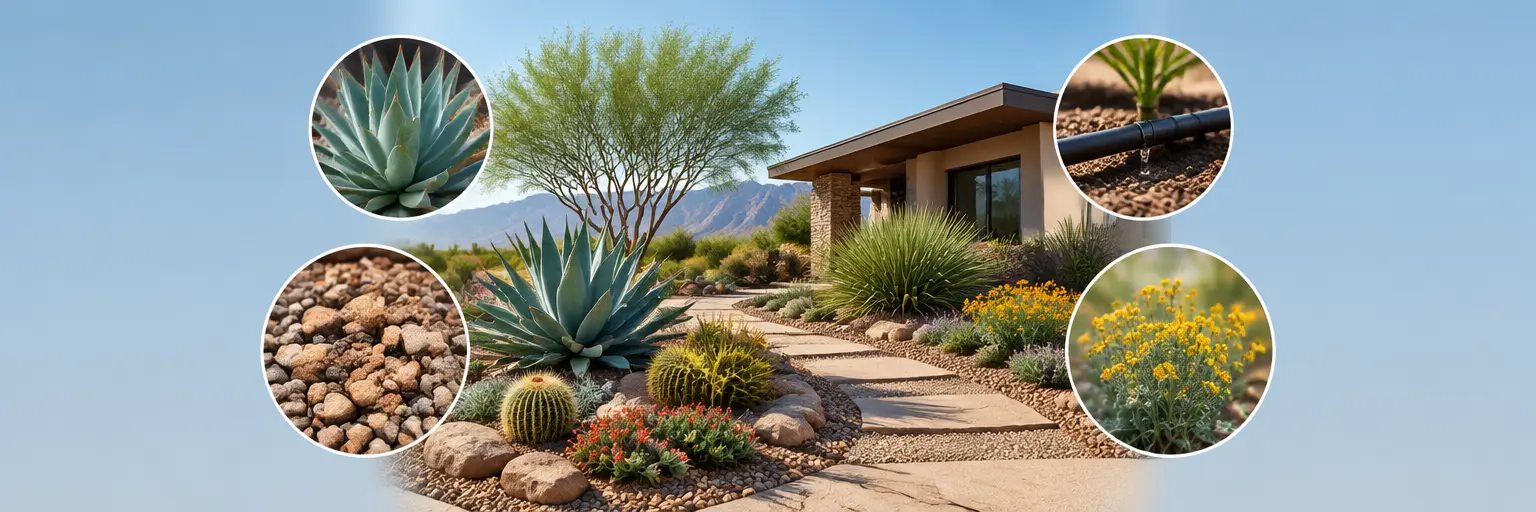
At SucculentEssentials.org, we understand that arid regions present unique landscaping challenges—but also incredible opportunities. Xeriscaping is more than just saving water; it’s a sustainable design philosophy that celebrates drought-resistant plants, smart soil management, and efficient irrigation. This subcategory dives deep into practical, proven techniques tailored for desert climates, rocky terrains, and low-rainfall zones. Whether you’re a beginner gardener or a seasoned horticulturist, you’ll discover how to reduce water usage by up to 70% while creating a visually stunning, low-maintenance landscape that thrives even under harsh sun. From gravel mulches to drip irrigation, here’s your blueprint for arid-zone success.
🌵 Soil Preparation and Amendment Strategies for Arid Ground
Healthy xeriscaping begins beneath the surface. Arid soils often suffer from poor drainage, high salinity, or compacted clay, which can suffocate roots. Start by testing your soil’s pH and texture; desert soils typically range from 7.0 to 8.5 (alkaline). To improve structure, incorporate organic matter like compost or aged manure at a ratio of 20-30% into the top 12 inches. This boosts water retention without creating waterlogged conditions. Avoid excessive tilling, as it disrupts beneficial microbes and exposes weed seeds.
For rocky or gravel-heavy terrain, consider building raised beds or contouring swales to capture and direct rainwater. Adding a 2-3 inch layer of coarse sand or decomposed granite improves drainage for succulents and cacti, which detest wet feet. Also, apply a slow-release, low-nitrogen fertilizer (like 5-10-10) during planting season. Remember, arid soil needs less frequent but deeper watering—encouraging roots to grow downward, making plants more resilient. Mulching with pebbles or crushed stone (not bark, which retains heat) reduces evaporation and keeps soil temperatures stable.
💧 Efficient Irrigation Systems: Drip Lines, Soaker Hoses, and Smart Controllers
Traditional sprinklers waste 50% of water through evaporation and runoff. For arid regions, precision irrigation is non-negotiable. Install drip irrigation with pressure-compensating emitters that deliver water directly to the root zone at a slow, steady rate. Use 1/2-inch or 5/8-inch tubing buried 2-4 inches deep to minimize surface loss. Group plants with similar water needs into separate “hydrozones” so you can adjust schedules individually. Soaker hoses are a budget-friendly alternative for dense planting beds, but they’re less precise—use them only on level ground.
Upgrade to smart irrigation controllers that sync with local weather data, adjusting watering based on rainfall, temperature, and humidity. Many models even connect to Wi-Fi, letting you manage schedules from your phone. Set your watering cycle for early morning (4-6 AM) to reduce evaporation and fungal diseases. For established xeriscapes, deep watering every 10-14 days during summer (rather than frequent shallow watering) is ideal. Always install a rain sensor to automatically skip cycles after precipitation—this alone can save thousands of gallons annually.
🌿 Selecting Native and Drought-Tolerant Plant Palettes
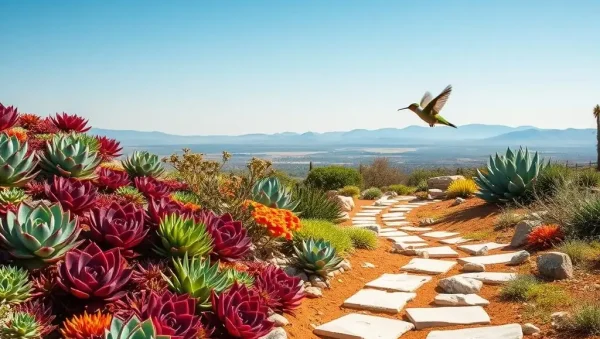
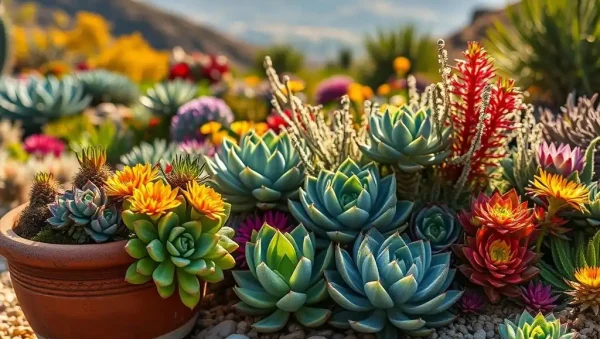
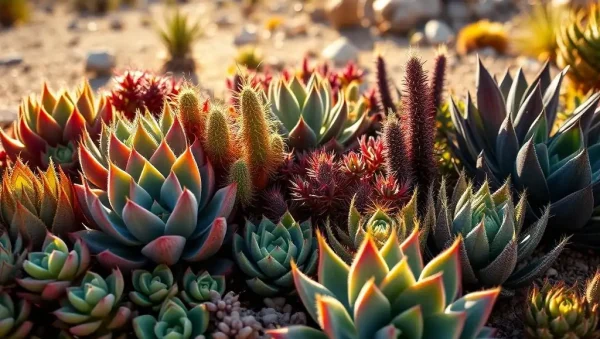
Your plant choices define your xeriscape’s success. Prioritize native species adapted to your region’s rainfall, temperature, and soil—they require minimal supplemental water once established. In the American Southwest, favorites include agave, yucca, desert marigold, and penstemon. Succulents like sedum, echeveria, and delosperma are excellent for ground cover, while ornamental grasses (blue fescue, feather reed grass) add texture and movement. Pair plants with similar sun and water requirements to create cohesive designs. Avoid invasive exotics like pampas grass, which deplete groundwater.
Incorporate seasonal interest by mixing evergreen succulents with flowering perennials that bloom at different times. For example, plant aloe for winter color, desert globemallow for spring, and autumn sage for late-summer pollinators. Use the “thriller, filler, spiller” method: a tall focal point (like a barrel cactus), mounding fillers (such as blue chalksticks), and trailing plants (like burro’s tail) for edges. Always verify hardiness zones—a plant’s tolerance to heat and cold is more critical than its drought resistance. Group high-water plants near leak-prone areas, and reserve the driest spots for ultra-hardy species.
🪨 Hardscaping, Mulching, and Erosion Control Techniques
Hardscaping isn’t just aesthetic—it’s functional armor against erosion and water loss. Use permeable pavers or decomposed granite for pathways and patios, allowing rainwater to infiltrate rather than run off. Retaining walls built from local stone or recycled concrete help terrace slopes, reducing runoff and creating microclimates. For slopes, install geotextile fabric beneath gravel to prevent soil washout during rare downpours. Organic mulch (like straw or wood chips) is discouraged in arid zones because it can harbor pests and ignite, so prefer inorganic options: pea gravel, river rock, or crushed lava rock.
A proper mulch layer of 3-5 inches reduces evaporation by up to 70%, moderates soil temperature fluctuation, and suppresses weed germination. Avoid touching mulch directly to plant stems—leave a 2-inch gap to prevent rot. For extreme slopes, combine terracing with planted erosion blankets made of coir or jute, which hold soil while roots establish. Add rain gardens or dry creek beds at low points to channel and absorb stormwater naturally. Not only does this protect your landscape, but it also recharges local aquifers—a win for your garden and the broader ecosystem.
🔄 Maintenance, Seasonal Adjustments, and Water Harvesting
Xeriscapes are low-maintenance, not no-maintenance. Establish a seasonal care calendar: in spring, prune dead growth and divide overgrown succulents; in summer, check drip lines for clogs and adjust run times based on heat waves; in autumn, clear debris and reduce watering gradually; in winter, protect frost-tender species with breathable fabric. Weed regularly—competing plants steal scarce water. Refresh mulch every 1-2 years to maintain depth. Fertilize sparingly (once in early spring) with slow-release formula; overfeeding encourages weak, thirsty growth.
Maximize sustainability by implementing rainwater harvesting. Install rain barrels at downspouts, or build a simple catchment system with a lined basin that connects to your drip irrigation. Even in arid regions, seasonal storms can provide significant water—a 1,000-square-foot roof captures about 600 gallons per 1 inch of rain. Direct overflow from downspouts into bioswales or underground cisterns. Monitor soil moisture with a simple finger test (dry 2 inches down = water) or a digital sensor. Keep a garden journal to track microclimate variations, noting which spots receive intense afternoon sun versus cooler morning light, and adjust plant placement accordingly.
Frequently Asked Questions
What are the core principles of xeriscaping in arid regions?
The seven principles are planning and design, soil improvement, efficient irrigation, appropriate plant selection, mulching, reduced turf areas, and proper maintenance. Focus on hydrozoning (grouping by water needs), using drought-tolerant natives, and minimizing evaporation through drip irrigation and rock mulch. The goal is to create a self-sustaining landscape that thrives with minimal supplemental water.
Can I still have a lawn in a xeriscape?
Yes, but limit turf to functional areas like play spaces or pet zones. Choose warm-season grasses like buffalo grass or bermudagrass, which are drought-resistant. Better yet, replace traditional lawns with synthetic turf or clumping groundcovers like blue fescue. If you keep real grass, water it deeply but rarely—about 1 inch per week—and aerate annually.
How often should I water newly planted xeriscape plants?
New plants need frequent, shallow waterings to establish roots. For the first 2-3 weeks, water every 2-3 days; then gradually extend intervals to once a week by month two. After six months, reduce to every 10-14 days. Always check soil moisture—the top 2-3 inches should dry out between waterings to prevent root rot.
What are the best succulents for extreme desert heat?
Choose heat-tolerant succulents with thick cuticles and shallow root systems: agave parryi, aloe brevifolia, sedum nussbaumerianum, and echeveria elegans. Cacti like golden barrel and saguaro tolerate intense sun. Avoid cold-sensitive varieties like certain haworthias. Plant in partial shade during the hottest afternoon hours, and ensure excellent drainage to prevent fungal issues.
Will xeriscaping increase my property value?
Absolutely—when done professionally, xeriscaping can boost property value by 5-15% in arid regions. Buyers appreciate lower utility bills, reduced maintenance, and aesthetically pleasing, drought-resistant landscapes. Many municipalities also offer rebates for turf removal or water-wise upgrades, making it an economically smart investment. Just ensure your design includes a mix of textures and colors for curb appeal.