Design Principles for Low-Maintenance Landscapes at SucculentEssentials.org
Welcome to our dedicated guide on Design Principles for Low-Maintenance Landscapes, part of our Outdoor Landscaping and Xeriscaping category. Here at SucculentEssentials.org, we blend the beauty of succulents with practical, water-wise design strategies. Whether you’re a beginner looking to reduce yard work or a seasoned gardener aiming for a sustainable, drought-tolerant haven, this subcategory offers actionable insights—from soil preparation to plant grouping—that minimize upkeep while maximizing visual impact. Explore how to transform your outdoor space into a self-sustaining, succulent-rich retreat.
🌵 Core Principles of Water-Wise Layout
The foundation of any low-maintenance landscape lies in smart water management. Start by zoning your yard into hydrozones—areas with similar water needs—so you can irrigate efficiently without overwatering drought-tolerant succulents. Grouping plants with matching sun exposure and soil drainage reduces the need for constant adjustment and prevents root rot. Additionally, design gentle slopes or use rain gardens to capture runoff, turning potential waste into a resource for your most thirsty species.
Emphasize soil amendment with coarse sand or pumice to improve drainage, a critical step for succulent health. By installing drip irrigation on a timer, you eliminate daily watering chores and set a self-regulating system. Remember, the goal is to work with nature, not against it—choosing native or Mediterranean plants that thrive in your climate ensures minimal intervention. This foundational approach saves hours of weekly labor and keeps your landscape lush even during heatwaves.
🪨 Hardscaping and Mulching Strategies
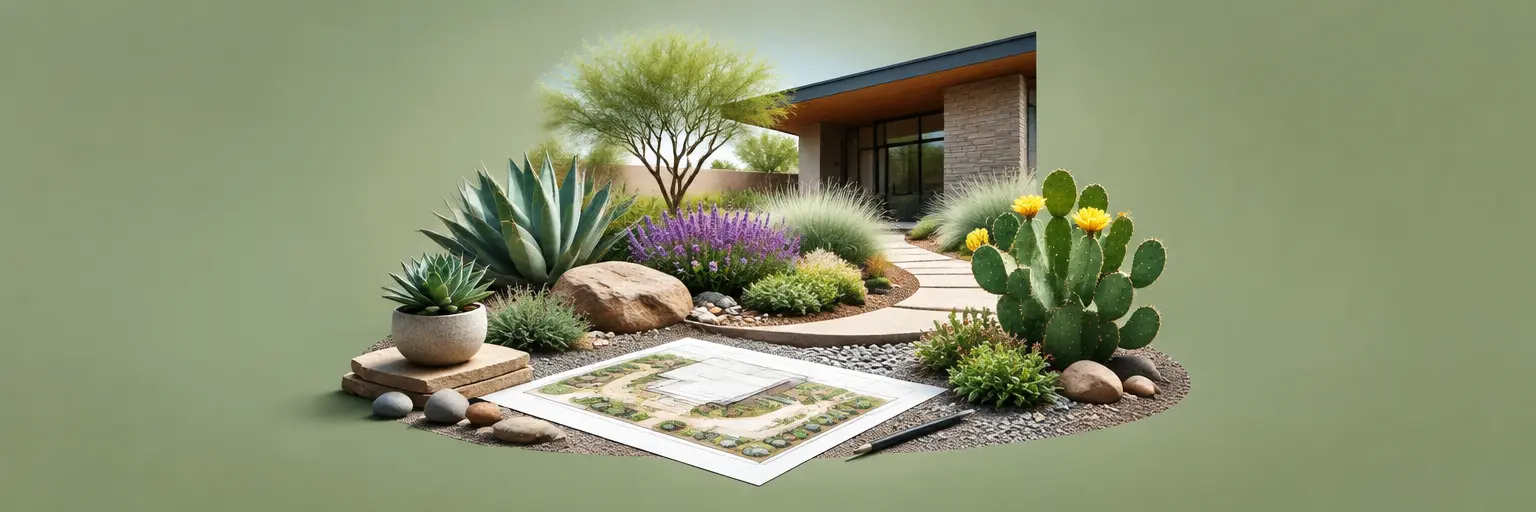
Hardscaping—using stones, gravel, and permeable pavers—is your best ally for reducing maintenance. These materials suppress weeds, stabilize soil temperatures, and add textural contrast to succulent displays. Use decomposed granite or crushed rock as a top dressing around agaves and echeverias; this not only looks polished but also prevents moisture evaporation. For pathways, choose interlocking pavers with wide joints filled with sand to allow rainwater infiltration, reducing runoff and erosion.
Mulching with inorganic options like river rock or pebbles outperforms organic bark, which decomposes and needs replacement. A 2-3 inch layer of gravel mimics the natural habitat of most succulents, keeping roots cool and dry. To further cut maintenance, install weed barrier fabric beneath your hardscape, but avoid using it under living plants where it can block airflow. This dual-layer strategy—stone for aesthetics, membrane for weed control—cuts weeding time by up to 80% in your first season.
🌿 Selecting Low-Care Succulent Varieties
Not all succulents demand equal attention. For a truly low-maintenance landscape, prioritize slow-growing, resilient species such as Sedum, Sempervivum, and Hardy Opuntia. These varieties tolerate neglect, frost, and poor soils, making them perfect for busy gardeners. Avoid delicate Echeverias with thin leaves that scorch easily; instead, opt for rosette-forming plants like Agave parryi that store water efficiently and rarely need pruning. Group similar growth rates together to prevent one aggressive species from smothering another.
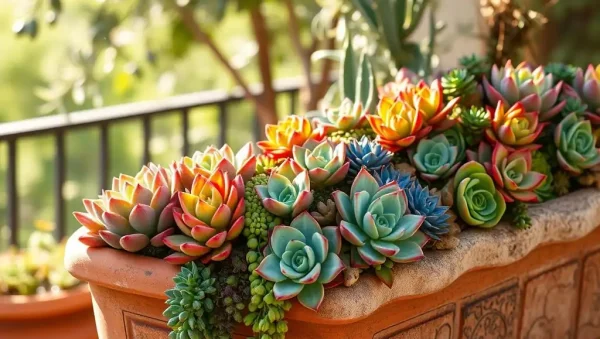
Incorporate evergreen succulents that maintain year-round structure, reducing the need for seasonal replanting. For vertical interest, use trailing varieties like Burro’s Tail in raised planters, but ensure they’re frost-hardy for your zone. Also, consider edible succulents like Portulacaria afra (elephant bush) that double as wildlife habitat. By choosing three to five core genera that thrive in your microclimate, you cut plant replacement costs and create a self-sustaining ecosystem that looks designed, not neglected.
🧱 Designing with Repetition and Texture
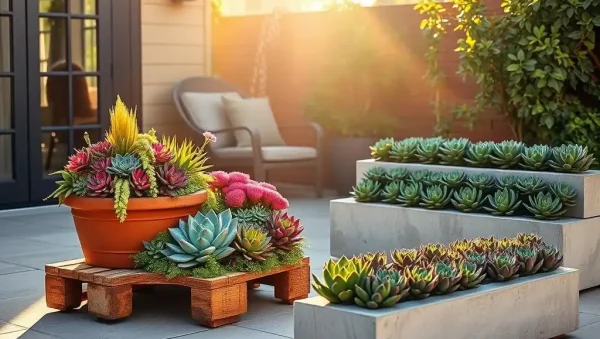
Low-maintenance doesn’t mean boring. Use repetition of shapes—like repeated rosettes or spherical cacti—to create visual rhythm without needing frequent pruning. Plant in drifts of odd numbers (3, 5, 7) to achieve a naturalistic flow that hides imperfections and reduces the need for edging. Combine contrasting textures, such as spiky yuccas beside soft feathery grasses, to add depth; this reduces the perception of bare spots and keeps interest high even in winter dormancy.
Implement layered planting with a tall focal point (like a tree aloe), mid-level clumping succulents, and low-growing ground covers. This vertical stratification prevents soil erosion and suppresses weeds naturally. Use boulders and driftwood as permanent anchors that need zero care while breaking up large expanses. By designing for mass rather than individual plants, you minimize maintenance tasks like deadheading and dividing, because each species has room to mature without crowding. The result is a cohesive, gallery-like landscape that thrives on benign neglect.
🔄 Seasonal Care and Adaptive Maintenance
A low-maintenance landscape still requires a minimal annual routine. In spring, inspect for frost damage and remove dead leaves—this 30-minute task prevents pests. In summer, shift watering to early morning once a week, and never during heatwaves to avoid scorch. Autumn is the time to reduce irrigation gradually, allowing succulents to harden off for winter. Use a weather-based smart controller to adjust schedules automatically, saving both water and worry.
Plan for three maintenance checkpoints: early spring cleanup, mid-summer inspection, and late fall preparation. Each session should take under two hours for a typical yard. Apply a slow-release fertilizer (like a 5-10-10) once in early spring and skip summer feeding to keep growth compact. Monitor for mealybugs or scale monthly, but avoid harsh chemicals—a simple neem oil spray suffices. By aligning your care with natural growth cycles, you’ll spend less time fixing problems and more time enjoying your succulent oasis.
Frequently Asked Questions
Why are succulents ideal for low-maintenance landscapes?
Succulents store water in their leaves, stems, or roots, allowing them to survive long dry periods. They require infrequent watering, rarely need fertilizing, and naturally resist most pests. Their slow growth reduces pruning needs, and their varied shapes create year-round interest without seasonal replanting. This makes them supremely suited for busy gardeners or arid climates.
How do I prevent weeds in a succulent garden?
Start with a thick layer of inorganic mulch, like gravel or crushed rock, which blocks sunlight and prevents weed germination. Install landscape fabric beneath the mulch, but avoid using it directly under plants. Additionally, plant ground-hugging succulents like Dymondia or sedums to create a living mulch that outcompetes weeds for space and nutrients.
Can I mix cacti and succulents in the same bed?
Yes, if they share similar water and light needs. Most cacti are desert dwellers that require full sun and excellent drainage, matching many succulents like agave and aloe. Avoid mixing tropical succulents (e.g., Schlumbergera) with arid species. Group by climate origin to ensure compatible care and prevent overwatering or underwatering frustrations.
How often should I water a low-maintenance succulent landscape?
In the ground, mature succulents typically need water every 10–14 days during active growing seasons, and only once a month during dormancy. However, this varies with rainfall, soil type, and temperature. Use a moisture meter or touch-test the soil; water only when the top 2 inches are completely dry. Drip irrigation with a timer is best for consistency.
What is the best soil mix for outdoor succulent beds?
Use a blend of 50% coarse sand or perlite, 30% potting soil, and 20% small gravel or pumice. This ensures rapid drainage and prevents root rot. If planting directly in ground, amend clay soil with gypsum and compost to improve aeration. Avoid heavy peat-based mixes that retain too much moisture, which can kill drought-tolerant plants.