Discover the Perfect Watering Solutions for Your Succulent Garden
Welcome to the ultimate guide on Succulent-Friendly Irrigation Systems, tailored for gardeners who want to master xeriscaping and outdoor succulent care. Here, you’ll find expert advice on drip irrigation, soaker hoses, smart timers, and rainwater harvesting—all designed to keep your drought-resistant plants thriving without overwatering. Whether you’re a beginner or a seasoned collector, this page focuses on water conservation, root health, and efficient systems that mimic natural desert rainfall.
🌵 Drip Irrigation Systems: Precision Watering for Healthy Roots
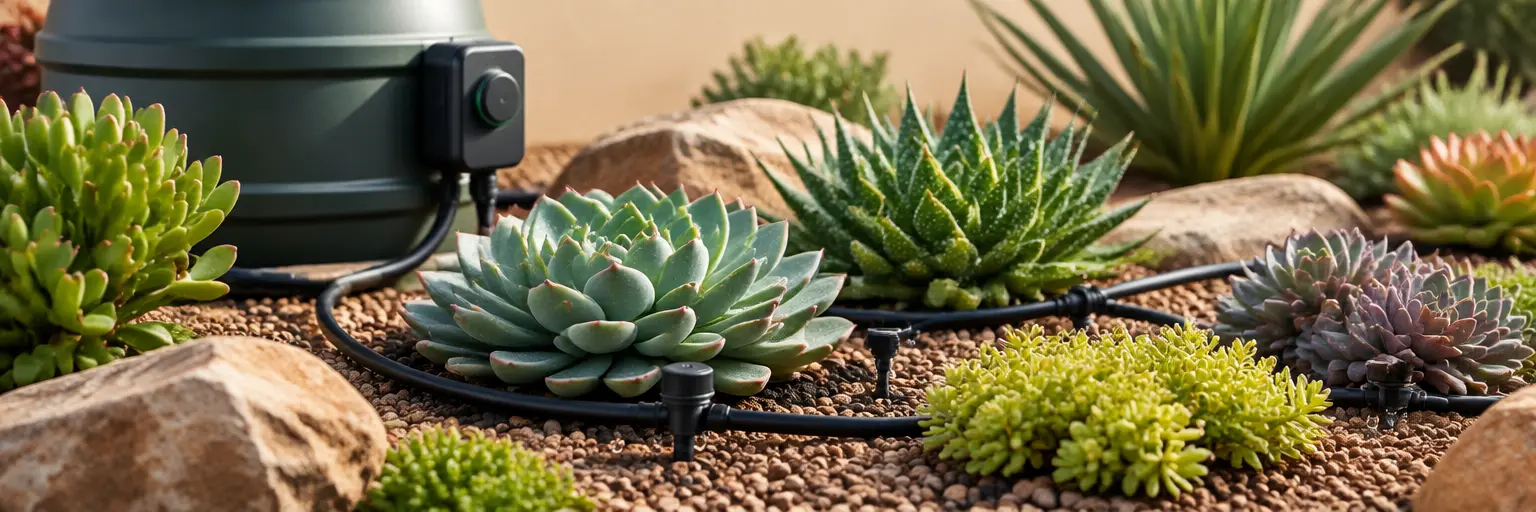
Drip irrigation is the gold standard for succulents because it delivers water directly to the soil at a slow, steady pace, preventing splash-back on leaves and minimizing evaporation. These systems typically use emitters that release 1-2 gallons per hour, ensuring the root zone stays hydrated without soggy conditions. Pair them with a pressure regulator and filter to maintain consistent flow, perfect for raised beds or rock gardens.
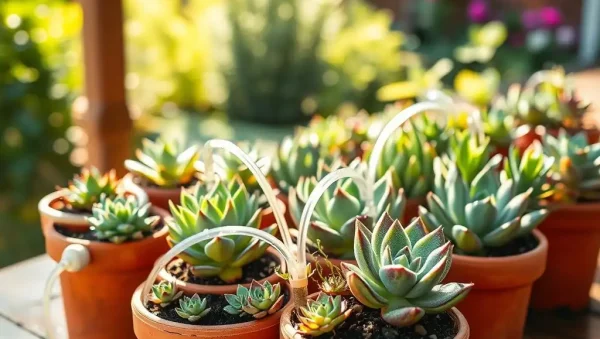
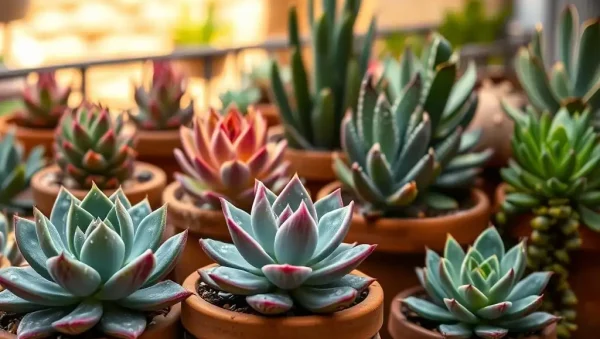
Unlike sprinklers, drip lines reduce leaf rot and fungal issues, common problems for rosette-shaped succulents like Echeveria. You can customize tubing layouts to wind through pots or sprawling ground covers, making it ideal for mixed xeriscapes. For best results, use a programmable timer to water early morning, letting excess moisture evaporate quickly. This subcategory offers step-by-step installation guides and recommendations on emitter spacing to suit your garden’s unique layout.
💧 Smart Timers and Moisture Sensors: Automate with Intelligence
Smart timers take the guesswork out of succulent watering, especially during unpredictable weather. These devices connect to Wi-Fi or use soil moisture sensors to trigger irrigation only when the substrate is dry, typically every 7-14 days. Many models feature seasonal adjustments, rain delays, and app-based controls, allowing you to monitor your garden from anywhere. This ensures you never overwater during cool spells or underwater during heatwaves.
For active succulent collectors, sensor-based systems are a game-changer—they prevent root rot from accidental double watering. Look for timers with dual-zone capabilities to separate drought-tolerant cacti from thirstier varieties like Aloe. This subcategory explores how to calibrate sensors for different soil mixes and pot types, plus troubleshooting tips for connectivity issues. Embrace automation to enjoy healthier succulents with less manual effort.
🚿 Soaker Hoses and Micro-Sprayers: Low-Cost Alternatives
If you prefer a budget-friendly approach, soaker hoses and micro-sprayers offer efficient hydration for succulent borders and containers. Soaker hoses weep water along their entire length, ideal for linear plantings, while micro-sprayers can target individual pots or hanging baskets. Both reduce water waste by 30-50% compared to traditional sprinklers, and they’re simple to install with standard garden fittings.
This method works best for shallow-rooted succulents like Lithops or Haworthia, as it encourages shallow, wide root growth. To avoid leaf wetness, position hoses at the base of plants, and use a timer for short bursts—just 10-15 minutes, twice a week. We’ll cover maintenance tips like flushing hoses seasonally and choosing porous vs. non-porous varieties for sandy soils. Perfect for eco-conscious gardeners seeking simplicity.
🌧️ Rainwater Harvesting for Sustainable Xeriscaping
Rainwater is naturally soft, slightly acidic, and free of chlorine—ideal for succulents sensitive to tap water chemicals. By installing rain barrels or a simple diverter, you can collect runoff from your roof and channel it into your irrigation system. This not only conserves municipal water but also provides a consistent supply during dry spells. Pair rain barrels with a gravity-fed drip line or a submersible pump for larger gardens.
This subcategory highlights DIY barrel setups, including mesh filters to keep out debris and mosquito-proofing. You’ll also learn about overflow diverters and connecting multiple barrels for higher capacity. Using harvested rainwater reduces your carbon footprint and gives your succulents the natural hydration they crave, mimicking their native desert habitats. Start saving from the first rain with our easy-to-follow guides.
🛠️ Installation and Maintenance Best Practices
Proper installation is key to long-lasting irrigation systems. Begin by mapping your garden, noting zones with similar sun and water needs, then choose tubing sizes that minimize pressure drops. Use brass or plastic fittings with PTFE tape to prevent leaks, and bury lines under 2-4 inches of mulch to protect them from UV damage. Always install a backflow preventer to keep soil particles out of your home’s water supply.
Routine maintenance involves flushing lines every few months, checking emitters for clogs, and replacing worn washers. In winter, drain hoses and store timers indoors to prevent freeze damage. This section provides seasonal checklists and troubleshooting charts for common issues like uneven flow or low pressure. With proper care, your irrigation system will serve your succulent garden for years, ensuring vibrant, stress-free plants.
Frequently Asked Questions
How often should I water succulents with drip irrigation?
Typically, water every 7-14 days during the growing season, but always check soil moisture first. Use a finger test—if the top 2 inches are dry, it’s time to water. In summer, you may need weekly, while winter requires less. Adjust based on climate and pot drainage.
Can I use a soaker hose for indoor potted succulents?
Soaker hoses are designed for outdoor or larger container setups, not small indoor pots. Instead, use a watering can or drip emitters with adjustable flow. Indoor succulents need even less water due to lower light and airflow, so manual watering is often safer.
Do moisture sensors work with all succulent soil mixes?
Yes, but calibration is crucial. Coarse, gritty mixes drain faster, so sensors may read dry sooner. Place the sensor mid-pot, avoiding direct contact with roots. Test for a week, then adjust threshold settings to match your soil’s specific drying rate.
What is the best irrigation system for a rock garden with succulents?
Drip irrigation with inline emitters is ideal, as it can snake around rocks and deliver water precisely to each plant. Use 0.5 GPH emitters for small spaces, and avoid overhead watering to prevent algae growth on stones. A timer ensures consistent, deep watering.
Can rainwater harvesting replace tap water for succulents entirely?
In most regions, yes, especially if you have a large storage system. However, during long droughts, supplement with tap water allowed to sit overnight to evaporate chlorine. Test your rainwater pH occasionally—it should be slightly acidic (6.0-6.5), perfect for succulents.