The Beauty of Succulents: Transforming Your Lawn into a Work of Art
😊 Transform your outdoor space with stunning succulent lawn art ideas! SucculentEssentials.org offers expert guides and creative inspiration to help you design…
Read article
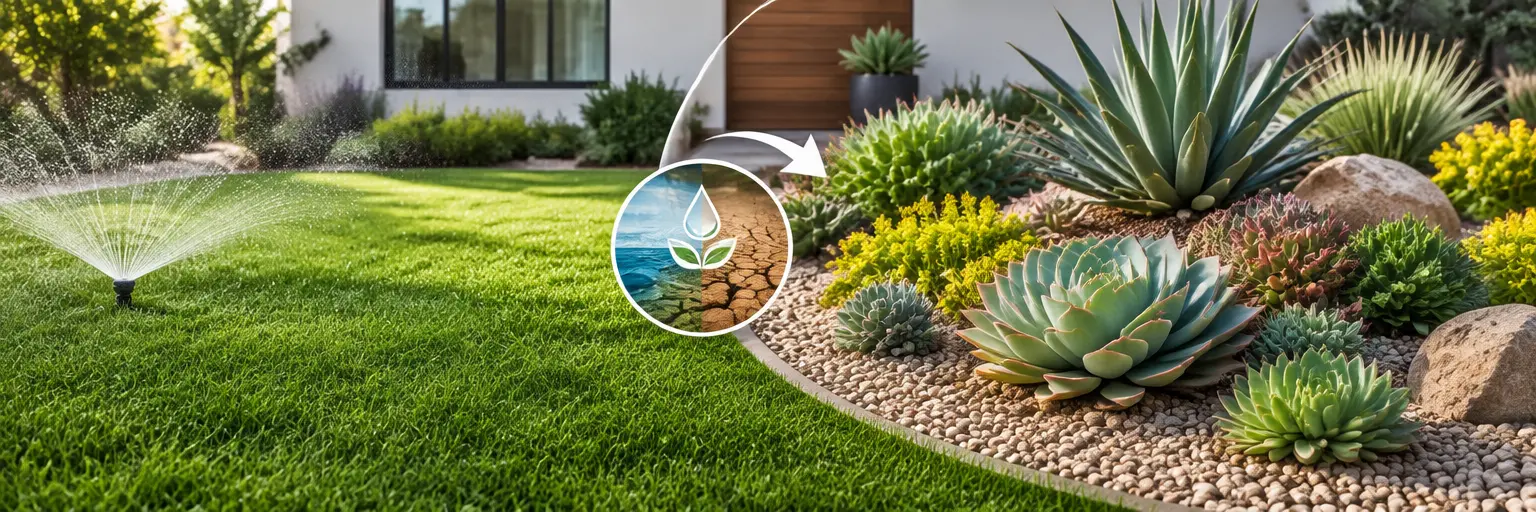
Transform your thirsty, high-maintenance lawn into a stunning, eco-friendly oasis with sustainable lawn replacement using succulents—a smart, water-wise solution perfect for modern xeriscaping. By swapping traditional turf for drought-tolerant succulents, you’ll slash water usage by up to 80%, eliminate the need for mowing and chemical fertilizers, and create a living mosaic of textures, colors, and shapes that thrives in arid climates. Whether you’re battling heat, sandy soil, or simply want a low-maintenance yard, succulents like sedums, echeverias, and agaves offer year-round visual interest with minimal care. This approach not only boosts curb appeal but also supports local pollinators and reduces your carbon footprint. From designing a succulent “lawn” with ground-hugging varieties to mixing in rocks, gravel, and decorative mulch, you’ll learn how to build a resilient landscape that looks lush without the guilt. Perfect for beginners and pros alike, explore step-by-step guidance on soil preparation, planting patterns, and irrigation tips to ensure success. Ready to ditch the grass?
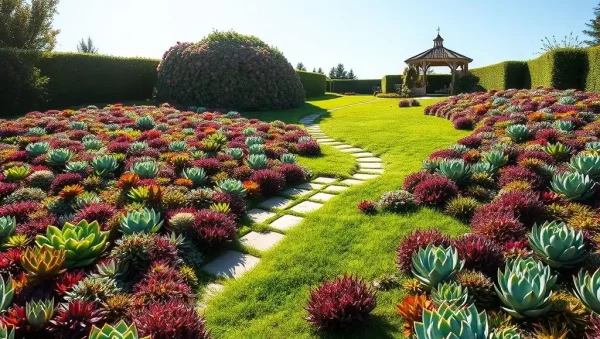
😊 Transform your outdoor space with stunning succulent lawn art ideas! SucculentEssentials.org offers expert guides and creative inspiration to help you design…
Read article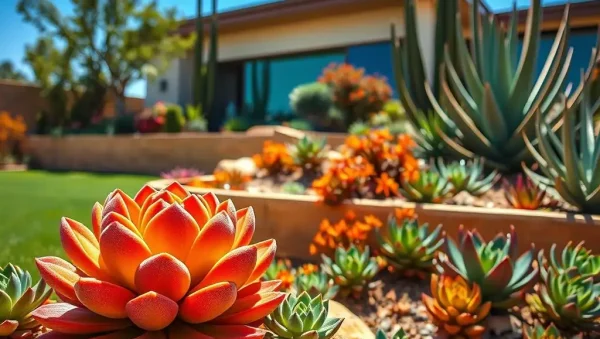
😊 Drought-tolerant and stunningly diverse, succulents are revolutionizing landscaping. Succulent landscaping offers a smart yard choice, needing less water and maintenance while…
Read article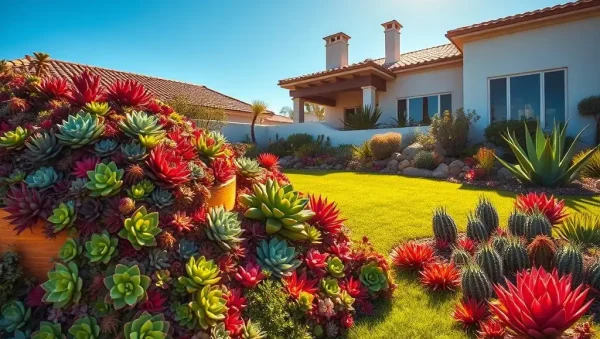
😊 Tired of high-maintenance lawns? SucculentEssentials.org shows you how to create a stunning, low-water landscape using drought-tolerant succulents. Discover unique succulent landscaping…
Read articleTransform your thirsty, high-maintenance turf into a vibrant, eco-friendly landscape by replacing your lawn with succulents. This subcategory of Outdoor Landscaping and Xeriscaping at SucculentEssentials.org offers practical guidance on designing drought-resistant ground covers, selecting hardy species, and managing the transition step-by-step. Whether you live in a arid desert or a humid coastal zone, you’ll find sustainable solutions that reduce water use, lower maintenance, and add striking texture and color to your yard.
Swapping grass for succulents cuts outdoor water consumption by up to 75%, saving money and supporting local water restrictions. Unlike traditional lawns, succulent ground covers require no mowing, fertilizing, or weekly irrigation, freeing your weekends for enjoyment. Their shallow root systems help prevent soil erosion, while fleshy leaves store moisture, allowing plants to thrive during prolonged dry spells. Additionally, succulents provide year-round visual interest with diverse shapes, from rosettes to trailing varieties, creating a living mosaic that attracts pollinators like bees and butterflies. This shift also reduces your carbon footprint by eliminating gas-powered lawn equipment and synthetic chemical runoff.
From a practical standpoint, succulent lawns are highly adaptable to slopes, sandy soils, and rocky patches where grass struggles. Species like Delosperma (ice plant) and Sedum (stonecrop) form dense mats that suppress weeds naturally, meaning less weeding and fewer herbicides. By choosing native or climate-appropriate succulents, you create a resilient ecosystem that supports local wildlife while enhancing property value with a unique, modern aesthetic. This approach aligns perfectly with xeriscaping principles, emphasizing water efficiency and low-impact gardening.
Selecting the right succulents is critical for a successful lawn replacement, especially if you need some durability under occasional foot traffic. Sedum spurium (Dragon’s Blood) and Sedum album (White Stonecrop) are low-growing, spreading options that tolerate light walking and create lush carpets. Delosperma cooperi (Hardy Ice Plant) produces vibrant purple daisy-like flowers and handles moderate foot traffic well, thriving in full sun. For shaded areas, consider Sedum ternatum (Woodland Stonecrop) or Sempervivum (Hens and Chicks), though these are less traffic-tolerant and best for ornamental zones.
When covering larger areas, mix several species to achieve a patchwork effect that becomes more resilient to pests and diseases. Dymondia margaretae (Silver Carpet) is a superb alternative with its silvery foliage and dense growth, ideal for walkways. Thymus (creeping thyme) isn’t a succulent but pairs well as a fragrant, low filler. Always check your USDA hardiness zone and sun exposure before planting, and consider starting with plugs or cuttings rather than seeds for faster establishment. SucculentEssentials.org provides detailed profiles for each species, including watering and soil needs.
Removing an existing lawn is the most labor-intensive part, but with the right strategy, it’s manageable. Start by marking utility lines and then choose a removal method: solarization (covering grass with clear plastic for 4–6 weeks to kill it), sheet mulching (layering cardboard and compost), or physical removal using a sod cutter. For smaller yards, manual digging works well. After grass is gone, test soil drainage—succulents hate waterlogged roots—and amend with coarse sand or perlite if needed. Level the area to prevent puddling, and allow invasive grass roots to dry out for a week before planting.
Next, plan your planting layout by mapping sun patterns and grouping succulents with similar water needs. Install a drip irrigation system on a timer for the first two summers, then reduce watering as plants establish. When planting, space succulents 6–12 inches apart depending on growth rate; this encourages quick ground coverage. Mulch with gravel or pebbles (not bark) to suppress weeds and reflect heat. Finally, water deeply but infrequently—about once a week for the first month, tapering to monthly once roots are firm. This method yields a lush, low-maintenance succulent lawn in under one growing season.
Unlike grass, succulents thrive on neglect once established. During the first year, water every 7–10 days if rain is scarce, then cut back to every 2–3 weeks during hot months and monthly in cooler seasons. Use the “soak and dry” method: water thoroughly until the soil is moistened 6 inches deep, then let it completely dry before rewatering. Overwatering is the biggest killer—always check the top inch of soil; if it’s still damp, skip watering. In rainy climates, plant succulents on raised mounds or slopes to improve drainage, and choose species like Sedum that tolerate brief wet periods.
Maintenance is minimal: remove fallen leaves and debris, and trim back any leggy growth in spring. Fertilize sparingly—once in early spring with a balanced, low-nitrogen formula diluted to half strength. Watch for common pests like mealybugs and aphids, which you can dislodge with a strong water spray or treat with neem oil. Every 2–3 years, divide overcrowded clumps to rejuvenate growth. This low-touch routine saves hours compared to weekly mowing, edging, and irrigation, making succulent lawns ideal for busy homeowners or vacation properties.
Replacing a 1,000-square-foot lawn with succulents can save up to 30,000 gallons of water annually in dry climates—a significant boon for regions facing drought restrictions. Your water bill may drop by 20–40%, and you’ll reduce runoff that carries fertilizers and pesticides into local waterways. Succulent roots also sequester carbon dioxide, and their low growth means less need for gas-powered tools, cutting greenhouse gas emissions. Over time, the lack of mowing, fertilizing, and chemical treatments lowers your landscaping budget by hundreds of dollars per year.
Beyond finances, synthetic turf and concrete alternatives aren’t eco-friendly, but succulents support biodiversity by providing nectar for pollinators and shelter for beneficial insects. Many species, like Echeveria and Graptopetalum, are drought-adapted natives that require no artificial irrigation after establishment. You may also qualify for local rebates—many municipalities offer incentives for converting lawns to xeriscapes. SucculentEssentials.org lists region-specific programs and helps you calculate your personal savings, making this sustainable choice both planet-friendly and wallet-smart.
To create a cohesive outdoor space, integrate your succulent lawn with hardscaping elements like flagstone steps, decomposed granite paths, or gravel patios. Use boulders or driftwood as focal points, and plant trailing succulents like Sedum morganianum (Burro’s Tail) over retaining walls for a waterfall effect. For a Mediterranean vibe, add lavender or rosemary—they share similar water needs and attract beneficial insects. To define zones, border the succulent area with ornamental grasses or low-growing Euphorbia, which add contrast in texture and height.
Incorporate vertical interest by planting tall succulents like Aeonium or Agave as statement pieces, but keep them clear of walkways to avoid leaf tip injuries. For nighttime appeal, install low-voltage LED path lights that highlight the unique forms and colors. Consider creating a “living mosaic” by grouping rosettes, spiky varieties, and ground-hugging sedums in repeating patterns. If you entertain, add a sunken fire pit surrounded by a seat wall with succulent-filled pockets, turning your lawn into a multi-functional outdoor living room. These designs not only boost curb appeal but also elevate your property’s resale value.
Most fast-growing ground cover succulents, such as Sedum and Delosperma, will spread to fill a space within 1–2 growing seasons if planted 6–12 inches apart. Slower varieties like Sempervivum may take 3 years. Regular watering during the first year accelerates growth, but avoid over-fertilizing, which can cause leggy, weak stems.
No succulent can replace a lawn for heavy sports or frequent foot traffic. However, low-growing sedums and ice plants tolerate occasional walking, making them suitable for paths or play areas. For high-traffic zones, combine them with stepping stones to protect the plants and provide a stable surface.
Hand-pull weeds after a rain when soil is soft, ensuring you remove the roots. Apply a pre-emergent herbicide in early spring, but avoid products containing glyphosate near succulents. A 1–2 inch gravel mulch suppresses weed seeds, and dense succulent coverage naturally shades out competitors over time.
Many succulents are frost-hardy, such as Sedum album and Delosperma cooperi, down to -20°F. For tender varieties, cover them with frost cloth during cold snaps, and plant on south-facing slopes for better drainage. Snow acts as an insulator, but avoid walking on frozen succulents to prevent breakage.
Yes, completely remove grass rhizomes to prevent re-sprouting. Solarize or sheet-mulch for at least 6 weeks to kill stubborn roots. After removal, wait 1–2 weeks and re-check for regrowth, then plant your succulents. Skipping this step often leads to grass overtaking your new succulent lawn.