Hardscaping Elements and Decor Integration: Elevate Your Succulent Garden Design
Hardscaping elements and decor integration transform a simple succulent garden into a stunning, cohesive outdoor living space. At SucculentEssentials.org, we understand that succulents thrive not just in soil but within thoughtful structural frameworks—stone pathways, decorative gravel, rustic planters, and artistic sculptures. This subcategory explores how to blend durable, non-plant materials with drought-tolerant flora to create visually striking, low-water landscapes. Whether you’re a beginner or a seasoned xeriscaper, you’ll discover practical techniques to merge form and function, enhancing both aesthetics and sustainability. From choosing the right pavers to incorporating fire pits and lighting, we cover every facet of hardscape design tailored for succulent-centric yards.
🌿 Choosing Sustainable Hardscape Materials for Xeriscaping
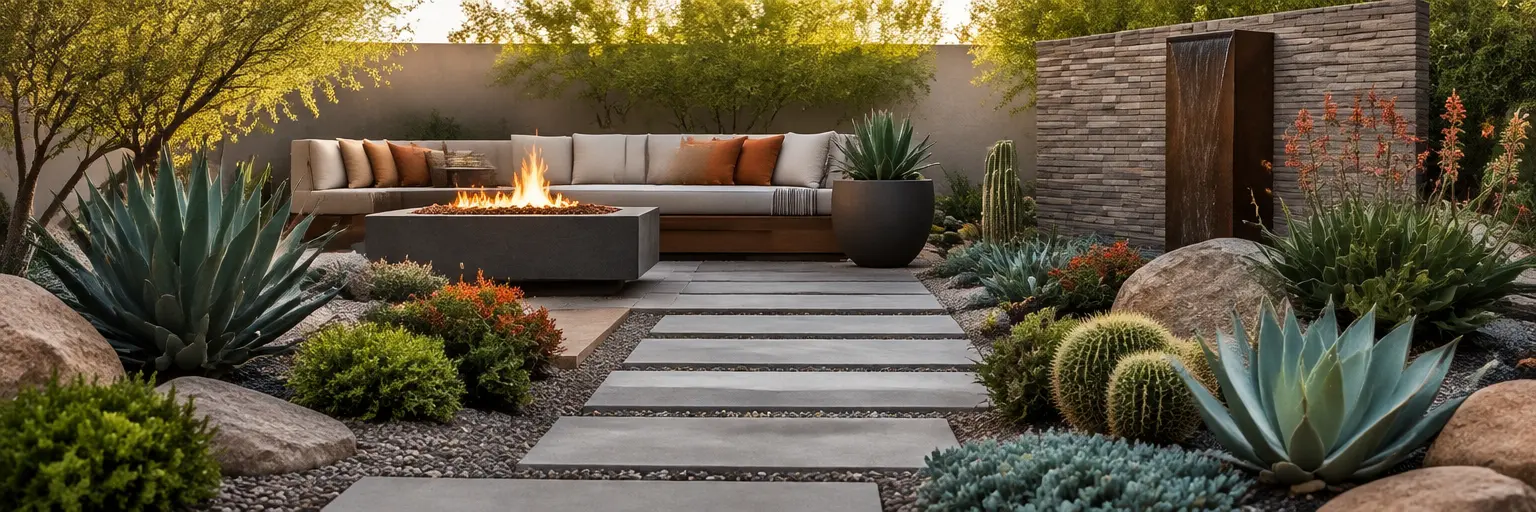
Selecting eco-friendly hardscape materials is crucial for a successful xeriscape. Opt for permeable options like decomposed granite, gravel, or recycled concrete pavers, which allow rainwater to seep into the soil, reducing runoff and supporting your succulents’ shallow root systems. Local stone—such as flagstone or river rock—adds natural texture while minimizing transportation carbon footprint. Avoid heat-absorbing dark asphalt or large concrete slabs that can stress nearby plants. Instead, embrace light-colored aggregates that reflect sunlight, keeping root zones cooler. Integrating these materials not only conserves water but also complements the sculptural shapes of agaves, echeverias, and sedums, creating a seamless transition between built and living elements.
When planning your hardscape layout, consider the visual weight of each material. For instance, oversized boulders serve as dramatic focal points, while fine pea gravel offers a soft contrast underfoot. Pairing these with mulch alternatives like crushed shell or volcanic rock reduces weed growth and retains soil moisture. Remember to leave ample planting pockets between hardscape features, ensuring succulents have room to spread and breathe. By prioritizing permeability and local sourcing, you craft a garden that’s both responsible and resilient—perfect for arid climates and busy gardeners alike.
🏺 Integrating Decorative Planters and Sculptural Accents
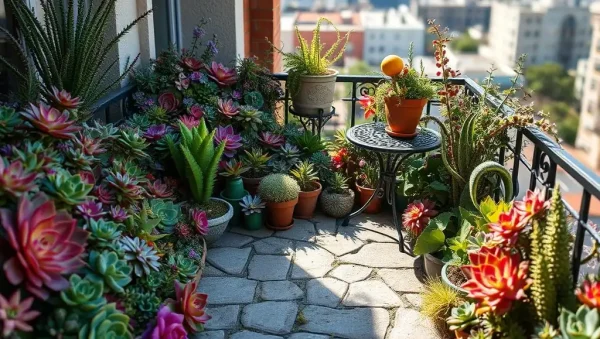
Decorative planters and sculptural accents are the jewelry of your succulent garden. Choose containers in varied heights, shapes, and materials—from weathered terracotta pots to sleek, modern concrete cubes—to add vertical interest and define spaces. Upcycled items like old wheelbarrows, metal troughs, or ceramic bowls bring character and sustainability. When placing planters, cluster them in odd numbers for natural appeal, using larger pieces as anchors and smaller ones as fillers. Incorporate whimsical sculptures, such as metal dragonflies or stone turtles, to guide the eye and create storytelling moments among your rosettes and trailing succulents.
Lighting is another decor essential that elevates hardscape integration. Install solar-powered path lights along gravel walkways or string warm LED bulbs overhead to highlight evening silhouettes. Mirrors or reflective spheres can visually expand small spaces, bouncing light onto sun-loving succulents. Don’t forget functional art—like a decorative rain chain leading to a gravel basin—which merges beauty with water catchment. Each accent should serve a purpose, whether it’s directing foot traffic, showcasing a rare specimen, or simply inviting contemplation. By layering these elements, your hardscape becomes an immersive gallery where succulents are the stars.
🪨 Building Pathways, Retaining Walls, and Seating Areas
Well-designed pathways, retaining walls, and seating areas define the bones of your succulent garden. Use stepping stones set in sand or gravel for informal paths, or create crisp lines with concrete pavers for a modern aesthetic. Retaining walls made from dry-stacked stone or timber raised beds prevent erosion on slopes while providing perfect microclimates for sun-sensitive varieties. Integrate built-in benches—whether crafted from cedar or salvaged brick—to invite quiet reflection among your plants. These structures should harmonize with the natural curves of your garden, using repeating colors and textures to unify the landscape.
For seating areas, prioritize comfort and shade. A pergola draped with shade cloth or a simple umbrella offers respite for both you and your succulents, reducing heat stress. Surround patios with gravel borders and potted agaves to soften edges. Consider adding a small fire pit—surrounded by pebbles and stone seats—as a gathering hub for cool evenings. Remember to leave open ground for planting pockets, allowing groundcover sedums to spill onto paths and walls, blurring the line between hard and softscape. This integration ensures every functional surface contributes to the garden’s overall artistry.
🎨 Color Palettes and Texture Contrasts in Hardscape Design
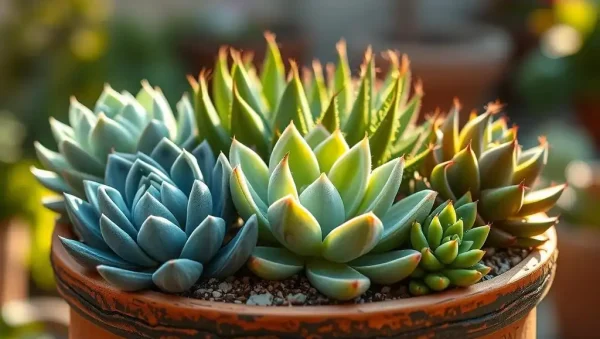
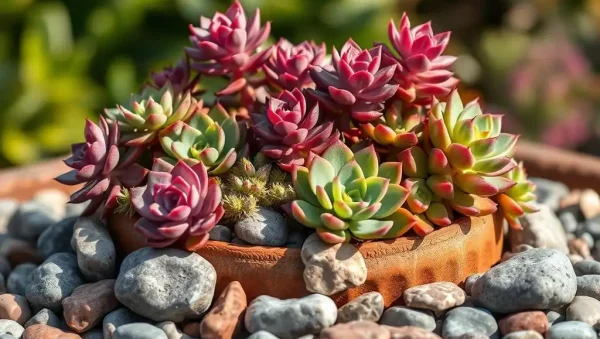
Color and texture are powerful tools in hardscape integration. Pair warm-toned materials like sandstone or terracotta with blue-green succulents (e.g., Echeveria elegans) for complementary contrast. For a monochromatic scheme, use grey slate and charcoal pebbles alongside silvery Sempervivum varieties. Texture contrast is equally vital: smooth river rocks juxtaposed against spiky aloes or fuzzy kalanchoes creates tactile intrigue. Incorporate varied grain sizes—from fine sand to coarse gravel—to add depth without overwhelming the eye. Use these palettes to delineate zones: cozy seating areas with warm tones, active pathways with neutral gravel, and focal beds with bold, high-contrast accents.
Seasonal changes also influence hardscape appeal. In winter, colored gravel or stained mulch can prevent barren looks, while autumn’s golden light is enhanced by bronze or copper planters. Don’t shy from adding painted elements—like a bright blue door or ceramic tiles—to inject personality. However, limit pops of color to 10% of the hardscape area to maintain elegance. By consciously curating hues and surfaces, you create a symphony that changes with the sun’s angle, making your garden dynamic year-round. This attention to detail transforms mere stone and gravel into a curated, living masterpiece.
💧 Water-Smart Hardscaping: Drainage, Irrigation, and Rain Gardens
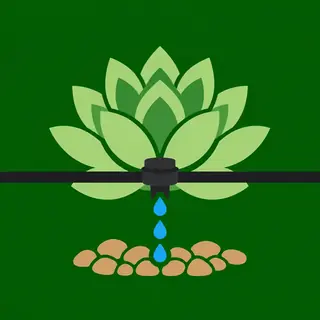
Water-smart hardscaping starts with drainage. Ensure all paths and patios slope away from planting beds to prevent root rot, directing runoff toward rain gardens or gravel trenches. French drains lined with perforated pipe and wrapped in landscape fabric channel excess water away efficiently. Integrate drip irrigation lines beneath gravel mulch or along retaining wall bases, delivering moisture directly to succulent roots. For a passive approach, create swales or dry creek beds lined with river rock that capture rainfall and allow slow percolation. These features not only protect your plants but also reduce the need for supplemental watering, aligning perfectly with xeriscaping principles.
Consider adding a decorative rain barrel connected to downspouts, with spigots feeding a soaker hose hidden beneath pebbles. This harvested water is ideal for flushing dust off plants or watering containers. If space allows, install a small rain garden—a shallow depression planted with moisture-tolerant succulents like Sedum spectabile—that filters runoff and attracts pollinators. Pair this with open-grid pavers (grass or gravel-filled) to improve infiltration in high-traffic zones. Every hardscape element should work in tandem with natural water cycles, reducing waste while enhancing plant health. This holistic approach makes your garden a model of ecological stewardship.
Frequently Asked Questions
Can I combine hardscaping with existing succulent beds?
Absolutely. Start by identifying root zones and avoiding compaction. Use lightweight paver bases or stepping stones that require minimal excavation. Mulch around hardscape edges with gravel to protect shallow roots, and choose materials that don’t leach harmful chemicals. This integration enhances accessibility and visual appeal without disturbing established plants.
What is the best gravel type for succulent gardens?
Opt for crushed granite, pea gravel, or decomposed granite with particle sizes from 1/4 to 1/2 inch. These drain quickly, stay cool, and don’t compact excessively. Avoid limestone or marble chips, which can raise soil pH over time. Rinse gravel before installation to reduce dust, and layer it 2-3 inches deep for weed suppression.
How do I prevent weeds from growing between pavers?
Install a woven landscape fabric beneath the paver base, then fill joints with polymeric sand or fine gravel that locks together. For existing gaps, apply a vinegar-based herbicide sparingly. Alternatively, plant low-growing succulents like Sedum acre in joints to naturally outcompete weeds while adding greenery.
Are decorative rocks safe for succulents in full sun?
Light-colored rocks like white quartz or light-toned gravel reflect heat, reducing soil temperatures—ideal for sun-exposed beds. Dark rocks, such as basalt, absorb heat and may stress sensitive species. Test surface temperatures by hand in summer; if too hot to touch, switch to lighter aggregates or add shade-loving succulents.
Can I use recycled materials for hardscape decor?
Yes, upcycling is sustainable and stylish. Old bricks, broken concrete (urbanite), wine bottles, or metal scraps make excellent edging, planters, or sculptures. Ensure materials are clean and non-toxic, especially near edible plants. Sand down sharp edges to protect pets and children, and seal porous items to prevent moisture damage.