Public Gardens and Parks Showcasing Succulents: Your Living Inspiration Hub
Welcome to the ultimate guide for discovering the world’s most spectacular public gardens and parks where succulents take center stage. Whether you’re a seasoned collector, a landscape designer, or a newbie seeking drought-resistant beauty, this subcategory curates must-visit destinations, design principles, and seasonal highlights. From desert botanical gardens in Arizona to coastal succulent parks in California, we help you plan visits, learn xeriscaping techniques, and find creative ideas for your own outdoor spaces. Explore how these living museums demonstrate water-wise planting, sculptural forms, and ecological harmony—all while inspiring your next DIY succulent landscape project.
🌵 Iconic Desert Botanical Gardens You Must Visit
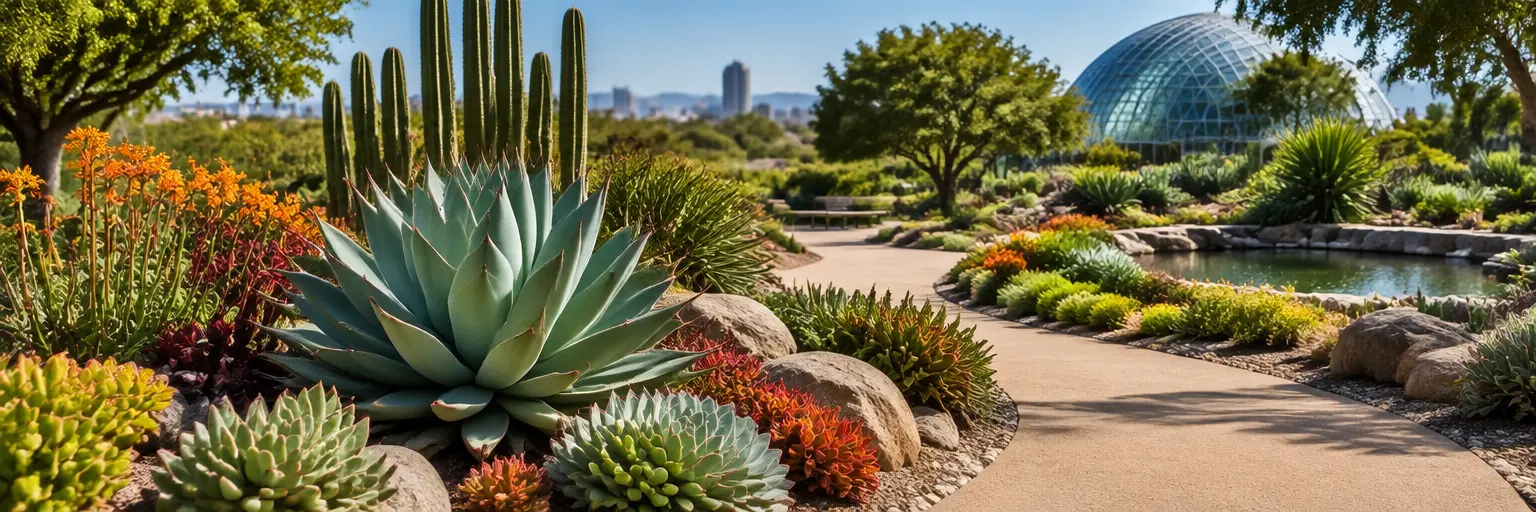
Start your journey with the world-renowned Desert Botanical Garden in Phoenix, Arizona, home to over 50,000 plants including rare agaves, aloes, and cacti. Similarly, the Huntington Library’s Desert Garden in California spans 120 acres with thriving succulent collections from five continents. These gardens offer seasonal bloom cycles—spring brings vibrant orange aloes, while winter highlights frost-tolerant species. Expect guided tours, night hikes, and photography workshops. Visiting these icons provides real-world examples of grouping succulents by water needs, elevation, and sun exposure, which you can replicate at home.
Beyond Arizona and California, the Ruth Bancroft Garden in Walnut Creek showcases a private collection turned public park, featuring giant agaves and opuntias under oak trees. Meanwhile, the Denver Botanic Gardens offers a high-altitude succulent display that thrives despite harsh winters. Each location emphasizes low-water landscaping and ecological resilience, proving that succulents can flourish in varied climates. Plan visits during early morning or late afternoon for best lighting and fewer crowds—plus, many gardens offer discounted admission during weekday hours.
🏞️ Coastal Succulent Parks: Seaside Xeriscaping Done Right
Coastal regions present unique challenges—salt spray, fog, and sandy soil—but succulents thrive there. The Coastal Succulent Garden at the San Francisco Botanical Garden demonstrates how sedums, dudleyas, and ice plants create a silver-blue tapestry against ocean breezes. Similarly, the Lotusland in Santa Barbara blends Mediterranean-style succulent parterres with seaside vistas, using drought-tolerant groundcovers that stabilize dunes. Key takeaway: coastal parks teach you how to combine succulents with native grasses and wildflowers to reduce erosion and attract pollinators.
Another gem is the Succulent Garden at the Santa Cruz Beach Boardwalk, a free public space where agaves and echeverias spill over rocky slopes. These parks often use mulching with crushed shells or gravel to mimic natural seaside habitats, while strategically placing taller plants as windbreaks. For your own coastal garden, mimic these designs by choosing salt-tolerant species like Barrel cacti and Jelly Bean plants, and position them in raised beds to improve drainage. Visit during foggy mornings to observe how condensation provides natural irrigation—a clever xeriscaping trick.
🌿 Xeriscape Demonstration Gardens for Home Inspiration
If you’re considering converting a lawn to xeriscape, demonstration gardens are your best teachers. The Denver Xeriscape Garden showcases zone-specific plantings—from high-plains prairie grasses to rock-garden succulents—with interpretive signage explaining water distribution. Similarly, the Tucson Botanical Gardens features a Xeriscape Garden Trail that compares traditional lawns vs. succulent borders, quantifying water savings. These gardens often host monthly workshops on soil amendment, drip irrigation, and companion planting for fire resistance.
Expect to see gravel mulch, terraced berms, and rain harvesting barrels integrated into design. For example, the San Antonio Botanical Garden’s Texas Native Trail pairs agaves with wildflowers to attract butterflies, reducing the need for pesticides. After visiting, apply these ideas by mapping your garden’s sun zones and grouping succulents accordingly. Many demo gardens offer printable plant lists and seasonal care calendars—grab them to create a low-maintenance, high-impact landscape that reduces your water bill by up to 60%.
👨👩👧👦 Family-Friendly Succulent Parks with Educational Programs
Public parks are perfect for introducing children to botany. The Succulent Gardens at the San Diego Botanic Garden feature a “Desert Discovery” area with touchable cacti and interactive scavenger hunts. Similarly, the Boyce Thompson Arboretum in Superior, Arizona, offers weekend junior gardener classes where kids propagate Echeveria and Haworthia in take-home pots. These parks prioritize safety with clear signage about spines and toxic species, plus shaded rest areas for families. Educational value: children learn about desert ecosystems, photosynthesis, and water conservation through play.
Many gardens also host evening storytelling sessions amidst succulents, blending folklore with science. For instance, the Mojave Desert Land Trust park leads moonlit walks where rangers explain nocturnal pollinators like moths and bats that visit cactus flowers. Check calendars for special events like “Cactus Fest” or “Succulent Showcase” weekends with hands-on planting stations. Before visiting, download park maps and identify kid-friendly trails (usually under 1 mile) that feature oversized planters, dinosaur-shaped cacti, and shaded picnic spots—perfect for a half-day family outing.
🗺️ Seasonal Highlights & Photography Spots in Succulent Gardens
Each season transforms public succulent gardens into dynamic canvases. Spring (March-May) is peak bloom time for aloes, agaves, and cacti flowers—the Desert Botanic Garden even publishes a “Bloom Alert” app. Summer brings dramatic heat-tolerant displays, but visit early evenings when golden hours create long shadows on spiky forms. Autumn showcases seed pods and vibrant reds and purples in Sedums, while winter highlights frost-hardy species like Sempervivum in mountainous parks. For photographers, bring a macro lens to capture dew on rosettes or the intricate texture of barrel cactus spines.
Some parks offer behind-the-scenes photography tours during “golden hour” (sunrise/sunset) with exclusive access to breeding greenhouses. For example, the Cactus & Succulent Garden at the University of California, Riverside, allows tripod use on weekday mornings. Check each park’s photography policy—many require permits for commercial shoots. To capture the best shots, stand low to emphasize plant silhouettes against the sky, and use a polarizing filter to reduce glare on waxy leaves. Join seasonal photo contests hosted by gardens to get feedback on your work and inspiration for your own succulent arrangement ideas.
Frequently Asked Questions
What is the best time of year to visit succulent gardens?
Spring (March-May) is ideal for blooms and mild temperatures, but summer offers vibrant heat-tolerant displays if you go early or late. Autumn is perfect for photographers due to warm golden light and seed pods. Winter is best for frost-hardy succulents in higher-altitude parks, though some desert gardens may have reduced hours.
Are public succulent gardens free to enter?
Many, like the Santa Cruz Beach Boardwalk succulent garden, are free. Larger institutions like Desert Botanical Garden charge admission (around $25-$30). Check official websites for “free days” or city resident discounts—some parks offer reduced rates on weekdays or during off-peak seasons.
Can I take cuttings or plants from public succulent gardens?
No, it’s strictly prohibited to remove plants or seeds—this protects species and prevents invasive spread. Instead, purchase from garden gift shops or propagation workshops, which sell responsibly sourced cuttings. Many parks also host plant sales with proceeds supporting conservation.
Which succulent species are easiest to grow at home after seeing them in parks?
Start with resilient species like Echeveria, Sedum, and Sempervivum—they tolerate a wide range of conditions. For full sun, try Agave and Aloe. Always ensure well-draining soil and avoid overwatering; these species mirror the hardy habits you observe in public gardens.
Do succulent parks offer guided tours or educational materials?
Most do! Look for self-guided audio tours, printed maps with plant IDs, and daily docent-led walks. Many also offer downloadable PDFs on xeriscaping techniques, seasonal care, and native pollinators. Check park websites for schedule times, as tours often depart at 10 AM and 2 PM.