Commercial Succulent Displays: Ideas for Every Business Type
😊 Elevate your business with stunning succulent displays! SucculentEssentials.org shows you the best succulent displays for businesses of all types, boosting ambiance…
Read article
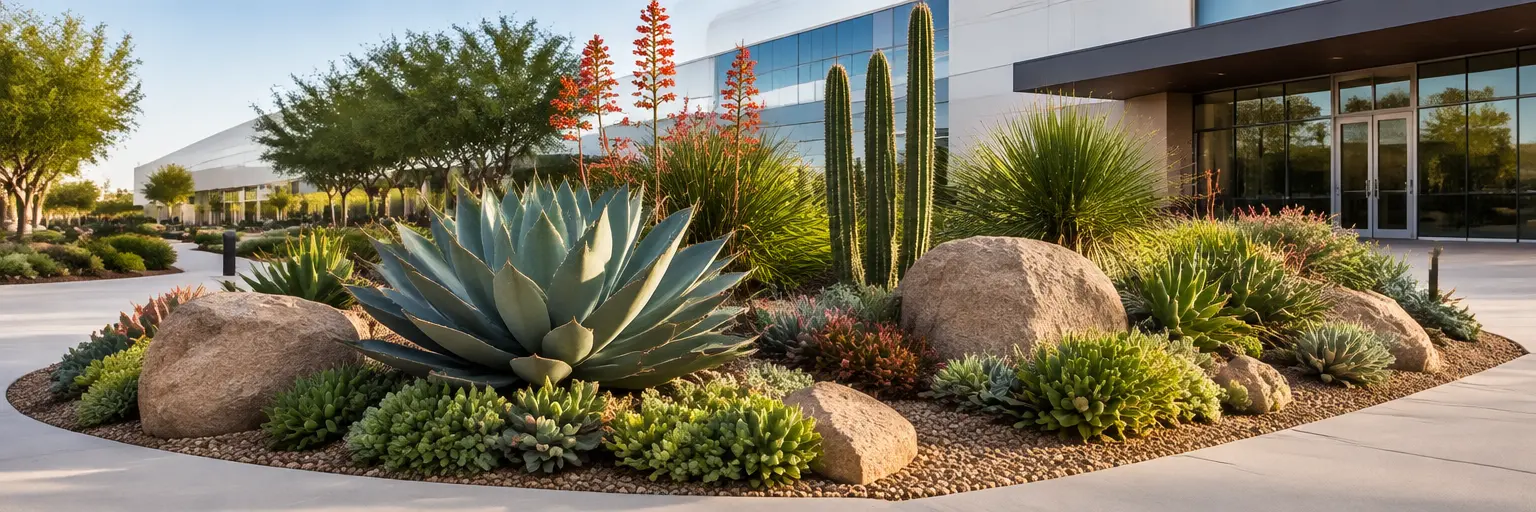
Transform expansive outdoor spaces into stunning, sustainable showcases with large-scale commercial succulent installations. These drought-resistant designs don’t just survive—they thrive in arid climates while slashing water usage and maintenance costs. From hotel entrances and corporate campuses to municipal parks and retail plazas, massive xeriscaping projects combine bold textures, sculptural agaves, and cascading sedums to create low-water, high-impact landscapes that impress clients and visitors alike. With expert planning, soil engineering, and irrigation strategies, your commercial property can achieve a fire-resistant, eco-friendly curb appeal that stands out year-round. Discover how to scale up your succulent vision—no green thumb required, just smart design.
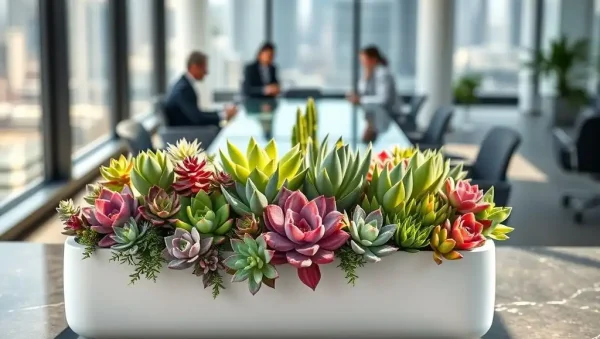
😊 Elevate your business with stunning succulent displays! SucculentEssentials.org shows you the best succulent displays for businesses of all types, boosting ambiance…
Read article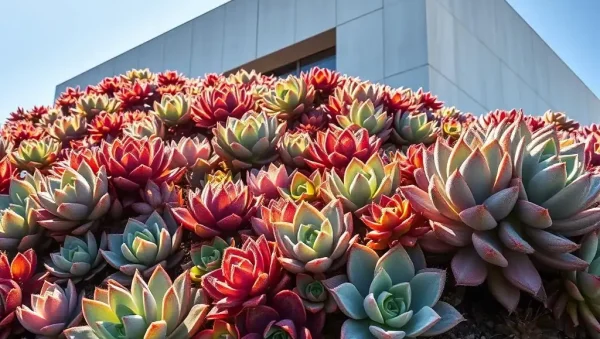
😊 Discover the drought-tolerant beauty and sustainability of commercial succulent landscaping. Succulent landscaping design ideas are revolutionizing green building, offering stunning aesthetics…
Read article
😊 Discover expert succulent landscape maintenance tips from SucculentEssentials.org! Learn how to effortlessly keep your commercial succulent arrangements thriving, ensuring vibrant, low-maintenance…
Read article
😊 Enhance your business's green image with sustainable succulent landscaping! SucculentEssentials.org shows you how drought-resistant succulents create stunning, eco-friendly designs, boosting your…
Read articleWelcome to SucculentEssentials.org, where we specialize in transforming expansive outdoor spaces into drought-resistant, low-maintenance masterpieces. Our Large-Scale Commercial Installations subcategory dives deep into the world of xeriscaping on a grand scale—think corporate campuses, municipal parks, retail centers, and hospitality resorts. Here, you’ll discover how succulents can reduce water usage, lower maintenance costs, and create striking visual impact across acres of land. Whether you’re a landscape architect, facility manager, or developer, this resource equips you with practical knowledge for sustainable, high-performance greenery that thrives in any climate.From soil preparation and irrigation strategies to plant selection and long-term care, we cover every facet of commercial succulent landscaping. Our expert insights blend horticultural science with real-world installation case studies, ensuring your project is both beautiful and functional. Let’s explore how you can harness the resilience of succulents to elevate your next large-scale venture.
Before any succulent goes into the ground, a thorough site assessment is critical for large-scale success. This includes analyzing sunlight exposure, drainage patterns, wind corridors, and existing soil composition. For commercial installations, we emphasize modifying soil to ensure optimal aeration and water percolation—succulents despise waterlogged roots. Our guides cover everything from conducting percolation tests to incorporating coarse sand, perlite, or decomposed granite into native soil, creating a stable foundation that prevents rot and supports healthy growth over decades.
Additionally, we explore soil amendment strategies tailored to arid and semi-arid zones, including the use of organic matter in moderation. Learn how to design raised berms or mounded beds to improve drainage naturally, reducing the need for costly drainage systems. We also discuss grading techniques that direct stormwater away from sensitive root zones. By mastering these engineering essentials, you’ll avoid common pitfalls like uneven growth or plant die-off, ensuring your commercial landscape remains vibrant and maintenance-friendly year after year.
For large installations, water efficiency is non-negotiable. We delve into advanced irrigation systems, including drip lines, subsurface irrigation, and smart controllers that adjust watering based on weather data. Succulents thrive on infrequent, deep watering, so we teach you how to calibrate emitter flow rates and schedule cycles to mimic natural rainfall. Our content covers zone planning for different succulent species, ensuring each area receives the right hydration without waste—crucial for meeting local water regulations and sustainability goals.
Moreover, we highlight the integration of rainwater harvesting and greywater recycling systems to further reduce potable water demand. You’ll learn about moisture sensors that trigger irrigation only when soil dries to a specific threshold, preventing overwatering across sprawling sites. We also compare cost-benefit analyses of various irrigation technologies, helping you choose solutions that offer long-term savings. With our expert advice, you’ll create a water-wise infrastructure that keeps thousands of succulents thriving while showcasing environmental stewardship to clients and the community.
Selecting the right succulents for commercial scale requires balancing aesthetics, hardiness, and growth habits. We provide comprehensive guides on species that excel in large clusters—such as sedums, sempervivums, agaves, and aloes—each offering unique textures and color palettes. Our recommendations factor in climate zones, sun exposure, and frost tolerance, ensuring your plants survive extreme temperatures. We also discuss groundcover succulents that spread quickly to suppress weeds, reducing maintenance labor and material costs over time.
Beyond individual species, we explore design principles for mass planting, like using repetition of form and color to create cohesive visual rhythms across vast areas. Learn how to mix tall accent succulents with low-growing varieties for dynamic layering. We also cover seasonal interest, selecting species that bloom at different times for year-round appeal. Additionally, we address sourcing and procurement strategies, including sourcing from reputable nurseries that supply large, uniform quantities. This ensures your installation looks polished from day one and matures gracefully, becoming a landmark of sustainable beauty.
Large-scale installations demand meticulous planning and execution. Our content walks you through every phase, from procurement and delivery scheduling to on-site placement and planting techniques. We emphasize staging—organizing plants by species and size before planting—to streamline workflow and minimize transplant shock. You’ll learn proper handling methods, including keeping roots moist and shaded during transport, plus efficient planting patterns like staggered rows or diamond grids to optimize space and growth.
We also cover project management best practices, including coordinating with subcontractors, managing timelines, and conducting quality inspections. Discover how to create a site-specific risk assessment, addressing potential issues like soil compaction from heavy machinery or sudden weather changes. Our guides include checklists for equipment needed—from augers for large agaves to hand trowels for delicate sedums. By following our proven protocols, you’ll keep your project on schedule and within budget, ensuring a smooth transition from bare ground to breathtaking succulent landscape.
Once installed, succulents require minimal care, but strategic maintenance is essential for longevity. We provide detailed schedules for seasonal tasks like pruning spent flower stalks, removing dead leaves, and dividing overgrown clumps to prevent overcrowding. Our advice on fertilization—or the lack thereof—helps you avoid promoting excessive, weak growth. We also discuss pest management for common issues like mealybugs or scale, using environmentally friendly methods safe for public spaces.
Additionally, we tackle lifecycle planning, from monitoring plant health indicators to planning periodic replacements for short-lived species. Learn how to conduct annual audits of your installation, tracking growth patterns and soil conditions. We share case studies of commercial landscapes that have thrived for decades with minimal intervention, proving succulents are a smart investment. Our guidance also covers warranty management with contractors and establishing maintenance contracts with specialized teams. This ensures your large-scale installation remains a stunning, cost-effective feature for years, enhancing property value and environmental credibility.
For cold regions, focus on hardy species like Sempervivum (hens and chicks), Sedum (stonecrop), and certain Opuntia (prickly pear) varieties that tolerate frost. These survive down to -20°F with excellent drainage. Choose cultivars proven to overwinter well, and consider planting in raised beds to avoid water accumulation. Always consult local extension services for zone-specific recommendations.
Costs vary widely, typically ranging from $8 to $20 per square foot for materials and labor. Factors include site preparation, soil amendments, irrigation systems, and plant size—larger specimens cost more. Groundcover sedums are economical, while agaves and aloes raise expenses. Long-term savings from reduced water and maintenance often offset initial costs within a few years.
Yes, but only in arid climates with adequate rainfall. Once established (usually after two years), many succulents survive on natural precipitation. However, during prolonged droughts, supplemental deep watering prevents stress. For unreliable rainfall regions, install a low-volume drip system with a manual override. This balances water conservation with plant health, ensuring robust growth.
With proper care, most succulent species live 20 to 50 years, especially agaves and aloes. Groundcovers may need periodic rejuvenation every 5–10 years. Longevity depends on soil health, pest control, and occasional division. Regular inspections help catch issues early, maximizing your landscape’s lifespan. Many installations remain vibrant for decades, becoming iconic features.
Prevent weeds by applying a 2–3 inch layer of inorganic mulch like gravel or decomposed granite. This blocks sunlight, suppresses growth, and complements succulents’ aesthetic. For persistent weeds, spot-treat with organic herbicides or hand-pull after rain. Installing landscape fabric below mulch adds extra protection. Regular biannual inspections keep weed pressure manageable.