High-Value Succulent Products and Tools at SucculentEssentials.org
Welcome to the premium section of SucculentEssentials.org, where we curate the finest gear for serious succulent growers. From smart irrigation to luxury containers, we help you elevate your collection with professional-grade tools, efficient systems, and durable materials. Whether you’re a collector aiming for perfect specimens or a hobbyist scaling up, these high-value products deliver measurable results—healthier roots, faster growth, and stunning aesthetics. Explore our expert-indexed subcategories below to invest wisely.
🌊 Advanced Irrigation Systems and Sensors
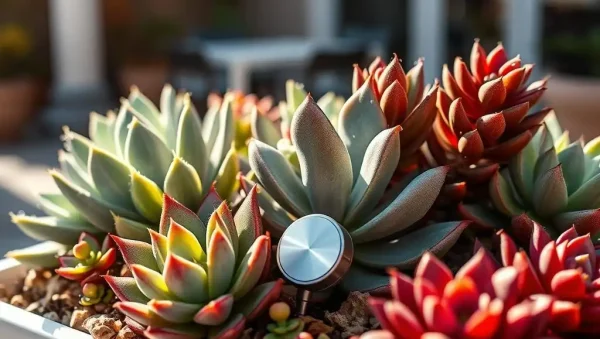
Precision watering transforms succulent care, preventing the leading cause of death—overwatering. Our advanced irrigation systems use drip emitters, moisture probes, and automated timers that sync with weather data. Sensors measure soil moisture, humidity, and light, sending alerts to your phone. Expect lower water waste, consistent hydration, and replicable success across large collections. These tools are ideal for greenhouse setups, outdoor gardens, or busy growers who travel. Pair with our soil guide for optimal sensor calibration and stress-free maintenance.
🌱 Soil and Fertilizers Buying Guide
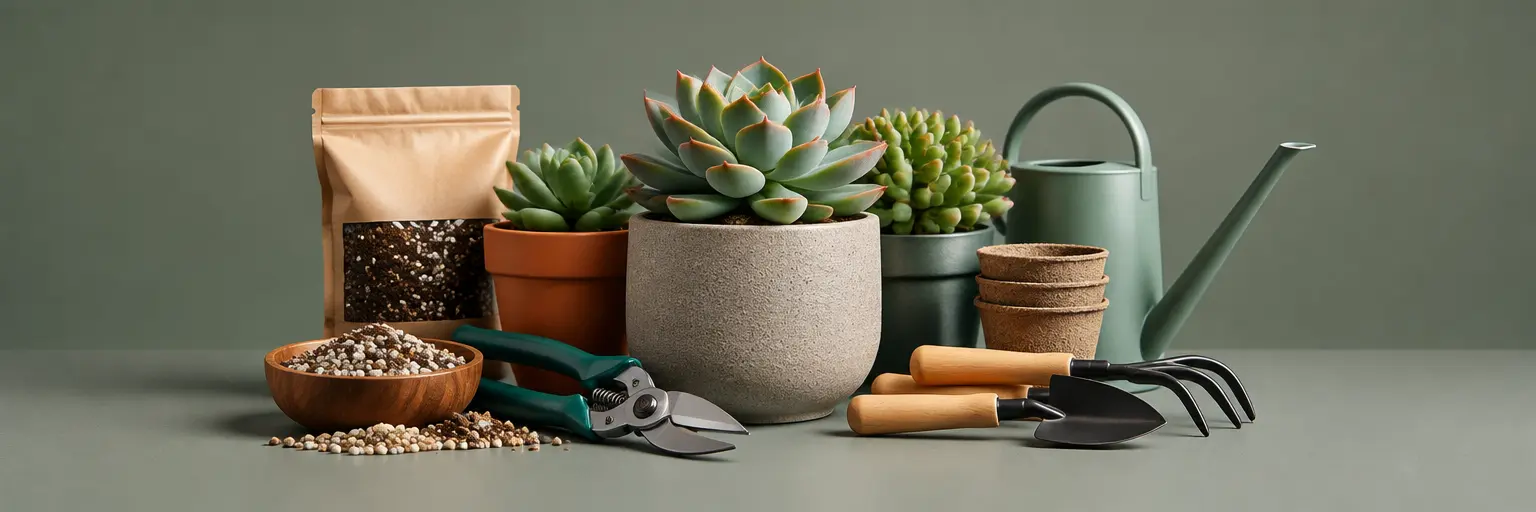
Healthy succulents start below the surface. Our buying guide breaks down gritty mixes, porous pumice, and fast-draining substrates that mimic native habitats. We review pH-balanced fertilizers rich in phosphorus and potassium, plus slow-release granules for steady feeding. Learn to blend custom soils for lithops, echeveria, or cacti. Expect actionable ratios, brand comparisons, and common amendment mistakes to avoid. This section saves you money by preventing root rot and nutrient burn, ensuring your high-value pots hold thriving plants.
💡 Premium Grow Lights and Equipment
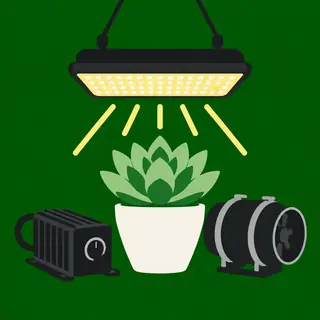
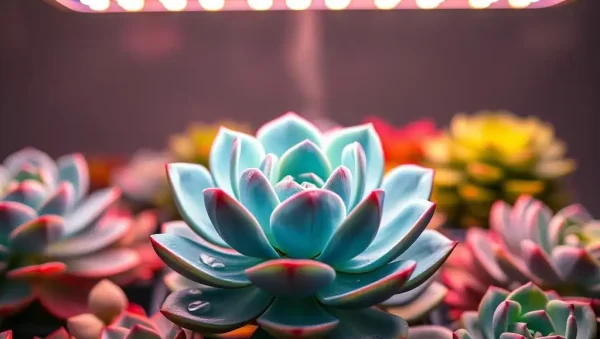
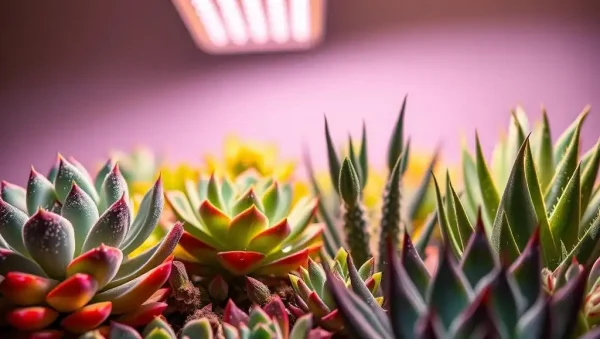
Indoor growers need full-spectrum LEDs that mimic intense sun. Our premium picks include quantum board LEDs, adjustable spectrum bars, and light meters to measure PAR values. Equipment ranges from durable shelving with built-in wiring to heat mats for winter propagation. Expect energy-efficient options that run cool, promoting compact growth and vibrant stress colors. We compare wattage, PPFD coverage, and lifespan so you can illuminate a small windowsill or a dedicated grow room. Say goodbye to etiolation and hello to year-round vigor.
🏺 High-End Pots and Containers
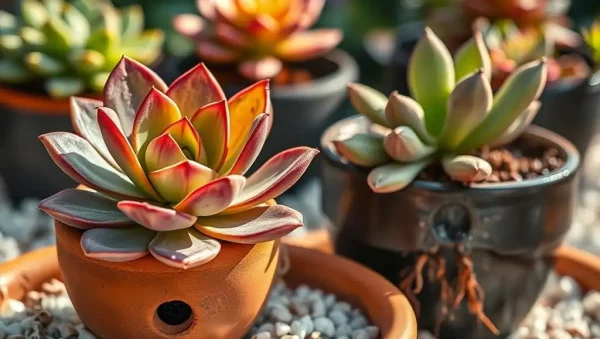
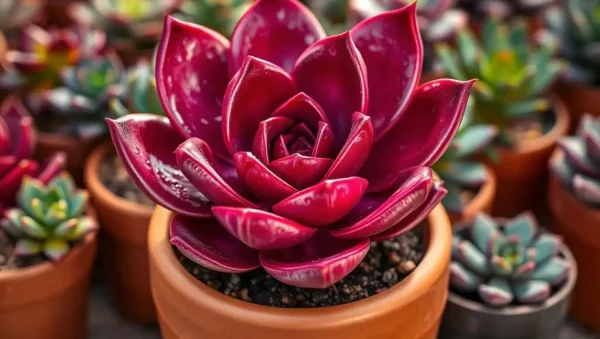
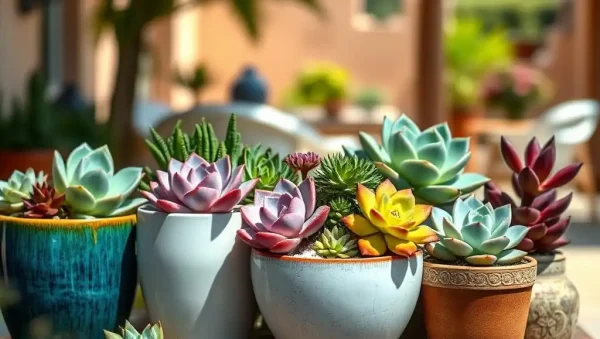
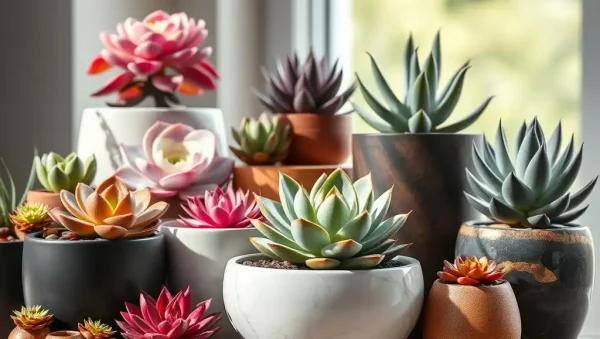
Aesthetics meet function in our handpicked containers. High-end ceramic pots with drainage holes, glazed terracotta, and self-watering planters from renowned studios prevent waterlogging while showcasing your specimens. Expect breathable unglazed clay for active roots, and modern geometric designs that complement any décor. We review sizes, frost resistance, and weight for indoor or outdoor use. Pair with our soil guide to layer drainage correctly. These pots elevate both shelf appeal and plant health, making them worthy long-term investments.
❓ Frequently Asked Questions
Do advanced irrigation sensors work with all succulent types?
Yes, most sensors are adjustable. Use per-plant thresholds; lithops prefer drier conditions, while aloe tolerates slight moisture. Set custom alerts for each zone. Calibrate after repotting. For best results, place sensors mid-container, not at the surface. They work with drip, wicking, or manual systems. Expect a learning curve of one week per plant group.
Can I use regular cactus soil for high-value succulents?
Not ideally. Bagged cactus soil often retains too much peat. Mix it 1:1 with perlite or pumice. For rare species, substitute 70% inorganic grit. Our guide lists exact ratios for aroids, haworthia, and caudiciforms. Test drainage by watering and timing runoff—under five seconds is ideal. This prevents root rot and boosts nutrient absorption.
How many hours should premium grow lights run daily?
Run full-spectrum LEDs for 12–14 hours in summer, reducing to 8–10 in winter. Use a timer for consistency. Measure light distance—most units recommend 12–24 inches above plants. Watch for bleaching or stretching. Adjust intensity based on species; cacti need more. Photosynthetic active radiation (PAR) targets: 200–400 µmol for most succulents.
What makes a high-end pot worth the cost?
High-end pots use breathable, fired clay or glazed ceramics with true drainage holes. They resist cracking, provide insulation against temperature swings, and feature smooth glazes that prevent mineral buildup. Investment-grade containers often include saucers and UV-resistant finishes. They last decades, unlike plastic. Aeration from terracotta reduces overwatering risk, justifying the higher price for serious collectors.
Are fertilizer spikes safe for succulents?
Most spikes release too quickly, causing root burn. We recommend liquid 5-10-10 fertilizer diluted to quarter strength, applied monthly in spring. Slow-release granules embedded in the top inch are safer. Avoid spikes in small pots. The goal is phosphorus for roots and potassium for cell strength. Stop feeding in winter dormancy. Always water before fertilizing to prevent shock.