Elevate Your Succulent Display with High-End Pots and Containers
At SucculentEssentials.org, we know that the right vessel transforms a simple succulent into a living sculpture. Our High-End Pots and Containers subcategory explores premium planters crafted from ceramic, stone, concrete, and artisan glass. These aren’t just containers—they are investment pieces that enhance drainage, airflow, and visual drama. Whether you’re a collector showcasing rare specimens or a hobbyist seeking a statement piece, this curated guide helps you choose, style, and maintain luxury planters that complement your drought-resistant garden.
🌸 Artisan Ceramic and Hand-Thrown Pots
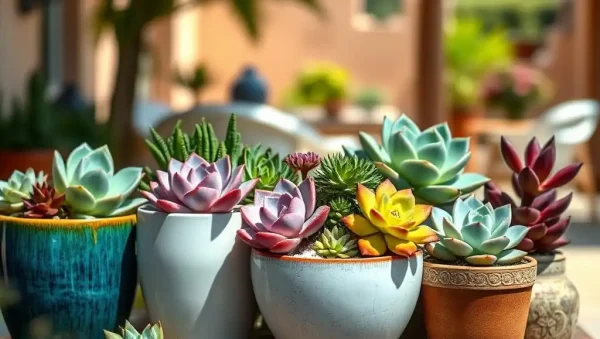
Hand-thrown ceramic pots bring an organic, one-of-a-kind charm that mass-produced planters cannot match. Expect uneven glazes, subtle color variations, and tactile surfaces that highlight your succulent’s texture. These vessels often feature built-in drainage holes and unglazed interiors, which aid in evaporation and prevent root rot—critical for healthy succulents. Artisan pots range from minimalist matte finishes to intricate painted patterns, allowing you to match your interior or patio aesthetic perfectly.
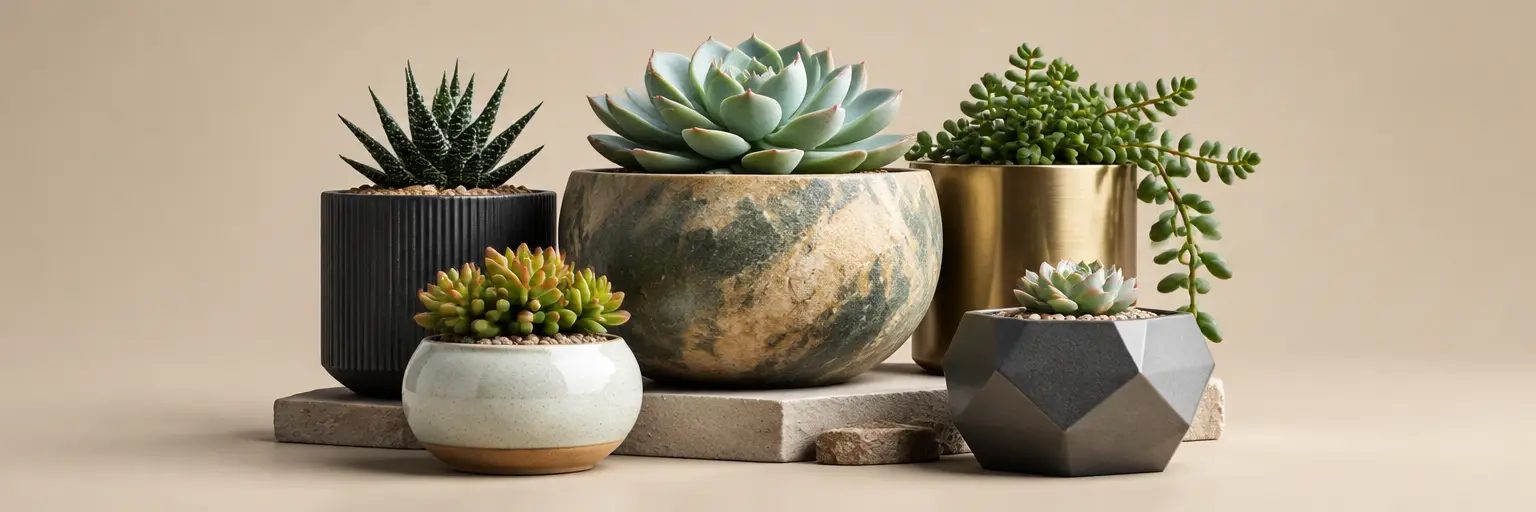
When selecting a ceramic planter, prioritize breathability and weight—heavier clay provides stability for top-heavy succulents like Aeoniums. Many artisans now offer custom commissions, letting you request specific sizes or glaze colors. To keep your high-end ceramic looking pristine, use a saucer or feet to lift it off surfaces, preventing water rings. Pairing a rare succulent like a variegated Haworthia with a hand-thrown pot creates a collector’s centerpiece that sparks conversation and elevates your entire arrangement.
🏺 Sculptural Stone and Concrete Containers
For a modern, architectural look, stone and concrete planters offer unmatched durability and a grounding presence. These heavy-duty containers are ideal for outdoor succulent gardens, rooftop terraces, or entryways where wind and weather are factors. Expect a range of finishes—from smooth, polished stone to raw, textured concrete—that age gracefully with patina. Their thermal mass helps regulate soil temperature, keeping roots cool in summer and insulated in winter, which is a significant advantage for climate-sensitive succulents.
Choose sculptural containers with drainage holes or opt for a cachepot system where you insert a nursery pot. Concrete’s porosity allows excess moisture to evaporate, but it can also wick water away quickly, so adjust your watering schedule accordingly. These pots often feature geometric or asymmetric designs that serve as standalone art pieces. Pair a tall, cylindrical stone planter with a cascading succulent like String of Pearls for vertical interest, or use a low, wide concrete bowl to showcase a cluster of Echeveria rosettes. The weight adds security against tipping, making them a safe choice for bustling households with pets.
✨ Designer Glass and Terrarium-Style Vessels
High-end glass containers turn your succulent into a living terrarium, offering a crystal-clear view of roots, soil layers, and colorful gravel. Expect hand-blown glass with organic bubbles, cut-crystal facets, or colored stems that catch light beautifully. These vessels are perfect for open terrariums where air circulation prevents humidity buildup, and they make stunning tabletop or windowsill displays. The transparency allows you to monitor soil moisture and root health, which is invaluable for novice growers.
When using glass containers, always include a drainage layer of pebbles or activated charcoal to prevent waterlogging, as glass lacks drainage holes. Biophilic design trends favor hanging glass globes or cloche-style domes, which add a fairytale vibe to any room. To maintain clarity, clean the glass regularly with a soft cloth. For a high-impact display, layer coarse sand, fine gravel, and activated charcoal in contrasting colors before planting a small Echeveria or Lithops. These vessels are also ideal for propagation stations, letting you watch new roots emerge from leaf cuttings in style.
🌿 Eco-Luxe and Sustainable Premium Planters
Eco-friendly high-end pots use recycled materials, reclaimed wood, or biodegradable bioplastics without sacrificing elegance. Expect planters made from crushed stone mixed with resin, recycled teak, or even mycelium-based composites that are both lightweight and sturdy. These sustainable options appeal to environmentally conscious growers who want luxury without guilt. Many brands donate a portion of profits to reforestation or succulent habitat preservation, adding a feel-good factor to your purchase.
Sustainable planters often feature modular designs, allowing you to expand your collection with stackable or interlocking pieces. Look for certifications like Fair Trade or Cradle to Cradle to ensure ethical production. These pots may include self-watering reservoirs or wicking systems, which is a boon for busy plant parents—ensuring your succulents receive consistent moisture without overwatering. Pair a recycled teak planter with a rugged Agave for a rustic, yet refined look. By choosing eco-luxe, you support a circular economy while enjoying premium craftsmanship that complements your succulents’ unique beauty.
🛠️ Maintenance and Styling Tips for Premium Vessels
High-end pots require mindful care to maintain their aesthetic and functional integrity. Always use a well-draining soil mix specific to succulents, and ensure your pot has adequate drainage holes or a reservoir system. Clean ceramic and stone with a damp cloth, avoiding harsh chemicals that may dull glazes or finishes. For glass, use a vinegar-water solution to remove hard water spots. Rotate your pots periodically to ensure even sunlight exposure, preventing your succulent from leaning toward the light source and off-center.
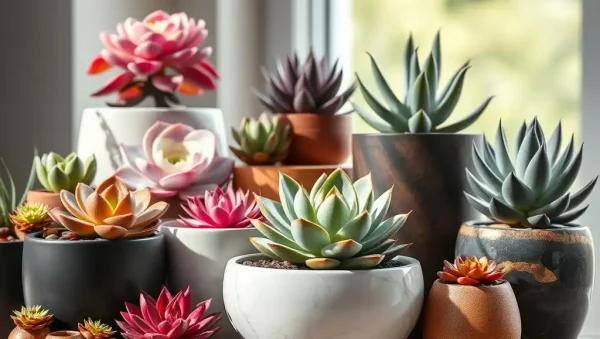
Styling your premium containers goes beyond placement—consider grouping pots of varying heights and textures to create a dynamic vignette. Use pot feet or decorative stands to elevate smaller planters, adding depth and preventing contact with cold floors. Pair metallic or glossy finishes with muted succulents, or use bold colors to contrast against green foliage. For outdoor installations, apply a sealant to porous concrete to protect against frost and staining. Finally, match the pot’s scale to your plant’s root system—a cramped container restricts growth, while an oversized pot can retain too much moisture. Thoughtful styling ensures your high-end pots become the finishing touch that showcases your succulents as true masterpieces.
Frequently Asked Questions
Do high-end pots need drainage holes for succulents?
Yes, most succulents require excellent drainage to prevent root rot. If your premium pot lacks holes, use a cachepot system—place a plastic nursery pot with drainage inside the decorative vessel. Alternatively, add a deep layer of gravel at the bottom, but this is less effective. Always ensure excess water can escape to keep roots healthy.
Can I use glass containers outdoors for succulents?
Glass terrariums are best for indoor use, as direct sunlight can magnify heat and cook your plants. If you want outdoor glass, choose thick, UV-resistant vessels with open tops for airflow. Monitor moisture closely—glass retains humidity, so water sparingly and only when the soil is completely dry.
How do I clean mineral deposits off concrete or stone planters?
Mix equal parts water and white vinegar, then gently scrub with a soft brush. Rinse thoroughly with water to remove residue. For stubborn stains, use a paste of baking soda and water. Avoid acidic cleaners on polished stone, as they can etch the surface—test in an inconspicuous area first.
Are sustainable planters as durable as traditional ceramic?
Yes, many eco-friendly materials like recycled stone resin or mycelium composites are highly durable and weather-resistant. They are often lighter than clay but equally strong. Always check manufacturer specs for temperature tolerance and UV stability to ensure they suit your climate.
What is the best pot size for a mature Echeveria rosette?
Choose a pot that is 1–2 inches larger in diameter than the rosette’s spread. For example, a 4-inch Echeveria fits well in a 5–6-inch pot. Ensure the depth is sufficient for the root system, but avoid oversized containers that hold excess wet soil, which can lead to rot. Repot every 2–3 years as needed.