Advanced Irrigation Systems and Sensors: Precision Watering for Thriving Succulents
Welcome to the Advanced Irrigation Systems and Sensors subcategory at SucculentEssentials.org. Here, we dive into the high-value tools and technologies that transform succulent care from guesswork into a science. If you’re serious about optimizing water usage, preventing root rot, and ensuring your drought-resistant plants flourish even in challenging climates, this is your resource. We explore smart drip systems, soil moisture probes, weather-based controllers, and DIY sensor setups—all tailored to the unique watering needs of succulents. Discover how these innovations save time, conserve water, and elevate your plant collection to a professional level.
🌵 Smart Drip Irrigation Systems for Succulents
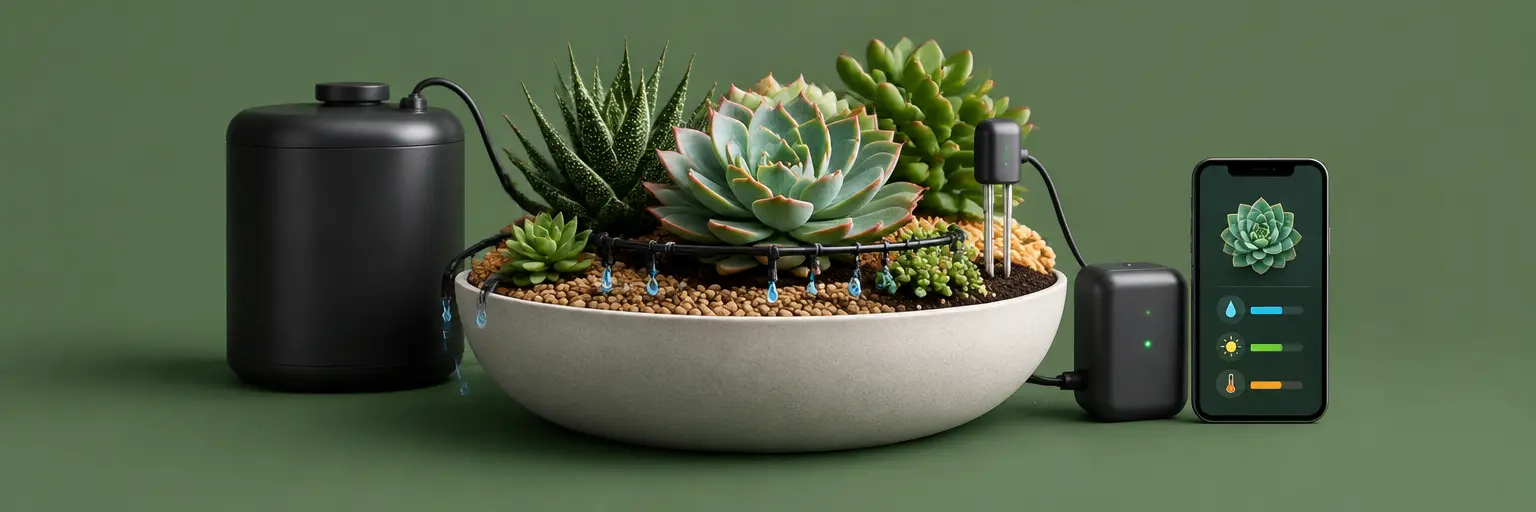
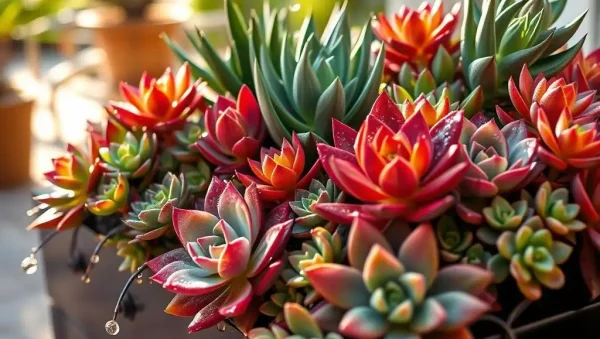
Smart drip irrigation delivers water directly to the root zone at a slow, controlled rate, mimicking the infrequent, deep watering succulents love. Unlike traditional sprinklers, these systems reduce evaporation and runoff, making them ideal for xeriscaping or indoor shelves. Modern units connect to Wi-Fi, allowing you to schedule watering cycles via smartphone apps, even when you’re on vacation.
Our guides cover pressure-compensating emitters that ensure even water distribution, plus kits designed specifically for potted succulents or garden beds. You’ll learn how to set up a drip line with adjustable flow rates, integrate timers, and pair it with rain sensors. This approach prevents overwatering—the number one killer of succulents—by giving you precise control over volume and frequency. Expect to see healthier roots, vibrant foliage, and a significant reduction in water waste.
📡 Soil Moisture Sensors: Know Before You Water
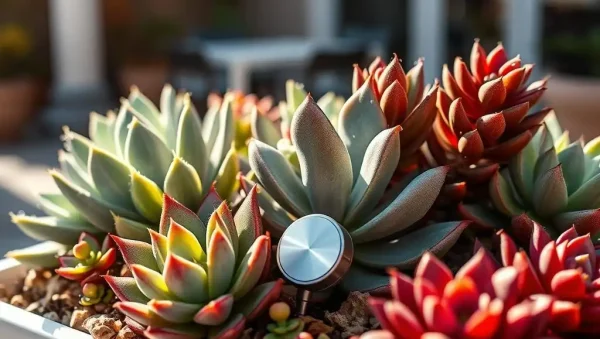
Soil moisture sensors offer real-time data on the water content in your growing medium, eliminating the guesswork of finger-testing. For succulents, which require periods of dryness between waterings, these sensors are game-changers. Capacitive probes measure volumetric water content accurately and are more durable than resistive ones, which can corrode.
We review top-rated sensors that sync with mobile dashboards, sending alerts when your soil drops below a set threshold. Advanced models also monitor temperature and salinity, giving you a full picture of root health. Pair a sensor with a smart controller to automate watering only when needed, ensuring your succulents never sit in soggy soil. This technology is perfect for growers managing large collections or those who travel frequently. Learn to calibrate sensors for different succulent mixes, from gritty to organic, for optimal accuracy.
🌦️ Weather-Based Controllers and Rain Sensors
Weather-based irrigation controllers, also known as evapotranspiration (ET) controllers, adjust watering schedules based on local climate data—temperature, humidity, wind, and rainfall. For succulents, this means watering is automatically skipped during cool, overcast, or rainy periods, preventing root rot from unexpected moisture. These smart devices connect to your home Wi-Fi and pull data from local weather stations.
Our in-depth articles explain how to program these controllers for your specific succulent varieties, whether they’re cacti in arid Arizona or sempervivums in rainy Oregon. We also cover dedicated rain sensors that pause irrigation immediately when precipitation is detected, saving water and protecting your plants. Combining these with moisture sensors creates a fully autonomous system that mimics natural desert downpours followed by dry spells—exactly what succulents crave. You’ll reduce water usage by up to 50% while cultivating tougher, more resilient plants.
🔧 DIY Sensor Kits for Hobbyists and Professionals
Do you enjoy hands-on projects? DIY sensor kits allow you to build custom irrigation monitoring systems without breaking the bank. From Arduino-based soil moisture probes to Raspberry Pi-powered data loggers, these kits give you total control over features and alerts. You can design a system that sends email notifications, logs historical data, or even controls solenoid valves for automated watering.
We provide step-by-step tutorials, wiring diagrams, and code snippets for common platforms. You’ll learn how to calibrate sensors for different succulent soil blends, create low-power designs for outdoor use, and integrate with platforms like Home Assistant or ESPHome. This subcategory empowers tech-savvy succulent lovers to tailor irrigation precisely to their collection’s needs. Even beginners can start with simple plug-and-play kits that require no soldering. Embrace the tinkering spirit—your succulents will reward you with vigorous growth and deep, healthy root systems.
💧 Drip Line Components and Filtration for Clean Water Delivery
High-quality drip line components are the backbone of any advanced irrigation system. This includes pressure regulators, backflow preventers, filters, and distribution tubing. For succulents, maintaining a clean, clog-free system is crucial because emitter blockages can lead to dry spots or accidental flooding. You’ll need reliable filters to remove sediment, especially if using well water or rainwater collection.
Our buying guides compare PVC vs. polyethylene tubing, barbed vs. compression fittings, and adjustable vs. fixed-flow emitters. We explain how to design a layout that accommodates potted plants of varying sizes, using T-connectors and micro-tubing stakes. Proper filtration ensures consistent water delivery, which is vital for mature succulents with shallow, spreading roots. We also discuss sanitizing methods and winterization for outdoor systems, extending your equipment’s lifespan. These technical details make your irrigation setup more reliable and efficient, saving you time and frustration in the long run.
Frequently Asked Questions
Can advanced irrigation systems harm my succulents if used incorrectly?
Yes, if a system waters too frequently or lacks a rain sensor, succulents can suffer from root rot. Always set schedules that allow soil to dry completely between waterings. Test your system manually and observe soil moisture over two weeks. Start with conservative settings and adjust slowly. A smart controller with a moisture sensor drastically reduces risk.
What is the best soil moisture sensor for beginner succulent growers?
For beginners, we recommend a capacitive capacitive sensor like the EC-5 or a simple wireless probe like the Smart Plant Care. These plug directly into your potting mix, show colored LED indicators, and sync with a free app. They require no calibration and give instant readings. Avoid resistive sensors, which can degrade over time.
Do I need a weather-based controller if I live in a dry climate?
Absolutely. Even in dry climates, unexpected rainstorms or temperature drops occur. A weather-based controller adjusts your watering schedule automatically, preventing overwatered soil after unexpected showers. It also optimizes watering during extreme heat, applying water in early morning hours to minimize evaporation. This saves water and maintains succulent health.
How do I install a soil moisture sensor in a small pot?
Choose a sensor with a slim, pointed probe (under 4 inches long). Insert it at a 45-degree angle into the pot’s soil, avoiding direct contact with the succulent’s stem or roots. Place it near the root zone but not touching the center. For pots under 4 inches wide, consider a wireless sensor with a thin needle—most are safe. Monitor the reading over two weeks to ensure it matches your plant’s needs.
Can I connect these sensors to existing smart home systems like Alexa or Google Home?
Yes, many modern sensors and controllers support integrations via platforms like Home Assistant, SmartThings, or IFTTT. For example, some Wi-Fi moisture sensors trigger a smart plug to start a drip pump. Always check product compatibility before buying. You can also build your own using ESP32 boards, which are widely compatible with most smart home ecosystems.