
Stop Killing Your Succulents: The Secret to Perfect Soil Drainage

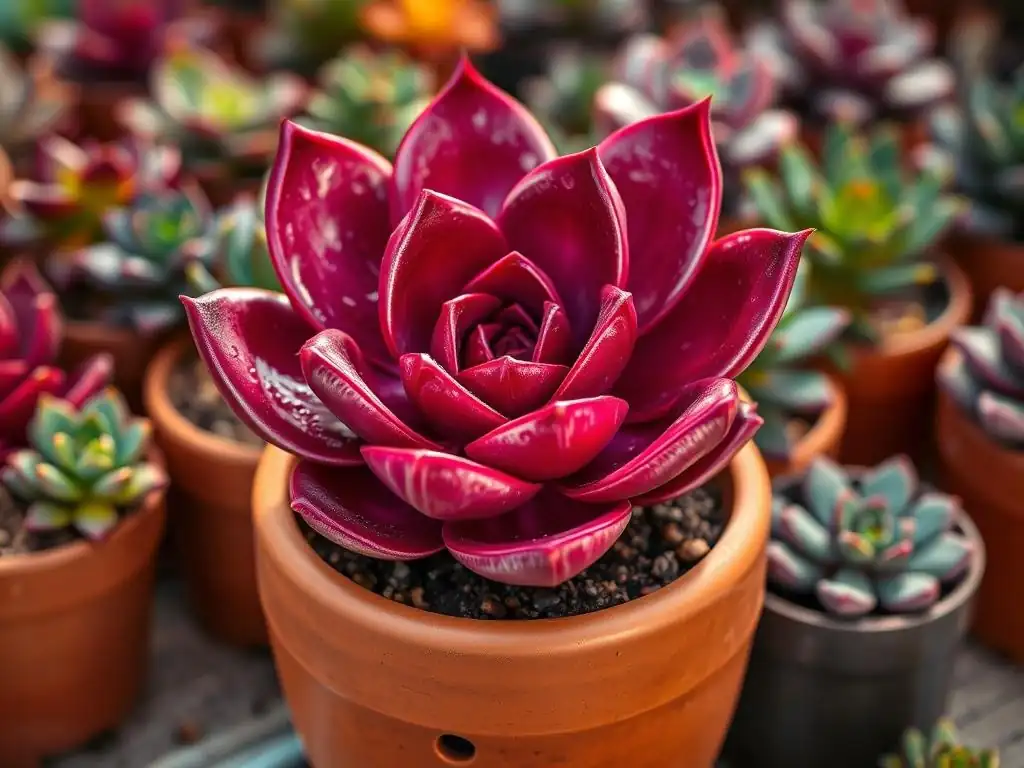
Welcome to SucculentEssentials.org, where the thriving world of succulents awaits! Are you tired of watching your precious plants wither? Discover the key to unlocking their full potential with our comprehensive Succulent soil drainage guide. Learn the secrets to perfectly draining soil and say goodbye to root rot—prepare to witness your succulents flourish like never before! Dive in and unlock the secrets to succulent success.
Understanding the Importance of Succulent Soil Drainage
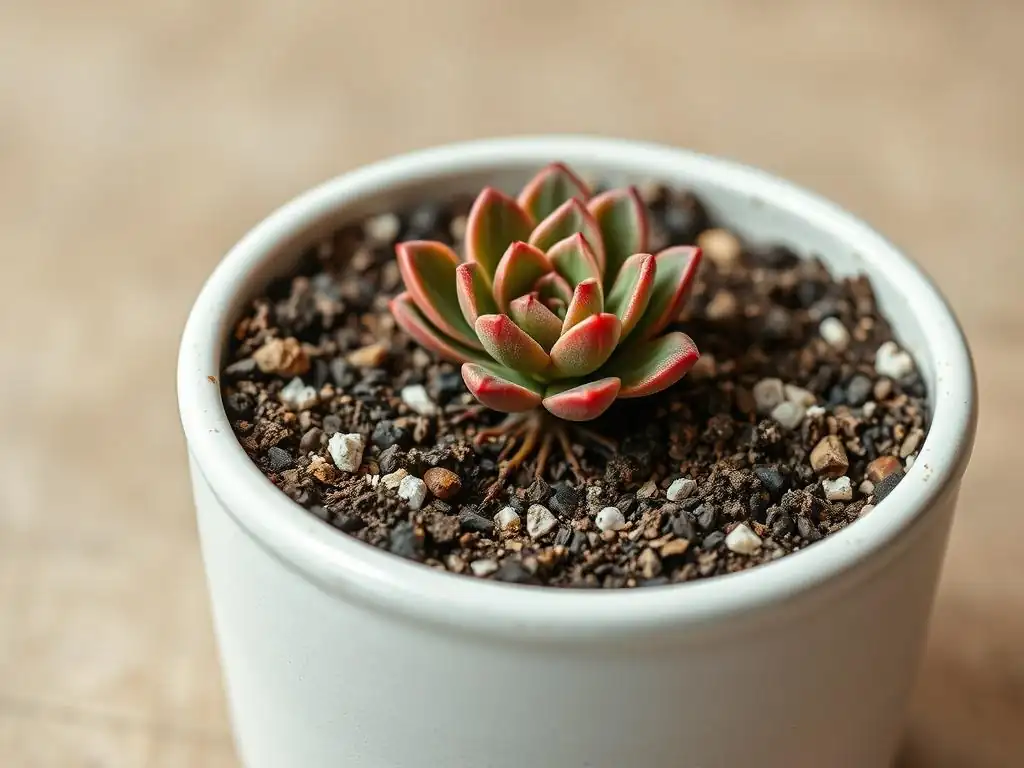
Succulents, with their charming plump leaves and diverse forms, have captured the hearts of plant enthusiasts worldwide. However, their captivating beauty often masks a common challenge: improper soil drainage leading to root rot, a frequent cause of succulent demise. This comprehensive guide, designed to help you master the art of succulent cultivation, delves into the crucial role of soil drainage in ensuring the health and longevity of your beloved plants. We'll explore the science behind proper drainage, identify common mistakes to avoid, and provide practical tips and techniques to create the perfect soil mix for thriving succulents.
This guide is essential reading for both beginner succulent growers looking to avoid common pitfalls and experienced enthusiasts aiming to refine their techniques. Mastering succulent soil drainage is the key to unlocking their full potential and preventing those heartbreaking losses. Let's dive into the details and transform your succulent care!
The Science Behind Succulent Soil Drainage: Why It Matters
Succulents, unlike many other plants, are adapted to arid and semi-arid environments. Their unique physiology enables them to store water in their leaves and stems, making them remarkably drought-tolerant. However, this very adaptation makes them incredibly susceptible to overwatering. Poorly draining soil creates a waterlogged environment, depriving the roots of oxygen and creating the perfect breeding ground for harmful fungi and bacteria. This leads to root rot, a devastating condition that can quickly kill your succulents.
The key is to create a soil mix that allows for excellent aeration and rapid drainage, mimicking their natural habitat. This ensures the roots receive the necessary oxygen while preventing water from stagnating around them. Think of it like this: succulents need a well-ventilated home for their roots, not a soggy prison. 🌵
Identifying the Signs of Poor Drainage
Recognizing the signs of inadequate drainage is crucial for taking timely corrective action. Several telltale indicators can signal that your succulent's soil isn't draining properly. These include:
- Soggy Soil: The most obvious sign is consistently damp or waterlogged soil, even days after watering.
- Yellowing or Browning Leaves: Root rot often manifests as discoloration of the leaves, starting from the bottom and progressing upwards.
- Soft or Mushy Stems: A sign of advanced root rot, where the stem loses its firmness and becomes soft to the touch.
- Unpleasant Odor: A foul smell emanating from the soil is a strong indicator of bacterial or fungal growth due to excessive moisture.
- Lack of New Growth: If your succulent isn't producing new leaves or stems despite seemingly adequate care, poor drainage could be a contributing factor.
Creating the Perfect Succulent Soil Mix: A Step-by-Step Guide
The ideal succulent soil mix is a carefully balanced blend of ingredients designed to promote excellent drainage and aeration. Avoid using standard potting soil, which often retains too much moisture. Instead, opt for a specialized succulent and cactus mix or create your own using the following recipe:
| Ingredient | Percentage | Purpose |
|---|---|---|
| Potting Mix | 30% | Provides some essential nutrients |
| Coarse Sand | 30% | Improves drainage and aeration |
| Perlite | 20% | Increases drainage and prevents compaction |
| Pumice | 20% | Excellent drainage and aeration, good for air circulation |
This blend ensures optimal drainage while still providing sufficient nutrients for your succulents to thrive. Remember to always use clean, sterile containers to prevent the spread of diseases. Thoroughly mix the ingredients before potting your succulents to ensure even distribution. Regularly check the soil moisture levels to avoid overwatering.
Troubleshooting Common Drainage Problems
Even with the perfect soil mix, drainage issues can still arise. Here's how to address common problems:
- Overwatering: The most frequent culprit. Water deeply but infrequently, allowing the soil to dry out completely between waterings.
- Improper Potting: Using pots without drainage holes traps water, leading to root rot. Always choose pots with drainage holes.
- Compacted Soil: Over time, soil can become compacted, reducing drainage. Gently loosen the top layer of soil periodically.
- Incorrect Pot Size: A pot that's too large can retain excess water. Choose a pot that's appropriately sized for your succulent.
By following these guidelines and paying close attention to your succulents' needs, you can significantly reduce the risk of root rot and ensure their long-term health and beauty. Remember, preventing problems is far easier than fixing them! Happy growing! 🎉
Frequently Asked Questions
What is the most important factor for healthy succulent growth?
Excellent soil drainage is crucial. Succulents are prone to root rot in soggy soil, so a well-draining mix is essential for their survival. Avoid using regular potting soil.
What ingredients should I use to make my own succulent potting mix?
A good mix typically includes pumice, perlite, coarse sand, and a small amount of potting soil. The proportions can vary depending on your climate and the specific succulent.
How can I tell if my succulent's soil has adequate drainage?
Water your succulent and observe the drainage. If the water sits on top for a long time, your soil isn't draining well enough. The water should drain quickly and completely.
My succulent soil is constantly wet, what should I do?
Repot your succulent immediately using a well-draining succulent mix. Ensure the pot has drainage holes. You may also need to adjust your watering schedule to prevent overwatering.
What are the signs of root rot in succulents?
Look for mushy, brown, or black roots. The leaves may also appear shriveled, soft, or discolored. If you see these signs, act quickly to save your plant.
Final Reflection: Cultivating Thriving Succulents, Cultivating Inner Growth
The seemingly simple act of ensuring proper soil drainage for succulents mirrors a larger truth about nurturing life, both plant and personal. A well-draining soil mix isn't just about preventing root rot; it's about creating an environment where life can flourish, free from the suffocating weight of stagnation. This translates directly to our own lives, where we must also cultivate healthy boundaries and allow ourselves space to breathe and grow.
The journey of understanding succulent care has been a profound one for me, highlighting the interconnectedness between seemingly disparate elements. The delicate balance required to keep these resilient plants thriving reflects the delicate balance we must maintain within ourselves. The best way to find yourself is to lose yourself in the service of others.
– Mahatma Gandhi. This quote, while seemingly unrelated at first glance, speaks to the nurturing aspect of succulent care – giving attention and care to something outside ourselves can lead to a deeper understanding of our own needs and capabilities. The patience and observation required to master succulent soil drainage is a microcosm of the patience and self-awareness needed for personal growth.
So, as you embark on your own succulent-growing journey, remember that the lessons extend far beyond the pot. Consider what areas of your life might benefit from better "drainage" – what aspects need more space, more air, more freedom from the weight of unnecessary burdens? Embrace the process of learning, observing, and adapting, just as you would with your succulents. The rewards – a thriving collection of plants and a thriving, more balanced you – are well worth the effort.
Unleash Your Succulents' Full Potential!
Thank you for learning about achieving perfect soil drainage for your succulents! You now have the knowledge to prevent overwatering and keep your plants thriving. Ready to put your new skills to the test?
- Craft the perfect succulent soil mix: Experiment with different ratios of ingredients to find what works best for your succulents. Share your recipe in the comments below!
- Repot your root-bound succulents: Give those thirsty plants a fresh start in well-draining soil and notice the difference in their growth!
- Join our community forum: Connect with fellow succulent enthusiasts and share your successes (and even your setbacks! )—we're all learning together.
What drainage solution are you excited to try for your succulent collection?