
Protect Your Succulents From Root Rot: The Importance of Proper Drainage

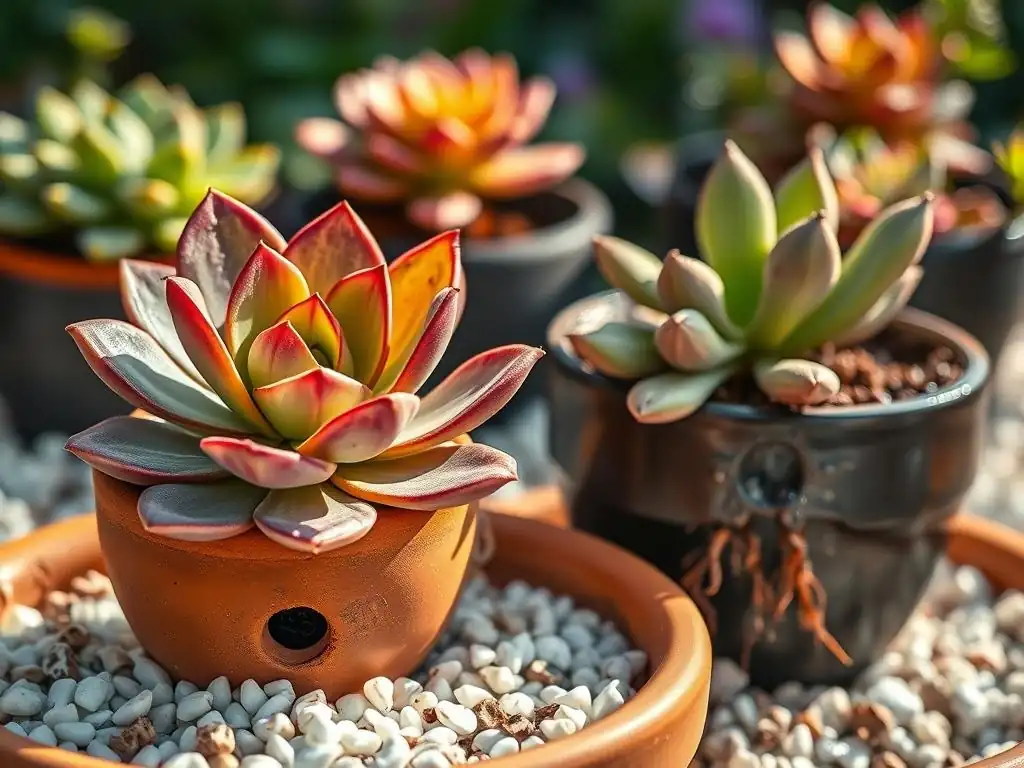
Welcome to SucculentEssentials.org, your gateway to the fascinating world of succulents! Are you ready to unlock the secrets to thriving, vibrant plants? We'll guide you through everything from basic care to advanced techniques, but first, let's tackle a common succulent nemesis: root rot. Discover how proper drainage is key to preventing this devastating problem and keeping your succulents healthy and happy. Dive in and learn how to protect your precious collection!
- Understanding Succulent Root Rot: Causes and Symptoms
- Preventing Succulent Root Rot: Choosing the Right Potting Mix
- Selecting the Right Pot for Optimal Drainage
- Watering Techniques to Prevent Root Rot
- Additional Tips for Preventing Succulent Root Rot
- Recommended Products for Preventing Succulent Root Rot at SucculentEssentials.org
- Frequently Asked Questions
- Final Reflection: Nurturing Life: The Enduring Importance of Healthy Roots
- Unleash Your Succulents' Full Potential: A Thriving Future Awaits!
Understanding Succulent Root Rot: Causes and Symptoms
Succulent root rot, a devastating condition affecting these drought-tolerant plants, is often preventable with proper care and attention. This comprehensive guide delves into the causes, symptoms, and crucial preventative measures to safeguard your precious succulent collection. Understanding succulent root rot is paramount for any enthusiast, from beginner hobbyists to seasoned collectors, ensuring the longevity and vibrant health of these unique and beautiful plants.
We'll explore the critical role of proper drainage in preventing this common problem and offer practical advice to keep your succulents thriving. Ignoring the signs of root rot can lead to irreversible damage and even the loss of your beloved plants, so let's arm ourselves with the knowledge to combat this insidious threat.
This guide will equip you with the tools to proactively address potential issues, ensuring your succulents flourish for years to come. Learning about succulent root rot prevention is a key component of successful succulent cultivation, and this guide will serve as your comprehensive resource.
Identifying the Early Signs of Root Rot in Succulents
Recognizing the early warning signs of root rot is crucial for timely intervention. Often, the initial symptoms are subtle and easily overlooked. Look for these key indicators:
- Changes in Leaf Color: A shift from the succulent's usual vibrant hue to a pale, yellowed, or brownish appearance is a potential sign. Leaves may become mushy or translucent.
- Leaf Drop: Unexplained and excessive leaf loss, particularly from the lower sections of the plant, warrants investigation.
- Soft or Mushy Stem: Gently feel the stem of your succulent. If it feels unusually soft or mushy compared to its normal firmness, this is a serious warning sign.
- Unpleasant Odor: A foul, musty smell emanating from the soil or the base of the plant can indicate the presence of rotting roots.
- Wilting Despite Watering: Even after watering, if your succulent continues to wilt, it may suggest a root system unable to absorb water due to rot.
If you notice any of these symptoms, carefully remove the succulent from its pot to inspect the roots. Healthy roots are firm and white or light-colored. Roots affected by rot will be brown, mushy, and may have a slimy texture. Early detection significantly increases the chances of successful treatment and recovery. Don't hesitate to take action at the first sign of trouble! 🌱
Common Causes of Root Rot: Overwatering and Poor Drainage
The primary culprits behind succulent root rot are almost always overwatering and inadequate drainage. Succulents are adapted to arid conditions and store water in their leaves, making them highly susceptible to root rot in excessively moist soil.
- Overwatering: This is the most common cause. Succulents need infrequent, deep watering, allowing the soil to dry out completely between waterings. Overwatering suffocates the roots, depriving them of oxygen and creating the perfect environment for fungal pathogens to thrive.
- Poor Drainage: Inadequate drainage prevents excess water from escaping the pot, leading to waterlogged soil. This saturated environment is ideal for root rot development. Ensure your pots have drainage holes and use a well-draining potting mix specifically formulated for succulents. The use of a pot without drainage holes can lead to significant problems.
Proper watering techniques and well-draining soil are essential preventative measures. Consider using pots with drainage holes and a fast-draining succulent potting mix to minimize the risk of root rot. Remember, it's better to underwater than overwater your succulents.
The Impact of Root Rot on Succulent Health and Growth
Untreated root rot can have severe consequences for your succulents, significantly impacting their health and growth. The rotting roots are unable to absorb water and nutrients, leading to a cascade of negative effects:
- Stunted Growth: The plant's growth will slow or cease entirely as it struggles to obtain essential resources.
- Leaf Loss and Wilting: As the roots decay, the plant will exhibit increasing leaf loss and wilting, leading to a weakened and unhealthy appearance.
- Plant Death: In advanced cases, root rot can lead to the complete death of the succulent. Early detection and treatment are therefore crucial to prevent irreparable damage.
The severity of the impact depends on the extent of the rot and how quickly it is addressed. Early intervention significantly improves the chances of recovery and prevents further damage. Prevention through proper care and attention is always the best approach. Prevention is always better than cure when it comes to succulent root rot! 🚫
Preventing Succulent Root Rot: Choosing the Right Potting Mix
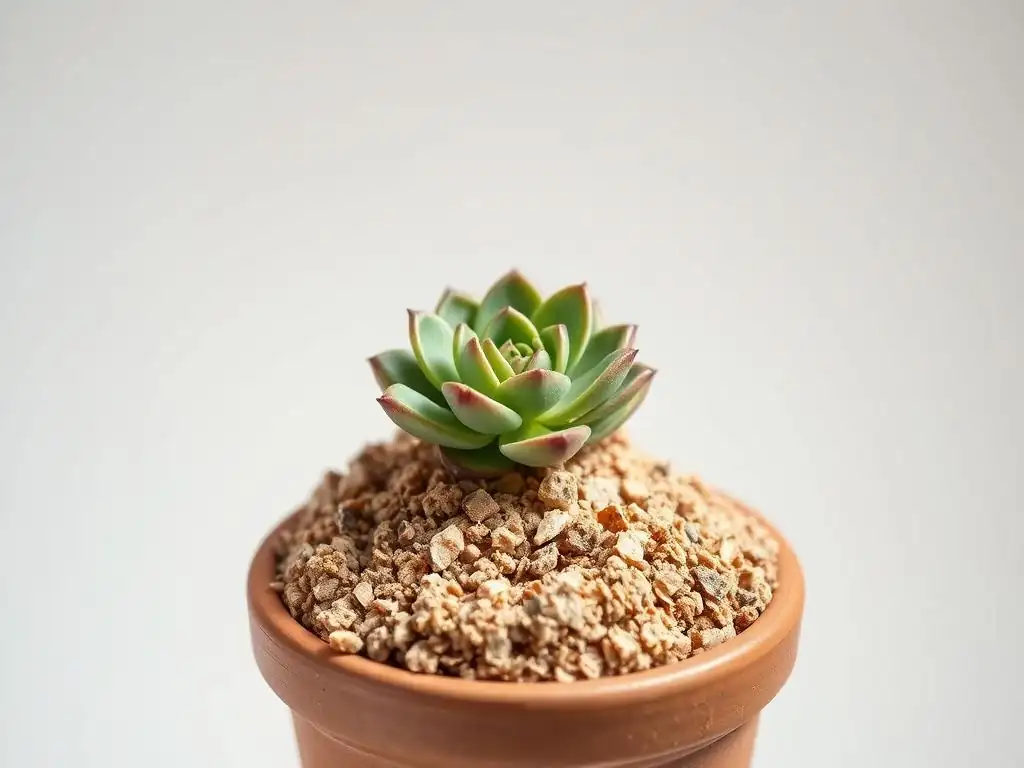
Succulent root rot prevention is paramount for the health and longevity of your prized plants. Understanding the crucial role of proper drainage in preventing this devastating condition is the first step towards cultivating thriving succulents. Root rot, caused by excessive moisture and poor aeration, leads to decay and ultimately, the death of your succulents. This section focuses on selecting the appropriate potting mix to mitigate this risk. We'll explore the ideal characteristics of a succulent potting mix and analyze several popular options.
The Importance of Well-Draining Soil for Succulents
Well-draining soil is not merely beneficial for succulents; it's absolutely essential. Unlike many other plants, succulents are adapted to arid and semi-arid conditions. Their roots are not designed to sit in constantly wet soil. Prolonged exposure to saturated conditions suffocates the roots, preventing them from accessing oxygen and leading to the onset of root rot. This is manifested by mushy, brown, or black roots, often accompanied by a foul odor.
The symptoms above ground include wilting, yellowing leaves, and eventually, plant death. The key is to create a soil environment that allows for rapid water drainage, preventing waterlogging. This ensures that the roots receive adequate oxygen and remain healthy. Think of it like this: succulents need to "breathe" just as much as they need water.
Best Potting Mixes for Succulents: A Comparative Analysis
Several commercially available potting mixes cater specifically to the needs of succulents. However, not all are created equal. Here's a comparative analysis of some popular choices, highlighting their pros and cons:
| Potting Mix Name | Ingredients | Drainage Properties | Pros | Cons |
|---|---|---|---|---|
| Cactus & Succulent Mix (Brand A) | Peat moss, perlite, vermiculite, sand | Excellent | Readily available, affordable, good general-purpose option. | Can become compacted over time, requiring repotting more frequently. |
| Premium Cactus & Succulent Mix (Brand B) | Pumice, coarse sand, coco coir | Superior | Superior drainage, promotes excellent aeration, longer-lasting mix. | More expensive, may require sourcing ingredients individually in some areas. |
| DIY Mix (Example) | 1 part peat moss, 1 part perlite, 1/2 part coarse sand | Good | Customizable to your specific needs and readily available ingredients. | Requires some effort to create the perfect blend. |
Choosing the right mix is crucial for succulent root rot prevention. The superior drainage properties offered by mixes rich in inorganic materials like pumice and perlite are highly beneficial. Remember to always check the ingredients list to ensure a well-draining blend. Avoid mixes that are primarily peat-based, as these tend to retain too much moisture.
Testing Your Soil Drainage: A Simple Method
Even with a well-chosen potting mix, it’s important to verify its drainage capabilities. A simple test can provide valuable insights into your soil's ability to shed excess water. Here's how:
- Take a small amount of your potting mix (about a cup).
- Place it in a strainer or sieve.
- Pour a cup of water slowly over the mix.
- Time how long it takes for the water to drain completely.
A well-draining mix should drain within a few seconds to a minute. If the water takes significantly longer, it indicates poor drainage, and you may need to amend your soil by adding more perlite, pumice, or coarse sand to improve its drainage properties. This simple test is a valuable tool in your succulent root rot prevention arsenal. Regularly monitoring your soil's drainage characteristics ensures the continued health and vitality of your succulents. 🌱
Selecting the Right Pot for Optimal Drainage
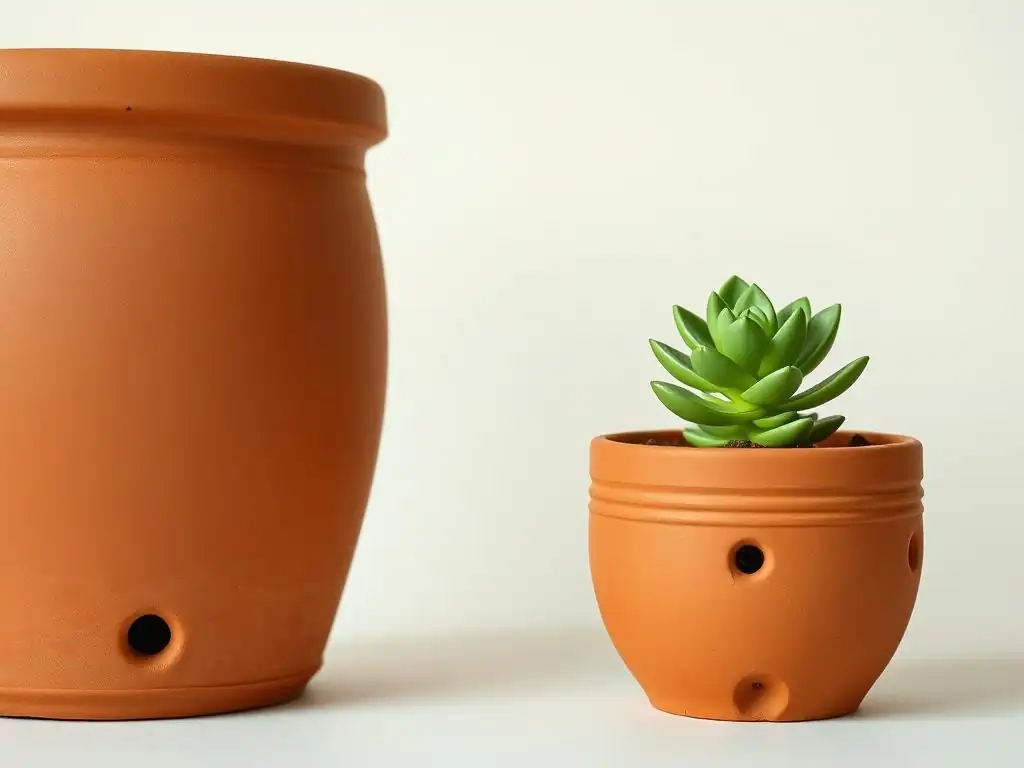
Choosing the right pot is paramount in preventing succulent root rot, a common issue stemming from poorly draining soil. The pot itself plays a crucial role in ensuring your succulents thrive. Proper drainage prevents waterlogging, a breeding ground for fungal diseases that cause root rot. This section will delve into the key aspects of selecting pots that promote healthy root systems and robust succulent growth. Understanding these factors is a cornerstone of effective succulent root rot prevention.
Choosing the Right Pot Material: Terracotta vs. Plastic
The material of your succulent pot significantly impacts drainage. Terracotta pots, known for their porous nature, allow for excellent air circulation and evaporation, minimizing the risk of water retention. This natural breathability helps the soil dry out more quickly between waterings, a critical factor in preventing succulent root rot. Conversely, plastic pots are less porous, potentially leading to slower evaporation and increased moisture retention. While plastic pots offer advantages like durability and a wider range of colors and designs, they require more careful monitoring to avoid overwatering and the subsequent risk of root rot.
Consider this: a terracotta pot might allow excess water to escape more readily, reducing the chance of root rot, even with slightly more frequent watering. A plastic pot, while convenient, needs a more cautious approach to watering to prevent soil saturation. The key is understanding your pot's material and adjusting your watering schedule accordingly. This mindful approach is key to successful succulent root rot prevention.
The Importance of Drainage Holes: Size and Number
Drainage holes are not merely a suggestion; they are essential for succulent health and represent a critical aspect of succulent root rot prevention. The size and number of drainage holes directly influence how effectively excess water escapes the pot. Small, insufficient drainage holes can restrict water flow, leading to waterlogging and creating ideal conditions for root rot. Conversely, larger and more numerous holes ensure efficient drainage, preventing the soil from becoming waterlogged.
Aim for pots with multiple, generously sized drainage holes. The number should be proportionate to the pot's size; a larger pot will require more drainage holes to facilitate efficient water removal. Observe the drainage after watering. If water sits for an extended period, the pot may need additional drainage holes or a different drainage system altogether. Regularly checking drainage is a simple yet effective method of succulent root rot prevention.
Using Succulent Pots with Trays to Manage Excess Water
While drainage holes are crucial, using a tray beneath your succulent pot provides an additional layer of protection against overwatering and contributes significantly to succulent root rot prevention. The tray collects excess water that drains from the pot, preventing water from accumulating around the base of the plant and causing root rot. This collected water can be discarded after a short period, ensuring the plant's roots remain dry and healthy.
However, remember that leaving the succulent in standing water within the tray for extended periods defeats the purpose. The tray should serve as a temporary reservoir for excess water, not a permanent water source. Regularly emptying the tray after watering is a simple yet highly effective method for succulent root rot prevention, ensuring your succulents are in optimal conditions. The diligent use of a tray in conjunction with appropriately drained pots provides a robust defense against root rot.
Self-Watering Pots for Succulents: A Review
Self-watering pots offer a convenient solution for succulent root rot prevention, but they require careful consideration. While the built-in reservoir system sounds ideal for maintaining consistent moisture, it can easily lead to overwatering if not managed properly. The key to success with self-watering pots lies in understanding the plant's needs and the pot's design. Many self-watering pots have a wicking system that draws water up from the reservoir.
This system, while helpful, can still lead to saturated soil if the reservoir is overfilled or if the succulent isn't actively drawing water due to dormancy or other factors. Always check the soil moisture before refilling the reservoir; don't simply refill it on a schedule. The soil should be allowed to dry out somewhat between waterings, even with a self-watering system. Overwatering remains a significant risk, even with these convenient pots.
Furthermore, the type of potting mix used is crucial. A well-draining succulent and cacti mix is essential, even in a self-watering pot. Using a standard potting mix will defeat the purpose of the self-watering system and could actually increase the risk of root rot. The mix should allow for excellent aeration and drainage, ensuring the roots don't sit in constantly soggy conditions.
Look for mixes specifically formulated for succulents and cacti, which typically contain perlite, pumice, or other materials that improve drainage. Avoid mixes that retain too much moisture. Regularly inspect the bottom of the pot for any signs of standing water, which is a clear indicator that the drainage system isn't working correctly or that you're overwatering.
Finally, the size and material of the self-watering pot itself matter. Larger pots generally retain more moisture, increasing the risk of overwatering. Terracotta pots are more porous than plastic ones, allowing for better evaporation and potentially reducing the risk of root rot. However, terracotta pots also dry out more quickly, requiring more frequent watering.
Choosing the right size and material depends on your climate, the type of succulent, and your watering habits. Regular monitoring and adjustment are key to successfully using self-watering pots for succulents. Remember, prevention is always better than cure when it comes to succulent root rot. Careful observation and adjustment will ensure your succulents thrive.
Watering Techniques to Prevent Root Rot
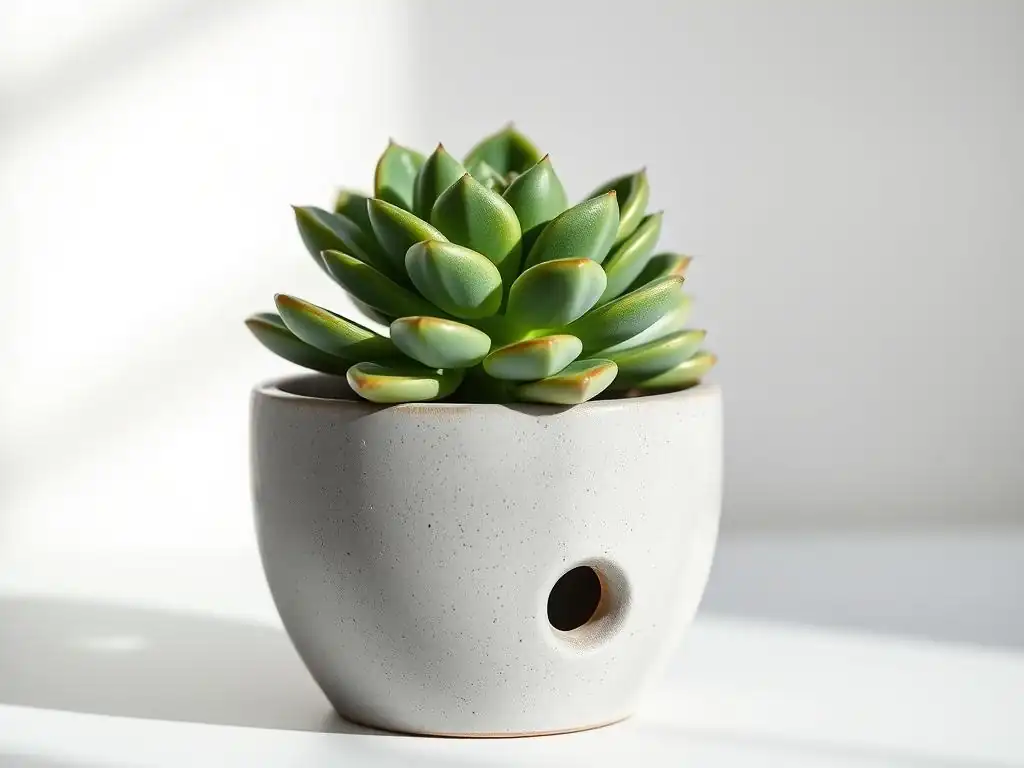
Proper watering is paramount in preventing succulent root rot, a common and devastating problem for succulent enthusiasts. Understanding the nuances of watering techniques is crucial for maintaining healthy, thriving plants. Overwatering is the leading cause of root rot, so let's explore strategies to avoid this pitfall and cultivate robust root systems. This section focuses on practical, effective methods for "succulent root rot prevention."
The Importance of Watering Deeply but Infrequently
The key to successful succulent watering lies in infrequent, deep watering. Instead of frequent, shallow watering which only wets the topsoil, aim to thoroughly saturate the root zone. This encourages deep root growth, making your succulents more drought-tolerant and less susceptible to root rot. Think of it like this: a deeply watered succulent has access to a reservoir of moisture, allowing it to withstand periods without supplemental watering. Shallow watering, on the other hand, leaves the roots constantly damp, creating the perfect breeding ground for harmful fungi and bacteria.
To achieve deep watering, use a watering can with a long spout or a hose with a gentle spray. Water slowly and continuously until water drains freely from the drainage holes at the bottom of the pot. This ensures that the entire root ball is thoroughly moistened. Allow the soil to dry out completely between waterings. This drying period is essential for preventing root rot and promoting healthy root development. The frequency of deep watering will vary depending on factors such as pot size, soil type, and environmental conditions (discussed in the following sections).
Checking Soil Moisture Before Watering: The Finger Test
Before reaching for your watering can, always check the soil moisture level. The simplest and most effective method is the finger test. Insert your finger about an inch into the soil. If the soil feels dry to the touch, it's time to water. If it feels moist or damp, wait a few more days before watering again. This prevents overwatering, a major contributor to succulent root rot prevention.
This seemingly simple technique is surprisingly effective. It allows you to assess the actual moisture content of the soil, rather than relying on a schedule or visual cues which can be misleading. Remember, the top layer of soil may appear dry while the lower layers remain moist. The finger test provides a more accurate assessment of the overall soil moisture. Consistent use of the finger test will significantly improve your watering practices and contribute to the long-term health of your succulents.
Adjusting Watering Frequency Based on Season and Environment
Watering frequency should be adjusted based on seasonal changes and environmental conditions. During the growing season (spring and summer), succulents require more frequent watering due to increased growth and higher temperatures. However, even during this period, allow the soil to dry out somewhat between waterings to avoid overwatering.
Conversely, during the dormant season (fall and winter), succulents require significantly less water. Their growth slows down, and they are less prone to root rot. Reduce watering frequency dramatically, perhaps watering only once a month or even less, depending on the climate. Remember, overwatering is always a greater risk than underwatering, especially during the dormant season.
Pay close attention to the soil moisture and adjust accordingly. Consider the environmental factors as well; a succulent in a sunny, south-facing window will dry out faster than one in a shady, north-facing location. Always adapt your watering schedule to the specific needs of your plants and their environment. This careful monitoring is a crucial aspect of effective succulent root rot prevention.
Signs Your Succulents Need Watering vs. Overwatering
Distinguishing between underwatering and overwatering in succulents is crucial for preventing root rot, a common ailment stemming from excessive moisture. Learning to identify the subtle cues your plants exhibit is key to successful succulent cultivation. Underwatering and overwatering present distinct symptoms, and understanding these differences is paramount for succulent root rot prevention.
Succulents experiencing underwatering will show several clear signs. Their leaves will appear shriveled, wrinkled, or even slightly translucent. The overall plant will seem limp and lack turgor pressure – that plumpness that healthy succulents possess. The soil will be completely dry, often pulling away from the sides of the pot. In severe cases, leaves may start to drop or change color, becoming dull and losing their vibrant hues. Remember, however, that some succulents naturally have thinner leaves than others, so consider the species when assessing dehydration.
Conversely, overwatering manifests in different ways, often more subtly initially. The soil will remain consistently damp or soggy, even days after watering. The leaves might appear bloated or unusually plump, possibly even exhibiting a mushy texture. You might notice a foul odor emanating from the soil, a clear sign of rotting roots. The lower leaves may turn yellow, brown, or black and become soft, indicating the onset of decay.
In advanced stages, the entire plant can become limp and unstable, easily falling over due to weakened roots. Root rot, a direct consequence of overwatering, is characterized by a mushy, dark, and foul-smelling root system, ultimately leading to plant death. Early detection is essential for successful succulent root rot prevention. Regularly checking the soil moisture is crucial; don't wait for dramatic symptoms to intervene.
Careful observation is paramount. Don't rely solely on a schedule; instead, assess the plant's condition and the soil's moisture level before each watering. Feel the soil several inches down; if it's dry, it's time to water. If it's still moist, wait a few more days. This careful approach is the cornerstone of effective succulent root rot prevention. Remember, it's far easier to revive an underwatered succulent than to save one from root rot.
Additional Tips for Preventing Succulent Root Rot
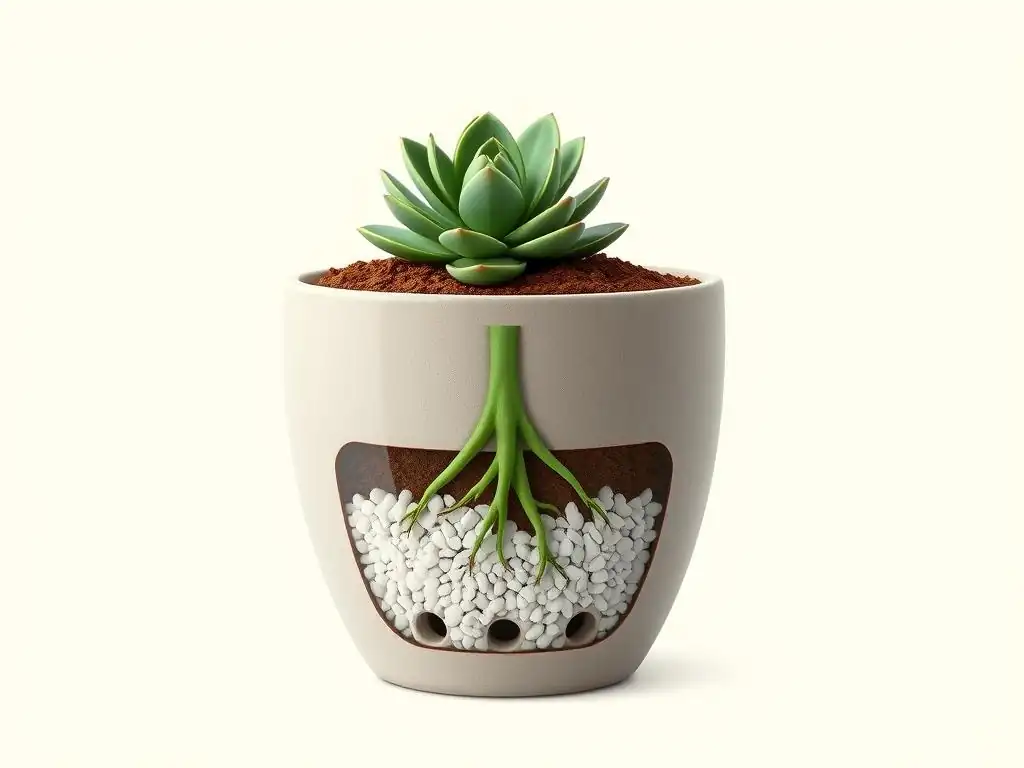
This section delves into supplementary strategies beyond proper drainage to safeguard your succulents from the devastating effects of root rot. Remember, a multi-pronged approach is key to succulent root rot prevention. Even with perfect drainage, other factors can contribute to this common problem.
Improving Air Circulation Around Your Succulents
Stagnant air contributes to a humid environment, a breeding ground for fungi and bacteria responsible for root rot. Ensuring adequate air circulation around your succulents is crucial. This is particularly important for succulents planted in close proximity or in enclosed spaces like terrariums.
Consider these practical steps to improve air circulation:
- Spacing: Don't overcrowd your succulents. Allow sufficient space between individual plants to promote airflow. A general guideline is to leave at least an inch or two between plants, depending on their mature size.
- Ventilation: For indoor succulents, strategically place fans to gently circulate air, especially in humid environments. Avoid direct, strong airflow which can desiccate your plants.
- Potting Mix: A well-draining potting mix, as discussed previously, also contributes to better air circulation within the pot itself. Avoid overly compact mixes.
- Pruning: Regularly prune away dead or decaying leaves and stems. This helps improve air circulation around the base of the plant and prevents the buildup of moisture.
Protecting Succulents from Extreme Temperatures
Fluctuations in temperature, especially extreme heat or cold, can weaken your succulents, making them more susceptible to root rot. Stress weakens the plant's defenses, making it vulnerable to fungal and bacterial infections.
Here's how to mitigate temperature-related risks:
- Heat Stress: During hot summer months, shield your succulents from direct, intense sunlight, especially during peak hours. Consider providing some shade during the hottest part of the day. Overheating can raise soil temperatures, increasing moisture retention and the risk of root rot.
- Cold Stress: Succulents are generally not frost-tolerant. During winter, protect them from freezing temperatures by bringing them indoors or providing adequate insulation. Cold temperatures can damage roots, making them more prone to rot.
- Consistent Temperatures: While succulents are relatively tolerant of temperature variations, sudden and drastic changes can shock the plant, reducing its resilience. Aim for consistent temperatures within a suitable range for your specific succulent species.
Choosing the Right Location for Your Succulents: Sunlight and Shade
The location of your succulents plays a vital role in preventing root rot. The right balance of sunlight and shade is essential for healthy growth and disease prevention. Too much or too little light can compromise the plant's health, making it vulnerable to root rot.
Key considerations for optimal placement:
- Sunlight: Most succulents thrive in bright, indirect sunlight. Direct, intense sunlight can scorch their leaves, and subsequently weaken them. Observe your succulents; if their leaves appear scorched or pale, they may be receiving too much sun.
- Shade: Excessive shade can lead to etiolation (leggy growth) and weaken the plant, making it more susceptible to diseases, including root rot. Ensure your succulents receive adequate sunlight, but avoid harsh, direct rays.
- Airflow: As discussed previously, good airflow is crucial. When choosing a location, consider areas with good air circulation to prevent moisture build-up. Avoid placing succulents in enclosed, humid areas.
- Monitoring: Regularly monitor your succulents' condition. Any signs of wilting, discoloration, or unusual growth patterns could indicate a problem with their location or other environmental factors. Early detection is key to preventing serious issues.
Remember, consistent monitoring and proactive measures are the best defense against succulent root rot. By addressing these additional factors alongside proper drainage, you can significantly improve the health and longevity of your succulent collection. 🌱
Using Perlite or Pumice to Improve Drainage
Perlite and pumice are two incredibly beneficial amendments for succulent potting mixes, significantly enhancing drainage and aeration. These volcanic materials are lightweight, porous, and inert, meaning they don't break down or alter the soil's pH. Their inclusion prevents the soil from becoming waterlogged, a primary cause of succulent root rot. The porous nature of perlite and pumice allows for excellent air circulation around the roots, promoting healthy root growth and reducing the risk of fungal infections that often accompany root rot.
Using perlite is relatively straightforward. A typical ratio for succulent potting mixes is around 30-50% perlite to soil. This ensures sufficient drainage while still providing enough substrate for root anchorage. However, the exact ratio may need adjustment based on the specific soil type and the succulent species. For instance, more perlite might be needed for particularly heavy clay-based soils, whereas a slightly lower percentage might suffice for well-draining sandy soils. Always err on the side of caution and slightly overestimate the perlite if unsure. Overwatering is far more damaging than slightly drier soil.
Pumice, while similar in function to perlite, offers a slightly different texture and appearance. Its larger, more irregular particles contribute to improved drainage and aeration, often preferred by growers for larger succulents or those with more extensive root systems. The larger particle size also helps with oxygen circulation, which is vital for preventing anaerobic conditions that encourage root rot.
When using pumice, the same principles of adjusting the ratio based on the soil type apply. Experimentation is key to finding the ideal balance for your specific needs and succulent collection. Remember to always check the soil moisture before watering to avoid overwatering, regardless of the amendments used.
A simple finger test, checking the top inch or two of soil for dryness, is an effective method. Don't just water based on a schedule; water when the plant needs it. This mindful approach is crucial for preventing succulent root rot and maintaining healthy plants.
Recommended Products for Preventing Succulent Root Rot at SucculentEssentials.org
This section focuses on the specific products available at SucculentEssentials.org that directly contribute to preventing succulent root rot, a common problem stemming from inadequate drainage. Choosing the right materials is crucial for the long-term health and vibrancy of your succulent collection. By selecting products designed for optimal drainage and aeration, you significantly reduce the risk of root rot and ensure your succulents thrive. This is key to successful succulent root rot prevention.
High-Quality Potting Mixes Available at SucculentEssentials.org
At SucculentEssentials.org, we understand the importance of a well-draining potting mix for succulent health. Poor drainage is a primary cause of root rot, leading to fungal infections and eventual plant death. Therefore, we offer a curated selection of high-quality mixes specifically formulated for succulents. These mixes typically include a blend of materials designed to promote aeration and water drainage, preventing the soil from becoming waterlogged.
Our most popular mix, the "Cactus & Succulent Premium Blend," boasts a unique combination of coarse sand, perlite, pumice, and composted fir bark. This blend ensures excellent drainage while still providing essential nutrients. We also offer a "Fast-Draining Blend" for particularly sensitive succulent varieties that are prone to overwatering. This mix uses a higher proportion of inorganic materials like pumice and perlite to maximize drainage.
Choosing the right potting mix is a cornerstone of succulent root rot prevention. Remember to always check the label for the specific composition of the blend and choose one that aligns with the needs of your succulent species. Improper soil is one of the most common causes of succulent failure.
Wide Selection of Terracotta and Plastic Pots with Drainage
The container you choose for your succulents plays a vital role in preventing root rot. At SucculentEssentials.org, we provide a wide array of terracotta and plastic pots, all designed with drainage in mind. Terracotta pots are particularly beneficial as they are porous, allowing excess water to evaporate. This natural breathability further reduces the risk of waterlogging.
Our terracotta pots come in a variety of sizes and styles, catering to all your succulent planting needs. We also offer plastic pots with strategically placed drainage holes to ensure efficient water runoff. Some of our premium plastic pots even include built-in water reservoirs with drainage spouts for controlled watering.
Choosing a pot with proper drainage is a fundamental aspect of succulent root rot prevention. Avoid using pots without drainage holes, as these can easily lead to root rot. The material of the pot also plays a crucial role, with terracotta offering superior breathability compared to impermeable plastic.
Helpful Tools for Soil Testing and Drainage Improvement
Beyond selecting the right potting mix and pots, SucculentEssentials.org also offers tools to help you actively monitor and improve drainage in your succulent containers. This proactive approach is essential for effective succulent root rot prevention.
We provide soil moisture meters that allow you to accurately assess the moisture level of your succulent's soil, preventing overwatering. Furthermore, we carry a range of tools for improving drainage, such as small scoops for removing excess soil and perlite for adding to existing mixes to enhance aeration and drainage.
Regular soil testing is crucial for early detection of potential drainage problems. By using the right tools and paying attention to your succulents' needs, you can significantly reduce the risk of root rot and ensure the longevity of your plants. Remember, proactive management is key to maintaining healthy and thriving succulents.
Frequently Asked Questions
What is the most common cause of succulent root rot?
Root rot in succulents is almost always caused by overwatering and poor drainage. Keeping the soil consistently wet suffocates the roots, leading to decay.
How can I prevent root rot in my succulents?
Well-draining soil is crucial. Use a succulent and cacti potting mix, and ensure your containers have adequate drainage holes. Avoid overwatering; allow the soil to dry out completely between waterings.
What are the signs of root rot in succulents?
Look for mushy, brown, or black roots, often accompanied by a foul odor. The leaves may also become mushy, yellow, or fall off easily. Early detection is key.
What should I do if I suspect my succulent has root rot?
Immediately remove the succulent from its pot. Carefully inspect the roots, removing any rotten portions with clean, sharp tools. Repot the plant in fresh, dry soil and a well-draining pot.
Are some succulent varieties more susceptible to root rot than others?
While all succulents can suffer from root rot, those with thicker leaves and stems may be more prone to retaining excess moisture, increasing the risk. Proper watering techniques remain crucial regardless of variety.
Final Reflection: Nurturing Life: The Enduring Importance of Healthy Roots
The fight against succulent root rot isn't just about saving a plant; it's about understanding the delicate balance between life and decay. A seemingly small issue like improper drainage can have devastating consequences, highlighting the crucial role of mindful care in nurturing even the hardiest of species. This is a lesson that extends far beyond the world of horticulture.
The ongoing struggle against root rot in succulents mirrors our own human need for healthy foundations. We, too, require proper support and careful attention to avoid the pitfalls of neglect. A strong base, whether it's a well-draining pot for a succulent or a supportive community for a person, is essential for thriving. The roots of education are bitter, but the fruit is sweet.
- Aristotle. This quote speaks to the initial challenges of learning proper succulent care, but also to the rewarding outcome of a healthy, flourishing plant.
Now, consider your own "roots." What are the foundational elements in your life that need nurturing and attention? Are you providing yourself with the proper support and drainage to avoid the "rot" of negativity or stagnation? Take a moment to assess your own well-being, and remember that just as a succulent needs the right conditions to thrive, so do you. Cultivate your own growth, and watch your life flourish.
Unleash Your Succulents' Full Potential: A Thriving Future Awaits!
Thank you for learning how to protect your succulents from root rot! You now have the knowledge to keep your plants happy and healthy. Ready to put your new skills into action?
- Prioritize Proper Drainage: Check the drainage in your succulent pots immediately. Repot any plants in containers without drainage holes, using a well-draining potting mix. This is the most important step you can take.
- Share Your Success (or Challenges!): Let's build a thriving community! Share photos of your repotted succulents or ask questions in the comments below.
- Learn More About Succulent Care: Explore more succulent care tips and tricks on SucculentEssentials.org to unlock their full beauty!
What are you most excited to try to improve your succulents' health today?