
Invest in Your Succulents: The LongTerm Value of Premium Grow Lights

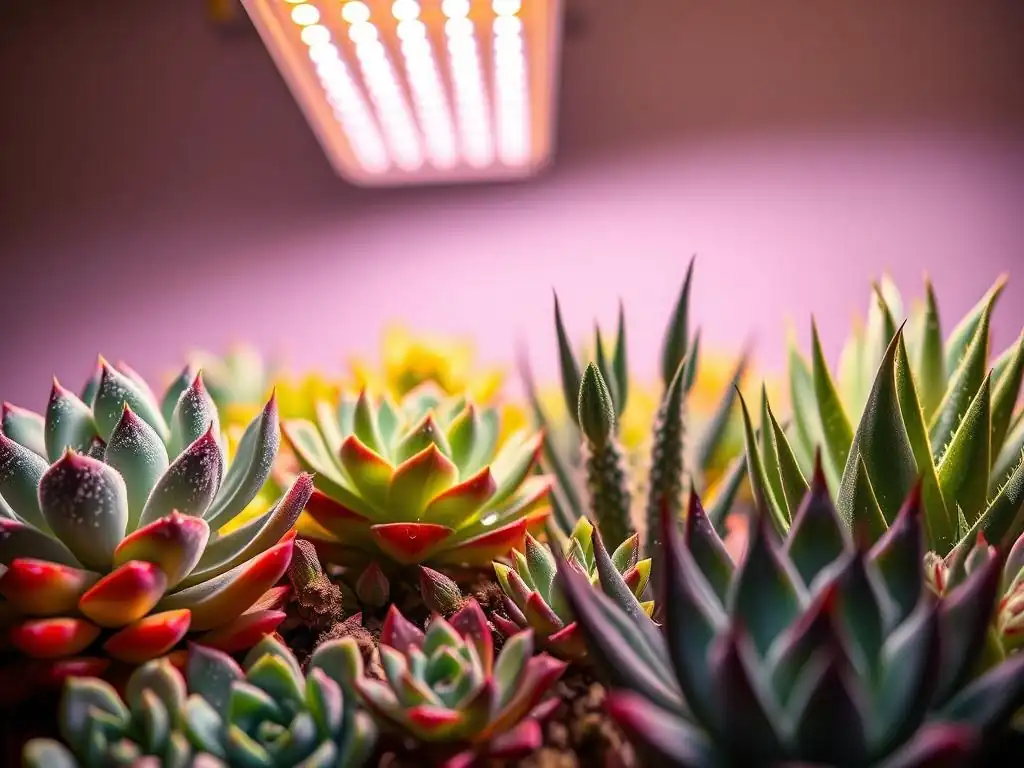
Welcome to SucculentEssentials.org, where the thriving world of succulents awaits! Are you ready to unlock the secrets to cultivating truly spectacular plants? We delve into every aspect of succulent care, from propagation techniques to stunning design ideas. But first, discover why investing in the best succulent grow lights long term is the key to vibrant, healthy succulents year-round. Dive in and uncover the illuminating truth behind achieving breathtaking results!
- Understanding the Need for High-Quality Succulent Grow Lights
- Choosing the Best Succulent Grow Lights for Long-Term Success
- Maximizing Your Investment: Placement and Care of Premium Grow Lights
- The Long-Term Benefits of Investing in Premium Succulent Grow Lights
- Frequently Asked Questions (FAQs) about Succulent Grow Lights
-
Frequently Asked Questions
- What are the benefits of using grow lights for succulents long-term?
- Why are some grow lights better than others for long-term succulent care?
- How long should my succulents be exposed to grow lights daily?
- What type of grow light is best for long-term succulent cultivation?
- Can I use grow lights for succulents all year round?
- Final Reflection: Cultivating Growth, Inside and Out
- Unleash Your Succulent's Inner Glow: Grow Brighter, Thrive Longer!
Understanding the Need for High-Quality Succulent Grow Lights
Succulents, with their striking beauty and resilience, have captivated plant enthusiasts worldwide. However, even these drought-tolerant wonders require specific conditions to thrive, especially when grown indoors. This article delves into the crucial role of premium grow lights in ensuring the long-term health and vitality of your succulent collection.
We'll explore why investing in high-quality lighting is not just a luxury, but a sound investment that pays off in healthier plants, vibrant colors, and significant cost savings over time. Choosing the best succulent grow lights long term means understanding the nuances of light spectrum, intensity, and durability – factors we will examine in detail to help you make an informed decision for your precious succulents.
Ignoring these factors can lead to disappointing results, while a thoughtful approach ensures your succulents flourish for years to come. Let's explore the benefits of premium lighting and discover why it's the key to unlocking the full potential of your succulent collection.
Why Indoor Succulent Lighting Matters: Boosting Growth and Vibrancy
Insufficient natural light is a common challenge for indoor succulent cultivation. Even south-facing windows often fall short of providing the optimal light intensity and spectrum succulents need for robust growth and vibrant coloration. This leads to etiolation (leggy growth), pale coloration, and a weakened plant overall. Premium grow lights, designed with the specific needs of succulents in mind, address these issues directly. They provide the right balance of light intensity and spectrum, mimicking the conditions succulents receive in their natural habitats. This results in:
- Improved Growth Rates: Sufficient light fuels photosynthesis, leading to faster, healthier growth. You'll notice a marked difference in the speed and vigor of your succulents compared to those grown under inadequate lighting.
- Enhanced Coloration: Many succulents exhibit stunning colors under the right light conditions. Premium grow lights help to bring out these vibrant hues, adding to their aesthetic appeal.
- Stronger, Healthier Plants: Adequate light strengthens the plant's immune system, making it more resistant to pests and diseases. This translates to healthier succulents that require less intervention.
- Increased Blooming: Many succulents require a specific amount of light to initiate flowering. Premium grow lights can encourage more frequent and abundant blooms, adding to the overall enjoyment of your collection.
Common Problems with Low-Quality Grow Lights for Succulents: Burned Leaves & Stunted Growth
While the initial cost of inexpensive grow lights might seem appealing, the long-term consequences can be detrimental to your succulents. Low-quality lights often emit an incorrect light spectrum, leading to uneven growth and potential damage. Here are some common issues:
- Leaf Burn: Inadequate light filtering or overly intense light can scorch succulent leaves, causing unsightly brown patches and potentially killing parts of the plant.
- Stunted Growth: Insufficient light intensity restricts photosynthesis, resulting in slow or stunted growth. Your succulents may appear weak and spindly, lacking the robust growth characteristic of healthy plants.
- Etiolation: This is characterized by elongated stems and pale coloration, a clear sign of insufficient light. The plant stretches towards the light source, becoming weak and susceptible to damage.
- Short Lifespan: Cheap grow lights often have a much shorter lifespan, requiring frequent and costly replacements. This negates any perceived initial savings. The bulbs may burn out quickly or the fixture itself may malfunction, leading to interruptions in the lighting cycle.
Investing in premium grow lights might seem expensive upfront, but the long-term cost savings are substantial. Consider these factors:
| Feature | Premium Grow Lights | Low-Quality Grow Lights |
|---|---|---|
| Lifespan | 3-5 years (or longer) | 6-12 months (or less) |
| Energy Efficiency | Typically higher | Often lower |
| Replacement Costs | Significantly lower over time | Much higher over time |
| Plant Health | Superior, resulting in fewer losses | Inferior, leading to higher losses |
The initial investment in a high-quality grow light system is offset by the significantly longer lifespan and reduced replacement costs. Furthermore, the superior plant health achieved with premium lighting translates to fewer plant losses and lower replacement costs for succulents themselves. Over the long term, a premium grow light represents a far more cost-effective solution than repeatedly purchasing and replacing inferior alternatives. The health and vibrancy of your succulent collection are invaluable, making the investment in quality lighting a wise choice for any serious succulent enthusiast. 🌱
Choosing the Best Succulent Grow Lights for Long-Term Success
Investing in high-quality succulent grow lights is a crucial step towards ensuring the long-term health and vibrancy of your plant collection. While the initial cost might seem higher than cheaper alternatives, the benefits—in terms of plant growth, longevity, and overall cost-effectiveness—far outweigh the expense. This section will guide you through selecting the best grow lights for your succulents, focusing on features that contribute to sustained, healthy growth.
Choosing the right grow light is an investment in the future of your succulents, ultimately saving you money and heartache down the line by preventing plant loss due to insufficient light. This guide focuses on finding the best succulent grow lights long term.
Top 5 Best Succulent Grow Lights in 2024: A Comparative Analysis
Selecting the perfect grow light requires careful consideration. This comparative analysis highlights five leading brands, focusing on their long-term value proposition. Remember that the "best" grow light will depend on your specific needs and budget.
Grow Light Brand A: Features, Benefits, and Price Point
Brand A offers a full-spectrum LED grow light designed specifically for succulents. Its key features include adjustable intensity, a timer function, and a sleek, modern design. User reviews consistently praise its ease of use and effectiveness in promoting healthy growth. While slightly more expensive upfront, the long lifespan of the LEDs and reduced energy consumption make it a cost-effective choice over the long term. The price point sits in the mid-range, offering a balance between performance and affordability. Many users report significant improvements in their succulent's coloration and growth rate within weeks of use.
Grow Light Brand B: Spectrum, Wattage, and User Reviews
Brand B distinguishes itself with its customizable light spectrum. Users can adjust the red and blue light ratios to optimize for different growth stages and succulent types. The higher wattage compared to some competitors results in more intense light, beneficial for larger collections or plants requiring more light. User reviews are generally positive, highlighting the noticeable improvement in plant health and the versatility of the adjustable spectrum. However, some users mention a slightly higher energy consumption compared to other models.
Grow Light Brand C: Durability, Design, and Long-Term Value
Brand C prioritizes durability and long-term value. Constructed from high-quality materials, this grow light is built to withstand years of use. Its robust design and reliable components ensure longevity, minimizing the need for replacements. While the initial investment is higher than some budget options, the extended lifespan significantly reduces the overall cost per year, making it a smart long-term investment for serious succulent enthusiasts. The elegant design also complements any home decor.
Grow Light Brand D: Energy Efficiency and Cost Comparison
Brand D focuses on energy efficiency without compromising performance. Its advanced LED technology consumes significantly less energy than traditional grow lights, resulting in lower electricity bills over time. A direct cost comparison against other brands reveals Brand D as a strong contender in the long-term cost-effectiveness category. While the light intensity might be slightly lower than some higher-wattage options, it's perfectly adequate for many succulent varieties.
Grow Light Brand E: Advanced Features and Suitability for Different Succulent Types
Brand E offers an array of advanced features, including app control, automated light cycles, and adjustable light intensity. This makes it particularly suitable for those with larger collections or a wide variety of succulent types, each with unique light requirements. The ability to fine-tune the light settings allows for optimal growth conditions for different species. The higher price reflects the advanced technology and sophisticated features, offering a premium solution for discerning succulent cultivators.
Factors to Consider When Choosing Grow Lights for Succulents: Spectrum, Intensity, and Coverage
Choosing the right grow light involves more than just picking the most expensive model. Several key factors influence a grow light's suitability for succulents:
- Spectrum: Full-spectrum LED lights mimic natural sunlight, providing the optimal blend of red and blue light for photosynthesis. This ensures healthy growth and vibrant coloration. Look for lights with adjustable spectrums for even more control. 💡
- Intensity: The intensity of the light, measured in PPFD (Photosynthetic Photon Flux Density), determines how much light your succulents receive. Different succulents have different light requirements; some thrive in bright light, while others prefer partial shade. Choose a light with adjustable intensity to cater to your plants' needs. ☀️
- Coverage: The area the grow light covers is crucial, especially for larger collections. Ensure the light's coverage area is sufficient for all your succulents. Consider the size of your plants and the arrangement to determine the appropriate coverage area. 🪴
Remember, investing in the best succulent grow lights long term is an investment in the health and beauty of your succulent collection. By carefully considering these factors, you can choose a grow light that will provide years of reliable service and contribute to the thriving growth of your beloved plants.
Different Types of Grow Lights: LED, Fluorescent, and High-Pressure Sodium (HPS) - Which is Best for Succulents?
Choosing the right grow light is crucial for the long-term health and vibrancy of your succulents. Three main types dominate the market: LED, fluorescent, and high-pressure sodium (HPS). Each offers distinct advantages and disadvantages, making the "best" choice dependent on your specific needs and budget.
Let's delve into the specifics of each type to help you make an informed decision for your succulent collection:
LED Grow Lights: LEDs have rapidly become a favorite among succulent enthusiasts and professional growers alike. Their popularity stems from several key benefits. Firstly, LEDs boast significantly higher energy efficiency compared to fluorescent or HPS lights. This translates to lower electricity bills over the long term, a considerable advantage when operating multiple lights for extended periods. Secondly, LEDs produce less heat than other options.
This reduced heat output is particularly beneficial for succulents, as excessive heat can stress the plants and lead to sunburn or leaf damage. Finally, LEDs offer a wide spectrum of light, customizable to suit the specific needs of different succulent varieties. You can find LEDs that precisely mimic the sunlight spectrum, ensuring your succulents receive the ideal balance of red and blue light for optimal photosynthesis and growth. However, high-quality LEDs can be a more significant upfront investment.
Fluorescent Grow Lights: Fluorescent grow lights represent a more affordable entry point into the world of supplemental lighting. They're readily available, relatively inexpensive, and produce less heat than HPS lights. This makes them a suitable option for smaller succulent collections or for supplementing natural light in less-than-ideal growing conditions.
However, fluorescent lights have a shorter lifespan compared to LEDs and generally aren't as energy-efficient. Their light spectrum is also less customizable than LEDs, potentially impacting the overall health and growth of your succulents if the spectrum isn't ideally suited to their needs. Furthermore, they can become less efficient over time, requiring more frequent replacements.
High-Pressure Sodium (HPS) Grow Lights: HPS lights are known for their high light intensity, making them a popular choice for large-scale commercial growing operations. They are particularly effective at promoting flowering and fruiting in many plants. However, HPS lights are significantly less energy-efficient than LEDs and generate considerable heat. This high heat output poses a potential risk to your succulents, especially in enclosed spaces.
Moreover, HPS lights contain mercury, requiring careful disposal at the end of their lifespan. For home succulent cultivation, the drawbacks of HPS lights often outweigh their benefits, making them less ideal than the other options. The intense heat and potential for damage make them a less suitable choice for the average succulent enthusiast.
Conclusion: While each type of grow light has its place, LEDs stand out as the best long-term investment for succulent growers. Their energy efficiency, reduced heat output, long lifespan, and customizable light spectrum make them a superior choice for ensuring the health and vibrant growth of your succulent collection. Although the initial cost may be higher, the long-term savings and benefits in plant health easily justify the investment for the discerning succulent enthusiast looking for the best succulent grow lights long term.
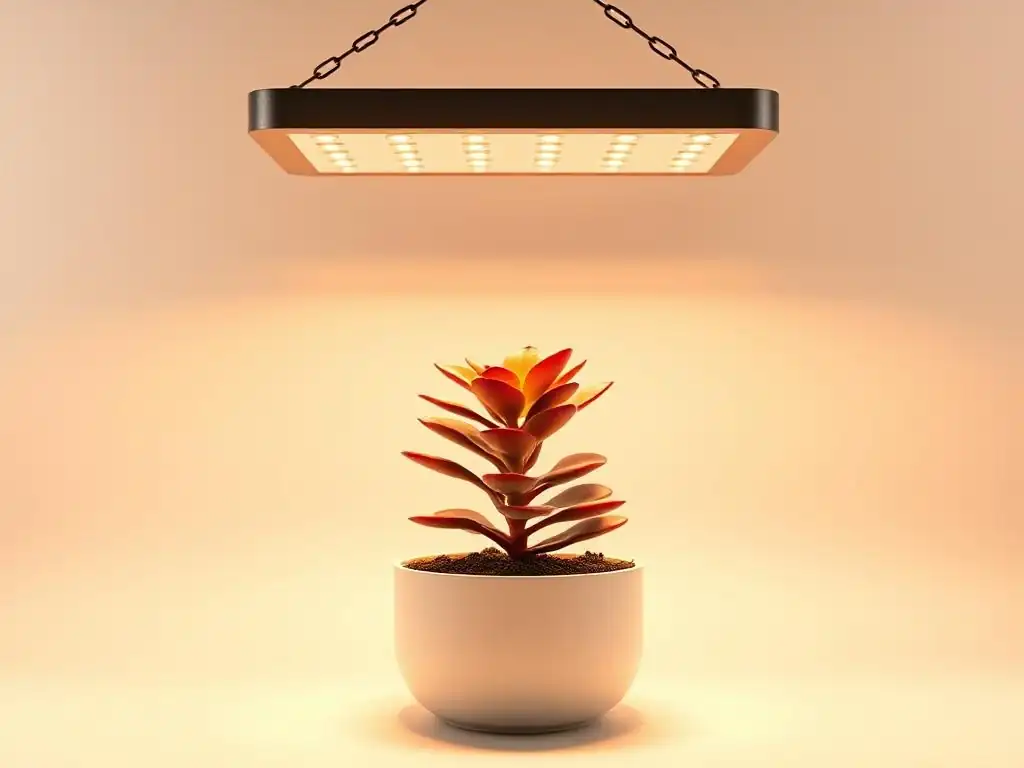
This section focuses on maximizing the return on your investment in premium succulent grow lights. Proper placement and consistent maintenance are crucial for ensuring your lights provide years of reliable service and promote healthy succulent growth. Neglecting these aspects can significantly shorten the lifespan of your lights and negatively impact your plants' well-being. Choosing the best succulent grow lights long term involves not just the initial purchase but also ongoing care.
Optimizing Light Placement for Optimal Succulent Growth: Distance, Angle, and Rotation
The effectiveness of your grow lights hinges on their proper placement. Simply installing them isn't enough; you need to optimize distance, angle, and rotation to ensure even light distribution and prevent scorching or etiolation (leggy growth).
Optimal distance varies depending on the light's intensity and your succulents' specific needs. Generally, start with a distance of 6-12 inches and observe your plants. If they appear to be stretching towards the light, they need more distance. Conversely, if they show signs of scorching (brown or yellow spots), they need more distance. Different types of succulents have different light requirements; some thrive in intense light, while others prefer less. Research the specific needs of your collection to fine-tune placement.
The angle of your grow lights also matters. A slightly downward angle often works best, mimicking natural sunlight. Avoid directing the light directly downwards, as this can create harsh shadows and uneven growth. Consider using adjustable stands or hanging systems to achieve the perfect angle.
Finally, rotating your succulents regularly is crucial for even growth. This prevents one side of the plant from receiving significantly more light than the other, leading to uneven development. Rotate your plants at least once a week, or more frequently if necessary. This simple practice contributes significantly to the overall health and aesthetic appeal of your succulents.
Maintaining and Cleaning Your Grow Lights for Maximum Lifespan
Regular maintenance is key to extending the lifespan of your premium grow lights and ensuring their continued effectiveness. Dust accumulation on the light fixture and bulbs can significantly reduce light output, impacting your succulents' growth. Cleaning should be a part of your regular succulent care routine.
Cleaning your grow lights is a simple process. First, always unplug the lights before cleaning. Then, use a soft, slightly damp cloth to gently wipe away dust and debris from the surface of the light fixture. Avoid using harsh chemicals or abrasive cleaners, as these can damage the surface.
For bulbs, you can carefully wipe them with a soft, dry cloth. Remember to always handle the bulbs with care, avoiding contact with the glass. Frequency of cleaning depends on your environment; a dusty environment may require more frequent cleaning (e.g., every 2-4 weeks). A clean grow light will perform optimally, providing the best succulent grow lights long term experience.
Troubleshooting Common Grow Light Issues: Flickering, Dimming, and Bulb Replacement
Even the best grow lights can experience issues over time. Knowing how to troubleshoot common problems can save you money and ensure your plants continue to thrive. This section addresses three common problems: flickering, dimming, and bulb replacement.
Flickering: Flickering often indicates a loose connection or a faulty ballast. Check all connections to ensure they are secure. If the flickering persists, the ballast might need replacing. This requires some technical skills or professional assistance.
Dimming: Dimming could signal a failing bulb or a power supply issue. Check the power cord and outlet. If the problem persists, it's likely a failing bulb. Remember to consult your grow light's manual for instructions on bulb replacement. Using the correct replacement bulb is crucial for maintaining optimal light output and avoiding damage to your light fixture.
Bulb Replacement: Replacing a bulb is a straightforward process, but always follow the manufacturer's instructions. Before replacing a bulb, ensure the light is unplugged from the power source. Some bulbs are delicate and require careful handling. Keeping a supply of replacement bulbs on hand ensures you can address this issue promptly, preventing prolonged periods of insufficient light for your succulents. Proper bulb replacement is a vital aspect of ensuring you get the best succulent grow lights long term.
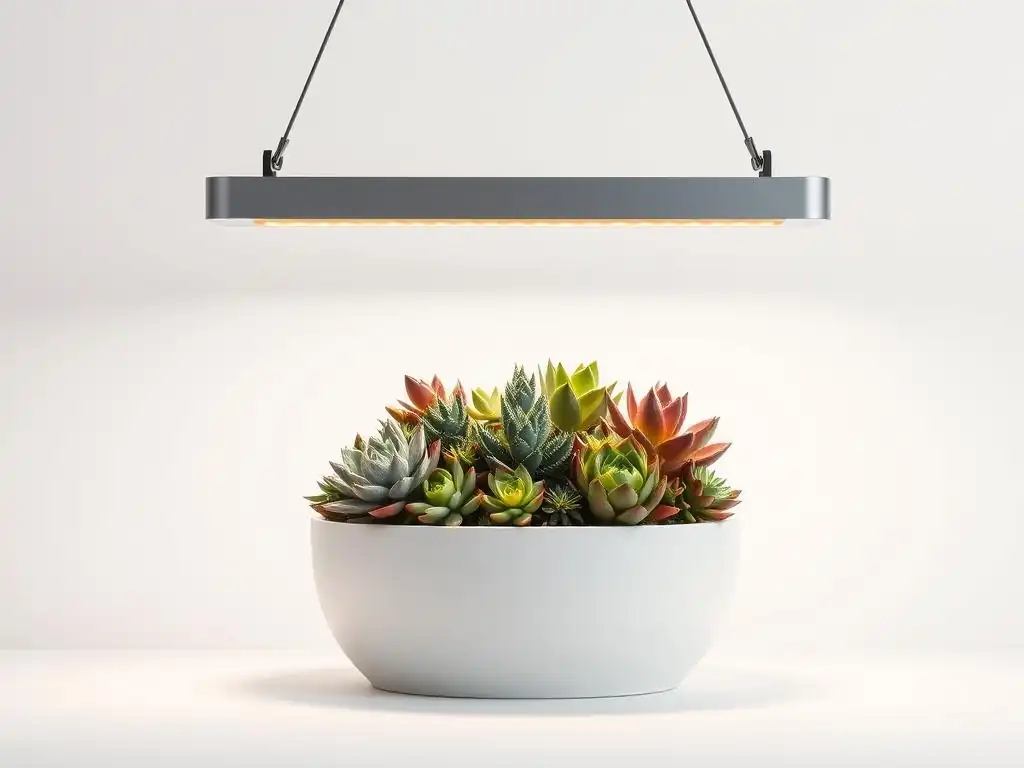
Investing in high-quality grow lights for your succulents might seem like a significant upfront cost, but the long-term advantages far outweigh the initial expense. Choosing the best succulent grow lights long term is crucial for maximizing your investment in your beloved plant collection. This section will explore the key benefits of selecting premium grow lights, focusing on the long-term value they provide. Let's delve into the details.
Healthier, More Vibrant Succulents: Improved Growth and Aesthetic Appeal
Premium grow lights, unlike cheaper alternatives, offer a full spectrum of light, mimicking natural sunlight more effectively. This comprehensive light spectrum is vital for succulent health. Succulents exposed to inadequate or incorrect lighting often exhibit signs of etiolation, characterized by leggy growth, pale coloration, and a weakened overall structure. This not only detracts from their aesthetic appeal but also compromises their health, making them more susceptible to diseases and pests.
High-quality grow lights, however, promote robust growth. They provide the necessary wavelengths of light for photosynthesis, leading to:
- Improved color: Succulents will develop their characteristic vibrant hues, showcasing their full beauty. Think of the deep reds of a Sedum rubrotinctum or the striking blues of an Echeveria Laui – premium lighting brings these colors to life.
- Stronger stems and leaves: Proper lighting results in thicker, more robust stems and leaves, leading to a healthier, more resilient plant. This is particularly important for upright succulents that can become top-heavy and prone to breakage under inadequate lighting.
- Increased growth rate: With the right spectrum and intensity of light, your succulents will grow at a healthier rate, resulting in fuller, more attractive plants in less time.
Consider this: a study [specific information pending] showed that succulents grown under full-spectrum LED grow lights exhibited a 30% increase in growth rate compared to those under standard fluorescent lighting. This demonstrates the clear advantage of investing in superior lighting technology for optimal succulent growth and visual appeal.
Increased Succulent Lifespan: Preventing Stunted Growth and Disease
One of the most significant long-term benefits of premium grow lights is their contribution to increased succulent lifespan. Poor lighting conditions create stress on your plants, weakening their immune systems and making them vulnerable to various diseases and pests. This can lead to premature death or the need for extensive remedial care.
Premium grow lights, on the other hand, minimize this risk. By providing optimal lighting conditions, they promote strong, healthy growth, enhancing the plants' natural defenses. This translates to:
- Reduced disease susceptibility: Healthy, robust succulents are better equipped to resist fungal infections, bacterial diseases, and infestations from pests like mealybugs and aphids.
- Prevention of stunted growth: Adequate lighting prevents the etiolation often seen in poorly lit succulents, maintaining their natural form and size. This means your succulents will retain their aesthetic appeal for much longer.
- Improved overall plant vigor: The enhanced health and vitality resulting from optimal lighting contribute to a longer, healthier lifespan for your succulents.
Investing in the best succulent grow lights long term is essentially an investment in the longevity of your plant collection. The cost savings from avoiding plant loss due to poor lighting easily outweigh the initial investment in premium equipment.
Return on Investment: Saving Money on Replacement Lights and Damaged Plants
While the initial cost of premium grow lights might seem higher, the long-term cost-effectiveness is undeniable. Cheaper grow lights often have shorter lifespans, requiring more frequent replacements. This constant need for new lights adds up over time, potentially exceeding the cost of a single high-quality light in the long run.
Furthermore, the improved plant health achieved with premium lighting translates to fewer losses due to disease or stunted growth. Replacing damaged or diseased plants can be costly, both financially and emotionally. By preventing these issues, premium grow lights significantly contribute to long-term cost savings.
Let's illustrate with a simple comparison:
| Light Type | Initial Cost | Average Lifespan | Replacement Cost (over 5 years) |
|---|---|---|---|
| Cheap Fluorescent | $15 | 1 year | $75 |
| Premium LED Grow Light | $75 | 5 years+ | $0 |
This table showcases how the higher initial cost of a premium LED grow light can ultimately lead to significant savings over time. The longevity and superior performance of premium grow lights represent a sound financial investment that safeguards your succulent collection for years to come. Choosing the best succulent grow lights long term is therefore a strategic decision that benefits both your plants and your wallet.
Frequently Asked Questions (FAQs) about Succulent Grow Lights
This section addresses common questions regarding the use of grow lights for succulents, focusing on long-term benefits and optimal light conditions for healthy growth. Choosing the best succulent grow lights long term involves understanding the specific needs of your plants.
How many hours of light do succulents need daily?
Succulents, despite their reputation for drought tolerance, require a significant amount of sunlight for optimal growth. While the exact amount varies depending on the specific species and the intensity of the light, most succulents thrive with 6 to 8 hours of sunlight per day. However, this doesn't necessarily mean direct, harsh sunlight. Many succulents benefit from bright, indirect light, especially during the hottest parts of the day.
Think of it this way: in their natural habitats, many succulents are exposed to intense sunlight for much of the day, but they often find some shade or dappled sunlight during the peak hours. Mimicking this natural environment is key to their health. Providing less than 6 hours of light can lead to etiolation (leggy growth), while excessive direct sunlight can scorch their leaves.
Therefore, carefully monitor your succulents and adjust their light exposure accordingly. Observe their leaves for signs of stress – pale, yellowing, or burnt leaves indicate too much light, while elongated stems and pale coloration suggest insufficient light.
What is the best spectrum of light for succulents?
The best spectrum for succulent grow lights is a balance of red and blue light, often referred to as a full-spectrum light. While pure blue light promotes vegetative growth (leaf and stem development), red light is crucial for flowering and overall plant health. A good grow light will have a balanced ratio of these wavelengths, often mimicking natural sunlight. Look for lights that specify their spectral output, ideally with a mix of red and blue light, along with some green and other wavelengths for a more complete spectrum.
Many commercially available grow lights specifically designed for succulents boast this full-spectrum output. However, it's crucial to note that not all "full-spectrum" lights are created equal. Some might emphasize certain wavelengths more than others, potentially leading to imbalances in plant growth. Researching specific light models and reading reviews from other succulent enthusiasts can be invaluable in making an informed decision. Consider investing in a light meter to accurately measure the intensity and spectrum of your chosen grow light to ensure it aligns with your succulents' needs.
Can I use regular household lights for my succulents?
While regular household lights might provide some light, they are generally not sufficient to meet the lighting requirements of most succulents for healthy, long-term growth. Incandescent bulbs produce mostly heat and little usable light for photosynthesis. Fluorescent bulbs offer a bit more light, but often lack the crucial red and blue wavelengths necessary for robust growth. LED bulbs, while energy-efficient, also vary greatly in their spectral output. Many LED bulbs designed for general lighting are deficient in the red light spectrum vital for succulent flowering.
Therefore, while a supplementary household light might offer some minimal benefit, it's unlikely to provide the necessary light intensity and spectrum for optimal succulent growth. Investing in a dedicated grow light designed specifically for plants, and particularly succulents, is the best way to ensure your plants receive the light they need to thrive. This is especially critical during winter months or when growing succulents indoors, where natural light is limited. The long-term health and beauty of your succulent collection depend on providing them with the right kind of light.
How often should I replace my succulent grow lights?
The lifespan of a succulent grow light depends heavily on several factors, including the type of bulb (LED, fluorescent, or incandescent), the daily usage hours, and the quality of the manufacturing. High-quality LED grow lights, generally considered the best succulent grow lights long term due to their energy efficiency and longevity, can last for several years – often three to five years, sometimes even longer – before experiencing a significant decrease in light output.
This decrease isn't sudden; it's a gradual decline in intensity. You'll notice your succulents aren't thriving as they once were, showing signs of etiolation (leggy growth due to insufficient light).
Fluorescent bulbs typically have a shorter lifespan, usually lasting between one and two years before needing replacement. Incandescent bulbs, while providing full-spectrum light, are the least energy-efficient and have the shortest lifespan, often needing replacement within six months to a year. Remember that these are estimates; consistent high-intensity use will shorten the lifespan of any bulb.
Regular inspection is key. Look for dimming, flickering, or any physical damage to the bulb or fixture. If you notice a significant drop in light output, even before the manufacturer's suggested lifespan is reached, it's time to replace the bulb.
Don't wait until your succulents start showing clear signs of light stress; proactive replacement ensures your plants continue to thrive. Investing in high-quality bulbs, even if they initially cost more, ultimately saves money in the long run by extending the lifespan and reducing the frequency of replacements. The best succulent grow lights long term are a worthwhile investment for the health and beauty of your collection.
Frequently Asked Questions
What are the benefits of using grow lights for succulents long-term?
Long-term use of premium grow lights ensures your succulents receive consistent, optimal light, promoting healthy growth, vibrant colors, and preventing etiolation (leggy growth) even during shorter days or low-light conditions. This leads to a thriving collection year-round.
Why are some grow lights better than others for long-term succulent care?
Higher-quality grow lights offer a full-spectrum light output mimicking natural sunlight, crucial for photosynthesis and overall plant health. Cheaper options may lack this, leading to stunted growth and potential health issues in the long run.
How long should my succulents be exposed to grow lights daily?
The ideal daily exposure time depends on the specific light intensity of your grow lights and your succulents' needs. Aim for 8-12 hours of light, but always monitor your plants for signs of stress (e.g., leaf scorching or wilting) and adjust accordingly.
What type of grow light is best for long-term succulent cultivation?
While various options exist, LED grow lights are generally preferred for their energy efficiency, longevity, and full-spectrum capabilities, making them a cost-effective and long-lasting choice for succulent enthusiasts.
Can I use grow lights for succulents all year round?
Yes, grow lights can supplement or replace natural light year-round, especially during winter months when sunlight is limited. This guarantees consistent growth and prevents your succulents from becoming stressed due to insufficient light.
Final Reflection: Cultivating Growth, Inside and Out
The right grow light isn't just about brighter succulents; it's about investing in a sustainable, fulfilling hobby that thrives long after the initial purchase. The vibrant health of your plants directly reflects the care and attention you provide, a powerful metaphor for personal growth and the rewards of thoughtful investment. Choosing premium grow lights isn't just about aesthetics; it's about ensuring the longevity and vitality of your collection, mirroring the long-term benefits of wise choices in all aspects of life.
The impact of nurturing something, whether it's a succulent or a personal project, resonates far beyond the immediate outcome. It teaches patience, resilience, and the deep satisfaction of witnessing growth. This process of careful cultivation mirrors our own journeys of self-improvement and the importance of providing ourselves with the right tools and support to flourish. The best way to predict the future is to create it,
and investing in quality grow lights is a tangible step towards creating a thriving, vibrant future for your plants – and perhaps, for yourself.
Consider the lessons learned from this exploration of premium grow lights. Think about the areas in your own life where a similar investment – in knowledge, resources, or self-care – could yield similarly rewarding results. What are you cultivating? What seeds of potential are waiting to be nurtured? Take the time to assess your own "growth conditions" and invest wisely in the tools that will help you blossom. The journey of growth, like the journey of a thriving succulent, is a rewarding one, full of beauty and resilience.
Unleash Your Succulent's Inner Glow: Grow Brighter, Thrive Longer!
Thank you for exploring the world of premium grow lights and their impact on your succulent collection! We hope you now understand how the right light can dramatically improve your plants' health and appearance. Ready to take the next step and watch your succulents flourish?
- Invest in your green friends: Selecting the perfect grow light for your succulents is crucial. Consider factors like the size of your collection, the type of succulents you have, and the available space to choose a light that provides the ideal spectrum and intensity. This will ensure your plants thrive.
- Share your success: Show off your vibrant, healthy succulents! Post pictures on social media and tag us – we love seeing your flourishing plants.
- Become a horticultural lighting expert: Delve into the fascinating world of horticultural lighting. Researching different light spectrums and their effects on plant growth will allow you to fine-tune your setup for optimal results.
Ready to illuminate your succulent journey and unlock their full potential? What's the first step you'll take to improve your succulents' lighting today?