Welcome to the World of Succulents
At SucculentEssentials.org, our Introduction to Succulents category is your trusted starting point for mastering these drought-resistant wonders. Whether you’re a curious beginner or a seasoned collector, you’ll find actionable advice on succulent care, plant identification, and growing environments. Dive into subcategories that demystify everything from essential tools to rare species, so you can confidently nurture your collection any place you call home.
🌵 Basic Tools and Equipment for Succulent Care
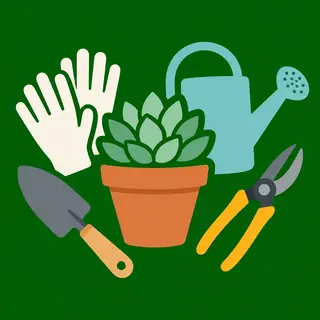
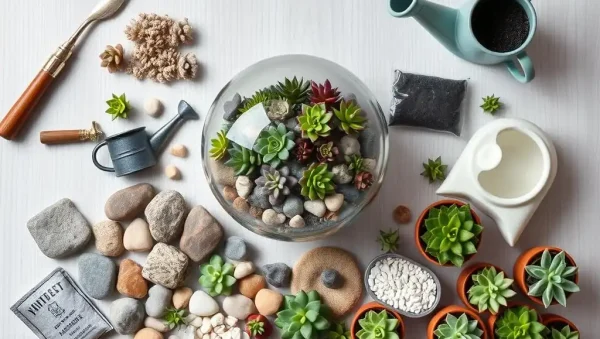
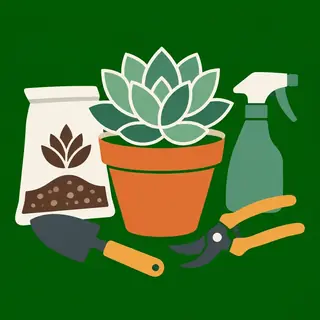
Here we break down must-have items that make succulent care simple and enjoyable. You’ll learn about well-draining pots, cactus soil mixes, moisture meters, and precision watering cans. We also cover long-handled tweezers for delicate repotting and soft brushes for cleaning spines. Expect practical tips on choosing gritty mix vs. standard potting soil, plus how to sanitize tools to prevent rot and pests. This section ensures you’re never guessing what you truly need for healthy plants.
🌟 Common vs. Rare Species Overview
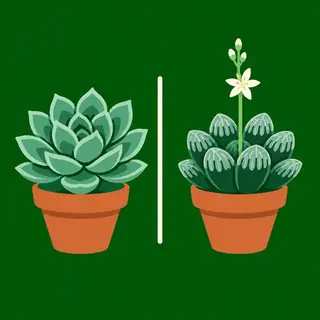
This subcategory helps you distinguish everyday favorites like Echeveria and Jade from elusive treasures such as Haworthia truncata or Lithops. We highlight availability, pricing trends, and care complexity for each tier. You’ll discover why rare species often require more light, stricter watering, or specialist grafting. By understanding the spectrum, you can decide whether to start with forgiving common types or challenge yourself with collector-grade specimens. Perfect for planning your next succulent purchase.
📜 History and Origin of Succulents
Travel back millions of years to see how succulents evolved in arid regions across Africa, the Americas, and Madagascar. We explore ancient human cultivation, from Aztec use of Agave to Victorian-era plant hunters. Learn why these plants developed water-storing leaves, stems, or roots as survival adaptations. This context enriches your appreciation and informs care—knowing their native habitats helps you mimic seasonal light and dry spells. Great for anyone who loves plant stories behind their windowsill.
🏠 Indoor vs. Outdoor Growing Basics
Decide where your succulents will thrive by comparing light exposure, airflow, and temperature swings. Indoors, we discuss south-facing windowsills, grow lights, and humidity risks like etiolation. Outdoors, we cover frost protection, full-sun acclimation, and natural pest control. You’ll get checklists for seasonal transitions and tips for balcony, patio, or greenhouse setups. This clear breakdown prevents common mistakes like sunburn or overwatering due to indoor/outdoor confusion.
🔬 Key Characteristics and Morphology
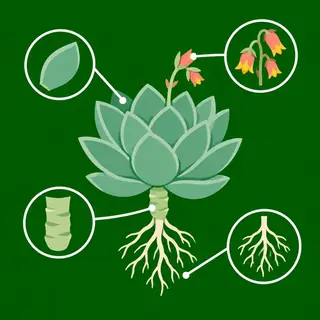
Understand what makes a succulent a succulent—thick cuticles, water-storage tissues, and CAM photosynthesis. We illustrate leaf arrangements, root structures, and stem features that distinguish families. Learn to identify signs of overwatering (translucent leaves) or underwatering (shriveling) via morphological clues. This technical yet accessible guide boosts your confidence in diagnosing health issues and choosing correct potting depths. Essential for both beginners and advanced propagators.
🧰 Essential Supplies and Starter Kits
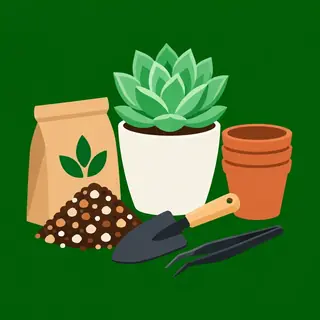
This section recommends ready-made or DIY starter kits that streamline your first month. Expect reviews of gritty soil blends, slow-release fertilizers, and terracotta vs. plastic pot sets. We also list beneficial extras like pH testing strips, drainage trays, and protective gloves. For gifts, we highlight all-in-one kits with propagation trays and labeled tags. You’ll learn which items are non-negotiable for beginners versus those you can add later as your collection grows.
🌿 Understanding Succulent Families
Get a bird’s-eye view of major families: Crassulaceae (Echeveria, Sedum), Cactaceae, Asphodelaceae (Haworthia, Aloe), and Euphorbiaceae. We compare their growth patterns, water needs, and flowering habits. You’ll also learn about less-known groups like Aizoaceae (living stones) and Apocynaceae (pachypodiums). This taxonomic overview clarifies why some succulents have spines while others have fuzzy leaves, helping you predict care requirements and cross-breeding potential.
Frequently Asked Questions
How often should I water succulents indoors?
Generally, wait until the soil is completely dry—typically every 10-14 days in normal indoor conditions. Check with a wooden skewer or moisture meter. During winter, reduce to every 3-4 weeks. Always water deeply until drainage flows out, then let excess escape. Avoid misting, as it can lead to rot. Adjust based on pot size, humidity, and light levels.
Can I keep rare succulents under regular grow lights?
Yes, but rare species may need stronger output—around 2000-4000 lumens per square foot and 12-14 hours daily. Position lights 6-12 inches above the plants. Use full-spectrum LEDs to mimic sunlight. Monitor for color changes; if leaves stretch (etiolate), increase light intensity or duration. Rare types often tolerate less water, so let soil dry fully between waterings.
What’s the easiest way to propagate succulents for beginners?
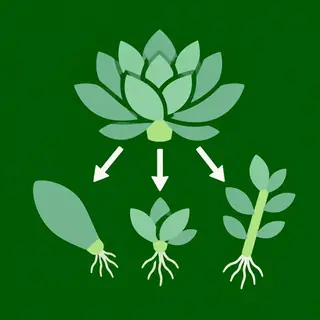
Leaf propagation from healthy rosette leaves is simplest. Gently twist a leaf off the stem, let it callus for 2-3 days, then place on dry soil. Mist lightly every 4-5 days. Small roots and plantlets appear in 2-4 weeks. For stem cuttings, allow the cut end to heal, then insert into well-draining soil. Keep in bright, indirect light.
Do succulents need special soil, or can I use regular potting mix?
Regular potting mix is too water-retentive and often compacts, causing root rot. Use a commercial cactus mix or make your own: 2 parts potting soil, 1 part coarse sand, 1 part perlite or pumice. This ensures excellent drainage and aeration. If you must use regular mix, amend it with 50% perlite by volume.
Why are my indoor succulents growing tall and leggy?
That’s called etiolation, caused by insufficient light. Succulents stretch toward the light source, producing elongated stems and sparse leaves. Move them to a south or west-facing window, or add a grow light for 12-14 hours a day. Behead the leggy top, allow it to callus, and replant in fresh soil. The base may sprout new rosettes.