Discover the Fascinating History and Origin of Succulents
Welcome to the History and Origin of Succulents, a cornerstone of our Introduction to Succulents series at SucculentEssentials.org. Here, we journey back in time to explore how these drought-resistant wonders evolved across continents, from ancient deserts to modern windowsills. Understanding their origins not only deepens your appreciation but also enhances your care routines, as each species carries adaptive traits honed over millennia. Dive into this rich narrative to uncover the botanical, cultural, and evolutionary stories behind your favorite plants.
🌍 Evolutionary Roots: Where Did Succulents First Appear?
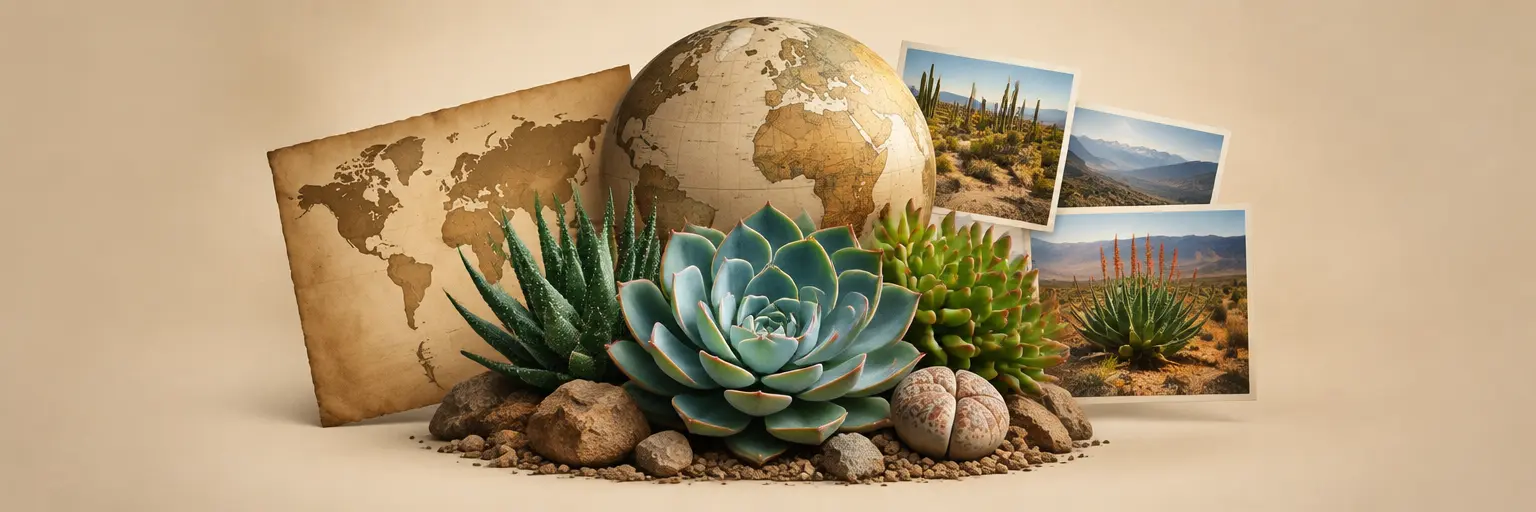
Succulents are not a single family but a diverse group of plants that evolved independently across multiple continents, adapting to arid climates through water-storing tissues. Fossil records and genetic studies suggest that early succulent traits emerged over 100 million years ago, during the Cretaceous period, when global climates became drier. The Americas, Africa, and Eurasia each gave rise to distinct succulent lineages—such as the Cactaceae in the New World and Crassulaceae in Africa and Europe—shaped by local geological and climatic pressures.
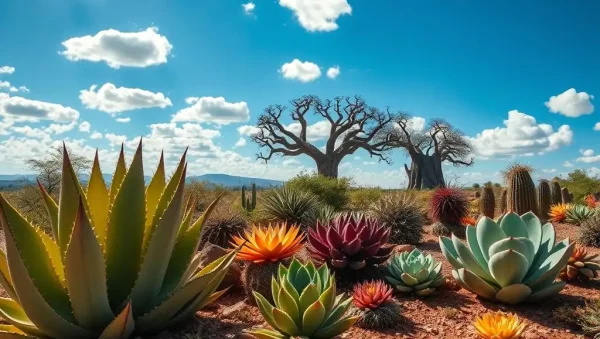
Key evolutionary adaptations include thickened leaves, reduced stomata, and CAM photosynthesis, which allows them to absorb CO₂ at night to minimize water loss. This remarkable resilience enabled succulents to colonize some of the harshest habitats on Earth, from the Atacama Desert to the rocky slopes of Madagascar. By understanding these origins, you’ll better appreciate why succulents thrive on neglect and require specific watering patterns—knowledge that transforms your care approach from guesswork to informed practice.
🏺 Ancient Cultivation: Succulents in Human History
Long before they became trendy houseplants, succulents held significant roles in ancient civilizations. The Aztecs and Maya cultivated agaves for food, fiber, and ceremonial beverages like pulque and mescal, while Egyptians used aloe vera in embalming and skincare rituals over 6,000 years ago. The Greeks and Romans documented succulents in herbals, valuing their medicinal properties for treating wounds and digestive ailments.
These early uses laid the groundwork for global trade and exploration. European botanists in the 16th century brought exotic succulents back from the Americas and Africa, sparking a botanical craze among aristocrats. Greenhouses known as orangeries were built to house these rare specimens, marking the beginning of ornamental succulent cultivation. This historical context enriches your connection to plants, as every succulent you grow carries a legacy of human ingenuity and survival—perfect for storytelling in your own succulent collection.
🌵 The Cactus Connection: Separating Fact from Fiction
A common myth is that all succulents are cacti, but cacti are a specific family (Cactaceae) native only to the Americas, except for one parasitic species found in Africa. While cacti are succulents due to their water-storing stems, not all succulents share this lineage. For instance, Euphorbias from Africa mimic cactus shapes through convergent evolution, illustrating how similar environments drive similar adaptations without shared ancestry.
This distinction is crucial for proper care and identification. Cacti typically have areoles (small, fuzzy pads from which spines grow), while euphorbias exude a milky, toxic sap. On SucculentEssentials.org, we guide you through these differences, helping you avoid common misidentifications that lead to improper watering or handling. Recognizing the evolutionary and botanical gaps between these groups empowers you to diagnose issues and select the right species for your environment, ensuring your collection remains healthy and authentic.
📜 Succulents in Art, Myth, and Folklore
Succulents have permeated human culture, symbolizing endurance, protection, and beauty across civilizations. In ancient Mexico, the agave was considered a gift from the gods, central to creation myths and religious ceremonies. Aloe vera appears in Egyptian tomb paintings as a symbol of immortality, while in Chinese and Japanese traditions, jade plants are believed to attract wealth and prosperity, making them ubiquitous gifts for new businesses.
Medieval European folklore held that houseleeks (Sempervivum) guarded homes against lightning and evil spirits, earning them the name “hens and chicks”. These cultural layers add a narrative depth to succulent gardening, transforming your hobby into a connection with past generations. By exploring these stories, you’ll find new inspiration for decorating, gifting, and displaying your succulents, turning each arrangement into a conversation piece rooted in ancient wisdom.
🔬 Modern Insights: Taxonomic Advances and Global Spread
Scientific classification of succulents has evolved dramatically with molecular phylogenetics. Modern research reveals that succulent adaptation has occurred in over 60 plant families, including Aizoaceae, Agavaceae, and Portulacaceae, each with unique evolutionary pathways. DNA analysis has reshaped our understanding of relationships, showing that some seemingly similar succulents are distantly related, while others share recent common ancestors despite looking different.
The Victorian era sparked a succulent collecting boom, leading to professional botanical societies and the establishment of succulentariums worldwide. Today, globalization and e-commerce have made rare species accessible, yet this also poses risks such as illegal poaching and invasive species introduction. Our site keeps you updated on ethical sourcing and conservation efforts, ensuring your passion contributes positively to biodiversity. Embracing these modern insights helps you become a responsible collector who appreciates both the science and the story behind every leaf.
Frequently Asked Questions
What is the difference between a succulent and a cactus?
Cacti are a specific family (Cactaceae) that evolved only in the Americas and are distinguished by having areoles—small, specialized structures from which spines, flowers, and new growth emerge. All cacti are succulents, but not all succulents are cacti. Succulents are a broader category spanning many families (e.g., Crassulaceae, Euphorbiaceae) that store water in leaves, stems, or roots. Key care differences include sap toxicity and cold tolerance.
How old are succulents as a plant group?
Succulent traits are ancient, with fossil evidence of water-storing plants dating back to the Cretaceous period, roughly 100 million years ago. However, the modern lineages we grow today diversified much later—between 10 and 50 million years ago—during global cooling and aridification events. This deep evolutionary history explains their remarkable drought resistance and adaptability to extreme environments.
Why did succulents evolve thick, fleshy leaves?
Thick, fleshy leaves are an adaptation to water scarcity, allowing plants to store moisture for long dry periods. This tissue also reduces surface area-to-volume ratio, minimizing water loss through evaporation. Additionally, many succulents use CAM photosynthesis, opening stomata at night to absorb CO₂ while temperatures are cooler, further conserving precious water during hot daytime hours.
Are succulents native to all continents?
Succulents are found on every continent except Antarctica, but their diversity is highest in arid regions like southwestern Africa, Mexico, and the Mediterranean basin. Some genera, like Sedum, are widespread across the Northern Hemisphere, while others, such as Aloe, are mostly African. Human cultivation has introduced succulents to new regions, but many non-native species remain confined to gardens.
How can I use history to improve succulent care today?
Understanding a succulent’s origin helps you replicate its natural habitat—such as gritty soil, bright light, and infrequent watering. For example, desert-dwelling cacti prefer quick-draining mixes, while epiphytic holiday cacti from rainforests need more organic soil and humidity. Knowledge of ancient medicinal uses also guides safe harvesting of aloe, while folklore can inspire creative arrangements that honor cultural significance.