
The Art of Succulent Propagation: A Historical and Practical Guide

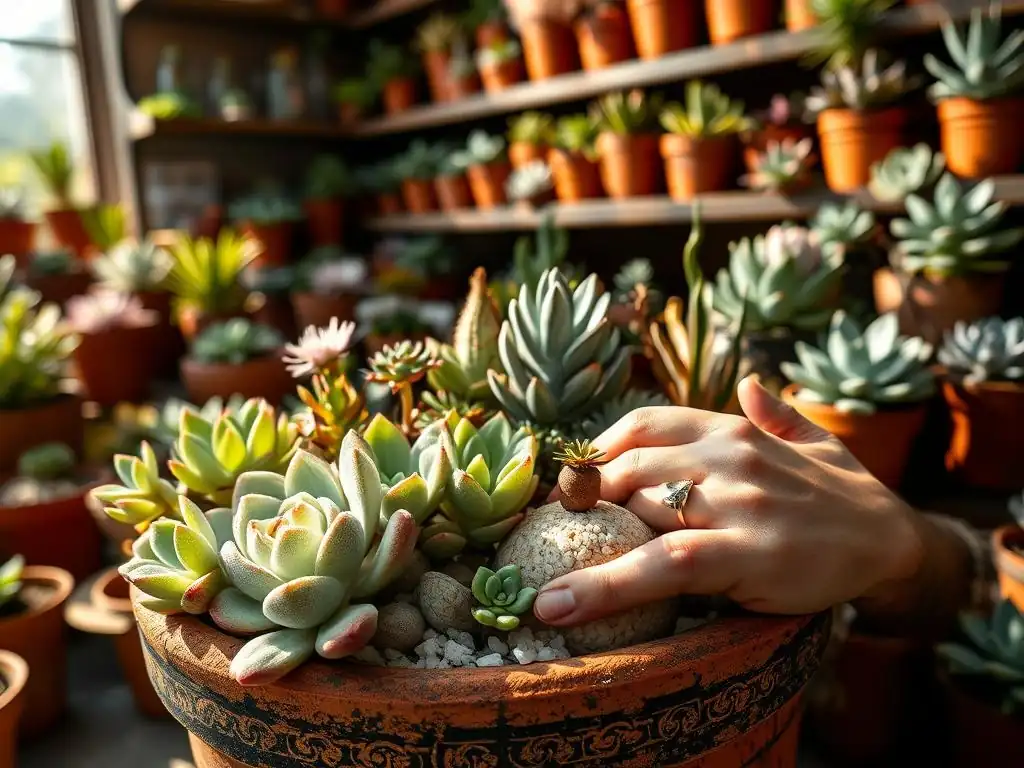
Welcome to SucculentEssentials.org, where the fascinating world of succulents unfolds before you! Are you ready to unlock the secrets to cultivating these resilient beauties? Dive into our Succulent propagation methods guide – a comprehensive journey into the art and science of growing your own succulent collection. Discover the historical context behind these captivating plants and master practical techniques that will transform your gardening experience. Prepare to be amazed by the possibilities!
- A Brief History of Succulent Propagation Techniques
- Understanding Succulent Propagation: The Basics
- Popular Succulent Propagation Methods: A Step-by-Step Guide
- Advanced Succulent Propagation Techniques
- Troubleshooting Common Propagation Problems
- Harvesting and Potting Your Propagated Succulents
- Creative Uses for Propagated Succulents
- Frequently Asked Questions
- Final Reflection: Cultivating Growth, Nurturing Legacy
- Unleash Your Inner Plant Propagator!
A Brief History of Succulent Propagation Techniques
Succulent propagation, the art of multiplying these fascinating drought-tolerant plants, boasts a rich history interwoven with human civilization's relationship with the natural world. From ancient civilizations observing natural propagation methods to the meticulous techniques developed in modern times, the journey of succulent propagation reflects humanity's growing understanding of plant biology and our enduring fascination with these unique plants. This comprehensive guide delves into the historical evolution of succulent propagation methods, tracing their development from rudimentary observations to sophisticated modern techniques.
We will explore how these methods have evolved across centuries, influenced by cultural shifts, scientific advancements, and the ever-growing popularity of succulent cultivation. Understanding this history provides valuable context for appreciating the diverse and effective propagation methods available to succulent enthusiasts today, enhancing your skills and appreciation for these remarkable plants.
This guide will equip you with the knowledge to successfully propagate your own succulents, contributing to the rich legacy of succulent cultivation. Prepare to embark on a journey through time, learning how the art of succulent propagation has flourished and continues to evolve.
Ancient Propagation Methods: Observations from History
Evidence suggests that early human interaction with succulents likely began with observations of natural propagation. Ancient civilizations, particularly in arid and semi-arid regions where succulents thrived, likely noticed and utilized natural methods like seed dispersal and vegetative propagation (e.g., the natural rooting of detached leaves or stems). While detailed written records are scarce, archaeological findings and anthropological studies hint at an intuitive understanding of these processes.
For example, the presence of succulents in ancient settlements and artistic depictions suggests their use for food, medicinal purposes, and possibly even ornamental value. This implies a level of familiarity with their life cycle and the potential for propagation, even if not formalized into specific techniques.
The lack of extensive documentation from these eras doesn't diminish the importance of these early observations; they laid the groundwork for future, more deliberate propagation efforts. We can infer that the basic principles of vegetative propagation – the ability of a plant part to regenerate into a whole plant – were understood and utilized intuitively.
Medieval and Renaissance Era Propagation: Techniques in Monastic Gardens and Royal Courts
The medieval and Renaissance periods saw the emergence of more systematic approaches to plant cultivation, including succulents. Monasteries, with their extensive gardens, played a significant role in preserving horticultural knowledge and experimenting with plant propagation. The enclosed nature of monastic gardens allowed for careful observation and experimentation, leading to advancements in techniques like leaf and stem cuttings.
Royal courts also contributed to the development of succulent propagation, with wealthy patrons supporting botanical gardens and encouraging the cultivation of exotic plants, including succulents. While specific records detailing succulent propagation techniques from this era remain limited, we can infer that the growing interest in botany and horticulture during this time likely fostered a deeper understanding of plant reproduction and encouraged experimentation with different propagation methods. The emphasis on creating beautiful and diverse gardens would have driven the need for effective methods to increase the number of plants.
The Victorian Era and the Rise of Succulent Collecting: Impact on Propagation
The Victorian era witnessed an explosion in the popularity of succulent collecting, fueled by the exploration of new lands and increased international trade. This period saw the development of more refined propagation techniques, driven by the desire to obtain and propagate rare and exotic species. The rise of botanical societies and scientific publications facilitated the sharing of knowledge and the refinement of propagation methods.
Detailed descriptions of propagation techniques, including specific instructions for different succulent genera, became more readily available. The development of greenhouses and improved horticultural practices further supported the widespread cultivation and propagation of succulents. The Victorian era marks a significant turning point, transforming succulent propagation from a largely observational and intuitive practice into a more deliberate and scientifically informed endeavor.
This era laid the foundation for the sophisticated propagation methods we utilize today. The passion for collecting, combined with advancements in horticultural science, propelled succulent propagation to new heights.
Understanding Succulent Propagation: The Basics
This section delves into the fundamental principles behind successful succulent propagation, equipping you with the knowledge to confidently embark on this rewarding horticultural journey. Mastering these basics will significantly increase your chances of success, regardless of the specific propagation method you choose. Understanding the life cycle and reproductive strategies of succulents is crucial for selecting the most appropriate technique for each species. Some succulents readily produce offsets, while others might be more amenable to leaf propagation or seed starting. This knowledge will transform you from a casual observer to a skilled propagator.
Key Terminology: Understanding Cuttings, Offsets, Leaves, and Seeds
Before diving into specific propagation methods, let's clarify some key terms crucial for understanding the succulent propagation process. Accurate terminology is essential for clear communication and successful propagation.
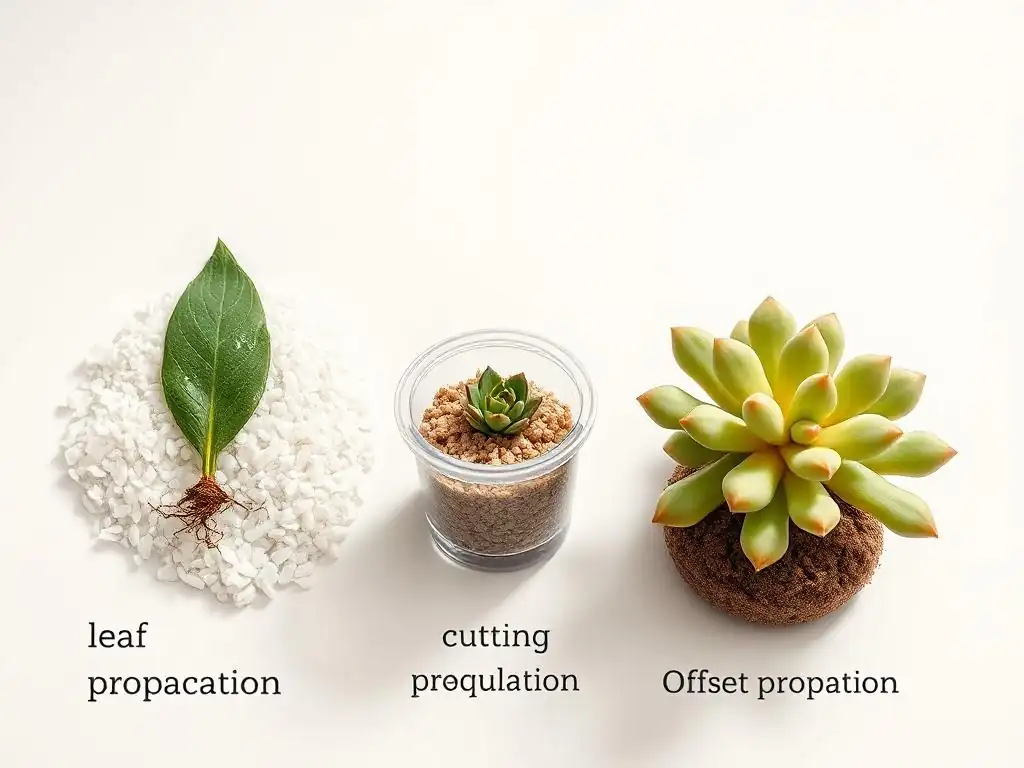
- Cuttings: These are sections of a succulent's stem or branch, severed from the mother plant, that are capable of rooting and developing into independent plants. Stem cuttings are commonly used for many succulent varieties. The size and type of cutting can vary depending on the species.
- Offsets (or pups): These are small, independent plants that grow from the base or along the stems of the mother plant. Offsets are essentially clones of the parent plant and are often easily separated and replanted, making them a popular and simple propagation method. Many Echeveria and Sedum varieties readily produce offsets.
- Leaves: While less common for some species, leaf propagation involves using individual leaves to grow new plants. Certain succulents, like Kalanchoe, are particularly adept at producing plantlets from their leaves. The process involves careful detachment and allowing the leaf to callus before planting.
- Seeds: Succulent seeds are tiny and require specific conditions for germination. Seed propagation is a more time-consuming method but allows for the creation of genetically diverse plants, offering the chance to cultivate new and unique varieties. However, it's important to note that many hybrid succulents will not produce true-to-type offspring from seed.
Essential Tools for Successful Succulent Propagation
The right tools can significantly improve your success rate in succulent propagation. While some methods require minimal equipment, having the proper tools ensures a cleaner, more efficient, and less stressful process for your plants.
| Tool | Purpose | Importance |
|---|---|---|
| Sharp, Clean Knife/Blade | Making clean cuts on stems and leaves to prevent damage and rot. | Prevents the introduction of diseases and ensures a clean cut for quicker callusing and rooting. |
| Potting Mix | A well-draining mix specifically formulated for succulents. | Crucial for preventing root rot, a common problem in succulent propagation. |
| Small Pots/Containers | To house the cuttings, offsets, or seedlings. | Provides individual space for each new plant to develop its root system without competition. |
| Rooting Hormone (Optional) | Speeds up the rooting process and improves success rates, especially for cuttings. | Particularly beneficial for difficult-to-propagate species or when using leaf propagation. |
| Spray Bottle | For gently watering newly propagated succulents. | Prevents overwatering, which can lead to rotting. Provides consistent moisture without saturating the soil. |
Choosing the Right Time for Propagation: Seasonal Considerations
Timing is everything when it comes to succulent propagation. The optimal time for propagation varies depending on the species and your climate, but generally, spring and early summer are ideal. During these seasons, the succulents are actively growing, providing the best conditions for successful rooting and establishment.
The warmer temperatures and increased sunlight during these months promote faster growth and reduce the risk of fungal infections or rot. Avoid propagating succulents during the dormant winter months when growth slows, and the plants are more susceptible to stress. Observe your specific succulent's growth cycle; some may have a different optimal propagation period. Pay close attention to environmental conditions, adjusting your propagation schedule accordingly to maximize your chances of success. Proper timing coupled with appropriate care significantly increases your chances of propagating healthy, thriving succulents.
Popular Succulent Propagation Methods: A Step-by-Step Guide
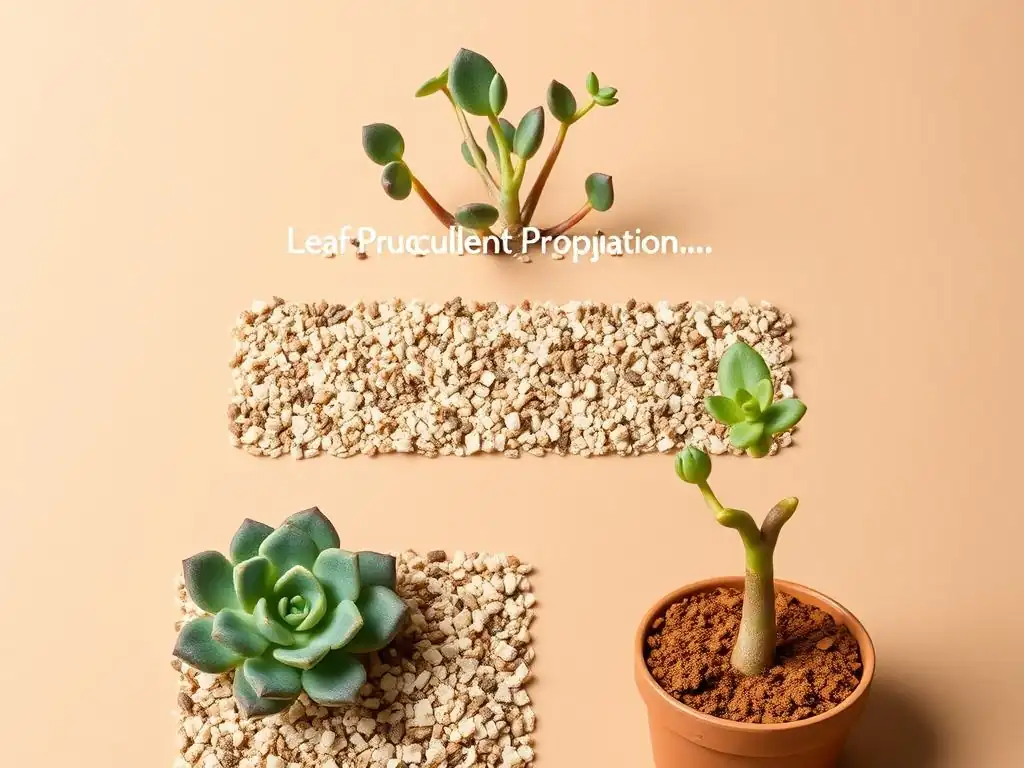
This section delves into the practical aspects of succulent propagation, providing detailed, step-by-step instructions for two popular methods: leaf propagation and cutting propagation. Mastering these techniques will allow you to expand your succulent collection and share these beautiful plants with others. This guide focuses on providing a comprehensive understanding of the succulent propagation methods, ensuring success even for novice plant enthusiasts.
Leaf Propagation: A Detailed Guide for Beginners
Leaf propagation, a remarkably simple yet effective method, allows you to grow new succulents from individual leaves. It's particularly well-suited for beginners due to its ease and high success rate with many succulent varieties. However, remember that not all succulents propagate easily from leaves; some species are better suited to other methods.
Selecting Healthy Leaves for Propagation
Choosing the right leaves is crucial for successful propagation. Select plump, mature leaves that are free from pests, diseases, or damage. Avoid leaves that are overly small, yellowing, or showing signs of stress. The ideal leaf should be firm to the touch and display a vibrant color characteristic of its species. Look for leaves from the outer, healthier sections of the plant, avoiding those near the center which might be younger and less vigorous. Gentle handling is important to prevent damage to the leaf's delicate structure.
Preparing the Leaves and Planting Medium
Once you've selected your leaves, gently twist or carefully cut them from the mother plant at the base. Let the cut ends callus over for a few days. This allows the wound to heal, preventing rot. A well-draining planting medium is essential. A mixture of coarse sand, perlite, and well-draining potting soil is ideal. Avoid using heavy soils that retain too much moisture. The leaves are then placed on top of the soil, ensuring they are not buried completely. Only a slight indentation is necessary to provide some contact with the medium.
Caring for Leaf Cuttings: Watering and Light Requirements
After planting, keep the leaves slightly moist but not soggy. Overwatering is a common mistake that can lead to rot. Allow the soil to dry slightly between waterings. Provide bright, indirect light. Avoid direct sunlight, which can scorch the delicate leaves. Within a few weeks, you should see small roots and eventually, new plantlets emerging from the base of the leaves. Patience is key; the process can take several weeks to months, depending on the species and environmental conditions.
Troubleshooting Common Issues in Leaf Propagation
- Rotting: This is often caused by overwatering. Ensure good drainage and allow the soil to dry out completely between waterings.
- No Growth: Insufficient light or a poorly draining medium can hinder growth. Check the lighting conditions and ensure the soil is well-draining.
- Slow Growth: This can be due to low temperatures or inadequate nutrients. Maintain a warm environment (above 60°F) and consider fertilizing lightly once roots are established.
Cutting Propagation: Mastering Stem and Branch Cuttings
Cutting propagation involves taking stem or branch cuttings from your succulents and rooting them to create new plants. This method is particularly suitable for succulents that don't readily propagate from leaves. It's a slightly more advanced technique than leaf propagation, but still relatively straightforward. This method allows for faster propagation than leaf propagation in certain species.
Selecting Suitable Stem and Branch Cuttings
Select healthy, firm stems or branches that are free from diseases or pests. Aim for cuttings that are at least 2-4 inches long, depending on the succulent species. Use sharp, clean pruning shears to avoid crushing or damaging the stem. The ideal cutting should be from a mature, actively growing part of the plant.
Preparing Cuttings for Planting: Techniques for Echeveria, Sedum, and Crassula
Before planting, allow the cut ends to callus over for a few days in a dry, shaded area. This prevents rot. For Echeveria, Sedum, and Crassula, you may remove the lower leaves from the base of the cutting to prevent them from rotting in the soil. Different succulents may require different treatments. For example, some may benefit from the application of rooting hormone powder to enhance root development.
Planting and Caring for Cuttings: Watering, Light, and Humidity Control
Plant the cuttings in a well-draining succulent potting mix. Make sure not to bury the cutting too deep; only the lower part should be covered with soil. Water sparingly, allowing the soil to dry out between waterings. Provide bright, indirect light, and maintain moderate humidity. Avoid direct sunlight, which can cause the cuttings to dry out and wilt. Regularly check for signs of root development, and once established, increase watering frequency slightly. Success with cutting propagation often depends on carefully balancing moisture and light exposure. Consistent monitoring is key to achieving optimal results.
Offset Propagation: Easy Multiplication for Many Succulents
Offset propagation, also known as pup propagation, is one of the simplest and most popular methods for multiplying succulents. Many succulent varieties naturally produce offsets, or "pups," – small, genetically identical plantlets that grow from the base of the mother plant. These offsets develop their own root systems, making them ideal for propagation. This method is particularly effective for species like Echeveria, Sedum, and Kalanchoe, which readily produce numerous offsets.
The ease of this method makes it a great entry point for beginners in the world of succulent propagation. Successfully propagating succulents via offsets allows for the rapid expansion of a collection with minimal effort and cost, making it a favorite among both novice and experienced succulent enthusiasts. The resulting plants are clones of the parent plant, ensuring consistent characteristics.
Identifying and Separating Offsets
Before attempting to separate offsets, carefully examine the mother plant. Look for small plantlets emerging from the base or even along the stems of the succulent. These offsets will typically have tiny, nascent roots already beginning to form.
It's crucial to ensure the offsets are sufficiently developed before separation. A good rule of thumb is to wait until the offsets are at least one-third to one-half the size of the mother plant, possessing a noticeable root system. Gently loosen the soil around the base of the mother plant to expose the offsets and their roots.
Using a clean, sharp knife or pair of scissors, carefully sever the offset from the mother plant, ensuring a clean cut to minimize the risk of infection. Avoid pulling the offsets, as this can damage both the offset and the mother plant. Remember to always sterilize your tools before and after each use to prevent the spread of diseases.
Preparing Offsets for Planting
Once separated, allow the offsets to callus over for a few days. This allows the cut ends to dry and form a protective layer, reducing the risk of rot. Place the offsets in a dry, shaded area with good air circulation. Once calloused, you can proceed with planting. The choice of potting mix is crucial for successful propagation.
A well-draining mix is essential to prevent root rot, a common problem for succulents. A standard succulent potting mix, typically comprised of a combination of perlite, coarse sand, and peat moss, works well. Avoid using garden soil, which retains too much moisture. The potting mix should be slightly damp but not soggy.
Planting and Aftercare for Offsets
Plant the offsets in small pots or directly into the ground, ensuring the calloused end is buried slightly. Water sparingly after planting, allowing the soil to dry out completely between waterings. Avoid overwatering, which can lead to root rot and kill the newly planted offsets. Place the newly planted offsets in a bright location, but avoid direct sunlight, especially during the hottest part of the day.
As the offsets establish themselves, gradually increase the amount of sunlight they receive. Regularly inspect the offsets for signs of rot or pests. With proper care, the offsets should root and begin growing within a few weeks. Regular monitoring and careful watering are key to successful offset propagation.
Seed Propagation: A More Challenging but Rewarding Method
Seed propagation offers a different approach to multiplying succulents, presenting a more challenging but ultimately rewarding experience. Unlike offset propagation, which produces clones, seed propagation introduces genetic variation, potentially resulting in unique and diverse plants. However, it's a more time-consuming process with a lower success rate compared to vegetative propagation methods. Patience and attention to detail are crucial for successful seed germination and seedling development. This method allows for the cultivation of rare or hard-to-find succulent varieties from seed, offering a unique challenge and a sense of accomplishment for experienced succulent enthusiasts.
Sowing Succulent Seeds: Choosing the Right Medium and Container
Selecting the appropriate sowing medium is paramount for successful seed germination. A well-draining mix is crucial, as excess moisture can lead to fungal diseases and seed rot. A suitable mix typically comprises a combination of fine perlite, vermiculite, and seed-starting mix. Avoid using garden soil due to its tendency to retain excessive moisture. The container should provide adequate drainage to prevent waterlogging. Small pots or seed trays with drainage holes are ideal. Sterilizing the containers and sowing medium beforehand helps prevent fungal infections, enhancing the chances of successful germination.
Germination and Seedling Care: Temperature and Humidity Control
Succulent seeds generally require warm temperatures for germination, typically between 70-75°F (21-24°C). Maintaining consistent warmth is crucial during the germination phase. A propagator or heat mat can be used to provide a stable temperature. High humidity can also promote germination, but excessive moisture can be detrimental. Gentle misting of the sowing medium can help maintain humidity without causing waterlogging. Adequate light is essential for seedling development. Bright, indirect light is ideal; avoid direct sunlight, which can scorch delicate seedlings. Regular monitoring is necessary to ensure the sowing medium remains slightly moist but not waterlogged.
Transplanting Seedlings: Timing and Techniques
Once seedlings have developed a few true leaves (usually after several weeks), they are ready for transplanting. Gently remove the seedlings from the sowing medium, ensuring not to damage their delicate roots. Use a small spoon or similar tool to carefully separate the seedlings. Individual seedlings can then be transplanted into small pots filled with a well-draining succulent potting mix.
Handle the seedlings with utmost care to avoid damaging their roots or leaves. The initial watering after transplanting should be light, allowing the soil to dry out slightly between waterings to prevent root rot. As the seedlings grow, gradually increase the amount of sunlight they receive. Patience and careful attention to detail are key to successfully raising succulent seedlings from seeds.
Advanced Succulent Propagation Techniques
This section delves into more sophisticated succulent propagation methods beyond the basics of leaf cuttings and offsets. These techniques offer unique advantages, allowing for the creation of hybrid varieties, propagation of challenging species, and large-scale commercial production. Mastering these methods elevates your succulent propagation game to a new level of expertise. Understanding these advanced techniques is crucial for any serious succulent enthusiast aiming for a diverse and thriving collection. This guide will explore three key advanced methods: grafting, air layering, and tissue culture.
Grafting Succulents: Combining Varieties for Unique Plants
Grafting succulents involves joining two different succulent plants – a rootstock and a scion – to create a single plant with the characteristics of both. The rootstock provides the root system and often contributes to vigor and disease resistance, while the scion provides the desirable leaves, flowers, or other aesthetic qualities. This technique allows for the creation of unique hybrids and the preservation of rare or difficult-to-propagate varieties.
Successful grafting requires precision and sterile techniques to minimize the risk of infection. The process typically involves carefully preparing both the rootstock and scion by making clean, angled cuts. The cut surfaces are then firmly pressed together and secured with a grafting clip or rubber band to ensure proper contact and healing. The grafted plant needs to be kept in a humid environment and protected from direct sunlight until the graft union is complete.
Consider these points when grafting succulents:
- Rootstock Selection: Choose a healthy, vigorous rootstock with a compatible species to the scion. A strong root system is crucial for the success of the graft. Common rootstocks include Echeveria and Sedum species due to their robust root systems and adaptability.
- Scion Selection: Select a healthy, disease-free scion with desirable traits. The scion should be a relatively small cutting, ensuring it doesn't overwhelm the rootstock.
- Timing: Grafting is best performed during the succulent's active growing season (spring or summer) when cell division is most active, promoting faster healing and union.
- Post-Graft Care: Maintaining high humidity and avoiding excessive watering are crucial in the initial stages. Regular monitoring for signs of infection is also essential.
The successful grafting of succulents often results in unique and visually stunning plants that showcase the combined characteristics of both the rootstock and scion. It's a rewarding technique that expands the possibilities within succulent cultivation and allows the creation of truly unique specimens.
Air Layering: A Method for Difficult-to-Propagate Species
Air layering, also known as aerial layering, is a propagation method used to root a stem while it's still attached to the parent plant. This is particularly useful for succulents that are difficult to propagate from cuttings or offsets, or those with thick, woody stems. The process involves wounding a stem, applying rooting hormone, and wrapping it with moist sphagnum moss to encourage root development. Once roots have formed, the layered stem can be carefully severed from the parent plant and potted.
The success of air layering depends on several factors, including the health of the parent plant, the proper application of rooting hormone, and maintaining adequate moisture levels. The method is especially effective for succulents that are slow-growing or have difficulty rooting from cuttings. This technique allows for the propagation of specific cultivars or rare species, preserving their unique genetic makeup.
Here's a step-by-step guide to air layering succulents:
- Select a stem: Choose a healthy, mature stem that's about 1/4 to 1/2 inch thick.
- Wound the stem: Make a ring of cuts around the stem, removing a small section of bark.
- Apply rooting hormone: Apply a rooting hormone powder to the wound.
- Wrap with sphagnum moss: Wrap the wounded area with moist sphagnum moss, securing it with plastic wrap or aluminum foil.
- Maintain moisture: Keep the moss consistently moist, but not waterlogged.
- Monitor for root development: Check regularly for root development, which can take several weeks or even months.
- Sever and pot: Once roots have developed, carefully sever the layered stem below the root mass and plant it in a suitable potting mix.
Tissue Culture Propagation: Applications in Large-Scale Succulent Production
Tissue culture propagation is a sophisticated technique used for the mass production of succulents. This method involves growing plantlets from small pieces of plant tissue in a sterile, nutrient-rich medium. This allows for the rapid multiplication of desirable cultivars and the production of disease-free plants on a large scale. It's commonly employed in commercial nurseries for the production of succulents for sale.
Tissue culture offers several advantages over traditional propagation methods. It enables the rapid propagation of large numbers of plants from a small amount of starting material, ensuring consistency and uniformity in the resulting plants. Furthermore, it allows for the elimination of diseases and viruses, producing healthy and vigorous plants. However, it requires specialized equipment, a sterile environment, and expertise in plant tissue culture techniques.
This method is less accessible to home hobbyists due to its technical complexity and cost. The application of tissue culture is primarily found in commercial settings where the propagation of large quantities of identical plants is required. The process involves several steps, including sterilization, explant preparation, culture initiation, multiplication, and acclimatization. Each step requires careful control of environmental factors such as temperature, light, and humidity.
Troubleshooting Common Propagation Problems
Succulent propagation, while rewarding, can present challenges. Understanding and addressing these issues proactively is crucial for success. This section focuses on common problems encountered during propagation, providing practical solutions to maximize your success rate and yield healthy, thriving succulents. This guide will help you navigate the intricacies of succulent propagation methods, ensuring a bountiful harvest of these fascinating plants.
Preventing and Treating Rot in Succulent Cuttings
Rot, caused by fungal or bacterial infections, is a frequent nemesis in succulent propagation. High humidity and overly moist soil create the perfect breeding ground for these pathogens. Preventing rot starts with proper sanitation and careful watering techniques.
- Sanitation is Key: Before propagation, sterilize your tools (knives, scissors) with rubbing alcohol to prevent the spread of pathogens from one cutting to another. Similarly, ensure your potting mix is fresh and free from contaminants. Using a well-draining, sterile succulent and cacti mix is paramount.
- Watering Wisely: Overwatering is the most common cause of rot. Allow the soil to dry completely between waterings. Instead of frequent, light watering, opt for infrequent, thorough watering that allows excess water to drain freely. Observe the soil moisture level before watering; stick your finger a couple of inches into the soil – if it feels dry, it's time to water.
- Signs of Rot: Keep a close eye on your cuttings. Signs of rot include mushy, discolored, or foul-smelling leaves or stems. If you notice any signs of rot, act quickly!
- Treatment: If rot is detected, immediately remove the affected parts using a sterilized knife. Apply a fungicide or bactericide to the affected area and allow the cutting to callus again before replanting in fresh, dry soil. In severe cases, the entire cutting may need to be discarded to prevent the spread of infection.
Remember, prevention is always better than cure. By following these guidelines, you can significantly reduce the risk of rot and increase your propagation success rate. Proper hygiene and mindful watering are the cornerstones of preventing this common propagation problem.
Dealing with Pests and Diseases During Propagation
While succulents are generally resilient, they can still fall prey to pests and diseases, particularly during propagation when they are more vulnerable. Early detection and appropriate treatment are vital to safeguarding your precious cuttings.
- Common Pests: Mealybugs, aphids, and spider mites are common pests that can infest succulent cuttings. These tiny creatures suck the sap from the plants, weakening them and potentially leading to their demise.
- Disease Detection: Regularly inspect your cuttings for signs of infestation. Look for white cottony masses (mealybugs), small insects clustering on leaves (aphids), or fine webbing (spider mites). Also, be vigilant for signs of fungal or bacterial diseases, such as leaf spots or discoloration.
- Pest and Disease Control: For minor infestations, you can often manually remove pests with a cotton swab dipped in rubbing alcohol. For more severe infestations, consider using insecticidal soap or neem oil, following the product instructions carefully. Always choose organic methods whenever possible to avoid harming beneficial insects and the environment. For fungal or bacterial diseases, fungicides or bactericides may be necessary.
- Quarantine: To prevent the spread of pests and diseases, it's recommended to quarantine newly propagated cuttings for a few weeks before introducing them to your established succulent collection. This allows you to monitor them closely and address any issues before they can affect other plants.
Ensuring Optimal Growth Conditions for Propagated Succulents
Providing the right environment is essential for successful succulent propagation. This involves careful consideration of light, temperature, and humidity levels.
- Light Requirements: Most succulents thrive in bright, indirect light. Avoid direct sunlight, especially during the hottest part of the day, as it can scorch the delicate cuttings. A south-facing window with sheer curtains or a grow light can provide ideal conditions.
- Temperature Control: Succulents prefer warm temperatures, generally between 65-80°F (18-27°C). Avoid extreme temperature fluctuations, which can stress the plants and hinder their growth.
- Humidity Management: Succulents generally prefer low humidity. High humidity can lead to fungal diseases and rot. Ensure good air circulation around your cuttings to prevent excessive humidity.
- Soil Drainage: As mentioned earlier, using a well-draining soil mix is crucial. A mix specifically designed for cacti and succulents is ideal, as it ensures proper drainage and aeration. Avoid heavy clay soils that retain too much moisture.
By carefully managing these environmental factors, you can create an optimal environment for your propagated succulents to thrive, fostering healthy growth and ensuring a successful propagation journey. Remember, patience and attention to detail are key to achieving a flourishing collection.
Harvesting and Potting Your Propagated Succulents
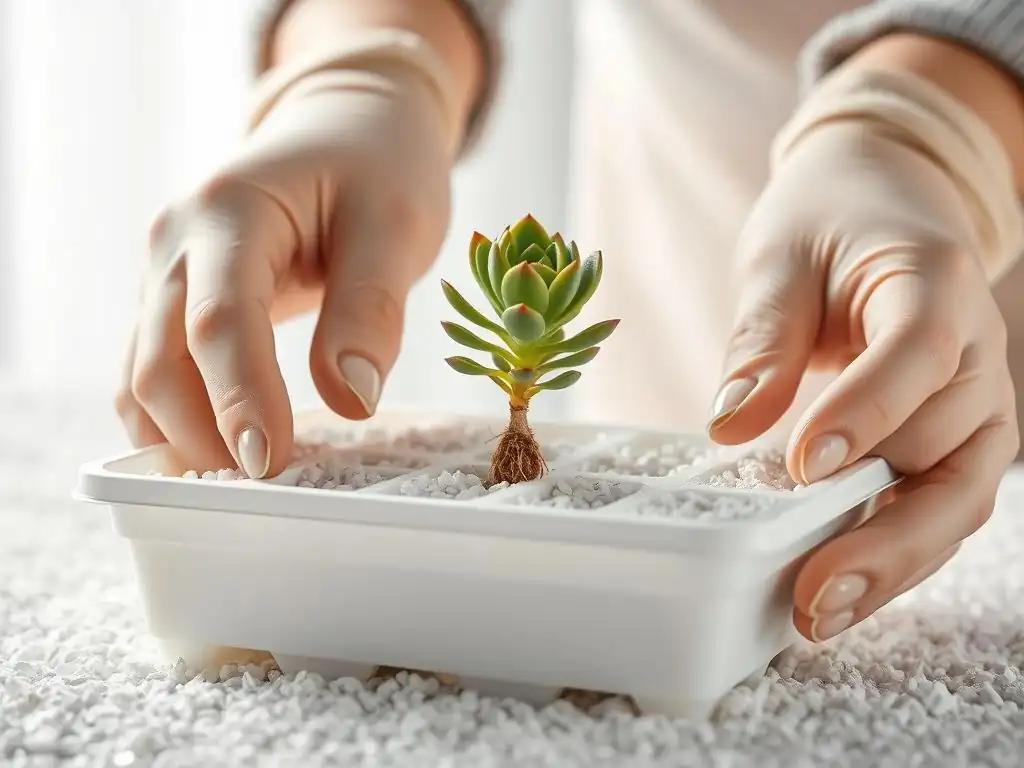
This section delves into the crucial steps following successful succulent propagation: harvesting and potting your new plants. Successfully propagating succulents is only half the battle; nurturing these delicate cuttings into thriving plants requires careful attention to detail. This involves understanding the ideal timing for harvesting, selecting the appropriate potting medium, and employing gentle yet effective potting techniques. Mastering these steps significantly increases your chances of propagating healthy and robust succulents, contributing to a flourishing collection. Let's explore these essential aspects of succulent propagation.
Acclimating Propagated Succulents to Their New Environment
Once your succulent cuttings have developed healthy roots (typically several weeks after propagation, depending on the method and species), they're ready for transplanting. However, abruptly changing their environment can shock the plants, leading to stress and potentially hindering their growth. A gradual acclimation process is crucial for successful transplantation.
Start by placing the newly rooted cuttings in a shaded area for a few days. This allows them to adjust to the slightly different light conditions of their new environment before being exposed to full sun. Gradually increase their sun exposure over a week or two, moving them to brighter locations for increasingly longer periods each day. Observe the plants closely for signs of stress, such as wilting or discoloration.
If you notice any negative reactions, reduce sun exposure and allow them more time to adapt. Careful acclimation significantly improves their survival rate and reduces the risk of transplant shock. Think of it as a gentle introduction to their new home!
Selecting the Right Potting Mix for Your Propagated Succulents
Choosing the right potting mix is paramount for the long-term health of your propagated succulents. Unlike many other plants, succulents thrive in well-draining soil that prevents waterlogging, a common cause of root rot. A poorly draining mix can lead to a build-up of moisture around the roots, ultimately suffocating them and killing the plant.
An ideal potting mix for succulents typically consists of a blend of inorganic and organic materials. A common recipe includes:
- 2 parts perlite: This volcanic glass provides excellent drainage and aeration.
- 1 part coarse sand: Enhances drainage and prevents compaction.
- 1 part potting soil: Provides essential nutrients.
You can also incorporate other materials such as pumice, coco coir, or vermiculite to further improve drainage and aeration. Avoid using garden soil, as it tends to retain too much moisture and can harbor pathogens harmful to succulents. The specific ratio can be adjusted based on your climate and the specific succulent species you are propagating. Remember that good drainage is key to successful succulent cultivation. The right mix is a crucial aspect of your succulent propagation methods guide.
Repotting Your Propagated Succulents: Timing and Techniques
Repotting your propagated succulents is necessary as they grow and outgrow their initial containers. The ideal timing for repotting depends on several factors, including the growth rate of the specific succulent species and the size of the pot. Generally, repotting is recommended when the roots become pot-bound, meaning they've filled the entire container and are starting to circle around the bottom.
When repotting, handle the succulent gently to avoid damaging its fragile roots and leaves. Use a clean, sharp tool to carefully remove the plant from its current pot. Gently loosen the roots if necessary, but avoid pulling them apart. Prepare a new pot slightly larger than the previous one, ensuring it has adequate drainage holes.
Add a layer of your well-draining succulent potting mix to the bottom of the pot. Place the succulent in the new pot, ensuring the top of the root ball is level with the soil surface. Fill in around the roots with more potting mix, gently firming it around the base of the plant. Avoid burying the stem too deeply.
After repotting, water the succulent sparingly and keep it in a shaded location for a few days to allow it to acclimate to its new home. Regular repotting, using the right techniques and timing, is a vital component of any comprehensive succulent propagation methods guide. Careful handling and the right environment guarantee the ongoing health and vibrancy of your propagated succulents. 🌱
Creative Uses for Propagated Succulents
This section explores the diverse and exciting ways you can utilize your successfully propagated succulents, moving beyond simply planting them in pots. Propagation opens up a world of creative possibilities, transforming these resilient plants into unique decorative elements and thoughtful gifts. Mastering succulent propagation methods not only expands your collection but also unlocks a wealth of artistic expression. Let's delve into some inspiring ideas.
Creating Succulent Arrangements with Propagated Plants
Propagated succulents, with their smaller size and often plentiful numbers, are perfectly suited for crafting intricate and eye-catching arrangements. Instead of relying solely on purchasing mature plants, you can cultivate a personalized collection tailored to your aesthetic preferences. Consider these arrangement ideas:
- Miniature Gardens: Use small, propagated succulents to create charming miniature landscapes in terrariums or small containers. Vary textures and colors for a visually stimulating effect. Experiment with different soil types and decorative elements like pebbles and miniature figurines to enhance the miniature garden's appeal. This is a fantastic way to showcase your propagation skills and create unique, personalized gifts.
- Vertical Gardens: Propagated succulents, especially those with trailing habits, are ideal for creating vertical gardens. They can be planted in hanging planters, wall pockets, or even repurposed items such as old picture frames or shelves. This method maximizes space and adds a touch of vertical interest to any room. The ease of propagation means you can quickly fill a vertical garden with a variety of succulents, creating a stunning display.
- Succulent Wreaths and Topiaries: With enough propagated cuttings, you can create unique wreaths and topiaries. These can be used as festive decorations or as year-round focal points. The variety of shapes and colors available through propagation allows for endless design possibilities. Consider using wire frames or foam bases as a foundation for these creative projects.
- Dish Gardens: Shallow dishes or bowls can be transformed into beautiful succulent displays using a variety of propagated plants. The compact nature of propagated succulents makes them perfect for these low-profile arrangements. Experiment with different shapes, textures, and colors to create a visually pleasing and harmonious design. Remember to use well-draining soil to prevent root rot.
The joy of succulent propagation extends beyond personal enjoyment; it's a fantastic way to share your passion with others. Gifting and trading propagated succulents fosters a sense of community among plant enthusiasts. Here's how you can share your bounty:
- Gifting: Propagated succulents make thoughtful and unique gifts for any occasion. A small pot containing a few thriving cuttings is a personalized and lasting present. Include care instructions to ensure the recipient's success. Consider presenting the gift in a decorative pot or container to add an extra touch of elegance. This is particularly appreciated by fellow succulent enthusiasts.
- Trading: Joining online or local succulent communities allows for the exchange of propagated plants. Trading is a fun way to expand your collection while sharing your own propagated succulents. This creates a network of plant lovers and provides opportunities to learn about new varieties. Remember to clearly label your cuttings with their names and any special care requirements.
The abundance provided by successful succulent propagation methods transforms a hobby into a generous and creative outlet. Sharing the fruits (or rather, the leaves!) of your labor strengthens the community and expands the joy of succulent cultivation. The ease and affordability of propagation make it an ideal way to share your passion with friends, family, and fellow succulent lovers.
Frequently Asked Questions
What are the most common succulent propagation methods?
Succulent propagation is surprisingly easy! The most common methods include leaf cuttings, stem cuttings, and offset propagation. Each method offers a unique approach depending on the succulent species.
How do I propagate succulents from leaf cuttings?
Simply remove a healthy leaf, allow the cut end to callus for a few days, and then place it on well-draining soil. Keep the soil slightly moist and ensure bright, indirect light. Roots and eventually a new plant will develop.
What is the best time of year to propagate succulents?
The spring and summer months are generally ideal for succulent propagation. Warmer temperatures and increased sunlight promote faster growth and rooting. However, successful propagation can still happen in other seasons with proper care.
How long does it take for succulent cuttings to root?
Rooting time varies greatly depending on the species and method. It can take anywhere from a few weeks to several months. Patience is key, and providing the right conditions will significantly speed up the process.
What are some tips for successful succulent propagation?
Use well-draining soil to prevent rot. Ensure adequate light but avoid direct, intense sunlight, especially for newly rooted cuttings. Also, avoid overwatering – let the soil dry out between waterings.
Final Reflection: Cultivating Growth, Nurturing Legacy
The art of succulent propagation, once a niche hobby, is experiencing a vibrant resurgence, reflecting a growing global desire for connection with nature and sustainable practices. This renewed interest isn't merely a trend; it's a testament to the enduring power of simple acts of creation and the inherent beauty found in nurturing life, even in the most arid of environments. The techniques detailed in this guide, from leaf cuttings to offsets, represent more than just methods; they are pathways to fostering resilience and appreciating the cyclical nature of growth.
The enduring appeal of succulents, with their diverse forms and remarkable adaptability, speaks to a deeper human need for connection with the natural world. Their propagation, a process both simple and deeply rewarding, mirrors our own capacity for growth and renewal. The earth laughs in flowers.
- Ralph Waldo Emerson. This quote beautifully encapsulates the joy and wonder inherent in the process of nurturing these resilient plants, a joy that extends beyond the individual to encompass a shared appreciation for the beauty and tenacity of life itself. The historical context explored in this guide highlights how this practice has been passed down through generations, a living testament to the enduring human connection with the natural world.
Consider the small act of planting a single leaf, a seemingly insignificant gesture. Yet, from this humble beginning, a new life emerges, a testament to the potential for growth and renewal that resides within each of us. You, too, can participate in this cycle of life and creation. Try your hand at propagating succulents; embrace the quiet satisfaction of nurturing life, and discover the profound connection between the miniature world of these plants and the larger tapestry of our own existence. Let the resilience of the succulent inspire your own journey of growth and renewal.
Unleash Your Inner Plant Propagator!
Thank you for joining us on this journey into the fascinating world of succulent propagation! We hope you've gained valuable insights and a newfound appreciation for these resilient plants. Now it's time to put your knowledge to the test.
Here's how you can continue your learning:
- Start your own succulent propagation project! Choose a leaf, stem cutting, or offset from one of your succulents and apply the techniques we've discussed. This is your chance to expand your collection and share the joy of growing these amazing plants!
- Share your propagation successes (and challenges!) with our community on social media using #SucculentEssentials. We'd love to see your progress and offer support.
- Learn more about the rich history of succulent cultivation. Research your favorite species and discover the fascinating stories and cultural significance behind these remarkable plants.
What propagation method will you try first, and which succulent are you most excited to propagate?