
The Story of Succulents in Africa: A Continent Rich in Succulent Diversity

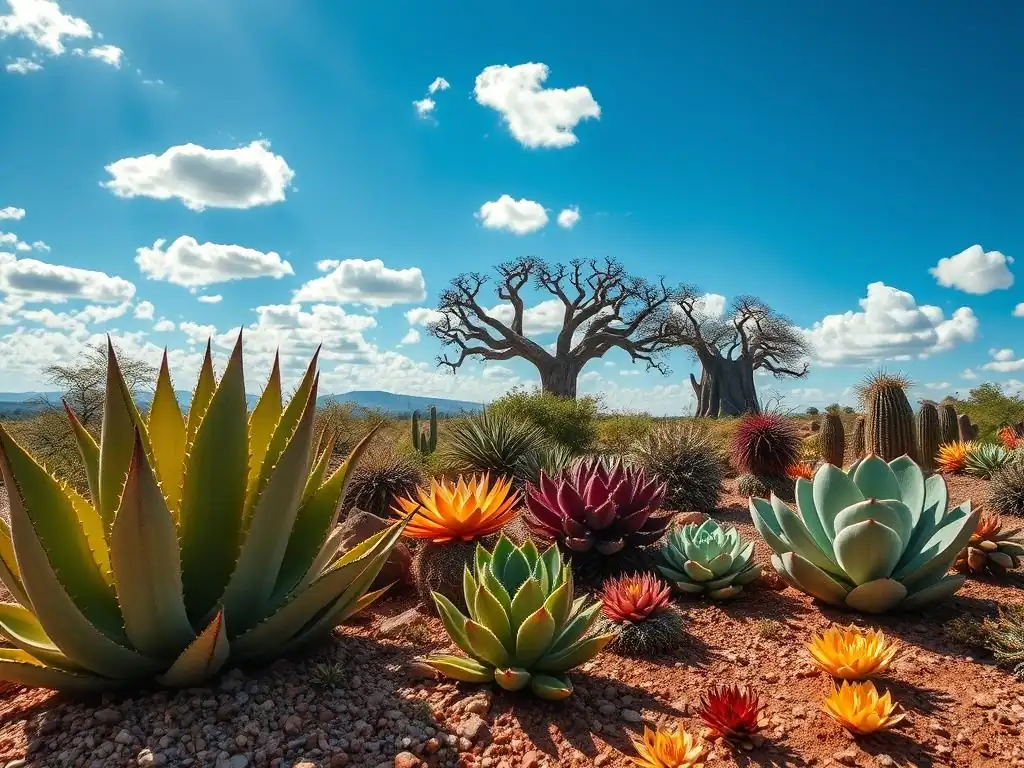
Welcome to SucculentEssentials.org, your gateway to the captivating world of succulents! Prepare to be amazed by the incredible diversity of these resilient plants, especially the stunning array of African succulent plant varieties. Discover the secrets to thriving succulent gardens, from expert care guides to inspiring DIY projects. Intrigued? Then dive in and explore the rich tapestry of succulent life – starting with our fascinating journey into the heart of Africa's succulent heartland!
- A Deep Dive into African Succulent Plant Varieties
-
Exploring Key Regions of African Succulent Biodiversity
- Southern Africa's Succulent Karoo: A Hotspot of Endemic Species
- Eastern Africa's Diverse Succulent Flora: Specific Regions and Specific Species in Kenya, Tanzania, and Madagascar
- Northern Africa's Succulents: Adapting to Arid Climates
- Western Africa's Less-Known Succulent Communities: Examples and Challenges of Identification in the Sahel Region
- Iconic African Succulent Genera: A Closer Look
- Conservation Challenges and the Future of African Succulents
- Cultivating African Succulents: A Guide for Enthusiasts
-
Frequently Asked Questions
- What is the main focus of SucculentEssentials.org regarding African succulents?
- How many different African succulent varieties are covered on the site?
- Are there specific care instructions for African succulent varieties?
- Where can I find propagation tips for African succulents on the site?
- What creative arrangement ideas are available for African succulents?
- Final Reflection: A Legacy of Resilience in the African Sands
- Unlock Africa's Succulent Secrets!
A Deep Dive into African Succulent Plant Varieties
Africa, the second-largest continent, boasts an astonishing diversity of succulent plant life. This article explores the fascinating story of succulents in Africa, delving into their ancient origins, their interaction with human cultures, and the unique environmental factors that have shaped their remarkable variety. From the arid deserts to the coastal regions and mountainous terrains, African succulents have evolved incredible adaptations to thrive in some of the harshest conditions on Earth. Understanding this rich history and the diverse environments that nurture these plants provides crucial context for appreciating the beauty and resilience of African succulent plant varieties, a key element for successful cultivation and conservation efforts. We will uncover the evolutionary journey of these remarkable plants, exploring their ethnobotanical significance and the ecological factors that have contributed to their impressive biodiversity, ultimately enhancing your understanding of African succulent plant varieties.
The Ancient Origins of African Succulents: Evolutionary Adaptations
The story of African succulents begins millions of years ago. These plants, characterized by their fleshy leaves and stems adapted to store water, evolved in response to the continent's often harsh and arid climates. The evolutionary pressures of drought, intense sunlight, and nutrient-poor soils drove the development of unique adaptations. These include:
- CAM photosynthesis: A specialized metabolic pathway allowing succulents to open their stomata (pores) at night to take in carbon dioxide, minimizing water loss during the day.
- Succulence: The ability to store large amounts of water in their leaves, stems, or roots.
- Spines and hairs: Protective mechanisms against herbivores and intense solar radiation.
- Shallow root systems: Efficiently absorbing infrequent rainfall.
The fossil record, while incomplete, provides glimpses into the ancient history of African succulents, hinting at a long and complex evolutionary journey shaped by the continent's ever-changing landscapes. Further research is needed to fully understand the timelines and specific evolutionary pathways of these fascinating plants. [Specific information pending regarding fossil discoveries relevant to African succulent evolution].
Early Human Interaction with African Succulents: Ethnobotanical Uses in Traditional Medicine and Culture
For millennia, African communities have interacted with succulents, integrating them into various aspects of their lives. Many succulent species hold significant ethnobotanical value, with traditional uses documented across diverse cultures. These uses frequently include:
- Medicinal applications: Some succulent species possess properties utilized in traditional medicine for treating ailments such as wounds, burns, and digestive issues. [Specific examples of traditional medicinal uses of African succulents pending, including plant species and their associated uses].
- Dietary uses: Certain succulents provide edible parts, offering a source of nutrients and moisture in arid regions. [Specific examples of edible African succulents pending].
- Cultural significance: Succulents may feature in rituals, ceremonies, or decorative arts, reflecting their cultural importance within specific communities. [Specific examples of the cultural significance of African succulents pending].
Understanding these historical interactions provides valuable insights into the complex relationship between humans and the natural environment, highlighting the importance of preserving both the cultural heritage and the biodiversity of African succulent plant varieties.
The Unique Environments Shaping African Succulent Diversity: Desert, Coastal, and Mountain Habitats
The incredible diversity of African succulent plant varieties is directly linked to the continent's varied geography and climatic conditions. Different habitats have driven the evolution of specialized adaptations, resulting in a wide range of forms and species.
| Habitat Type | Characteristics | Example Adaptations | Example Genera (Illustrative) |
|---|---|---|---|
| Desert | Arid, hot, low rainfall | Deep taproots, reduced leaf surface area, spines | Aloe, Euphorbia |
| Coastal | High salinity, strong winds, moderate rainfall | Salt tolerance, wind resistance, succulent leaves | Delosperma, Lampranthus |
| Mountainous | Varying altitudes, temperatures, and rainfall | Adaptations to specific altitude conditions | Crassula, Sedum |
The intricate interplay between these diverse environments and the evolutionary adaptations of succulents has resulted in the rich tapestry of African succulent plant varieties we see today. Further research is essential to fully document and understand the specific environmental factors influencing the distribution and diversity of each species. This knowledge is crucial for effective conservation strategies aimed at protecting these unique and valuable plants. 🌵
Exploring Key Regions of African Succulent Biodiversity
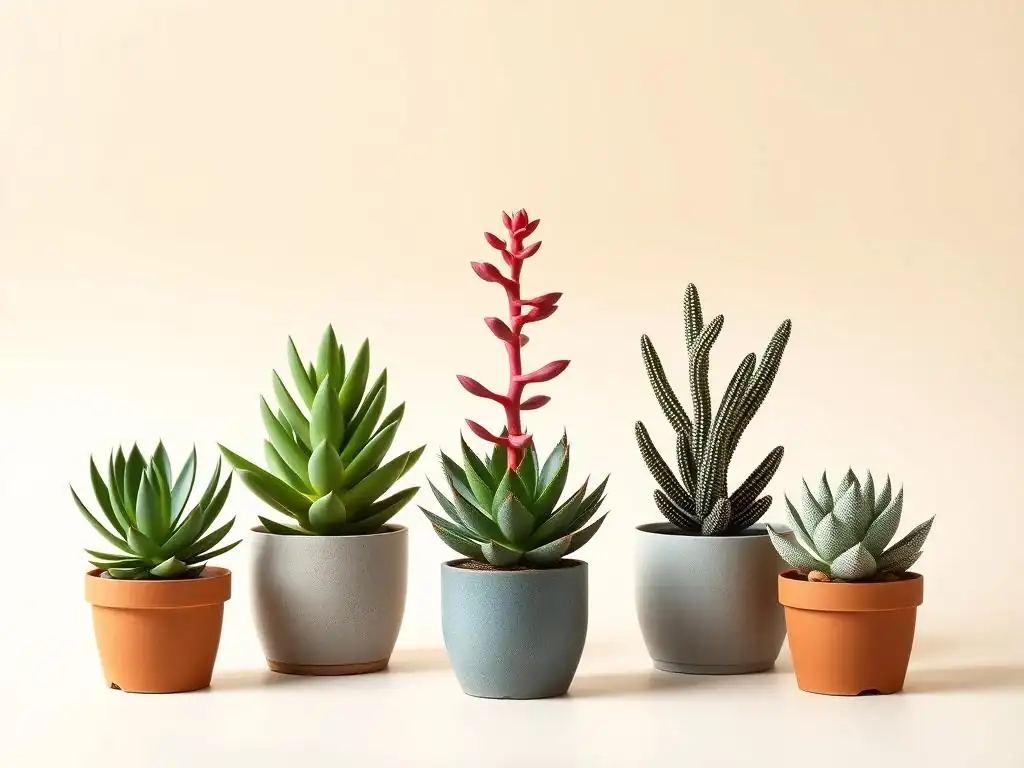
Africa, the cradle of humankind, is also a treasure trove of succulent plant varieties. Its diverse climates, ranging from arid deserts to coastal regions and mountainous areas, have fostered the evolution of a remarkable array of succulent species, many of which are endemic – meaning they are found nowhere else on Earth. Understanding the geographical distribution of these plants is crucial to appreciating the richness and complexity of African succulent biodiversity.
This section will delve into key regions showcasing the continent's remarkable succulent flora. The sheer variety of African succulent plant varieties is astounding, a testament to nature's adaptive power.
Southern Africa's Succulent Karoo: A Hotspot of Endemic Species
The Succulent Karoo, spanning parts of South Africa, Namibia, and a small portion of Botswana, is globally recognized as a biodiversity hotspot. This arid region boasts an extraordinary concentration of succulent species, many of which are highly specialized and adapted to the harsh conditions. The unique geological formations, nutrient-poor soils, and unpredictable rainfall patterns have driven the evolution of remarkable adaptations in these plants. For instance, many species have developed thick, fleshy leaves or stems to store water, while others have evolved specialized root systems to access deep groundwater sources.
The Succulent Karoo is renowned for its high levels of endemism. A significant percentage of the succulent species found here are found nowhere else on the planet. This unique flora includes iconic genera such as Aloe, Haworthia, Conophytum, and Lithops (living stones), each showcasing remarkable diversity in size, shape, and coloration.
These plants often exhibit intricate adaptations to minimize water loss and maximize their chances of survival in this challenging environment. Detailed studies of the Succulent Karoo's flora continue to reveal new species and uncover fascinating insights into the evolutionary processes that have shaped this unique ecosystem. Careful conservation efforts are crucial to protect this irreplaceable natural heritage.
Eastern Africa's Diverse Succulent Flora: Specific Regions and Specific Species in Kenya, Tanzania, and Madagascar
Eastern Africa, while less known for its succulent diversity compared to Southern Africa, still harbors a significant number of fascinating succulent species. The region's varied topography, encompassing coastal plains, highlands, and even mountainous regions, contributes to this diversity. Kenya, Tanzania, and Madagascar, in particular, showcase unique succulent communities.
Kenya's arid and semi-arid regions support a variety of succulent species, including several Euphorbia species adapted to withstand prolonged drought. Tanzania, with its diverse habitats, hosts a mixture of succulents, reflecting the varied environmental conditions across the country. Madagascar, an island nation with a long history of isolation, possesses a remarkably unique succulent flora, characterized by high levels of endemism.
Many of Madagascar's succulents are found nowhere else on Earth, demonstrating the island's unique evolutionary history. The island's unique flora includes diverse species of Pachypodium, Didierea, and other genera showcasing extraordinary adaptations to the island's specific environmental conditions. Further research is needed to fully document the extent of Madagascar's succulent biodiversity and to understand the evolutionary forces that have shaped it.
Northern Africa's Succulents: Adapting to Arid Climates
Northern Africa, encompassing the Sahara Desert and surrounding regions, presents an extremely challenging environment for plant life. However, even in these harsh conditions, a surprising number of succulent species thrive. These plants have evolved remarkable adaptations to survive extreme heat, prolonged drought, and intense sunlight. Many species have developed deep root systems to access underground water sources, while others have reduced leaf surfaces to minimize water loss through transpiration.
The succulent flora of Northern Africa includes various species of Euphorbia, Aloe, and other drought-resistant genera. These plants often exhibit striking adaptations, such as spines for protection against herbivores and thick, fleshy stems for water storage. The Euphorbia species found in this region are particularly noteworthy for their diverse forms and remarkable adaptations to the harsh desert environment.
Their ability to thrive in such extreme conditions highlights the remarkable resilience and adaptability of succulent plants. Understanding the survival strategies of these plants provides valuable insights into the mechanisms of drought tolerance and could inform future research on developing drought-resistant crops. The study of Northern African succulents offers a fascinating glimpse into the remarkable capacity of life to adapt and flourish even in the most challenging environments.
Western Africa's Less-Known Succulent Communities: Examples and Challenges of Identification in the Sahel Region
Western Africa, particularly the Sahel region, presents a unique challenge for succulent enthusiasts and researchers alike. While not as visually striking or diverse as Southern Africa's succulent hotspots, the Sahel harbors a fascinating, albeit less-studied, array of succulent plant varieties. These plants have adapted to the harsh, arid conditions of the region, exhibiting remarkable resilience and unique morphological adaptations. Identifying these species, however, is often difficult due to several factors.
One key challenge lies in the limited taxonomic research conducted in the region. Many succulent species in the Sahel remain undocumented or poorly understood, leading to difficulties in accurate identification. The lack of comprehensive field guides and readily available taxonomic keys further complicates the process. Furthermore, the subtle variations between species, coupled with the environmental pressures that lead to phenotypic plasticity (where a single genotype can express different phenotypes depending on the environment), can make distinguishing between closely related species extremely challenging even for experienced botanists.
Examples of succulent communities in this region often include less visually impressive species compared to their Southern African counterparts. Instead of large, showy rosettes, we often find smaller, less colorful plants that blend seamlessly into their environment. These often belong to genera less familiar to the average succulent enthusiast, perhaps including certain Euphorbia species adapted to extreme drought, or less commonly cultivated members of the Crassulaceae family.
These plants often exhibit adaptations like reduced leaf size, thickened stems for water storage, and specialized root systems to access scarce water resources. They might appear less visually appealing to casual observers, but their evolutionary strategies are equally fascinating and important to understand within the context of African succulent biodiversity.
Another hurdle in identifying Sahel succulents is the ongoing impact of desertification and habitat loss. As the climate changes and human activities alter the landscape, many succulent populations are shrinking, making them harder to locate and study. This loss of habitat not only threatens the survival of these plants but also hinders research efforts aimed at documenting and understanding the full extent of succulent diversity in the region.
Conservation efforts are crucial not only to protect these unique species but also to allow for future research and a more complete understanding of African succulent plant varieties. The need for dedicated botanical surveys and collaborative research projects involving local communities and international experts is paramount to overcome these challenges and fully appreciate the hidden treasures of Western African succulent communities. The future of understanding these plants depends on increased research funding and a collaborative approach to conservation.
Iconic African Succulent Genera: A Closer Look
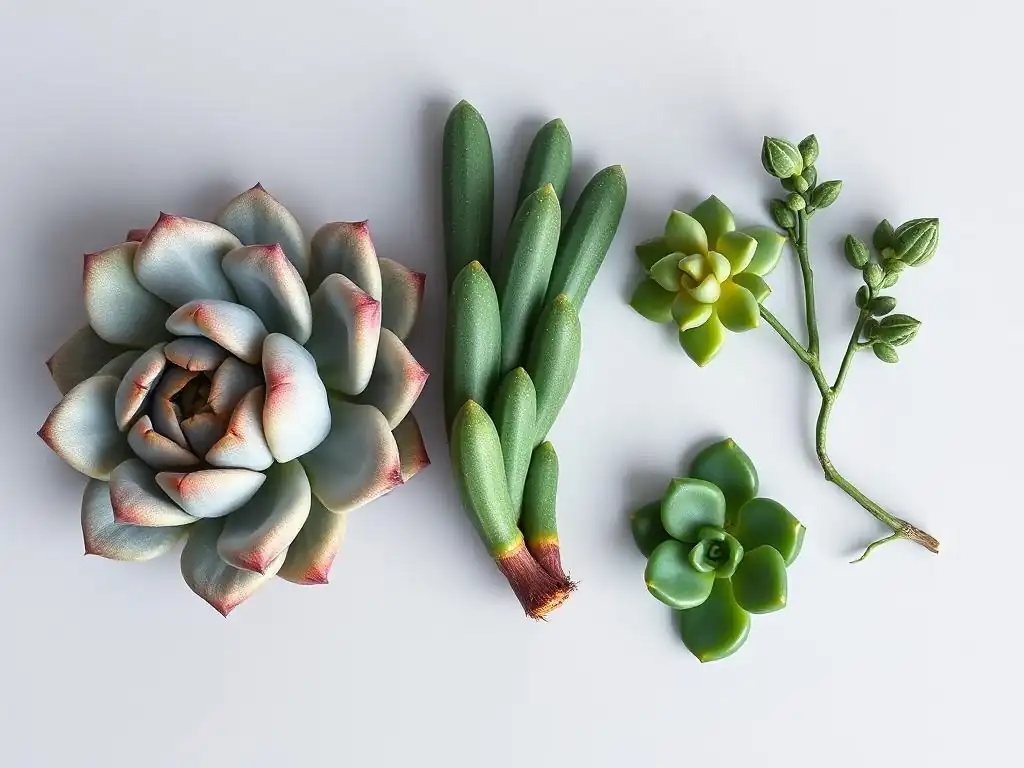
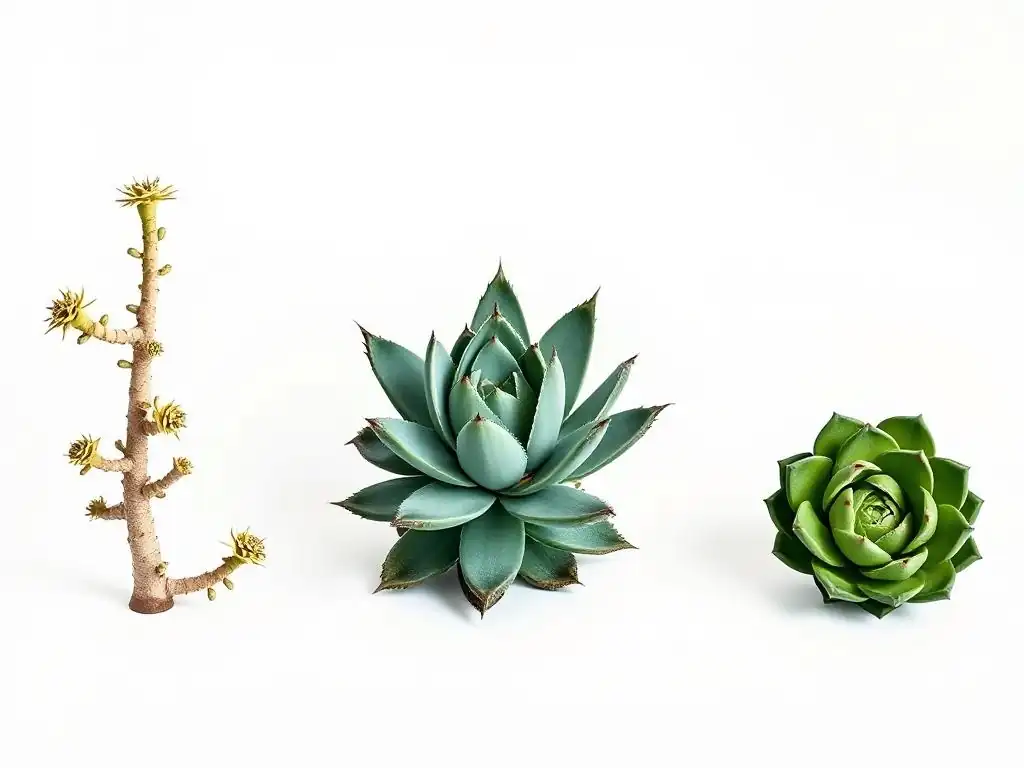
Africa, the cradle of humankind, is also a cradle of incredible succulent diversity. The continent boasts a remarkable array of African succulent plant varieties, showcasing stunning adaptations to harsh, arid environments. This section delves into some of the most iconic genera, highlighting their unique characteristics and geographical distribution. Understanding these genera provides a deeper appreciation for the incredible evolutionary journey of these fascinating plants.
Aloes of Africa: A Diverse and Widely Recognized Genus
The genus Aloe is arguably the most recognizable African succulent genus. With hundreds of species, aloes exhibit an astonishing range of forms, sizes, and colors. They are found throughout the continent, from the arid deserts of Namibia to the more temperate regions of South Africa and beyond.
Many Aloe species are highly sought after by succulent enthusiasts for their striking appearances. For instance, Aloe vera, renowned for its medicinal properties, is widely cultivated globally, yet its origins lie in the Arabian Peninsula and has naturalized in Africa. Other popular species include the tree-like Aloe barberae, found in eastern South Africa and Swaziland, and the striking Aloe polyphylla, the spiral aloe, known for its unique, tightly spiraled leaves and limited distribution in Lesotho.
The diversity within the Aloe genus is further illustrated by the variation in their leaf morphology. Some species have smooth, fleshy leaves, while others possess spiny margins or a powdery coating. These adaptations help them conserve water and protect themselves from herbivores.
Their vibrant flower spikes, ranging in color from yellow and orange to red and pink, are another key characteristic that contributes to their popularity. The intricate relationship between Aloe species and their pollinators, often sunbirds and insects, is a fascinating area of ongoing research. Understanding these interactions is crucial for conservation efforts aimed at preserving the unique African succulent plant varieties within this genus.
Euphorbias of Africa: Specific Examples of Euphorbia Species and Their Unique Adaptations
The genus Euphorbia is another incredibly diverse group of succulents found across Africa. Unlike aloes, many Euphorbia species exhibit remarkable adaptations, mimicking the appearance of cacti in some instances. This convergent evolution highlights the power of natural selection in shaping plant form to suit specific environmental pressures.
One striking example is Euphorbia ingens, the candelabra tree, a large, tree-like succulent that forms a distinctive candelabra-like shape. This species is found in southern Africa and displays a remarkable tolerance to drought conditions. Another fascinating species is Euphorbia obesa, the baseball plant, a spherical succulent resembling a small, green baseball. This species is endemic to South Africa and is highly prized by collectors due to its unusual appearance. Its slow growth rate and limited distribution highlight the conservation concerns surrounding certain African succulent plant varieties.
Many Euphorbia species possess a milky sap, which is often toxic and acts as a deterrent to herbivores. This sap, along with spines on some species, further demonstrates the remarkable adaptations these plants have evolved to survive in harsh environments. The diverse morphology of Euphorbia species, ranging from small, ground-hugging plants to large, tree-like forms, underscores the remarkable plasticity of this genus and its contribution to the rich tapestry of African succulent plant varieties.
Other Notable African Succulent Genera: Examples with Brief Descriptions and Distribution
Beyond Aloe and Euphorbia, several other succulent genera contribute significantly to Africa’s succulent flora. These include:
- Adenium: These flowering succulents, also known as desert roses, are characterized by their swollen caudex (a thickened stem base) and beautiful flowers. They are found in drier parts of eastern and southern Africa.
- Crassula: A large genus with a wide distribution, Crassula species exhibit diverse forms, from small, ground-hugging plants to larger shrubs. Many are popular in cultivation. They are found across the continent.
- Haworthia: These small, rosette-forming succulents are often found in rocky habitats. Many species are endemic to South Africa and are highly prized by collectors.
- Sansevieria: (now Dracaena) While often cultivated as houseplants, many species are native to various parts of Africa, particularly known for their tough, sword-like leaves.
The sheer diversity within these and other African succulent genera highlights the continent’s vital role in the global conservation of succulent plants. The ongoing exploration and research into African succulent plant varieties are crucial for understanding their evolutionary history and ensuring their protection for future generations. Further research is needed to fully document and understand the distribution and ecological roles of many less-studied species.
Conservation Challenges and the Future of African Succulents
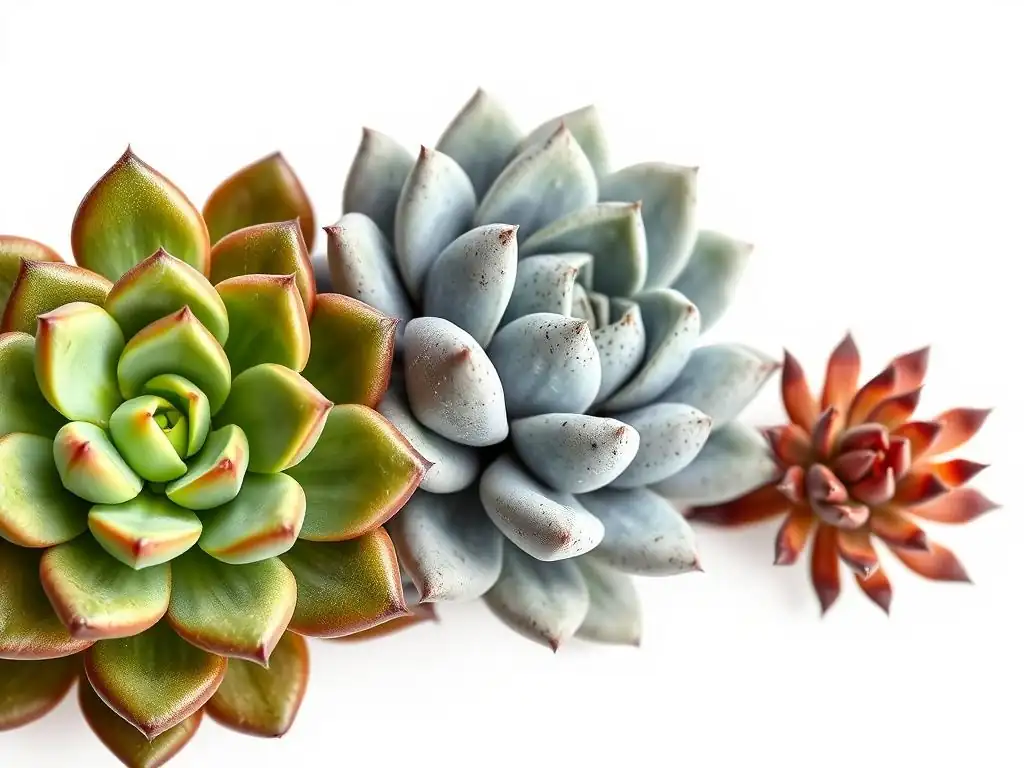
The remarkable diversity of African succulent plant varieties faces significant threats, jeopardizing not only the aesthetic appeal of these unique plants but also the delicate ecological balance they support. Understanding these challenges is crucial for implementing effective conservation strategies. The future of these fascinating plants hinges on our ability to address these issues proactively.
Threats to African Succulent Habitats: Habitat Loss, Over-Collection, and Climate Change
The survival of African succulent plant varieties is threatened by a confluence of factors, primarily habitat loss, over-collection, and climate change. Habitat loss, driven by agricultural expansion, urbanization, and mining activities, is arguably the most significant threat. Vast stretches of natural succulent habitats are being converted for human use, leaving these plants with increasingly fragmented and smaller areas to thrive. This habitat fragmentation isolates populations, reducing genetic diversity and making them more vulnerable to disease and environmental changes.
Over-collection, fueled by the growing popularity of succulents as ornamental plants, poses another serious threat. Unsustainable harvesting practices, often involving the removal of entire plants from their natural habitats, deplete wild populations and disrupt the delicate balance of the ecosystem. This is particularly concerning for rare and slow-growing species, which are unable to recover quickly from such exploitation. The illegal trade in rare African succulent plant varieties further exacerbates this issue.
Climate change adds another layer of complexity. Changes in rainfall patterns, increased temperatures, and more frequent extreme weather events are stressing succulent ecosystems. Many African succulent species are adapted to specific climatic conditions, and shifts beyond their tolerance range can have devastating consequences. Droughts, for instance, can decimate populations, while increased temperatures can lead to heat stress and reduced reproductive success. The synergistic effects of these factors make the situation even more precarious. For example, a drought exacerbated by deforestation can severely impact already vulnerable populations, leading to a rapid decline in numbers.
Conservation Efforts and Sustainable Practices: Examples of Conservation Initiatives and Sustainable Cultivation
Despite the numerous challenges, considerable conservation efforts are underway to protect African succulent plant varieties. These initiatives encompass a range of strategies, from establishing protected areas and botanical gardens to promoting sustainable cultivation and community-based conservation programs.
Several organizations are actively involved in in situ conservation, protecting succulents within their natural habitats. This involves the establishment of protected areas, the implementation of sustainable land management practices, and the control of invasive species. Ex situ conservation, on the other hand, focuses on preserving succulents outside their natural habitats, through the establishment of seed banks and botanical gardens. These initiatives play a vital role in safeguarding genetic diversity and providing a backup for wild populations.
Sustainable cultivation practices are also gaining traction. This involves promoting responsible propagation techniques, such as cuttings and offsets, reducing reliance on wild harvesting. Educating local communities about the importance of conservation and involving them in sustainable harvesting practices is crucial for long-term success. By providing alternative livelihoods and empowering communities to protect their natural resources, these initiatives contribute to the preservation of African succulent plant varieties. For instance, some communities are now successfully cultivating succulents for commercial purposes, generating income while simultaneously protecting wild populations.
The Importance of Preserving African Succulent Biodiversity: Ecological and Economic Significance
Preserving the biodiversity of African succulent plant varieties is of paramount importance, both ecologically and economically. These plants play a crucial role in their ecosystems, providing habitat for various animals and contributing to soil stability and nutrient cycling. Their loss would have cascading effects on the entire ecosystem, impacting biodiversity and potentially leading to the decline of other species.
Economically, African succulent plant varieties represent a valuable resource. They are a source of income for local communities through sustainable harvesting and cultivation, and they also have potential for medicinal and other uses. Preserving this biodiversity ensures the continued availability of these resources for future generations. The sustainable use of these plants can contribute to economic development while simultaneously protecting the environment.
Furthermore, the unique aesthetic value of these plants contributes to ecotourism, generating revenue and raising awareness about conservation efforts. The loss of this biodiversity would represent a significant economic and cultural loss. The potential for future discoveries of valuable compounds and applications further underscores the importance of preserving this rich heritage.
Cultivating African Succulents: A Guide for Enthusiasts
This section delves into the practical aspects of cultivating the diverse array of African succulent plant varieties. Understanding the specific needs of these fascinating plants is crucial for their successful growth and longevity. From selecting the right species to mastering propagation techniques, this guide provides essential information for both novice and experienced succulent enthusiasts. The incredible diversity found across the African continent necessitates a tailored approach to cultivation, ensuring each plant receives the care it deserves. Let's explore the key elements for success.
Choosing the Right African Succulent for Your Collection: Considerations for Climate and Environment
Selecting the appropriate African succulent plant varieties for your collection hinges on understanding your local climate and the specific environmental needs of each species. Africa’s diverse geography, ranging from arid deserts to coastal regions, has resulted in a wide spectrum of succulent adaptations. Some thrive in intense sunlight and scorching heat, while others prefer partial shade and cooler temperatures.
Consider these factors when making your choices:
- Hardiness Zones: Research the hardiness zones of your chosen succulents. This will provide crucial information on their tolerance to frost and extreme temperatures. Many African succulent plant varieties are frost-tender and require protection during colder months.
- Sunlight Exposure: Determine the amount of sunlight your growing space receives. Some succulents, like Aloe vera, require full sun exposure, while others, such as Haworthia, prefer dappled shade or indirect light. Incorrect sunlight exposure can lead to sunscald or etiolation (leggy growth).
- Rainfall Patterns: Understanding your local rainfall patterns is vital for determining watering schedules. Overwatering is a common cause of succulent death, particularly for those adapted to arid conditions.
- Soil Drainage: Excellent drainage is paramount for African succulent plant varieties. Well-draining soil prevents waterlogging, which can lead to root rot. Consider using a cactus and succulent potting mix, amended with perlite or pumice to improve drainage.
The success of your succulent cultivation depends heavily on matching the plant's native environment to your growing conditions. Thorough research is key to ensuring the long-term health and vibrancy of your collection.
Successful Propagation Techniques for African Succulents: Seed Propagation, Cuttings, and Offsets
Propagating African succulent plant varieties is a rewarding experience, allowing you to expand your collection and share these unique plants with others. Several methods exist, each with its own advantages and challenges.
- Seed Propagation: While challenging, seed propagation offers the opportunity to grow a large number of plants from a single seed packet. However, germination rates can vary, and seedlings require careful attention to ensure survival. Success depends on using fresh seeds, providing optimal growing conditions, and maintaining consistent moisture levels.
- Cuttings: Leaf and stem cuttings are popular and relatively easy methods for propagating many African succulent plant varieties. Simply allow the cut end to callous before planting in well-draining soil. Regular misting can help stimulate root development. This method allows for rapid expansion of your collection.
- Offsets: Many succulents produce offsets, or "pups," which are small plants that grow at the base of the mother plant. These can be carefully separated and potted individually, providing a quick and straightforward propagation method. This is often the easiest approach for beginners.
Understanding these propagation techniques empowers you to cultivate a thriving collection of diverse African succulent plant varieties. Experimentation and patience are key to success.
Providing Optimal Care for African Succulents: Watering, Sunlight, and Soil Requirements
Providing optimal care for your African succulent plant varieties involves understanding their specific needs regarding watering, sunlight, and soil. These factors are interconnected and crucial for maintaining healthy plants.
- Watering: Overwatering is a significant threat to succulents. Allow the soil to dry completely between waterings. During the dormant season (typically winter), reduce watering frequency significantly. The frequency will also depend on the climate, pot size, and type of succulent. Observe the plant's leaves for signs of overwatering or underwatering.
- Sunlight: Most African succulent plant varieties thrive in bright, indirect sunlight. Avoid direct, intense sunlight, especially during the hottest part of the day, which can cause sunburning. Rotate pots regularly to ensure even sunlight exposure.
- Soil: Well-draining soil is essential. A commercial cactus and succulent potting mix, amended with perlite or pumice to enhance drainage, is ideal. Avoid using heavy clay soils that retain too much moisture.
Consistent attention to these factors will ensure the health and longevity of your African succulent plant varieties, allowing you to enjoy their unique beauty and resilience for years to come. Regular observation and a keen understanding of your plants' needs are essential for successful cultivation.
Frequently Asked Questions
What is the main focus of SucculentEssentials.org regarding African succulents?
SucculentEssentials.org provides information on diverse African succulent plant varieties, including care guides, propagation techniques, and creative arrangement ideas. We aim to help you cultivate these unique plants successfully.
How many different African succulent varieties are covered on the site?
While we don't have a definitive number, SucculentEssentials.org covers a wide range of African succulent species, showcasing their unique characteristics and care requirements. Explore our articles to discover the diversity!
Are there specific care instructions for African succulent varieties?
Yes, our site offers detailed care guides tailored to specific African succulent varieties. These guides cover watering, sunlight exposure, soil type, and other crucial aspects of successful cultivation.
Where can I find propagation tips for African succulents on the site?
Our propagation section includes detailed instructions and visual guides on various methods for propagating African succulent varieties. Learn how to grow new plants from cuttings, leaves, and offsets.
What creative arrangement ideas are available for African succulents?
SucculentEssentials.org features inspiring ideas for incorporating African succulent varieties into DIY terrariums, vertical gardens, and other creative arrangements. Discover unique design possibilities to showcase your collection.
Final Reflection: A Legacy of Resilience in the African Sands
The remarkable diversity of African succulents isn't just a botanical marvel; it's a testament to the continent's enduring resilience in the face of harsh environmental conditions. This resilience, mirrored in the plants themselves, offers a powerful metaphor for the human spirit and the importance of adapting to change. Understanding this diversity is crucial not only for scientific advancement but also for conservation efforts in a rapidly changing world.
The story of African succulents is deeply intertwined with the cultural and social fabric of the continent. Their use in traditional medicine, their role in local economies, and their symbolic significance in various cultures highlight their profound impact. The desert teaches the value of water, and the succulent teaches the value of resilience.
This simple truth underscores the profound lessons we can learn from these seemingly humble plants. Their ability to thrive in arid landscapes speaks to the power of adaptation and the importance of finding strength in adversity, a message that resonates deeply in a world facing increasing environmental challenges.
Consider the lessons these resilient plants impart. Think about how their ability to store water and withstand extreme temperatures can inspire us to find our own ways to navigate challenges and persevere. Let the vibrant beauty and surprising diversity of African succulents remind you of the power of adaptation, the importance of conservation, and the inherent beauty found in even the harshest environments. Embrace the lessons of resilience, and let the spirit of the African succulent inspire you to thrive in your own life.
Unlock Africa's Succulent Secrets!
Thank you for exploring the amazing world of African succulents with us! We hope you've gained a new appreciation for the incredible diversity and resilience of these fascinating plants. Now it's time to put your knowledge into practice.
- Start your own mini-African succulent garden: Select a few species that you found particularly captivating and begin your own collection. It's a rewarding experience!
- Share your enthusiasm: Inspire friends and family with your newfound knowledge and passion for these incredible plants!
- Continue your learning journey: Explore our website for more detailed information on specific African succulent species and cultivation techniques.
Ready to transform your space with the beauty and intrigue of African succulents? What's the first succulent you're planning to add to your collection?