
The Cultural Significance of Succulents: Exploring Their Role in Human Society

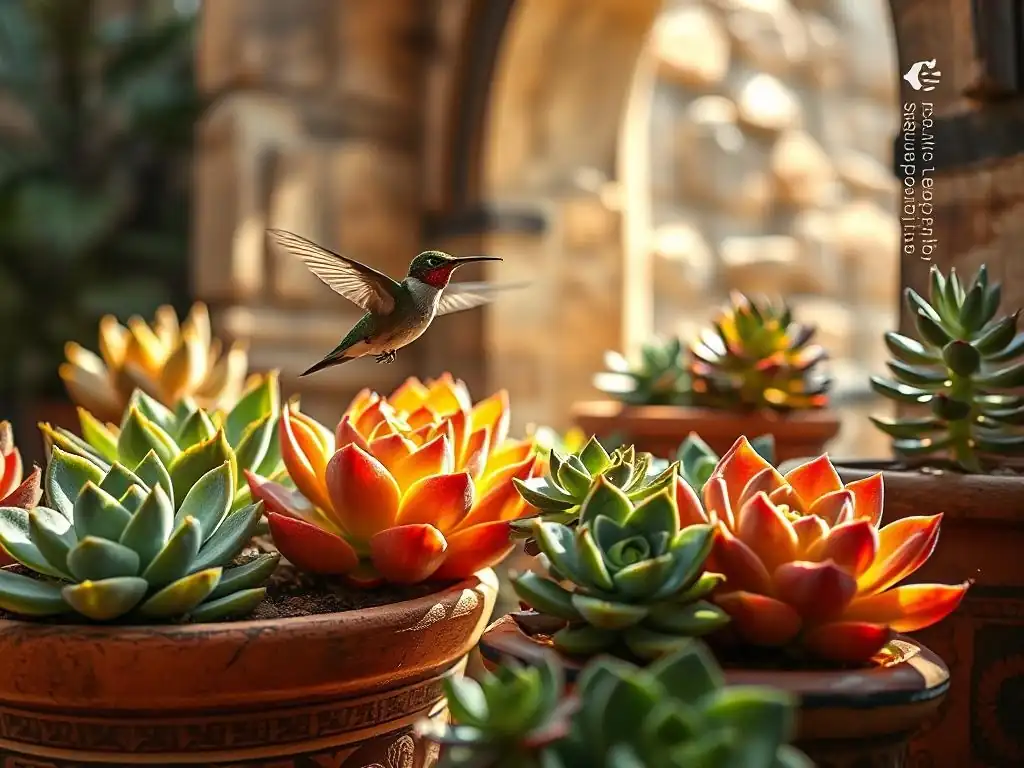
Welcome to SucculentEssentials.org, where the fascinating world of succulents unfolds! Dive into the captivating realm of these resilient plants, from mastering their care to unleashing your creativity with stunning arrangements. But did you know that succulents hold a much deeper significance than just their beauty? Discover the intriguing history and surprising cultural impact of succulents – their journey through human society is far more compelling than you might imagine. Uncover the secrets behind their enduring appeal in our feature article, " Succulent Cultural Significance History," and embark on a journey of succulent exploration today!
- Succulent Cultural Significance History: A Global Perspective
- Succulents in Modern Culture: Symbolism and Trends
- The Economic Impact of Succulents: A Growing Industry
- Preserving Succulent Heritage: Conservation and Sustainability
- Frequently Asked Questions
- Final Reflection: The Enduring Bloom of Succulents
- Unleash Your Inner Gardener: Cultivate Your Succulent Journey
Succulent Cultural Significance History: A Global Perspective
Succulents, with their striking beauty and remarkable resilience, have captivated humans for millennia. Far from being mere ornamental plants, succulents hold a rich and diverse cultural significance across various societies and throughout history. This article delves into the fascinating relationship between humans and succulents, exploring their roles in ancient civilizations, traditional medicine, and the evolution of horticultural practices.
We'll uncover how these seemingly simple plants have woven themselves into the fabric of human society, leaving an indelible mark on art, medicine, and cultural traditions. From the practical uses of the nopal cactus by the Aztecs to the enduring popularity of aloe vera in traditional medicine and the Victorian-era craze for succulent collections, we will trace the enduring appeal of these drought-resistant wonders and their impact on our cultural landscape.
Understanding this deep-rooted connection enhances our appreciation for succulents, revealing them not just as beautiful plants but as integral parts of our shared human story. The keyword "Succulent cultural significance history" will be explored throughout, offering a comprehensive overview of this captivating topic.
Ancient Civilizations and Succulent Use: Aztec Use of Nopal Cactus
The Aztecs, a powerful civilization that flourished in present-day Mexico, understood the value of succulents long before their widespread appreciation in modern times. The nopal cactus ( Opuntia species), a quintessential succulent, played a crucial role in their daily lives. Evidence suggests its multifaceted use:
- Food Source: The pads (nopales) were a staple food, providing essential nutrients. They were consumed both fresh and cooked, incorporated into various dishes.
- Medicine: The nopal cactus possessed medicinal properties recognized and utilized by Aztec healers. It was used to treat a range of ailments, from inflammation to digestive issues. [Specific medicinal applications pending further research]
- Dyes and Fibers: The cactus also provided natural dyes and fibers used for textiles and other crafts. [Specific color examples and applications pending further research]
- Symbolism: The prickly pear cactus held symbolic significance, representing strength, resilience, and adaptability—qualities highly valued by the Aztecs. Its presence in Aztec art and mythology underscores its cultural importance.
The Aztecs' extensive use of the nopal cactus illustrates the practical and symbolic significance succulents held even in ancient civilizations. Their resourceful application of this resilient plant demonstrates a deep understanding of its properties and a profound integration into their cultural fabric.
Succulents in Traditional Medicine: Aloe Vera in Traditional Middle Eastern Medicine
Aloe vera, a succulent renowned for its medicinal properties, has a long and storied history in traditional medicine, particularly in the Middle East. For centuries, its gel has been prized for its soothing and healing qualities.
- Wound Healing: Aloe vera's gel has been traditionally applied to wounds, burns, and skin irritations to promote healing and reduce inflammation. Its effectiveness in these applications is supported by some modern scientific research, although further studies are needed to fully understand its mechanisms.
- Digestive Health: In traditional Middle Eastern medicine, aloe vera was also used to address digestive issues, such as constipation. However, it's crucial to note that the use of aloe vera for internal consumption should be approached cautiously and under professional guidance due to potential side effects.
- Cosmetics: The soothing and moisturizing properties of aloe vera have long been recognized, leading to its use in traditional cosmetics and skincare preparations. Its presence in various beauty products reflects its continuing cultural significance.
The widespread and enduring use of aloe vera in traditional medicine highlights the significance of succulents beyond their aesthetic appeal. Its role in healing and well-being demonstrates the deep-rooted connection between humans and the medicinal properties of certain plants, contributing to the rich tapestry of traditional healthcare practices.
Early Horticulture and the Rise of Succulent Appreciation: The Victorian Era and the Rise of Aloes
The Victorian era (1837-1901) witnessed a significant surge in the popularity of succulents, particularly aloes, among horticultural enthusiasts. This period is characterized by:
- Increased Exploration and Trade: The expansion of global trade and exploration brought new succulent species to Europe, fueling the interest of collectors and botanists. This led to the establishment of botanical gardens and private collections, showcasing the diversity of succulent flora.
- Aesthetic Appreciation: Victorian-era aesthetics emphasized ornate designs and a love for the exotic. Succulents, with their unusual shapes, textures, and striking colors, perfectly aligned with this aesthetic preference.
- Status Symbol: Owning rare and exotic succulents became a status symbol, reflecting wealth and sophistication. The cultivation and display of succulents became a mark of distinction among the upper classes.
The Victorian era represents a pivotal moment in the history of succulent appreciation. The combination of scientific exploration, aesthetic trends, and social status contributed to the rise of succulents from primarily utilitarian plants to highly valued horticultural specimens, laying the groundwork for their enduring popularity today. The Victorian obsession with aloes, in particular, significantly impacted the global cultivation and distribution of these remarkable plants.
Succulents in Modern Culture: Symbolism and Trends
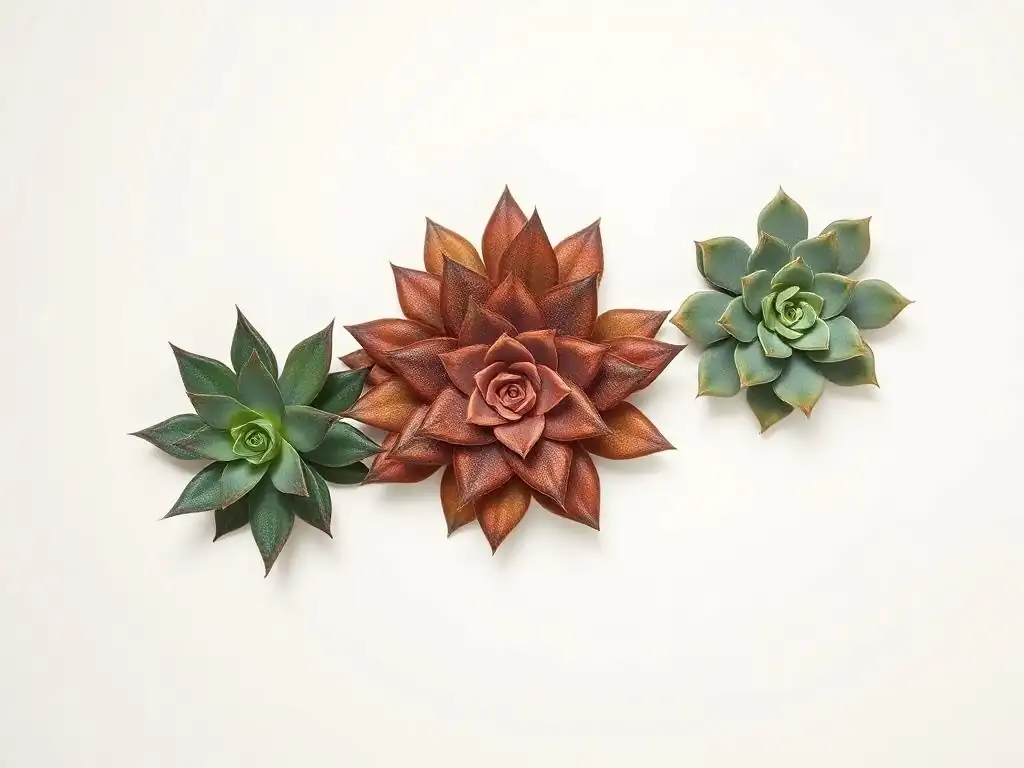
Succulents have transcended their botanical classification to become powerful symbols in modern culture, reflecting contemporary values and trends. Their inherent resilience and adaptability resonate deeply with a society facing increasing environmental and social challenges. This section explores the multifaceted ways succulents are integrated into modern life, from their symbolic meaning to their prominent role in various art forms and design aesthetics. The enduring popularity of succulents is also examined, highlighting the significant influence of social media platforms in driving this trend. Understanding the succulent cultural significance history requires exploring these modern interpretations.
Succulents as Symbols of Resilience and Persistence: Succulents in Modern Tattoo Art
The enduring appeal of succulents in tattoo art stems from their symbolic representation of resilience, perseverance, and the ability to thrive even in harsh conditions. This resonates profoundly with individuals seeking to express strength, adaptability, and the capacity to overcome adversity. The intricate details of succulent leaves and flowers lend themselves beautifully to the artistic medium, allowing for highly detailed and visually stunning designs.
Many tattoo artists specialize in botanical designs, and succulents are frequently featured prominently. For example, the Echeveria genus, known for its rosette-like structure and vibrant colors, is a popular choice for its visually striking aesthetic and symbolic meaning. The small, almost geometric, shapes of some succulent species are also popular due to their ability to be incorporated into larger, more complex designs.
Furthermore, the varied colors and textures of succulents allow for a wide range of artistic expression, from realistic portrayals to more abstract interpretations. The hashtag #succulenttattoo boasts thousands of images showcasing the diverse and creative ways people incorporate succulents into their body art, further demonstrating their cultural significance.
Succulents in Contemporary Art and Design: Succulent-Inspired Jewelry Designs
The aesthetic appeal of succulents has significantly influenced contemporary art and design, inspiring a wide range of creative applications. Succulent-inspired jewelry is a prime example of this trend. The unique shapes, textures, and colors of succulents translate remarkably well into jewelry, creating pieces that are both visually striking and symbolically meaningful. Designers utilize various techniques to capture the essence of succulents, ranging from delicate enamel work replicating the fine details of leaves to the use of semi-precious stones and metals to create three-dimensional representations.
The resulting jewelry often incorporates symbolic elements, reflecting the resilience and enduring nature associated with succulents. The market shows a clear demand for such pieces, with many artisan jewelry makers featuring succulent designs in their collections. These designs are not only aesthetically pleasing but also reflect a growing appreciation for nature-inspired art and sustainable practices.
The widespread popularity of succulents in recent years is inextricably linked to the influence of social media platforms, particularly Instagram. The visually appealing nature of succulents makes them highly shareable on platforms like Instagram, leading to a rapid increase in their popularity and driving significant sales growth. The hashtag #succulents boasts millions of posts, showcasing stunning arrangements, creative propagation techniques, and the diverse range of succulent species.
This visual exposure has created a global community of succulent enthusiasts, who share tips, advice, and inspiration. The rise of succulent-focused influencers and online retailers has further fueled this trend. Businesses have capitalized on this growing market, offering a wide range of succulent-related products, from pots and planters to books and workshops.
The data clearly indicates a correlation between the surge in social media engagement and the increase in succulent sales, demonstrating the profound impact of social media on consumer trends and the market for succulents. This highlights the power of visual platforms in shaping modern cultural preferences and driving commercial success.
The Economic Impact of Succulents: A Growing Industry
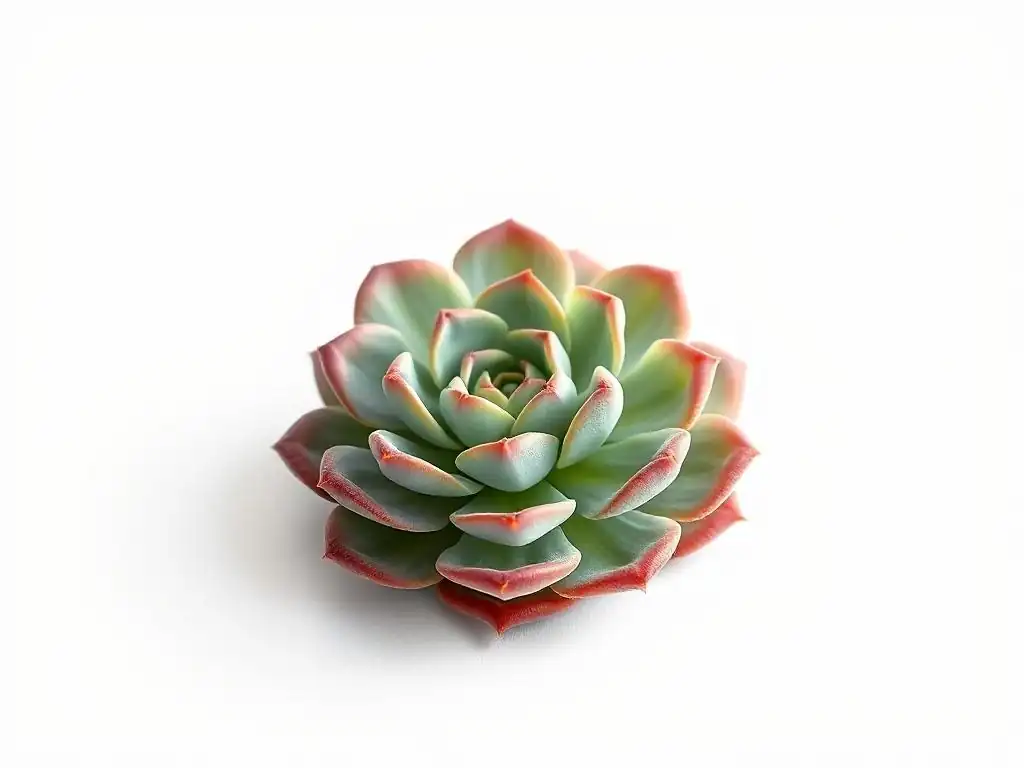
Succulents, far from being merely aesthetically pleasing plants, represent a significant and growing economic force globally. Their popularity has fueled a burgeoning industry encompassing everything from commercial cultivation to online retail and innovative product development. Understanding the economic impact of succulents is crucial to appreciating their full cultural significance. The "Succulent cultural significance history" is inextricably linked to their economic influence, as their value has driven cultivation, trade, and cultural adoption across different societies.
Succulent Farming and Trade: Global Trade in Echeveria Species
The global trade in succulents is a complex and dynamic system. One prominent example is the extensive trade in Echeveria species. These visually striking succulents, known for their rosette formations and diverse colors, are highly sought after by collectors and enthusiasts worldwide.
Mexico, a center of Echeveria diversity, plays a significant role in this global trade, both in the wild harvesting (which raises conservation concerns) and in increasingly sophisticated commercial cultivation. Data on the precise volume of Echeveria traded annually is difficult to obtain, as much of the trade occurs through informal channels. However, anecdotal evidence and reports from horticultural societies suggest substantial growth in recent years, particularly in online marketplaces.
The economic impact extends beyond the direct sale of plants; it also includes the associated industries involved in packaging, shipping, and retail. The demand for these plants has spurred innovation in propagation techniques, leading to more efficient and cost-effective methods of producing large quantities of Echeveria for the global market. This economic activity directly supports farmers and businesses in many countries, contributing to local economies and employment opportunities.
The Business of Succulents: Online Succulent Retailers
The rise of e-commerce has revolutionized the succulent industry, with online retailers playing a significant role in expanding access to a diverse range of succulents. These online platforms cater to a global audience, allowing consumers to purchase rare and unusual species from various parts of the world. The convenience and wide selection offered by online retailers have contributed significantly to the increased popularity of succulents.
While precise revenue figures for the online succulent retail sector are unavailable, the sheer number of online stores specializing in succulents, coupled with the visible growth of related social media communities, indicates a substantial economic contribution. Many online retailers also offer related products like pots, soil mixes, and tools, further expanding the economic footprint of the succulent industry.
The ease of access provided by online marketplaces has democratized the succulent hobby, enabling participation from individuals regardless of geographical location. This accessibility has, in turn, fueled further demand and economic expansion.
The Future of Succulents in the Global Market: Predicted Growth of the Succulent Market
The future of the succulent market appears exceptionally promising. Several factors contribute to this predicted growth. Firstly, the ongoing popularity of succulents as houseplants and garden ornaments shows no sign of waning.
Secondly, increasing consumer awareness of the low-maintenance nature of succulents and their adaptability to various environments is driving demand. Thirdly, ongoing innovation in succulent cultivation techniques, such as tissue culture, promises to further increase production efficiency and lower costs. While precise market projections vary, numerous industry reports predict substantial growth in the global succulent market in the coming years.
This growth will likely be driven by increased demand in both established and emerging markets, creating new opportunities for businesses involved in succulent cultivation, retail, and related services. The continued exploration of the "Succulent cultural significance history" and the promotion of sustainable practices within the industry will be crucial in ensuring the long-term health and prosperity of this fascinating and economically significant sector. The integration of technology, such as advanced hydroponic systems and precision agriculture techniques, will also contribute to optimizing production and reducing environmental impact.
Preserving Succulent Heritage: Conservation and Sustainability
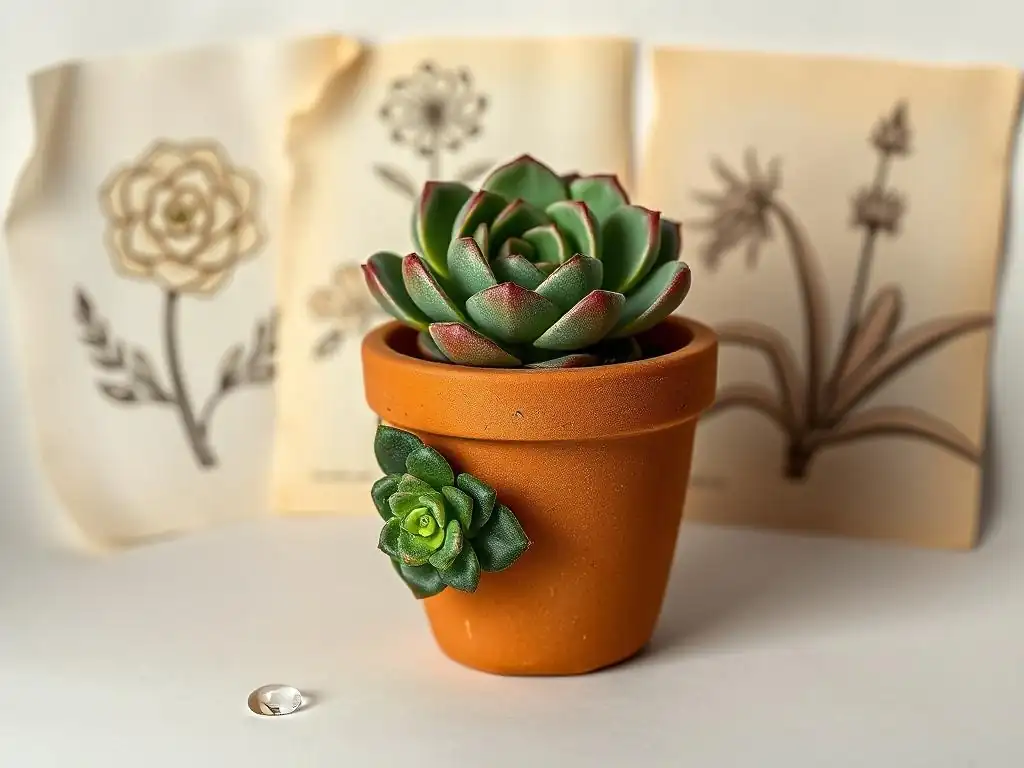
The burgeoning popularity of succulents presents a double-edged sword. While increased interest translates to greater appreciation and care for these fascinating plants, it also brings challenges to their long-term survival in the wild. Understanding the succulent's cultural significance necessitates a commitment to preserving its heritage through thoughtful conservation and sustainability practices. The demand for certain species, coupled with habitat destruction, poses a significant threat to succulent biodiversity.
Therefore, proactive measures are crucial to ensure these unique plants continue to thrive for generations to come. Ignoring these threats could lead to the irreversible loss of irreplaceable genetic diversity and the disruption of delicate ecosystems. This section explores the urgent need for conservation and the vital role of sustainable practices in protecting succulent heritage.
Threats to Succulent Biodiversity: Habitat Loss Due to Urban Sprawl
One of the most significant threats to succulent biodiversity is habitat loss, primarily driven by the relentless expansion of urban areas. As cities grow, natural landscapes are converted into residential, commercial, and industrial zones, directly destroying succulent habitats. This is particularly critical for endemic succulent species, found only in specific, often limited, geographical areas. For example, certain Aloe species in southern Africa face severe habitat fragmentation due to increasing urban development and agricultural encroachment.
The construction of roads and infrastructure further isolates populations, hindering genetic exchange and increasing their vulnerability to environmental changes and diseases. Quantifying the precise impact of urban sprawl on specific succulent populations requires detailed ecological studies and long-term monitoring, but the trend is undeniably alarming. The loss of habitat is not merely about the physical space; it also involves the disruption of complex ecological interactions crucial for succulent survival, such as pollination and seed dispersal.
Conservation Efforts and Sustainable Practices: The Role of Botanical Gardens in Succulent Conservation
Botanical gardens play a pivotal role in succulent conservation, acting as vital repositories of genetic diversity and centers for research and education. Many botanical gardens actively cultivate diverse collections of succulents, including rare and endangered species, contributing significantly to ex situ conservation (conservation outside of the natural habitat). These collections serve as a safeguard against extinction, providing a backup population should wild populations decline drastically. Furthermore, botanical gardens conduct crucial research on succulent propagation techniques, habitat restoration, and the impacts of climate change on succulent populations.
This research informs conservation strategies and helps to guide sustainable practices in cultivation and trade. For example, many gardens are involved in seed banking initiatives, preserving the genetic material of diverse succulent species for future use in restoration projects and breeding programs. The collaborative efforts of botanical gardens worldwide are indispensable in safeguarding the future of succulents.
The Role of Education and Awareness: Public Awareness Campaigns for Succulent Conservation
Raising public awareness is crucial for effective succulent conservation. Educating the public about the threats facing succulents and the importance of sustainable practices is paramount. Effective public awareness campaigns can promote responsible succulent collecting, discourage the illegal harvesting of wild plants, and encourage the purchase of sustainably sourced succulents from reputable nurseries.
These campaigns can utilize diverse media, including social media, educational materials, and community outreach programs, to reach a wide audience. Highlighting the cultural significance of succulents within their native environments and emphasizing the ecological value of these plants can help cultivate a sense of responsibility and stewardship among succulent enthusiasts.
Furthermore, promoting the use of sustainable cultivation techniques, such as water-wise gardening practices, can help reduce the environmental footprint associated with succulent cultivation. Only through collective action, informed by education and a shared understanding of the inherent value of these plants, can we ensure the enduring cultural significance of succulents.
Frequently Asked Questions
What is the historical significance of succulents?
Succulents have a rich history, appearing in ancient art and cultures. They've held symbolic meaning for various civilizations, representing strength, resilience, and longevity due to their ability to thrive in harsh conditions. Their use in medicine and practical applications also played a significant role.
How were succulents used in ancient cultures?
Many ancient cultures utilized succulents for practical purposes, such as food, medicine, and building materials. Some were also incorporated into religious ceremonies and rituals, reflecting their importance within those societies. Their aesthetic appeal also led to their use in decorative arts.
What are some modern interpretations of succulent symbolism?
Today, succulents often symbolize persistence, adaptation, and positive energy. Their low-maintenance nature also resonates with modern lifestyles, making them popular houseplants and gifts. This reflects a continuation of their association with strength and resilience.
Do different succulent species hold different cultural meanings?
While succulents as a whole share common symbolic themes, specific species may have unique cultural associations depending on their region of origin and historical use. Research into the cultural context of individual species reveals interesting nuances in their interpretations.
Where can I learn more about the cultural history of specific succulents?
Further research into ethnobotany and the cultural history of specific succulent-rich regions will provide more detailed information. You can also explore museum collections and historical texts focusing on the relevant geographical areas and time periods.
Final Reflection: The Enduring Bloom of Succulents
The resilient nature of succulents mirrors our own capacity for adaptation and resilience in a rapidly changing world. Their quiet strength, symbolized by their ability to thrive in harsh conditions, offers a powerful metaphor for navigating the challenges of modern life. This enduring symbolism, explored throughout this article, continues to resonate deeply within contemporary society.
The journey through succulent history, from ancient medicinal uses to their current status as popular houseplants, reveals a fascinating interplay between human culture and the natural world. Their increasing popularity isn't merely a fleeting trend; it represents a deeper yearning for connection with nature, a desire for beauty and tranquility in increasingly urbanized environments. The love of gardening is a seed that once sown never dies.
This sentiment, though not specifically about succulents, perfectly encapsulates the enduring appeal of these remarkable plants and the human connection they foster.
Consider the quiet strength of these plants, their ability to persevere in arid conditions. Let their resilience inspire you to cultivate your own inner strength, to find beauty in unexpected places, and to embrace the simple joys of nurturing life, even in the face of adversity. Embrace the succulent spirit – find your own strength, beauty, and resilience. Let the enduring legacy of these plants remind you of the power of adaptation and the enduring beauty of the natural world.
Unleash Your Inner Gardener: Cultivate Your Succulent Journey
Thanks for exploring the fascinating world of succulents with us! We hope you've gained a new appreciation for their rich cultural history and enduring appeal. Now it's time to put your knowledge into practice.
- Start your own succulent collection! Begin with a single, hardy plant and watch it thrive. This is the perfect way to connect with the beauty and resilience succulents represent.
- Share your succulent journey! Tell us about your favorite variety, or share a photo of your growing collection on social media using #SucculentEssentials.
- Discover the cultural significance of succulents. Research a specific species that interests you; you might be surprised by what you learn!
What unique cultural connection do you see between succulents and your own life or heritage? Let's discuss in the comments!