
The Beauty of Succulent Arrangements: A Creative Outlet for Plant Lovers

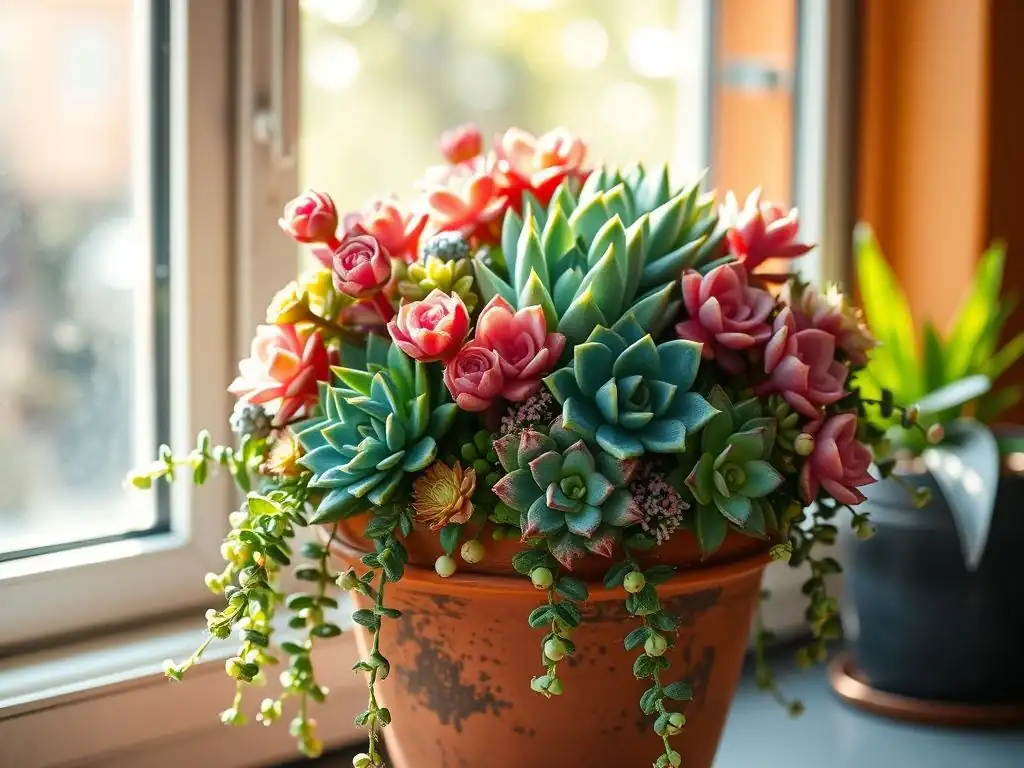
Welcome to SucculentEssentials.org, where the fascinating world of succulents unfolds before you! Are you ready to unlock the secrets to creating breathtaking succulent arrangement design ideas? From miniature masterpieces to stunning vertical gardens, we'll guide you through the art of succulent cultivation and design, igniting your creativity and transforming your space into a vibrant succulent paradise. Dive in and discover the endless possibilities – your journey to succulent mastery begins now!
- Understanding Succulent Arrangement Design Ideas
- Designing Your Succulent Masterpiece: Step-by-Step Guide
- Maintaining Your Succulent Arrangement: Long-Lasting Beauty
- Creative Succulent Arrangement Ideas for Different Spaces
- Inspiring Succulent Arrangement Design Ideas from Experts
- Frequently Asked Questions
- Final Reflection: Cultivating Creativity Through Succulents
- Unleash Your Inner Gardener: Craft Your Dream Succulent Arrangement
Understanding Succulent Arrangement Design Ideas
Succulent arrangements have exploded in popularity, transforming from a niche hobby to a mainstream design trend. This surge in interest isn't just about the plants themselves; it's about the incredible versatility and creative freedom succulent arrangements offer. From minimalist modern designs to vibrant, overflowing compositions, the possibilities are virtually endless.
This article delves into the art of succulent arrangement design, exploring the reasons behind their popularity, guiding you through succulent selection, and providing a comprehensive overview of the essential tools and materials needed to create your own stunning masterpieces. We'll uncover the secrets to crafting visually appealing and thriving succulent arrangements, perfect for enhancing any space, from windowsills to patios and even indoors.
Learn how to harness the unique beauty and resilience of succulents to create your own personal oasis, and discover why succulent arrangement design ideas are taking the world by storm. This guide is perfect for beginners and experienced succulent enthusiasts alike, providing practical advice and inspiring ideas to elevate your succulent-arranging skills.
The Allure of Succulent Arrangements: Why They're Trending
The enduring appeal of succulent arrangements stems from a confluence of factors. Their inherent beauty, low-maintenance nature, and adaptability make them ideal for a wide range of settings and skill levels. The diverse range of colors, shapes, and textures available amongst succulent species allows for endless creative exploration. Furthermore, the longevity of these arrangements, with proper care, adds to their appeal. Think about it: a well-crafted succulent arrangement can bring joy and visual interest for months, even years, with minimal effort. This contrasts sharply with arrangements featuring more delicate flowers which often wilt quickly.
Beyond their aesthetic appeal, succulents offer a unique therapeutic benefit. The act of arranging them can be a meditative and calming experience, providing a creative outlet for stress relief. The process of selecting plants, arranging them, and nurturing their growth fosters a sense of accomplishment and connection with nature. This makes succulent arrangements a popular choice for those seeking mindful activities and creative expression. The trend is also fueled by the increasing popularity of indoor gardening and the desire to bring the outdoors in, particularly in urban environments.
Choosing the Right Succulents for Your Arrangement: Variety and Texture
Selecting the right succulents is crucial for creating a visually engaging and thriving arrangement. Consider the following factors:
- Color: Explore the diverse palette available, from deep greens and blues to vibrant reds, purples, and yellows. A mix of colors adds depth and visual interest.
- Shape and Size: Choose succulents with varying shapes and sizes to create a dynamic composition. Combine rosettes, trailing varieties, and upright forms for a balanced look.
- Texture: Incorporate succulents with different textures – smooth, fuzzy, or spiky – to add visual complexity and tactile interest.
- Growth Habits: Understand the growth habits of each succulent to ensure they complement each other and don't overcrowd the arrangement. Consider the mature size of each plant to avoid overcrowding.
Creating a successful arrangement often involves combining different succulent types with contrasting characteristics. For example, pairing a tall, upright echeveria with a low-growing sedum creates visual balance and architectural interest. Careful consideration of these factors ensures a visually stunning and long-lasting arrangement. Experimenting with different combinations is key to discovering your unique style and creating breathtaking succulent displays.
Essential Tools and Materials for Creating Stunning Succulent Arrangements
Before you begin your succulent arrangement journey, gather these essential tools and materials:
| Tool/Material | Description | Importance |
|---|---|---|
| Pot/Container | Choose a pot with drainage holes to prevent root rot. Consider size and style. | Crucial for healthy plant growth and aesthetic appeal. |
| Potting Mix | Well-draining mix specifically formulated for succulents. | Prevents waterlogging and ensures proper aeration for root health. |
| Succulents | A variety of succulents with different colors, shapes, and textures. | The heart of your arrangement! |
| Gloves | Protect your hands from spines and potential irritants. | Important for safety and comfort. |
| Trowel/Spoon | For gently removing succulents from their pots and planting them in the arrangement. | Aids in careful handling and planting to prevent damage to roots and plants. |
| Decorative Elements | Optional: rocks, pebbles, sand, moss, or other decorative items. | Enhances the aesthetic appeal and adds a personal touch to your creation. |
Remember, proper preparation is key to creating a successful succulent arrangement. With the right tools and a careful selection of succulents, you’ll be well on your way to crafting beautiful and thriving displays that will bring joy to your home for years to come.
Designing Your Succulent Masterpiece: Step-by-Step Guide
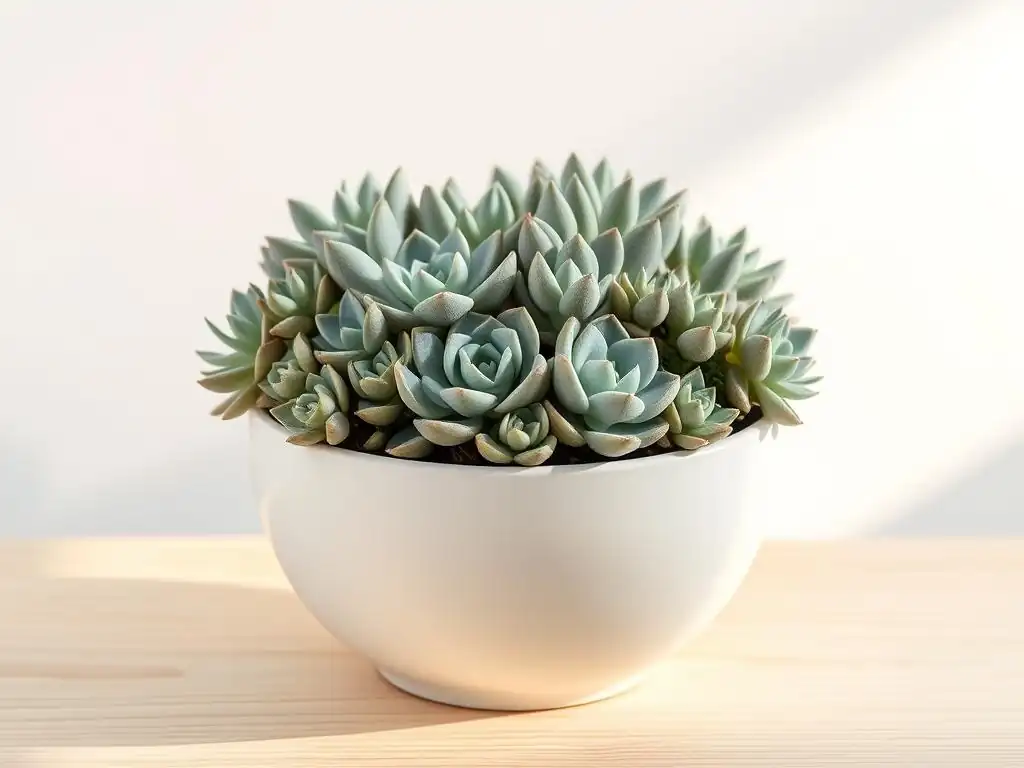
This section delves into the practical aspects of creating stunning succulent arrangements, transforming your vision into a thriving, aesthetically pleasing display. We'll cover the process from selecting the perfect container to the final touches that elevate your arrangement from good to extraordinary. Remember, the key to a successful succulent arrangement is careful planning and attention to detail. Mastering these steps will allow you to confidently tackle any succulent arrangement design ideas you may have.
Selecting a Container: Size, Shape, and Material Considerations
Choosing the right container is paramount to your succulent arrangement's success. The container's size, shape, and material directly impact drainage, the number of succulents you can use, and the overall aesthetic. Let's explore these crucial factors:
- Size: Consider the size and mature size of your chosen succulents. Overcrowding leads to competition for resources and potential rot. A larger arrangement requires a proportionally larger container with adequate drainage holes. For smaller arrangements, a charming teacup or miniature pot might suffice.
- Shape: The shape of your container dictates the overall flow and design of your arrangement. A round bowl lends itself to a more organic, flowing composition, while a rectangular trough allows for linear arrangements and layering. Experiment with different shapes to find what best complements your chosen succulents and design aesthetic.
- Material: The material of your container affects drainage and the overall look. Terracotta pots provide excellent drainage, but can dry out quickly. Ceramic pots retain moisture longer, requiring careful watering. Consider using materials like wood, metal, or even repurposed items for unique and creative succulent arrangement design ideas. Remember, drainage is critical for succulent health; ensure your chosen container has adequate drainage holes.
Here's a table summarizing suitable container options for different succulent arrangement sizes:
| Arrangement Size | Suitable Container Types | Considerations |
|---|---|---|
| Small | Teacups, small ceramic pots, miniature troughs | Drainage is critical; ensure adequate holes. |
| Medium | Medium-sized ceramic pots, terracotta pots | Consider shape and material for moisture retention. |
| Large | Large terracotta pots, wooden boxes, troughs | Ensure sufficient drainage and stability. |
Preparing Your Succulents: Cleaning and Assessing Root Systems
Before embarking on your arrangement, prepare your succulents meticulously. This crucial step ensures the health and longevity of your masterpiece. Neglecting this step can lead to rot and the failure of your arrangement.
First, gently remove your succulents from their individual pots. Carefully loosen the soil around the roots, taking care not to damage the delicate root system. Remove any excess soil, revealing the roots for inspection.
Next, inspect the roots for any signs of rot or damage. Remove any dead or decaying roots with clean, sharp scissors or pruning shears. This prevents the spread of disease and ensures that only healthy roots are incorporated into your arrangement.
Finally, rinse the roots gently under lukewarm water to remove any remaining soil. Allow the succulents to air dry for a few hours before proceeding to the arrangement stage. This simple cleaning process significantly improves the chances of your succulents thriving in their new home, contributing to a long-lasting and visually appealing succulent arrangement.
Layering and Arranging Succulents: Achieving Visual Balance and Harmony
The art of arranging succulents lies in achieving visual balance and harmony. This involves careful consideration of size, color, texture, and form. Think of your succulents as individual pieces of a puzzle, each contributing to the overall picture.
Begin by placing the largest succulents first, anchoring the arrangement. Strategically position them to create a strong foundation for smaller succulents. Vary the heights and textures of your succulents to create depth and visual interest. Use smaller succulents to fill in gaps and create a cohesive look.
Consider color palettes. Create a monochromatic arrangement using various shades of green, or incorporate pops of color with succulents exhibiting reddish, purple, or blue hues. Pay attention to the texture of the leaves; combining smooth, fleshy leaves with spiky, textured ones adds visual appeal.
Don't be afraid to experiment! Try different arrangements until you achieve a composition that pleases you. Remember, there's no single "right" way to arrange succulents. Let your creativity guide you, and enjoy the process of creating your unique succulent masterpiece. This thoughtful approach to layering and arranging will elevate your succulent arrangement design ideas from simple displays to true works of art. 🪴
Adding Finishing Touches: Decorative Elements and Accessories
Once the core succulent arrangement is complete, the real fun begins: adding those finishing touches that elevate your creation from merely pretty to truly stunning. The possibilities are virtually endless, allowing you to inject your personal style and creativity. Consider the overall aesthetic you're aiming for – rustic charm, modern minimalism, vibrant bohemian flair – and select accessories that complement that vision.
One popular choice is to incorporate decorative stones and pebbles. These not only add visual interest but also help retain moisture and anchor the succulents in place, particularly if you're using a shallow container. Experiment with different colors and sizes – smooth, river-washed stones offer a natural look, while brightly colored glass pebbles can add a touch of sparkle. Remember to choose non-toxic materials, as these will be in close proximity to your plants.
Beyond stones, consider other natural elements. Driftwood, carefully cleaned and dried, can add a whimsical, beachy feel. Small pieces of bark or interesting twigs can provide a grounding element, especially in arrangements with taller succulents. Even dried flowers or seed pods, carefully chosen for their texture and color, can add depth and visual complexity.
For a more polished look, small decorative figurines or miniature garden ornaments can be subtly incorporated. However, exercise restraint here; too many ornaments can overwhelm the succulents. A single, well-placed piece can add a focal point and a touch of personality, whereas several can detract from the natural beauty of the plants themselves. Remember to consider the scale – a tiny ceramic frog might look perfect nestled amongst small sedums, while a larger item might be better suited to a larger arrangement.
Finally, don't underestimate the power of simple elegance. Sometimes, the best finishing touch is simply a clean, well-chosen container. A beautifully glazed pot or a rustic terracotta planter can enhance the overall presentation significantly. The container itself becomes an integral part of the design, framing the succulents and enhancing their natural beauty. Consider the material, color, and shape of the container, selecting one that complements both the succulents and the overall style of your arrangement. The right container can truly make all the difference.
Maintaining Your Succulent Arrangement: Long-Lasting Beauty
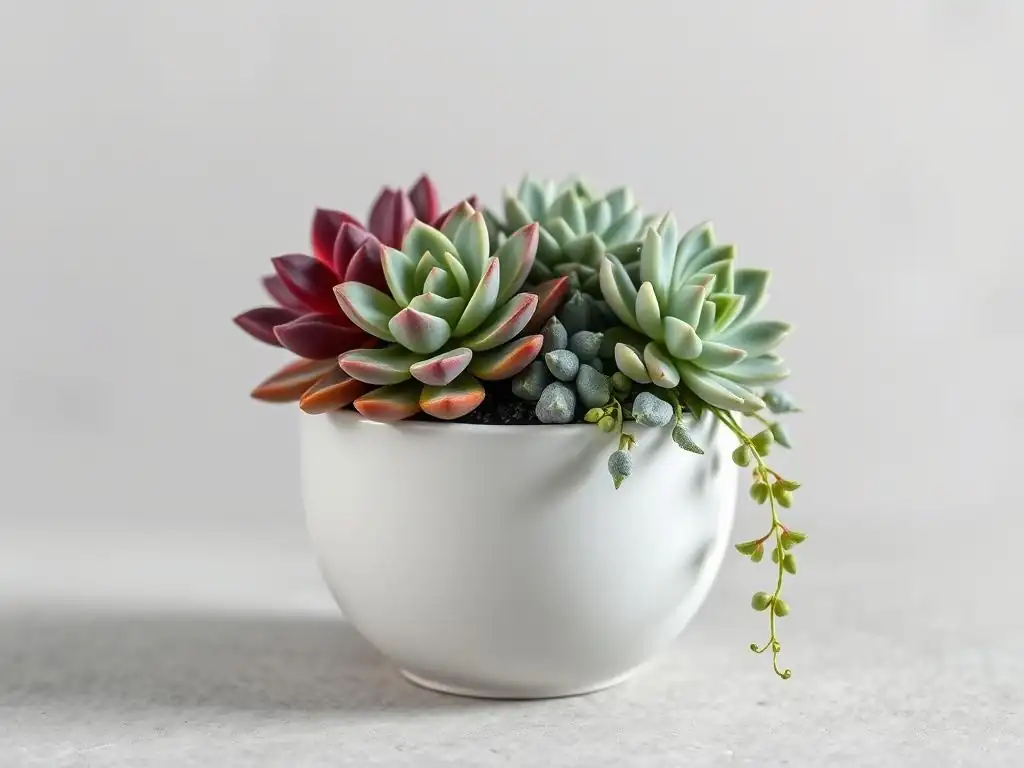
Maintaining the vibrancy and health of your succulent arrangement requires understanding the specific needs of these drought-tolerant plants. While succulents are known for their resilience, neglecting their care can lead to wilting, rot, and ultimately, the demise of your beautiful creation. Proper watering, sunlight exposure, and pest control are crucial for a long-lasting, thriving succulent arrangement.
This section will delve into the key aspects of succulent arrangement maintenance, offering practical tips and solutions to common problems. Mastering these techniques will ensure your succulent arrangement remains a stunning focal point for years to come. Let's explore the essential elements for preserving the beauty of your succulent design.
Watering Techniques for Succulent Arrangements: Avoiding Overwatering
Overwatering is the most common mistake made when caring for succulents. Succulents store water in their leaves and stems, making them highly susceptible to root rot if their soil remains consistently damp. The key is to allow the soil to dry out completely between waterings. This drying period varies depending on factors like the size of your pot, the type of succulent, the season, and the environmental conditions.
Instead of following a rigid watering schedule, assess the soil moisture before watering. Stick your finger about an inch into the soil; if it feels dry, it's time to water. Water thoroughly until water drains from the drainage holes, ensuring the entire root system receives moisture. Avoid letting water sit in the saucer beneath the pot, as this can lead to root rot. During the dormant winter months, reduce watering frequency significantly, perhaps watering only once a month or even less, depending on the climate.
Remember, less is more when watering succulents. It's better to underwater slightly than to overwater. Signs of overwatering include mushy leaves, yellowing, and a foul odor emanating from the soil. If you notice these symptoms, reduce watering immediately and allow the soil to dry out completely before resuming a careful watering schedule. The health and longevity of your succulent arrangement depend on this delicate balance.
Providing Adequate Sunlight: Optimal Light Conditions for Succulents
Succulents thrive in bright, indirect sunlight. While they can tolerate some shade, insufficient light can lead to etiolation—a condition where the plant becomes leggy and weak due to stretching towards a light source. Conversely, excessive direct sunlight, especially during the hottest part of the day, can scorch their leaves.
The ideal location for your succulent arrangement is a spot that receives at least six hours of sunlight daily, but with some protection from the harsh midday sun. An east- or west-facing windowsill is often a good choice. During summer months, consider providing some shade during peak sunlight hours to prevent scorching. Observe your succulents closely; if their leaves appear pale or yellowing, they may be receiving too much sun. If they are stretching excessively, they may need more light.
The type of succulent also influences its sunlight requirements. Some succulents, like Echeveria, prefer bright, indirect light, while others, like Sedum, can tolerate a bit more direct sun. Research the specific needs of the succulents in your arrangement for optimal growth and vibrant coloration. Remember, proper sunlight is crucial for maintaining the health and aesthetic appeal of your succulent arrangement design.
Identifying and Addressing Common Problems: Pests and Diseases
Despite their resilience, succulent arrangements can be susceptible to pests and diseases. Early detection and prompt treatment are crucial to prevent widespread damage. Common pests include mealybugs, aphids, and spider mites. These tiny insects can suck the sap from your succulents, causing discoloration, wilting, and stunted growth. Regularly inspect your plants for any signs of infestation.
Mealybugs appear as small, white, cottony masses, often found in leaf axils or crevices. Aphids are small, soft-bodied insects that cluster on stems and leaves. Spider mites are tiny arachnids that spin webs on the undersides of leaves. Treatment options include insecticidal soap, neem oil, or rubbing alcohol. For severe infestations, consider using a systemic insecticide, always following the manufacturer's instructions carefully.
Diseases are less common but can still affect succulent arrangements. Root rot, caused by overwatering, is a significant threat. Fungal diseases can also occur, often manifesting as spots or lesions on the leaves. Good sanitation practices, such as using sterilized potting mix and ensuring proper drainage, can help prevent diseases. If you notice any signs of disease, remove affected leaves or stems to prevent further spread. Remember, proactive care is essential for maintaining the health and beauty of your succulent arrangement, ensuring its long-term success.
Creative Succulent Arrangement Ideas for Different Spaces
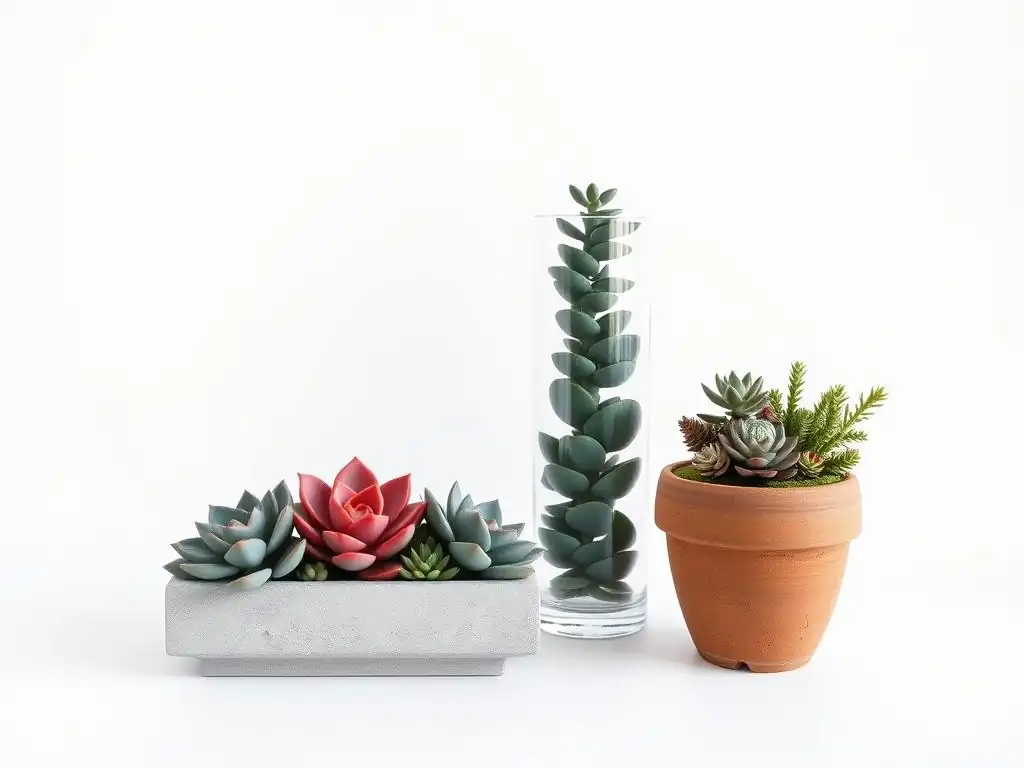
This section explores diverse and innovative approaches to succulent arrangement design, offering practical ideas for various spaces and occasions. We'll delve into specific design concepts, highlighting the versatility of succulents in enhancing home decor and personal expression. The possibilities are endless when it comes to succulent arrangement design ideas, limited only by your imagination and available space.
Miniature Succulent Gardens: Small-Space Solutions
Miniature succulent gardens are a perfect solution for those with limited space but a big love for succulents. These charming arrangements can be created in a variety of small containers, offering a delightful burst of greenery to any setting. Think tiny teacups, repurposed vintage tins, or even shallow bowls. The key is to select small, slow-growing succulents to avoid overcrowding.
Consider using a well-draining potting mix specifically formulated for succulents. This prevents root rot, a common issue in small containers. A layer of gravel or small stones at the bottom of the container will further improve drainage.
When choosing succulents, opt for varieties with contrasting colors, textures, and growth habits to create visual interest. For example, a combination of Echeveria (with their rosette shapes) and Sedum (with their trailing stems) can produce a stunning miniature landscape. Don't forget to add small decorative elements like pebbles, miniature figurines, or even small pieces of driftwood to enhance the overall aesthetic.
Regular watering, ensuring the soil dries out between waterings, is crucial for the health of your miniature succulent garden. These miniature displays are perfect for desktops, windowsills, or even bathroom shelves, bringing a touch of nature indoors. The compact nature of these arrangements makes them ideal for apartments, dorm rooms, or any space where larger arrangements might be impractical.
Vertical Succulent Walls: Adding Greenery to Walls
Vertical succulent walls offer a unique and modern approach to indoor gardening. These living walls not only add a vibrant touch to any room but also provide an excellent opportunity for creative succulent arrangement design. The process involves mounting succulents in a variety of ways, ranging from simple DIY projects to more elaborate installations. Planning is crucial to ensure the long-term health and aesthetic appeal of your vertical garden.
Consider the lighting conditions of the wall you choose. Succulents need ample sunlight, so a south-facing wall is ideal. Alternatively, you can supplement natural light with grow lights. The type of mounting system you choose will depend on the scale and complexity of your wall.
Simple systems might involve attaching individual pots to the wall, while more elaborate designs might utilize specialized panels or frames designed specifically for vertical gardening. When selecting succulents, choose a variety of sizes, shapes, and colors to create a visually appealing arrangement. Remember to leave enough space between plants to allow for growth. Regular watering is essential, but be mindful of overwatering, which can lead to root rot.
A drip irrigation system can be helpful for larger installations. Vertical succulent walls are a fantastic option for adding a dramatic and eye-catching feature to any room, from living rooms to offices. They offer a unique way to display your love for succulents while maximizing space. The visual impact of these living walls cannot be overstated; they transform plain surfaces into vibrant, living art.
Succulent Centerpieces for Special Occasions
Succulents are increasingly popular as centerpieces for weddings, parties, and other special occasions. Their unique textures, colors, and longevity make them a stylish and practical choice. Creating a succulent centerpiece involves careful selection of plants and containers, ensuring the arrangement complements the overall theme and ambiance of the event. The size and style of the centerpiece will depend on the specific event and the number of guests.
For a wedding, a cascading arrangement in a rustic wooden box or a sleek modern arrangement in a glass bowl might be appropriate. For a more casual gathering, a simple arrangement in a terracotta pot might suffice. Consider incorporating complementary elements such as candles, ribbons, or decorative stones to enhance the visual appeal. The use of different succulent varieties, sizes, and colors allows for a wide range of creative expressions.
Remember to choose succulents that are relatively low-maintenance and can withstand the conditions of the event venue. Proper watering is important, especially if the event lasts for several hours. If the centerpiece is to be reused, ensure the succulents are properly cared for after the event.
Succulent centerpieces offer a unique alternative to traditional floral arrangements, providing a long-lasting and visually stunning focal point for any special occasion. They are environmentally friendly, require less maintenance, and offer a modern twist on classic event decor. Their durability ensures they remain beautiful throughout the event and beyond.
Unique Succulent Arrangements: Beyond the Traditional
Traditional succulent arrangements often involve planting succulents in uniform rows or circles within a single container. While aesthetically pleasing, this approach can sometimes feel a bit predictable. To truly unlock the creative potential of succulent arrangement design ideas, we need to think outside the box. This involves exploring unconventional containers and embracing asymmetry for a more natural, artistic feel.
Consider using repurposed items like vintage teacups, old watering cans, or even driftwood as unique planters. The unexpected nature of these containers adds character and personality to your arrangement, transforming it from a simple collection of plants into a captivating display. The key is to choose containers that complement the succulents' colors and textures, enhancing their natural beauty.
For example, a collection of smaller succulents planted in various sizes of mismatched teacups, each positioned on a tiered stand, creates a charming and whimsical display. Or, imagine a cascading arrangement spilling out from an old watering can, showcasing the plants' trailing habit. The use of driftwood allows for a more organic and naturalistic approach, mimicking the succulents' natural habitat. The possibilities are endless, limited only by your imagination and the availability of suitable containers.
Remember to prioritize proper drainage in any unconventional container you choose to ensure the health and longevity of your succulents. Avoid containers that retain excessive moisture, which can lead to root rot. The goal is to create a visually stunning arrangement while still providing the ideal growing conditions for your succulents. This approach elevates succulent arrangement design ideas beyond mere decoration, transforming them into genuine works of art.
Inspiring Succulent Arrangement Design Ideas from Experts
This section dives into the captivating world of succulent arrangement design, offering a glimpse into the creative genius of expert succulent artisans. We'll explore diverse styles, color palettes, and supplementary elements that elevate succulent arrangements from simple displays to breathtaking works of art. Mastering succulent arrangement design isn't just about aesthetics; it's about understanding the unique characteristics of each succulent species and how they interact within a composition. This knowledge informs decisions about placement, spacing, and overall harmony. Think of it as a carefully orchestrated miniature landscape, where each plant plays a vital role.
Showcasing Diverse Succulent Arrangement Styles
Succulent arrangement design boasts incredible versatility. The style you choose significantly impacts the final aesthetic. Let's explore some popular approaches to succulent arrangement design:
- Modern Minimalist: This style emphasizes clean lines, simple forms, and a limited color palette. Often featuring a single type of succulent in a sleek container, it conveys understated elegance. Think a single, perfectly formed Echeveria in a geometric ceramic pot.
- Rustic Charm: This style embraces natural textures and earthy tones. Terracotta pots, weathered wood, and a mix of succulent varieties with varying textures and colors create a warm, inviting feel. Consider incorporating pebbles, driftwood, or even small pieces of bark.
- Bohemian Flair: This style is characterized by its vibrant colors, eclectic mix of succulents, and use of unconventional containers. Think brightly colored pots, macrame hangers, and a profusion of different succulent species, creating a lively and free-spirited arrangement.
- Geometric Precision: This approach uses geometric shapes and patterns to create visually striking arrangements. Succulents are carefully chosen and placed to emphasize lines and angles, resulting in a modern and sophisticated design. This style often uses containers with strong geometric forms.
- Vertical Gardens: These arrangements utilize vertical space, often using wall-mounted planters or hanging baskets. They're a great space-saving option, especially for smaller areas, and can create a stunning focal point. Consider using a variety of trailing and upright succulents for visual interest.
Exploring Different Color Palettes and Textures
The beauty of succulent arrangement design lies in the interplay of colors and textures. Mastering this aspect elevates your arrangements from ordinary to extraordinary. Consider these points when selecting succulents for your designs:
| Color Palette | Succulent Examples | Texture Description |
|---|---|---|
| Monochromatic (Greens) | Sedum morganianum, Echeveria 'Perle von Nürnberg' | Smooth, fleshy, velvety |
| Warm Tones (Reds, Oranges) | Sedum rubrotinctum, Graptopetalum paraguayense | Waxy, slightly rough, powdery |
| Cool Tones (Blues, Purples) | Echeveria 'Laui', Graptoveria 'Debbie' | Smooth, powdery, sometimes slightly hairy |
| Contrasting Colors | Mix of reds, greens, and blues | Combines smooth, rough, and textural elements |
Choosing a cohesive color palette and a variety of textures adds depth and visual interest to your succulent arrangement. Don't be afraid to experiment and find combinations that appeal to your aesthetic sensibilities. Remember, the goal is to create a harmonious and visually appealing composition.
Integrating Succulents with Other Plants and Elements
Expanding beyond succulents alone unlocks even greater creative possibilities in your succulent arrangement design. Integrating other plants and elements adds layers of texture, color, and visual interest. Consider these additions:
- Air Plants (Tillandsia): These epiphytes add a unique touch, clinging to rocks or nestled amongst succulents. Their delicate forms contrast beautifully with the robust succulents.
- Small Cacti: The spiny textures of cacti complement the smooth forms of many succulents. Be mindful of potential space requirements and ensure they receive sufficient sunlight.
- Ornamental Grasses: These add movement and texture, softening the overall look of the arrangement. Choose grasses that are drought-tolerant and complement the chosen succulents.
- Decorative Stones and Pebbles: These enhance the aesthetic appeal and provide drainage in containers. Choose colors and textures that complement the succulents and overall style.
- Driftwood and Miniature Figurines: These add a whimsical touch and can create a focal point within the arrangement. Select items that are proportionate to the size of the arrangement.
By thoughtfully combining succulents with other elements, you can create truly unique and stunning succulent arrangements that reflect your personal style and creativity. Remember, the possibilities are endless! Experiment, have fun, and let your creativity flourish.
Frequently Asked Questions
What are some popular succulent arrangement design ideas?
Many designs are possible! Popular choices include minimalist arrangements in geometric pots, layered arrangements showcasing varying textures and heights, and themed arrangements like desert landscapes or vibrant rainbows. Consider the size and shape of your container when planning.
How do I choose the right succulents for my arrangement?
Select succulents with complementary colors, textures, and growth habits. Consider size and mature size to ensure a balanced arrangement that won't become overcrowded. Research individual succulent sunlight and water requirements for optimal health.
What type of container is best for succulent arrangements?
The best container depends on your design. Terracotta pots are popular for their breathability, but ceramic, glass, and even repurposed containers can work. Ensure your container has adequate drainage to prevent root rot.
How often should I water my succulent arrangement?
Watering frequency depends on the size of the container, the type of succulents, and the environment. Generally, allow the soil to dry completely between waterings, avoiding overwatering which can lead to root rot. Adjust watering based on the season.
Where can I find more succulent arrangement design ideas?
Explore SucculentEssentials.org for abundant inspiration! We offer various care guides, propagation tips, and creative ideas for crafting stunning succulent arrangements of all styles and sizes. You can also find inspiration on Pinterest and Instagram.
Final Reflection: Cultivating Creativity Through Succulents
The art of succulent arrangement design isn't merely a hobby; it's a vibrant expression of creativity that continues to blossom in our increasingly digital world. The tactile nature of working with these resilient plants offers a powerful antidote to screen fatigue, providing a tangible connection to the natural world and a satisfying creative outlet that's both accessible and endlessly rewarding.
The enduring appeal of succulent arrangements lies in their versatility and symbolic power. They represent resilience, adaptability, and enduring beauty, mirroring the strength and perseverance we all strive for in our lives. The love of beauty is taste. The creation of beauty is art.
– Ralph Waldo Emerson. This quote perfectly encapsulates the joy and artistic fulfillment found in crafting these miniature landscapes, transforming simple plants into breathtaking works of art that bring a touch of the desert's magic into our homes.
Now, consider your own creative potential. What unique arrangement will you create? Will you experiment with contrasting textures and colors, or perhaps focus on a minimalist aesthetic? The possibilities are as boundless as your imagination. Embrace the therapeutic process of designing your own succulent masterpiece, and discover the joy of nurturing both plants and your own creative spirit. Let the beauty of succulents inspire you to cultivate your own unique expression of artistry.
Unleash Your Inner Gardener: Craft Your Dream Succulent Arrangement
Thank you for exploring the wonderful world of succulent arrangements with us! We hope you've found inspiration and feel more confident in your plant-caring abilities. Now it's time to put your knowledge into practice.
- Create your own masterpiece! Gather your favorite succulents, perhaps visiting a local nursery for some exciting new additions. Collect suitable pots and soil, and begin designing your arrangement. Let your creativity flourish!
- Share your succulent success! Take a picture of your finished arrangement and share it on social media using #SucculentEssentials to connect with our community of plant enthusiasts.
- Research different succulent varieties and their unique care requirements to find the perfect companions for your arrangement. This will ensure a thriving and beautiful display.
Ready to transform your space with the beauty of nature? What stunning succulent combination will you create first?