Understanding Succulent Seed Dispersal Strategies
😊 Discover the fascinating world of succulent seed dispersal methods! SucculentEssentials.org explores how these resilient plants spread their seeds, from wind dispersal…
Read article
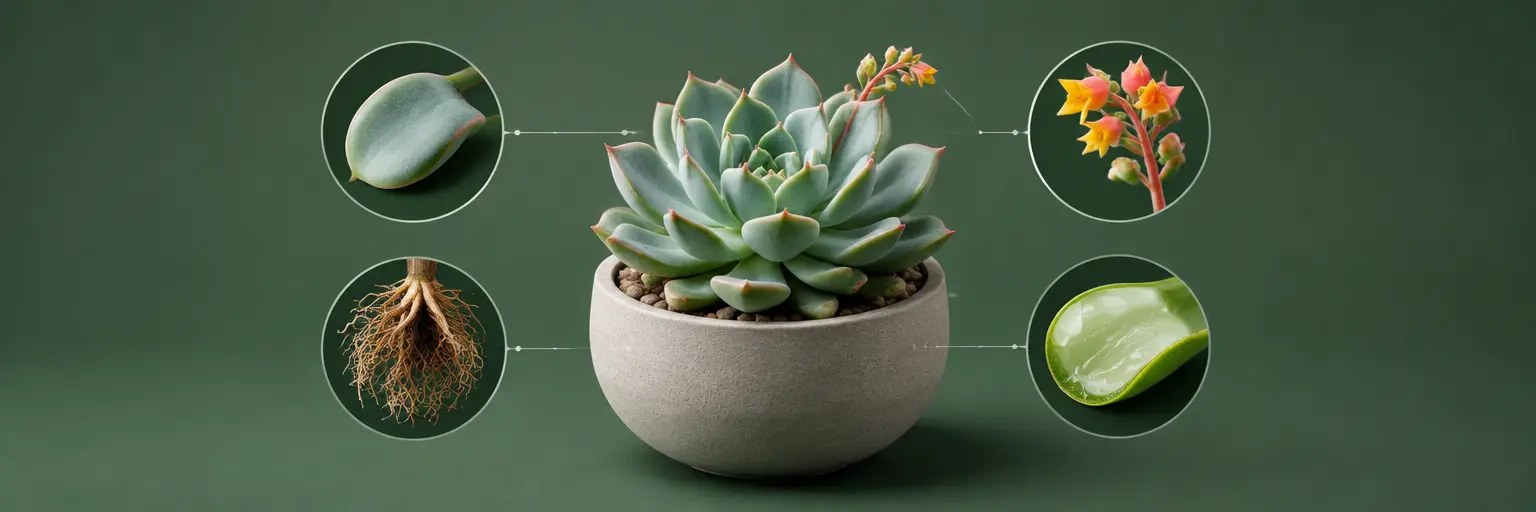
Discover the key characteristics and morphology of succulents—the fascinating traits that make these drought-defying plants so unique and resilient. From their thick, fleshy leaves and stems that store water to their diverse shapes, textures, and rosette formations, succulents have evolved remarkable adaptations for arid environments. Learn how to identify different species by examining leaf structure, surface coatings like farina, and growth habits, whether you’re a beginner or a seasoned enthusiast. This essential guide helps you understand the anatomy behind their hardiness, making it easier to choose, care for, and propagate these low-maintenance beauties in any setting. Perfect for collectors and hobbyists, dive into the morphology that defines succulents and unlocks their full potential in your home or garden.
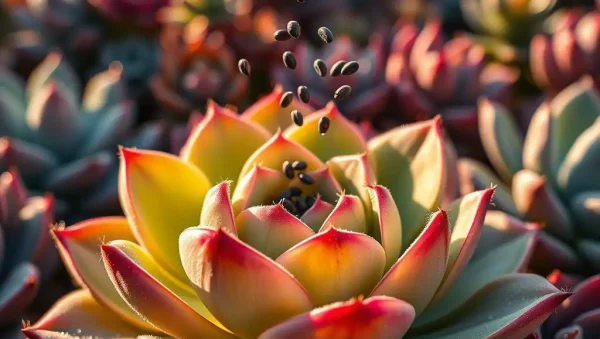
😊 Discover the fascinating world of succulent seed dispersal methods! SucculentEssentials.org explores how these resilient plants spread their seeds, from wind dispersal…
Read article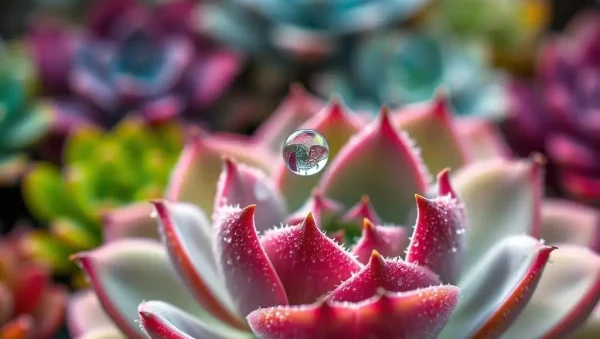
😊 Discover the fascinating Succulent water retention science behind these drought-resistant plants! Learn how their unique physiology allows them to thrive in…
Read article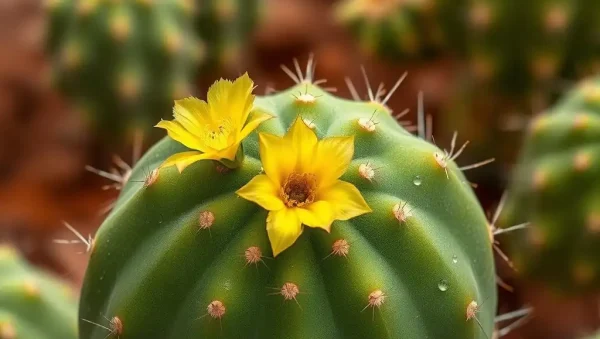
🤔 Discover the fascinating world of succulent phylloclades! SucculentEssentials.org's expert care guide unveils their unique functions and provides essential tips for successful…
Read article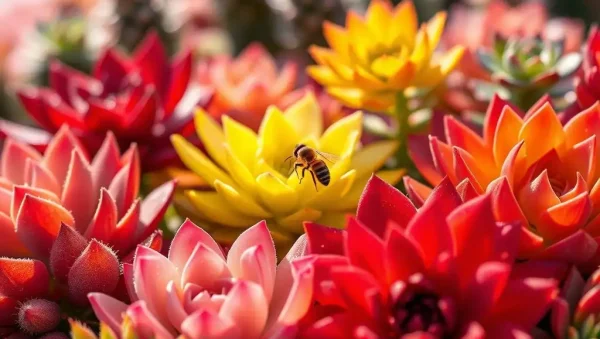
😊Uncover the captivating world of succulent blooms! SucculentEssentials.org's "Succulent Flower Blooming Guide" explores the diverse colors, forms, and flowering habits of these…
Read articleWelcome to the fascinating world of succulent morphology! On this page, we dive deep into the physical traits that define these drought-defying plants. Understanding key characteristics like leaf texture, growth patterns, and root structures is essential for any enthusiast, from beginners to seasoned collectors. By recognizing these features, you’ll not only improve your identification skills but also tailor perfect care routines for your green friends. Explore the anatomy of succulents with us and discover how every curve and spine tells a story of adaptation and survival.
Succulent leaves are the most visible and diverse features, ranging from plump, rounded jelly beans to slender, needle-like forms. The primary characteristic is water storage—thick, fleshy tissues that allow survival in arid climates. You’ll notice variations in surface texture, such as a powdery epicuticular wax (farina) on Echeverias, which protects against sunburn, or soft hairs on species like Cotyledon tomentosa. These adaptations are not just aesthetic; they minimize water loss and reflect intense sunlight, making your succulent better equipped for harsh windowsills.
Identification guides often rely heavily on leaf shape, margin color, and arrangement (rosettes, spirals, or opposite pairs). For instance, a rosette-with-tapered-tip pattern points toward Echeveria or Graptopetalum crosses, while cylindrical, pointed leaves indicate Haworthias. Observing these characteristics helps you distinguish between similar-looking varieties. When you understand leaf morphology, you can also spot early signs of stress—like shriveling or color changes—which are often the first clues to adjust watering or lighting conditions in your own home.
Beyond leaves, the way a succulent grows is a critical morphological feature. Some varieties, like Sempervivums, form tight, ground-hugging rosettes that propagate by producing offsets, creating dense mats. Others, such as Crassula ovata (jade plant), develop a woody, branching stem that resembles a miniature tree. Understanding these growth habits helps you anticipate space requirements and support needs. For example, trailing succulents like Senecio rowleyanus (string of pearls) require hanging baskets, while columnar cacti like Cereus need vertical room and sturdy staking as they mature.
Stem morphology also includes storage tissues—many stem succulents (cacti) photosynthesize through their green bark when leaves are reduced or absent. The ribs and tubercles on cacti expand and contract to accommodate stored water, an ingenious adaptation you can observe closely. For collectors, recognizing whether a plant is caudiciform (with a swollen trunk base), rhizomatous, or mat-forming informs both aesthetic arrangement and watering frequency. By studying these structural genes, you gain insight into seasonal dormancy and active growth windows, ensuring your succulents thrive in their specific microclimate.
Morphology isn't limited to leaves and stems—flowers are crucial for identifying species and enjoying your plants' full life cycle. Succulents produce striking blooms, from the tall, nodding bell-shaped flowers of Aloes to the daisy-like compound inflorescences of Dorotheanthus bellidiformis. The arrangement, color, and scent of petals are consistent within species, making them reliable markers for taxonomy. Understanding whether your succulent blooms from the apex (monocarpic, like Agave) or from lateral sides helps you decide whether to remove flower stalks to boost leaf growth or let them seed.
Reproductive morphology extends to seeds, fruits, and even specialized structures like pollen vectors. Some succulents, such as the Lithops (living stones), produce fruits that open only when moistened to release seeds—a timed dispersal mechanism. Observing these minute details helps you cross-pollinate for hybridizing at home. Even if you’re not a breeder, knowing your plant’s floral cycle alerts you to proper rest periods post-bloom, as many succulents shift energy to root development afterward. This knowledge transforms you from a viewer to an informed caretaker.
While often overlooked, root morphology is vital for succulent health. Most species feature a shallow, fibrous root system that rapidly absorbs rain from brief desert storms. Others, like caudiciforms, develop a massive, water-storing tuber just above soil, which you must protect from overwatering. Recognizing surface roots versus deep taproots will guide your potting decisions: wide, shallow pots are perfect for Echeverias, while deep containers suit caudex plants like Dioscorea elephantipes. Understanding root structure also prevents root rot, as you’ll adjust drainage layers and watering frequency based on root density.
Adaptations include the ability to produce adventitious roots from leaf nodes (as seen in many Crassulas) which allow propagation even from single leaves. Some succulents, especially in tropical zones, exhibit epiphytic root systems that cling to tree bark, extracting moisture from the air—think of Dischidia or Rhipsalis. In cultivation, you can coax aerial roots to grow in high humidity, a perfect indicator of ambient moisture levels. By studying root morphology, you can simulate natural habitats, using terracotta pots or custom soil mixes that cater precisely to these underground features.
Morphology is also about measurements and visual balance. Many succulents display perfect radial symmetry (rosettes), while others are asymmetrical due to branching patterns. Size range is immense: from less than a centimeter for miniature Blossfeldia liliputana to towering multi-meter saguaros. Color patterns are equally diagnostic—stress coloration, such as blushing pink or purple margins, occurs from sun exposure or cool nights. Recognizing normal vs. stress colors helps you adjust light to bring out the best aesthetics. Leaf variegation (sectoral or marginal) also exists as a genetic mutation, providing rare and sought-after cultivars.
Quantifying your succulent's growth—recent leaf production, stem elongation rates—can signal health issues early. Photographing your plant monthly lets you track changes in symmetry, such as etiolation (stretching) toward light, which indicates insufficient sunlight. Additionally, the presence of persistent attached leaves (like “window” leaves on Haworthias) can be used to gauge hydration levels. This morphological awareness turns ordinary observation into a precise science, enabling you to replicate ideal conditions and produce show-quality specimens that are both robust and beautifully formed.
Many succulents, particularly cacti, feature defensive structures that are actually modified leaves, stems, or epidermal growths. Spines (derived from leaves) reduce herbivore grazing and provide shade, while glochids (tiny barbed bristles) on Opuntias are a unique deterrent. Understanding these morphological differences is essential for safe handling—while some are soft and decorative, others penetrate skin easily. Beyond protection, these structures often have ridges or hooks that channel dew toward the plant’s base, offering a clever water-capture mechanism in foggy coastal deserts.
For identification, spine arrangement (central vs. radial), color, length, and curvature are key taxonomic traits. For example, the golden barrel cactus is easily identified by its dense, yellow, hooked central spines. In cultivation, you can influence spine density by adjusting light intensity—shade-grown plants tend to have fewer, weaker spines. Learning to read your plant's defensive morphology also gives clues about its native habitat: cacti with heavy felting (woolly areoles) usually come from high-altitude regions where frost protection is critical. Protecting yourself and your plants means understanding these sharp details.
Start by examining leaf shape and texture—look for characteristics like rosette formation, water-storage thickness, and epicuticular wax. Then, check the growth pattern (trailing, clumping, stemmy) and root types. Cross-reference these traits with an identification guide, and pay attention to flower shape and spine anatomy if present. This systematic approach helps you narrow down species accurately.
Etiolation appears as unusual stem elongation with widely spaced, pale leaves that point downward. This occurs when a succulent stretches toward insufficient light, losing its compact form. Morphologically, the internodal gaps become long, and new leaves are smaller. To reverse it, gradually increase light exposure and consider beheading to restart a denser growth pattern.
Yes—true cacti are the only succulents with areoles (small cushion-like structures) from which spines emerge. However, other succulent families like Euphorbias have spines that arise directly from the stem tissue without areoles. So while all cacti are succulents, not all spiny succulents are cacti. Learning this distinction is key to proper identification.
This is usually a sign of overwatering-induced cell rupture or root rot. Morphologically, the leaves lose their turgid, firm appearance and become translucent, often with black spots. To fix it, remove affected leaves, let the soil dry completely, and repot in a gritty, well-draining mix. Ensure your pot has drainage holes to prevent water accumulation.
The epicuticular wax (or farina) forms a protective, bluish-white layer that reflects ultraviolet rays and reduces water loss through evaporation. It also creates a hydrophobic surface that sheds water quickly, preventing rot from pooling on leaves. Touching or wiping this coating can damage it, so handle your succulents gently to preserve this beautiful, functional feature.