
Understanding Succulent Seed Dispersal Strategies

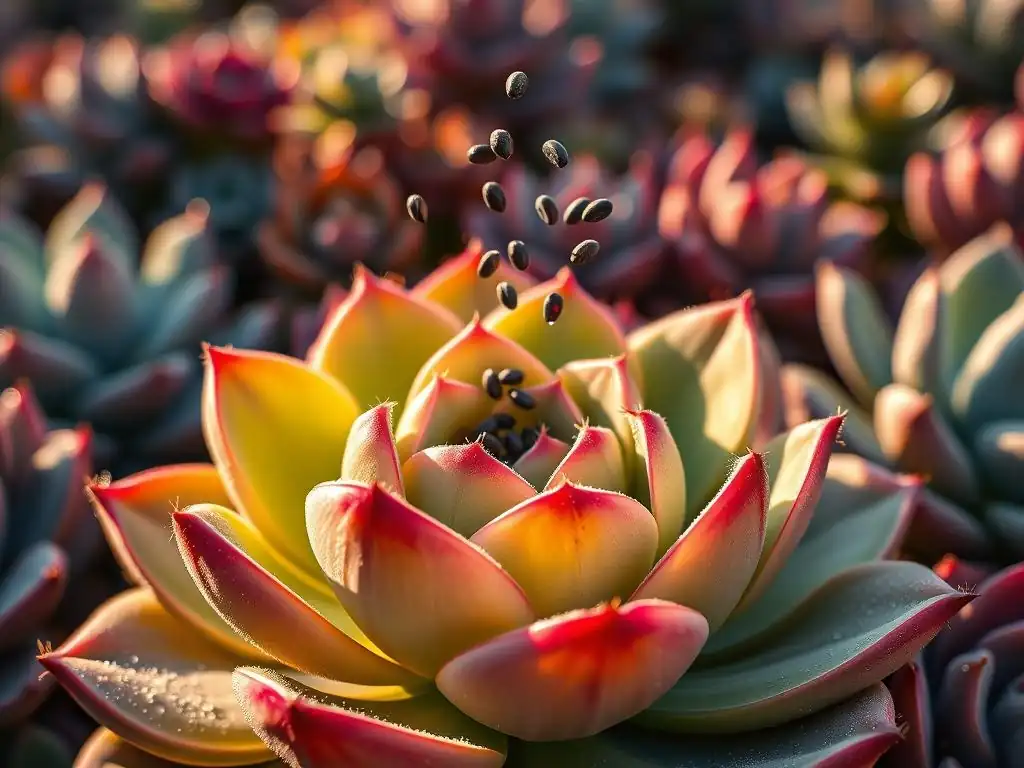
Welcome to SucculentEssentials.org, where the fascinating world of succulents unfolds before you! Prepare to be captivated by the resilience and diversity of these remarkable plants. But have you ever wondered about the ingenious ways succulents spread their seeds? Our exploration into Succulent seed dispersal methods will reveal nature's clever strategies, unlocking secrets to successful propagation and a deeper understanding of these captivating desert dwellers. Dive in and discover the mysteries waiting within!
- Introduction to Succulent Seed Dispersal Methods
- Wind Dispersal: Utilizing the Power of the Breeze
- Animal Dispersal: A Symbiotic Relationship
- Water Dispersal: Riding the Rains
- Ballistic Dispersal: Explosive Seed Release
- Human Influence on Succulent Seed Dispersal
- Frequently Asked Questions
- Final Reflection: The Enduring Legacy of Succulent Seeds
- Unveil the Secrets of Succulent Propagation!
Introduction to Succulent Seed Dispersal Methods
Succulents, with their remarkable adaptability to arid and semi-arid environments, have evolved a fascinating array of strategies for seed dispersal. Understanding these methods is crucial not only for appreciating the remarkable resilience of these plants but also for successful propagation and cultivation. This article delves into the diverse mechanisms succulents employ to spread their seeds, highlighting the evolutionary pressures that have shaped these unique adaptations.
We will explore how these strategies contribute to the survival and propagation of succulents in their often-challenging habitats, focusing on the interplay between plant morphology, environmental factors, and the ingenious ways succulents ensure their offspring find suitable locations for growth. From wind-assisted dispersal to the clever use of animal vectors, the world of succulent seed dispersal is a testament to the power of natural selection.
This knowledge is invaluable for both amateur succulent enthusiasts and seasoned cultivators aiming to improve their propagation success. Learning about these methods allows for better understanding of the plant’s life cycle and provides insight into how to best mimic these natural processes when cultivating succulents.
The Importance of Seed Dispersal in Succulent Survival
Seed dispersal is paramount for the survival and propagation of succulent species. Unlike many other plant groups, succulents often inhabit harsh environments characterized by scarce resources and unpredictable rainfall. Successful seed dispersal minimizes competition among offspring for limited resources like water and nutrients.
Furthermore, spreading seeds away from the parent plant reduces the risk of localized threats such as disease outbreaks, pests, or wildfires. The distance a seed travels directly impacts its chances of encountering suitable conditions for germination and establishment. The success of a succulent's reproductive strategy is intrinsically linked to the efficiency of its seed dispersal mechanism.
For example, a species relying on wind dispersal might thrive in open, windy habitats, while one relying on animal dispersal might be more successful in areas with a high density of potential seed vectors. Understanding these relationships is key to comprehending the ecological success of different succulent species. The survival rate of seedlings is directly influenced by the location where the seed lands, highlighting the critical role of effective seed dispersal in ensuring the continuation of succulent populations.
Evolutionary Adaptations for Seed Distribution in Arid Environments
Succulents have evolved a diverse range of adaptations to facilitate seed dispersal in their often-challenging environments. These adaptations are often intricately linked to the specific conditions of their habitats and the types of dispersal agents available. Many succulents utilize the wind (anemochory) to distribute their seeds. This often involves the production of lightweight seeds with specialized structures like wings or plumes, enabling them to be carried long distances by air currents. 1 Other succulents rely on animals (zoochory) for seed dispersal. Some species produce fleshy fruits that are attractive to birds and mammals, who consume the fruits and subsequently disperse the seeds in their droppings. These fruits often exhibit vibrant colors and sweet flavors to attract animal vectors. Another strategy involves seeds with barbs or hooks that cling to animal fur or feathers, ensuring passive transport. The effectiveness of these methods is influenced by factors such as the abundance and behavior of animal vectors, as well as the seed's ability to withstand the digestive processes of its disperser. The specific adaptations of each succulent species reflect a complex interplay between evolutionary pressures and environmental opportunities. These adaptations ensure that the seeds are dispersed efficiently and effectively, maximizing the chances of successful germination and establishment in suitable habitats.
1 Further research is needed to quantify the exact distances different succulent species achieve through wind dispersal.
Wind Dispersal: Utilizing the Power of the Breeze
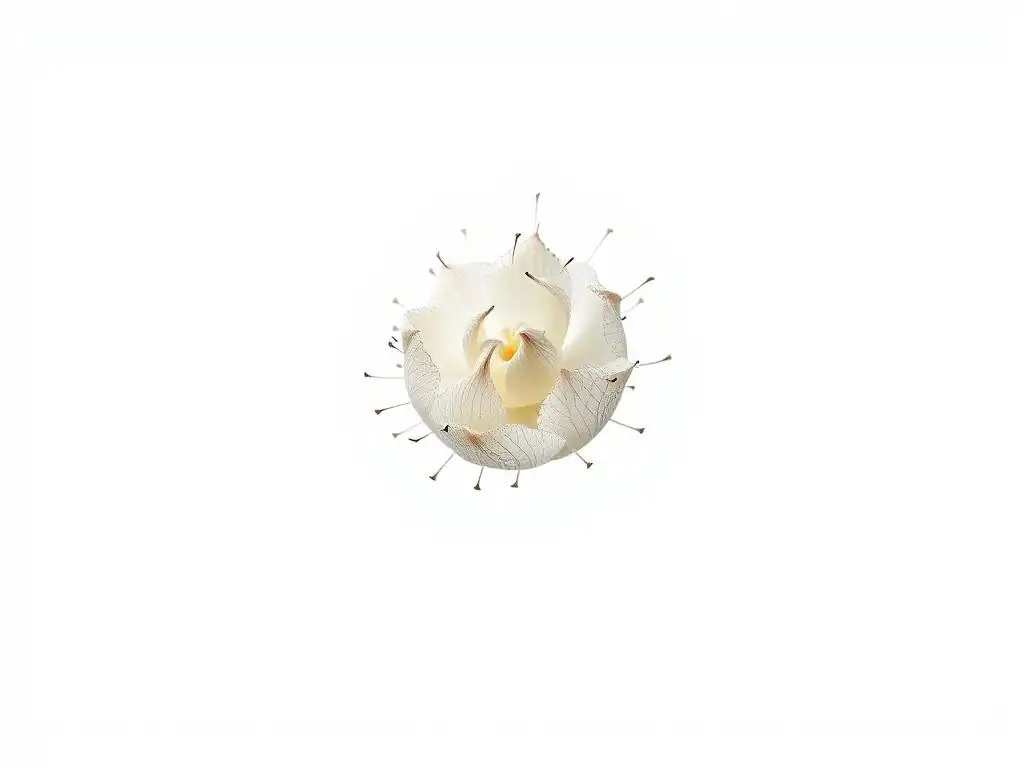
Wind dispersal, also known as anemochory, is a prevalent succulent seed dispersal method employed by numerous species. This strategy relies on the production of lightweight seeds and specialized structures that enhance their airborne capabilities. The effectiveness of wind dispersal is heavily influenced by factors such as wind speed, seed morphology, and the surrounding environment.
Many succulents inhabiting arid and open habitats have evolved sophisticated adaptations to maximize the distance their seeds travel on the wind. Understanding these adaptations is crucial for both appreciating the evolutionary ingenuity of these plants and for successfully propagating them. This section delves into the specifics of lightweight seed design and the role of plumose structures in maximizing wind dispersal for succulents.
Lightweight Seeds and Plumose Structures in Succulent Seed Dispersal
The most fundamental aspect of successful wind dispersal is seed mass. Succulents employing this method typically produce exceptionally lightweight seeds. This minimizes the energy required to lift and transport them. Think of the dandelion's seed head; the tiny seeds are easily carried on even the gentlest breeze. Many succulent species mimic this strategy, often with seeds weighing only a few milligrams. This low mass allows for efficient dispersal even over considerable distances.
Beyond simply being lightweight, many succulent seeds possess further adaptations to enhance their aerodynamic properties. One common adaptation is the presence of plumose structures – feathery appendages or wings attached to the seed. These structures significantly increase the surface area of the seed, creating drag and allowing the wind to catch and carry it more effectively. The plumose appendages can vary greatly in size and shape depending on the species, reflecting different adaptations to prevailing wind conditions.
For example, the seeds of some Sedum species boast elaborate, almost parachute-like, plumose structures. This maximizes their time aloft and allows them to be transported much further than seeds lacking such modifications. Conversely, other succulent species might have simpler, smaller wings or hairs, which are still effective in enhancing dispersal but perhaps over shorter distances. The design is a testament to the adaptability and diversification of succulent seed dispersal strategies.
Adaptations for Wind-Assisted Seed Travel in Different Succulent Species
The effectiveness of wind dispersal varies significantly across different succulent species, reflecting the diverse environments they inhabit and the selective pressures they have faced. Some species favor open, exposed habitats where strong winds are common. These species often produce seeds with exceptionally large and well-developed plumose structures, maximizing their chances of long-distance dispersal.
Conversely, succulents in more sheltered environments might rely on less pronounced adaptations. For example, succulents growing in rocky crevices or amongst other vegetation might have seeds with smaller, less elaborate appendages. Even slight modifications can still provide a significant advantage in seed dispersal, particularly in environments with less consistent or strong winds.
The following table summarizes the variation in wind dispersal strategies among different succulent genera:
| Genus | Seed Size (approx.) | Plumose Structure | Habitat Type |
|---|---|---|---|
| Sedum | Very lightweight | Large, feathery | Open, exposed |
| Echeveria | Lightweight | Small, hair-like | Sheltered, rocky |
| Dudleya | Moderately lightweight | Moderate, feathery | Coastal cliffs, rocky areas |
| Delosperma | Lightweight | Small, winged | Open, grassland |
This variation highlights the remarkable evolutionary plasticity of succulent seed dispersal mechanisms. The diversity of seed morphology reflects the selective pressures exerted by the unique environmental conditions encountered by different succulent species. Further research is needed to fully elucidate the specific mechanisms and ecological factors driving these diverse adaptations within different succulent genera and species, particularly regarding [specific information pending] on the influence of humidity and wind patterns on seed dispersal success.
Animal Dispersal: A Symbiotic Relationship
Succulent seed dispersal methods often involve a fascinating interplay between plants and animals, a symbiotic relationship where both benefit. Many succulents have evolved strategies to entice animals to disperse their seeds, ensuring wider distribution and increased chances of successful germination. This section will explore various animal-mediated dispersal mechanisms, focusing on the specific adaptations succulents have developed to achieve this.
Understanding these methods is crucial for successful succulent propagation and conservation efforts. The effectiveness of these strategies varies depending on the species of succulent and the availability of disperser animals in their habitat. We'll examine three key animal dispersal methods employed by succulents.
Seed Dispersal through Frugivory (Fruit Consumption)
Many succulent species produce fleshy fruits that are attractive to birds and other animals. This method, known as frugivory, is a highly effective seed dispersal strategy. The succulent's fruit acts as a reward for the animal, providing a nutritious meal.
The seeds pass through the animal's digestive system unharmed, often being deposited some distance away from the parent plant along with the animal's droppings. This process not only disperses the seeds but also provides them with a dose of fertilizer in the form of the animal's waste. For example, certain Dudleya species produce berries that are readily consumed by birds, leading to efficient seed dispersal across diverse terrains.
The size and characteristics of the fruit, such as color and sweetness, are often specifically adapted to attract particular animal species known to inhabit the plant's environment. The hardiness of the seeds themselves ensures survival during transit through the digestive tract. The success rate of this method depends on factors like fruit production volume, animal abundance, and seed viability post-digestion.
Seed Dispersal via External Attachment (Epizoochory)
Some succulents rely on epizoochory, where seeds attach to the fur or feathers of animals. These seeds typically possess hooks, barbs, or sticky surfaces that facilitate attachment. As animals move through their habitat, they inadvertently carry these seeds, eventually depositing them at new locations when the seeds detach.
This method is particularly effective for succulents growing in areas with high animal traffic, such as grasslands or near watering holes. The success of epizoochory depends on the effectiveness of the seed's attachment mechanism and the mobility of the animal vector. While less common than frugivory in succulents, it is a significant dispersal method for some species, particularly those with small, lightweight seeds.
The morphology of the seeds plays a critical role in this strategy; adaptations like spines or sticky mucilage enhance their chances of clinging to passing animals. Further research is needed to fully understand the specific animal vectors involved in epizoochory for various succulent species. [Specific information pending on specific succulent species using epizoochory and their seed morphology].
The Role of Ants in Succulent Seed Dispersal (Myrmecochory)
Myrmecochory, the dispersal of seeds by ants, is another notable strategy employed by certain succulents. These succulents produce seeds with elaiosomes – fleshy appendages rich in lipids and proteins that are highly attractive to ants. Ants carry these seeds back to their nests, consuming the elaiosome and discarding the seed, effectively planting it in nutrient-rich soil near the ant colony.
This method offers advantages such as protection from seed predators and placement in a microhabitat suitable for germination. The size and shape of the seeds, along with the elaiosome's nutritional value, are crucial factors influencing the effectiveness of myrmecochory. Many Sedum and Sempervivum species are known to utilize this strategy, demonstrating the prevalence of this method among certain succulent genera.
The symbiosis between the plant and the ants is a remarkable example of co-evolution, where both organisms benefit from the interaction. The plant ensures its seed dispersal, while the ants receive a valuable food source. 📈 The efficiency of this method can be affected by ant density and species diversity within the succulent's habitat.
Water Dispersal: Riding the Rains
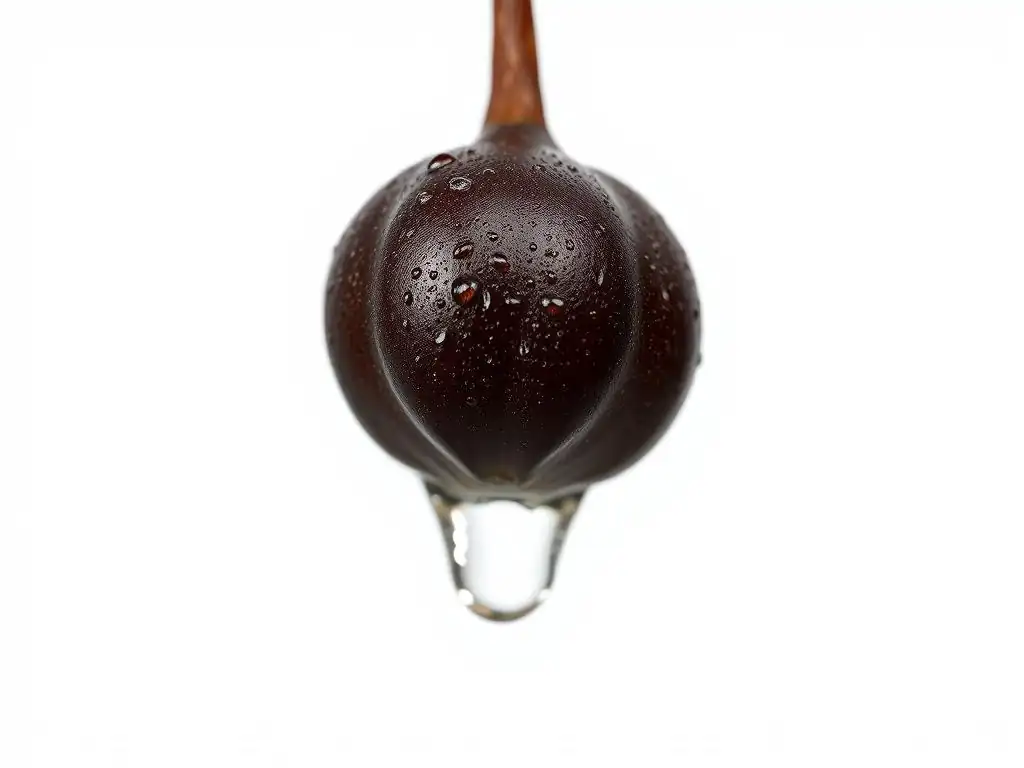
Succulent seed dispersal methods are incredibly diverse, reflecting the wide range of habitats these plants occupy. While many succulents rely on wind or animals for seed distribution, a significant number have evolved ingenious strategies utilizing water, a process known as hydrochory. This section delves into the fascinating world of hydrochorous seed dispersal in succulents, exploring the mechanisms involved and the remarkable adaptations that make it possible. Understanding these methods provides valuable insights into the evolutionary success and ecological distribution of these fascinating plants. The keyword "succulent seed dispersal methods" is central to understanding their survival and propagation.
Hydrochory: The Role of Water in Succulent Seed Distribution
Hydrochory, the dispersal of seeds via water, plays a crucial role in the life cycle of many succulent species, particularly those inhabiting arid and semi-arid regions prone to flash floods or seasonal rainfall. These unpredictable events can carry seeds considerable distances, effectively overcoming limitations imposed by the plant's often localized distribution. The effectiveness of hydrochory depends on several factors, including the seed's morphology, its buoyancy, and the intensity and duration of the water flow.
For instance, some succulent seeds possess buoyant structures, allowing them to float for extended periods, increasing the chances of reaching suitable germination sites downstream. Other seeds might have a hard, waterproof outer coating protecting them from the damaging effects of prolonged submersion. This adaptation is particularly crucial in environments subject to unpredictable flooding where seeds might be submerged for days or even weeks.
Adaptations for Water-Based Seed Dispersal in Succulent Plants
Numerous adaptations enhance the success of hydrochorous dispersal in succulents. These adaptations often involve modifications to the seed coat, the fruit, or even the entire plant structure. For example:
- Buoyant seed coats: Many succulent seeds possess air pockets or spongy tissues within their seed coats, increasing buoyancy and allowing them to float on water surfaces. The size and density of these air pockets vary significantly between species, reflecting the specific hydrological conditions of their native habitats. Some seeds may exhibit a remarkable ability to remain afloat for weeks, dramatically increasing their dispersal range.
- Waterproof seed coats: A thick, impermeable seed coat protects the embryo from damage caused by prolonged exposure to water. This is particularly important in environments where seeds may be submerged for extended periods during flash floods or seasonal rains. The chemical composition of these seed coats often includes waxy substances that create a barrier against water penetration.
- Fruit morphology: The fruit structure itself can play a significant role in hydrochory. Some succulents produce fleshy fruits that readily detach from the plant and float on water currents. The size and shape of the fruit, along with its buoyancy, influence the distance the seeds are carried. Other species have fruits that break open upon contact with water, releasing their seeds into the current.
- Plant architecture: The overall architecture of the plant can influence seed dispersal. Some succulents grow close to water sources, maximizing the chances of their seeds being carried away by flowing water. Others exhibit a prostrate growth habit, allowing their seeds to be easily swept away by runoff.
The effectiveness of these adaptations is crucial for the successful colonization of new habitats and the long-term survival of succulent species. Further research into the specific mechanisms and adaptations employed by various succulent genera is needed to fully understand the complexities of hydrochorous seed dispersal in these fascinating plants. The study of "succulent seed dispersal methods" continues to reveal the remarkable ingenuity of nature in ensuring the propagation of life even in the harshest environments.
Ballistic Dispersal: Explosive Seed Release
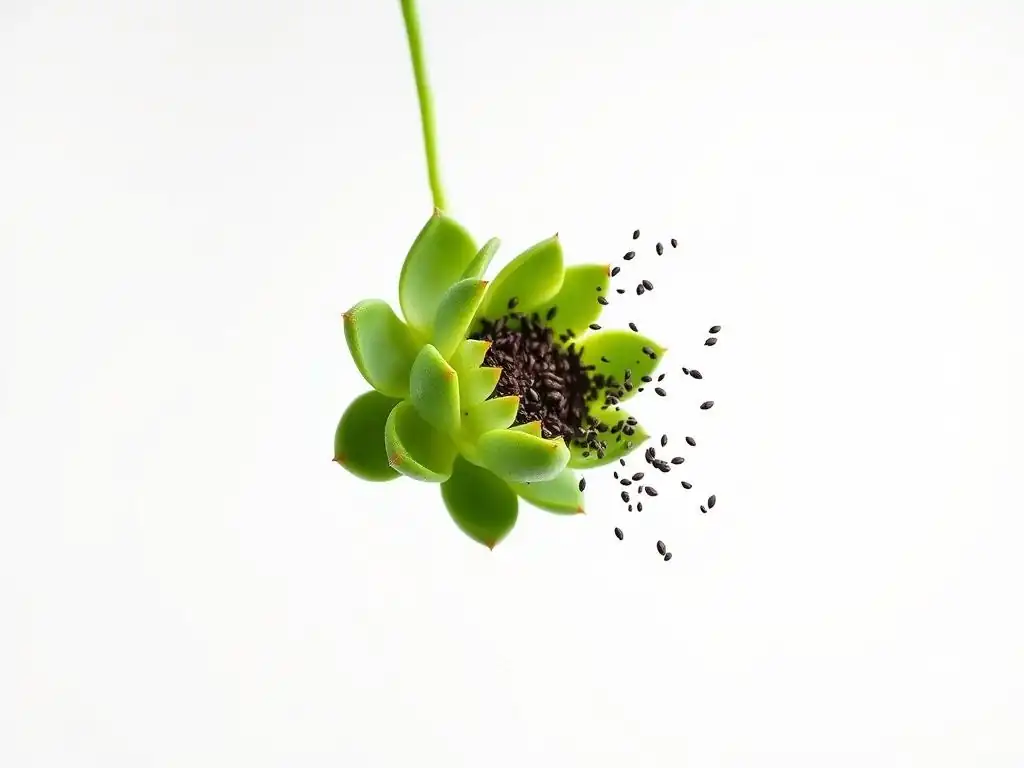
Succulents, known for their remarkable adaptations to arid environments, employ a variety of ingenious seed dispersal methods. One fascinating strategy is ballistic dispersal, where seeds are forcefully ejected from the parent plant. This mechanism, often described as "explosive dehiscence," ensures that seeds are scattered over a wider area, increasing the chances of successful germination and reducing competition amongst seedlings. This section delves into the mechanics of ballistic dispersal in succulents and the factors that influence the distance seeds travel.
Understanding these mechanisms is crucial for successful succulent cultivation and propagation from seed. The efficiency of ballistic dispersal significantly impacts the distribution and survival of many succulent species, making it a key element in their overall reproductive success. The term "succulent seed dispersal methods" encompasses various strategies, and ballistic dispersal represents a compelling example of evolutionary adaptation.
Mechanisms for Explosive Dehiscence in Succulent Capsules
The explosive release of seeds in succulents is achieved through specialized structures within their seed capsules. These capsules often exhibit hygroscopic movements, meaning their structure changes in response to fluctuations in moisture content. As the capsule dries, internal stresses build up, ultimately leading to a sudden rupture. This rupture can be a simple splitting of the capsule along pre-determined lines, or a more complex twisting or coiling action that propels seeds outward.
The precise mechanisms vary depending on the succulent species. Some succulents possess capsules with tightly coiled valves that unwind explosively when dry, acting like a miniature spring. Others have capsules that develop internal pressures due to differential shrinkage of different tissue layers. This differential shrinkage creates a powerful force that forcefully expels the seeds.
The size and shape of the capsule, as well as the number and size of the seeds, significantly influence the force and direction of seed ejection. For example, Sedum species often exhibit a comparatively gentle release, while some Mesembryanthemum species show exceptionally vigorous ballistic dispersal. The study of these intricate mechanisms provides valuable insights into the evolutionary pressures that have shaped succulent reproductive strategies.
Detailed microscopic analysis of capsule tissues is needed to fully understand the precise cellular mechanisms driving this explosive dehiscence in various succulent genera. [Specific information pending on microscopic analysis of diverse succulent genera]
Factors Influencing Ballistic Seed Dispersal Distance
Several factors interact to determine how far ballistic dispersal carries succulent seeds. These include:
- Capsule Morphology: The size, shape, and structure of the capsule directly influence the force and direction of seed ejection. Larger capsules with more complex structures tend to propel seeds farther.
- Seed Size and Weight: Smaller, lighter seeds are naturally carried farther by wind currents after being ejected. Larger, heavier seeds, while possessing greater initial velocity, may experience a more rapid deceleration due to air resistance.
- Environmental Conditions: Wind speed and direction play a significant role in carrying seeds away from the parent plant. Humidity levels also influence the rate of capsule drying and the timing of seed release. High humidity can delay dehiscence, potentially reducing dispersal distance.
- Substrate Characteristics: The type of soil and surrounding vegetation can affect the distance seeds travel. For example, seeds landing on loose sand might roll further than those landing on dense vegetation.
A quantitative study analyzing the correlation between capsule characteristics and dispersal distance in various succulent species would provide valuable data. [Specific data on quantitative analysis of capsule characteristics and dispersal distance pending]. The interplay of these factors creates a complex system where even slight variations can significantly impact the overall success of ballistic seed dispersal in succulents. This highlights the importance of considering these variables when attempting to cultivate succulents from seed.
Human Influence on Succulent Seed Dispersal
Human activities significantly impact succulent seed dispersal, often in ways that are both unintentional and intentional. Understanding these influences is crucial for conservation efforts and for predicting the future distribution of succulent species. While natural dispersal mechanisms are vital, anthropogenic factors are increasingly shaping the geographic spread and genetic diversity of these fascinating plants. This section will explore both the unintended consequences of human actions and the deliberate strategies employed in horticulture and plant trade.
Unintentional Seed Dispersal through Human Activities
Humans inadvertently contribute to succulent seed dispersal through various activities. For example, the movement of soil and gravel during construction projects can unintentionally relocate seeds embedded within these materials. Similarly, agricultural practices, such as the transport of soil or compost contaminated with succulent seeds, can lead to the establishment of new populations in unexpected locations. The accidental transport of seeds clinging to clothing, equipment, or vehicles also contributes to this phenomenon. This form of dispersal often lacks the selectivity of natural vectors, leading to unpredictable colonization patterns.
Consider the scenario of a construction site near a population of Dudleya farinosa. During excavation, soil containing D. farinosa seeds might be moved to a different location, potentially introducing the species to a previously uninhabitable area. This unintentional spread could lead to the plant thriving in its new environment or failing due to unsuitable conditions. The lack of control over seed dispersal through such activities necessitates the development of strategies to mitigate unintended consequences for native succulent populations.
The Impact of Horticulture and Plant Trade on Succulent Seed Distribution
The horticultural industry and the global plant trade have profoundly altered the distribution of succulents. The deliberate cultivation and propagation of succulents through seeds, cuttings, and other methods have led to the widespread availability of numerous species, often far beyond their natural ranges. This intentional dispersal can both benefit and harm the environment.
While the increased availability of succulents has fostered appreciation and conservation efforts, it also presents significant risks. The introduction of non-native succulents can lead to the displacement of native flora, disrupting existing ecosystems. Furthermore, the potential for hybridization between introduced and native species poses a threat to genetic integrity. The uncontrolled spread of invasive succulents can have devastating consequences for biodiversity.
Careful consideration of the potential ecological impacts is crucial when propagating and distributing succulent species. Regulations and best practices are needed to minimize the negative consequences of horticultural activities on natural succulent populations. A responsible approach requires a balance between the enjoyment of succulent cultivation and the preservation of natural ecosystems. The careful selection of species, responsible disposal of plant materials and awareness of potential invasive species are essential components of a sustainable approach to succulent horticulture.
Frequently Asked Questions
How are succulent seeds dispersed?
Succulents utilize various seed dispersal methods, including wind dispersal (via lightweight seeds), animal dispersal (through ingestion and excretion), and ballistic dispersal (where seeds are forcefully ejected from the plant). Each method enhances the chances of successful germination.
What role do animals play in succulent seed dispersal?
Animals, such as birds and ants, are crucial. Birds consume succulent fruits containing seeds, later dispersing them through their droppings. Ants carry seeds to their nests, inadvertently planting them in favorable locations. This increases the plant's range.
Do all succulents use the same seed dispersal method?
No, different succulent species employ different strategies depending on their environment and adaptations. Some rely on wind, others on animals, and some combine methods for broader dispersal. This diversity is key to their survival.
How does the size and shape of succulent seeds affect dispersal?
Seed size and shape are directly related to the dispersal method. Small, lightweight seeds are easily carried by the wind, while larger seeds may rely on animal dispersal. Seed morphology is a crucial adaptation.
What is the importance of understanding succulent seed dispersal methods?
Understanding these methods is crucial for successful propagation and conservation. It helps us appreciate the intricate relationship between succulents and their environment and informs cultivation practices. Knowledge of these strategies leads to better gardening outcomes.
Final Reflection: The Enduring Legacy of Succulent Seeds
The intricate strategies employed by succulents to disperse their seeds are not merely botanical curiosities; they are a testament to the enduring power of adaptation and a crucial element in maintaining biodiversity in arid and semi-arid ecosystems. Understanding these methods is increasingly vital as climate change intensifies pressures on these fragile environments, threatening the survival of many succulent species.
The journey of a succulent seed, from its tiny beginnings within a vibrant bloom to its eventual establishment in a new location, is a microcosm of the larger struggle for survival in harsh conditions. This journey, often fraught with peril, highlights the remarkable ingenuity of nature. The seed is the beginning of everything.
While not directly about succulents, this quote encapsulates the profound significance of seed dispersal, not just for the individual plant, but for the entire ecosystem's health and resilience. The more we understand these processes, the better equipped we are to protect these fascinating plants and the habitats they call home.
Consider the implications of this knowledge. You now possess a deeper understanding of the delicate balance within these ecosystems. What steps can you take to support succulent conservation? Perhaps it's as simple as choosing to purchase succulents from ethical sources, advocating for responsible land management practices, or simply appreciating the quiet resilience of these remarkable plants in your own garden. Let the journey of the succulent seed inspire you to become a steward of the natural world, ensuring that these fascinating plants continue to thrive for generations to come.
Unveil the Secrets of Succulent Propagation!
Thank you for exploring the fascinating world of succulent seed dispersal! You've gained valuable insights into the ingenious strategies these plants employ to thrive. Ready to put your knowledge into practice?
- Start your own succulent propagation journey: Gather seeds from your favorite succulents, or purchase some exciting new varieties, and try sowing them. This is your chance to become a true succulent propagation expert!
- Share your succulent wisdom: Discuss this article and your propagation experiences with fellow plant enthusiasts. Let's build a thriving community of succulent lovers!
- Experiment with different propagation techniques: Explore methods like leaf cuttings or offsets, in addition to using seeds. What unexpected results will you discover?
So, which propagation method will you try first? Share your plans in the comments below!