
Cactaceae: Essential Tips for Keeping Your Cacti Happy and Healthy

Welcome to SucculentEssentials.org, your gateway to the fascinating world of succulents! Are you ready to unlock the secrets to thriving cacti and other drought-tolerant beauties? Then dive into our Cacti care guide for beginners, a comprehensive resource designed to help you nurture these unique plants from the very beginning. Discover the surprising simplicity of cultivating these resilient plants and transform your home into a vibrant succulent oasis. Let's begin your journey into the captivating realm of succulent cultivation!
- Cacti Care Guide for Beginners: Understanding Basic Needs
- Common Cactus Pests and Diseases: Prevention and Treatment
- Propagation Methods for Expanding Your Cactus Collection
- Creating the Perfect Cactus Habitat: Environmental Factors
- Troubleshooting Common Cactus Problems: A Comprehensive Guide
- Different Types of Cacti and Their Specific Needs
- Advanced Cacti Care: Tips for Experienced Enthusiasts
- Frequently Asked Questions
- Final Reflection: The Enduring Allure of the Prickly Friend
- Unleash Your Inner Cactus Connoisseur!
Cacti Care Guide for Beginners: Understanding Basic Needs
Embarking on your succulent journey often begins with the captivating allure of cacti. These iconic desert dwellers, belonging to the Cactaceae family, offer a unique blend of resilience and beauty, making them popular choices for both novice and experienced plant enthusiasts. This comprehensive guide provides essential cacti care tips for beginners, equipping you with the knowledge to cultivate these fascinating plants and ensure their longevity. We’ll delve into the specifics of light, watering, and soil – the three pillars of successful cacti cultivation.
Mastering these fundamentals will transform your cacti from potentially prickly problems into thriving, vibrant additions to your home or garden. This guide focuses on providing practical, actionable advice to help you confidently navigate the world of cacti care, ensuring your prickly friends flourish under your care. Let's get started! 🌵
Light Requirements for Thriving Cacti
Cacti are sun-worshippers! They thrive in bright, direct sunlight, mimicking their natural desert habitats. The amount of sunlight required varies slightly depending on the specific cacti species, but generally, aiming for at least 6-8 hours of direct sunlight per day is ideal. Insufficient light can lead to etiolation – a condition where the cactus becomes leggy and pale, stretching towards the light source in a desperate attempt to photosynthesize. This weakens the plant and diminishes its aesthetic appeal.
Consider the placement of your cacti carefully. South-facing windows are usually the best option, providing ample sunlight. However, during the hottest parts of the day, particularly in summer, it might be beneficial to provide some shade to prevent sunburn. Observe your cacti closely; if you notice signs of sunburn (brown or yellow patches), gently relocate them to a slightly less intense light environment. During winter months, when sunlight is less intense, you might need to supplement with grow lights to ensure your cacti receive adequate light. The key is observation and adaptation to your specific environmental conditions.
Watering Techniques for Healthy Cacti Growth
Proper watering is crucial for healthy cacti growth, but it's a common area where beginners make mistakes. Overwatering is a significant threat to cacti, leading to root rot and ultimately, plant death. The general rule is to water thoroughly, allowing the soil to completely dry out between waterings. This drying period is vital to prevent waterlogging, which suffocates the roots.
The frequency of watering depends on several factors, including the season, the size of the pot, the type of soil, and the ambient temperature. During the active growing season (spring and summer), you might need to water every 1-2 weeks, while during the dormant period (autumn and winter), watering can be significantly reduced, perhaps to once a month or even less frequently. Always check the soil moisture level before watering; stick your finger a couple of inches into the soil – if it's dry, it's time to water.
Avoid letting water sit in the saucer beneath the pot, as this can lead to root rot. Remember, it's better to underwater than overwater. Consistent observation is key to mastering this aspect of cacti care.
Ideal Soil Composition for Optimal Drainage
Well-draining soil is paramount for cacti health. Their roots are susceptible to rot in waterlogged conditions. The ideal soil mix is a blend that provides both drainage and sufficient nutrients. A commercial cactus and succulent potting mix is a good starting point, but you can improve it further by adding ingredients like perlite or pumice. These materials increase porosity, allowing for excellent aeration and drainage.
Avoid using regular garden soil, as it retains too much moisture and lacks the necessary drainage for cacti. A good rule of thumb is that the soil should feel gritty and not clump together when squeezed. You can create your own custom soil mix by combining equal parts of cactus potting mix, perlite, and coarse sand. This mixture provides a balance of nutrients, drainage, and aeration, creating the perfect environment for your cacti to thrive. Remember, proper soil composition is a foundational element in ensuring the long-term health and happiness of your cacti collection.
Choosing the Right Pot for Your Cactus Collection
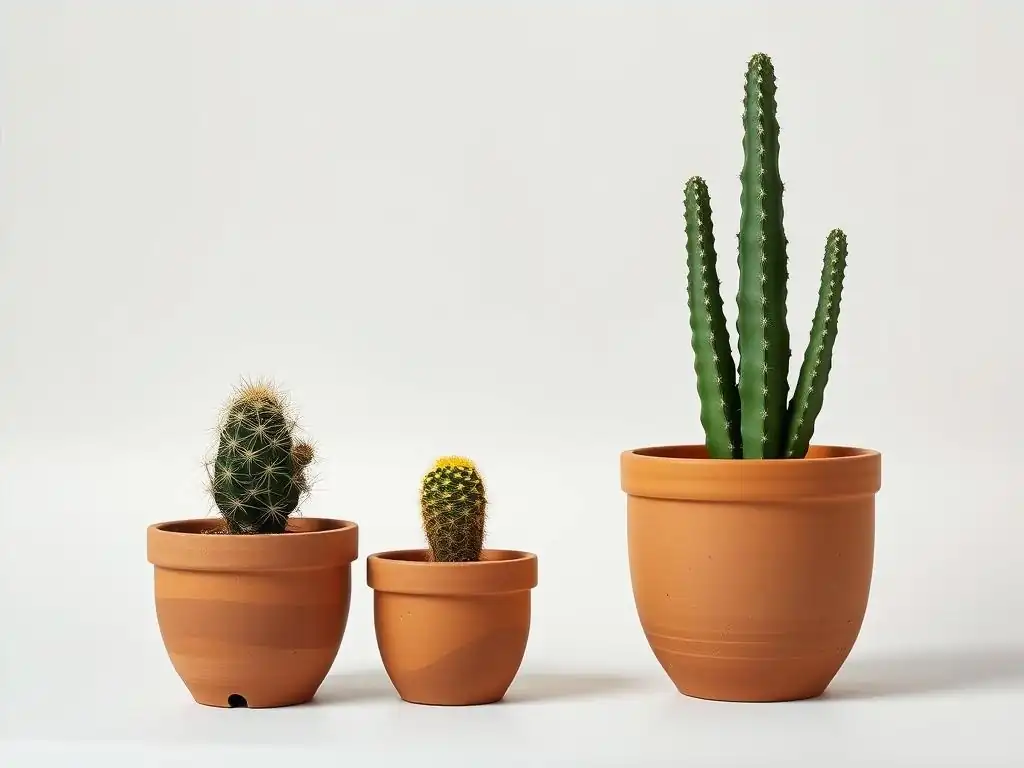
Selecting the appropriate pot is crucial for the health and longevity of your cacti. Cacti, unlike many other plants, are susceptible to root rot if their environment is too damp. Therefore, choosing a pot with excellent drainage is paramount. Terracotta pots are generally preferred by cacti enthusiasts because they are porous, allowing excess water to evaporate quickly. This prevents the soil from becoming waterlogged, a major contributing factor to root rot.
The size of the pot should also be carefully considered. A pot that is too large can retain excessive moisture, while a pot that's too small will restrict root growth and limit the cactus's ability to thrive. As a general rule, choose a pot that's only slightly larger than the cactus's root ball. Furthermore, the material of the pot influences temperature regulation. Terracotta pots, while excellent for drainage, can also lead to faster soil drying, especially in hot climates.
Plastic pots retain moisture longer, which can be beneficial in drier conditions but requires more careful watering. Ultimately, the best pot for your cactus will depend on your climate, the specific cactus species, and your watering habits. Consider these factors carefully to provide your cacti with the optimal growing environment. Remember, proper drainage is key to preventing the dreaded root rot, a common issue for beginner cacti growers. Observe your cacti regularly; if you notice signs of overwatering (yellowing, soft stems), adjust your watering schedule and consider repotting in a more porous pot.
Essential Fertilizer for Cactus Plants
While cacti are drought-tolerant plants, they still require essential nutrients to flourish. However, over-fertilizing can be just as detrimental as under-fertilizing. Too much fertilizer can burn the cactus's roots, leading to stunted growth or even death. Therefore, choosing the right fertilizer and applying it sparingly is key. A balanced, slow-release cactus fertilizer is ideal. Look for a fertilizer specifically formulated for cacti and succulents, as these usually have a lower nitrogen content compared to fertilizers for other plants.
High nitrogen levels can encourage excessive leafy growth in cacti, compromising their overall health and aesthetic appeal. A good rule of thumb is to fertilize your cacti only during their growing season, typically spring and summer. Avoid fertilizing during the dormant period (fall and winter) as the plant isn't actively growing and won't be able to utilize the nutrients effectively. When applying fertilizer, always follow the instructions on the packaging carefully. It's often better to under-fertilize than over-fertilize. Dilute the fertilizer to a weaker concentration than recommended, especially for young or newly transplanted cacti.
Regularly assess the health of your cacti; if they appear healthy and vigorous, you may not need to fertilize as often. Remember, healthy cacti will generally display robust growth, vibrant colors, and a firm texture. Conversely, nutrient deficiencies can manifest as pale coloration, slow growth, and an overall weakened appearance. Careful monitoring and judicious fertilization will help your cacti thrive for years to come. 🌵
Common Cactus Pests and Diseases: Prevention and Treatment
This section delves into the common threats to the health of your cacti, focusing on preventative measures and effective treatment strategies. Understanding these issues is crucial for any aspiring cactus enthusiast, especially beginners embarking on their cacti care journey. A healthy cactus is a happy cactus, and prevention is always the best medicine!
Identifying Common Cactus Pests
Several pests can infest cacti, causing significant damage if left unchecked. Early detection is key to successful treatment. Let's examine some common culprits:
- Mealybugs: These tiny, cottony insects cluster in crevices and feed on cactus sap, leading to stunted growth and yellowing. Look for white, fluffy masses, often found near the base of the plant or in the axils (where spines emerge). A magnifying glass can be helpful for identification.
- Spider Mites: These microscopic arachnids are harder to spot but leave tell-tale signs: fine webbing on the cactus surface and stippling (tiny yellow or brown spots). Infestations can lead to leaf discoloration and overall plant weakening. Regularly checking your plants for these tiny webs is crucial.
- Scale Insects: These immobile pests attach themselves to the cactus surface, appearing as small, hard bumps. They extract sap, causing similar symptoms to mealybugs. Close inspection is needed to identify these pests.
- Aphids: While less common on cacti than on other plants, aphids can still infest them, sucking sap and causing leaf distortion and yellowing. These small, soft-bodied insects are usually found in clusters on new growth.
Effective Pest Control Methods for Cacti
Tackling cactus pests requires a delicate approach, as harsh chemicals can damage the plant's sensitive skin. Here are some effective and safe control methods:
- Manual Removal: For small infestations, you can manually remove pests with a cotton swab dipped in rubbing alcohol or isopropyl alcohol. This is particularly effective for mealybugs and scale insects. Be gentle to avoid damaging the cactus.
- Insecticidal Soap: This is a relatively safe and effective option for many cactus pests. Always follow the manufacturer's instructions carefully, and test it on a small, inconspicuous area of the cactus first. Ensure thorough coverage when spraying.
- Neem Oil: A natural insecticide derived from the neem tree, neem oil is effective against a broad range of pests. It works by disrupting the pest's life cycle. Again, dilute according to instructions and test on a small area before applying to the entire plant.
- Biological Control: Introducing beneficial insects like ladybugs can help control pest populations naturally. However, this method requires careful consideration and may not be suitable for all situations.
Recognizing Cactus Diseases
While pests are a common concern, cacti are also susceptible to several diseases. Early identification is crucial for effective management.
- Root Rot: Caused by overwatering and poor drainage, root rot is a serious disease that can kill your cactus. Symptoms include soft, mushy roots and a generally unhealthy appearance. Prevention involves using well-draining potting mix and avoiding overwatering.
- Fungal Diseases: Various fungi can infect cacti, leading to lesions, spots, or discoloration. These are often exacerbated by high humidity and poor air circulation. Improving growing conditions and using fungicides (if necessary) can help manage fungal infections.
- Viral Diseases: Viral infections are less common but can cause stunted growth, mosaic patterns on the cactus surface, and overall weakening of the plant. Unfortunately, there's no cure for viral diseases in cacti; prevention through healthy growing practices is key.
Remember, a proactive approach to cactus care is essential. Regularly inspecting your plants for signs of pests and diseases allows for early intervention and prevents significant damage. A little preventative care goes a long way in ensuring your cacti thrive!
Treatment Strategies for Common Cactus Ailments
Dealing with cactus pests and diseases requires a swift and informed approach. Early detection is key to minimizing damage and preventing widespread infestation. Successful treatment often depends on correctly identifying the problem first. Let's explore some common ailments and effective treatment strategies:
Root Rot: This fungal disease, often caused by overwatering, is a significant threat to cacti. Symptoms include soft, mushy areas at the base of the plant, and a generally unhealthy appearance. Treatment involves removing the affected parts, ensuring excellent drainage in the pot, and using a well-draining potting mix specifically designed for cacti and succulents. In severe cases, repotting in fresh, dry soil might be necessary.
Fungicides can also be employed, but only after removing the affected areas to prevent further spread. Remember to allow the soil to dry completely between waterings to prevent recurrence. Prevention is crucial; always ensure proper drainage and avoid overwatering.
Mealybugs: These tiny, cottony insects suck the sap from the cactus, leading to stunted growth and yellowing. Treatment options range from manual removal using a cotton swab dipped in rubbing alcohol to using insecticidal soap. For severe infestations, systemic insecticides might be necessary, but always follow the instructions carefully and consider the impact on beneficial insects. Regular inspection is crucial for early detection and prevention of large-scale infestations. Maintaining a clean and healthy growing environment can significantly reduce the risk of mealybug infestations.
Scale Insects: Similar to mealybugs, scale insects attach themselves to the cactus and feed on its sap. They are often harder to spot initially, appearing as small, hard bumps on the plant's surface. Treatment involves scraping off the visible insects with a sharp instrument or using horticultural oil to suffocate them. In severe infestations, insecticidal soap or systemic insecticides can be effective but must be applied carefully following the label instructions. Regular monitoring is essential to prevent a large build-up of scale insects.
Anthracnose: This fungal disease manifests as dark, sunken lesions on the cactus's surface. Treatment involves removing infected parts and applying a fungicide. Improving air circulation around the plant can help prevent future outbreaks. Ensuring the plant isn't overcrowded and avoiding overhead watering can help prevent the spread of spores. Proper sanitation of tools used to prune or treat the plant is also crucial in preventing the spread of the disease.
Viral Infections: Unfortunately, viral infections in cacti are difficult to treat. Symptoms can vary, but often include stunted growth, discoloration, and overall poor health. Prevention is the best strategy, ensuring healthy plants and using sterile tools when handling cacti. If a plant shows signs of a viral infection, it's often best to isolate it to prevent the spread to other healthy cacti in your collection. In some cases, removal of the infected plant may be necessary to avoid contamination.
Remember, always prioritize preventative measures such as using sterile potting mixes, providing adequate drainage, and maintaining a healthy growing environment. Early detection and prompt treatment are essential for successful cactus care. Careful observation and prompt action are key to keeping your cacti thriving. 🌵
Propagation Methods for Expanding Your Cactus Collection
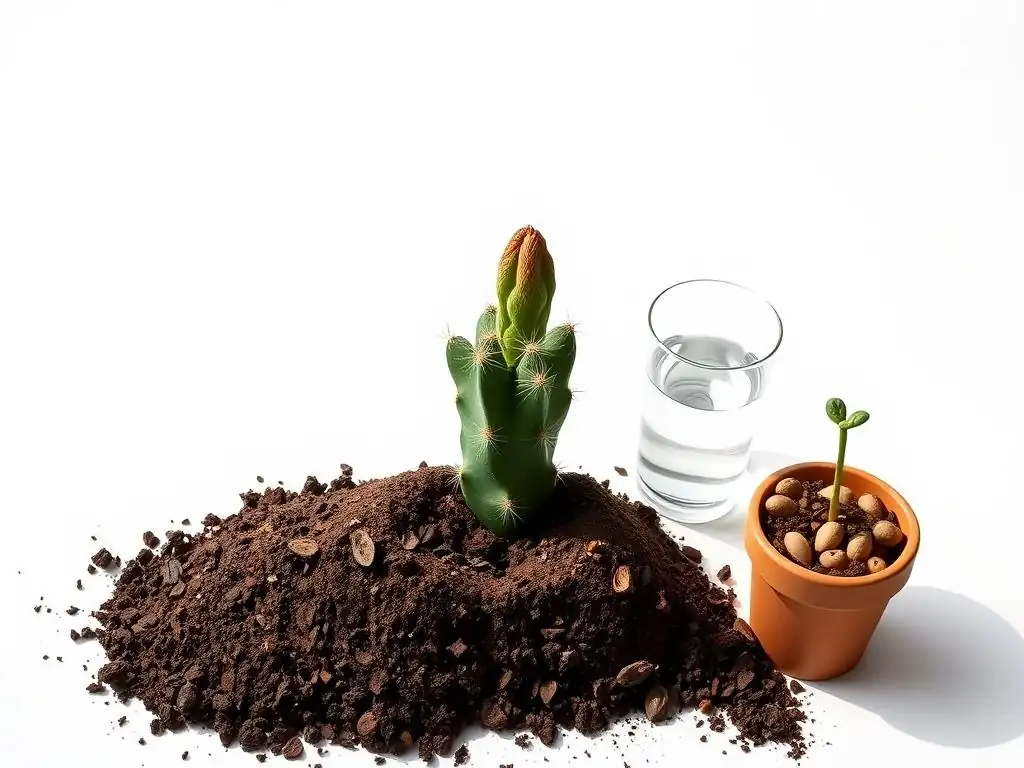
This section delves into the fascinating world of cactus propagation, offering practical guidance for beginners eager to expand their collection. Whether you're a novice or have some experience, understanding the nuances of propagation will significantly improve your success rate and allow you to enjoy the rewarding process of cultivating new cacti. We'll explore the primary methods: seed propagation, vegetative propagation (using cuttings and offsets), and grafting. Mastering these techniques will transform you from a cactus admirer into a true cactus cultivator!
Seed Propagation of Cacti: A Step-by-Step Guide
Seed propagation, while potentially more time-consuming than vegetative methods, offers the unique opportunity to cultivate cacti from scratch and potentially discover new varieties. It's a rewarding experience that fosters a deeper connection with your plants. Here's a detailed guide:
- Sourcing Seeds: Obtain high-quality seeds from reputable suppliers. Avoid using seeds from unknown sources, as germination rates can be unpredictable. Label your seed packets meticulously, noting the species and date of acquisition.
- Seed Starting Mix: Use a well-draining seed-starting mix. A blend of cactus potting mix and perlite or vermiculite is ideal. Sterilize the mix by microwaving or baking it to prevent fungal diseases.
- Sowing the Seeds: Sow the seeds thinly and evenly onto the surface of the moist mix. Avoid burying them too deep, as this can hinder germination. Gently mist the surface with water.
- Creating a Humid Environment: Cover the container with clear plastic wrap or a humidity dome to maintain high humidity, crucial for successful germination. Ensure adequate ventilation to prevent mold growth.
- Germination and Aftercare: Germination times vary depending on the species, ranging from a few weeks to several months. Once seedlings emerge, gradually reduce humidity and increase light exposure. Regularly mist the seedlings, avoiding overwatering. Repotting should occur only when the seedlings are large enough to handle.
- Patience is Key: Seed propagation requires patience. Don't be discouraged if germination isn't immediate. Consistent care and attention will eventually yield rewarding results. Remember to monitor for pests and diseases and address any issues promptly.
Vegetative Propagation of Cacti: Cuttings and Offsets
Vegetative propagation, utilizing cuttings and offsets, is a quicker and often more successful method for expanding your cactus collection, especially for beginners. This technique leverages the cactus's natural ability to regenerate from its vegetative parts.
- Cuttings: Select healthy, mature stems for cuttings. Use a sharp, clean knife or shears to make a clean cut. Allow the cutting to callus over for several days to a week before planting. This prevents rot. Plant the cutting in a well-draining cactus mix, ensuring only the bottom portion is buried.
- Offsets (Pups): Many cacti produce offsets, or "pups," which are small clones that grow at the base of the mother plant. Carefully detach these pups using a clean, sharp tool. Allow them to callus over before planting in a suitable cactus mix. Gentle handling is crucial to avoid damaging the delicate pups.
Here's a table summarizing the key differences:
| Method | Speed | Success Rate | Skill Level |
|---|---|---|---|
| Cuttings | Moderate | High | Beginner |
| Offsets (Pups) | Fast | Very High | Beginner |
| Seed Propagation | Slow | Moderate | Intermediate |
Successful Cactus Grafting Techniques
Grafting is a more advanced technique used to propagate rare or difficult-to-grow cacti. It involves joining a scion (the desired cactus part) onto a rootstock (a hardy cactus that provides a strong root system). This method is particularly useful for cacti with weak root systems or those that are challenging to propagate through other methods.
The success of grafting hinges on precise technique and careful aftercare. Clean cuts, proper alignment, and maintaining a humid environment are crucial for successful union. While challenging initially, mastering grafting opens up exciting possibilities for cultivating unique and rare cacti specimens. Detailed instructions for specific grafting techniques are beyond the scope of this beginner's guide but are readily available from more advanced resources. Remember that successful grafting requires practice and patience. Don't be discouraged by initial failures; persistence is key! 🌵
Creating the Perfect Cactus Habitat: Environmental Factors
This section delves into the crucial environmental factors that significantly impact the health and thriving of your cacti. Understanding and replicating their natural habitats is key to successful cacti cultivation, even for beginners. A well-structured environment will minimize the risks associated with common cacti problems like rot and wilting, ensuring your prickly friends flourish. This cacti care guide for beginners will equip you with the knowledge to create the ideal conditions.
Temperature Control for Optimal Cactus Growth
Cacti are remarkably adaptable, but their tolerance varies greatly depending on the species. Generally, they prefer warm temperatures during the growing season (spring and summer), ideally between 70°F and 90°F (21°C and 32°C). However, some desert cacti can withstand temperatures exceeding 100°F (38°C) for short periods, while others, like high-altitude species, prefer cooler temperatures. Knowing the specific temperature requirements of your cactus is crucial. For instance, Mammillaria species generally thrive in warmer temperatures, while Echinocereus species exhibit greater tolerance to temperature fluctuations.
During winter, most cacti enter a period of dormancy, requiring cooler temperatures (around 50°F - 55°F or 10°C - 13°C). Consistent temperature fluctuations can stress the plant, impacting its growth and overall health. Avoid sudden temperature drops or drastic changes in your cacti's environment. Monitoring temperature with a thermometer, especially during extreme weather conditions, is highly recommended. Consider using a heat mat during colder months for sensitive species or placing your cacti in a sunnier spot during the day to naturally boost temperatures.
Humidity Levels for Healthy Cactus Development
Contrary to popular belief, cacti don't require high humidity. In fact, excessive humidity can lead to fungal diseases and root rot, which are common causes of cactus death. Cacti thrive in low-humidity environments, similar to their arid and semi-arid native habitats. Ideally, the humidity level should be kept between 30% and 50%. Higher humidity levels can suffocate the plant and create the perfect breeding ground for harmful pathogens.
To maintain optimal humidity, avoid overwatering and ensure good air circulation around your cacti. Grouping cacti too closely can increase humidity levels, so maintain appropriate spacing between pots. Using a hygrometer will help you monitor humidity levels accurately and take corrective actions if necessary. Remember, proper ventilation is as crucial as maintaining low humidity.
Air Circulation and Ventilation for Cactus Plants
Good air circulation is essential for preventing fungal diseases and promoting healthy cactus growth. Stagnant air can trap moisture, creating a humid environment conducive to fungal growth. This is particularly important during periods of high humidity or after watering.
Ensure your cacti are placed in a well-ventilated area, avoiding overcrowded conditions. Consider using fans to gently circulate the air, especially in enclosed spaces. Proper ventilation helps to dry the soil surface more quickly, reducing the risk of root rot. This is especially critical for cacti that are more susceptible to moisture-related problems.
Avoid placing cacti in areas with poor air circulation, such as enclosed cabinets or humid rooms. A slight breeze is beneficial for the overall health of your cacti. Regularly inspect your plants for signs of fungal growth, such as mold or discoloration, and take appropriate measures if necessary. This proactive approach contributes greatly to successful cacti cultivation.
Troubleshooting Common Cactus Problems: A Comprehensive Guide
This section delves into common issues encountered when caring for cacti and offers practical solutions for a thriving collection. Remember, even these desert dwellers need the right conditions to flourish. This cacti care guide for beginners will help you navigate these challenges.
Dealing with Yellowing or Browning Cactus Pads
Yellowing or browning cactus pads are often a sign of underlying problems, ranging from minor stress to serious disease. Let's explore the most common causes and how to address them.
Yellowing, particularly at the base of the pads, can indicate overwatering. Excess moisture leads to root rot, which prevents the cactus from absorbing nutrients effectively, resulting in discoloration. The pads may also become soft and mushy. To rectify this, carefully remove the cactus from its pot, inspect the roots, and trim away any rotten or mushy sections. Repot the cactus in well-draining soil and adjust your watering schedule to allow the soil to dry completely between waterings.
Browning, on the other hand, can be caused by several factors, including:
- Sunburn: Too much direct sunlight can scorch the pads, causing them to turn brown. Relocating the cactus to a spot with less intense sunlight or providing some shade during the hottest part of the day can prevent further damage. Gradually acclimate your cacti to brighter light to avoid sudden shock.
- Pest infestation: Mealybugs and other pests can suck the sap from cactus pads, leading to browning and discoloration. Regular inspection is crucial. If you spot pests, use a cotton swab dipped in rubbing alcohol to remove them. For severe infestations, consider using a mild insecticidal soap.
- Nutrient deficiency: A lack of essential nutrients can also cause browning. Feeding your cactus with a balanced, diluted cactus fertilizer during the growing season can help address this issue. Always follow the fertilizer instructions carefully, as over-fertilizing can also damage your cactus.
To diagnose the specific cause, carefully examine your cactus. Note the location and extent of the browning or yellowing, as well as the texture of the pads. This information, coupled with your watering and sunlight practices, will help you determine the appropriate course of action. Remember, prevention is key! Providing proper drainage, sunlight, and nutrients will significantly reduce the likelihood of these problems.
Addressing Root Rot in Cactus Plants
Root rot, a common and often fatal cactus ailment, is caused by excessive moisture and poor drainage. The symptoms include mushy, dark-colored roots and often a soft, discolored base of the cactus itself. The cacti's ability to absorb nutrients and water is significantly impaired. Early detection is critical for successful treatment.
Here's a step-by-step guide to tackling root rot:
- Remove the cactus: Carefully remove the cactus from its pot.
- Inspect the roots: Gently brush away the soil and examine the roots. Cut away any rotten, dark, or mushy roots using a sterilized knife or shears. A healthy root will be firm and light-colored.
- Treat the cactus: Allow the trimmed roots to air dry for several hours or even a day before repotting. This helps prevent further rot.
- Repot in fresh, well-draining soil: Use a cactus and succulent potting mix, which is specifically formulated for excellent drainage. Ensure the pot has drainage holes.
- Adjust watering: Water sparingly after repotting. Allow the soil to dry completely between waterings. Overwatering is the primary cause of root rot, so careful monitoring is crucial for prevention.
Preventing root rot requires a proactive approach. Use a well-draining potting mix, ensure proper drainage holes in the pot, and water only when the soil is completely dry. Choose pots that are appropriately sized for your cactus to avoid overly wet conditions.
Reviving an Overwatered Cactus
Overwatering is a frequent problem for cactus owners, leading to a range of issues including root rot (as discussed above) and overall plant distress. An overwatered cactus will appear soft, mushy, and may even begin to lean or fall over. The pads might become discolored, indicating a lack of nutrient uptake.
Reviving an overwatered cactus requires prompt action:
- Assess the damage: Carefully examine the cactus for signs of root rot. If root rot is present, follow the steps outlined in the previous section.
- Remove from the pot: Gently remove the cactus from its pot.
- Allow to dry: Let the cactus and its roots air dry for several hours or even a day, allowing excess moisture to evaporate.
- Repot in fresh soil: Use a well-draining cactus potting mix and a pot with adequate drainage holes.
- Monitor carefully: Water sparingly, only when the soil is completely dry. Avoid overwatering at all costs. The cactus may take time to recover, but with patience and the right care, it should bounce back.
Remember, prevention is the best cure. Proper watering techniques and well-draining soil are essential for keeping your cacti happy and healthy. This cacti care guide for beginners aims to equip you with the knowledge to avoid overwatering and other issues. Regularly check the soil moisture before watering to prevent future problems. Observe your cactus regularly for any signs of distress. Early intervention is key to saving your cactus.
Helping a Sunburnt Cactus Recover
Sunburn in cacti, while unsightly, is often reversible with careful attention and patience. The telltale signs are bleached or pale patches, sometimes turning brown or even purplish. These areas are essentially damaged tissue, and while the cactus won't grow new skin, it can recover and continue to thrive. The key is to prevent further damage and allow the plant to heal.
First, gently move the cactus to a location with less intense sunlight. A spot with bright, indirect light—like an east-facing window or a shaded area outdoors—is ideal. Avoid sudden, drastic changes in light exposure; gradual adaptation is best for a stressed plant. Think of it like gradually acclimating a human to higher altitudes. You wouldn't want to immediately send someone to the top of a mountain!
Next, assess the severity of the sunburn. Minor sunburns, characterized by pale patches, often heal on their own with the change in lighting conditions. However, if the damage is severe, with significant browning or tissue loss, you might need to take more active steps.
One common method is to avoid watering the plant directly on the affected area. Water can sometimes cause fungal infections on damaged tissues, hindering recovery. Instead, water the soil thoroughly, ensuring the soil drains well and doesn't remain soggy. Overwatering can exacerbate stress, further hindering the healing process.
While there are no miracle cures, providing optimal growing conditions—adequate watering (avoiding both under and overwatering), well-draining soil, and appropriate light—is crucial. The cactus will use its energy to repair itself, but this takes time. Be patient and consistent with your care. Avoid fertilizing a sunburnt cactus until it shows signs of recovery, as the extra nutrients might not be efficiently utilized while it's healing.
Remember, prevention is always better than cure. Gradually acclimatizing your cactus to stronger sunlight, especially during the summer months, can greatly reduce the risk of sunburn. Start by placing it in a location with partial sun and gradually increase its sun exposure over several weeks. This gradual introduction allows the cactus to adapt and build its tolerance to stronger light. Observe your cactus closely, paying attention to its coloration and overall health. Early detection of sunburn allows for timely intervention and prevents more serious damage. A healthy cactus is a happy cactus!
Different Types of Cacti and Their Specific Needs
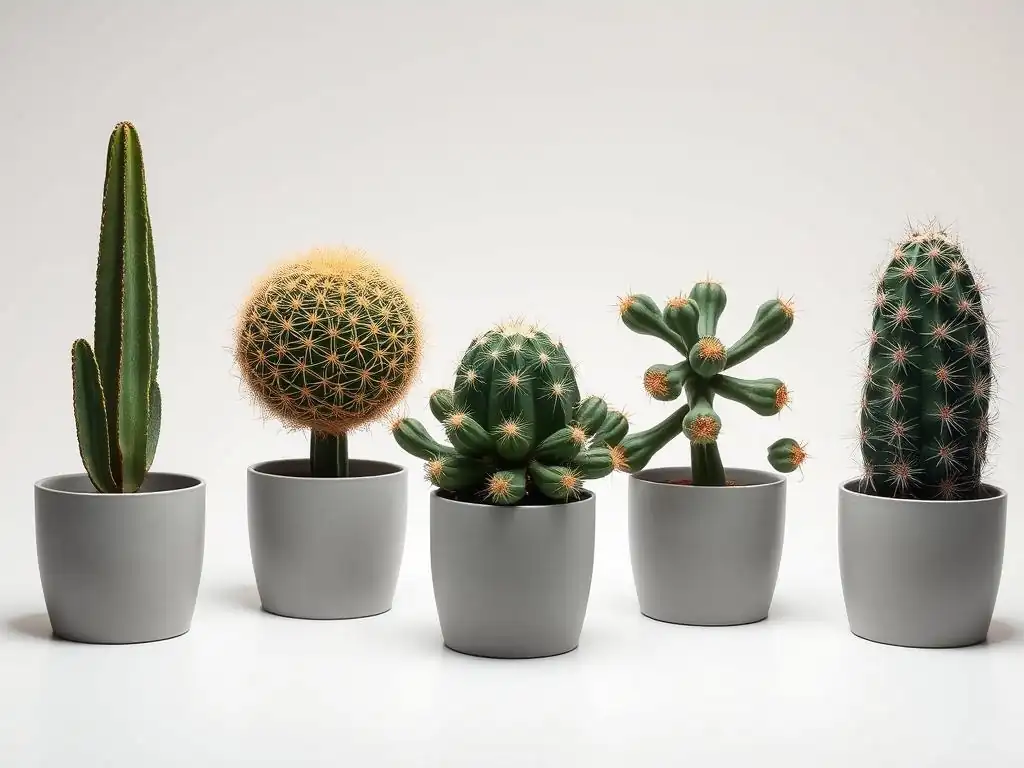
Understanding the diverse world of cacti is crucial for providing optimal care. While all cacti belong to the Cactaceae family, their individual needs can vary significantly based on their origin and specific characteristics. Ignoring these differences can lead to unhealthy plants, even with seemingly appropriate general cacti care. This section delves into the diversity within the Cactaceae family and highlights the importance of tailored care.
Care for Popular Cactus Varieties
Let's explore the care requirements for some popular cactus varieties, focusing on their unique needs. This will provide a practical application of the broader principles discussed earlier. Remember, even within a single species, variations in growth habit and environmental preferences can exist.
1. Saguaro Cactus ( Carnegiea gigantea): This iconic desert giant demands ample sunlight – at least six hours a day. Overwatering is a significant threat; allow the soil to dry completely between waterings, especially during winter dormancy. Well-draining soil is paramount. Fertilize sparingly, using a balanced cactus fertilizer diluted to half strength during the growing season (spring and summer). They require a wide, shallow pot to accommodate their extensive root system.
2. Prickly Pear Cactus ( Opuntia species): Prickly pears are relatively tolerant of various conditions but thrive in full sun. They are more drought-tolerant than many other cacti, but still require occasional watering during the growing season. Overwatering can lead to root rot. These cacti benefit from pruning to maintain their shape and prevent overcrowding. Their pads can easily propagate, offering a simple way to expand your collection.
3. Christmas Cactus ( Schlumbergera species): Unlike desert cacti, Christmas cacti prefer bright, indirect light. Direct sunlight can scorch their delicate pads. They require consistently moist but not soggy soil, especially during their flowering period (typically fall/winter). Reduced watering is necessary during their summer dormancy. These epiphytic cacti benefit from slightly acidic soil.
4. Barrel Cactus ( Echinocactus species): Barrel cacti are adapted to harsh, arid conditions. They need intense sunlight and very well-draining soil. Water infrequently, allowing the soil to dry completely between each watering. Overwatering is a common cause of death for barrel cacti. They are slow-growing, so repotting is only necessary every few years.
5. Pincushion Cactus ( Mammillaria species): Pincushion cacti are relatively low-maintenance and adaptable. They prefer bright light but can tolerate some shade. Water moderately during the growing season, allowing the soil to dry slightly between waterings. Reduce watering in winter. They are prone to root rot if overwatered. These cacti often produce clusters of small flowers.
| Cactus Variety | Sunlight Needs | Watering Frequency | Soil Type | Fertilizer | Other Considerations |
|---|---|---|---|---|---|
| Saguaro Cactus | Full sun (6+ hours) | Infrequent, well-draining soil | Well-draining | Diluted cactus fertilizer | Wide, shallow pot |
| Prickly Pear Cactus | Full sun | Occasional, growing season | Well-draining | Diluted cactus fertilizer | Pruning to maintain shape |
| Christmas Cactus | Bright, indirect light | Consistently moist | Slightly acidic | Balanced fertilizer | Reduced watering during summer dormancy |
| Barrel Cactus | Full sun | Infrequent | Very well-draining | Diluted cactus fertilizer | Slow growing, infrequent repotting |
| Pincushion Cactus | Bright light | Moderate, growing season | Well-draining | Diluted cactus fertilizer | Prone to root rot if overwatered |
Remember, careful observation of your cacti is key to identifying their specific needs and ensuring their long-term health. Regularly inspect for signs of pests, diseases, and improper watering. With a little attention, these fascinating plants will reward you with years of beauty and resilience. Happy growing! 🌵
Advanced Cacti Care: Tips for Experienced Enthusiasts
This section delves into more advanced techniques for cacti cultivation, going beyond the basics of watering and sunlight. We'll explore more nuanced aspects of care, focusing on techniques that will help even experienced enthusiasts elevate their cactus collection. This guide is particularly beneficial for those seeking to cultivate rarer and more challenging species. Mastering these techniques will significantly improve the health and longevity of your cacti, leading to thriving plants and impressive displays.
Repotting Mature Cacti: A Detailed Guide
Repotting mature cacti requires extra care and precision due to their size and often delicate root systems. Improper handling can easily lead to damage, hindering growth or even causing irreversible harm. Here's a step-by-step guide to safely repotting your mature specimens:
- Preparation is Key: Choose a pot slightly larger than the current one, ensuring adequate drainage. Select a well-draining cactus potting mix; avoid using regular garden soil. Gather thick gloves, a sturdy trowel, and possibly a helper for larger cacti.
- Gentle Extraction: Carefully loosen the soil around the base of the cactus using the trowel. Avoid pressing directly against the cactus itself to prevent damage. Gently rock the pot to loosen the root ball. If necessary, use a small, flat tool to carefully separate the roots from the pot's sides.
- Root Inspection: Once removed, inspect the roots for any signs of rot or disease. Trim away any damaged or decaying roots with clean, sharp shears. Allow the roots to dry slightly (a few hours) before repotting to prevent rot.
- Repotting Process: Place a layer of fresh potting mix at the bottom of the new pot. Carefully position the cactus in the center, ensuring it's at the same depth as before. Gently fill in the remaining space with potting mix, taking care not to bury the base of the cactus too deeply.
- Post-Repotting Care: Avoid watering immediately after repotting. Allow the soil to dry completely before resuming your regular watering schedule. Place the repotted cactus in a shaded area for a few days to allow it to recover. Monitor for any signs of stress or disease.
Remember, patience and gentle handling are crucial when repotting mature cacti. Larger cacti might require two people to safely maneuver them. Always prioritize the plant's well-being to ensure successful repotting.
Advanced Propagation Techniques for Rare Cacti
Propagating rare cacti can be rewarding but requires specialized knowledge. Standard methods like cuttings may not be suitable for all species. Here, we explore some advanced techniques:
- Grafting: This technique involves joining a scion (the desired cactus part) onto a rootstock (a different, hardy cactus). It's particularly useful for cacti with difficult-to-root species or those with slow growth. Success depends on precise technique and compatible species. Detailed guides on grafting specific cactus species are readily available.
- Tissue Culture: This laboratory-based method involves growing cacti from small tissue samples. It's a highly efficient method for mass propagation of rare or endangered species, though it requires specialized equipment and expertise.
- Seed Propagation: While seemingly simple, germinating seeds from rare cacti species requires meticulous attention to detail. Sterile conditions, precise temperature control, and specialized germination media are crucial for success. Germination rates can vary significantly depending on the species and seed quality. Patience is key; germination can take weeks or even months.
Successful propagation of rare cacti requires extensive research, meticulous attention to detail, and often specialized equipment or facilities. Beginners should focus on mastering simpler propagation methods before attempting these advanced techniques.
Creating Stunning Cactus Arrangements and Displays
Arranging cacti can transform a simple collection into a captivating display. Beyond basic grouping, consider these elements for stunning results:
- Container Selection: Choose pots that complement the cacti's size and shape. Terracotta pots provide excellent drainage, while glazed ceramic pots offer a more modern aesthetic. Creative containers like repurposed items add unique character.
- Textural Variety: Combine cacti of different sizes, shapes, and textures for visual interest. Include varieties with spines, hairs, or unique growth patterns to create depth and contrast.
- Strategic Placement: Consider the cacti's light requirements when arranging them. Place sun-loving cacti towards the front and those needing less sunlight towards the back. Vary heights and create visual layers for a dynamic display.
- Adding Accents: Incorporate natural elements like gravel, stones, or small succulents to enhance the arrangement. Consider adding decorative elements, but avoid anything that could interfere with the cacti's growth or drainage.
Careful planning and attention to detail are key to creating a visually appealing and thriving cactus arrangement. Experiment with different combinations and styles to find what best suits your aesthetic and the needs of your cacti. Remember, the goal is to create a beautiful and healthy environment for your plants, while showcasing their unique beauty.
Frequently Asked Questions
What is the most important aspect of cacti care for beginners?
The most crucial element is proper watering. Avoid overwatering, which is a common cause of root rot. Allow the soil to dry completely between waterings.
How much sunlight do cacti need?
Most cacti thrive in bright, direct sunlight for at least six hours a day. A south-facing window is ideal in many climates. Supplement with grow lights if necessary.
What type of soil is best for cacti?
Use a well-draining potting mix specifically formulated for cacti and succulents. Avoid using regular garden soil, as it retains too much moisture. You can amend regular potting soil with perlite or pumice.
How often should I fertilize my cacti?
Fertilize your cacti sparingly, only during the growing season (spring and summer). Use a balanced, water-soluble fertilizer diluted to half strength.
How do I propagate cacti?
Cacti can be propagated from cuttings or seeds. Allow cuttings to callus over before planting in well-draining soil. Seeds require specific conditions for germination, often including warmth and humidity.
Final Reflection: The Enduring Allure of the Prickly Friend
The art of cacti cultivation, once considered a niche hobby, is experiencing a vibrant resurgence, reflecting a growing desire for low-maintenance yet rewarding plants in our increasingly busy lives. These resilient desert dwellers, far from being simply decorative, offer a powerful lesson in patience, resilience, and the beauty of adaptation.
My own journey with cacti began with a single, unassuming prickly pear, a gift that blossomed into a passion for understanding these fascinating plants. Their quiet strength, their ability to thrive in seemingly inhospitable conditions, resonated deeply. The desert teaches the value of silence and the importance of waiting.
This quote, though not specifically about cacti, perfectly encapsulates the rewarding patience required to nurture these unique plants. The more I learned, the more I appreciated their subtle beauty and the complex ecosystems they represent, a microcosm of resilience in the face of adversity.
Now, as you embark on your own cacti-growing adventure, remember the lessons learned within these pages. Consider the delicate balance between sun and shade, the importance of well-draining soil, and the quiet satisfaction of witnessing a tiny sprout transform into a thriving specimen. Don't be afraid to experiment, to learn from your mistakes, and to find joy in the simple act of nurturing life, even in its most prickly form. The journey of caring for cacti is a journey of self-discovery, a testament to the enduring power of connection with the natural world.
Unleash Your Inner Cactus Connoisseur!
Thank you for exploring the fascinating world of cacti! We hope you feel empowered to care for these resilient plants. Ready to apply your new knowledge?
- Craft the perfect cactus habitat: Experiment with different soil blends and sunlight levels to discover what works best in your home. This personalized approach is crucial for healthy, long-lasting cacti.
- Share your successes (and challenges!): Let's build a community of cactus lovers! Share your photos and experiences in the comments below – we'd love to hear from you.
- Discover the diverse world of cacti: Expand your knowledge by researching various cactus species and their specific needs. A world of spiky wonders awaits!
What unique challenges or triumphs have you encountered while growing cacti? Let's discuss!