
Succulent Flowers: A Guide to Their Colors, Shapes, and Blooming Habits

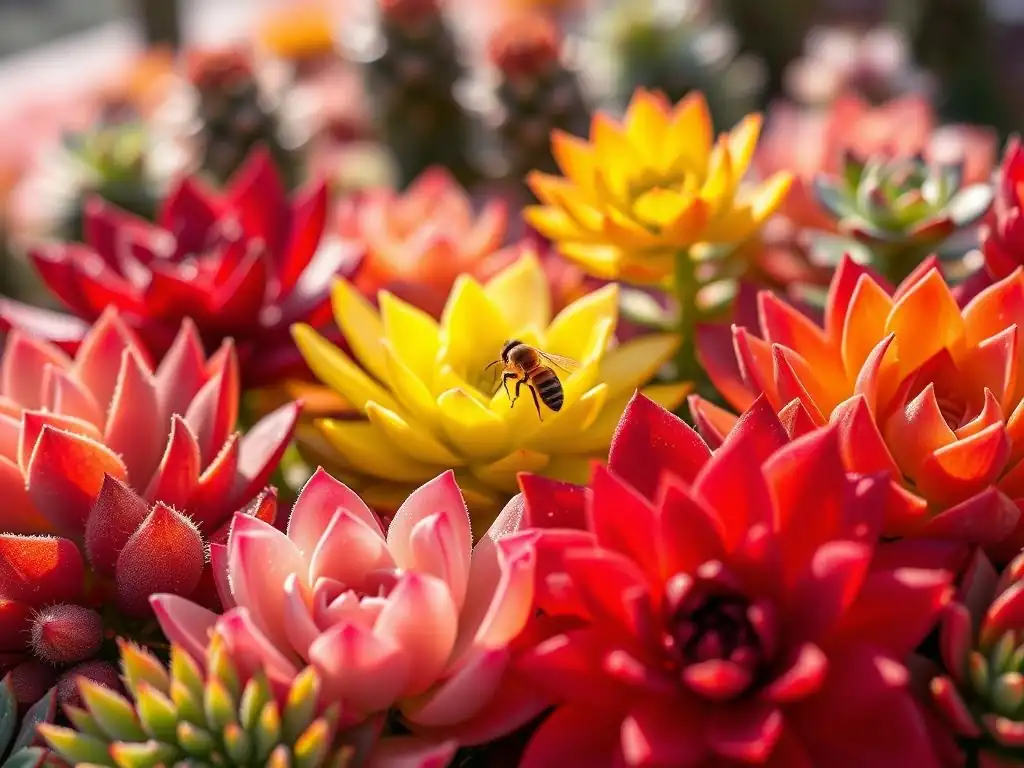
Welcome to SucculentEssentials.org, where the fascinating world of succulents unfolds before you! Have you ever wondered about the secrets behind those captivating succulent blooms? Prepare to be amazed by the diversity of colors and shapes nature has crafted. Our comprehensive Succulent Flower Blooming Guide unlocks the mysteries of these remarkable plants, guiding you towards blossoming success. Dive in and discover the artistry of succulent flowers – you might be surprised by what you learn!
- Understanding Succulent Flower Blooming: Timing and Triggers
- Exploring the Diverse Colors of Succulent Blooms
- Decoding the Shapes and Forms of Succulent Flowers
- Succulent Flower Blooming Habits: A Closer Examination
- Specific Examples of Succulent Flower Blooming: Case Studies
- Troubleshooting Common Succulent Flower Blooming Issues
- Frequently Asked Questions
- Final Reflection: The Enduring Beauty of Succulent Blooms
- Unleash Your Inner Gardener: Cultivate Your Succulent Collection!
Understanding Succulent Flower Blooming: Timing and Triggers
Succulents, those captivating drought-tolerant plants, are often admired for their fascinating foliage. However, their flowers, while sometimes understated, offer a unique beauty and are a rewarding aspect of succulent cultivation. This comprehensive guide delves into the captivating world of succulent flowers, exploring their diverse colors, shapes, and the fascinating factors influencing their blooming habits. Understanding the intricacies of succulent flower blooming is crucial for any enthusiast aiming to maximize the visual appeal and overall health of their collection.
We'll explore the seasonal rhythms that dictate flowering, the environmental cues that trigger blooms, and the specific light requirements for various succulent genera. This "Succulent flower blooming guide" will empower you to foster vibrant blooms in your own succulent garden, transforming your collection into a spectacle of color and texture. 💐
Seasonal Blooming Patterns in Echeveria
Echeveria, a popular genus known for its rosette-shaped leaves, exhibits distinct seasonal blooming patterns. Many Echeveria species are most likely to flower during the cooler months, typically autumn and winter, though some may bloom in spring. The exact timing varies depending on the specific species and the local climate. For example, Echeveria elegans (Mexican Snowball) often blooms in late winter or early spring, producing delicate, bell-shaped pink flowers on tall stems.
In contrast, Echeveria laui tends to flower in autumn, showcasing its vibrant orange-red blossoms. These differences highlight the importance of understanding the specific needs of each Echeveria cultivar to optimize flowering. Careful observation of your plants, combined with knowledge of their natural blooming cycles, will allow you to anticipate and appreciate their floral displays.
Factors like temperature fluctuations and day length play a significant role in triggering flower initiation in these succulents. Providing consistent, yet not extreme, temperatures and mimicking the natural seasonal changes can encourage robust flowering. Precise temperature ranges for optimal blooming vary widely depending on the species; further research on specific Echeveria varieties is encouraged.
Environmental Factors Influencing Sedum Flower Development
The blooming of Sedum succulents is heavily influenced by environmental factors. These hardy plants often respond well to stress, with flower production sometimes being triggered by periods of drought or temperature fluctuations. For instance, Sedum morganianum (Burro's Tail), a popular trailing succulent, may bloom more profusely after a period of slightly drier conditions, followed by a return to regular watering. However, excessive drought can negatively impact flowering and overall plant health.
Similarly, exposure to cooler nighttime temperatures during the growing season can stimulate flower bud formation. Conversely, consistently warm temperatures might delay or even prevent flowering. Factors such as soil drainage, nutrient levels, and even the amount of sunlight received can all play a role in influencing the abundance and timing of Sedum blooms.
Optimizing these environmental conditions can significantly enhance the flowering potential of your Sedum collection. Careful monitoring of the plant’s response to environmental changes is essential for successful flowering. Note that specific Sedum species may have unique responses to environmental triggers, so individual observation is crucial.
Light Requirements for Haworthia Flower Production
Haworthia succulents, known for their striking textures and patterns, often produce delicate, sometimes inconspicuous, flowers. Adequate light is a critical factor in promoting Haworthia flowering. While they tolerate some shade, insufficient light can lead to weak growth and a complete absence of flowers. These succulents typically thrive in bright, indirect sunlight.
Direct sunlight, especially during the hottest part of the day, can scorch their leaves, hindering flowering. Therefore, providing Haworthia with filtered sunlight or a location with bright, indirect light is crucial for healthy growth and flower production. The intensity and duration of light exposure can significantly influence the timing and abundance of blooms.
For example, Haworthia attenuata might produce more flowers with longer exposure to bright light, while Haworthia cooperi may prefer slightly less intense light conditions. Understanding the specific light requirements of each Haworthia species is essential for encouraging vibrant blooms. Experimentation, observation, and careful monitoring of the plant's response to light levels are key to success.
The Role of Watering in Echeveria Flower Blooming
Echeveria succulents, known for their rosette shapes and captivating colors, have specific watering requirements that significantly influence their flowering. Overwatering can lead to root rot, preventing the plant from allocating energy towards flower production. Conversely, underwatering can stress the plant, also hindering blooming. Finding the right balance is crucial for a successful Echeveria bloom.
During the active growing season (typically spring and summer), Echeveria plants need regular watering, but the soil should be allowed to dry out almost completely between waterings. This prevents waterlogging, which suffocates the roots and creates a breeding ground for fungal diseases. The frequency of watering will depend on factors such as pot size, soil type, and environmental conditions (temperature, humidity, sunlight). A well-draining potting mix is essential to ensure excess water doesn't accumulate around the roots.
In autumn and winter, when growth slows down, watering should be reduced significantly. Echeveria are relatively drought-tolerant, and overwatering during dormancy can lead to stem rot and other problems that will impede flowering. A good rule of thumb is to water only when the soil is completely dry several inches down. Signs of underwatering, such as leaf shrinkage or wrinkling, should be addressed promptly, but avoid immediately soaking the soil; instead, water gradually to rehydrate the plant.
The timing of watering is also important. It's generally best to water in the morning to allow the foliage to dry before nightfall, reducing the risk of fungal diseases. Avoid watering directly onto the leaves, as this can cause them to rot. Consistent and mindful watering practices during the different seasons are key to encouraging abundant Echeveria blooms.
Remember, observing your plant's cues – leaf turgidity, soil dryness – is more important than adhering to a rigid watering schedule. This attention to detail significantly increases the chances of witnessing those beautiful Echeveria flowers. Careful monitoring and adjustment based on the specific needs of your plant are crucial for success in inducing Echeveria flower blooming.
Exploring the Diverse Colors of Succulent Blooms
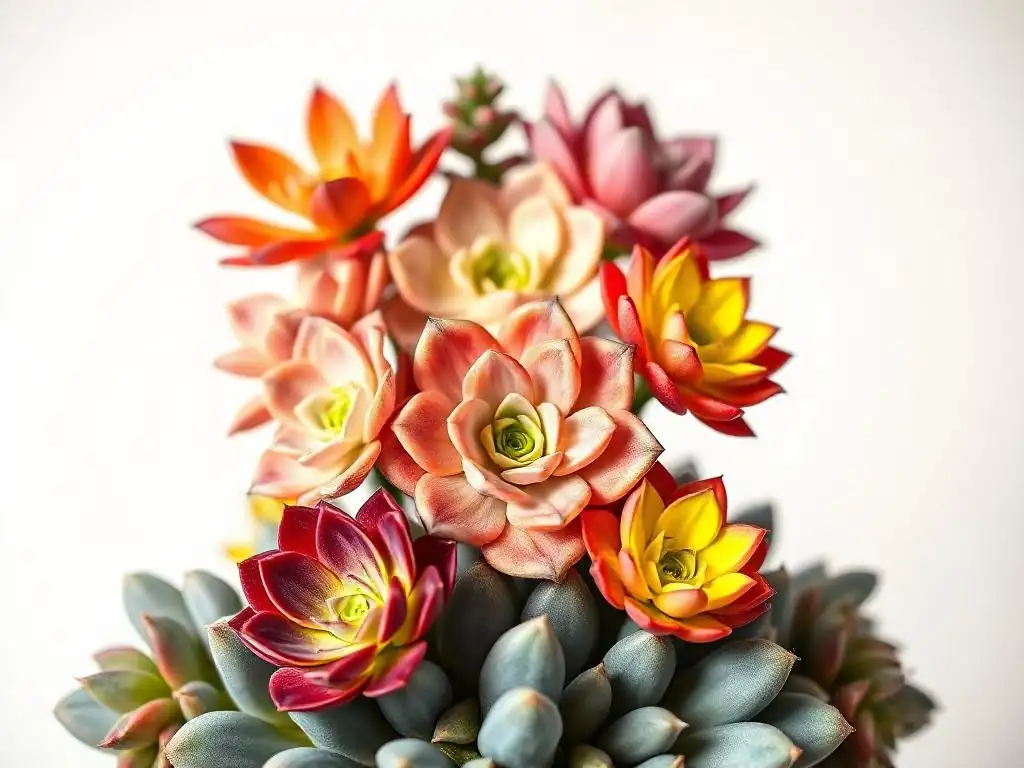
Succulents, often prized for their fascinating foliage, also offer a surprising array of flower colors and forms. Understanding the blooming habits and color palettes of different succulent species is key to appreciating their full beauty and selecting the right plants for your garden or collection. This section delves into the diverse world of succulent blooms, focusing on specific genera and their characteristic floral displays. A comprehensive succulent flower blooming guide should address not only the when but also the what and how of these captivating displays.
Vibrant Hues: Red, Orange, and Yellow in Crassula Flowers
The Crassula genus boasts a remarkable range of flower colors, particularly in the warmer spectrum. Many species exhibit vibrant reds, oranges, and yellows, adding a fiery touch to any succulent arrangement. For example, Crassula ovata (Jade Plant), while known for its jade-green leaves, produces clusters of small, star-shaped flowers in shades of white, pink, and sometimes a delicate blush of orange or yellow, depending on the cultivar and growing conditions. The intensity of the color is often influenced by sunlight exposure; more intense sunlight generally leads to richer, more saturated colors.
The flowering period for Crassula species varies, but many bloom in winter or early spring. This counter-seasonal flowering is a unique characteristic of many succulents, as it often coincides with periods of reduced growth and water stress. This timing is believed to be an adaptation to attract pollinators during the less competitive months.
Consider the following table illustrating the color variations observed in some Crassula species:
| Species | Common Name | Flower Color Range | Blooming Season |
|---|---|---|---|
| Crassula ovata | Jade Plant | White, Pink, Light Orange, Pale Yellow | Winter/Early Spring |
| Crassula capitella | Baby's Necklace | Red, Orange, Yellow | Fall/Winter |
| Crassula falcata | Red Pagoda Plant | Intense Red, Orange | Spring/Summer |
The shape of the Crassula flowers also contributes to their appeal. They are typically small, star-shaped, or bell-shaped, often arranged in dense clusters or umbels. These clusters can be quite prolific, creating a stunning display of color.
Cool Tones: Pink, Purple, and Blue in Sempervivum Flowers
In contrast to the warm tones found in many Crassula species, the Sempervivum genus (Houseleeks) often displays flowers in cooler hues. Pink, purple, and even reddish-purple shades are prevalent, creating a visually appealing contrast in succulent gardens. The flowers are typically star-shaped or bell-shaped, borne on tall stems that rise above the rosette of leaves.
Unlike the Crassula genus, Sempervivum flowers usually bloom in summer or early autumn. The blooming period can be quite extended, with individual flowers lasting for several weeks. The color intensity can also be affected by environmental factors, with cooler temperatures and ample sunlight often producing more vibrant blooms. Furthermore, some hybrid cultivars exhibit unique color combinations and variations within the pink-purple spectrum.
A significant aspect of Sempervivum flowering is that it often signals the end of the rosette's life cycle. After flowering, the rosette typically dies back, but offsets (baby plants) are usually produced, ensuring the continuation of the plant. This is a vital aspect to consider when planning your succulent gardens, as the mother plant’s death is a natural part of its reproductive cycle.
Unique Bi-Colored and Multi-Colored Kalanchoe Flowers
Kalanchoe species stand out for their diverse and often strikingly bi-colored or multi-colored flowers. While many Kalanchoe flowers exhibit single colors, ranging from vibrant reds and oranges to delicate pinks and yellows, many hybrids and cultivars showcase fascinating color combinations. For example, certain Kalanchoe blossfeldiana cultivars display flowers with a gradient of color, transitioning from a deep red at the base to a lighter pink or orange at the tips. Others exhibit distinct color contrasts, with a contrasting eye or throat in a different shade.
The unique coloration in Kalanchoe flowers is often attributed to genetic manipulation and hybridization, creating cultivars with highly desirable characteristics for the horticultural market. The shape of the Kalanchoe flowers is usually tubular or bell-shaped, often arranged in dense umbels or panicles. These flowers can be quite numerous, creating a spectacular display of color and texture.
The blooming period for Kalanchoe is generally in the winter months, providing a welcome splash of color during the colder seasons. However, the exact timing can vary depending on the species and growing conditions. The timing of Kalanchoe flowering, like that of other succulents, is a fascinating example of adaptation to their native environments.
Rare and Unusual Flower Colors in Dudleya
The genus Dudleya, often called liveforever succulents, boasts a surprising array of flower colors, though they are less flamboyant than some other succulent genera. While many Dudleya species exhibit yellows and oranges, some rarer color variations exist, adding to their allure for collectors. These unusual colors are often subtle shifts within the typical yellow-orange spectrum, rather than bold departures.
For example, some Dudleya brittonii populations display a pale, almost creamy yellow, a distinct departure from the more typical bright yellow seen in other populations of the same species. This subtle variation highlights the genetic diversity within even a single species and the challenges in definitively categorizing color variations across wide geographic distributions.
The intensity of the color can also be influenced by environmental factors like sunlight exposure and soil conditions. A Dudleya growing in full sun might exhibit a deeper, richer yellow than one grown in partial shade, which could appear almost greenish-yellow.
The rarity of these unusual colors is often linked to the limited distribution of specific Dudleya populations. Many Dudleya species are endemic to very specific regions, often with limited numbers of individual plants. This restricted range makes the chances of encountering these unusual color variations relatively low.
Furthermore, habitat loss and human activity pose significant threats to many Dudleya species, further diminishing the possibility of observing these rare color forms. Careful observation and documentation by succulent enthusiasts and botanists are crucial to understanding and preserving the full spectrum of color variation within the genus. Conservation efforts focused on protecting the habitats of these plants are essential to safeguarding these unique and beautiful color expressions.
The study of these rare color variations can also provide insights into the evolutionary history and genetic diversity of Dudleya, contributing to a broader understanding of succulent plant evolution. Further research into the genetic basis of these color variations could unlock even more fascinating details about these captivating plants.
Decoding the Shapes and Forms of Succulent Flowers
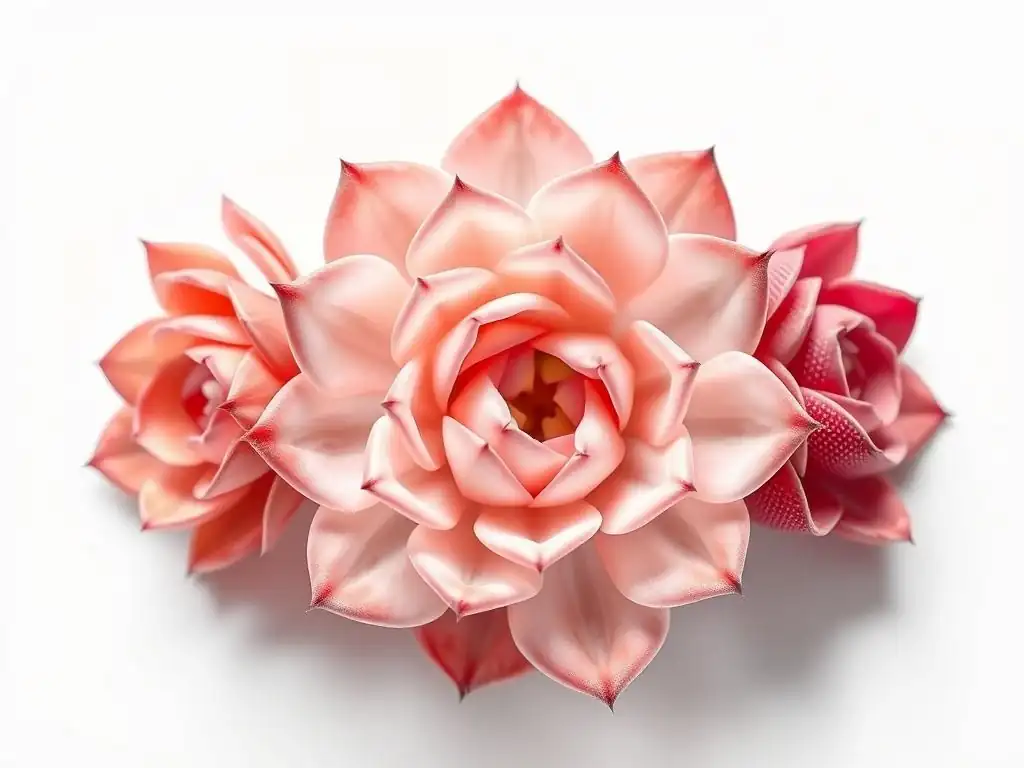
Succulent flowers, while often overlooked in favor of the plants' striking foliage, exhibit a remarkable diversity in shape and form. Understanding these variations is crucial for proper identification and appreciation of these fascinating plants. This section delves into the morphology of succulent blossoms, exploring the distinct characteristics that set different genera apart. A strong understanding of succulent flower blooming patterns contributes significantly to successful cultivation and propagation. This detailed succulent flower blooming guide will assist both novice and experienced succulent enthusiasts.
Star-Shaped Flowers of Sedum and Their Significance
The genus Sedum, commonly known as stonecrops, is renowned for its star-shaped flowers. These blooms typically feature five petals arranged radially, creating a symmetrical and often vibrant display. The color palette varies widely depending on the species, ranging from pure white and delicate pinks to intense yellows and even reddish hues. The number of flowers per inflorescence (flower cluster) can also vary significantly, with some species producing dense, crowded clusters while others display more sparsely arranged blooms.
The star-shaped morphology of Sedum flowers is not merely aesthetically pleasing; it plays a vital role in pollination. The open, accessible structure allows easy access for pollinating insects, such as bees and butterflies. The vibrant colors further enhance their attractiveness to these pollinators, ensuring successful reproduction.
For example, Sedum spectabile, also known as Autumn Joy, boasts large, flat-topped clusters of pinkish-purple star-shaped flowers, attracting a wide array of beneficial insects to the garden. Understanding this relationship between flower shape and pollination is key to understanding the ecological role of Sedum in various ecosystems. Careful observation of the blooming patterns can also help in identifying specific Sedum varieties.
Bell-Shaped and Tubular Flowers in Kalanchoe: Identification and Care
In contrast to the open star-shape of Sedum flowers, the genus Kalanchoe often displays bell-shaped or tubular blossoms. These flowers are typically more closed, with fused petals forming a distinct tube or bell-like structure. This structure often results in nectar being hidden deeper within the flower, attracting specific pollinators with longer tongues, such as hummingbirds or moths, depending on the species and geographical location.
The colors of Kalanchoe flowers are equally diverse, showcasing shades of red, orange, yellow, pink, and white. The arrangement of the flowers can also vary, with some species producing individual blooms while others display them in clusters or panicles. Proper care is essential for encouraging abundant flowering in Kalanchoe. This includes providing ample sunlight, well-draining soil, and appropriate watering techniques.
Overwatering, a common problem for Kalanchoe, can lead to root rot and reduced flowering. Monitoring the plant's blooming cycle and adjusting care accordingly will significantly improve the chances of seeing a vibrant display of bell-shaped blooms. Accurate identification of the species is crucial for tailoring the care to its specific needs.
Clustered and Solitary Flowers: A Comparison of Sedum and Echeveria
A comparison between Sedum and Echeveria highlights the fascinating diversity in succulent flower arrangements. While Sedum species often showcase dense clusters of flowers, Echeveria tends to exhibit more solitary blooms or smaller, less densely packed inflorescences.
| Genus | Flower Arrangement | Flower Shape | Typical Colors | Pollinator Attraction Strategy |
|---|---|---|---|---|
| Sedum | Clustered | Star-shaped | White, pink, yellow, red | Open structure, vibrant colors |
| Echeveria | Solitary/Loose Clusters | Bell-shaped/Tubular | Red, orange, pink, yellow | Nectar depth, color variation |
This contrast in flowering habits reflects different evolutionary strategies for pollination. The tightly clustered flowers of Sedum maximize the chances of attracting pollinators, while the more solitary blooms of Echeveria may rely on different mechanisms, such as attracting specific pollinators or relying on self-pollination. Careful observation of these differences, coupled with an understanding of the plant's environment, offers valuable insights into the evolutionary adaptations of these fascinating plants.
Understanding these variations helps in creating ideal growing conditions that promote abundant and healthy flowering in both genera. Careful observation of the blooming patterns provides crucial information for successful cultivation and propagation.
Unique and Unusual Flower Shapes in Aloe
The genus Aloe, known for its medicinal properties and striking foliage, also boasts a fascinating array of flower shapes. Unlike the simpler, star-shaped blooms found in some other succulent families, Aloe flowers often exhibit a more complex and intriguing morphology. Their tubular structure, typically pendulous or racemose (arranged in a cluster along a central stem), is a key characteristic. The individual flowers themselves can vary significantly depending on the Aloe species.
One striking example is the Aloe polyphylla, also known as the spiral aloe. This species is renowned for its tightly spiraled rosette of leaves, but its flowers are equally captivating. They are arranged in dense, coral-like clusters, creating a visually stunning display of vibrant colors, often ranging from deep orange to reddish hues. The individual flowers are tubular, but their tightly packed arrangement contributes to the overall unique spiral form. This intricate structure is an adaptation that likely aids in pollination, maximizing the exposure of the flowers to pollinators.
In contrast to the spiral aloe, other Aloe species display more loosely arranged, pendulous flowers. Aloe arborescens, for instance, produces tall, branched inflorescences with numerous pendulous, tubular flowers. These flowers typically exhibit a coral-red or orange-red color and dangle gracefully, creating a visually elegant display. The pendulous nature of these flowers is a common adaptation in Aloe, potentially enabling better access for pollinating birds and insects.
The size and shape of the individual flower tubes also vary considerably within the Aloe genus. Some species feature relatively short, stout tubes, while others have long, slender ones. This variation is often linked to the specific pollinators that each species attracts. Longer, narrower tubes might be better suited for pollinators with long tongues, such as certain species of sunbirds or insects with specialized mouthparts.
The intricate relationship between flower shape and pollinator is a key area of ongoing research in the botany of succulents, especially within the diverse Aloe genus. Understanding this interaction provides valuable insights into the evolutionary pressures shaping the incredible diversity of Aloe flower forms. Careful observation of Aloe flowers in their natural habitats reveals a complex interplay of factors, including climate, pollinator availability, and competition for resources, all contributing to the remarkable variety of shapes and forms found within this fascinating genus.
Succulent Flower Blooming Habits: A Closer Examination
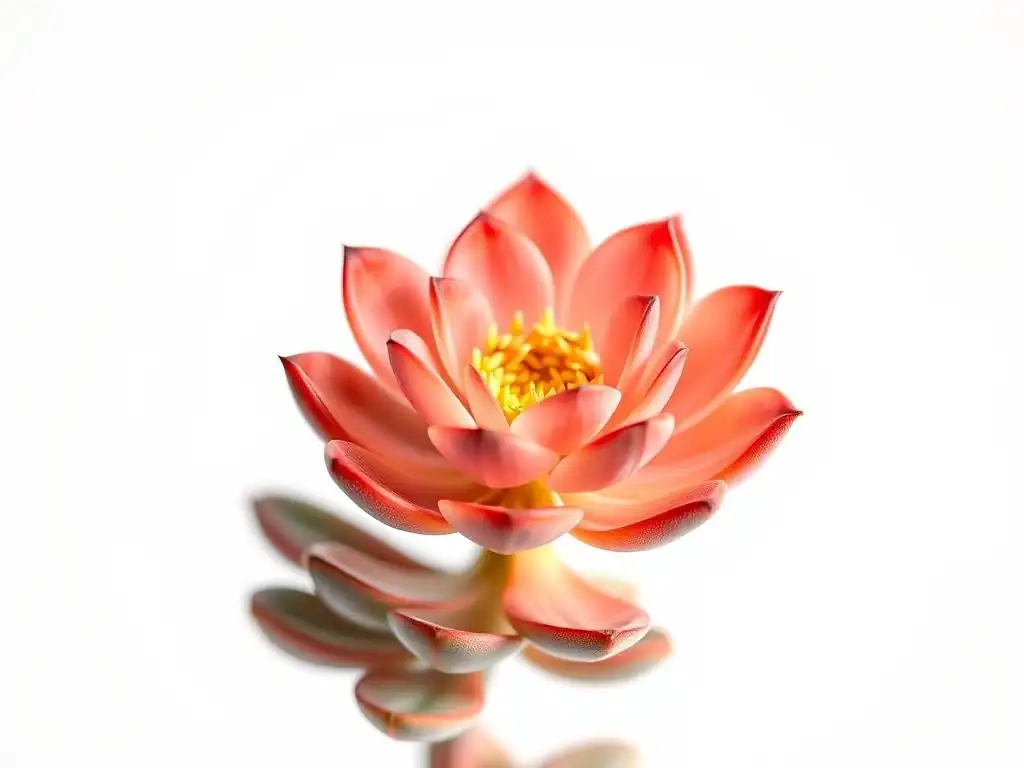
This section delves into the fascinating blooming habits of succulents, providing a detailed look at the lifecycle, pollination strategies, and post-bloom seed production in several popular genera. Understanding these processes is crucial for successful succulent cultivation and propagation, helping you achieve vibrant blooms year after year. This succulent flower blooming guide will provide you with the knowledge to nurture your plants to their fullest potential.
The Lifecycle of Echeveria Flowers: From Bud to Bloom
Echeveria succulents, known for their rosette form and striking foliage, also produce beautiful, often brightly colored flowers. The blooming process typically begins with the emergence of a flower stalk, or inflorescence, from the center of the rosette. This stalk can range in length depending on the species, sometimes reaching several inches tall. The buds, initially tightly closed, gradually swell and develop their characteristic shape and color. This process can take several weeks, varying based on environmental conditions like sunlight and temperature.
The transition from bud to bloom is a gradual process. The sepals, the outer protective structures of the flower, open first, revealing the petals. Petal color varies widely within the Echeveria genus, ranging from delicate pastels to intense reds, oranges, and yellows.
The flowers themselves are usually star-shaped or bell-shaped, with a relatively short lifespan – individual blooms may last only a few days, but the overall flowering period for the inflorescence can extend for several weeks. After flowering, the flower stalk often withers and dries, signaling the end of that particular blooming cycle. Careful observation of this lifecycle allows for better timing of propagation efforts using offsets or cuttings.
Pollination in Sedum Flowers: Attracting Pollinators
Sedum flowers are particularly interesting from a pollination perspective. Many Sedum species are highly attractive to pollinators, including bees, butterflies, and other insects. This is largely due to the abundance of nectar produced by the flowers, and their visually appealing structure. Sedum flowers often have numerous small, star-shaped petals, and are typically clustered together in dense inflorescences, creating a visually striking display that attracts pollinators from a distance.
The shape and color of the Sedum flower are key factors in attracting specific pollinators. For instance, brightly colored flowers, such as those with shades of pink, purple, or yellow, tend to attract a wider range of pollinators. The nectar guides, subtle markings on the petals, may also play a role in directing pollinators to the reproductive parts of the flower.
Successful pollination leads to the development of seeds, ensuring the continuation of the plant. Understanding the pollination mechanisms in Sedum allows cultivators to optimize conditions for seed production, potentially increasing propagation success. For example, ensuring the presence of pollinators through planting companion plants or even hand-pollination can significantly improve seed set.
Seed Production in Sempervivum: Post-Bloom Considerations
After the vibrant display of Sempervivum (hen and chicks) flowers, the focus shifts to seed production. Following successful pollination, the flowers develop seed pods containing numerous tiny seeds. These seeds are usually dispersed by wind, a process facilitated by their lightweight nature. However, seed production in Sempervivum often comes at a cost. Many Sempervivum species are monocarpic, meaning they flower only once in their lifetime and subsequently die after seed production. This is a natural part of their life cycle, but it's important to understand this characteristic for propagation purposes.
While seed propagation is possible, it is often less reliable than vegetative propagation (through offsets). Collecting seeds requires careful timing, as the seed pods mature and dry. Once collected, the seeds need to be sown under appropriate conditions to germinate successfully. This process requires specific environmental factors, such as suitable moisture levels, temperature, and light. Because of the monocarpic nature and the challenges of seed germination, many cultivators prefer to propagate Sempervivum vegetatively, using the numerous offsets produced by the mother plant, ensuring the continuation of the plant and avoiding the loss of the mother plant after flowering. 🌱
Encouraging Echeveria Reblooming: Tips and Tricks
Echeverias, with their rosette shapes and captivating colors, are beloved succulents, but coaxing them into bloom can sometimes feel like a challenge. Understanding their blooming habits is key to success. These plants are typically winter bloomers, meaning their flowering period often coincides with shorter days and cooler temperatures. This natural cycle is crucial for triggering the formation of flower stalks. Therefore, mimicking these conditions is the first step in encouraging reblooming.
One effective strategy is to gradually decrease watering in the late summer and fall. This simulates the drier conditions Echeverias experience in their natural habitat during the transition to winter. Overwatering during this period can lead to root rot, hindering the plant's energy reserves needed for flower production. Instead of frequent, deep watering, opt for infrequent, shallow watering, allowing the soil to dry out completely between waterings. Feel the soil before watering; if it's still moist, wait a few more days.
Furthermore, providing adequate sunlight is essential. Echeverias thrive in bright, indirect sunlight. During the fall and winter months, ensure they receive at least six hours of sunlight daily. A south-facing window, or a location outdoors in a sheltered area, can provide the necessary light exposure. However, be mindful of intense midday sun, which can scorch the leaves. Consider providing some shade during the hottest part of the day if needed.
Nutrient levels also play a role. While Echeverias aren't heavy feeders, a balanced, slow-release fertilizer applied sparingly in spring can boost their overall health and potentially increase the likelihood of blooming. Avoid over-fertilizing, as this can lead to leggy growth and hinder flower production. A diluted, balanced liquid fertilizer applied once or twice during the growing season is usually sufficient. Always follow the manufacturer's instructions carefully.
Finally, temperature fluctuations can also influence flowering. While Echeverias prefer consistent temperatures, a slight drop in nighttime temperatures during the fall and winter can trigger the flowering process. If growing indoors, consider placing the plant near a window that experiences some temperature variation between day and night. This subtle change can mimic natural conditions and encourage blooming. Remember, patience is key. Even with optimal care, some Echeverias may take several months, or even a year, to produce flowers. Consistent care and attention to their needs will significantly improve your chances of enjoying their beautiful blooms.
Specific Examples of Succulent Flower Blooming: Case Studies
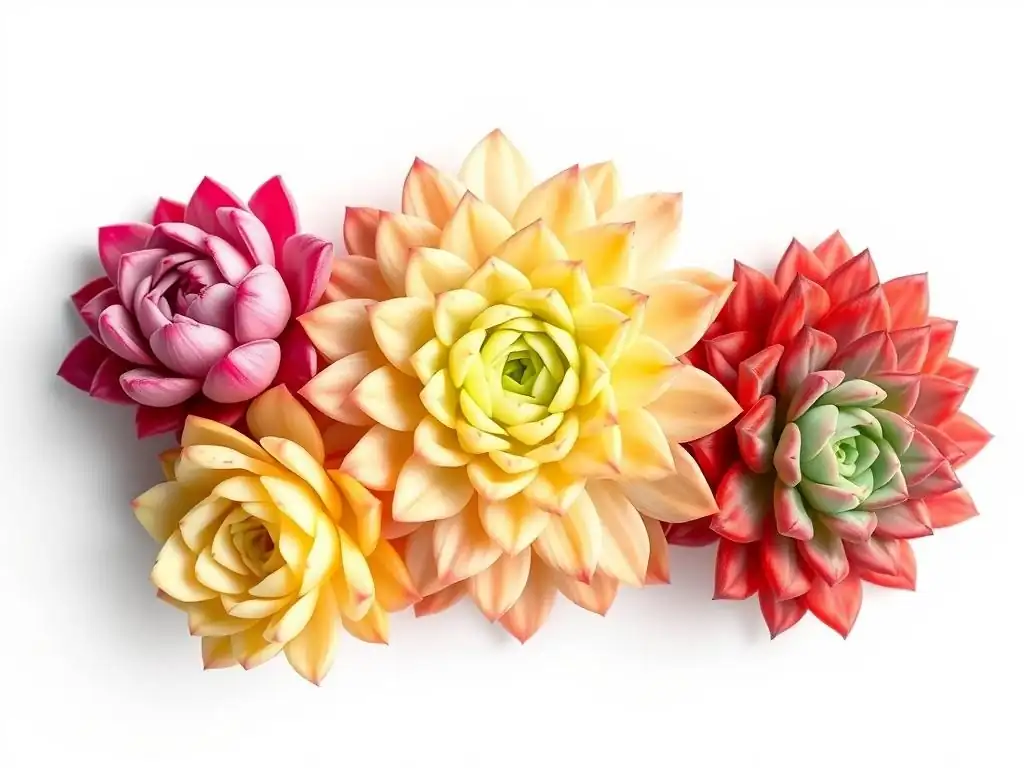
This section delves into the fascinating world of succulent flower blooming, providing specific examples to illustrate the diversity in flower characteristics and blooming habits across different succulent genera. Understanding these variations is crucial for successful succulent cultivation and appreciating the beauty of these often-underestimated blooms. This detailed look at specific succulent species will enhance your understanding of the "succulent flower blooming guide" and help you identify and care for your own plants.
Echeveria 'Perle von Nürnberg': Flower Characteristics and Blooming Habits
The Echeveria 'Perle von Nürnberg', a popular rosette-forming succulent, showcases a delightful display of flowers. These blooms typically emerge in late spring or early summer, rising elegantly on slender stalks well above the fleshy leaves. The flowers themselves are bell-shaped, exhibiting a delicate coral-pink hue that often deepens towards the tips. The petals are slightly pointed, giving them a charming, almost whimsical appearance. Each flower is relatively small, but the numerous blooms on a single stalk create a striking visual impact.
The blooming period can last for several weeks, gradually fading as the individual flowers mature. Careful observation reveals subtle variations in color intensity depending on sunlight exposure and temperature fluctuations. Consistent watering during the blooming period, without overwatering, is key to prolonging the display. Interestingly, the spent flower stalks can sometimes be left to dry naturally, adding a unique textural element to the plant's overall aesthetic.
Sedum 'Autumn Joy': Flower Characteristics and Blooming Habits
Sedum 'Autumn Joy', also known as Hylotelephium spectabile 'Autumn Joy', offers a completely different blooming spectacle. Unlike the delicate Echeveria, Sedum 'Autumn Joy' boasts large, flat-topped clusters of tiny star-shaped flowers. These flowers begin as a pale pink-green in late summer and gradually deepen to a rich, rosy-pink as autumn approaches—hence the name "Autumn Joy".
The dense clusters of flowers attract pollinators such as bees and butterflies, adding a vibrant touch to the garden. The blooming period extends well into autumn, providing a stunning display even as other plants begin to fade. This succulent's flower stalks are sturdy and upright, contrasting sharply with the broader, flatter leaves of the plant.
The flowers themselves are incredibly long-lasting, even after cutting, making them a popular choice for dried flower arrangements. The robust nature of Sedum 'Autumn Joy' ensures its resilience even in less-than-ideal conditions, making it an excellent choice for beginner succulent enthusiasts. The transition from pale to deep pink is a gradual process, offering a constantly evolving visual feast.
Sempervivum tectorum: Flower Characteristics and Blooming Habits
Sempervivum tectorum, commonly known as Houseleek, presents a unique approach to flowering. Unlike the previous examples, Sempervivum tectorum flowers only once in its lifespan, a phenomenon known as monocarpy. This means the plant will produce a tall, central flower stalk bearing numerous star-shaped flowers, typically pink or reddish-purple in color. The flowering process occurs after several years of vegetative growth, and the plant will die after the seeds mature.
However, the plant often produces offsets (daughter plants) around its base, ensuring the continuation of the species. These offsets are easily propagated, allowing for the preservation of the mother plant's genetic material. The flowers themselves are relatively small, but their abundance on the tall stalk makes for a dramatic display.
The timing of blooming depends on several factors including climate and growing conditions, but typically occurs in late summer or early autumn. While the death of the mother plant is a natural part of the lifecycle, the numerous offsets produced ensure a continued display of these unique succulents. The process is remarkable, marking the end of one generation and the beginning of many more.
Troubleshooting Common Succulent Flower Blooming Issues
This section delves into the common problems succulent enthusiasts face when trying to coax blooms from their beloved plants. Understanding these issues and implementing appropriate solutions is crucial for achieving vibrant and plentiful flowering. Remember, even with the best care, some succulents are naturally slow bloomers or require specific conditions to flower.
Why Aren't My Succulents Blooming? Common Reasons and Solutions
Many factors can prevent succulent flowering. Let's explore some of the most frequent culprits and how to address them:
- Insufficient Sunlight: Succulents, being sun-loving plants, require ample sunlight to initiate flowering. Most need at least 6 hours of direct sunlight daily. If your succulents are kept indoors or in a shaded area, they may not receive enough light to trigger blooming. Solution: Relocate your succulents to a sunnier spot, gradually increasing their exposure to prevent sunburning. Consider using grow lights if natural sunlight is limited.
- Improper Watering: Both underwatering and overwatering can hinder flowering. Underwatering stresses the plant, preventing it from allocating energy to flower production. Overwatering, on the other hand, can lead to root rot, further inhibiting growth and blooming. Solution: Establish a proper watering schedule, allowing the soil to dry out completely between waterings. Check the soil moisture level before watering to avoid overwatering. Use well-draining potting mix to prevent waterlogging.
- Incorrect Temperature: Many succulents thrive in warm temperatures during the growing season and need a period of cooler temperatures to initiate flowering. Extreme temperatures, both hot and cold, can stress the plants and prevent blooming. Solution: Provide optimal temperature conditions, protecting your succulents from extreme heat or frost during winter. Consider moving them indoors during harsh weather conditions.
- Nutrient Deficiency: A lack of essential nutrients, particularly phosphorus, can negatively affect flowering. Phosphorus plays a vital role in flower and fruit development. Solution: Use a balanced, slow-release fertilizer specifically formulated for succulents during the growing season. Avoid over-fertilizing, as this can also harm the plants.
- Incorrect Potting Mix: Using the wrong potting mix can lead to poor drainage and root rot, hindering flowering. Solution: Use a well-draining succulent and cactus potting mix that provides good aeration for the roots.
- Plant Age and Maturity: Some succulents simply need time to mature before they are ready to flower. Younger plants often focus their energy on vegetative growth rather than reproduction. Solution: Be patient! With proper care, your mature succulents will eventually bloom. Research the specific blooming habits of your succulent species. Some may take several years to flower for the first time.
Dealing with Pests and Diseases Affecting Succulent Flower Production
Pests and diseases can significantly weaken succulents, reducing their ability to flower or preventing flowering altogether. Early detection and treatment are crucial:
- Mealybugs: These tiny insects suck sap from the plant, causing stunted growth and preventing flowering. Solution: Manually remove mealybugs with a cotton swab dipped in rubbing alcohol or use insecticidal soap.
- Aphids: Similar to mealybugs, aphids feed on plant sap, weakening the plant and inhibiting flowering. Solution: Use insecticidal soap or neem oil to control aphid infestations.
- Root Rot: Caused by overwatering and poor drainage, root rot can kill the plant. Solution: Improve drainage, allow the soil to dry completely between waterings, and repot affected plants in fresh, well-draining soil.
- Fungal Diseases: Fungal diseases can attack the leaves, stems, or roots, weakening the plant and preventing flowering. Solution: Provide good air circulation, avoid overhead watering, and use a fungicide if necessary. Prevention is key; ensure good hygiene and avoid overwatering.
Nutrient Deficiencies and Their Impact on Succulent Flower Development
Nutrient deficiencies can significantly impact succulent flowering. While a balanced fertilizer provides essential nutrients, specific deficiencies can manifest in distinct ways:
| Nutrient | Deficiency Symptoms | Impact on Flowering | Solution |
|---|---|---|---|
| Phosphorus (P) | Stunted growth, delayed flowering, poor flower development | Reduced flower production, fewer blooms, weak flowers | Use a phosphorus-rich fertilizer or bone meal. |
| Potassium (K) | Weak stems, leaf discoloration, poor flower formation | Fewer blooms, smaller flowers, reduced flower longevity | Use a potassium-rich fertilizer or banana peels. |
| Nitrogen (N) | Pale green or yellow leaves, stunted growth | Delayed or reduced flowering | Use a balanced fertilizer with appropriate nitrogen levels. |
Recognizing these deficiencies and addressing them promptly can significantly improve your succulents' flowering potential. Remember to always follow the fertilizer instructions carefully to avoid over-fertilizing, which can also damage your plants. Careful observation and prompt action are key to ensuring healthy, blooming succulents.
Correcting Environmental Factors to Promote Succulent Flower Blooming
Succulent flower blooming is heavily influenced by environmental conditions. Understanding and adjusting these factors is crucial for encouraging your succulents to produce their beautiful blooms. Many succulent species are very sensitive to changes in light, temperature, and watering schedules. Ignoring these needs can result in prolonged dormancy or even the complete absence of flowering.
One of the most common issues is insufficient sunlight. Many succulents require at least six hours of direct sunlight daily to initiate flowering. If your succulents are placed in a low-light area, you'll likely observe a lack of blooms, or blooms that are smaller and less vibrant than expected. Relocating your plants to a sunnier spot is the first step in addressing this.
However, be mindful of sudden changes; gradual acclimation to increased sunlight prevents sunburning. Start by moving your succulents to a slightly brighter location for a week, then gradually increase the sunlight exposure over several weeks. Observe your plants closely for any signs of stress, such as leaf discoloration or wilting.
Temperature also plays a significant role. Most succulents thrive in temperatures between 65°F and 80°F (18°C and 27°C). Extreme temperatures, both hot and cold, can disrupt their natural growth cycles and inhibit flowering. During exceptionally hot summer months, consider providing some afternoon shade to prevent overheating and stress. Similarly, during winter, ensure your succulents are protected from frost and freezing temperatures, perhaps by bringing them indoors or providing them with frost protection. Maintaining a consistent temperature range within their preferred tolerance is key.
Watering is another critical factor. Overwatering is a common mistake that can lead to root rot, inhibiting flowering and potentially killing the plant. Underwatering can also prevent blooming. The ideal watering schedule depends on the specific succulent species, the pot size, the season, and the environmental conditions. A good rule of thumb is to allow the soil to dry out completely between waterings.
Feel the soil; if it's dry several inches below the surface, it's time to water. Water thoroughly, ensuring the water drains completely from the pot, and then allow the soil to dry out again before watering again. Avoid letting your succulents sit in standing water. Proper watering promotes healthy root systems, which are essential for flower production. Remember that succulents need less water in winter months.
Frequently Asked Questions
What is the best way to encourage my succulents to bloom?
The key to successful succulent blooming is to mimic their natural environment. This often involves providing a period of cool, dry dormancy in the winter, followed by increased sunlight and careful watering in the spring.
Why aren't my succulents blooming?
Several factors can prevent blooming, including inadequate sunlight, incorrect watering, improper soil, or lack of a cool dormancy period. Review your care routine to identify potential issues.
What time of year do succulents typically bloom?
Most succulents bloom in spring or summer, although some species may flower at different times depending on their origin and specific needs. Check the specific requirements for your succulent type.
What colors and shapes can succulent flowers come in?
Succulent flowers display a remarkable variety! You'll find colors ranging from vibrant reds and yellows to delicate pinks and whites, and shapes vary from star-like to bell-shaped and many more.
How long do succulent flowers last?
The lifespan of a succulent flower varies depending on the species, but individual blooms generally last for a few days to a few weeks. The overall blooming period for a plant might last several weeks or even months.
Final Reflection: The Enduring Beauty of Succulent Blooms
The vibrant world of succulent flowers, often overlooked, holds a surprising depth of beauty and resilience, mirroring our own capacity for strength and unexpected flourishing. Their unique adaptations, detailed throughout this guide, offer a powerful lesson in perseverance and the beauty found in unexpected places. Understanding their blooming habits allows us to appreciate these often-underestimated plants even more deeply.
The journey of cultivating and observing succulent blooms has profoundly impacted my own understanding of patience and the rewards of attentive care. The glory of gardening: hands in the dirt, head in the sun, heart with nature. To nurture a garden is to feed not just the body, but the soul.
This quote perfectly encapsulates the meditative and fulfilling experience of tending to these remarkable plants, and the joy their eventual flowering brings. Their quiet strength, mirroring the resilience of nature itself, is a constant source of inspiration.
Now, consider your own garden, whether it's a window box, a sprawling landscape, or even a single pot on your desk. What unexpected beauty might be waiting to bloom within it? Take the time to observe, to learn, and to nurture the potential within your own space, just as you would a delicate succulent. Let the lessons learned here inspire you to cultivate not only plants, but also your own capacity for growth and the appreciation of life's subtle wonders.
Unleash Your Inner Gardener: Cultivate Your Succulent Collection!
Thanks for exploring the vibrant world of succulents with us! We hope you've gained a deeper appreciation for their unique beauty and fascinating growth habits. Now it's time to put your newfound knowledge into practice.
- Design your succulent garden: Consider the colors, shapes, and bloom times of your favorite succulents to create a stunning display. Think outside the box – perhaps a vertical garden or a unique container arrangement would showcase them beautifully?
- Share your succulent journey: Let's connect! Tell us about your favorite varieties or post pictures of your thriving plants on social media using #SucculentEssentials.
- Learn more with our growing guide: We've compiled essential tips and tricks for successful succulent cultivation – from propagation to pest control. It's the perfect complement to this article.
Ready to transform your space with the breathtaking beauty of succulents? What's the first succulent you'll add to your collection, or which existing arrangement are you eager to enhance?