
Why a pH Meter is Essential for Succulent Health

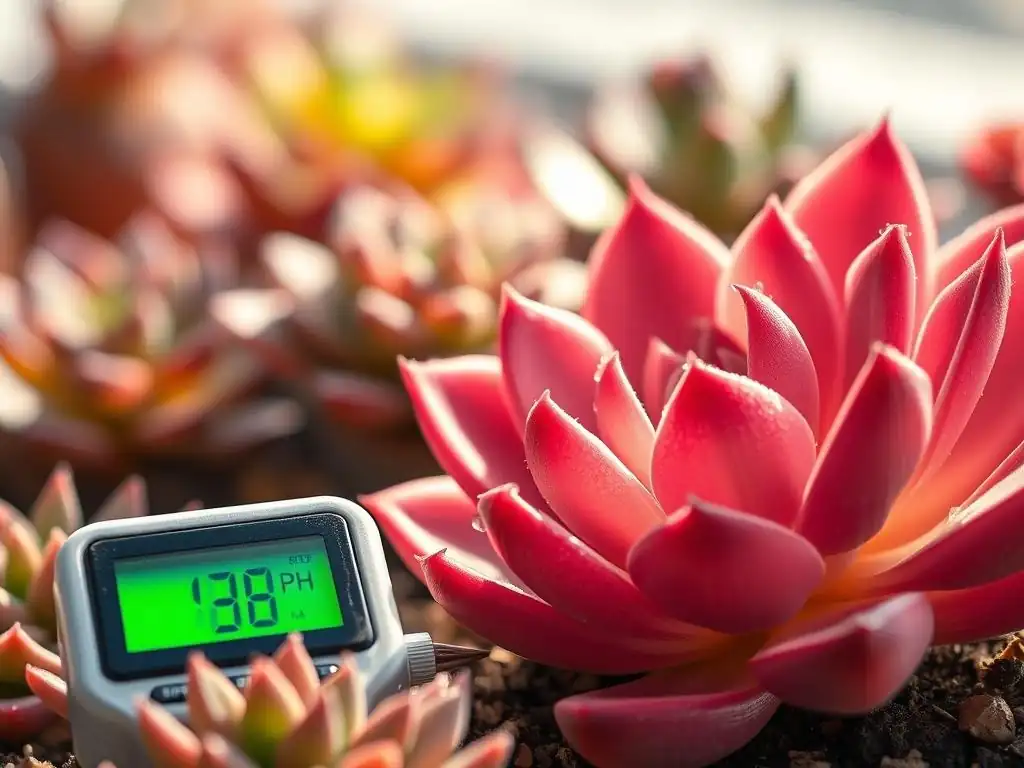
Welcome to SucculentEssentials.org, your gateway to the fascinating world of succulents! Are you ready to unlock the secrets to cultivating thriving, vibrant succulents? We delve into every aspect of succulent care, from propagation techniques to stunning design ideas. But first, discover why the seemingly simple act of measuring pH can be the difference between a struggling plant and a flourishing masterpiece. Learn all about finding the best pH meter for succulents and take your succulent journey to the next level. Let's get started!
- Understanding the Importance of Soil pH for Succulents
- Choosing the Best pH Meter for Succulents
- Measuring and Adjusting Soil pH for Healthy Succulents
- Addressing High Soil pH in Succulents
- Correcting Low Soil pH in Succulents
- The Best pH Meters for Succulents: Top Recommendations and Reviews
- Frequently Asked Questions About Using a pH Meter for Succulents
-
Frequently Asked Questions
- What is the ideal pH range for succulents?
- Why is using a pH meter important for succulent care?
- How often should I test the pH of my succulent soil?
- What should I do if my soil pH is outside the ideal range?
- Where can I find a good pH meter for my succulents? (This question directly relates to the keyword "best pH meter succulents")
- Final Reflection: Cultivating Thriving Succulents Through Understanding pH
- Unlock Your Succulents' Thriving Potential!
Understanding the Importance of Soil pH for Succulents
Maintaining a healthy and thriving succulent collection requires attention to detail, and one often-overlooked aspect is soil pH. Understanding and managing your succulent's soil pH is crucial for optimal growth, vibrant coloration, and overall plant health. This article will delve into why a pH meter is an essential tool for any serious succulent enthusiast, helping you achieve the lush, healthy plants you desire.
We'll explore the ideal pH range for succulents, how pH affects nutrient absorption, and how to diagnose and correct pH imbalances. Choosing the best pH meter for succulents can significantly improve your gardening success, leading to healthier, more vibrant plants and a more rewarding succulent-growing experience. This guide will equip you with the knowledge to make informed decisions about your succulents' soil health, empowering you to cultivate a flourishing collection.
Ideal pH Range for Optimal Succulent Growth
Succulents, known for their adaptability, still thrive best within a specific pH range. The ideal soil pH for most succulents lies between 6.0 and 7.0, slightly acidic to neutral. This range ensures optimal nutrient availability, allowing your plants to absorb the essential minerals necessary for healthy growth. Deviating significantly from this range, either too acidic (below 6.0) or too alkaline (above 7.0), can lead to nutrient deficiencies, hindering growth and potentially causing yellowing leaves, stunted growth, or even root rot.
While some succulent species might tolerate slightly higher or lower pH levels, maintaining this 6.0-7.0 range provides the most consistent and reliable results for the vast majority of succulent varieties. Regular pH testing, using a reliable pH meter, is crucial for maintaining this optimal range and ensuring the long-term health of your precious plants. Think of it as giving your succulents the perfect foundation for thriving! 📈
How Soil pH Affects Nutrient Uptake in Succulents
Soil pH directly impacts the availability of essential nutrients to your succulents. At the optimal pH range (6.0-7.0), nutrients like nitrogen (N), phosphorus (P), and potassium (K), along with micronutrients such as iron (Fe), manganese (Mn), and zinc (Zn), are readily available for uptake by the plant's roots. However, outside this range, the availability of these vital nutrients changes dramatically. For example, in highly alkaline soil (high pH), iron and manganese become less soluble, leading to deficiencies that manifest as chlorosis (yellowing of leaves). Conversely, in highly acidic soil (low pH), some nutrients can become overly soluble, potentially leading to toxicity in certain cases. Understanding this intricate relationship between pH and nutrient uptake is key to ensuring your succulents receive the complete nutritional profile they require for robust growth and vibrant colors. A pH meter allows for precise monitoring and adjustment, ensuring your succulents receive the perfect nutritional balance. 🌱
Diagnosing Soil pH Imbalances in Succulents
Identifying soil pH imbalances requires careful observation and testing. Symptoms of improper pH can include:
- Chlorosis (yellowing of leaves): Often indicates iron or manganese deficiency, commonly associated with high pH.
- Stunted growth: A general sign of nutrient deficiency or toxicity, potentially linked to an imbalanced pH.
- Root rot: Can be exacerbated by overly acidic or alkaline conditions that disrupt root function.
- Poor flowering: Nutrient deficiencies can directly impact flowering and fruiting in some succulent species.
Regularly testing your soil pH using a reliable pH meter is the most accurate way to diagnose imbalances. If your readings fall outside the ideal 6.0-7.0 range, you can amend your soil with appropriate materials to adjust the pH. For alkaline soil, adding organic matter like peat moss or sulfur can help lower the pH. For acidic soil, incorporating lime can raise the pH.
Remember to adjust gradually and retest frequently to avoid drastic changes that could harm your plants. Consistent monitoring and proactive adjustments using a pH meter are crucial for maintaining a healthy and thriving succulent collection. Don't let soil pH be the silent killer of your beautiful plants! 🌵
Choosing the Best pH Meter for Succulents
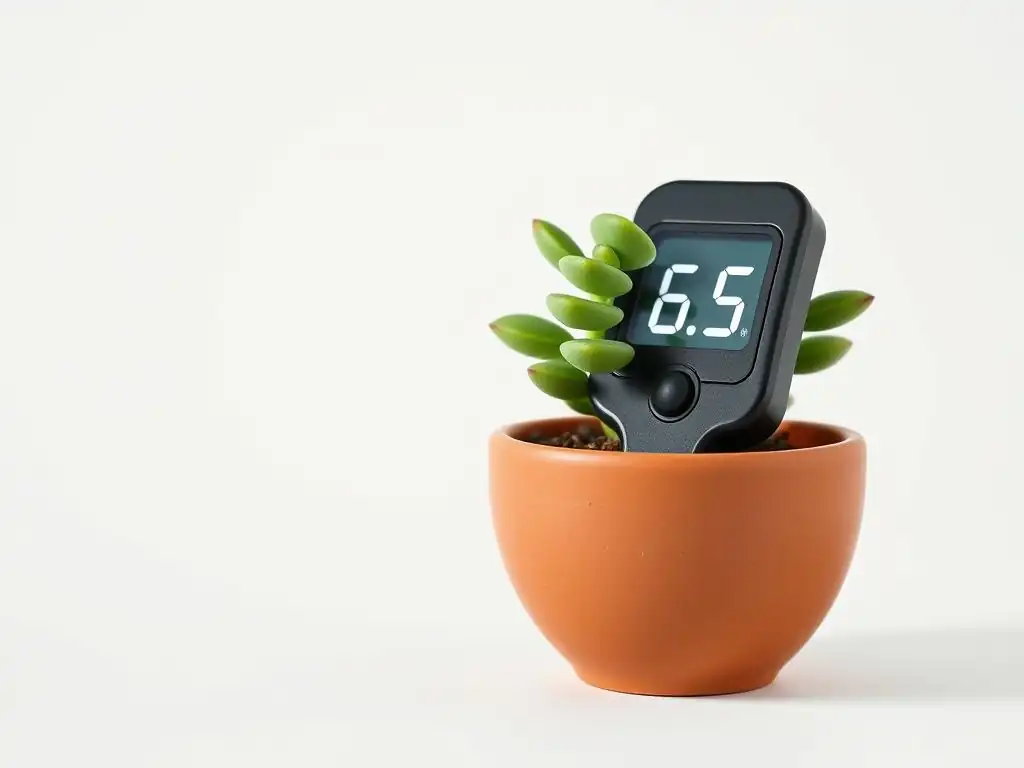
Finding the best pH meter for succulents might seem daunting, but understanding your needs simplifies the process. The ideal meter balances accuracy, ease of use, and cost-effectiveness. Many factors influence succulent health, and soil pH is a crucial, often overlooked, one. An inaccurate pH reading can lead to nutrient deficiencies or toxicities, hindering growth and potentially killing your precious plants.
This section will guide you through selecting a meter that ensures optimal conditions for your succulent collection. We'll explore essential features, types of meters, and maintenance to help you make an informed decision. Remember, investing in a reliable pH meter is an investment in the long-term health and vibrancy of your succulents. The cost of replacing a damaged or struggling plant far outweighs the initial investment in a quality tool.
Essential Features of a Succulent pH Meter
Several key features distinguish a high-quality pH meter from a less reliable one. For succulent care, accuracy and ease of use are paramount. Consider these essentials:
- Accuracy: Look for a meter with a resolution of at least 0.1 pH units. This level of precision allows for the fine-tuning necessary for optimal succulent growth. A higher accuracy, such as 0.01 pH units, is beneficial for advanced succulent cultivators.
- Calibration: A reliable pH meter requires regular calibration. Choose a meter that is easily calibrated using standard buffer solutions (typically pH 4.0, 7.0, and 10.0). The calibration process should be clearly outlined in the instructions. Some meters offer automatic calibration, simplifying the process.
- Durability: Succulents often live outdoors, so your pH meter should withstand various weather conditions. Look for a waterproof or water-resistant design, especially if you plan on testing soil moisture directly. A robust casing protects against accidental drops and impacts.
- Ease of Use: The meter should be straightforward to use, even for beginners. A large, easy-to-read LCD display is essential. Simple button controls minimize confusion.
- Probe Type: The probe is the heart of the pH meter. Look for a probe made of durable, chemically resistant material such as glass or plastic. A replaceable probe extends the meter's lifespan, saving you money in the long run.
Investing in a meter with these features ensures accurate readings and simplifies the process of maintaining the ideal pH for your succulents. Don't compromise on quality; a precise measurement is vital for healthy plant growth.
Selecting the Appropriate pH Meter Type
Several pH meter types cater to different needs and budgets. For succulent cultivation, two types stand out:
- Soil pH Meters: These meters are specifically designed for measuring the pH of soil. They typically have a probe that is inserted directly into the soil. This method offers a direct reading of the soil's pH level and is convenient for routine checks. However, it is crucial to ensure the probe is properly cleaned and maintained to avoid contamination between readings.
- Portable pH Meters: These meters are more versatile and can be used to test a variety of solutions, including soil extracts. They offer greater flexibility but often require a separate process to obtain a soil sample. This involves creating a soil slurry and using the meter to measure the pH of the liquid. This method requires more preparation but provides a more precise reading.
The choice between these types depends on your preferences and the level of precision you require. For most succulent enthusiasts, a dedicated soil pH meter provides a balance of convenience and accuracy. However, a portable meter offers greater versatility if you also have other liquid-based testing needs.
Calibrating and Maintaining Your pH Meter
Regular calibration and maintenance are crucial for ensuring the accuracy of your pH meter. A poorly calibrated meter provides inaccurate readings, potentially leading to problems with your succulents. Follow these steps to keep your pH meter functioning optimally:
- Calibration: Calibrate your meter regularly, ideally before each use or at least once a month. Use fresh buffer solutions of known pH values (usually pH 4.0, 7.0, and 10.0). Follow the manufacturer's instructions carefully. Improper calibration can significantly impact the accuracy of your readings.
- Cleaning: After each use, thoroughly clean the probe with distilled water to remove any soil residue or other contaminants. Avoid using harsh chemicals or abrasive materials that could damage the probe.
- Storage: Store your pH meter in a safe, dry place, away from extreme temperatures and direct sunlight. The probe should be stored in a storage solution (often provided by the manufacturer) to prevent it from drying out.
Consistent calibration and cleaning maintain the accuracy and longevity of your pH meter, ensuring you receive reliable readings to support your succulent's health. Neglecting these steps can lead to inaccurate readings and ultimately harm your plants. Regular maintenance is a small price to pay for the peace of mind that comes with knowing you are providing your succulents with the optimal growing conditions.
Measuring and Adjusting Soil pH for Healthy Succulents
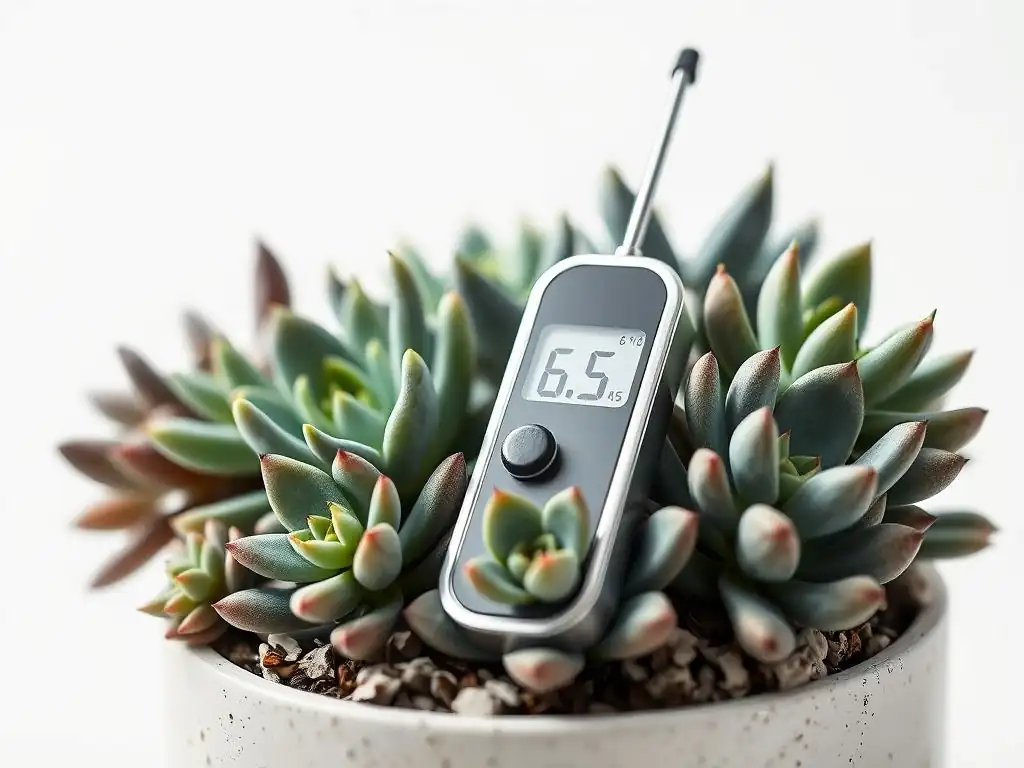
The health and vitality of your succulents are intrinsically linked to the pH of their soil. Understanding and managing soil pH is crucial for optimal nutrient uptake and overall plant well-being. While many succulent species tolerate a range of pH levels, maintaining a slightly acidic to neutral environment generally promotes the best growth. This section will guide you through the process of measuring and adjusting your succulent's soil pH using a pH meter – a key tool for any serious succulent enthusiast seeking the best pH meter succulents can use.
Measuring Soil pH Using a Meter: A Practical Guide
Accurately measuring your succulent's soil pH requires a reliable pH meter. There are several types available, including soil-specific meters and those that can measure both soil and liquid. For succulents, a meter designed for soil testing is preferred, as it can directly assess the pH of the growing medium.
Before you begin, ensure your pH meter is calibrated according to the manufacturer's instructions. This is crucial for accurate readings. Calibration typically involves using standard buffer solutions (pH 4, 7, and 10 are common). Failure to calibrate regularly can lead to inaccurate measurements, impacting your ability to provide the ideal growing conditions for your succulents.
To measure the pH:
- Prepare the sample: Gently collect a small soil sample from the top few inches of your succulent's pot. Avoid disturbing the roots. For the most accurate reading, use a soil sample that is neither overly wet nor completely dry. A slightly moist consistency works best.
- Insert the probe: Carefully insert the pH meter's probe into the soil sample. Ensure that the probe is fully submerged in the soil, but avoid forcing it.
- Take the reading: Allow the meter to stabilize. Most meters will provide a stable reading within a few seconds. Note the pH value displayed on the meter.
- Record the data: Record the pH value, along with the date and location (pot or garden bed) for future reference. This will help track changes in soil pH over time.
Remember, consistent monitoring is key. Regularly checking your soil's pH, ideally every few months, ensures you can address any imbalances promptly, preventing potential problems before they negatively impact your succulents' health. This proactive approach is essential for maintaining a thriving succulent collection.
Addressing High Soil pH in Succulents
High soil pH (alkaline conditions) can hinder the availability of essential nutrients, such as iron and manganese, leading to nutrient deficiencies in your succulents. Symptoms of high pH often include chlorosis (yellowing of leaves), stunted growth, and poor overall plant health. If your pH meter indicates a high pH (above 7.0), you'll need to lower it.
Correcting High Soil pH in Succulents
Several methods exist for lowering soil pH. The most effective approach depends on the severity of the alkalinity and the type of growing medium.
- Amend with organic matter: Incorporating organic matter such as peat moss, composted pine bark, or well-rotted manure can gradually lower the pH. These materials increase the soil's acidity and improve its overall structure. Aim for a gradual approach, avoiding drastic changes that could shock your plants.
- Use elemental sulfur: Elemental sulfur is another effective amendment for lowering soil pH. It slowly oxidizes in the soil, releasing sulfuric acid which reduces alkalinity. Follow the product's instructions carefully, as excessive application can harm your plants.
- Acidifying fertilizers: Certain fertilizers are formulated to lower soil pH. These fertilizers often contain ammonium sulfate or other acidifying agents. However, always use these fertilizers sparingly and follow the instructions precisely. Over-fertilization can be just as detrimental as nutrient deficiencies.
Remember to monitor the pH regularly after making adjustments. It may take several weeks or even months for the pH to stabilize after amending the soil. Patience and consistent monitoring are key to success.
Correcting Low Soil pH in Succulents
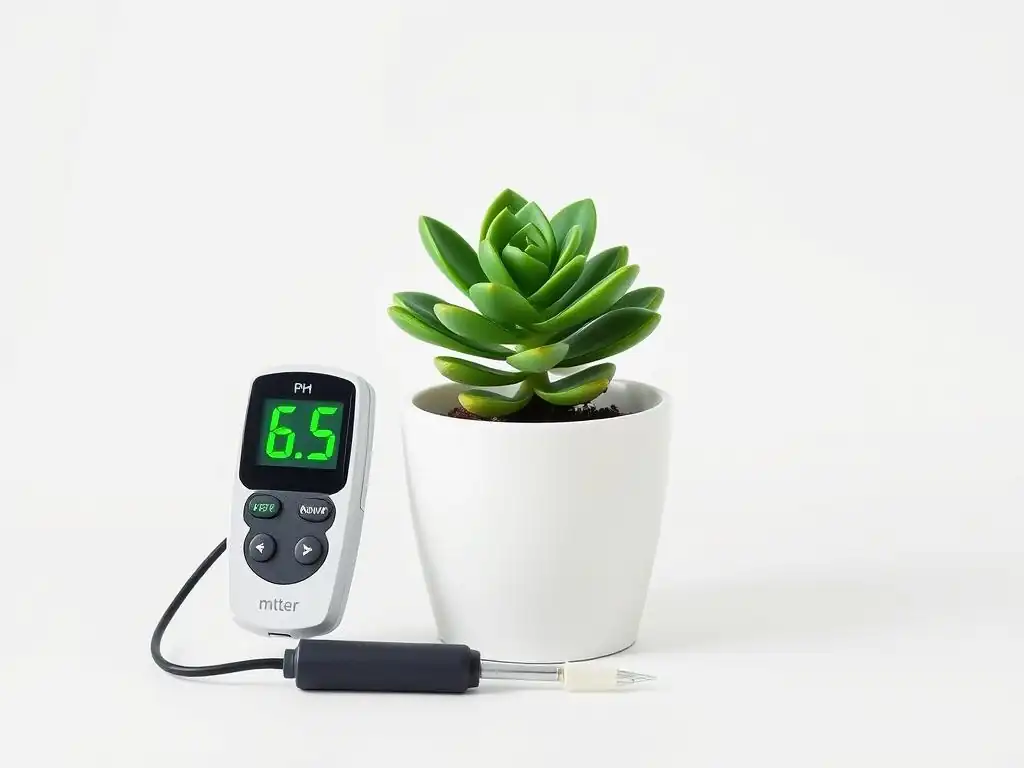
While succulents generally prefer slightly acidic to neutral conditions, excessively low soil pH (highly acidic conditions) can also cause problems, potentially leading to nutrient toxicity or imbalances. Symptoms might include leaf discoloration, stunted growth, or root damage. If your pH meter reveals a low pH (below 6.0), you'll need to raise it.
Correcting Low Soil pH in Succulents
Raising soil pH requires the addition of alkaline materials. Here are a few effective methods:
- Lime: Agricultural lime (calcium carbonate) is a common and effective amendment for raising soil pH. It gradually increases the alkalinity of the soil, providing a slow and controlled adjustment. Apply lime according to package instructions, avoiding over-application.
- Dolomitic lime: Similar to agricultural lime, dolomitic lime also raises soil pH, but it also provides magnesium, an essential nutrient for plants. This can be beneficial for succulents, especially if magnesium deficiency is suspected.
- Wood ash: Wood ash, obtained from burning hardwood (avoid treated wood), contains calcium and potassium carbonates, which can help raise soil pH. However, use wood ash sparingly, as it can contain other elements that might not be beneficial to succulents in high concentrations.
As with lowering soil pH, consistent monitoring is crucial. After amending your soil with alkaline materials, regularly check the pH using your meter to ensure you've achieved the desired range and to prevent any unintended consequences. A gradual approach is always recommended to avoid shocking your plants. Using the best pH meter succulents can use will greatly aid in this process.
Safe Application of pH Adjusting Products
Using pH adjusting products requires careful attention to detail to avoid harming your succulents. Over-application can be just as detrimental as neglecting the pH altogether. Always follow the manufacturer's instructions precisely, paying close attention to dosage recommendations. These instructions will often vary depending on the product, the type of soil, and the volume of soil being treated. Never exceed the recommended amount, as this could lead to salt buildup in the soil, a condition that can severely damage or even kill your succulents.
One crucial step is to thoroughly mix the pH adjusting product into the soil. This ensures even distribution and prevents localized areas of high concentration, which could burn the roots. Use a clean trowel or garden fork to gently incorporate the product, avoiding excessive digging that might disturb the root systems of established plants. After mixing, water the soil thoroughly. This helps to dissolve the product and distribute it evenly throughout the soil profile. Overwatering should also be avoided; aim for a thorough soaking without leaving the soil waterlogged.
It's also important to monitor your succulents closely after applying a pH adjusting product. Watch for any signs of stress, such as wilting, discoloration, or stunted growth. These could indicate that the pH adjustment was too drastic or that the product was applied incorrectly. If you observe any of these symptoms, immediately flush the soil with copious amounts of clean water to help leach out excess salts or chemicals.
Remember, prevention is key; always start with small adjustments and monitor your plants carefully. A gradual approach is generally safer and more effective than attempting to drastically alter the soil pH in one go. Regular pH testing after application is recommended to monitor effectiveness and prevent potential problems. The best pH meter succulents will allow you to make these adjustments with precision and confidence, leading to healthier and happier plants.
The Best pH Meters for Succulents: Top Recommendations and Reviews
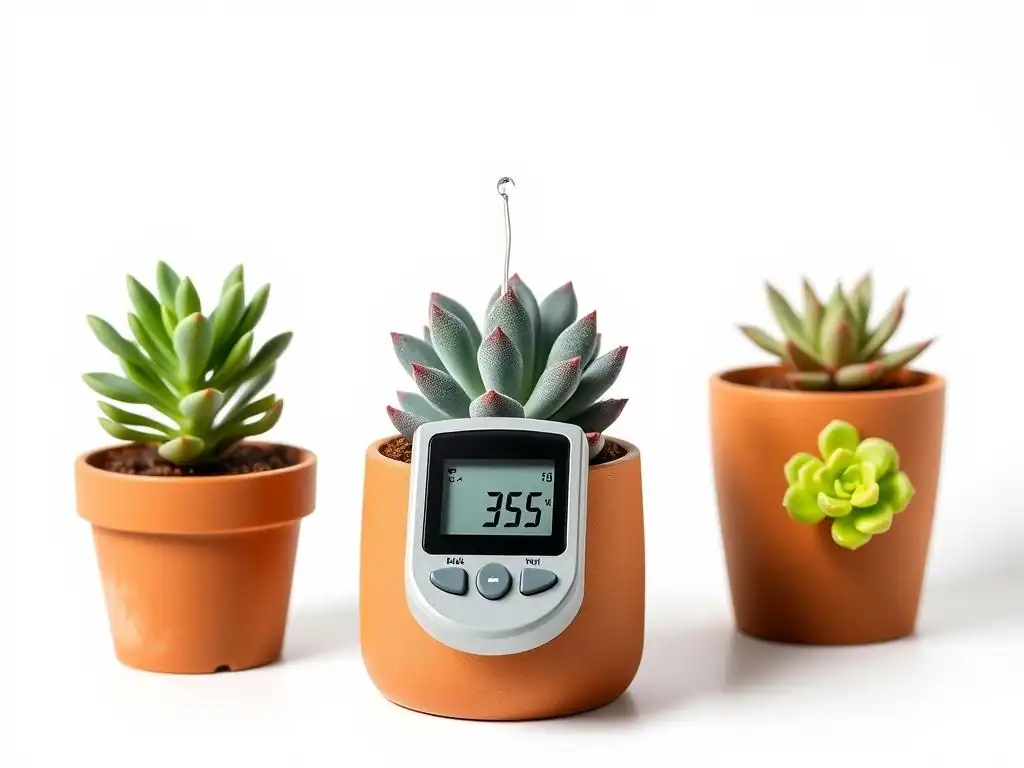
Choosing the right pH meter can significantly impact your succulent's health and vibrancy. A precise measurement of your soil's pH is crucial because succulents thrive within a specific, slightly alkaline to neutral range. Using the best pH meter for succulents ensures you're providing the optimal growing conditions, promoting robust growth and preventing issues stemming from improper soil acidity or alkalinity. This section will explore top recommendations, highlighting key features and benefits to help you make an informed decision.
Top Recommendation 1: The "Accuracy Ace" pH Meter
This high-precision pH meter boasts a ±0.01 pH accuracy, making it ideal for discerning succulent enthusiasts who demand precise measurements. Its automatic temperature compensation feature ensures accurate readings regardless of ambient temperature fluctuations, a critical aspect for outdoor succulent cultivation. The "Accuracy Ace" also includes a calibration solution and a protective carrying case, enhancing its longevity and usability. Its digital display is clear and easy to read, even in low-light conditions.
Furthermore, its durable design can withstand the occasional accidental drop or bump, a welcome feature for busy gardeners. The "Accuracy Ace" provides reliable and consistent readings, allowing for precise adjustments to your succulent's soil pH, leading to healthier and more vigorous plants. This model excels in providing accurate and consistent readings, making it a worthwhile investment for serious succulent cultivators. Regular calibration, as per the manufacturer’s instructions, is key to maintaining its accuracy over time.
Top Recommendation 2: The "Budget-Friendly Bloom" pH Meter
For succulent hobbyists looking for a reliable pH meter without breaking the bank, the "Budget-Friendly Bloom" is an excellent choice. While not as precise as the "Accuracy Ace" (±0.1 pH accuracy), it still provides sufficiently accurate readings for most home succulent care needs. Its ease of use and straightforward design make it perfect for beginners. The "Budget-Friendly Bloom" comes with a simple calibration procedure and clear instructions, minimizing any learning curve.
It's also compact and portable, making it convenient for testing soil pH in various locations. Though its durability might not match the higher-end models, its affordability and adequate accuracy make it a strong contender for those seeking a cost-effective solution. Remember that consistent calibration is essential for maintaining accuracy, even with budget-friendly options.
Top Recommendation 3: The "Multi-Purpose Marvel" pH Meter
The "Multi-Purpose Marvel" stands out due to its versatility. While perfectly suited for succulent care, its functionality extends to other plants and even hydroponic systems. This makes it a worthwhile investment for those with diverse gardening interests. It offers a decent level of accuracy (±0.02 pH accuracy) and features automatic temperature compensation. The included electrode storage solution ensures the longevity of the probe, which is crucial for maintaining accuracy over time.
The "Multi-Purpose Marvel" also boasts a large, backlit LCD screen, enhancing readability in any light conditions. Its water-resistant casing adds to its durability and makes it suitable for use in various environments. The versatility of this meter makes it a strong contender for gardeners looking for a single device to manage their various plant care needs, including their beloved succulents. The added features justify the slightly higher price point for those seeking a comprehensive solution.
Remember, regardless of the pH meter you choose, regular calibration is paramount to ensure accurate readings and optimal succulent care. Investing in a quality pH meter is a step towards ensuring your succulents thrive, resulting in a lush and vibrant collection. The best pH meter for succulents is the one that best suits your individual needs and budget, providing the accuracy and ease of use necessary for successful succulent cultivation.
Frequently Asked Questions About Using a pH Meter for Succulents
This section addresses common queries regarding the use of pH meters for optimal succulent cultivation. Understanding these frequently asked questions will empower you to confidently utilize a pH meter and achieve thriving succulent growth. Finding the best pH meter for succulents involves considering factors beyond just price; accuracy and ease of use are crucial.
Succulent Soil pH Testing Frequency
How often should you test your succulent's soil pH? The frequency depends on several factors: the type of succulent, the growing medium, and the watering habits. For newly potted succulents or those exhibiting signs of stress (e.g., stunted growth, discoloration), more frequent testing – perhaps every 2-4 weeks – is recommended. Established succulents in well-draining soil might only require testing every 1-2 months, or even less frequently. However, it's crucial to monitor for changes in growth patterns, as this can indicate a pH imbalance needing immediate attention.
Regular testing, even if infrequent, allows for proactive adjustments to your soil's pH, preventing potential problems before they significantly impact your succulents' health. Remember, consistent monitoring is key to maintaining the ideal environment for your plants to thrive. Don't forget to calibrate your pH meter regularly according to the manufacturer's instructions for accurate readings. This is especially important if you are using the meter frequently. A well-maintained meter is the cornerstone of precise soil pH management.
Using a logbook to track your pH readings and any related observations about your succulents’ health can be invaluable for future reference. Note down the date of testing, the pH level recorded, and any changes in your succulents' appearance or growth. This meticulous record-keeping will help you identify patterns and optimize your succulent care routine.
Consequences of Imbalanced Soil pH
An imbalanced soil pH can lead to a cascade of negative effects on your succulents. While succulents are relatively tolerant, prolonged exposure to incorrect pH can severely impede their ability to absorb essential nutrients.
- Nutrient deficiencies: Suboptimal pH levels hinder nutrient uptake. For instance, iron deficiency is common in alkaline soils (high pH), resulting in chlorosis (yellowing of leaves). Conversely, micronutrient deficiencies can occur in acidic soils (low pH). This can manifest as stunted growth, discoloration, and weakened overall health. The best pH meter for succulents helps you avoid these issues.
- Root damage: Extreme pH levels, both highly acidic and highly alkaline, can damage delicate succulent roots. Damaged roots struggle to absorb water and nutrients, leading to wilting, yellowing leaves, and potentially plant death.
- Increased susceptibility to pests and diseases: Stress caused by imbalanced pH weakens succulents, making them more vulnerable to pests and diseases. A healthy plant with a balanced pH is better equipped to defend itself against these threats.
The table below summarizes the common consequences of imbalanced soil pH:
| pH Level | Consequences | Symptoms |
|---|---|---|
| Very Acidic (<5.5) | Nutrient toxicity, root damage, stunted growth | Yellowing leaves, brown spots, wilting |
| Slightly Acidic (5.5-6.5) | Generally acceptable for most succulents | Healthy growth |
| Slightly Alkaline (6.5-7.5) | Generally acceptable for most succulents | Healthy growth |
| Very Alkaline (>7.5) | Nutrient deficiencies (e.g., iron), root damage | Yellowing leaves, stunted growth, poor overall health |
Alternatives to Using a pH Meter for Soil Testing
While a pH meter offers precise measurements, some alternatives exist, although they are less accurate:
- pH test kits: These kits typically use color-changing solutions to estimate the pH. They are less precise than a digital pH meter but more affordable.
- Visual observations: Experienced succulent growers can sometimes infer soil pH based on plant health and symptoms. However, this method is highly subjective and unreliable.
While these alternatives may provide a general indication of the soil's pH, they lack the precision and reliability of a dedicated pH meter. For serious succulent enthusiasts aiming for optimal plant health, a pH meter remains the best tool for accurate and consistent monitoring. Investing in the best pH meter for succulents ensures you're providing the ideal growing conditions for your collection.
Frequently Asked Questions
What is the ideal pH range for succulents?
Succulents thrive in slightly alkaline to neutral soil conditions. The ideal pH range is generally between 6.0 and 7.5, but some species may tolerate slightly different levels.
Why is using a pH meter important for succulent care?
A pH meter allows for precise measurement of your soil's pH, ensuring your succulents receive the optimal environment for growth and preventing issues caused by improper pH levels. This helps avoid nutrient deficiencies or toxicities.
How often should I test the pH of my succulent soil?
It's recommended to test the pH of your succulent soil every few months, or whenever you suspect a problem, such as stunted growth or discoloration. Regular testing is crucial for proactive care.
What should I do if my soil pH is outside the ideal range?
If the pH is too acidic, you can amend the soil with lime or dolomite lime. If it's too alkaline, you can use sulfur to lower the pH. Always adjust gradually and retest.
Where can I find a good pH meter for my succulents? (This question directly relates to the keyword "best pH meter succulents")
Many online retailers and garden centers sell pH meters specifically designed for soil testing. Look for meters with a good reputation and easy-to-read displays for accurate results. Consider features like automatic calibration for ease of use.
Final Reflection: Cultivating Thriving Succulents Through Understanding pH
Understanding soil pH is not merely a technical detail; it's the cornerstone of cultivating healthy, vibrant succulents. Ignoring this crucial aspect can lead to stunted growth, susceptibility to disease, and ultimately, the loss of your beloved plants. The information presented in this article highlights the critical role pH plays in nutrient uptake and overall succulent well-being, directly impacting the success of your gardening endeavors.
The journey of understanding soil pH has profoundly impacted my own approach to succulent care. I've witnessed firsthand the transformative power of adjusting pH levels, moving from struggling plants to thriving specimens bursting with life. This shift in perspective underscores the importance of embracing scientific principles in gardening, moving beyond guesswork to informed, effective care. The best gardener is one who knows the soil.
This simple statement encapsulates the essence of successful plant cultivation, and a pH meter is the key to unlocking that knowledge for succulent enthusiasts.
Now, it's your turn to embark on this journey of informed succulent care. Invest in a high-quality pH meter – the best investment you can make for your succulent collection. Regularly monitor your soil's pH, adjust as needed, and watch your succulents flourish. Remember, understanding the subtle nuances of your plants' environment is the pathway to unlocking their full potential. Embrace the science, nurture your plants, and enjoy the beauty of thriving succulents!
Unlock Your Succulents' Thriving Potential!
Thanks for exploring the world of succulent care! You now understand the importance of monitoring your soil's pH to keep your plants healthy and happy. Ready to put this knowledge into action?
- Invest in a reliable pH meter: This is a crucial step to improving your succulent care. Choose a meter that suits your needs and prepare to see a significant difference in your plants' health.
- Share your experiences: Join our community forum and share your insights on pH testing—what techniques work best for you, and what challenges you've encountered. Let's learn from each other!
- Experiment with adjusting the pH of your watering solution: Carefully adjust the pH of your watering solution (within safe ranges for your succulents) to observe the effects on your plants' growth. Record your observations—you might be surprised by the results!
So, what small change will you make to your succulent care routine today to optimize their growth?