
The Allure of the Uncommon: Why Rare Succulents Are So Desirable

Welcome to SucculentEssentials.org, where the fascinating world of succulents unfolds before you! Prepare to be captivated by the beauty and resilience of these extraordinary plants. But have you ever wondered about the allure of the truly uncommon? Dive into our exploration of rare succulent plant varieties and discover why these unique specimens ignite such passion among collectors. Uncover their secrets and unlock the key to cultivating these botanical treasures – your journey into the world of rare succulents starts now!
- The Enticing World of Rare Succulent Plant Varieties
- Identifying Rare Succulent Species: A Collector's Guide
- Cultivating Rare Succulents: Challenges and Rewards
- The Investment in Rare Succulents: Value and Appreciation
- Ethical Considerations in Acquiring Rare Succulents
- Frequently Asked Questions
- Final Reflection: Cultivating the Rare and the Remarkable
- Unveil Your Inner Plant Collector: Cultivate Your Rare Succulent Dreams
The Enticing World of Rare Succulent Plant Varieties
The world of succulents is vast and varied, encompassing thousands of species, each with its unique charm. While common succulents like Echeveria and Sedum offer readily available beauty and ease of care, a growing number of enthusiasts are captivated by the allure of the uncommon – the rare succulent plant varieties that represent a true challenge and reward for the dedicated cultivator.
This article delves into the reasons behind the desirability of these rare specimens, exploring the factors that contribute to their high value and the unique satisfaction derived from cultivating them. We'll examine the appeal of exclusivity, the thrill of the hunt for these botanical treasures, and how building a collection of rare succulents can become a deeply rewarding hobby.
Understanding the factors that contribute to a succulent's rarity will also help you appreciate the nuances of this fascinating plant world and make informed choices as you expand your own succulent collection. From the subtle variations in leaf texture and color to the demanding cultivation requirements, the journey into the world of rare succulents is an enriching experience for any plant lover.
The Appeal of Exclusivity: Why Rare Plants Hold More Value
The inherent exclusivity of rare succulent plant varieties is a significant driver of their desirability. Owning a plant that few others possess offers a sense of accomplishment and pride. This exclusivity is often tied to several factors: limited natural distribution, challenging propagation methods, and unpredictable growing conditions.
For example, some rare succulents might only thrive in very specific microclimates, making their cultivation outside of their native habitat incredibly difficult. Others might possess delicate genetic traits that make them challenging to propagate successfully, leading to lower overall numbers in circulation. The scarcity itself elevates the perceived value, creating a sense of prestige associated with owning such a unique specimen.
This exclusivity extends beyond mere ownership; it fosters a sense of community among collectors, who share knowledge and experiences in the pursuit of these botanical treasures. The rarity, therefore, isn't just about the plant itself, but also the journey and connection it fosters among passionate enthusiasts. The subtle variations in coloration, leaf shape, and growth habits further enhance the appeal, making each rare succulent a unique work of art.
Rarity and Collectibility: Building a Unique Succulent Collection
The pursuit of rare succulent plant varieties often transcends simple plant care; it becomes a passionate hobby centered around collectibility. Building a collection of these rare plants offers a unique challenge and immense satisfaction. The process involves research, careful selection, and often, a degree of luck.
Collectors meticulously document their acquisitions, keeping detailed records of the plant's origin, propagation methods, and cultivation history. This careful curation adds another layer to the hobby, transforming it into a deeply personal and engaging pursuit. Moreover, the act of propagation itself can be a source of great pride, as successfully propagating a rare succulent demonstrates skill and patience.
The unique challenges presented by each variety, from specific soil requirements to ideal lighting conditions, make each plant a testament to the collector's expertise and dedication. The collection becomes a living testament to their passion, knowledge, and the ongoing journey of discovery within the fascinating world of rare succulents. The community aspect also plays a vital role, with collectors often exchanging knowledge, cuttings, and experiences, fostering a supportive and collaborative environment.
Identifying Rare Succulent Species: A Collector's Guide
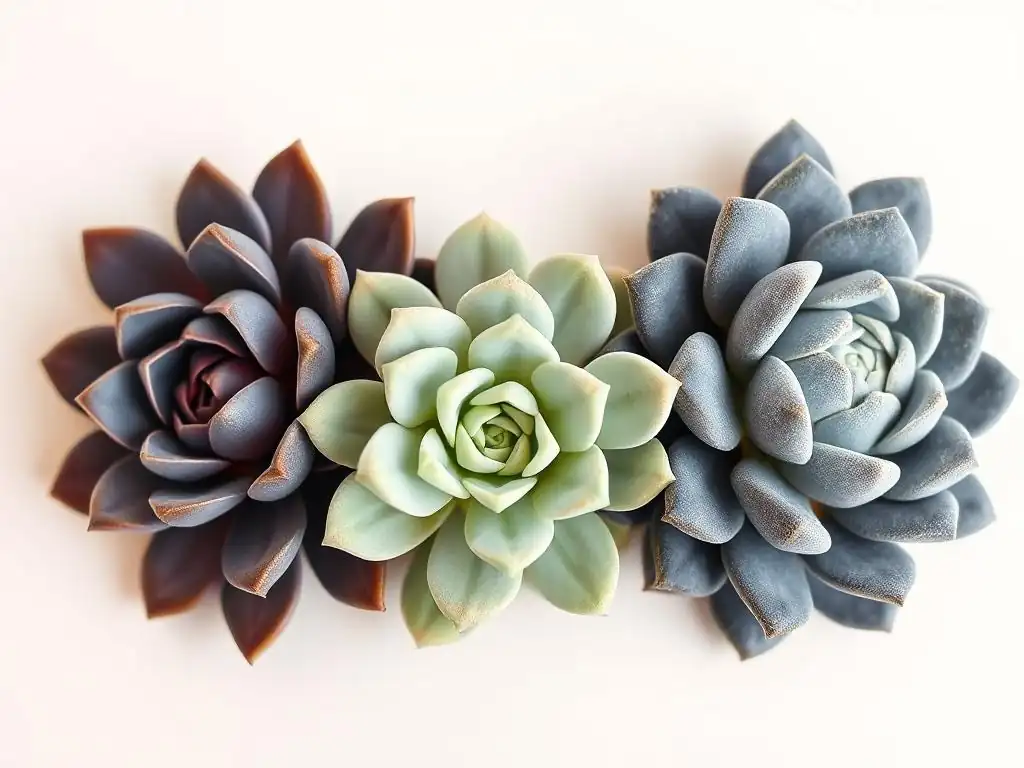
The allure of rare succulent plant varieties stems from their unique beauty and rarity. Pinpointing a truly rare succulent requires a keen eye and a deep understanding of the subtle differences that set them apart from their more common cousins. This section will equip you with the knowledge to confidently identify these coveted plants.
Distinguishing Characteristics of Rare Succulents
Rarity in succulents isn't solely determined by sheer numbers in circulation. Several factors contribute to a succulent's rarity, impacting its desirability among collectors. These factors often intertwine, creating a complex tapestry of characteristics that define a rare succulent.
Several key features distinguish rare succulent varieties from their more common counterparts. These include:
- Unique Morphology: Rare succulents often exhibit unusual leaf shapes, colors, textures, or growth patterns. Think of the Dudleya brittonii, with its striking, almost frosted blue-green leaves, or the unusual branching patterns of certain Haworthia cultivars. These deviations from the norm are highly prized.
- Limited Natural Habitats: Many rare succulents are endemic to very specific, often fragile, ecosystems. Habitat destruction or naturally limited distribution contributes significantly to their rarity. The Aloe polyphylla, for example, with its distinctive spiral rosette, only grows in a few high-altitude areas of Lesotho, making it incredibly rare.
- Difficult Propagation: Some rare succulents are notoriously challenging to propagate, either through seeds or cuttings. This low propagation rate further limits their availability, increasing demand and value. Certain Conophytum species, known for their tiny, pebble-like forms, are notoriously difficult to propagate successfully.
- Hybrids and Cultivars: While not always naturally rare, some carefully cultivated hybrids and unique cultivars can become highly sought after due to their one-of-a-kind appearance. These often result from years of meticulous breeding and selection, making them highly prized among collectors.
Key Features of High-Demand Succulent Varieties
The demand for specific rare succulent plant varieties fluctuates based on various factors including current trends, recent discoveries, and the overall health of the plant population. However, some traits consistently increase a succulent's desirability:
| Feature | Description | Example Species |
|---|---|---|
| Unusual Coloration | Vivid, unusual, or intense colors, particularly those not commonly seen in succulents. | Sedum rubrotinctum (Jelly Bean Plant) - its red hue |
| Intricate Patterns | Unique markings, striations, or variegations on leaves or stems. | Many variegated Haworthia and Echeveria species |
| Miniaturization | Extremely small size and compact growth habit. | Certain Conophytum and Lithops species |
| Unusual Texture | Fuzzy, hairy, or velvety textures, significantly different from typical succulents. | Kalanchoe tomentosa (Panda Plant) |
It's crucial to remember that the value and desirability of a rare succulent are subjective and can shift over time. While the characteristics mentioned above often contribute to high demand, the true value often lies in the eye of the beholder.
Resources for Identifying Rare Succulent Plant Varieties
Identifying rare succulent plant varieties requires a multifaceted approach. While online resources offer a starting point, nothing replaces hands-on experience and expert consultation. Here's a breakdown of helpful avenues for identification:
- Specialized Books and Publications: Numerous books dedicated to succulents offer detailed descriptions and photographs of various species, including many rare varieties. These resources are invaluable for comparing characteristics and narrowing down potential identifications.
- Online Forums and Communities: Active online communities dedicated to succulents offer a wealth of knowledge and experienced enthusiasts willing to assist in identification. Sharing images and descriptions of your succulents within these forums can lead to accurate identification.
- Botanical Gardens and Expert Consultation: Botanical gardens often house extensive succulent collections and employ experts who can provide accurate identifications. Reaching out to these institutions can be incredibly helpful for identifying particularly challenging or rare specimens.
Remember that responsible acquisition and care are paramount when dealing with rare succulent plant varieties. Support ethical sourcing and sustainable practices to ensure the preservation of these unique and captivating plants for generations to come.
Cultivating Rare Succulents: Challenges and Rewards
The allure of rare succulent plant varieties lies not only in their aesthetic uniqueness but also in the challenge and satisfaction derived from their cultivation. These plants, often hailing from specific microclimates or possessing delicate constitutions, demand a deeper understanding and a more dedicated approach than their common counterparts. While the rewards – possessing a truly unique and prized specimen – are significant, the path to success requires patience, meticulous attention to detail, and a willingness to adapt.
The rarity itself often translates to higher costs, but the investment is often justified by the exceptional beauty and the sense of accomplishment that comes with successfully nurturing these demanding plants. The thrill of the hunt, the research involved in understanding their specific needs, and the pride of witnessing their growth all contribute to the overall experience.
Specialized Care for Uncommon Succulent Species
Rare succulent species often require specialized care tailored to their unique origins and characteristics. For example, a Haworthia truncata 'Butterfingers' might demand higher humidity levels than a typical Haworthia, necessitating a more controlled environment, perhaps within a terrarium with carefully monitored ventilation. Conversely, a Conophytum bilobum, native to arid regions of South Africa, thrives on intense sunlight and minimal watering, drastically differing from the requirements of a more moisture-tolerant species. Understanding the specific geographical origin of your rare succulent provides invaluable clues to its ideal growing conditions. This includes factors such as:
- Sunlight: Some rare succulents need intense, direct sunlight, while others prefer filtered light to avoid sunburn. Careful observation and gradual acclimatization are crucial.
- Watering: Overwatering is a common killer of succulents, especially rare varieties. The frequency and amount of water should be adjusted based on the season, the plant's growth stage, and the specific species' needs. Allow the soil to dry out completely between waterings, and avoid letting water accumulate in the crown of the plant.
- Soil: Well-draining soil is essential for all succulents, but some rare species may require a specific soil mix, perhaps incorporating extra perlite or pumice to enhance drainage.
- Temperature: Temperature fluctuations can significantly impact the health of rare succulents. Protecting them from extreme temperatures, either through controlled environments or strategic placement, is often necessary.
- Fertilization: While succulents are generally low feeders, a balanced, diluted fertilizer applied sparingly during the growing season can benefit certain rare varieties. Over-fertilizing can be detrimental, leading to root burn and other issues.
Careful monitoring of the plant's overall health, including leaf color, turgidity, and growth rate, is crucial for identifying potential problems early on. Detailed records of watering schedules, fertilization, and environmental conditions can be invaluable in tracking the plant's progress and making informed adjustments.
Propagation Techniques for Rare Succulents
Propagating rare succulents can be challenging, but it offers the rewarding opportunity to expand your collection and potentially share these unique plants with others. The methods employed often depend on the specific species and its natural propagation strategy. Common methods include:
- Leaf cuttings: This is a relatively straightforward technique for some succulent species, involving carefully removing a healthy leaf and allowing it to callus before planting in a well-draining medium. However, success rates can vary significantly with rare varieties.
- Stem cuttings: Similar to leaf cuttings, stem cuttings involve taking a section of stem with several leaves and allowing it to root. This method is suitable for certain succulent types, but again, success may be lower with rare species.
- Offsets (pups): Many succulents produce offsets, or "pups," which are small, independent plants that grow at the base of the mother plant. These can be carefully separated and potted individually, providing a relatively easy method of propagation. However, some rare succulents may be slow to produce offsets.
- Seed propagation: Growing rare succulents from seed can be a long and challenging process, often requiring specialized conditions and techniques. Seed germination rates can be low, and seedlings may be particularly vulnerable to disease and pests.
The choice of propagation method will depend on the specific characteristics of the rare succulent species. Researching the best method for your particular plant is crucial for success. Patience and meticulous attention to detail are key aspects of propagation, and even with the best techniques, some rare succulents may prove difficult to propagate reliably.
Overcoming Challenges in Growing Rare Succulents
Growing rare succulents presents unique challenges, ranging from disease susceptibility to environmental sensitivities. Understanding and proactively addressing these challenges is vital for successful cultivation. Here are some common issues and strategies to overcome them:
- Pest infestations: Rare succulents can be particularly vulnerable to pests like mealybugs, aphids, and spider mites. Regular inspection and prompt treatment with appropriate insecticides (or organic alternatives) is essential to prevent infestations from spreading and damaging the plants.
- Disease: Fungal and bacterial diseases can quickly affect rare succulents, often exacerbated by poor drainage or overly humid conditions. Maintaining optimal growing conditions and promptly addressing any signs of disease are crucial.
- Root rot: Overwatering is a leading cause of root rot in succulents, particularly rare species with delicate root systems. Ensuring excellent drainage, avoiding overwatering, and using a well-draining potting mix are essential preventative measures.
- Environmental stress: Extreme temperatures, insufficient light, or sudden changes in environmental conditions can stress rare succulents, leading to stunted growth or even death. Providing a stable and suitable environment is crucial for their health and well-being.
The successful cultivation of rare succulent plant varieties is a testament to the grower's skill, patience, and dedication. While challenges are inevitable, the rewards of nurturing these unique plants are substantial, offering a unique blend of aesthetic appreciation and horticultural accomplishment. 🌱
The Investment in Rare Succulents: Value and Appreciation
The allure of rare succulent plant varieties extends beyond their aesthetic appeal; they often represent a tangible investment. Unlike many other collectibles, rare succulents can appreciate in value over time, making them a unique and potentially lucrative addition to a plant collection. Several factors contribute to this appreciation, including rarity, demand, and the overall health and condition of the plant.
A healthy, mature specimen of a highly sought-after species can command a significantly higher price than a more common variety, even exceeding the initial purchase price by a considerable margin. This potential for return on investment attracts collectors and enthusiasts alike, transforming the hobby into a potentially profitable venture. The market for rare succulents is dynamic, influenced by trends and the overall health of the global economy, just like any other collectible market.
Market Trends and the Value of Rare Succulents Plants
The value of rare succulent plants is heavily influenced by current market trends. Certain species experience periods of heightened popularity, driving up demand and consequently, prices. For example, certain Haworthia varieties with unique markings or unusual growth patterns have seen a significant increase in value in recent years.
Conversely, less popular species might see a slower appreciation, or even a decline in value, depending on market conditions. Tracking these trends requires diligent research and staying informed about current market prices through specialized online forums, plant shows, and reputable nurseries specializing in rare succulents. Understanding these market dynamics is crucial for both collectors aiming to increase the value of their collections and those looking to purchase rare succulents as investments.
It's important to note that the market isn't always predictable; unforeseen events can influence the value of even the most sought-after specimens. However, with careful monitoring and informed decision-making, collectors can navigate these fluctuations and potentially maximize their returns.
Protecting Your Investment: Care and Preservation of Rare Specimens
Owning rare succulent plant varieties comes with a responsibility: proper care and preservation. These plants, often delicate and demanding, require specific conditions to thrive. Neglect can lead to diminished value, even death, significantly impacting your investment. Optimal growing conditions, including appropriate sunlight, well-draining soil, and consistent (but not excessive) watering, are paramount.
Careful monitoring for pests and diseases is also critical; early detection and treatment can prevent significant damage and preserve the plant's health and value. Detailed records of the plant's origin, acquisition date, and care history are highly recommended. This documentation not only aids in ongoing care but also enhances the plant's value should you decide to sell it in the future.
Proper propagation techniques, when feasible, can also increase the overall value of your collection by creating additional, valuable specimens. Investing in the proper tools and resources for the care of rare succulents is an essential part of protecting your investment and ensuring the long-term health and value of your prized plants. This diligent approach ensures your rare succulent collection remains a valuable and rewarding asset.
Ethical Considerations in Acquiring Rare Succulents
The captivating beauty of rare succulent plant varieties often fuels a strong desire for ownership. However, this passion must be tempered with a deep understanding of the ethical implications involved in acquiring these unique plants. Responsible acquisition ensures the long-term survival of these species and protects the delicate ecosystems they inhabit. Ignoring these considerations can contribute to overharvesting, habitat destruction, and the eventual decline of these treasured plants. This section explores the crucial aspects of ethical succulent collecting, emphasizing sustainable practices and responsible ownership.
Sustainable Sourcing of Rare Succulent Plant Varieties
Sustainable sourcing is paramount when seeking rare succulent plant varieties. This means prioritizing plants propagated ethically, rather than those collected directly from the wild. Wild harvesting often decimates populations and disrupts delicate ecological balances. Look for reputable nurseries and growers who propagate their succulents through methods like cuttings, leaf propagation, or seeds. These methods ensure a sustainable supply without harming wild populations.
Consider the following when choosing a source for rare succulents:
- Ask about propagation methods: Inquire about how the nursery or grower produces their rare succulents. Transparency about propagation techniques is a sign of ethical practices. Avoid vendors who are vague or unwilling to disclose their sourcing methods.
- Look for certifications: Some organizations offer certifications for sustainable and ethical plant production. These certifications can provide assurance that the succulents are sourced responsibly.
- Support local growers: Supporting local growers helps to reduce the environmental impact associated with long-distance transportation. Local growers are often more knowledgeable about the specific needs of the plants and can provide valuable advice on care.
- Beware of suspiciously low prices: Unnaturally low prices for rare succulent varieties can indicate unsustainable or unethical sourcing practices. Be wary of deals that seem too good to be true.
The Importance of Responsible Collecting Practices
Responsible collecting practices extend beyond the initial acquisition of the plant. Owning a rare succulent carries a responsibility to ensure its long-term health and survival. This includes providing the appropriate growing conditions, preventing overwatering or underwatering, and protecting the plant from pests and diseases. Failing to provide adequate care not only jeopardizes the individual plant but also diminishes the value of the species as a whole.
Furthermore, responsible ownership includes:
- Proper identification: Accurate identification of your rare succulent is crucial for providing appropriate care. Incorrect identification can lead to improper watering, light exposure, and other issues that can harm or kill the plant.
- Careful propagation: If you successfully propagate your rare succulent, you are contributing to its conservation and ensuring its continued existence. Sharing propagated plants responsibly with other enthusiasts can help expand the population without impacting wild populations.
- Avoid invasive species: Be aware of the potential for your succulents to become invasive in your region. Research the species before planting it outdoors to ensure it won't outcompete native plants.
- Education and awareness: Sharing your knowledge and passion for rare succulents with others can help promote responsible collecting practices and conservation efforts. Educating others about the importance of ethical sourcing and responsible ownership is crucial for the long-term survival of these unique plants. 🌱
The acquisition and ownership of rare succulent plant varieties presents a unique opportunity to appreciate the beauty of nature while contributing to its preservation. By prioritizing sustainable sourcing and practicing responsible collecting, we can ensure the continued existence of these captivating plants for generations to come. Careful consideration and ethical practices are not just good for the environment; they are essential for the long-term enjoyment of these exceptional plants.
Frequently Asked Questions
What makes a succulent considered "rare"?
Rare succulents are often difficult to propagate, have limited natural habitats, or are highly sought after by collectors, driving up their rarity. Their scarcity contributes to their desirability.
Where can I find rare succulent varieties?
You might find rare succulents at specialized nurseries, online succulent retailers, or cactus and succulent shows. Be cautious of inflated prices and ensure the seller is reputable.
How do I care for a rare succulent?
Care depends on the specific species, but generally involves well-draining soil, bright, indirect light, and infrequent watering. Research your plant's individual needs.
Are rare succulents more expensive than common ones?
Yes, rarity often translates to higher prices. The difficulty in obtaining and propagating them contributes significantly to their cost.
What are some examples of rare succulent varieties?
Some examples include certain Haworthia species, unique Conophytum cultivars, and rare Dudleya varieties. Specific names depend on current availability and collector interest.
Final Reflection: Cultivating the Rare and the Remarkable
The fascination with rare succulent varieties transcends mere horticulture; it speaks to a deeper human desire for beauty, uniqueness, and the thrill of the hunt. The increasing popularity of these botanical treasures reflects a growing appreciation for the intricate details of the natural world and a yearning for something beyond the ordinary in our increasingly homogenized lives. This desire fuels a vibrant community of collectors, breeders, and enthusiasts, constantly pushing the boundaries of what's possible in the world of succulent cultivation.
The enduring appeal of rare succulents lies not just in their visual splendor, but in the stories they embody. Each plant represents a unique genetic lineage, a testament to the resilience and adaptability of life itself. They connect us to a rich history of botanical exploration and discovery, reminding us of the vast and often unseen wonders of the natural world. The love of gardening is a seed that once sown never dies.
This quote, though not specifically about succulents, perfectly encapsulates the enduring passion that drives the pursuit of these rare beauties. The dedication and care required to cultivate these plants fosters a deep connection with nature, offering a sense of peace and accomplishment in a fast-paced world.
Consider the implications of this passion. What does your own appreciation for the uncommon reveal about your values and desires? Perhaps it's a yearning for something unique, a desire to connect with nature on a deeper level, or simply a love of beauty in its most unexpected forms.
I encourage you to explore this fascination further, whether it's through cultivating your own rare succulent collection, supporting ethical conservation efforts, or simply appreciating the remarkable diversity of the plant kingdom. Let the allure of the uncommon inspire you to seek out beauty, rarity, and wonder in all aspects of your life.
Unveil Your Inner Plant Collector: Cultivate Your Rare Succulent Dreams
Thank you for exploring the fascinating world of rare succulents with us! We hope you've discovered a newfound appreciation for these unique plants. Now it's time to put that appreciation into action.
- Begin your rare succulent collection today! Research a few varieties that interest you and consider adding one to your home. It's easier than you think!
- Share your enthusiasm! Tell your friends and family about your new passion – you might inspire them to start their own collection.
- Expand your knowledge. Explore the wealth of online resources available to learn more about succulent care. A supportive community awaits!
What rare succulent variety captures your attention, and what's the first step you'll take to bring it home?