Basic Tools and Equipment for Succulent Care
Welcome to the essential toolkit for succulent success. Whether you are a beginner or a seasoned collector, having the right tools and equipment is the foundation of thriving, healthy plants. This guide covers the must-have items for planting, watering, grooming, and protecting your succulents, ensuring your journey with these drought-resistant beauties is smooth and rewarding. From precise watering solutions to breathable pots, discover what you need to avoid common pitfalls like root rot and leaf damage.
🛠️ Essential Planting and Potting Tools
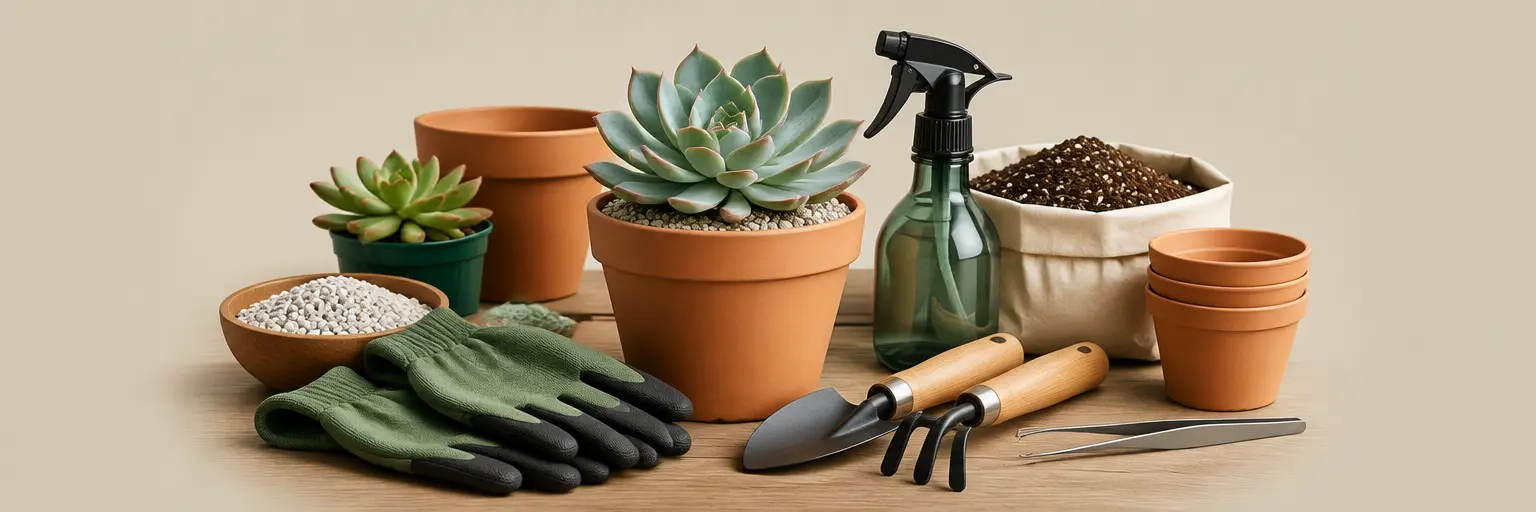
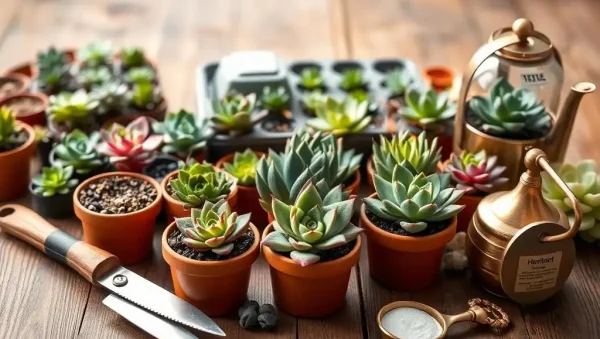
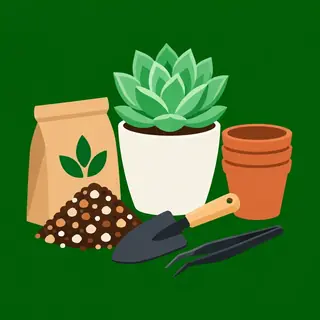
Proper planting starts with the right implements, which minimize damage to delicate roots and leaves. You will need a small hand trowel for mixing soil and transferring plants, but more critical are long-handled tweezers or chopsticks for maneuvering tiny cuttings and offsets without bruising their powdery coating. A soft brush (like a makeup or artist’s brush) is invaluable for removing soil dust from leaves and spines after repotting, keeping your succulents pristine and photosynthetically efficient.
Additionally, invest in a sturdy pair of precision pruning scissors or bonsai shears for trimming dead leaves, cutting roots, and taking clean stem cuttings for propagation. These sharp blades prevent crushing tissue, which can invite rot and pests. A small mesh sieve is also beneficial for sifting fine particles out of larger potting mixes, ensuring proper aeration and drainage. With these tools, you avoid the frustration of damaged succulents and create a cleaner, more professional workspace.
💧 Watering Equipment that Prevents Overwatering
Overwatering is the number one killer of succulents, and the right watering equipment is your first defense. A squeeze bottle with a narrow, long spout (like a condiment bottle) offers pinpoint precision, allowing you to water the soil directly at the base of the plant and avoid getting water on the leaves. If water pools in rosettes, it can cause sunburn or fungal rot. A watering can with a slim, angled spout is also useful for larger collections, but always avoid splashing leaves.
For those who want to automate hydration, consider a moisture meter, which is an inexpensive probe that tells you exactly when the soil is dry to the bottom. This eliminates guesswork and is especially helpful for beginners. Alternatively, using a turkey baster gives you excellent control for spot watering in tight arrangements. Remember, succulents prefer deep, infrequent watering, so ensure your tools allow for a slow, thorough soak that runs out of the drainage hole, never leaving your plants sitting in excess water.
🌱 Substrates and Containers: The Foundation Kit
Beyond handheld tools, the right substrates and containers are essential equipment. A fast-draining potting mix is non-negotiable; you can buy a commercial succulent blend or mix your own with coarse sand, perlite, and potting soil. This ensures oxygen reaches the roots and prevents soil compaction. Always have a bag of horticultural grit or pumice on hand to top-dress your pots. This not only looks attractive but also keeps the base of the plant dry and deters pests.
For containers, terracotta pots are a classic choice because they are porous, wicking away excess moisture and helping the soil dry quickly. Ensure every pot has a drainage hole—a non-negotiable feature—and consider using a shallow tray to catch runoff. For smaller props or leaves, you will need a propagation tray or a shallow dish with a domed lid to maintain slight humidity. These foundational items create the ideal environment for sensitive roots, reducing transplant shock and promoting vigorous growth.
🧹 Maintenance and Protection Gear
Keeping your succulents clean and safe is easier with specialized equipment. A fine misting spray bottle is useful for rinsing off dust or applying foliar fertilizers—but use it sparingly, only on drier days. For pest control, keep a cotton swab and rubbing alcohol on hand to spot-treat mealybugs or scale insects; this simple tool is far more effective than broad-spectrum sprays. A pair of tweezers with a curved tip helps remove spent flowers or dead leaves from tight crevices.
Protection gear also includes a high-quality pair of gardening gloves. While many succulents have harmless leaves, some have sharp spines (like Euphorbias or cacti) that can cause injury. Leather or thick rubber gloves prevent painful pricks and also keep your hands clean from soil and sap. If you work with sharp tools, a small cutting mat provides a safe surface for pruning and slicing stems. These items ensure your hobby remains enjoyable and injury-free, allowing you to focus on the artistry of succulent care.
🏡 Lighting and Environmental Equipment
Succulents crave bright light, so measuring and supplementing their environment is a critical gear category. A simple LED grow light is a game-changer for indoor growers or those with low-light windowsills. Look for a full-spectrum light that mimics natural sun, and position it 6-12 inches above your plants for 12-14 hours a day. This prevents etiolation, where succulents stretch and lose their compact shape. A timer is an affordable accessory that automates your lighting schedule.
Additionally, consider a small hygrometer to monitor humidity levels, as succulents prefer dry air (40-60% relative humidity). If your home is damp, a small dehumidifier may be necessary. Conversely, in extremely dry climates, a humidifier with a low setting can help prevent leaves from shriveling. A digital thermometer helps you maintain optimal daytime temperatures (65-75°F) and cooler nights (50-55°F), which many succulents need for vibrant stress coloring. These environmental tools empower you to recreate their native desert habitat indoors.
📖 Diagnosis and Learning Aids
To truly master succulent care, you need tools for observation and education. A 10x magnifying loupe is invaluable for inspecting leaves for tiny pests, checking root health during repotting, or examining seed pods. This simple tool helps catch problems early before they escalate. Also, keeping a plant journal or a simple spreadsheet on your phone can track watering schedules, growth patterns, and flowering cycles, allowing you to notice trends and adjust care with confidence.
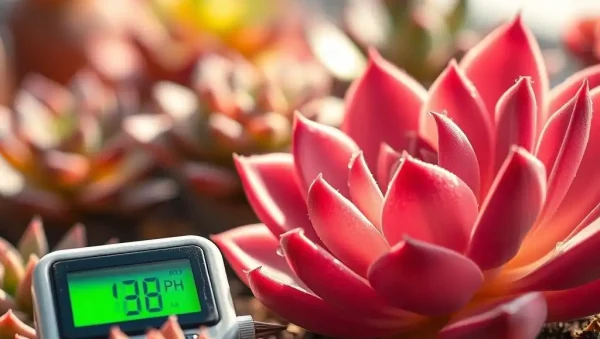
Furthermore, a small pH testing kit for soil is optional but useful, as succulents prefer a slightly acidic to neutral pH (6.0-7.0). Many local extensions offer free soil testing, but a home kit gives instant results. In addition, a comprehensive reference book or a curated app library (like an identification guide) serves as your field manual. These learning aids transform you from a reactive gardener to a proactive one, helping you understand the “why” behind each tool and technique—ultimately making you a more self-sufficient and successful succulent keeper.
Frequently Asked Questions
What is the most important tool for watering succulents?
A squeeze bottle with a narrow, long spout is the most crucial watering tool. It allows you to direct water precisely to the soil, avoiding moisture on leaves and rosettes. This prevents fungal rot and sunburn, while giving you control over the water volume for a deep, infrequent soak.
Can I use regular potting soil for succulents?
No, regular potting soil retains far too much moisture, leading to root rot. You must use a fast-draining mix specifically formulated for succulents and cacti. This usually contains coarse sand, perlite, and pine bark, ensuring proper aeration and rapid drying.
Is a grow light necessary for indoor succulents?
If your succulents are in a low-light room or far from a bright south-facing window, a grow light is highly necessary. It replaces the intense sunlight they need to stay compact and colorful. Without it, they will stretch and lose vibrancy, weakening over time.
How often should I replace my succulent tools?
High-quality tools can last for years if cleaned and stored properly. Sharpen scissors or shears annually, and replace any tool that has rusted or become warped. Disinfect tools between plants with rubbing alcohol to prevent disease transmission.
Do I always need a drainage hole in a succulent pot?
Yes, a drainage hole is non-negotiable for healthy succulents. It allows excess water to escape, preventing soggy roots and salt buildup. Without it, water becomes trapped, leading to root rot and death, even if you water sparingly.