Common vs. Rare Species Overview: Your Gateway to Succulent Diversity
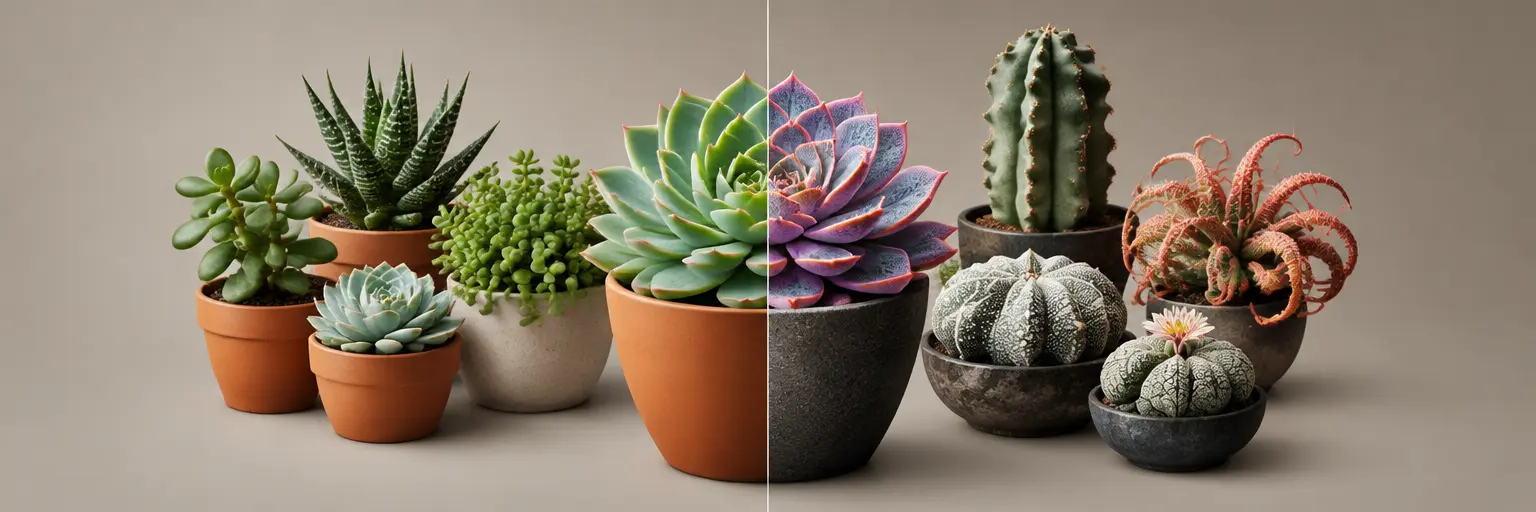
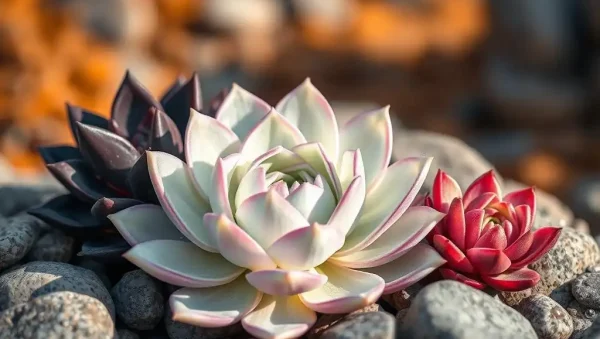
Welcome to the Common vs. Rare Species Overview at SucculentEssentials.org. This foundational subcategory helps you navigate the vast spectrum of succulents, from everyday favorites like Echeveria and Jade plants to elusive collector’s gems like Ariocarpus or Pseudolithos. Whether you’re a beginner seeking easy-care companions or an advanced hobbyist hunting for your next rare specimen, this guide clarifies differences in availability, price, growth habits, and care complexity. Expect actionable insights to match your skill level with the right plant, ensuring a rewarding succulent journey.
🌱 Defining Common Succulents: Reliable Choices for Every Home
Common succulents, such as Haworthia, Sempervivum, and Crassula ovata, are widely available in garden centers, big-box stores, and online marketplaces. They are propagated in bulk, making them affordable and easy to replace. Their popularity stems from resilience to neglect, adaptable light needs, and forgiving watering schedules. For beginners, these species offer a low-risk entry point, allowing you to learn basic care routines without the pressure of costly mistakes.
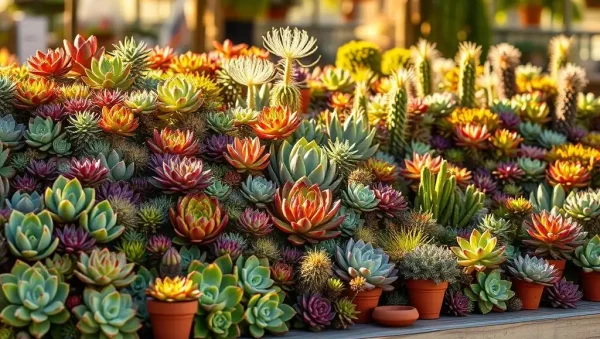
Expect common succulents to thrive in typical indoor conditions with bright, indirect light and infrequent watering. They often tolerate temperature fluctuations and pest pressure better than rare types. With hundreds of common varieties, you can still enjoy substantial visual diversity—think rosettes, trailing vines, and textured leaves—without breaking your budget. Prioritize these if you value hassle-free gardening or plan to create large arrangements, terrariums, or gifts.
💎 Exploring Rare Succulents: The Collector’s Challenge
Rare succulents encompass species with limited natural habitats, slow growth rates, or specific pollination requirements. Examples include Conophytum, Lithops variegates, and Dioscorea elephantipes. These plants often fetch high prices due to scarcity, import restrictions, or specialized propagation techniques like grafting. For seasoned collectors, they offer a sense of achievement and unique aesthetic appeal—often featuring bizarre shapes, cryptic camouflage, or stunning inflorescences.
However, rare succulents demand precise care: controlled watering cycles, high light exposure, and strict dormancy periods. Many are slow-growing, requiring years to reach maturity, and may die from overwatering or sudden environmental shifts. Before purchasing, research each species’ origin and replicate its native climate. Join succulent forums or rare plant auctions to source ethically and receive guidance. If you accept the challenge, the reward includes exclusive beauty and the pride of cultivating a living treasure.
🔍 Key Differences: Availability, Price, and Growth Patterns
The most obvious distinction lies in availability. Common species are mass-produced, ensuring year-round supply; rare ones appear sporadically, often through specialized nurseries or annual seed exchanges. Consequently, price gaps are dramatic—common succulents cost $3–$15, while rare specimens can range from $50 to several hundred dollars, especially for mature plants or unique color mutations. Growth rates differ too: common types grow faster, producing offsets quickly, whereas rare ones may take years to double in size.
Care difficulty is another differentiator. Common succulents forgive missed waterings and adapt to average humidity. Rare species often require precise soil mixes, controlled temperatures, and seasonal rest phases. Additionally, pests like mealybugs may devastate rare collections without vigilant monitoring. Understanding these contrasts helps you allocate time and budget realistically. Always assess your environment—windowsill vs. grow lights—before investing in high-maintenance rarities. Start with a few common plants to build confidence, then graduate to easier rare types like Haworthia truncata before tackling advanced ones.
🛒 Sourcing Ethically: Where to Find Common and Rare Species
For common succulents, local garden centers, hardware stores, and even supermarket floral sections offer healthy, affordable options. Online retailers like Etsy, Mountain Crest Gardens, and Leaf & Clay provide vast catalogs with customer reviews. To avoid pests or poor quality, inspect leaves for firmness and check the soil for moisture before purchase. For rare species, trust specialized sellers such as Cactus & Succulent Society plant shows, rare plant auctions, or international nurseries with phytosanitary certificates for shipping.
Ethical sourcing is crucial—some rare succulents face conservation threats from illegal poaching. Verify that sellers propagate plants (not wild-collected) and provide cultivation history. Look for CITES permits if importing internationally. Join communities like Reddit’s r/succulents or the Forum for Rare Succulents to get vetted seller recommendations. Remember: a healthy rare plant from a reputable source is worth more than a cheaper, stressed specimen. Also, consider buying seeds from reliable suppliers; growing from seed is often the only legal way to obtain certain species.
📈 Choosing Based on Your Skill Level and Goals
Beginners should start with common succulents like Aloe vera, Echeveria elegans, or Sedum morganianum. They build core skills in watering, light, and repotting. Intermediate hobbyists can experiment with semi-rare varieties such as Graptopetalum or Adromischus, which require slightly more attention but still forgive minor mistakes. Advanced collectors may pursue rare gems like Aztekium ritteri or Pseudolithos migiurtinus, using controlled environments and propagation techniques like leaf cuttings or grafting onto hardy rootstocks.
Your goals also matter: if you aim for lush, colorful arrangements, common varieties provide endless options. If you seek unique conversation pieces or wish to cultivate a high-value collection, then rarer species justify the effort. Budget-conscious growers can still collect rare species through seed swaps or by purchasing small seedlings. Always match plant choice to your available light, time, and willingness to research. Remember that rare doesn’t always mean difficult—some rare species are simply uncommon due to slow reproduction, not fragility. Use this overview to set realistic expectations and enjoy the journey.
Frequently Asked Questions
What defines a succulent as “common” versus “rare”?
Common succulents are mass-propagated for broad retail distribution, are inexpensive, and grow quickly. Rare ones have limited natural ranges, slow growth, or restricted availability due to conservation laws, making them scarce and costly. Rarity is also influenced by demand and difficulty of propagation, not just biological factors.
Are rare succulents always harder to care for?
Not necessarily. Some rare species are simply slow-growing or have niche habitats but are not fragile. However, many rare types require specific dormancy, high light, or precise watering, which can be challenging. Always research individual species’ care rather than assuming rarity equals difficulty.
Can I find rare succulents at local nurseries?
Occasionally, but most local nurseries stock common varieties. For rare species, visit cactus and succulent society shows, specialized online nurseries, or private collectors. You can also join plant trading groups or seed exchanges to obtain rare species without paying premium prices.
Is it legal to buy rare succulents online from other countries?
It depends on the species and country regulations. Many rare succulents require CITES permits for international trade. Always verify that the seller provides proper export documentation and phytosanitary certificates. Check your country’s customs rules to avoid legal issues or confiscation.
What is the best way to start collecting rare succulents?
Begin with easier rare types like Haworthia truncata, Lithops, or Gasteria. Buy from reputable sellers with proven propagation records. Start with small seedlings to reduce cost and observe growth. Join online communities for advice, and always quarantine new plants to prevent pest outbreaks in your collection.