Essential Supplies and Starter Kits: Your First Step to Thriving Succulents
Starting your succulent journey can feel overwhelming with the sheer variety of pots, soils, and tools available. However, building the perfect foundation is simpler than you think. In this subcategory, we break down every must-have item, from well-draining soil mixes and appropriate containers to beginner-friendly starter kits. By understanding the essentials, you’ll avoid common pitfalls like overwatering and root rot, ensuring your new plants not only survive but flourish in your home or office.
🌱 Choosing the Right Soil and Drainage Mediums
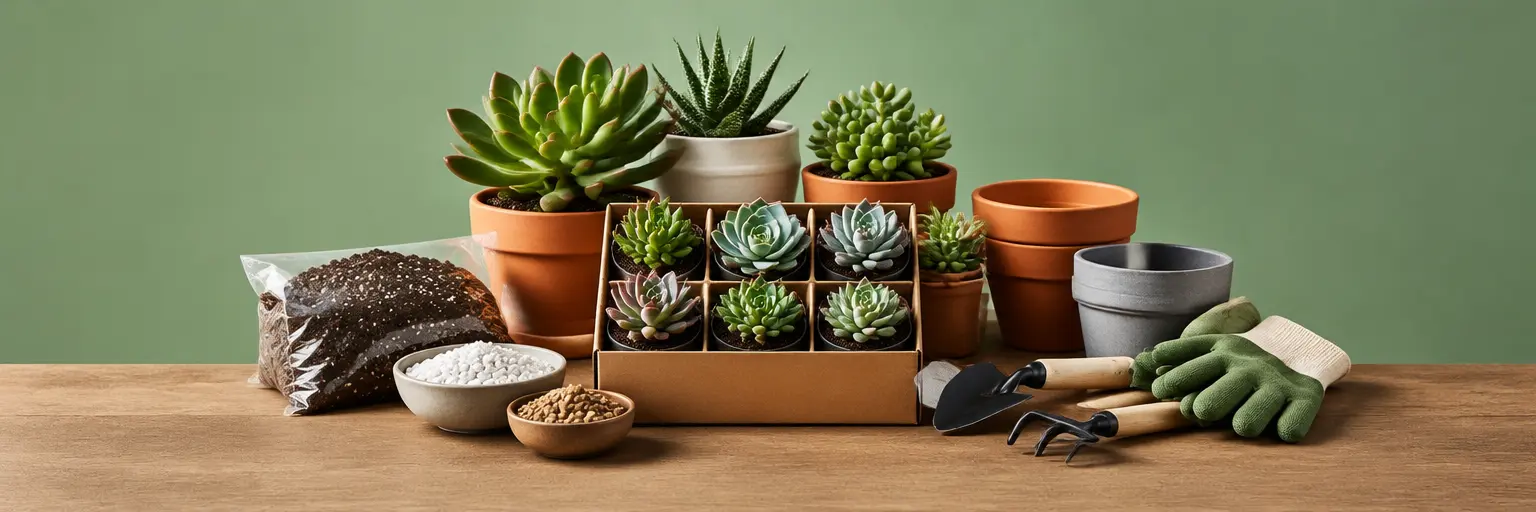
Succulents are drought-resistant plants, but their number one killer is soggy roots. Standard potting soil retains too much moisture, so you need a specialized mix that promotes aeration and rapid drainage. Look for pre-made cactus and succulent soil blends, or create your own by combining coarse sand, perlite, and potting soil. These ingredients prevent compaction and allow water to flow through quickly, mimicking their natural arid habitat.
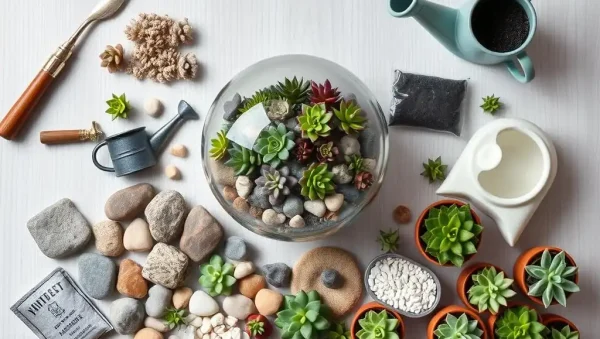
Beyond the soil itself, adding a top dressing like pebbles or gravel not only looks aesthetically pleasing but also reduces moisture evaporation and keeps pests away. In this section, we review the best organic and inorganic amendments, explaining how to adjust ratios based on your local humidity and the specific succulent species you own. A proper drainage setup is the cornerstone of every successful succulent collection.
🪴 Selecting the Perfect Pots and Containers
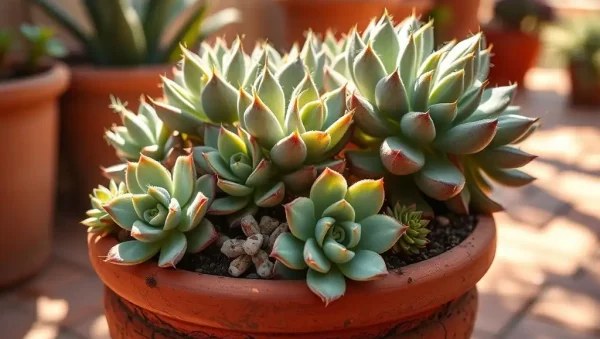
Container choice is just as critical as the soil inside it. While any pot with a drainage hole works, the material influences how quickly the soil dries. Terracotta pots are porous, allowing excess water to evaporate, making them ideal for beginners. Ceramic glazed pots retain moisture longer, perfect for drier climates or for those who prefer watering less frequently. Plastic pots are lightweight and budget-friendly, but they need careful watering supervision.
We also dive into creative container options like repurposed teacups or glass terrariums, though these require extra attention to watering. Learn how to match pot size to plant root structure, avoid oversized containers that lead to waterlogging, and understand the benefits of root-bound succulent arrangements. Proper pot selection sets the stage for strong, healthy root development.
🧰 Must-Have Tools for Succulent Care and Maintenance
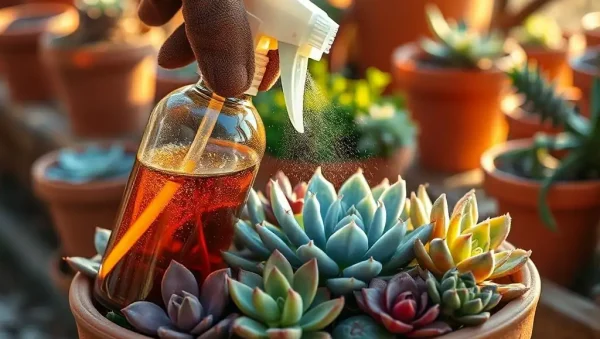
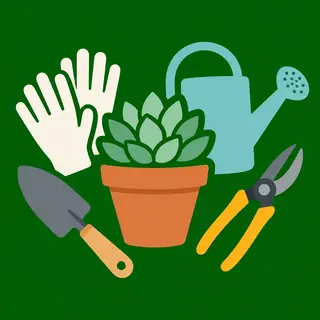
Investing in a few specialized tools makes succulent care an absolute joy rather than a chore. Essential items include a moisture meter to take the guesswork out of watering, soft-bristled brushes to clean dust from leaves, and precision tweezers for removing dead leaves or pests. A spray bottle with a fine mist is perfect for watering small seedlings or providing occasional humidity for tropical species.
For planting and repotting, consider a narrow trowel and a pair of chopsticks or bamboo sticks to gently position delicate roots. Additionally, a good pair of pruning shears is vital for trimming healthy leaves for propagation or removing damaged sections. In this section, we list our top tool recommendations, safety tips, and how to sterilize your equipment to prevent disease transmission between plants.
🎁 Unboxing the Best Succulent Starter Kits for Beginners
Starter kits simplify the process by bundling all the essentials into one convenient package. Most quality kits include 3-6 healthy, easy-to-grow succulent varieties, a container with drainage holes, pre-mixed soil, a detailed care guide, and sometimes decorative gravel or figurines. We have tested numerous popular kits available online and in local nurseries, comparing value, plant quality, and instructional clarity.
Our recommendations range from budget-friendly options under $25 to premium kits with rare varieties. We highlight which kits offer the healthiest plants that acclimate well to indoor environments, and which ones might need additional supplies like grow lights. You’ll also learn how to inspect starter kits upon arrival, quarantine new plants, and transition them to your care routine without transplant shock.
💡 Pro Tips for Watering, Lighting, and Placement Essentials
Even with the right supplies, understanding your environment is key. Succulents thrive in bright, indirect sunlight for at least six hours daily, so placing them near a south or east-facing window is ideal. If natural light is insufficient, we explain how to choose and position affordable grow lights. Watering should follow the “soak and dry” method—thoroughly soak the soil, then wait until it is completely dry before the next watering.
We cover seasonal adjustments, such as reduced watering during winter dormancy and increased frequency in summer heat. Additionally, learn about proper air circulation to prevent fungal issues and how to rotate your pots for even growth. These placement essentials ensure your essential supplies work their magic, keeping your succulents compact, colorful, and thriving year-round.
Frequently Asked Questions
What is the most important essential supply for succulent beginners?
The most critical supply is a well-draining soil mix. Without proper drainage, even healthy succulents will develop root rot quickly. Purchase a specialized succulent blend or mix your own with perlite or coarse sand. A pot with drainage holes is the second essential to allow excess water to escape.
Can I use regular potting soil for my succulents?
No, regular potting soil retains too much moisture and lacks the aeration succulents need. It can stay wet for days, leading to fungal growth and root suffocation. Always opt for a gritty, sandy mix, or amend regular soil with at least 50% perlite or pumice to improve drainage.
Are starter kits worth the money for a complete beginner?
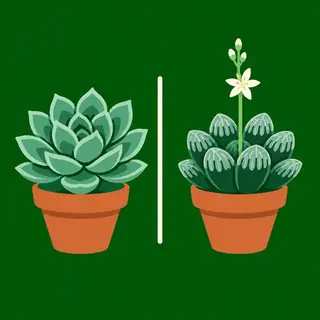
Yes, starter kits are excellent value because they bundle essential supplies, healthy plants, and instructions in one purchase. They reduce the risk of buying the wrong soil or pot, and often include beginner-friendly species like Echeveria or Haworthia. Just research to ensure the kit includes drainage holes in its container.
How often should I water succulents with starter kits?
Water deeply only when the soil is completely dry, usually every 10-14 days depending on your environment. Use your finger or a moisture meter to check dryness an inch below the surface. During winter, reduce watering to once per month, as succulents enter a dormant phase.
Do I need grow lights if I have a sunny windowsill?
If your windowsill receives at least six hours of bright, indirect sunlight daily, grow lights are optional. However, in cloudy regions or during winter, supplemental grow lights help prevent elongated, pale growth. Choose full-spectrum LED lights and position them 6-12 inches above your plants for 12-14 hours daily.