
The Best Soil Mix: Understanding the Needs of Succulents

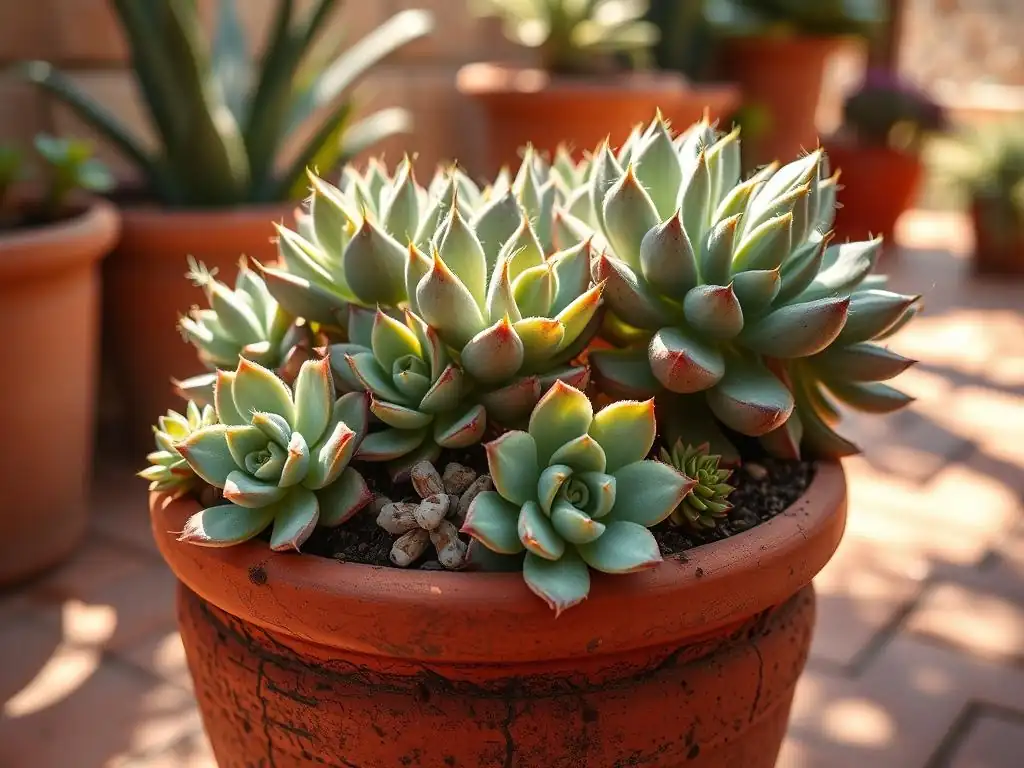
Welcome to SucculentEssentials.org, where the fascinating world of succulents unfolds! Are you ready to unlock the secrets to thriving succulents? We'll guide you through everything from identifying those unique varieties to crafting breathtaking arrangements. But first, let's delve into the very foundation of succulent success: discover our best succulent soil mix recipe and learn how the right soil can transform your plants from struggling survivors to flourishing masterpieces. Dive in and uncover the secrets to a succulent paradise!
- Why Choosing the Right Succulent Soil Mix Matters
- Crafting the Perfect Succulent Soil Mix Recipe: A Step-by-Step Guide
- Troubleshooting Common Soil Mix Issues for Succulents
- Maintaining Your Succulent Soil Mix for Optimal Plant Health
- Choosing the Best Commercial Succulent Soil Mixes: A Comparison
- Frequently Asked Questions about Succulent Soil Mixes
- Frequently Asked Questions
- Final Reflection: Cultivating Success: The Enduring Power of the Perfect Soil Mix
- Unleash Your Inner Green Thumb: Cultivate Thriving Succulents!
Why Choosing the Right Succulent Soil Mix Matters
Selecting the best succulent soil mix recipe is paramount for the health and longevity of your prized succulents. Unlike many other plants, succulents thrive in well-draining soil that prevents waterlogging – a common cause of root rot, a fatal condition for these drought-tolerant beauties. This article will delve into the crucial aspects of crafting the perfect soil blend for your succulents, ensuring their vibrant growth and minimizing the risk of common succulent ailments. We'll explore the importance of drainage, the essential nutrients succulents need, and the potential dangers of using an unsuitable soil mix.
Mastering this fundamental aspect of succulent care will significantly improve your success rate in cultivating these fascinating plants, whether you're a seasoned collector or a budding enthusiast. Let's get started on your journey to creating the ideal environment for your succulent collection! 🌱
Avoiding Overwatering: The Key Role of Drainage
Overwatering is the single biggest threat to succulent health. Succulents have evolved to store water in their leaves and stems, making them highly susceptible to root rot in consistently moist soil. The key to preventing this is ensuring excellent drainage. A well-draining soil mix allows excess water to escape quickly, preventing the roots from sitting in soggy conditions. This is achieved by incorporating materials that promote aeration and drainage, such as perlite, pumice, or coarse sand. These inorganic components increase the porosity of the soil, allowing for better air circulation around the roots and preventing water retention.
Consider this: a soil mix primarily composed of garden soil will retain far too much moisture, increasing the risk of root rot dramatically. Conversely, a mix with a higher proportion of inorganic amendments will allow for faster drainage, reducing the frequency of watering and minimizing the risk of overwatering. The optimal balance is crucial, and finding the right ratio is key to long-term succulent success. We'll discuss specific ratios and recipes later in the article.
Essential Nutrients for Thriving Succulents
While succulents are known for their drought tolerance, they still require essential nutrients for optimal growth and vibrant coloration. A balanced soil mix should provide a moderate supply of nutrients without being overly rich. Over-fertilization can actually harm succulents, leading to salt buildup and potentially damaging their delicate root systems.
A good soil mix for succulents should ideally contain a small amount of organic matter, such as composted manure or coco coir. These materials provide a slow-release source of nutrients, supplementing the essential minerals required for healthy growth. However, it's crucial to use these sparingly. Too much organic matter can retain too much moisture, negating the benefits of a well-draining soil mix. The goal is to strike a balance between providing essential nutrients and maintaining excellent drainage. We will explore specific organic amendments and their ideal proportions in subsequent sections.
The Dangers of Improper Soil Composition for Succulents
Using the wrong soil mix can lead to a cascade of problems, ultimately jeopardizing the health and even the life of your succulents. Poor drainage, as previously discussed, is a major culprit, leading to root rot and the eventual demise of the plant. However, other issues can arise from an improperly balanced soil mix.
For example, a soil mix that is too dense or compacted can restrict root growth, hindering the plant's ability to absorb water and nutrients. This can result in stunted growth, weak stems, and a general lack of vigor. Conversely, a soil mix that is too loose and airy, lacking sufficient nutrients, can lead to nutrient deficiencies, affecting the plant's overall health and appearance.
These issues highlight the critical importance of selecting and preparing a soil mix carefully tailored to the specific needs of succulents. The information presented here will help you avoid these pitfalls and create a thriving succulent collection.
Crafting the Perfect Succulent Soil Mix Recipe: A Step-by-Step Guide
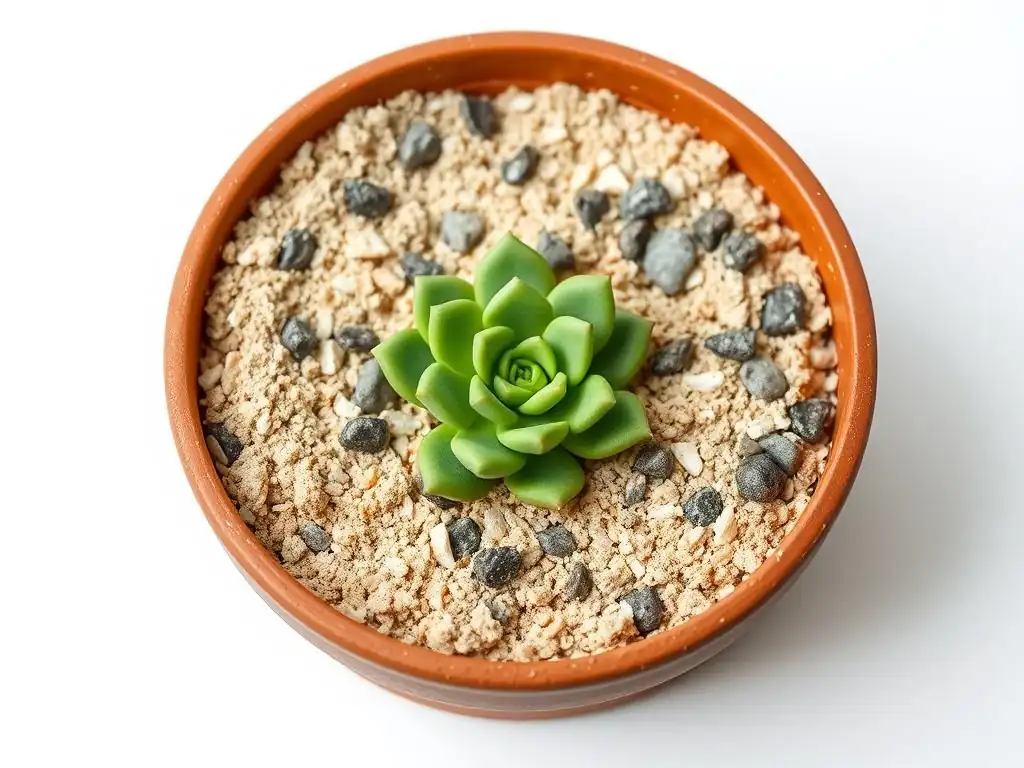
This section details creating the best succulent soil mix recipe, crucial for healthy succulent growth. A well-draining mix prevents root rot, a common succulent killer. We'll cover ingredient selection and the mixing process, ensuring your succulents thrive. Finding the perfect balance of drainage and moisture retention is key to achieving the best succulent soil mix recipe.
Ingredients for the Best Succulent Soil Mix Recipe
The ideal succulent soil mix isn't just about drainage; it's about creating the perfect environment for root health and nutrient uptake. This recipe focuses on achieving optimal aeration and water retention, preventing both overwatering and underwatering.
Selecting the Right Potting Soil
The foundation of your succulent soil mix is a high-quality, well-draining potting soil. Avoid garden soil, which retains too much moisture and lacks the necessary aeration. Look for a potting mix specifically designed for cacti and succulents, often labeled as "cactus and succulent mix." These mixes typically have a coarser texture than standard potting soil, promoting better drainage. Choosing a reputable brand ensures consistent quality and the right balance of components for your best succulent soil mix recipe.
Incorporating Perlite for Drainage
Perlite, a volcanic glass, is a crucial ingredient for improving drainage. It's lightweight, porous, and helps to aerate the soil, preventing compaction and ensuring that water doesn't become stagnant around the roots. We recommend a ratio of approximately 30% perlite to the overall soil volume for optimal drainage in your best succulent soil mix recipe. Using less can lead to poor drainage, while using significantly more can negatively impact nutrient retention.
Adding Coarse Sand for Improved Drainage and Aeration
Coarse sand, not fine sand, plays a vital role in improving drainage and aeration. Fine sand can compact, defeating the purpose. Coarse sand provides additional spaces within the soil matrix, allowing for better water percolation and air circulation. Aim for about 20% coarse sand in your best succulent soil mix recipe. This proportion works well for most succulent species. However, you may need to adjust slightly based on your specific succulent's needs and the climate.
Incorporating Pumice for Enhanced Drainage and Air Circulation
Pumice, another volcanic rock, adds further drainage and aeration benefits. Its porous nature allows for excellent water flow and oxygen circulation around the roots. Including approximately 10% pumice in your best succulent soil mix recipe contributes to a light and airy mix, reducing the risk of root rot. The larger particles of pumice also help to prevent compaction over time.
Optional Additions: Specific Amendments for Nutrient Boost
While not strictly necessary, you can add small amounts of organic matter, like coco coir or composted bark, for a slight boost in nutrient retention. However, use sparingly (around 5-10% maximum) to avoid compromising drainage. Over-fertilizing succulents is easy, and this best succulent soil mix recipe prioritizes drainage above all else. Always opt for a slow-release fertilizer instead of frequent feedings.
Mixing the Ideal Succulent Soil Mix: A Practical Guide
This section details the step-by-step process for creating your custom succulent soil mix. Accurate measurements are crucial for achieving the best results. Remember, consistency is key!
Step 1: Detailed instructions for measuring ingredients
Carefully measure each ingredient using a measuring cup or scale. Accuracy is key to achieving the right balance. For a 1-gallon batch, measure:
- Potting Mix: 4 cups
- Perlite: 3 cups
- Coarse Sand: 2 cups
- Pumice: 1 cup
- Optional Amendment (Coco Coir): ½ cup (optional)
Remember to adjust these measurements proportionally if you need a larger or smaller batch. Using a scale for precise measurements, especially for the coarser materials, is recommended.
Step 2: Detailed instructions for combining ingredients
In a large container, combine all the dry ingredients. Gently mix them thoroughly using your hands or a large spoon. Avoid compacting the mix; a light and airy texture is crucial. Ensure all ingredients are evenly distributed to guarantee consistent drainage and aeration throughout the entire pot.
Step 3: Detailed instructions for checking the mixture consistency
After mixing, check the consistency of your best succulent soil mix recipe. It should be loose and airy, not clumping together. If it feels too dense, add more perlite or coarse sand. If it's too loose, add a small amount of potting mix. The perfect consistency allows for easy water drainage while still providing enough support for your succulent’s roots.
Step 4: Detailed instructions for preparing the pot and planting
Choose a pot with drainage holes to prevent waterlogging. Add a layer of gravel or broken pottery shards at the bottom for added drainage. Fill the pot with your freshly mixed succulent soil, leaving about an inch of space at the top. Gently plant your succulent, ensuring the roots are adequately covered. Avoid burying the stem too deeply. Water lightly after planting, allowing excess water to drain completely.
Troubleshooting Common Soil Mix Issues for Succulents
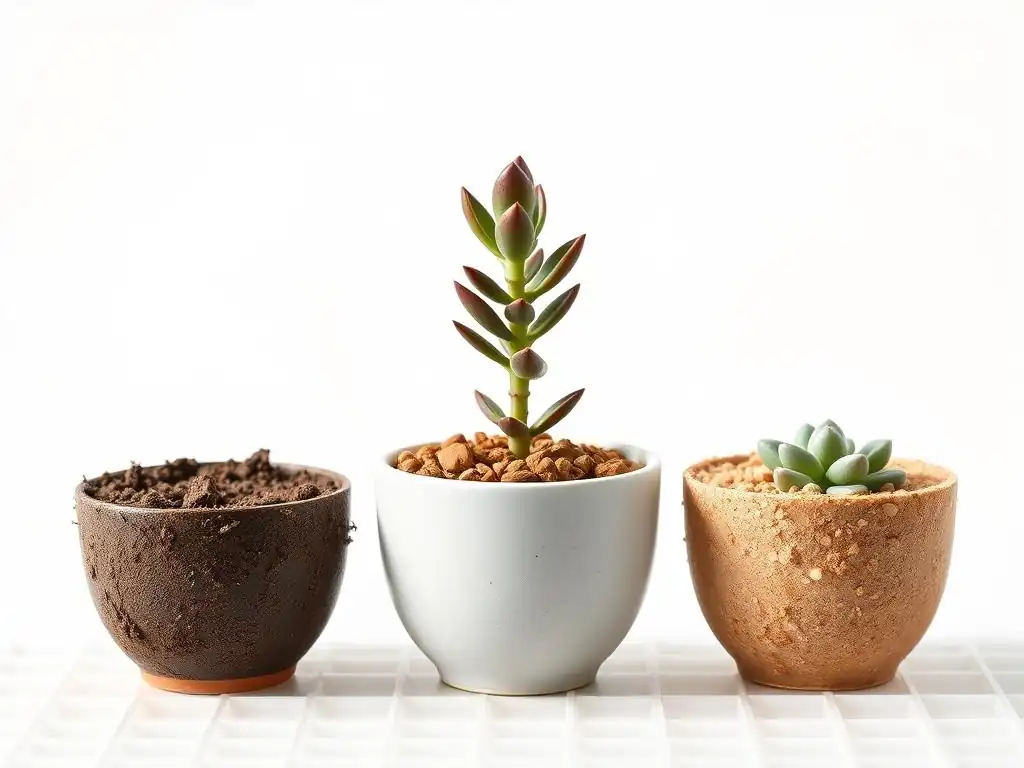
Creating the best succulent soil mix recipe is crucial for the health and vitality of your plants. However, even with careful preparation, you might encounter some challenges. This section addresses common problems and offers solutions to ensure your succulents thrive. Understanding these issues and their solutions is key to mastering succulent cultivation and achieving optimal growth. Let's dive into some frequent problems and how to fix them.
Dealing with Poor Drainage and Soggy Soil
Poor drainage is a significant problem for succulents, as they are adapted to arid conditions and are highly susceptible to root rot in consistently moist soil. The telltale signs are mushy, dark leaves, and a foul odor emanating from the soil. If you notice these symptoms, immediate action is required.
The primary cause of poor drainage is often using a soil mix that retains too much water. This could be due to using too much peat moss, garden soil, or other organic matter that doesn't allow for sufficient air circulation. To rectify this, you need to repot your succulents immediately.
Here's a step-by-step guide:
- Gently remove the succulent from its pot. Be careful not to damage the roots.
- Inspect the roots. Trim away any rotted or mushy roots using sterilized pruning shears.
- Prepare a well-draining soil mix. A good recipe includes a blend of pumice, perlite, coarse sand, and a small amount of potting mix (avoid using garden soil). The ratio should prioritize inorganic materials for optimal drainage.
- Repot the succulent. Ensure the new pot has drainage holes. Plant the succulent at the same depth as before.
- Water sparingly. Only water when the soil is completely dry to the touch. Avoid overhead watering, which can lead to waterlogging.
Remember, prevention is key. Always use a well-draining soil mix from the outset. Regularly check your succulent's soil for moisture levels to avoid overwatering. A well-draining mix allows for proper aeration, preventing the build-up of moisture that leads to root rot, a common ailment for succulents when using the wrong soil mix.
Addressing Nutrient Deficiencies in Your Succulent Soil
Succulents have relatively low nutrient requirements, but deficiencies can still occur, especially in reused or low-quality soil. Nutrient deficiencies manifest in various ways, including stunted growth, pale or discolored leaves, and leaf drop.
Common deficiencies include:
- Nitrogen (N): Results in pale, yellowing leaves, especially older ones.
- Phosphorus (P): Causes poor root development and stunted growth.
- Potassium (K): Leads to weak stems, leaf curling, and browning leaf tips.
To address nutrient deficiencies, you can use a balanced, slow-release fertilizer specifically formulated for succulents. Avoid over-fertilizing, as this can cause more harm than good. Always follow the package instructions carefully. It's best to fertilize during the active growing season (spring and summer) and reduce or cease fertilization during the dormant season (fall and winter). This approach ensures your succulents receive the necessary nutrients without causing imbalances in your meticulously crafted best succulent soil mix recipe.
Recognizing Signs of Over-Fertilization in Succulents
While nutrient deficiencies are problematic, over-fertilization can be equally damaging, even more so than poor drainage. Over-fertilizing can cause salt buildup in the soil, leading to root burn and ultimately, plant death. The signs of over-fertilization are often subtle at first, but they become more pronounced over time.
Symptoms of over-fertilization include:
- Brown or crispy leaf tips and edges: This is often one of the first visible signs.
- Salt deposits on the soil surface: A clear indication of excessive fertilizer accumulation.
- Stunted growth: Despite adequate watering and light, the plant may not grow as expected.
- Leaf discoloration: Leaves may develop brown or yellow patches.
If you suspect over-fertilization, you should immediately flush the soil with copious amounts of water to leach out excess salts. This involves thoroughly watering the pot until water drains freely from the drainage holes. Consider repotting your succulent in fresh, well-draining soil if the problem persists. Always remember that less is more when it comes to fertilizing succulents; a balanced approach and the right best succulent soil mix recipe are key to their long-term health. Prevention, through careful fertilization practices, is far easier than remediation.
Maintaining Your Succulent Soil Mix for Optimal Plant Health
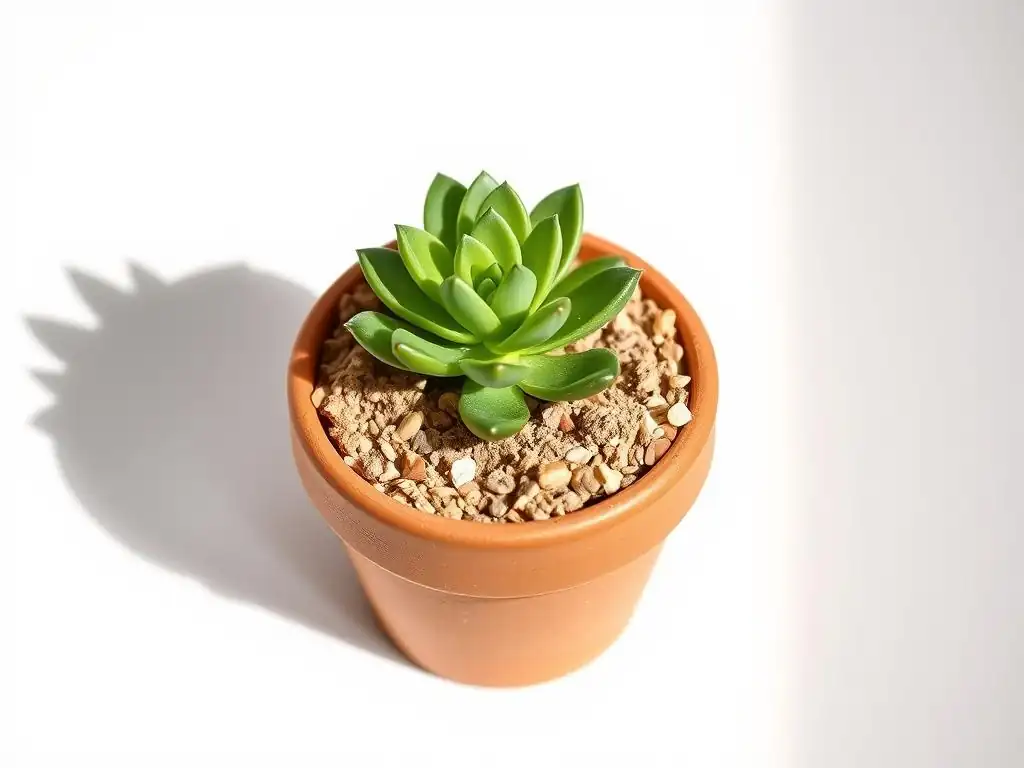
Maintaining the ideal soil mix is crucial for the long-term health and vibrancy of your succulents. A well-maintained soil mix ensures proper drainage, aeration, and nutrient availability, preventing common succulent ailments like root rot and nutrient deficiencies. This section will guide you through essential practices to keep your succulent soil mix in top condition, maximizing your plants' growth and beauty. The key to the best succulent soil mix recipe lies not just in the initial creation, but in ongoing maintenance.
Repotting Your Succulents: When and How
Repotting is a vital part of maintaining a healthy succulent soil mix. Over time, the soil can compact, lose its drainage properties, and become depleted of nutrients. This leads to poor aeration, waterlogging, and stunted growth. Knowing when and how to repot is key to preventing these issues.
Succulents generally require repotting every 1-2 years, or when you notice signs like roots circling the pot (root-bound), poor drainage leading to soggy soil, or significantly slowed growth. Before repotting, prepare your new pot – slightly larger than the previous one – and a fresh batch of your best succulent soil mix recipe. Gently remove the succulent from its old pot, carefully loosening any compacted roots. Inspect the roots for any signs of rot or damage, trimming away any affected areas with clean, sterilized shears.
Plant your succulent in the new pot, ensuring the crown (where the leaves emerge) remains above the soil line. Water lightly after repotting, allowing the soil to dry out completely before watering again. This process ensures your succulents continue to thrive in a fresh, well-draining environment, crucial for the success of your best succulent soil mix recipe.
Monitoring Soil Moisture Levels
Monitoring soil moisture is paramount to preventing overwatering, a common cause of succulent death. Overwatering leads to waterlogged soil, suffocating the roots and creating the perfect environment for root rot. Conversely, underwatering can lead to dehydration and stunted growth. The goal is to maintain consistently moist but not soggy soil.
Several methods can help you monitor soil moisture. You can use a moisture meter, which provides a numerical reading of the soil's moisture level. Alternatively, you can stick your finger about an inch into the soil. If the soil feels dry to the touch, it's time to water.
Another effective technique involves weighing the pot before and after watering. Consistent weight differences will help you establish a watering schedule tailored to your specific environment and pot size. Regular monitoring, combined with the right best succulent soil mix recipe, ensures your succulents receive the optimal amount of moisture for healthy growth. Remember, it's better to underwater slightly than to overwater.
Regular Soil Top-Dressing for Succulents
Top-dressing involves adding a layer of fresh succulent soil mix to the top of the existing soil. This simple practice helps replenish nutrients, improve drainage, and prevent soil compaction. It's a less intensive process than full repotting and can be done annually or even more frequently, depending on your soil mix and growing conditions.
For top-dressing, use a high-quality succulent soil mix that is similar to your existing mix. Gently remove any dead leaves or debris from the surface of the soil before applying a thin layer (about ½ inch) of the fresh mix. This helps maintain a clean and healthy growing environment. Regular top-dressing, in conjunction with a well-considered best succulent soil mix recipe, ensures your succulents have access to essential nutrients and maintain optimal drainage for healthy root development. This simple practice contributes significantly to the longevity and beauty of your succulent collection. 🪴
Choosing the Best Commercial Succulent Soil Mixes: A Comparison
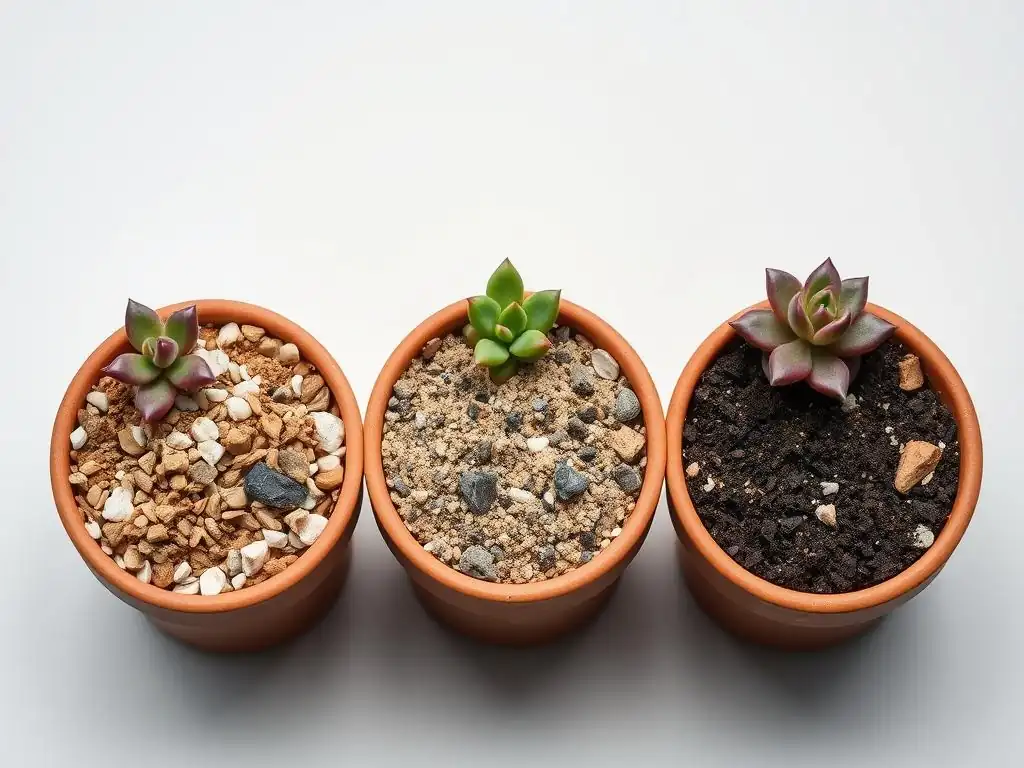
Finding the best succulent soil mix recipe can feel overwhelming, but thankfully, several excellent commercial options exist. Choosing the right one depends on your specific needs and preferences. While making your own mix offers customization, pre-mixed options offer convenience and often a balanced blend of ingredients. This section compares three popular commercial mixes, highlighting their pros and cons to help you make an informed decision. Remember, even the best commercial mix might require amendment depending on your local climate and the specific succulent species you are growing.
FoxFarm Ocean Forest Potting Soil: Pros and Cons
FoxFarm Ocean Forest is a popular all-purpose potting soil known for its rich organic content. While not specifically formulated for succulents, many growers find it suitable with modifications.
Pros:
- Excellent drainage (with amendments): Ocean Forest's chunky texture provides good drainage when amended appropriately. Adding perlite or pumice significantly improves aeration and prevents waterlogging, crucial for succulent health.
- Nutrient-rich: The high organic matter content provides essential nutrients, promoting healthy growth, especially in the initial stages. This is beneficial for newly potted succulents or those recovering from stress.
- Widely available: Ocean Forest is readily available at most garden centers and online retailers, making it easily accessible.
Cons:
- Needs amendment: As an all-purpose mix, Ocean Forest retains too much moisture for succulents unless amended with at least 50% inorganic material like perlite or pumice. Without proper amendment, root rot is a significant risk.
- Can be dense when wet: Even with amendments, the organic component can become quite dense when saturated, potentially hindering oxygen flow to the roots.
- Nutrient burn risk: The high nutrient content can lead to nutrient burn if not used cautiously, especially with young or sensitive succulents. Careful watering is essential.
Miracle-Gro Cactus, Palm & Citrus Potting Mix: Pros and Cons
Miracle-Gro Cactus, Palm & Citrus Potting Mix is specifically designed for plants that prefer well-draining soil, making it a more suitable starting point for succulents than a general-purpose mix.
Pros:
- Good drainage: This mix is formulated with ingredients that promote excellent drainage, minimizing the risk of root rot, a common problem for succulents. The improved drainage reduces the frequency of watering.
- Balanced nutrient profile: The formulation provides a balanced supply of essential nutrients without being overly rich, reducing the risk of nutrient burn.
- Readily available: Similar to FoxFarm, this mix is widely available at most garden centers and big-box retailers.
Cons:
- May still need amendment: While better suited for succulents than Ocean Forest, some growers still find it beneficial to add extra perlite or pumice to further improve drainage and aeration, especially in humid climates.
- Can be a bit fine: The texture can be finer than ideal for some succulent types, potentially leading to compaction over time.
- Potentially lower nutrient content: Compared to Ocean Forest, the nutrient content is lower, potentially requiring supplemental feeding, especially during periods of active growth.
Bonsai Jack Succulent & Cactus Mix: Pros and Cons
Bonsai Jack Succulent & Cactus Mix is specifically formulated for succulents and cacti, making it a strong contender for the title of best succulent soil mix recipe.
Pros:
- Excellent drainage and aeration: This mix typically contains a high percentage of inorganic materials such as pumice and perlite, ensuring superior drainage and aeration, vital for preventing root rot.
- Specifically designed for succulents: The blend is tailored to the unique needs of succulents and cacti, making it a reliable choice without needing significant amendments.
- Often includes beneficial microbes: Some formulations include beneficial microbes that improve soil health and nutrient uptake, contributing to healthier plant growth.
Cons:
- May be more expensive: Specialized mixes like Bonsai Jack's often come at a higher price point than general-purpose potting mixes.
- Potentially lower nutrient content: Similar to Miracle-Gro, it might require supplemental feeding during periods of vigorous growth.
- Availability may vary: While increasingly popular, its availability might be less widespread than the other two options mentioned.
Ultimately, the best succulent soil mix recipe depends on your individual needs and preferences. Consider your climate, the types of succulents you're growing, and your budget when making your choice. Don't hesitate to experiment and find what works best for your plants! 🌵
Frequently Asked Questions about Succulent Soil Mixes
This section addresses common queries regarding creating the best succulent soil mix recipe, ensuring your plants thrive. Understanding soil composition is crucial for successful succulent cultivation. Let's delve into some frequently asked questions.
How often should I water my succulents?
The frequency of watering succulents depends heavily on several factors: the type of succulent, the size of the pot, the climate, and the type of soil mix used. A well-draining soil mix, like the ones we'll discuss, is key to preventing overwatering – a common culprit in succulent demise. Generally, you should water thoroughly only when the soil is completely dry. This usually means allowing the top inch or two of soil to dry out completely before providing water again.
During the growing season (spring and summer), you might need to water more frequently, perhaps every 7-10 days, depending on the factors mentioned above. However, during dormancy (fall and winter), watering can be significantly reduced to once a month or even less, depending on your climate and plant's condition. Always check the soil moisture before watering; sticking your finger into the soil is a reliable method. Overwatering leads to root rot, a fatal condition for succulents. Remember, it's better to underwater than overwater. The best succulent soil mix recipe is useless if you don't adapt your watering schedule accordingly!
What are the signs of overwatering or underwatering?
Recognizing the signs of improper watering is essential for maintaining healthy succulents. Overwatering and underwatering manifest in distinct ways:
| Symptom | Overwatering | Underwatered |
|---|---|---|
| Leaves | Mushy, soft, yellowing, or falling off | Shriveled, wrinkled, dry, and brittle |
| Stems | Soft, dark, and possibly rotting | Thin, weak, and possibly wilting |
| Soil | Soggy, consistently damp | Completely dry, often cracked and dusty |
| Root System | Brown, mushy, and emitting foul odor | Brown and possibly dry, but firm to the touch |
| Overall Plant | Lethargy, stunted growth, and eventual death | Lethargy, stunted growth, and eventual death |
Overwatering is often more detrimental than underwatering, as it leads to root rot, a difficult-to-reverse condition. If you notice signs of overwatering, immediately remove the succulent from its pot, trim away any rotten roots, and repot it in a fresh, dry, well-draining soil mix. Allow the soil to dry out completely before watering again. Underwatering, while less destructive, can still cause significant stress. Simply water thoroughly to remedy this issue. Regular monitoring and careful observation will help you avoid both extremes and cultivate healthy, thriving succulents.
Can I use regular potting soil for succulents?
No, you absolutely should not use regular potting soil for succulents. Regular potting soil retains too much moisture, creating a perfect environment for root rot. Succulents require a well-draining soil mix that allows excess water to escape quickly. The best succulent soil mix recipe prioritizes excellent drainage. Using regular potting soil will almost certainly lead to the death of your succulents.
The ideal soil mix for succulents is a combination of ingredients that promote aeration and drainage, while still providing some nutrients. A good recipe might include:
- Coarse sand: Improves drainage and aeration.
- Perlite: A volcanic glass that further enhances drainage and aeration.
- Pumice: Another volcanic rock that adds excellent drainage and aeration.
- Potting soil (minimal amount): Provides some nutrients and soil structure, but use sparingly.
The exact proportions can be adjusted depending on the specific ingredients used and the climate. However, a general guideline is to avoid using too much potting soil, ensuring the majority of the mix consists of inorganic materials that improve drainage. Investing in a well-draining soil mix is a crucial step in providing the best care for your succulents and significantly improves your chances of success. Remember, a thriving succulent starts with the right soil!
Frequently Asked Questions
What is the most important ingredient in a succulent soil mix?
The most crucial ingredient is inorganic material such as perlite or pumice. This ensures excellent drainage to prevent root rot, a common problem for succulents. Adding coarse sand can also improve drainage.
Why is good drainage so critical for succulents?
Succulents are adapted to arid conditions and are susceptible to root rot if their roots sit in wet soil. Good drainage allows excess water to escape, preventing this. Proper aeration is also crucial for healthy root development.
Can I use regular potting soil for my succulents?
No, regular potting soil retains too much moisture, leading to root rot. Succulents need a well-draining mix that allows air circulation to the roots. Use a specially formulated succulent and cacti mix or create your own.
What are some good inorganic materials to add to my succulent soil mix?
Excellent choices include perlite, pumice, and coarse sand. These materials improve drainage and aeration, creating the ideal environment for succulent roots. Avoid using fine sand, which can compact.
What is the best ratio for a DIY succulent soil mix?
A good starting point is a 1:1:1 ratio of potting mix, perlite, and coarse sand. You can adjust this based on your specific climate and the type of succulent. Always prioritize excellent drainage.
Final Reflection: Cultivating Success: The Enduring Power of the Perfect Soil Mix
The quest for the perfect succulent soil mix isn't just about achieving vibrant plants; it's about understanding the delicate balance of nature and applying that knowledge to nurture life. Finding the right blend isn't merely a horticultural task; it's a testament to our ability to create thriving ecosystems, even in the smallest of pots. The impact of a well-draining, nutrient-rich mix extends far beyond the aesthetic beauty of a healthy succulent.
The journey of crafting the ideal soil blend has profoundly impacted my own understanding of plant care, revealing the intricate relationship between soil composition and plant health. It's a lesson in patience, observation, and the rewarding feeling of witnessing growth born from careful attention to detail. The glory of gardening: hands in the dirt, head in the sun, heart with nature. To nurture a garden is to feed not just the body, but the soul.
This quote perfectly encapsulates the deeper meaning behind the seemingly simple act of mixing soil. It's about connecting with the natural world and finding joy in the process of nurturing life.
Now, it's your turn. Consider the plants you nurture, whether they're succulents or something else entirely. What are their unique needs? How can you tailor your approach to provide the best possible environment for their growth and flourishing? Take the time to observe, experiment, and learn – for in the act of cultivating life, we cultivate a deeper understanding of ourselves and the world around us. Let the journey of creating the perfect soil mix inspire you to nurture not only your plants, but also your own potential for growth and blossoming.
Unleash Your Inner Green Thumb: Cultivate Thriving Succulents!
We hope you now understand what helps succulents thrive. Ready to put your knowledge into practice?
- Craft the Perfect Potting Mix: Use the ratios from this article to create your ideal succulent soil blend. Record your recipe for future use, and experiment with different ingredients to find what works best!
- Share Your Success (or Challenges!): Let's build a community! Share your potting mix recipes, photos of your thriving plants, or any questions in the comments below.
- Explore Advanced Succulent Care: Want to learn more? Explore our articles on watering techniques, propagation, and pest control at SucculentEssentials.org.
What will you add to your succulent soil mix to see what amazing results you get?