The Indoor Advantage: Why Some Succulents Thrive Inside
😊 Discover which succulents truly flourish indoors! SucculentEssentials.org reveals the secrets to selecting and caring for the best indoor succulents that thrive,…
Read article
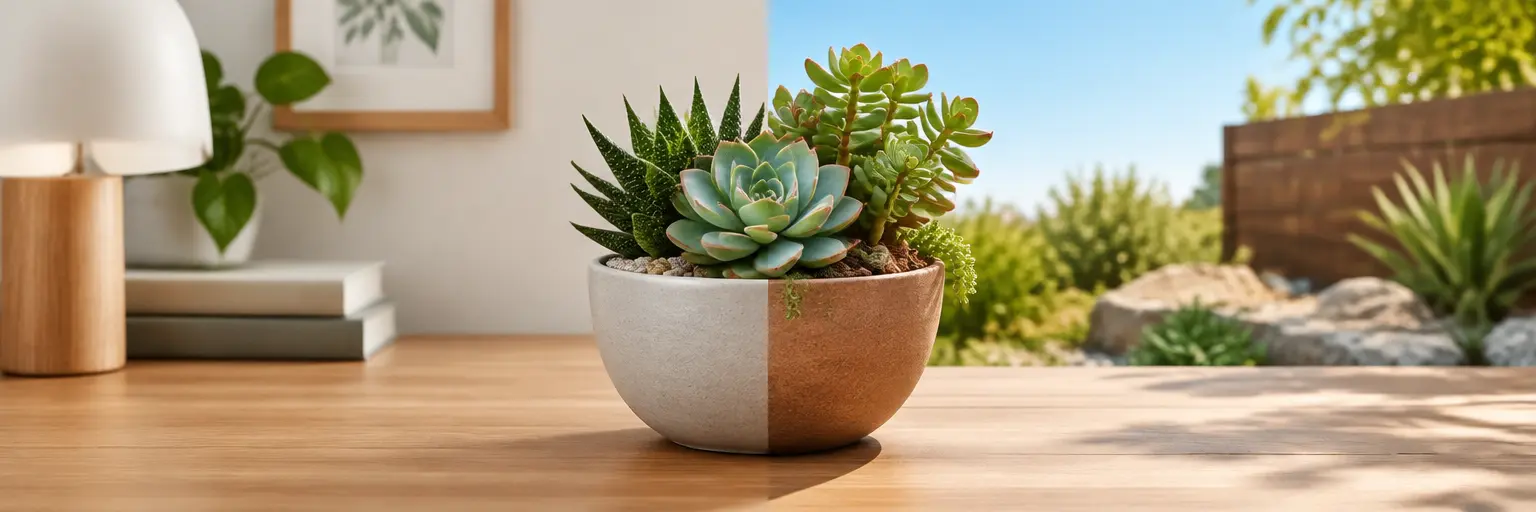
Discover the fundamentals of growing succulents successfully by understanding the key differences between indoor and outdoor environments. 🌱 Whether you’re nurturing a windowsill collection or transforming a sun-drenched garden bed, mastering these basics ensures your plants thrive. Indoor growing offers controlled light, temperature, and protection from harsh weather, making it ideal for beginners and those with limited space—just remember to provide bright, indirect sunlight and avoid overwatering. Outdoor growing leverages natural rainfall and abundant sunshine, promoting vibrant colors and robust growth, but requires proper drainage and frost protection in colder months. From choosing the right soil mix to adjusting watering schedules, this guide simplifies the decision-making process for every succulent lover. 🌞💧 Learn how to assess your local climate, light exposure, and seasonal changes to create the perfect habitat for your collection, whether you prefer the cozy indoors or the open air. Unlock the secrets to happy, healthy succulents in any setting! 🌵
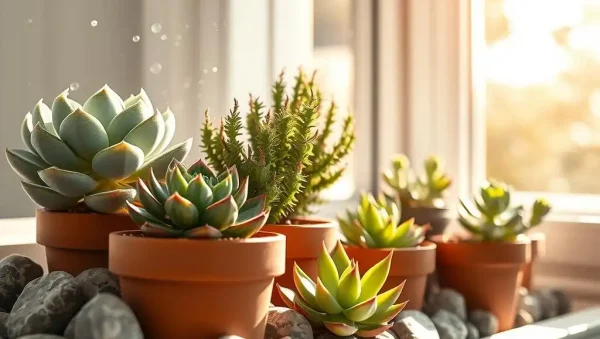
😊 Discover which succulents truly flourish indoors! SucculentEssentials.org reveals the secrets to selecting and caring for the best indoor succulents that thrive,…
Read article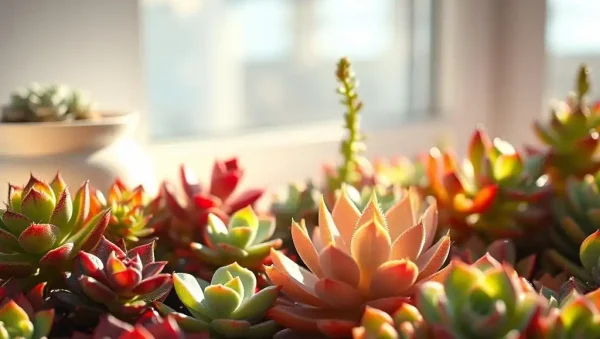
😊 Master the art of succulent care with our best succulent temperature guide! Learn how to maintain optimal temperatures for thriving succulents,…
Read article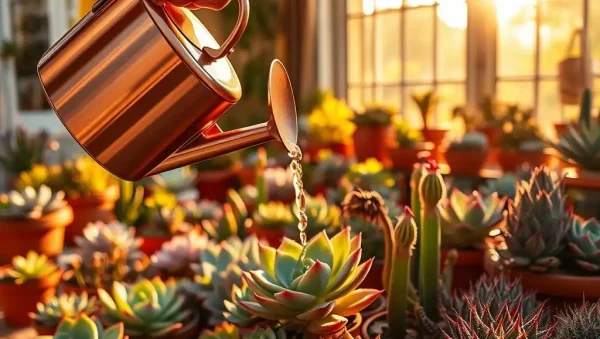
😊 Master the art of succulent hydration! SucculentEssentials.org reveals the best watering schedule for both indoor and outdoor succulents, ensuring thriving plants…
Read article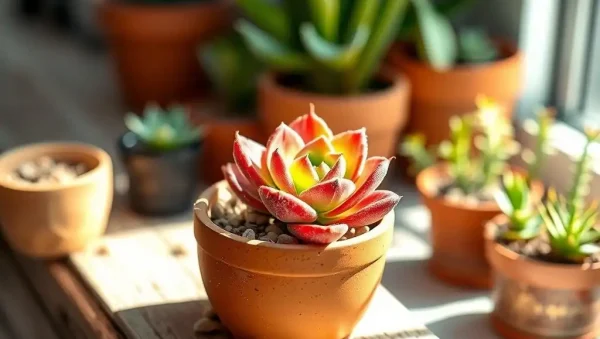
😊 Launching your succulent journey? SucculentEssentials.org reveals the secrets to finding the best environment for your first succulent, ensuring thriving growth from…
Read articleWhether you’re a curious beginner or a seasoned plant parent, understanding the fundamental differences between indoor and outdoor succulent cultivation is the single most important decision for their long-term health. This guide distills the essentials of light, water, airflow, and temperature for each environment, helping you avoid common pitfalls like etiolation (stretching) or root rot. You’ll learn how to assess your home’s microclimates and your garden’s seasonal patterns, ensuring your succulents not only survive but flourish with vibrant colors and compact growth.
Succulents are sun worshippers, but the intensity differs dramatically between a windowsill and a garden bed. Outdoor succulents typically need 6-8 hours of direct morning sunlight, with afternoon shade in hotter climates to prevent leaf burn. Indoors, a south-facing or west-facing window is your best bet, but even then, natural light is often insufficient for high-light varieties like Echeveria or Sedum. You’ll likely need a grow light for 12-14 hours daily, especially during winter. Watch for signs: pale, stretched stems mean too little light, while brown, crispy spots signal too much.
For indoor setups, LED grow lights with full spectrum are a game-changer, promoting compact rosettes and vivid pigmentation. Outdoors, gradual acclimatization is key—move plants to full sun over 7-10 days to avoid shock. Remember that seasonal angle changes affect light too; your indoor windowsill may get less sun in December than in June. Rotate pots weekly for even growth, and consider using sheer curtains for intense afternoon exposure.
Watering is where most succulent owners fail—and indoor vs. outdoor conditions demand radically different schedules. Outdoor succulents in well-draining soil can handle weekly deep watering during summer, but only after the top 2-3 inches of soil are completely dry. Rainy seasons require covers or drainage holes to prevent waterlogged roots. Indoors, your watering intervals stretch to every 2-3 weeks, depending on humidity, pot size, and airflow. Always use a pot with drainage holes; a glazed ceramic pot without holes is a death sentence.
For outdoor beds, amend the native soil with 50% perlite or coarse sand to improve aeration. Indoors, a commercially available cactus mix works, but adding extra pumice boosts drainage. Check soil moisture with your finger or a wooden skewer—never water on a schedule. In winter, both indoor and outdoor succulents enter dormancy, so reduce watering to once a month. Outdoors, frost and rain are your enemies; consider moving potted plants under a covered patio during wet seasons.
Succulents thrive in temperatures between 60°F and 80°F (15-27°C), but they tolerate fluctuations differently. Outdoor growing exposes plants to wider swings, like cool nights and hot days, which actually enhances their stress colors (reds, purples). However, frost is lethal—most succulents can’t survive below 40°F (4°C). Indoors, you control the climate, but central heating and air conditioning create dry, stagnant air. Place pots near open windows in summer and away from radiators in winter to prevent leaf shriveling. Humidity below 50% is ideal; bathrooms are usually too humid.
Airflow is crucial outdoors—a gentle breeze strengthens stems and prevents fungal growth. Indoors, use a small oscillating fan for 2-3 hours daily, especially if you have several plants clustered. Avoid placing succulents in unventilated corners or terrariums with lids, as trapped moisture invites rot. Outdoors, consider raised beds or vertical planters to improve air circulation around leaves. Pay attention to microclimates: a south-facing balcony gets hotter and drier than a shady north patio, so adjust your care accordingly.
Outdoor succulents face a broader pest spectrum: aphids, mealybugs, snails, and even birds. Inspect new plants before bringing them indoors, as they can carry hitchhikers. Outdoor treatment options include neem oil sprays and beneficial insects like ladybugs. For indoor plants, mealybugs and spider mites are common, thriving in low-humidity air. Isolate any infected plant immediately, wipe leaves with rubbing alcohol, and repot with fresh soil. Good airflow and proper watering prevent most fungal issues, like black spot or powdery mildew.
Prevention beats cure: outdoors, avoid overhead watering to keep leaves dry. Indoors, quarantine new additions for 3 weeks. Use yellow sticky traps to monitor pests near windowsills. For slugs and snails outdoors, sprinkle diatomaceous earth around the base. Remember that overwatering weakens plant immunity, making them prone to infestations. A healthy succulent with firm, plump leaves is far less appealing to pests than a stressed, yellowing one.
The container’s material and size differ between indoor and outdoor use. Indoor pots prioritize aesthetics and drainage—opt for terracotta or ceramic with a drainage hole and a saucer to protect furniture. Outdoor containers need to be heavier to resist wind, using large ceramic or resin pots, but must still drain freely. For outdoor garden beds, you can plant directly in the ground, but ensure the area doesn’t collect standing water after rains. Unglazed clay pots are excellent indoors because they wick moisture, preventing overwatering.
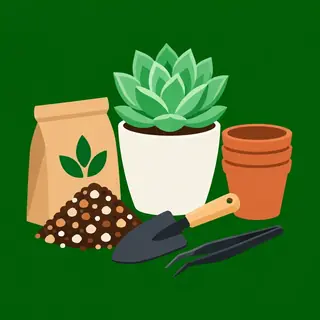
For the growing medium, indoor mixes should be fast-draining: 2 parts cactus soil, 1 part perlite, 1 part coarse sand. Outdoor beds benefit from a mix of native soil, compost (but not too rich), and gravel for aeration. Avoid using commercial potting soil alone—it retains too much moisture. When planting in the ground, mound the soil slightly to create a raised bed. For container succulents, always use a pot that’s 1-2 inches larger in diameter than the root ball; bigger pots hold moisture longer, increasing rot risk.
Many enthusiasts transition succulents outdoors in summer and back inside for winter—a practice called “hardening off.” Start this transition over 7-10 days, beginning with a shaded, protected spot, then gradually introducing morning sun, then longer durations. Reverse the process in autumn, bringing plants indoors when nighttime temps drop below 50°F (10°C). Before moving inside, wash the pot, inspect for pests, and treat with a preventive insecticidal soap. Indoors, reduce watering and cease fertilizing during winter dormancy.
Outdoors, you might need to adjust for extreme heat waves—use shade cloth with 30-50% sunlight reduction. In monsoon regions, cover plants with acrylic sheets to block heavy rain. Indoors, if your growing area is too dark, invest in a timer-based grow light system to maintain growth through shorter days. Keep a care notebook to track each plant’s response to seasonal moves, noting leaf color, firmness, and growth rate. This data helps you refine your routine for the following year.
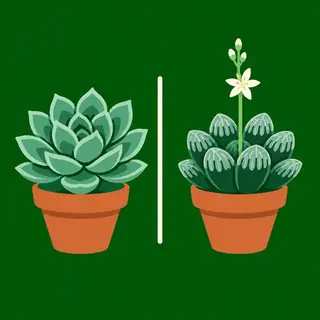
Most succulents can adapt, but some are better suited to one environment. For example, Echeveria and Haworthia do well indoors with bright light, while Aeonium and Sedum thrive outdoors with more sun. Always research each species’ hardiness; frost-tender succulents like Euphorbia must stay indoors in cold climates.
Indoor succulents need at least 4-6 hours of bright, indirect sunlight daily, ideally from a south or west window. If leaves become pale or stretched, increase light exposure with a grow light. Too much direct sun can scorch them, so observe and adjust gradually.
Overwatering during rainy periods is the top killer. Ensure soil dries completely between waterings, use well-draining containers or raised beds, and cover plants during prolonged rain. Also, remember that outdoor succulents in full sun may need more frequent watering during heat waves—check soil depth before acting.
Look for translucent, mushy leaves or a foul smell from the soil. This indicates root rot from overwatering. Remove the plant, trim rotten roots, repot in dry mix, and reduce watering frequency. Always check that the pot’s drainage hole isn’t blocked by roots or debris.
Pots offer more control over drainage and easy movement indoors/outdoors, making them ideal for beginners. Garden beds allow natural root spread for larger specimens but require soil amendment and protection from extreme weather. For most people, container growing provides the most flexibility and success.