
Watering Wisdom: Tailoring Your Approach for Indoor and Outdoor Succulents

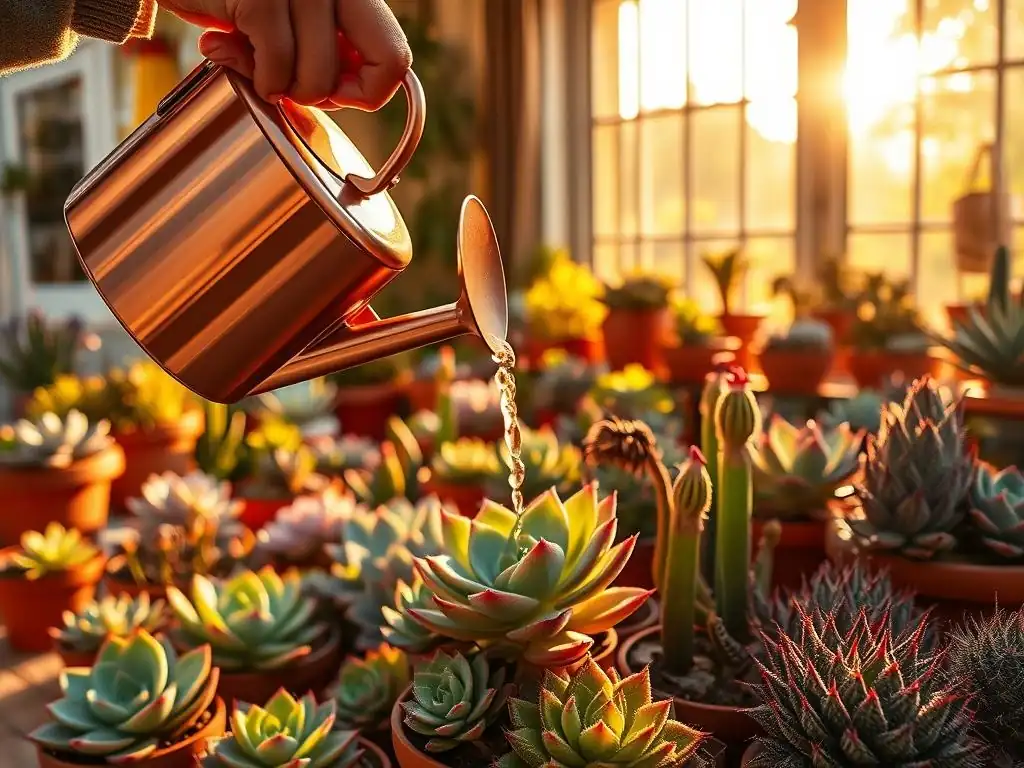
Welcome to SucculentEssentials.org, your gateway to the fascinating world of succulents! Are you ready to unlock the secrets to thriving succulent gardens, bursting with vibrant color and unique textures? Discover the essential knowledge you need to cultivate these resilient plants, starting with our expert guide on the best succulent watering schedule. Dive in and learn how to tailor your watering approach for both indoor and outdoor succulents – the key to unlocking their full potential lies within!
- Understanding the Best Succulent Watering Schedule: A Foundation for Success
-
Watering Indoor Succulents: A Different Approach
- Best Watering Schedule for Indoor Succulents: Frequency and Amount
- Assessing Soil Moisture in Indoor Succulents: The Finger Test Method
- Watering Techniques for Indoor Succulents: Bottom Watering vs. Top Watering
- Common Indoor Succulent Watering Mistakes and How to Avoid Them
- Adjusting Indoor Succulent Watering Based on Season and Environment
-
Watering Outdoor Succulents: Embracing the Elements
- Best Watering Schedule for Outdoor Succulents: Considering Climate and Rainfall
- The Role of Sunlight and Temperature in Outdoor Succulent Watering
- Protecting Outdoor Succulents from Overwatering During Rain
- Watering Strategies for Outdoor Succulents in Different Seasons
- Adapting Watering Practices Based on Pot Size and Soil Type
- Advanced Watering Techniques for Optimal Succulent Growth
- Maintaining the Perfect Balance: A Summary of Succulent Watering
- Frequently Asked Questions
- Final Reflection: The Enduring Thirst for Succulent Success
- Unleash Your Inner Succulent Whisperer!
Understanding the Best Succulent Watering Schedule: A Foundation for Success
Finding the perfect balance when watering succulents is crucial for their thriving. Whether adorning your windowsill or brightening your garden, these drought-tolerant plants have specific hydration needs that vary depending on several factors. This guide will delve into the nuances of succulent watering, helping you develop the best succulent watering schedule for your unique situation, ensuring healthy growth and vibrant displays.
We’ll explore the signs of both underwatering and overwatering, as well as the key environmental elements that influence how often you should water your precious plants. Mastering the art of succulent hydration is key to unlocking their full potential and enjoying their beauty for years to come. This article focuses on providing a comprehensive understanding of watering techniques for both indoor and outdoor succulents, helping you achieve optimal plant health and avoid common pitfalls.
The Importance of Proper Hydration for Succulent Health
Proper hydration is fundamental to the health and vitality of your succulents. Insufficient watering leads to dehydration, causing shriveled leaves, stunted growth, and increased susceptibility to pests and diseases. Think of it like this: succulents store water in their leaves and stems, but they need regular replenishment, especially during active growing seasons. On the other hand, overwatering can be equally detrimental. Excessive moisture suffocates the roots, leading to root rot – a common and often fatal condition for succulents.
Root rot manifests as mushy, brown roots and eventually affects the entire plant. Finding the “sweet spot” – providing just the right amount of water at the right time – is the key to cultivating robust, healthy succulents that will flourish. This involves understanding your specific succulent species and its individual requirements, as well as the environmental conditions it's exposed to. 🌱
Signs of Underwatering and Overwatering in Succulents
Recognizing the signs of underwatering and overwatering is crucial for timely intervention and preventing irreversible damage. Underwatered succulents exhibit several telltale symptoms:
- Shriveled or wrinkled leaves: This is a clear indication of dehydration.
- Leaves turning brown and crispy: The plant is desperately trying to conserve moisture.
- Drooping or wilting: A sign of severe dehydration.
- Leaf drop: The plant is shedding leaves to reduce water loss.
Conversely, overwatered succulents display different symptoms:
- Mushy or soft leaves: A sign of root rot setting in.
- Yellowing or browning leaves: Indicates root damage from excessive moisture.
- A foul odor emanating from the soil: A sure sign of decaying roots.
- Leaves falling off easily: The plant's structure is weakening.
Regularly inspecting your succulents for these signs allows for prompt adjustments to your watering schedule, preventing serious problems before they escalate. Careful observation is key to maintaining the health of your succulent collection. 💧
Factors Influencing Succulent Watering Needs (Sunlight, Potting Mix, Season)
Several key factors significantly influence how often you need to water your succulents. Understanding these factors is essential for developing a tailored watering schedule:
| Factor | Impact on Watering Frequency |
|---|---|
| Sunlight | More sunlight generally means more frequent watering (increased evaporation). Less sunlight, less frequent watering. |
| Potting Mix | Well-draining soil is crucial. A mix that retains too much moisture increases the risk of root rot. A fast-draining mix allows for more frequent watering. |
| Season | During the active growing season (spring and summer), succulents need more frequent watering. During dormancy (fall and winter), watering should be significantly reduced. |
| Pot Size | Smaller pots dry out faster than larger pots, requiring more frequent watering. Larger pots retain moisture for longer periods. |
| Plant Type | Different succulent species have varying water needs. Some are more drought-tolerant than others. Research the specific needs of your plants! |
Remember, the best approach is to feel the soil before watering. If the top inch or two of soil is completely dry, it's time to water. Always allow excess water to drain completely to prevent waterlogging. By considering these factors and carefully observing your plants, you can develop a best succulent watering schedule that keeps your succulents thriving and beautiful. ☀️
Watering Indoor Succulents: A Different Approach
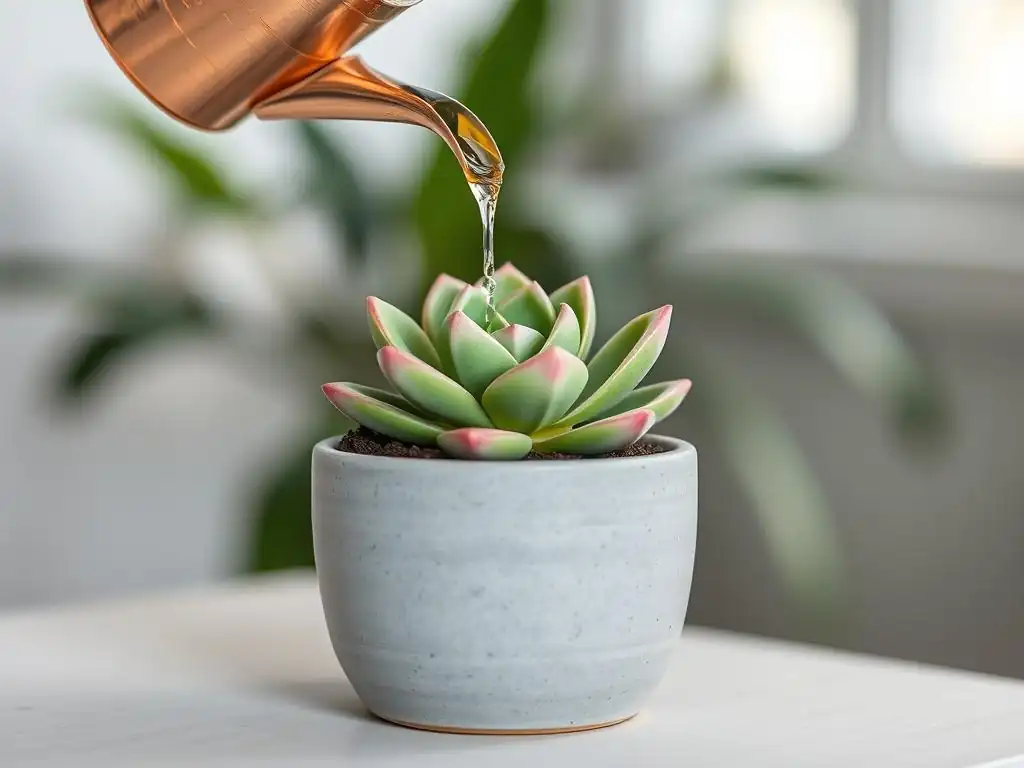
Indoor succulent care presents a unique set of challenges compared to outdoor cultivation. The lack of natural rainfall and the often-controlled environment necessitate a more attentive and adjusted watering schedule to achieve optimal plant health. Understanding the nuances of indoor succulent watering is crucial for preventing both underwatering and overwatering, two common pitfalls that can lead to plant stress and even death.
This section delves into the best practices for keeping your indoor succulents thriving. Finding the best succulent watering schedule for your indoor plants requires careful observation and adjustment based on several factors, including the type of succulent, the size of the pot, the type of potting mix, and the ambient conditions.
Best Watering Schedule for Indoor Succulents: Frequency and Amount
Determining the best succulent watering schedule for indoor succulents isn't about adhering to a rigid timetable; it's about understanding your plants' needs. Instead of a set frequency, focus on the soil moisture. Generally, allow the soil to dry out completely between waterings. This usually translates to watering every 1-3 weeks, but this can vary significantly.
Smaller pots will dry out faster than larger ones, and porous potting mixes will drain more quickly than dense ones. The amount of water you provide should be enough to thoroughly moisten the soil, allowing excess water to drain out of the drainage holes. Avoid letting your succulents sit in standing water, as this can lead to root rot.
To illustrate, consider the Echeveria. A mature Echeveria in a 6-inch pot might only need watering every two weeks during the winter months, but potentially weekly during the warmer, drier summer months. Conversely, a small Sedum in a 2-inch pot might require watering every 7-10 days in summer, and only once every 2-3 weeks in winter. Always err on the side of underwatering, as it's easier to recover from than overwatering.
Assessing Soil Moisture in Indoor Succulents: The Finger Test Method
The most reliable method for determining if your indoor succulents need watering is the finger test. Insert your index finger about an inch into the soil. If the soil feels completely dry, it's time to water. If it still feels slightly moist, wait a few more days and check again. This simple technique avoids the guesswork and ensures you water only when necessary, preventing overwatering which is a major cause of succulent demise. Remember that the top layer of soil can dry out quickly, even when the soil deeper down remains moist. Therefore, always check below the surface.
This method is superior to relying solely on visual cues, as the soil's appearance can be deceptive. For instance, the top layer may appear dry while the lower layers remain moist. The finger test provides a more accurate assessment of the overall soil moisture level, helping you avoid both underwatering and overwatering. Using this method consistently will contribute to establishing the best succulent watering schedule for your specific indoor environment and plant collection.
Watering Techniques for Indoor Succulents: Bottom Watering vs. Top Watering
Two primary methods exist for watering indoor succulents: top watering and bottom watering. Top watering involves pouring water directly onto the soil surface. This is the most common method, but it can sometimes lead to water splashing onto the leaves, potentially causing fungal diseases or rot. Furthermore, top watering may not always saturate the entire root ball effectively.
Bottom watering, on the other hand, involves placing the pot in a tray of water and allowing the soil to absorb moisture from the bottom up. This method ensures that the entire root ball is evenly moistened, minimizing the risk of leaf rot. However, it may take a little longer for the soil to absorb the water. The best approach is often a combination of both, using top watering for a quick surface refresh and bottom watering for a deep, thorough soak every few waterings.
The key is to adapt your watering technique to the specific needs of your succulents and your personal preferences. Experiment with both to see which works best for you and your plants. Remember that consistent observation and adjustments are key to mastering the art of succulent watering.
Common Indoor Succulent Watering Mistakes and How to Avoid Them
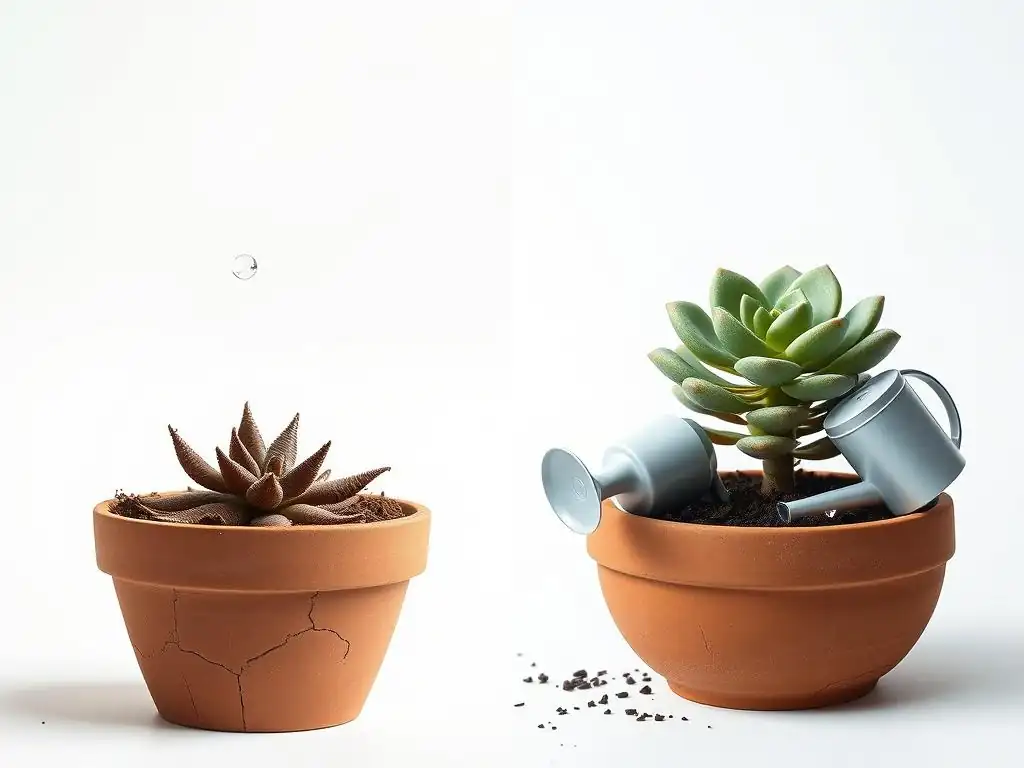
Overwatering is the most common mistake made by indoor succulent enthusiasts. Succulents, even indoors, are incredibly resilient to drought, but they are extremely susceptible to root rot caused by excessive moisture. This often stems from a misunderstanding of their water needs. Many new succulent owners treat them like other houseplants, watering them on a regular schedule regardless of the soil's moisture level. This leads to soggy soil, which suffocates the roots and invites fungal diseases. The result? A once vibrant succulent can quickly become limp, mushy, and eventually die.
Another frequent error is using the wrong type of pot. Indoor succulents often suffer in pots without adequate drainage holes. Water sits in the bottom, constantly saturating the roots and creating a breeding ground for harmful bacteria and fungi. Choosing pots with drainage is crucial for the health of your succulents. Even with drainage holes, however, using a saucer underneath can still lead to problems. Excess water sitting in the saucer can be wicked back up into the soil, negating the benefits of the drainage holes. Always empty any excess water that collects in saucers after watering.
Finally, many people make the mistake of judging their succulent's water needs based on the appearance of the leaves. While slightly shriveled leaves can indicate underwatering, it's important to check the soil moisture first. Many factors, including temperature and humidity, can affect the plumpness of succulent leaves, making leaf appearance an unreliable indicator of hydration. Always test the soil moisture before watering to avoid overwatering. A simple finger test—inserting your finger about an inch into the soil—can determine whether the soil is dry enough to water.
Adjusting Indoor Succulent Watering Based on Season and Environment
The best succulent watering schedule isn't a fixed timetable; it's a flexible approach that adapts to seasonal changes and your specific indoor environment. During the warmer months (spring and summer), succulents grow more actively and require more frequent watering. However, even then, avoid overwatering. Allow the soil to dry out almost completely between waterings. This might mean watering every 1-2 weeks, depending on factors like the size of the pot, the type of succulent, and the temperature and humidity in your home. Remember, it’s better to underwater slightly than to overwater.
Conversely, during the cooler months (autumn and winter), succulents enter a period of dormancy. Their growth slows significantly, and their water requirements decrease dramatically. You may only need to water your indoor succulents once a month or even less frequently during winter. Always check the soil moisture before watering, and only water when the soil is completely dry. Overwatering during dormancy is particularly detrimental, as the slower growth rate means the plant is less able to absorb excess water, leading to a higher risk of root rot.
The indoor environment also plays a significant role. A sunny, south-facing window will dry out the soil much faster than a room with low light. Similarly, low humidity will cause the soil to dry out more quickly than high humidity. Observe your succulents and their soil carefully.
Adapt your watering frequency based on how quickly the soil dries out in your specific indoor conditions. Remember that different succulent species have slightly different water needs, so research the specific requirements of your plants. This tailored approach is key to achieving the best succulent watering schedule for your unique indoor growing situation.
Watering Outdoor Succulents: Embracing the Elements
Outdoor succulent care presents a unique set of challenges compared to indoor cultivation. The ever-changing elements—sun, rain, wind, and temperature—significantly impact the watering needs of these resilient plants. Understanding these factors is key to establishing the best succulent watering schedule for your outdoor collection. Successfully navigating these variables will lead to thriving, healthy succulents that enhance your outdoor space. Let's delve into the specifics.
Best Watering Schedule for Outdoor Succulents: Considering Climate and Rainfall
The best succulent watering schedule for outdoor plants is highly dependent on your local climate and rainfall. Arid regions with low humidity and infrequent rainfall will necessitate more frequent watering than areas with higher humidity and regular precipitation. Instead of adhering to a rigid schedule, focus on monitoring the soil moisture. The frequency of watering should be adjusted based on these observations.
Here's a practical approach:
- Check the soil moisture regularly: Stick your finger about an inch into the soil. If it feels dry, it's time to water. If it's still moist, wait a few more days.
- Consider the season: During the hotter, drier months (typically summer), you'll likely need to water more frequently. In cooler, wetter months (typically winter), watering needs will significantly decrease. Some succulents may even require no watering at all during winter dormancy.
- Observe your plants: Wilting leaves are a clear sign of underwatering, while mushy or rotting leaves indicate overwatering. Adjust your watering schedule accordingly. Pay attention to the specific needs of different succulent varieties; some are more drought-tolerant than others.
- Rainfall: Account for rainfall when determining your watering schedule. A heavy downpour might eliminate the need for supplemental watering for several days or even a week, depending on the intensity and absorption rate of your soil.
The Role of Sunlight and Temperature in Outdoor Succulent Watering
Sunlight and temperature are inextricably linked to a succulent's water requirements. Intense sunlight and high temperatures accelerate evaporation, leading to quicker soil drying and a greater need for watering. Conversely, cloudy days and cooler temperatures will slow down evaporation, reducing the frequency of watering.
Consider these points:
- Full sun vs. partial shade: Succulents in full sun will dry out faster than those in partial shade. Adjust your watering accordingly; those in full sun may need watering every 3-7 days during hot and dry periods, while those in partial shade might only need watering every 7-14 days.
- Pot size and material: Smaller pots dry out faster than larger pots. Similarly, terracotta pots are more porous than plastic pots and will dry out more quickly. These factors impact the frequency of watering.
- Soil type: Well-draining soil is crucial for succulents. If your soil retains too much water, it can lead to root rot. Amend heavy clay soils with perlite or pumice to improve drainage and reduce the frequency of watering.
Protecting Outdoor Succulents from Overwatering During Rain
While succulents are drought-tolerant, prolonged exposure to excessive moisture can be detrimental. Heavy rains can lead to overwatering, especially if your succulents are planted in poorly draining soil or containers without adequate drainage holes.
Here are some preventative measures:
- Provide adequate drainage: Ensure your containers have drainage holes. For in-ground plantings, amend the soil to improve drainage.
- Elevate containers: Raise your pots slightly off the ground to improve air circulation and prevent waterlogging.
- Shelter from heavy rains: If you anticipate prolonged periods of heavy rain, consider providing temporary shelter for your succulents, perhaps by moving them under an awning or overhang.
- Monitor soil moisture after rain: Even after rainfall, check the soil moisture before watering. Avoid supplemental watering if the soil is still damp. Excess moisture can lead to fungal diseases and rot.
Remember, consistent observation and adaptation are key to mastering the art of outdoor succulent watering. By carefully monitoring your plants and adjusting your watering schedule to reflect the specific conditions of your environment, you'll ensure the health and vibrancy of your succulent collection. 🪴
Watering Strategies for Outdoor Succulents in Different Seasons
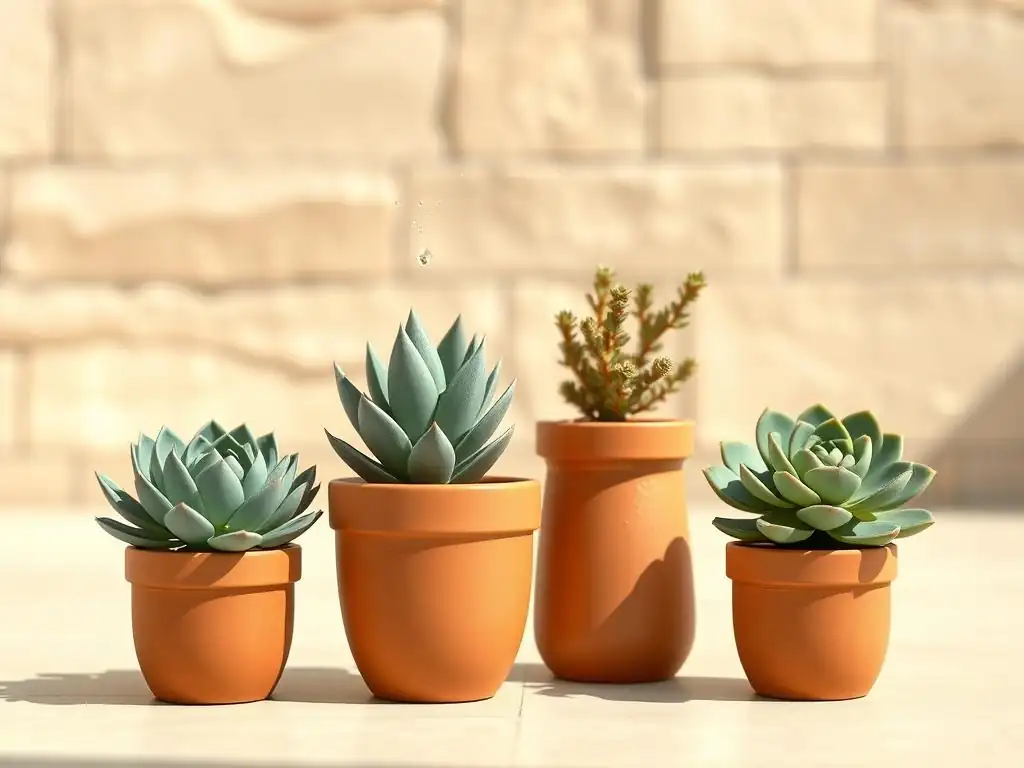
Outdoor succulents, while naturally drought-tolerant, still require careful watering tailored to the seasonal changes. The best succulent watering schedule for outdoor plants hinges on understanding these variations. During the spring, as temperatures rise and growth resumes, increase watering frequency slightly. Aim for watering when the top inch or two of soil is dry to the touch. Avoid overwatering, as this can lead to root rot, a common problem in spring's fluctuating temperatures and increased humidity. Remember to monitor rainfall; a good soaking rain might postpone your scheduled watering.
Summer presents a different challenge. The intense heat and sun can quickly dry out the soil. You might need to water more frequently, perhaps every few days or even daily depending on the intensity of the sun, the type of soil and the size of your pot, and the specific succulent species. Early morning watering is ideal, allowing the foliage to dry before nightfall and reducing the risk of fungal diseases. Pay close attention to signs of underwatering (wilting leaves) or overwatering (soggy soil, mushy leaves).
Autumn brings cooler temperatures and less intense sunlight. Gradually reduce watering frequency as the weather cools. The aim is to allow the succulents to prepare for dormancy. Overwatering during autumn can lead to weakened plants vulnerable to winter's cold. As the days shorten and temperatures drop, the succulents' metabolic rate slows, requiring less water.
Winter is the season of dormancy for many succulents. Watering should be minimal, perhaps once a month or even less depending on the climate. Only water if the soil is completely dry and the plant shows signs of severe dehydration. Avoid watering on cold or wet days, as this can increase the risk of frost damage.
The best succulent watering schedule during winter emphasizes careful observation rather than a strict timetable. Remember that different climates will influence the frequency of watering, even within the same season. For example, a succulent in a hot, arid climate will require more frequent watering than one in a cool, humid environment, regardless of the season. Always prioritize observing the plant's condition over adhering strictly to a calendar.
Adapting Watering Practices Based on Pot Size and Soil Type
The size and material of the pot, as well as the type of soil used, significantly impact how frequently you need to water your outdoor succulents. Smaller pots dry out much faster than larger ones. A terracotta pot, being porous, allows for greater evaporation than a plastic or glazed ceramic pot. Therefore, succulents planted in smaller terracotta pots will require more frequent watering than those in larger plastic containers. The best succulent watering schedule will, therefore, take these factors into account.
Soil type plays a crucial role. Well-draining soil is paramount for succulents; it prevents waterlogging and root rot. A sandy or gritty soil mix will dry out much faster than a heavy clay soil. Succulents in sandy soil will need more frequent watering compared to those in heavier, clay-based soils.
Always check the soil moisture before watering. Stick your finger about an inch or two into the soil; if it feels dry, it's time to water. If it still feels moist, wait a few days before checking again. Overwatering is a far greater threat to succulents than underwatering, especially when combined with poorly draining soil.
Therefore, always err on the side of caution and allow the soil to dry out sufficiently between waterings. Regularly inspect your succulents for signs of overwatering or underwatering to optimize your watering practices. This careful observation, combined with an understanding of pot size and soil type, is key to establishing the best succulent watering schedule for your outdoor plants.
Advanced Watering Techniques for Optimal Succulent Growth
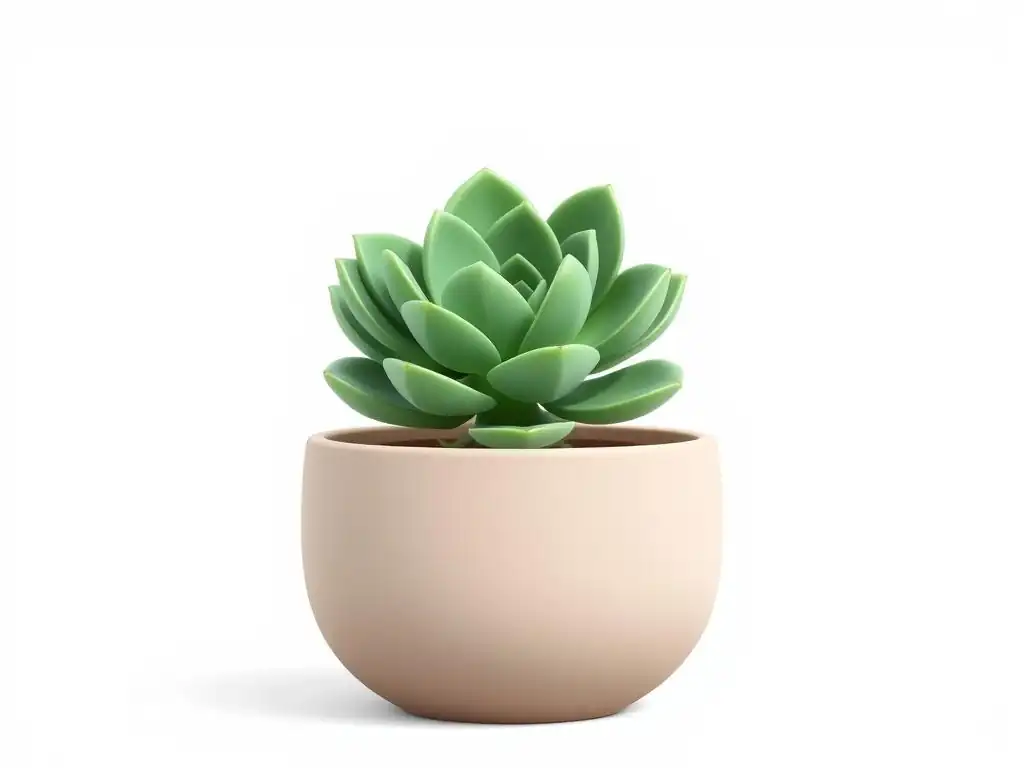
This section delves into more sophisticated watering strategies to help you achieve peak succulent health and vibrancy. Mastering these techniques will elevate your succulent care from basic maintenance to expert-level nurturing, leading to thriving plants and beautiful displays. Finding the best succulent watering schedule is crucial, and these methods will help you refine your approach.
Deep Watering vs. Frequent Light Watering: Which is Better?
The age-old question: soak or sprinkle? For succulents, the answer leans heavily towards deep, infrequent watering. Frequent, light watering encourages shallow root growth, leaving your succulents vulnerable to stress and dehydration during dry spells. Think of it like this: succulents in their natural habitat experience intense, infrequent rainfall, forcing their roots to search deep for moisture.
Deep watering, on the other hand, encourages a robust root system that can effectively absorb and store water. This means your succulents can go longer between waterings, reducing the risk of overwatering, a common culprit behind succulent demise. To perform deep watering, thoroughly soak the soil until water drains from the drainage holes. Allow the soil to completely dry out before watering again. The frequency depends on factors like pot size, soil type, and environmental conditions – but generally, this translates to watering every 1-3 weeks, or even less frequently during winter dormancy.
The key is to feel the soil. Stick your finger a couple of inches into the soil; if it's dry, it's time to water. If it's still moist, wait a few more days. This tactile method is far more reliable than a strict schedule, allowing you to adapt to the changing needs of your succulents throughout the year. Remember, consistency is key to finding the best succulent watering schedule for your environment and collection.
Utilizing Self-Watering Pots and Irrigation Systems for Succulents
For busy succulent enthusiasts or those seeking a more hands-off approach, self-watering pots and irrigation systems offer convenient solutions. Self-watering pots typically feature a reservoir at the bottom, allowing the soil to draw water up as needed. This helps maintain consistent moisture levels and reduces the frequency of watering.
However, it's crucial to choose pots with good drainage to prevent root rot. Overwatering is still a risk, even with self-watering pots, so monitoring the soil moisture remains essential. Irrigation systems, such as drip irrigation or soaker hoses, can be particularly beneficial for larger succulent collections or outdoor arrangements. These systems deliver water directly to the roots, minimizing water waste and ensuring even moisture distribution. Proper setup and maintenance are key to preventing issues such as clogged emitters or uneven watering.
Troubleshooting Common Watering Issues: Yellowing Leaves, Root Rot, and Wilting
Understanding the signs of overwatering and underwatering is crucial for maintaining healthy succulents. Yellowing leaves can indicate both overwatering (often accompanied by mushy stems) and underwatering (leaves may appear shriveled and dry). Root rot, a severe consequence of overwatering, manifests as mushy, dark roots and often a foul odor. Wilting, on the other hand, is usually a sign of underwatering, although it can also be caused by other factors such as extreme temperatures or pests.
Here's a table summarizing the common issues and their solutions:
| Problem | Cause | Solution |
|---|---|---|
| Yellowing Leaves | Overwatering | Allow soil to dry completely; improve drainage; repot if necessary. |
| Yellowing Leaves | Underwater | Water thoroughly; increase watering frequency (but avoid overwatering). |
| Root Rot | Overwatering | Remove affected roots; repot in well-draining soil; allow soil to dry completely between waterings. |
| Wilting | Underwatering | Water thoroughly; increase watering frequency (but avoid overwatering). |
Addressing these issues promptly is vital for the survival of your succulents. Careful observation and a proactive approach to watering will significantly improve your chances of success in cultivating a thriving succulent collection. Remember, finding the best succulent watering schedule is an ongoing process of learning and adaptation.
Creating a Custom Watering Plan for Your Succulent Collection
Developing a personalized watering schedule is crucial for the thriving of your succulent collection. A "one-size-fits-all" approach rarely works, as different succulents have varying water needs based on factors like species, pot size, soil type, and environmental conditions. Ignoring these nuances can lead to overwatering or underwatering, both equally detrimental to your plants.
To craft the best succulent watering schedule for your collection, begin by meticulously documenting each plant. Note the species of each succulent – Echeveria, Sedum, Haworthia, etc. – as these inherent characteristics dictate their water requirements. For example, Echeverias generally prefer less frequent watering than Sedums. Next, record the size and material of each pot. Terracotta pots are porous and allow for faster evaporation, requiring more frequent watering than plastic or glazed ceramic pots. The size of the pot directly impacts the amount of soil and, consequently, how quickly it dries. Larger pots retain moisture longer.
The type of soil used is equally important. Well-draining succulent and cacti mixes are essential. These mixes typically incorporate perlite, pumice, or coarse sand to improve aeration and drainage, preventing waterlogging. A poorly draining soil will retain excess water, leading to root rot, a common killer of succulents. Finally, consider the environment each succulent lives in. Plants in direct sunlight will dry out faster than those in shadier locations, demanding more frequent watering (though still infrequent compared to other plants!). Also note the ambient temperature and humidity; higher temperatures and lower humidity increase the rate of evaporation.
Armed with this information, you can begin to formulate your custom watering plan. Start by watering thoroughly, allowing excess water to drain completely. Then, let the soil dry out almost completely before watering again. The best way to check this is to stick your finger about an inch into the soil. If it feels dry, it's time to water.
For smaller pots, this might mean watering once a week or even less frequently, while larger pots might need watering every two weeks or even less. Keep a detailed watering log, noting the date and amount of water given to each plant. This meticulous record will help you refine your approach over time and become a true succulent watering expert. Remember, observation is key! Pay attention to your succulents' appearance; drooping leaves or shriveled stems are clear indicators of underwatering, while mushy leaves or stem rot suggest overwatering.
Adjust your watering schedule accordingly, always erring on the side of caution to avoid overwatering. With diligent monitoring and a customized approach, you can ensure the robust and healthy growth of your beloved succulent collection. This personalized attention will reward you with vibrant, thriving plants showcasing the beauty and resilience of these fascinating desert dwellers. 🌵
Maintaining the Perfect Balance: A Summary of Succulent Watering
Finding the best succulent watering schedule is crucial for their health and longevity, regardless of whether they reside indoors or outdoors. Overwatering is a common culprit behind succulent demise, leading to root rot and other issues. Underwatering, while less immediately destructive, can cause stunted growth and an overall unhealthy appearance. The key lies in achieving a delicate balance, providing enough moisture to sustain the plant without drowning it. This involves understanding your specific succulent species, its environmental conditions (light, temperature, humidity), and the type of potting mix used. Remember, less is often more when it comes to succulent hydration.
Regular Monitoring and Adjustment: The Key to Succulent Hydration
Successful succulent cultivation hinges on consistent observation and adaptation. Don't rely solely on a fixed schedule; instead, gauge the plant's needs based on several factors. Feel the soil: Insert your finger about an inch into the soil. If it's completely dry, it's time to water. If it's still moist, wait. Consider the season: During warmer months, succulents may require more frequent watering due to increased evaporation.
Conversely, during colder months, watering should be significantly reduced. Pay attention to environmental conditions: High temperatures and low humidity will lead to faster drying, demanding more frequent watering. The opposite is true in cooler, humid conditions. Finally, observe the plant itself: Wilting leaves are a clear sign of underwatering, while mushy, discolored leaves indicate overwatering. Regular monitoring allows for timely adjustments to your watering routine, ensuring your succulents thrive.
Here's a simple table to illustrate the seasonal variations in watering needs:
| Season | Watering Frequency | Soil Moisture Check | Additional Considerations |
|---|---|---|---|
| Spring/Summer | More frequent (weekly or bi-weekly) | Check every 2-3 days | Increased sunlight and heat may require more frequent watering. |
| Autumn/Winter | Less frequent (monthly or less) | Check every 7-10 days | Reduced sunlight and cooler temperatures necessitate less frequent watering. |
Remember to always use well-draining potting mix to prevent waterlogging. A mix specifically formulated for cacti and succulents is ideal.
The Long-Term Benefits of Proper Watering Practices
Consistent and appropriate watering translates to numerous long-term benefits for your succulents. Proper hydration fosters vigorous growth, resulting in fuller, healthier plants with vibrant colors. A well-watered succulent is more resistant to pests and diseases, reducing the need for chemical intervention. Furthermore, consistent hydration promotes robust root systems, which are crucial for nutrient uptake and overall plant health.
By mastering the art of succulent watering, you'll enjoy healthier, more resilient plants that will thrive for years to come. This translates not only to aesthetic satisfaction but also to a reduced need for replacement plants, saving you both money and time. Proper watering is a cornerstone of successful succulent cultivation, contributing significantly to the long-term success and beauty of your collection. The payoff is a vibrant, thriving collection of healthy, happy succulents.
Resources for Further Learning on Succulent Care
While this guide provides a solid foundation for understanding succulent watering needs, further research can greatly enhance your knowledge and skills. Numerous books and online resources offer detailed information on succulent care, propagation, and various growing techniques. Exploring these resources will broaden your understanding of succulent biology and allow you to refine your watering practices to suit your specific circumstances and the unique needs of your succulent collection.
Consider exploring specialized forums and online communities dedicated to succulent enthusiasts; these platforms provide invaluable opportunities to learn from experienced growers and share your own experiences. The continuous pursuit of knowledge will contribute to the long-term health and beauty of your succulent collection. Remember, consistent learning is key to becoming a successful succulent cultivator.
Frequently Asked Questions
How often should I water my succulents?
The best succulent watering schedule depends on several factors, including pot size, soil type, and climate. Generally, it's better to underwater than overwater, allowing the soil to dry out completely between waterings. Observe your plant for signs of thirst.
What are the signs of underwatering and overwatering in succulents?
Underwatering shows as shriveled leaves and dry soil. Overwatering leads to mushy, rotting leaves and potentially root rot. Pay close attention to your succulent's appearance.
Does the pot size affect how often I water my succulents?
Yes, smaller pots dry out much faster than larger ones. Smaller pots need more frequent watering, while larger pots retain moisture longer, requiring less frequent watering. Consider the size of your container.
How does the season affect my succulent's watering needs?
Succulents need less water in winter when they're dormant and more during the active growing season (spring and summer). Adjust your watering frequency accordingly based on the time of year.
What's the best way to water my succulents?
Water thoroughly until water drains from the drainage holes, ensuring the soil is evenly moistened. Avoid getting water on the leaves to prevent rot. Use a watering can with a narrow spout for precise watering.
Final Reflection: The Enduring Thirst for Succulent Success
The art of succulent cultivation, far from being a niche hobby, reflects our broader relationship with the natural world and the delicate balance between nurture and neglect. Understanding the specific needs of these resilient plants, whether thriving under the sun or basking in the glow of indoor lights, is a crucial step towards fostering a deeper appreciation for sustainable living and mindful care. This understanding extends beyond mere plant care; it's a microcosm of responsible stewardship.
The journey of learning to water succulents effectively has been a profound one for me, highlighting the importance of observation and adaptation. It's a constant dance between providing enough moisture to encourage growth and avoiding overwatering, which can lead to rot and demise. This delicate balance mirrors many aspects of life, where finding the right measure is key to success. The best thing one can do is to cultivate a sense of wonder about the world.
- Rachel Carson. This quote resonates deeply, as the wonder of watching a succulent thrive, after mastering the art of watering, is truly rewarding.
Now, consider your own succulents, or even the plants in your life. Are you providing them with the specific care they need to flourish? Take a moment to observe their subtle cues – the plumpness of their leaves, the color of their stems – and adjust your watering schedule accordingly. Remember, the journey of nurturing these resilient plants is a continuous learning process, filled with both successes and setbacks. Embrace the challenge, and discover the enduring satisfaction of cultivating life, one drop of water at a time.
Unleash Your Inner Succulent Whisperer!
Thank you for exploring the world of succulent watering! We hope you've gained valuable insights into keeping your plants thriving. Now it's time to put your new knowledge into practice.
- Develop a personalized watering schedule: Consider your climate, the type of pot you're using, and the specific needs of each succulent to create a routine that ensures their health and prevents overwatering. This is key to their success!
- Share your expertise: Let's build a community of succulent enthusiasts! Share your tips and experiences—perhaps a picture of your flourishing plants?—in the comments below.
- Learn more: Explore our comprehensive guides on soil, sunlight, and propagation to further enhance your succulent care knowledge.
Ready to see your succulents thrive? What's the first step you'll take to improve your watering technique?