
Temperature Tips: Keeping Succulents Content in Varying Conditions

Welcome to SucculentEssentials.org, your gateway to the fascinating world of succulents! Are you ready to unlock the secrets to thriving succulent gardens, no matter the climate? We delve into everything from basic care to advanced propagation techniques, and our expert guide on the best succulent temperature guide will help you keep your precious plants happy and healthy year-round. Discover the surprising ways to nurture these drought-resistant beauties and prepare to be amazed by the endless possibilities. Let's dive in!
- Understanding the Ideal Temperature Range for Succulents: A Best Succulent Temperature Guide
-
Best Succulent Temperature Guide: Indoor Growing Considerations
- Maintaining Consistent Indoor Temperatures
- Protecting Succulents from Drafts and Cold Air
- The Impact of Central Heating and Air Conditioning on Succulents
- Using Indoor Thermometers for Monitoring
- Ideal Temperature Ranges for Common Succulent Varieties
- Adapting Your Indoor Environment to Succulent Needs
- Best Succulent Temperature Guide: Outdoor Growing Considerations
- Seasonal Temperature Adjustments for Succulents: A Year-Round Approach
- Troubleshooting Temperature-Related Issues in Succulents
- Frequently Asked Questions
- Final Reflection: Nurturing Life's Resilience: The Enduring Power of Adaptation
- Unleash Your Inner Green Thumb: Nurture Thriving Succulents!
Understanding the Ideal Temperature Range for Succulents: A Best Succulent Temperature Guide
Succulents, with their captivating shapes and vibrant colors, have captured the hearts of plant enthusiasts worldwide. But these drought-tolerant beauties aren't invincible. Understanding their temperature preferences is crucial for ensuring their health and longevity, whether you're cultivating a thriving indoor collection or a stunning outdoor succulent garden. This comprehensive guide will serve as your ultimate best succulent temperature guide, helping you navigate the nuances of temperature control for optimal succulent growth.
We'll explore the ideal temperature range, species-specific variations, and how to identify the perfect conditions for your specific succulent collection. Mastering temperature control is key to unlocking the full potential of your succulents, leading to robust growth and breathtaking displays. This guide will help you become a confident succulent cultivator, ensuring your plants thrive regardless of the season or environment.
Optimal Temperatures for Thriving Succulents
The majority of succulents flourish in temperatures ranging from 65°F to 80°F (18°C to 27°C) . This comfortable range promotes healthy growth and vibrant coloration. However, many succulents can tolerate temperatures slightly outside this ideal range, exhibiting some degree of dormancy during colder months or experiencing minor stress during hotter periods. Maintaining consistent temperatures within this optimal range minimizes stress on your plants, reducing the risk of diseases and promoting vigorous growth. Think of it as their "comfort zone"—a sweet spot where they can truly thrive. Consistent temperatures are far more important than occasional spikes or dips, provided these excursions aren't extreme or prolonged. Remember, sudden and drastic temperature changes are far more detrimental than gradual shifts.
Temperature Tolerance Varies by Species
It's crucial to remember that the "best" temperature isn't a one-size-fits-all answer. Succulent species exhibit significant variation in their temperature tolerance. Some, like Sedum morganianum (Burro's Tail), are quite sensitive to frost, while others, such as Sempervivum tectorum (Houseleek), can tolerate temperatures well below freezing. For example:
| Succulent Species | Optimal Temperature Range (°F) | Cold Hardiness (°F) | Heat Tolerance (°F) |
|---|---|---|---|
| Echeveria | 65-80 | 35-40 | 90-100 |
| Sedum | 60-85 | 30-40 | 95-105 |
| Haworthia | 65-75 | 40-45 | 85-90 |
| Aloe vera | 70-85 | 40 | 100-110 |
This table provides a general overview; always research the specific needs of your individual succulent varieties for optimal care. Ignoring these species-specific needs can lead to stunted growth, discoloration, or even plant death. Knowing your succulent's origins can also provide valuable clues about its temperature preferences.
Identifying Your Succulent's Temperature Preferences
Determining your succulent's ideal temperature range often begins with identifying the species. Many online resources and books offer detailed information on succulent identification and care. Pay close attention to the plant's origin. Desert succulents typically tolerate higher temperatures and drier conditions than those originating from mountainous or coastal regions. Observe your succulents closely.
Signs of stress, such as leaf discoloration, wilting, or shriveled leaves, can indicate that the temperature is outside their comfort zone. If you notice any of these signs, adjust the plant's environment accordingly, ensuring it's placed in a location with more appropriate temperatures. 🌱 Remember, prevention is key! By understanding and addressing the temperature needs of your succulents, you'll be well on your way to cultivating a thriving and beautiful collection.
Best Succulent Temperature Guide: Indoor Growing Considerations
This section delves into the specifics of maintaining optimal temperatures for your succulents when grown indoors. Understanding the nuances of indoor environments is crucial for achieving thriving, healthy plants. Unlike outdoor settings, indoor temperatures can fluctuate significantly based on factors like heating, air conditioning, and window placement. This guide provides practical advice to help you create the best possible environment for your succulent collection, earning you the title of a true succulent care expert!
Maintaining Consistent Indoor Temperatures
Maintaining consistent temperatures is paramount for succulent health indoors. Dramatic temperature swings can stress your plants, leading to etiolation (leggy growth), discoloration, and even death. The ideal temperature range for most succulents indoors is between 65°F and 80°F (18°C and 27°C). However, many succulents can tolerate slightly lower temperatures, especially during the winter months when they enter a period of dormancy.
To maintain consistent temperatures:
- Strategic Placement: Avoid placing succulents near windows where temperatures can fluctuate drastically, especially during extreme weather. Direct sunlight can also cause overheating. A location away from direct sunlight and drafts is ideal.
- Temperature Monitoring: Using a thermometer to monitor the temperature in the area where your succulents are located is highly recommended. This allows for proactive adjustments.
- Insulation: During colder months, consider using extra insulation around windows or using window films to reduce heat loss. This is particularly important if you live in a colder climate.
Protecting Succulents from Drafts and Cold Air
Drafts and cold air are especially harmful to succulents. Even a slight chill can cause damage, especially to sensitive varieties. Cold air can lead to chilling injury, resulting in discoloration, wilting, and ultimately, plant death.
Here's how you can protect your succulents from drafts:
- Avoid Window Placement: Avoid placing succulents directly in front of windows, especially during winter. Cold air can seep in through cracks and gaps.
- Air Circulation: While avoiding drafts is essential, good air circulation is also important to prevent fungal diseases. Aim for gentle air movement, not strong gusts of wind.
- Curtains and Blinds: Use curtains or blinds to help insulate your windows and prevent cold air from reaching your plants.
- Protective Barriers: In especially drafty areas, consider placing a small physical barrier, like a screen, between the succulent and the source of the draft.
The Impact of Central Heating and Air Conditioning on Succulents
Central heating and air conditioning systems can significantly impact the temperature and humidity levels in your home, potentially harming your succulents. These systems can dry out the air, leading to dehydration in your succulents. Furthermore, the direct airflow from vents can cause chilling or overheating.
Consider these mitigation strategies:
| System | Potential Problems | Mitigation Strategies |
|---|---|---|
| Central Heating | Dry air, overheating near vents | Increase humidity using a humidifier; move succulents away from vents; monitor temperatures carefully. |
| Air Conditioning | Dry air, cool drafts near vents | Increase humidity; place succulents away from vents; use fans to gently circulate air away from vents. |
Remember, paying close attention to temperature and humidity levels is key to successfully growing succulents indoors. By diligently monitoring and adjusting your indoor environment, you can create a thriving habitat for your beloved plants. This detailed approach will help you avoid common pitfalls and ensure your succulents flourish, making your indoor succulent garden a source of pride and joy. Following this guide will significantly improve your chances of achieving optimal growth and a healthy, vibrant succulent collection. 🌱
Using Indoor Thermometers for Monitoring
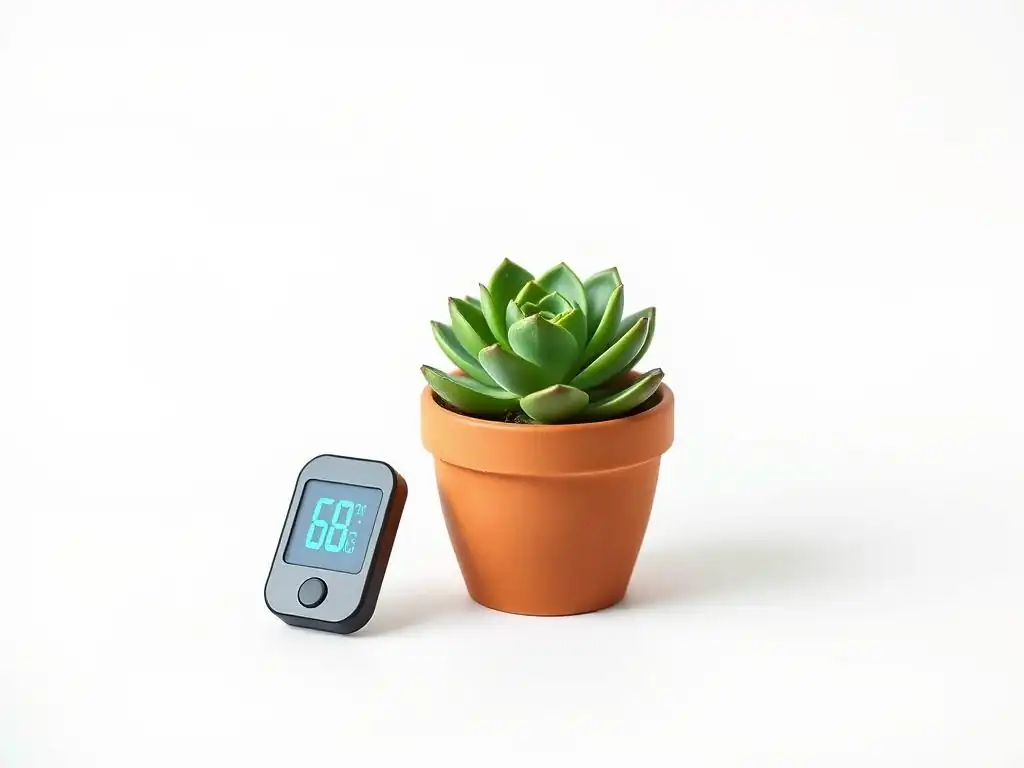
Accurately monitoring the temperature of your indoor succulent environment is crucial for their health and thriving. While you might have a general idea of your home's temperature, using a dedicated thermometer provides precise readings, allowing for proactive adjustments to prevent temperature stress. This is especially important for succulents kept near windows or in rooms with fluctuating temperatures, such as those above fireplaces or kitchens. Investing in a reliable thermometer is a small price to pay for the peace of mind knowing your succulents are experiencing optimal conditions.
Look for thermometers with a clear, easy-to-read display and a wide temperature range, ensuring they can accurately measure temperatures from the lower to higher ends of your succulent's preferred range. Some advanced thermometers even offer minimum/maximum temperature readings, providing a historical overview of temperature fluctuations over a period of time. This data is invaluable for understanding your home's temperature patterns and refining your succulent care routine. Remember to place the thermometer at the approximate height of your succulents to gain the most accurate reading of their immediate environment.
Regularly checking the thermometer, particularly during seasonal changes or extreme weather events, will help you anticipate and address any potential temperature issues promptly. By consistently monitoring the temperature, you'll be better equipped to protect your succulents from both extreme heat and chilling cold, contributing to their long-term health and beauty. Consider using multiple thermometers if you have succulents located in different areas of your home with potentially varying temperature profiles. This will give you a truly comprehensive understanding of your indoor succulent environment.
Ideal Temperature Ranges for Common Succulent Varieties
Different succulent species have varying tolerance levels for temperature fluctuations. While many succulents thrive in similar temperature ranges, understanding the specific needs of your collection is vital for optimal growth. For instance, Echeveria species generally prefer daytime temperatures between 70-80°F (21-27°C) and nighttime temperatures slightly cooler, around 55-65°F (13-18°C). Conversely, Sedum varieties often tolerate a broader temperature range, withstanding somewhat higher daytime temperatures and slightly lower nighttime temperatures.
Haworthia and Gasteria species, often characterized by their striking markings, tend to prefer slightly cooler conditions compared to Echeveria and Sedum. Researching the specific temperature preferences of your succulent varieties is paramount. Reliable resources such as botanical databases, specialized succulent websites, and experienced succulent growers can provide detailed information on the ideal temperature ranges for various species.
This knowledge allows for creating a more tailored and effective care plan, maximizing the health and beauty of your succulent collection. Remember to consider the specific microclimate within your home; a south-facing window will naturally be warmer than a north-facing one. This subtle difference in temperature can significantly impact your succulents' well-being, highlighting the importance of precise temperature monitoring and adjustments as needed.
Adapting Your Indoor Environment to Succulent Needs
Maintaining the ideal temperature range for your succulents might require some adjustments to your indoor environment. This could involve strategically positioning your plants away from direct sunlight, especially during the hottest parts of the day, to prevent overheating. Conversely, during colder months, moving succulents closer to a heat source (while avoiding direct contact) can help prevent chilling. The use of supplemental heating or cooling methods, such as small space heaters or fans, can be valuable tools for fine-tuning the temperature in specific areas where your succulents are located.
However, it's crucial to avoid drastic temperature swings, as these can stress your plants. Instead, aim for gradual adjustments to create a stable and comfortable environment. Consider the overall layout of your home and how temperature fluctuates throughout the day and across different rooms. This awareness allows you to select the most suitable locations for your succulents to minimize temperature stress.
For instance, rooms with consistent temperatures, away from drafts and direct sunlight, often provide the most stable environment for succulents. Remember, a stable temperature is key; small, gradual changes are preferable to sudden shifts. This careful management of the indoor environment will significantly contribute to the robust health and vibrant appearance of your succulent collection.
Best Succulent Temperature Guide: Outdoor Growing Considerations
This section delves into the optimal temperature ranges for succulents thriving outdoors, offering practical advice for maintaining their health and vitality in diverse climates. Understanding your local climate and its fluctuations is paramount to successful outdoor succulent cultivation. Remember, even within a seemingly stable climate, microclimates can exist, affecting the temperature around your plants.
Factors like sun exposure, proximity to buildings, and wind patterns all play a role. This guide will help you navigate these complexities and provide your succulents with the best possible environment. The key is to mimic their natural habitats as closely as possible, which often involve periods of both heat and cool temperatures.
Acclimating Succulents to Outdoor Temperatures
Introducing succulents directly from indoor conditions to harsh outdoor temperatures can lead to shock and potentially damage or death. A gradual acclimation process is crucial, especially during spring and fall transitions. Start by placing your succulents outdoors for a few hours each day in a shaded area, gradually increasing the exposure time over several weeks.
Monitor their response closely; wilting or discoloration indicates the need to slow down the acclimation process. Consider using shade cloth during the hottest part of the day, even during the acclimation period, especially if you live in a particularly intense climate. The aim is to harden off the succulents, strengthening their resilience to temperature fluctuations before full-time outdoor exposure.
The ideal acclimation period varies depending on the species of succulent and the severity of the temperature changes, but a minimum of two weeks is generally recommended. Think of it like slowly easing a runner into a marathon – a sudden jump into extreme conditions is counterproductive.
Providing Shade During Extreme Heat
Many succulents enjoy ample sunlight, but prolonged exposure to intense heat can cause sunburn, scorching, and stress. During the hottest months, especially in arid climates, providing afternoon shade is essential. This doesn't necessarily mean keeping them completely out of the sun; rather, it involves filtering the direct rays. You can use shade cloth, strategically placed taller plants, or even natural shade provided by structures like pergolas or trees. Observe your succulents; if their leaves appear soft, mushy, or discolored, they're likely suffering from heat stress.
Move them to a shadier location immediately and increase watering frequency (slightly) to prevent dehydration. Remember, even drought-tolerant succulents need protection from extreme heat. Monitoring the temperature with a thermometer near your plants can provide valuable data to guide your shading strategy. For instance, if temperatures regularly exceed 95°F (35°C), significant shading should be implemented.
Protecting Succulents from Frost and Freezing Temperatures
Succulents are generally not frost-tolerant. Freezing temperatures can cause irreversible damage, leading to discoloration, mushy leaves, and ultimately, death. In regions with freezing winters, taking proactive measures is crucial. The most effective solution is to bring your succulents indoors to a frost-free environment. Alternatively, if bringing them indoors isn't feasible, consider covering them with frost cloth or a temporary structure like a cold frame. These coverings provide insulation, preventing the temperature from dropping too low.
Mulching around the base of the plants can also offer some protection against frost. However, in extremely cold climates, this may not be sufficient. Pay close attention to weather forecasts during winter months and take action promptly when frost is predicted. Remember, preventing frost damage is far easier than recovering from it. Protecting your succulent investment during winter is a key component of maintaining a thriving collection year-round.
Choosing the Right Outdoor Location Based on Climate
Selecting the perfect outdoor spot for your succulents hinges on understanding your local climate and its nuances. A sunny, south-facing location might be ideal in cooler climates, providing ample warmth and sunlight. However, in scorching desert climates, this same location could lead to sunburn and desiccation. The intensity of the sun varies dramatically throughout the day and across seasons.
Consider the amount of direct sunlight your chosen location receives during different parts of the day, particularly during the hottest months. For example, a location that receives intense afternoon sun might require shading during the peak heat of the day, especially for more delicate succulents. This could be achieved through the strategic placement of taller plants or the use of shade cloth.
Understanding your region's microclimates is also crucial. Even within a small area, temperature and sunlight can vary significantly. A sheltered area, perhaps nestled against a south-facing wall, might trap heat and provide a warmer microclimate, perfect for cold-sensitive varieties. Conversely, a more exposed location might experience stronger winds and cooler temperatures, requiring you to select hardier succulents or provide additional protection during colder months. Consider factors like prevailing winds, which can exacerbate water loss through transpiration. A location sheltered from strong winds will reduce the need for more frequent watering and protect your plants from damage.
Finally, remember that temperature fluctuations are not uniform across all locations. A location that receives consistent warmth might still experience significant temperature drops at night. This nocturnal temperature drop is crucial for many succulents’ dormancy cycles. However, extremely low nighttime temperatures can be harmful, so carefully consider your region's typical nighttime lows, particularly during winter. Monitoring these temperature fluctuations is key to successful outdoor succulent cultivation and understanding the best placement for your specific climate and plant varieties. Careful observation and adaptation are essential to providing your succulents with optimal conditions throughout the year.
Seasonal Temperature Adjustments for Succulents: A Year-Round Approach
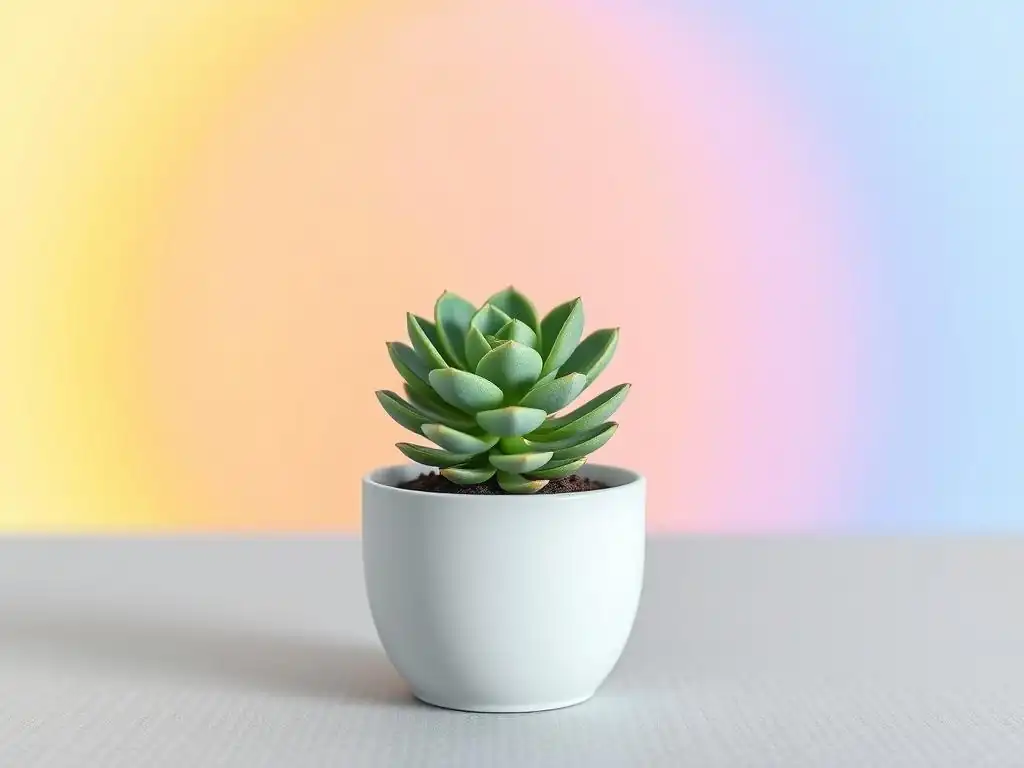
Succulents, despite their reputation for hardiness, are sensitive to extreme temperatures. A well-informed approach to seasonal temperature management is crucial for optimal growth and preventing damage. This section provides a comprehensive guide to maintaining the best succulent temperature, ensuring your plants thrive throughout the year. Understanding the ideal temperature range for your specific succulent species is paramount; however, general guidelines can be applied to most varieties. Remember that even within the ideal range, sudden temperature fluctuations can stress your plants.
Spring and Summer Care: Managing Heat Stress
Spring and summer present the challenge of intense heat and potential sunburn. Many succulents prefer temperatures between 65-80°F (18-27°C) during the day, though some can tolerate higher temperatures with adequate protection. The key is to avoid direct, intense sunlight during the hottest parts of the day.
Here are some practical strategies to combat heat stress:
- Provide Shade: Relocate your succulents to a slightly shaded area during the peak sun hours (typically midday to early afternoon). Even a sheer curtain or strategically placed shade cloth can make a significant difference.
- Increase Air Circulation: Good airflow helps prevent overheating. Use fans to circulate air around your plants, particularly in enclosed spaces. Avoid placing succulents in stagnant air.
- Watering Adjustments: While succulents are drought-tolerant, they still need water, especially during warmer months. However, avoid overwatering, which can lead to root rot. Water deeply but less frequently, allowing the soil to dry out completely between waterings. Observe your plants carefully; if they appear slightly shriveled, it's a sign they might need water.
- Monitor Soil Temperature: The soil temperature can be significantly higher than the air temperature. Using a soil thermometer can help you determine if the soil is getting too hot. If it is, consider using pots with better drainage or a different potting mix.
Remember, the specific needs will vary depending on the succulent species. Some varieties, like Sedum morganianum (Burro's Tail), are more sensitive to heat than others.
Autumn and Winter Care: Protecting Against Cold Damage
As temperatures drop in autumn and winter, succulents require protection from frost and cold. Most succulents struggle below 40°F (4°C), and prolonged exposure to freezing temperatures can lead to irreversible damage.
Here's how to safeguard your succulents during the colder months:
- Relocation: Bring indoor succulents closer to windows that receive ample sunlight. For outdoor succulents, consider moving them to a sheltered location, such as a porch or patio, away from harsh winds and frost.
- Mulching: A layer of mulch around the base of outdoor succulents can help insulate the roots and protect them from freezing temperatures.
- Protective Barriers: In extremely cold climates, consider using frost cloths or plastic sheeting to create a temporary barrier against frost.
- Watering Reduction: Reduce watering frequency significantly during winter months. Overwatering in cold conditions can lead to root rot, a common problem during winter.
- Monitoring: Regularly check for signs of cold damage, such as discoloration or wilting. Take appropriate measures to protect your succulents from further damage.
Maintaining the correct temperature range is critical, especially during winter. Monitoring the temperature consistently will help you anticipate any potential issues and address them promptly.
Signs of Temperature Stress in Succulents
Identifying signs of temperature stress is crucial for timely intervention. Here are some common indicators:
| Symptom | Cause | Solution |
|---|---|---|
| Sunburn (brown spots) | Excessive direct sunlight | Provide shade, acclimate gradually to sunlight |
| Wilting | Heat stress, underwatering, cold damage | Adjust watering, provide shade or protection |
| Leaf discoloration | Cold damage, extreme temperature shifts | Relocate, provide protection from extreme temps |
| Root rot | Overwatering, poorly draining soil | Improve drainage, reduce watering frequency |
| Edema (blistering) | Overwatering, sudden temperature changes | Improve drainage, moderate watering |
Recognizing these signs early allows you to take corrective action, preventing serious damage and ensuring the continued health and beauty of your succulents. Remember that the best succulent temperature guide is one tailored to the specific needs of your plants and their environment. Careful observation and prompt adjustments are key to success. 🌱
This section delves into diagnosing and treating common temperature-related problems in succulents, offering practical solutions for achieving optimal growth. Understanding the specific signs of heat and cold stress is crucial for successful succulent cultivation, whether indoors or outdoors. This guide aims to provide you with the best succulent temperature guide for resolving these issues.
Recognizing Symptoms of Heat Stress
Heat stress in succulents manifests in several ways, often subtly at first. Early signs include leaf discoloration, typically turning a reddish-brown or bronze hue. This change isn't always indicative of a problem, as some succulents naturally exhibit these colors, but a sudden and dramatic shift, particularly during summer months, warrants attention. You might also observe wilting, even with adequate watering. However, unlike underwatering, the soil will likely be moist. Severe heat stress can lead to leaf drop, sunburn (visible as bleached or scorched patches), and even plant death.
The intensity of heat stress depends on several factors including the species of succulent, the duration of exposure to high temperatures, and the intensity of the sunlight. For example, Echeveria species are generally more tolerant of direct sun than Haworthia, which prefer some shade, even in warmer climates.
Let's look at a table summarizing common heat stress symptoms:
| Symptom | Severity Level | Description |
|---|---|---|
| Leaf Discoloration | Mild | Subtle change in leaf color (reddish-brown, bronze). Often gradual. |
| Leaf Discoloration | Moderate | Significant color change, affecting a large portion of the plant. |
| Leaf Discoloration | Severe | Extensive browning, scorching, and potential leaf drop. |
| Wilting | Mild | Slight drooping of leaves, recovering at night or in cooler conditions. |
| Wilting | Moderate | Noticeable drooping, even in moist soil. |
| Wilting | Severe | Extreme drooping, leaf drop, potential plant death. |
| Sunburn | Any | Bleached or scorched patches on leaves. |
Remember, early intervention is key. Regular monitoring, especially during heat waves, is crucial for preventing severe damage.
Addressing Cold Damage in Succulents
Cold damage, unlike heat stress, often presents more visibly. Succulents exposed to freezing temperatures will often exhibit signs of frostbite, characterized by dark, water-soaked lesions on the leaves. These areas may turn mushy or even black. Severe cold can lead to complete tissue collapse. The extent of the damage depends on the duration and intensity of the cold spell, as well as the species of succulent. Some species are more cold-hardy than others. For example, Sedum species are often more cold-tolerant than Mammillaria.
Unlike heat stress, cold damage is less about gradual color changes and more about sudden, visible tissue damage. If you suspect cold damage, promptly move the affected succulents to a warmer location. Protect them from further frost by providing shelter or covering them with frost cloth. Pruning damaged leaves might be necessary to prevent the spread of rot. However, avoid removing healthy tissue. The plant will often recover from mild cold damage, but severe frostbite can be fatal.
The following checklist can help you assess and respond to cold damage:
- [ ] Inspect succulents for dark, water-soaked lesions.
- [ ] Move affected plants to a warmer, frost-free location.
- [ ] Cover plants with frost cloth if necessary.
- [ ] Carefully prune any severely damaged leaves, avoiding healthy tissue.
- [ ] Monitor for signs of rot or secondary infections.
Recovering from Temperature Extremes
Recovery from temperature extremes depends heavily on the severity of the damage. For mild heat or cold stress, simply moving the succulents to a more appropriate environment and providing consistent care (watering, sunlight) usually suffices. They'll often recover over several weeks. However, plants suffering severe damage may require more intervention. This might include removing severely affected leaves and providing a period of rest to allow the plant to focus its energy on recovery. Avoid fertilizing stressed succulents; focus on providing proper watering and light.
In cases of extensive damage, you might need to propagate healthy cuttings from the surviving parts of the plant. This is a good way to preserve the plant while allowing it to recover. Propagation ensures the continuation of the succulent even if the main plant doesn't fully recover. This process involves taking healthy leaf or stem cuttings and rooting them to grow new plants.
Remember that patience is key—recovery from severe temperature damage can take considerable time and effort. Always prioritize preventative measures to minimize the risk of temperature-related issues. Regular monitoring and timely adjustments to their environment are crucial for the health and longevity of your succulents.
Frequently Asked Questions
What is the ideal temperature range for most succulents?
Most succulents thrive in temperatures between 65-80°F (18-27°C). However, many can tolerate higher temperatures, especially with proper sunlight and airflow. Extreme heat or cold can cause damage.
How do I protect my succulents from extreme heat?
Provide adequate shade during the hottest parts of the day, ensuring good air circulation to prevent overheating. Consider moving them to a cooler location or using shade cloth.
What are the signs of cold damage in succulents?
Cold-damaged succulents may exhibit discoloration, such as browning or blackening, and become soft or mushy. Leaves might also shrivel or drop off.
Can I leave my succulents outdoors year-round?
This depends on your climate and the specific succulent species. Many succulents are hardy enough for outdoor living in mild climates, but those in areas with freezing winters will need winter protection or to be brought indoors.
How can I acclimate my succulents to different temperatures?
Gradually introduce your succulents to new temperature ranges to avoid shock. Avoid sudden changes, especially from indoor to outdoor environments or vice-versa. A slow transition will help them adapt.
Final Reflection: Nurturing Life's Resilience: The Enduring Power of Adaptation
Understanding the ideal temperature range for succulents isn't just about keeping them alive; it's about unlocking their incredible resilience. These seemingly delicate plants are masters of adaptation, thriving in harsh conditions with the right care, a testament to the power of understanding and responding to environmental cues. Their survival, mirroring our own, depends on our ability to provide the optimal conditions for growth and flourishing.
The journey of learning about succulent care has been a profound one, highlighting the interconnectedness of all living things. It's a microcosm of the larger challenge we face in understanding and adapting to our changing world. The greatest glory in living lies not in never falling, but in rising every time we fall.
This quote, often attributed to Nelson Mandela, perfectly encapsulates the resilience of succulents and, indeed, the human spirit. Their ability to bounce back from periods of stress, to thrive even in seemingly inhospitable environments, is a powerful lesson in perseverance and the importance of finding the right balance.
Now, consider your own environment. What are the "temperature extremes" you face in your life? How can you learn to adapt and thrive, just as your succulents do? Take the lessons learned here – the importance of observation, careful planning, and a willingness to adjust – and apply them to your own life. Embrace the challenges, learn from setbacks, and nurture your own inner resilience. You, too, possess the strength to flourish.
Unleash Your Inner Green Thumb: Nurture Thriving Succulents!
Thank you for exploring the world of succulent care! We hope you feel confident handling any temperature challenges your prickly plants present. Ready to apply your new knowledge?
- Create the ideal succulent environment: Consider your home's microclimates—are there sunny windowsills or shady corners perfect for your collection? Rearrange your succulents according to their individual temperature needs.
- Share your succulent successes (or questions!): We'd love to see your thriving plants! Post pictures on social media using #SucculentEssentials and tag us—let's build a supportive community together.
- Gradually introduce succulents to varied conditions: Carefully experiment with slightly different temperatures for a few succulents to observe their adaptation and further your expertise. Always ensure the conditions remain safe for your plants.
What unexpected temperature-related tips have you discovered for keeping your succulents healthy? Let's share our knowledge!