
The Science Behind Succulent Transpiration and Water Retention

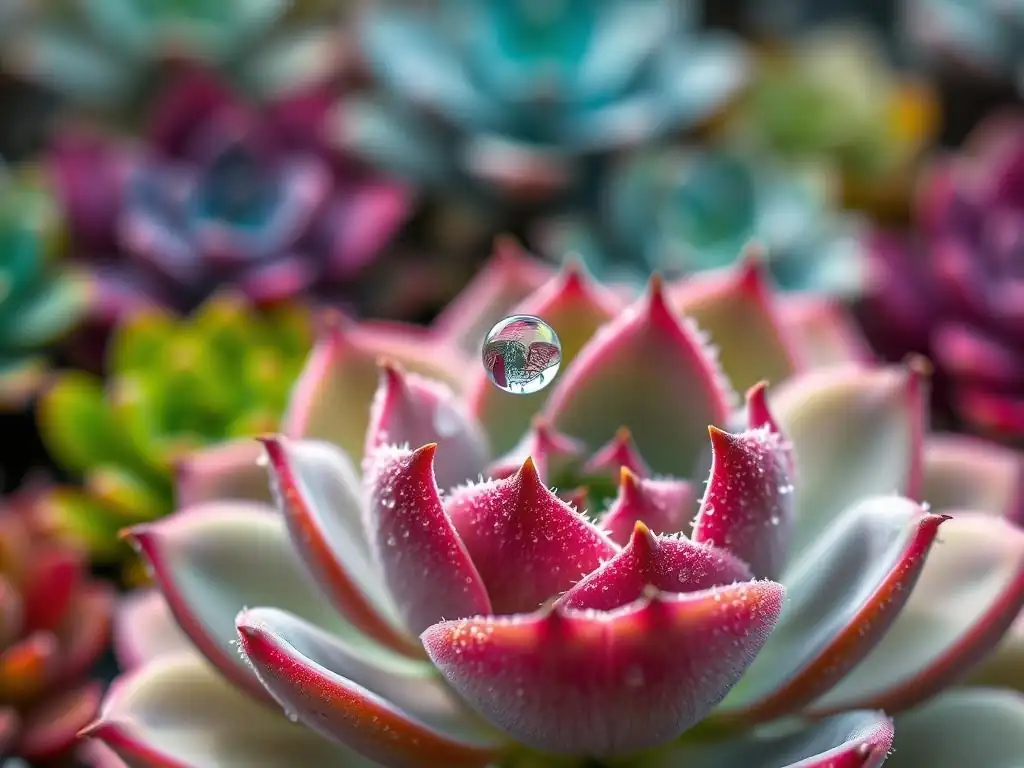
Welcome to SucculentEssentials.org, where the fascinating world of succulents unfolds! Prepare to be captivated by the intricate beauty and remarkable resilience of these desert darlings. But have you ever wondered about the secrets behind their survival? Dive into the science of succulent water retention and uncover the ingenious mechanisms that allow these plants to thrive in even the harshest conditions. Discover the mysteries of transpiration and unlock the key to succulent success – read on to learn more!
- Understanding Succulent Water Retention Mechanisms: A Deep Dive
- Succulent Transpiration: Minimizing Water Loss Through Adaptation
- Environmental Factors Influencing Succulent Water Retention
- Practical Implications for Succulent Care: Applying the Science
- Further Research and Exploration of Succulent Water Management
- Frequently Asked Questions
- Final Reflection: The Enduring Mystery of Succulent Survival
- Unlock Your Succulent's Secrets: Boost Growth & Thrive!
Understanding Succulent Water Retention Mechanisms: A Deep Dive
Succulents, with their striking shapes and vibrant colors, captivate plant enthusiasts worldwide. But beyond their aesthetic appeal lies a fascinating story of adaptation and survival in arid and semi-arid environments. This intricate survival strategy hinges on highly specialized mechanisms for water retention and efficient water use.
This article delves into the science behind succulent water retention, exploring the key physiological and morphological adaptations that allow these remarkable plants to thrive in conditions where other plants would perish. We will examine the crucial role of Crassulacean Acid Metabolism (CAM) photosynthesis, the unique structure of their water storage tissues, and the ingenious adaptations in leaf morphology that minimize water loss. Understanding these mechanisms is key to successfully cultivating and appreciating these resilient plants, allowing you to provide optimal care and ensure their longevity.
Understanding the science behind succulent water retention is crucial for any serious succulent enthusiast, helping you to better understand their needs and provide the best possible care. This knowledge will empower you to cultivate thriving succulent collections, regardless of your environment or experience level.
Crassulacean Acid Metabolism (CAM) Photosynthesis: The Key to Succulent Survival
Crassulacean Acid Metabolism (CAM) photosynthesis is arguably the most significant adaptation enabling succulent survival in water-scarce habitats. Unlike most plants that open their stomata (tiny pores on leaves) during the day for gas exchange, succulents employing CAM open their stomata at night. This allows them to take in carbon dioxide (CO₂) at night when temperatures are cooler and humidity is higher, minimizing water loss through transpiration.
The absorbed CO₂ is then stored as malic acid in vacuoles within the plant's cells. During the day, when sunlight is available for photosynthesis, the stored malic acid is broken down, releasing CO₂ for use in the Calvin cycle – the process that converts CO₂ into sugars. This temporal separation of CO₂ uptake and photosynthetic carbon fixation is a crucial mechanism for water conservation.
The efficiency of CAM photosynthesis varies across different succulent species, with some exhibiting more pronounced CAM characteristics than others. Further research continues to unravel the intricacies of CAM, revealing its remarkable adaptability and contributions to succulent diversity. Understanding the nuances of CAM is vital for optimizing cultivation practices and ensuring the health of your succulent collection.
Water Storage Tissues in Succulents: Structure and Function
Succulents possess specialized tissues designed for efficient water storage. These tissues, primarily located in leaves, stems, and roots, are composed of large, vacuolated cells capable of holding substantial amounts of water. The cell walls of these storage tissues are often thickened and reinforced, providing structural support when the cells are turgid (full of water).
The parenchyma cells, the main component of these tissues, are characterized by their large size and the presence of large vacuoles – essentially water-filled sacs that occupy most of the cell's volume. The quantity and distribution of these water storage tissues vary significantly depending on the specific succulent species and its growth environment. For example, some succulents store water primarily in their leaves (e.g., Echeveria), while others store it predominantly in their stems (e.g., cacti).
This variation reflects the diverse evolutionary pressures experienced by different succulent lineages. Analyzing the microscopic structure of these tissues reveals fascinating details about the evolutionary adaptations that have shaped the remarkable water retention capabilities of succulents.
The Role of Leaf Morphology in Reducing Water Loss
The morphology (shape and structure) of succulent leaves plays a critical role in minimizing water loss through transpiration. Many succulents possess thick, fleshy leaves with a reduced surface area relative to their volume. This minimizes the surface area exposed to the air, thereby reducing the rate of water loss.
Furthermore, many succulent leaves are covered with a thick cuticle – a waxy layer that reduces water evaporation. Some succulents also have specialized structures, such as trichomes (tiny hairs), that help to trap a layer of still air close to the leaf surface, reducing air movement and thus transpiration. The adaptations in leaf morphology are highly diverse, reflecting the wide range of environmental conditions in which succulents have evolved.
Some succulents, such as those inhabiting extremely arid environments, have evolved extremely reduced leaves or even completely lost them, relying instead on their stems for photosynthesis and water storage. Observing the diverse leaf morphologies across different succulent species showcases the remarkable adaptability of these plants and their remarkable capacity for survival in water-limited environments.
Succulent Transpiration: Minimizing Water Loss Through Adaptation
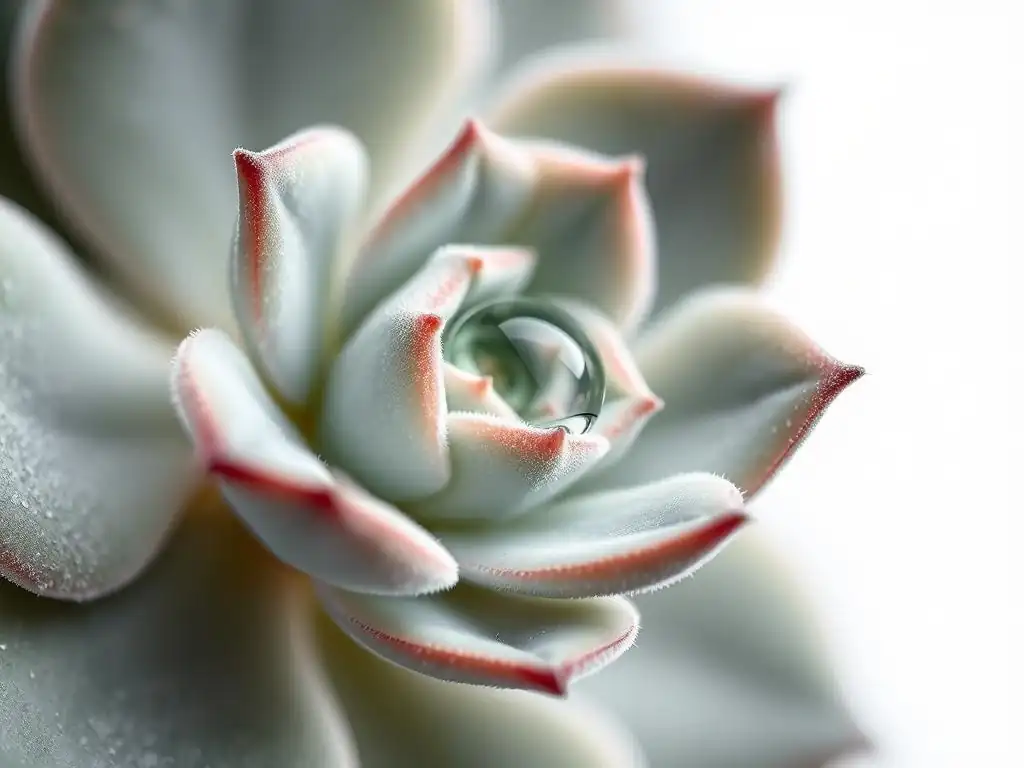
Succulents, renowned for their drought tolerance, have evolved remarkable adaptations to minimize water loss through transpiration—the process by which plants lose water vapor through their leaves. Understanding the science behind succulent water retention is crucial for successful cultivation. This section delves into the key mechanisms that allow succulents to thrive in arid and semi-arid environments. We'll examine how their unique morphology contributes to efficient water conservation, a critical aspect of Succulent water retention science.
Cuticle Thickness and Waxiness: A Natural Barrier Against Evaporation
The epidermis, or outer layer, of succulent leaves plays a crucial role in water retention. A thick cuticle, a waxy coating secreted by epidermal cells, acts as a significant barrier against water evaporation. This waxy layer reduces the rate of transpiration by minimizing water loss to the atmosphere. The thickness and chemical composition of this cuticle vary considerably among different succulent species, reflecting their adaptation to specific environmental conditions.
For instance, Sedum morganianum (Burro's Tail) possesses a particularly thick and waxy cuticle, enabling it to endure extended periods of drought. Conversely, succulents thriving in slightly more humid environments might have thinner cuticles, allowing for a slightly higher rate of transpiration, balancing water conservation with gas exchange needs. Analyzing the cuticle's properties under a microscope reveals its intricate structure and contributes significantly to our understanding of Succulent water retention science.
The degree of waxiness also contributes to the cuticle's effectiveness. A more heavily waxed cuticle is more hydrophobic, repelling water and further reducing evaporation. This waxiness is often visible as a whitish or bluish bloom on the leaves of certain succulents, further enhancing their drought tolerance. The chemical composition of these cuticular waxes is a complex field of research, with different wax components exhibiting varying degrees of effectiveness in reducing water loss.
Stomatal Regulation: Controlling Water Vapor Release
Stomata, tiny pores on the leaf surface, are responsible for gas exchange—taking in carbon dioxide for photosynthesis and releasing oxygen and water vapor. Succulents exhibit sophisticated stomatal regulation mechanisms to control water loss. Unlike many other plants that open their stomata widely during the day for photosynthesis, many succulents employ a unique strategy: Crassulacean Acid Metabolism (CAM).
CAM plants, a significant proportion of succulents, open their stomata primarily at night, when temperatures are cooler and humidity is higher. This minimizes water loss during the day's intense heat and sunlight. They take in CO2 at night, storing it as malic acid within their vacuoles. During the day, the stored CO2 is released for photosynthesis while the stomata remain largely closed.
This ingenious mechanism is a cornerstone of Succulent water retention science, showcasing the remarkable adaptations that allow succulents to thrive in harsh environments. The precise timing and extent of stomatal opening and closing are influenced by various environmental factors, including light intensity, temperature, and humidity. Research continues to unravel the intricate signaling pathways governing this crucial process.
Leaf Orientation and Shape: Optimizing Shade and Reducing Transpiration
The shape and orientation of succulent leaves also play a significant role in minimizing water loss. Many succulents possess thick, fleshy leaves, often with a reduced surface area relative to their volume. This minimizes the area exposed to the sun and reduces the surface area available for water evaporation. Furthermore, many species exhibit leaf orientation strategies that minimize direct sunlight exposure. Leaves may be oriented vertically, reducing the amount of solar radiation directly striking their surfaces. Some species have leaves that curl inward during periods of drought, further reducing the surface area exposed to the air.
The shape of the leaves also plays a role. Cylindrical or spherical leaves, common in many succulent species, present a smaller surface area to volume ratio compared to flat leaves, minimizing water loss through transpiration. These morphological adaptations, combined with efficient stomatal regulation and a thick cuticle, represent a sophisticated suite of mechanisms that contribute to the remarkable drought tolerance observed in succulents. Understanding these adaptations is vital for anyone aiming to successfully cultivate and appreciate these fascinating plants, furthering our knowledge of Succulent water retention science.
Environmental Factors Influencing Succulent Water Retention
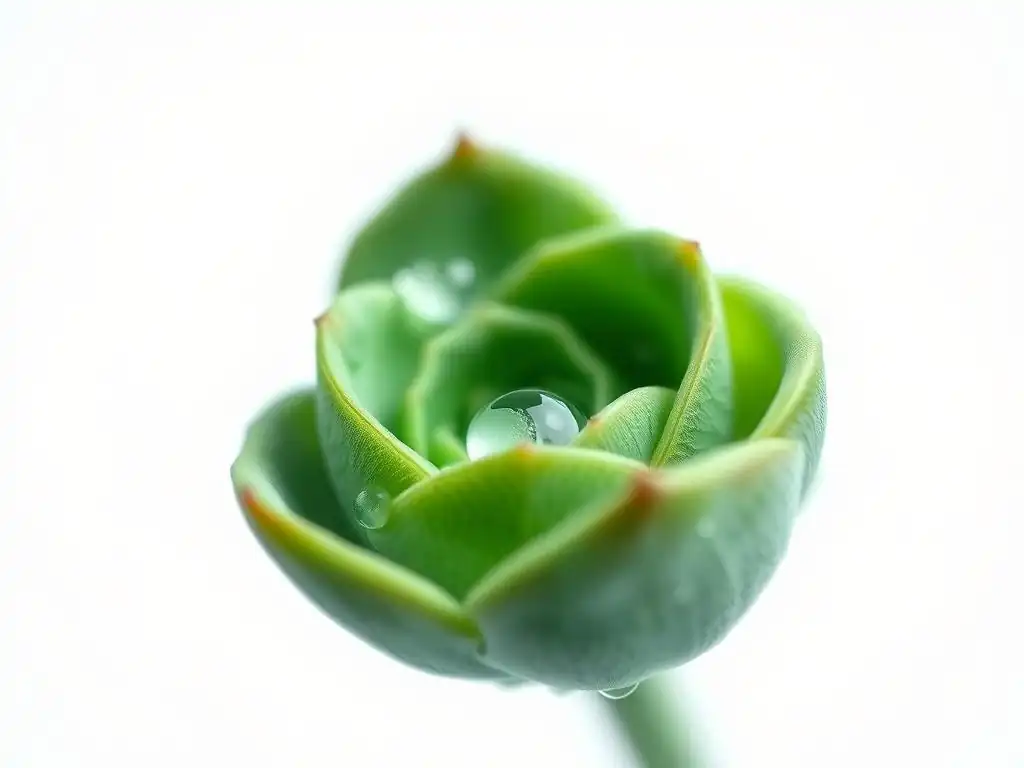
Succulents, renowned for their remarkable ability to thrive in arid conditions, achieve this feat through a sophisticated interplay of morphological adaptations and physiological responses. Understanding the science behind succulent water retention is crucial for successful cultivation. While their unique structures play a significant role (as detailed elsewhere in this article), environmental factors significantly influence their water balance, impacting transpiration rates and overall hydration. This section delves into the key environmental parameters affecting succulent water retention, focusing on temperature, light intensity, and soil moisture.
The Impact of Temperature on Transpiration Rates in Succulents
Temperature exerts a profound influence on a succulent's transpiration rate – the process by which plants lose water vapor through their stomata (tiny pores on their leaves). Higher temperatures increase the rate of evaporation from the plant's surface, leading to increased transpiration. This is particularly critical for succulents, as their water storage capacity, while substantial, is not infinite.
Consider the Echeveria genus. Studies have shown that Echeveria species exhibit a marked increase in transpiration rates under elevated temperatures, potentially leading to wilting and stress if not compensated by sufficient water uptake. Conversely, cooler temperatures slow down transpiration, allowing the plant to conserve its precious water reserves.
This explains why succulents often experience periods of dormancy during hot, dry summers, reducing their metabolic activity and minimizing water loss. Understanding this temperature-transpiration relationship is vital for optimizing watering schedules; more frequent watering may be needed during hot periods, but less in cooler months. Precise temperature thresholds vary significantly across different succulent species, highlighting the importance of species-specific care.
Light Intensity and its Effect on Succulent Water Use
Light intensity is another critical environmental factor affecting succulent water retention. While succulents need sunlight for photosynthesis, intense sunlight can also increase transpiration rates. The stomata, responsible for gas exchange (including CO2 uptake for photosynthesis and water vapor release), open more widely under higher light intensity to maximize photosynthetic efficiency. This, however, comes at a cost: increased water loss through transpiration.
The effect of light intensity on water use is not uniform across all succulents. Species adapted to full sun environments, such as Sedum and Agave, are generally more tolerant of high light intensities and have evolved mechanisms to minimize water loss under such conditions. Conversely, succulents adapted to partial shade may be more susceptible to water stress under intense sunlight. This underscores the importance of providing appropriate light conditions based on the specific succulent species.
Careful observation of leaf turgor (firmness) can indicate whether a succulent is receiving the optimal amount of light; wilting or leaf discoloration might signal the need for shade or adjustment of light exposure. Furthermore, the intensity and duration of sunlight exposure interact to determine the overall water balance of the plant. Prolonged exposure to intense sunlight will lead to significantly higher water loss than short bursts of intense light.
Soil Moisture and its Relationship to Succulent Hydration
Soil moisture is arguably the most direct environmental factor influencing succulent hydration. Succulents, unlike many other plants, are highly adapted to infrequent watering. Their root systems are often relatively shallow but extensive, allowing them to quickly absorb available water after rainfall or watering. However, overwatering is a major cause of succulent death, leading to root rot and subsequent wilting.
The relationship between soil moisture and succulent hydration is complex and species-dependent. While well-drained soil is essential for all succulents to prevent waterlogging, the optimal level of soil moisture can vary. Some species prefer consistently moist (but not waterlogged) soil, while others thrive in drier conditions.
The type of soil used also plays a crucial role. A well-draining succulent potting mix, typically composed of a blend of inorganic materials and organic matter, is vital for maintaining appropriate soil moisture levels and preventing root rot. Monitoring soil moisture using a moisture meter or by checking the dryness of the soil with your finger can help determine when watering is needed.
Overwatering is far more detrimental to succulents than underwatering; allowing the soil to dry out between waterings is a crucial aspect of successful succulent cultivation. The frequency of watering should be adjusted based on factors such as temperature, light intensity, and the type of succulent.
Practical Implications for Succulent Care: Applying the Science
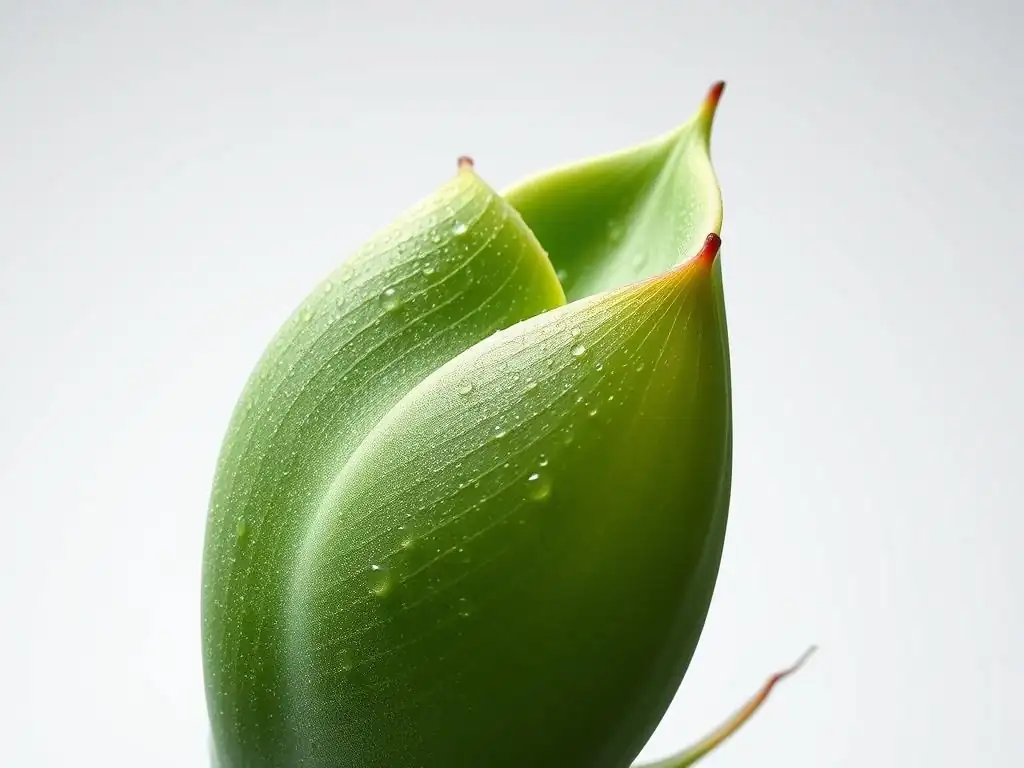
This section translates the scientific principles of succulent water retention and transpiration into actionable advice for successful succulent cultivation. Understanding the unique physiological adaptations of succulents allows for informed decisions regarding watering, potting mix selection, and recognizing signs of both overwatering and underwatering. Effective succulent care hinges on mimicking their natural desert environments.
Watering Techniques Based on Succulent Physiology
Succulent water retention is a delicate balance. Overwatering leads to root rot, a common cause of succulent death, while underwatering results in dehydration and shriveling. The key is to understand the plant's needs and adjust watering based on factors like season, pot size, and the succulent's specific water requirements.
Different succulents have different water needs. Echeveria species, for example, generally require less frequent watering than Sedum species. Observe your succulents carefully; their leaves will often signal their thirst. Slightly shriveled leaves indicate a need for watering, while plump, firm leaves suggest sufficient hydration.
A common mistake is to water succulents on a fixed schedule. Instead, adopt a "soak and dry" method. Thoroughly water the plant until excess water drains from the drainage holes, then allow the soil to completely dry out before watering again. This mimics the infrequent but intense rainfall experienced in succulent native habitats. The frequency of watering will vary depending on the season; less frequent watering is needed during winter dormancy. Always check the soil moisture before watering using your finger. Insert your finger about an inch into the soil; if it feels dry, it's time to water.
Choosing the Right Potting Mix for Optimal Drainage and Water Retention
The potting mix is crucial for successful succulent cultivation. A well-draining mix prevents the soil from becoming waterlogged, which is a major factor in root rot. A typical succulent potting mix includes a blend of inorganic materials like perlite, pumice, and coarse sand, mixed with a small amount of organic matter like peat moss or coco coir. The inorganic components ensure excellent drainage and aeration, while the organic matter provides some water retention capacity.
Avoid using garden soil for succulents. Garden soil tends to retain too much moisture, leading to waterlogged conditions. The ideal potting mix allows for both adequate water retention to support the plant's needs and rapid drainage to prevent waterlogging. The ratio of inorganic to organic materials can be adjusted based on the specific succulent species and the climate. For example, succulents in drier climates might benefit from a mix with a higher percentage of inorganic materials.
Here's a sample potting mix recipe:
| Component | Percentage |
|---|---|
| Perlite | 40% |
| Pumice | 30% |
| Coarse Sand | 20% |
| Peat Moss/Coco Coir | 10% |
This blend provides excellent drainage while retaining some moisture. Remember to always use clean, sterile potting mix to prevent the introduction of diseases.
Understanding the Signs of Overwatering and Underwater
Recognizing the signs of overwatering and underwatering is critical for timely intervention. Overwatering manifests as mushy, rotting leaves and stems, often accompanied by a foul odor. The soil will remain persistently wet. Underwatering, on the other hand, results in shriveled, wrinkled leaves and stems. The soil will be completely dry, often cracked and pulling away from the pot's sides.
The following table summarizes the key differences:
| Symptom | Overwatering | Underwater |
|---|---|---|
| Leaves | Mushy, soft, rotting | Shriveled, wrinkled, brittle |
| Stems | Mushy, soft, rotting | Shriveled, wrinkled |
| Soil | Consistently wet, soggy | Completely dry, cracked |
| Odor | Often foul, musty | Typically absent |
| Response | Reduce watering, repot if needed | Water thoroughly, allow to drain |
Early detection is key. If you notice any of these symptoms, take immediate action. For overwatering, remove the succulent from the pot, trim away any severely affected roots and leaves, allow it to dry slightly, and repot it in fresh, dry potting mix. For underwatering, water thoroughly and monitor the plant closely. Prevention is always better than cure; consistent monitoring and proper watering techniques are the best ways to maintain healthy succulents. 🌱
Further Research and Exploration of Succulent Water Management
The fascinating adaptations of succulents for water retention and efficient use represent a rich area for ongoing scientific investigation. Understanding these mechanisms is crucial not only for cultivating these plants successfully but also for informing conservation efforts in arid and semi-arid regions where many succulent species are endemic. Much remains to be discovered regarding the intricate interplay of physiological processes, morphological features, and environmental factors that contribute to succulent water management. This section delves into advanced studies and future research directions in this field.
Advanced Studies on Succulent Water Use Efficiency
Current research is moving beyond simple observations of water storage capacity to investigate the underlying molecular and physiological mechanisms driving succulent water use efficiency (WUE). Scientists are employing sophisticated techniques such as stable isotope analysis to trace water movement within the plant and quantify transpiration rates under various environmental conditions. This allows for a precise assessment of how different succulent species optimize water uptake, storage, and loss.
For example, studies using advanced imaging techniques like MRI are revealing detailed maps of water distribution within succulent tissues, showing how water is stored in different cell types and organs (e.g., leaves, stems, roots) under different hydration levels. This provides valuable insights into the structural and functional properties that contribute to the exceptional water retention capabilities of succulents. Additionally, researchers are exploring the role of specific genes and proteins in regulating stomatal conductance, a key determinant of transpiration rates.
Identifying these genes could pave the way for genetic engineering approaches to improve drought tolerance in both succulents and other plant species. The meticulous analysis of these processes is crucial for understanding the succulent water retention science at a deeper level.
Future Research Directions in Succulent Physiology and Conservation
Future research in succulent physiology should focus on several key areas. Firstly, a more comprehensive understanding of the diversity of water management strategies across different succulent families and species is needed. While considerable progress has been made, many species remain poorly studied, leaving significant gaps in our knowledge. This includes investigating the role of symbiotic relationships with soil microorganisms in enhancing nutrient and water uptake. Understanding these interactions is critical for developing sustainable cultivation practices.
Secondly, there is a pressing need to investigate the impact of climate change on succulent water relations and survival. Rising temperatures and altered precipitation patterns are expected to significantly affect the distribution and abundance of succulent species. Research focusing on the resilience of different species to drought stress, heat stress, and salinity is crucial for developing effective conservation strategies.
This includes the development of predictive models that can assess the vulnerability of different succulent populations to future climate scenarios. Furthermore, understanding how succulents respond to these stresses at the molecular level will allow us to identify potential adaptive mechanisms that could be leveraged for conservation efforts. The ultimate goal is to develop effective strategies to protect these unique and fascinating plants for future generations, contributing significantly to the field of succulent water retention science.
The application of advanced genomic and proteomic techniques will also be vital for future research. This allows for a comprehensive investigation of the genetic and molecular basis of drought tolerance in succulents. By identifying genes and proteins involved in water stress response, we can design targeted breeding programs for improved drought tolerance and conservation efforts. This holistic approach, combining physiological, ecological, and genomic studies, promises to significantly advance our understanding of succulent water management and contribute to their long-term conservation.
Frequently Asked Questions
How do succulents retain water so effectively?
Succulents employ several specialized adaptations for water retention. These include thick, fleshy leaves and stems that store water, and a slow rate of transpiration to minimize water loss. They also often have waxy coatings or dense hairs that reduce evaporation.
What is the role of transpiration in succulents?
Transpiration, the process of water loss through leaves, is significantly reduced in succulents compared to other plants. This slowed transpiration is crucial for their survival in arid environments by conserving water. Modified stomata also play a role in controlling water loss.
How do succulent leaves contribute to water storage?
Succulent leaves are adapted for water storage. Their thick, fleshy structure allows them to hold large amounts of water. The cellular structure of the leaves also plays a significant role in this process.
What are the key adaptations that enable succulents to survive droughts?
Besides water storage in leaves and stems, CAM photosynthesis is a key adaptation. This allows succulents to open their stomata at night to minimize water loss during the day's heat. Deep root systems also help access groundwater.
Can all succulents tolerate the same level of water retention?
No, different succulents have varying levels of drought tolerance. Some species are more adapted to arid conditions than others. Understanding a specific succulent's water needs is crucial for its health and survival.
Final Reflection: The Enduring Mystery of Succulent Survival
The science of succulent water retention isn't just a niche botanical study; it's a powerful model for resilience in a world facing increasing water scarcity. Understanding how these plants thrive in arid conditions offers crucial insights into sustainable practices and innovative solutions for water management, impacting everything from agriculture to urban planning.
The remarkable adaptations of succulents, their ability to flourish where others wither, has profoundly impacted my own perspective on resourcefulness and adaptation. Their quiet strength, their ability to store and conserve, speaks volumes about the power of efficient systems. The desert teaches the value of water, not only for survival, but for the beauty it creates.
This quote, while not directly about succulents, perfectly encapsulates the awe-inspiring resilience these plants embody and the lessons they offer us.
Consider the ingenuity of these plants, their unique strategies for survival. Now, consider your own life. What challenges do you face? How can you apply the principles of efficient resource management, of strategic storage and mindful consumption, learned from the succulent's remarkable journey? Embrace the succulent's wisdom: find your own strategies for thriving, even in the driest of circumstances.
Unlock Your Succulent's Secrets: Boost Growth & Thrive!
Thanks for exploring the fascinating world of succulent care! You now have the knowledge to help your succulents flourish. Ready to put your new expertise to the test?
- Master the art of watering: Experiment with different watering techniques based on your succulent's specific needs and your local climate. Closely observe your plants and adjust your approach as needed. This is key to long-term success!
- Share your succulent successes (and challenges!): Join our online community and connect with fellow succulent enthusiasts. Learn from others and inspire them with your green thumb!
- Expand your succulent collection: Leaf cuttings are a surprisingly easy propagation method! Share the joy of these amazing plants.
What unique watering strategy will you use to give your succulents the best possible care?