
Cactaceae: The Secret to Cacti's Success in Arid Environments

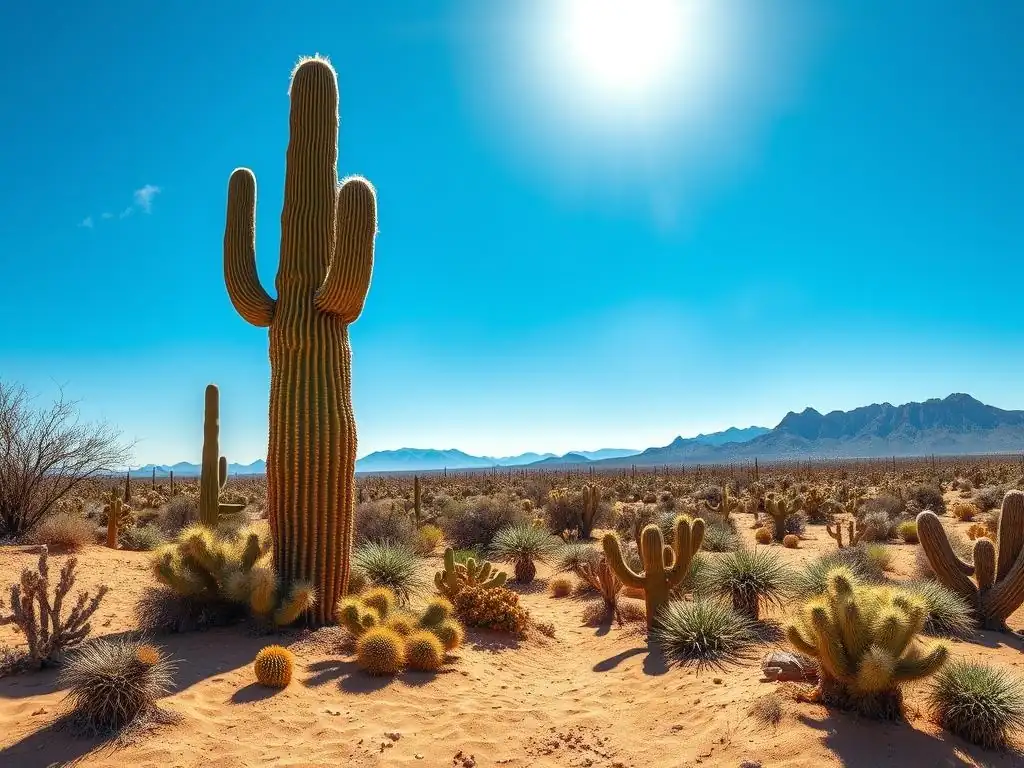
Welcome to SucculentEssentials.org, your gateway to the fascinating world of succulents! Prepare to be captivated by the remarkable resilience of these desert dwellers. We delve into the secrets of their survival, starting with our in-depth exploration of "Cacti survival arid environments". Discover how these extraordinary plants thrive in harsh conditions and unlock the knowledge to nurture your own succulent collection to flourish. Ready to uncover the mysteries of cacti and other succulents? Let's begin!
- Cacti Survival in Arid Environments: An Introduction to Adaptations
- The Role of Spines in Cacti Survival
- Water Conservation Strategies in Cacti
- Cacti's Reproductive Strategies in Arid Climates
- Examples of Cacti Adapted to Extreme Aridity
- The Importance of Cacti in Arid Ecosystems
- Cultivating Cacti: Mimicking Their Natural Environment
- Frequently Asked Questions
- Final Reflection: The Enduring Legacy of Cacti in Arid Lands
- Unleash Your Inner Desert Gardener: Cultivate Your Cacti Kingdom!
Cacti Survival in Arid Environments: An Introduction to Adaptations
Cacti, iconic denizens of deserts and arid regions, represent a remarkable example of evolutionary adaptation. Their ability to thrive in some of the world's harshest environments is a testament to millions of years of natural selection, shaping them into the water-wise wonders we admire today. This article delves into the fascinating strategies employed by cacti (members of the Cactaceae family) to not only survive but flourish in arid conditions.
We will explore the environmental challenges they face, and dissect their ingenious physiological and morphological adaptations that enable their success in water-scarce and temperature-extreme landscapes. Understanding these adaptations is key to appreciating the resilience of these fascinating plants and successfully cultivating them, even outside their native habitats.
This exploration will provide valuable insight into the broader topic of succulent survival mechanisms, contributing to a deeper understanding of the Cactaceae family and its remarkable resilience. Let's uncover the secrets behind cacti's success in arid environments and their unique place within the world of succulents.
Understanding the Challenges of Arid Environments: Water Scarcity and Extreme Temperatures
Arid environments present significant hurdles for plant life. The most prominent challenge is undoubtedly water scarcity. Rainfall is infrequent and often unpredictable, leaving plants struggling to maintain adequate hydration. Furthermore, arid regions experience dramatic fluctuations in temperature. Intense solar radiation leads to scorching daytime temperatures, while nights can bring significant drops, creating thermal stress for plants.
The combination of limited water availability and extreme temperature swings makes survival a constant battle for plants lacking specialized adaptations. These conditions select for plants with efficient water-use strategies and mechanisms to tolerate high temperatures and prevent water loss. Cacti have brilliantly overcome these challenges through a combination of physiological and structural modifications. The scarcity of water and the extreme temperatures are the primary selective pressures that have shaped the evolution of the Cactaceae family, resulting in the unique characteristics we associate with cacti.
Cacti's Unique Physiological Adaptations: Water Storage and Conservation
Cacti are masters of water storage and conservation. Their succulent stems, often enlarged and fleshy, act as reservoirs, holding significant amounts of water for extended periods. This is achieved through specialized cells capable of expanding greatly to accommodate water uptake during infrequent rainfall events.
Furthermore, cacti possess highly efficient mechanisms for minimizing water loss through transpiration. A thick, waxy cuticle on their stems reduces water evaporation from the surface. Their stomata, the tiny pores responsible for gas exchange, are often sunken or located in protected areas, reducing exposure to dry air and minimizing water loss.
The timing of stomatal opening and closing is also finely tuned, occurring primarily at night when temperatures are cooler and humidity is higher, further optimizing water conservation. These physiological adaptations are crucial to their survival in arid conditions, allowing them to withstand prolonged periods without rainfall. The efficiency of water storage and conservation is a key factor in the success of cacti in arid environments.
Morphological Adaptations: Spines, Reduced Leaf Surface Area, and Stem Modifications
Beyond physiological adaptations, cacti exhibit striking morphological features that enhance their survival in arid environments. The most obvious are their spines, which are modified leaves. While seemingly simple, spines serve multiple critical functions. They provide shade, reducing solar radiation and lowering the temperature of the stem surface, thus minimizing water loss through transpiration.
They also offer protection from herbivores, preventing water loss through damage and consumption. The reduction in leaf surface area is another key adaptation; minimizing the surface area exposed to the sun significantly reduces water loss through transpiration. The photosynthetic function of leaves is taken over by the stems, which are often ribbed or fluted, allowing for expansion and contraction during water uptake and loss.
These modifications allow cacti to maintain their water balance even during extended droughts. The combination of spines, reduced leaves, and modified stems showcases the remarkable evolutionary ingenuity of the Cactaceae family in adapting to harsh arid conditions. These morphological features, in conjunction with their physiological adaptations, contribute significantly to the cacti's remarkable success in arid environments.
The Role of Spines in Cacti Survival
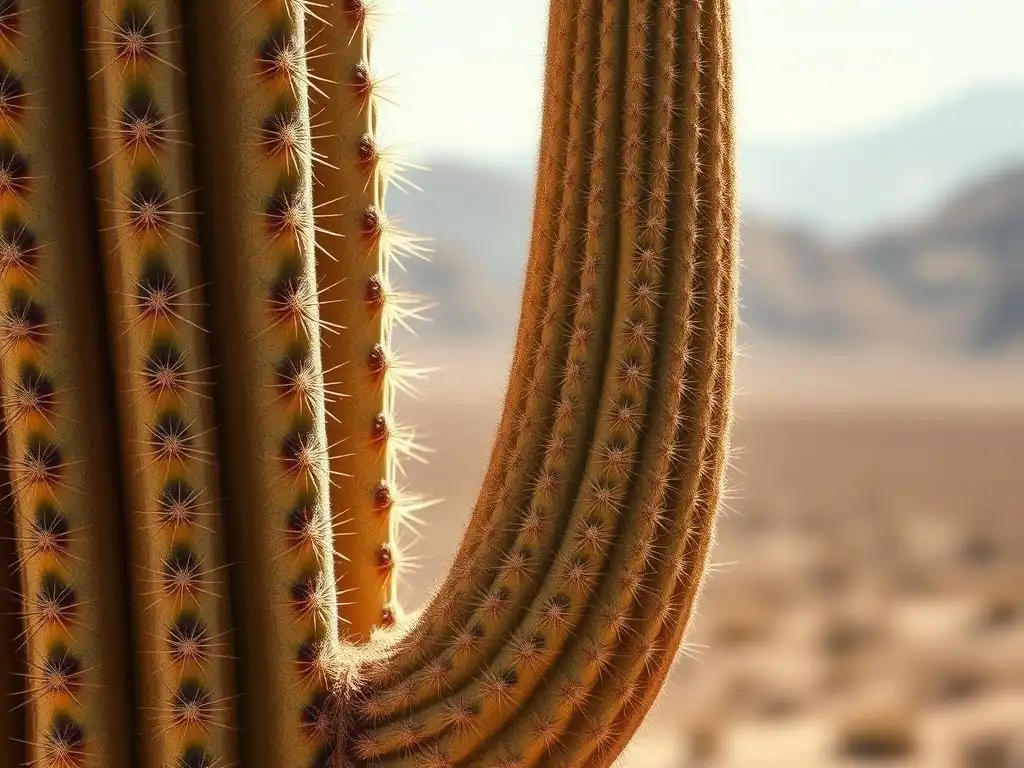
Cacti, masters of survival in arid environments, owe much of their success to their remarkable adaptations. One of the most striking and crucial of these adaptations is the presence of spines. Far from being mere decorative features, spines play a vital role in the cacti's ability to thrive in harsh, water-scarce conditions. Their function extends beyond simple defense, contributing significantly to the plant's overall water balance and survival strategy.
This section delves into the multifaceted role of spines in cacti's remarkable resilience in arid climates, exploring their contribution to both defense and water conservation. Understanding these mechanisms provides crucial insight into the evolutionary success of cacti and their ability to colonize some of the world's most challenging environments. The term "Cacti survival arid environments" perfectly encapsulates this critical aspect of their biology.
Protection from Herbivores: A Key Defense Mechanism
Spines serve as the cacti's primary defense against herbivores. In arid regions, where plant life is sparse, cacti are a valuable food source for many animals. The sharp, often densely packed spines act as a formidable deterrent, preventing browsing by animals ranging from insects and rodents to larger mammals. The density and morphology of spines vary greatly between cacti species, reflecting the specific herbivore pressures they face in their respective habitats. For example, cacti in areas with high populations of grazing mammals tend to have longer, denser spines compared to those in regions with fewer herbivores.
The effectiveness of spines as a defense mechanism is further enhanced by their chemical composition. Some cactus spines contain toxic compounds or irritants that deter animals from consuming them, providing an additional layer of protection beyond the physical barrier.
This chemical defense, combined with the physical deterrent of the spines themselves, significantly reduces the risk of predation, allowing the cactus to conserve its precious water resources and survive long periods of drought. This intricate interplay between physical and chemical defense mechanisms is a testament to the remarkable evolutionary adaptations that have allowed cacti to thrive in arid and semi-arid ecosystems.
Reducing Water Loss: The Role of Spines in Shade and Microclimate Creation
Beyond their protective function, spines also play a crucial role in reducing water loss through transpiration. While seemingly counterintuitive, the dense network of spines creates a microclimate around the cactus, providing shade and reducing the intensity of solar radiation on the plant's surface. This shade minimizes water loss through evaporation from the stem and reduces the overall temperature of the cactus, enhancing its water use efficiency.
The effect is particularly pronounced in desert environments where intense sunlight and high temperatures can lead to significant water loss. The spines effectively create a small, cooler microclimate around the cactus, allowing it to maintain a more favorable temperature and reducing the rate of transpiration. Studies have shown that cacti with denser spine coverage exhibit lower rates of water loss compared to those with sparser spines, highlighting the importance of this adaptation in their survival in arid environments.
The strategic placement and density of spines are finely tuned to optimize shade creation and water conservation, reflecting the intricate relationship between morphology and physiology in cacti's remarkable adaptation to aridity. This illustrates a vital aspect of "Cacti survival arid environments" – a strategy that goes beyond simple defense.
Water Conservation Strategies in Cacti

Cacti, members of the Cactaceae family, are masters of survival in arid environments. Their success hinges on a suite of highly specialized adaptations designed to conserve water, a precious resource in deserts and other dry habitats. These adaptations, honed over millennia of evolution, allow cacti to thrive where many other plants would perish.
This section will delve into the key strategies employed by cacti for water conservation, focusing on their unique anatomical features and metabolic processes. Understanding these mechanisms offers valuable insights into the remarkable resilience of these plants, and provides crucial knowledge for successful cacti cultivation, even outside their natural habitats. Optimizing your cacti care involves understanding how these plants naturally conserve water in arid conditions.
Succulent Stems: Efficient Water Storage Organs
One of the most striking features of cacti is their succulent stems. Unlike many other plants that store water primarily in their roots or leaves, cacti have evolved thick, fleshy stems that act as enormous water reservoirs. This adaptation is crucial for surviving prolonged periods of drought.
The stems' structure itself contributes to water retention. The outer epidermis is often covered with a thick, waxy cuticle that minimizes water loss through transpiration. Furthermore, the internal structure of the stem is composed of specialized parenchyma cells with large vacuoles capable of holding significant amounts of water.
This efficient storage system allows cacti to endure long dry spells, drawing upon their stored water reserves when necessary. The size and shape of the stem vary greatly depending on the species, reflecting different strategies for water storage and heat dissipation. For example, columnar cacti like Saguaro ( Carnegiea gigantea) possess massive stems capable of holding hundreds of gallons of water, while smaller, globular species like Mammillaria employ a more compact water storage strategy.
CAM Photosynthesis: A Specialized Metabolic Pathway for Water Conservation
Cacti utilize Crassulacean Acid Metabolism (CAM) photosynthesis, a unique metabolic pathway that minimizes water loss during carbon dioxide uptake. Unlike C3 and C4 plants, which open their stomata (tiny pores on leaves) during the day to absorb CO2, cacti open their stomata at night when the air is cooler and less humid. This nocturnal CO2 uptake reduces water loss through transpiration significantly. During the night, cacti absorb CO2 and store it as malic acid in their vacuoles.
During the day, when the stomata are closed to prevent water loss, the stored malic acid is broken down, releasing CO2 for photosynthesis. This ingenious mechanism allows cacti to photosynthesize efficiently while minimizing water loss, a critical adaptation for survival in arid environments. The efficiency of CAM photosynthesis varies across different cacti species, reflecting their diverse ecological niches and environmental pressures.
Deep Root Systems: Accessing Groundwater Resources
Many cacti species have developed extensive and deep root systems that enable them to access groundwater resources unavailable to plants with shallower roots. These deep roots can tap into underground water tables, providing a consistent source of moisture even during prolonged droughts. Furthermore, some cacti species exhibit a fascinating root system plasticity, altering their root architecture in response to rainfall events.
After a rain, shallow, temporary roots may develop to rapidly absorb surface water, while the deeper, permanent roots continue to provide a long-term water supply. The type and extent of the root system vary considerably among cacti species, reflecting adaptations to different soil types and water availability.
Understanding the root systems of various cacti species is essential for successful cultivation, as it informs appropriate planting depths and watering strategies. For instance, cacti with deep taproots require deeper planting and less frequent watering compared to species with more extensive, shallow root systems.
Cacti's Reproductive Strategies in Arid Climates
Cacti, masters of survival in arid environments, have evolved sophisticated reproductive strategies to maximize their chances of propagation in harsh, water-scarce conditions. These strategies, honed over millennia, involve a delicate balance of energy conservation and opportunistic reproduction, focusing on maximizing the chances of successful offspring establishment. Understanding these mechanisms is key to appreciating the remarkable resilience of cacti in their challenging habitats. The keyword "Cacti survival arid environments" is central to this discussion, as reproductive success directly contributes to the overall survival of the species.
Flowering and Pollination in Desert Environments
Flowering in cacti is a carefully orchestrated event, often triggered by specific environmental cues like rainfall or temperature changes. Many species exhibit a remarkable ability to conserve energy by only flowering when conditions are most favorable, minimizing water loss during the reproductive process. The timing of flowering is crucial; it must coincide with the availability of pollinators, which are often scarce in desert ecosystems.
Consider the Carnegiea gigantea (Saguaro cactus), a majestic desert icon. Its stunning white flowers, which bloom at night, are specifically adapted to attract nocturnal pollinators like bats and moths. These pollinators, drawn to the cactus's sweet nectar and strong aroma, inadvertently transfer pollen between individual cacti, facilitating cross-pollination and genetic diversity—a crucial factor for long-term survival in unpredictable environments. The Saguaro's reproductive strategy showcases a remarkable adaptation to the limited resources and specific pollinator availability in its environment.
Conversely, some cacti species rely on diurnal pollinators such as bees and hummingbirds. These species often have brightly colored flowers and are adapted to attract these pollinators during the day. The precise timing and mechanisms of flowering are finely tuned to the specific ecological context, highlighting the diversity of reproductive strategies within the Cactaceae family.
Seed Dispersal Mechanisms: Ensuring Successful Reproduction
Once pollination is successful, the production and dispersal of seeds are equally critical for the continuation of the species. Cacti employ various strategies for seed dispersal, each designed to increase the likelihood of successful seedling establishment in the harsh desert environment.
One common strategy is wind dispersal. Many cacti produce lightweight seeds with fluffy appendages (pappus) that catch the wind, carrying them away from the parent plant. This reduces competition for resources and increases the chances of finding a suitable microhabitat for germination. This mechanism is particularly effective in open desert landscapes.
Other cacti rely on animal dispersal. Their fruits are often fleshy and attract birds and other animals that consume them. The seeds, protected by a tough outer coat, pass through the animal's digestive system unharmed and are deposited in the animal's droppings, often some distance from the parent plant. This method of dispersal provides both transportation and nutrient enrichment to the seedling's initial environment. The effectiveness of this strategy depends on the availability of seed-dispersing animals in the ecosystem.
Some cacti even employ a combination of strategies. For instance, the seeds of certain species might be dispersed by both wind and animals, maximizing their chances of successful establishment in a variety of microhabitats. The diversity of seed dispersal mechanisms within the Cactaceae family reflects the complex interplay between environmental conditions and the evolutionary pressures faced by these remarkable plants. The efficiency of these mechanisms directly contributes to their ability to thrive and reproduce in arid environments. Understanding these adaptations helps us appreciate the intricate strategies cacti employ to ensure their survival.
Examples of Cacti Adapted to Extreme Aridity

Cacti, members of the Cactaceae family, are quintessential examples of plants thriving in arid environments. Their remarkable success in these challenging conditions is a testament to their sophisticated adaptations. Understanding these adaptations is key to appreciating their resilience and cultivating them successfully, even in less extreme climates. This section will explore specific examples of cacti and their unique strategies for survival in arid regions, highlighting the key mechanisms that allow for water conservation and efficient resource utilization. The ability to endure prolonged drought, intense sunlight, and fluctuating temperatures is a hallmark of cacti survival in arid environments.
Adaptations in Saguaro Cactus ( Carnegiea gigantea)
The iconic Saguaro cactus, a symbol of the Sonoran Desert, showcases impressive adaptations for arid survival. Its massive size, reaching heights of up to 40 feet, is not a sign of inefficiency, but rather a testament to its water storage capacity. The Saguaro's pleated stem acts like an accordion, expanding to store vast quantities of water during infrequent rainfall events. This water is then slowly released throughout extended dry periods.
Furthermore, the Saguaro's shallow, extensive root system efficiently captures even minimal precipitation. While it possesses a taproot that anchors it, the majority of its roots are spread horizontally near the surface, maximizing water absorption from surface runoff. This remarkable root system, coupled with its water-storing capacity, allows the Saguaro to endure years of drought. Additionally, its thick, waxy epidermis minimizes water loss through transpiration, a crucial adaptation in the harsh desert climate. The Saguaro's spines provide some shade, reducing the impact of direct sunlight and further minimizing water loss.
Adaptations in Barrel Cactus ( Echinocactus grusonii)
The Barrel Cactus, with its distinctive barrel shape, employs a different strategy for arid survival. Its spherical form minimizes surface area relative to volume, reducing water loss through transpiration. The ribs on its surface allow for expansion and contraction as it absorbs and releases water, similar to the Saguaro's pleated stem, albeit on a smaller scale.
Another key adaptation is the Barrel Cactus's dense covering of spines. These spines not only protect it from herbivores but also create a microclimate around the cactus, reducing air circulation and minimizing water loss. The spines also provide some shade, preventing excessive heating of the plant's surface. The Barrel Cactus's deep taproot allows it to access groundwater sources unavailable to shallower-rooted plants, further enhancing its drought tolerance. Its ability to survive for extended periods with minimal water intake is a testament to its remarkable physiological efficiency.
Adaptations in Prickly Pear Cactus ( Opuntia species)
Prickly Pear cacti, a diverse genus within the Cactaceae family, exhibit a range of adaptations tailored to specific arid environments. Many species possess flattened pads (cladodes) instead of cylindrical stems, increasing surface area for photosynthesis while still maintaining a relatively low surface area-to-volume ratio for water conservation. These pads are also capable of storing water.
Unlike the Saguaro and Barrel Cactus, many Opuntia species have a more superficial root system, focusing on rapid absorption of surface runoff. Their spines, like those of other cacti, serve a dual purpose of protection and microclimate regulation. Some Opuntia species have developed specialized adaptations, such as deciduous behavior (shedding pads during drought), to further reduce water loss during extremely dry periods. The remarkable diversity within the Opuntia genus underscores the adaptability of cacti to a wide range of arid conditions, showcasing the diverse strategies for cacti survival in arid environments.
The examples above illustrate the remarkable diversity of adaptations found within the Cactaceae family. These adaptations, ranging from water storage mechanisms to specialized root systems and spine structures, are critical for cacti survival in arid environments, allowing them to thrive in some of the most challenging habitats on Earth. Further research into these fascinating plants continues to reveal new insights into their remarkable resilience and ability to flourish in water-scarce regions.
The Importance of Cacti in Arid Ecosystems

Cacti are not merely aesthetically pleasing additions to desert landscapes; they play a crucial role in the delicate balance of arid ecosystems. Their survival strategies, honed over millennia, have made them keystone species, fundamentally shaping the environment and supporting a surprising level of biodiversity. Understanding these contributions is vital to appreciating the importance of cacti conservation efforts and the fragility of these unique habitats. The term "Cacti survival arid environments" highlights this critical relationship.
Cacti as Keystone Species: Supporting Biodiversity
Cacti's influence on biodiversity is multifaceted. Their physical structure provides crucial habitat for a wide range of organisms. The spines, while a defense mechanism for the cactus itself, offer shelter and protection from predators for small animals like insects, lizards, and birds. The dense, interwoven network of spines can create microhabitats, providing shade and protection from the harsh desert sun. Furthermore, the flowers of many cacti species are a vital food source for pollinators, such as bees, bats, and hummingbirds. These pollinators, in turn, support the wider ecosystem.
The role of cacti in supporting biodiversity extends beyond providing physical shelter and food. Their extensive root systems help stabilize the soil, preventing erosion in these often fragile environments. This soil stabilization is critical for maintaining the overall health of the ecosystem, preventing desertification, and supporting other plant species.
Some cacti, like the saguaro, even provide nesting sites for birds, further enhancing biodiversity and creating a complex web of interconnected life. The interconnectedness of these relationships emphasizes the vital role that cacti play in the health of arid ecosystems, making "cacti survival arid environments" a phrase that encapsulates far more than just the plant's own persistence.
Cacti and Human Uses: Traditional and Modern Applications
Beyond their ecological importance, cacti have a long history of human use, reflecting their adaptability and value to various cultures. Many indigenous communities throughout the Americas have relied on cacti for sustenance, medicine, and building materials for centuries. The fruits of certain cacti species, such as prickly pear, are a rich source of vitamins and nutrients, providing a valuable food source in arid regions. The pads (nopales) are also consumed, either cooked or raw, and are a staple in many cuisines.
Moreover, certain cacti species have been used for medicinal purposes, with extracts possessing potential antimicrobial and anti-inflammatory properties. Traditional uses often involve preparing infusions or poultices from cactus parts to treat various ailments. Modern research is exploring the potential of these traditional uses, seeking to validate their effectiveness and identify the active compounds responsible for their therapeutic effects.
This ongoing research underscores the continued relevance of cacti in both traditional and modern contexts, broadening the understanding of "cacti survival arid environments" to include its vital role in human history and well-being. The sustainable harvesting and responsible use of these plants are crucial to ensure their continued contribution to both ecological and human needs.
Cultivating Cacti: Mimicking Their Natural Environment
This section delves into the crucial aspects of cultivating cacti, focusing on how to replicate their natural arid environments to ensure thriving growth. Understanding the specific needs of cacti—their adaptations for survival in harsh conditions—is key to successful cultivation, whether indoors or outdoors. Successfully mimicking these conditions is the secret to cacti survival in arid environments, even in a home setting. We'll explore the essential elements: water, soil, light, and temperature.
Watering and Soil Requirements for Optimal Growth
Cacti are masters of water conservation, designed to thrive in environments with minimal rainfall. Overwatering is a common mistake that leads to root rot and ultimately, plant death. Therefore, understanding their watering needs is paramount for cacti survival in arid environments, whether natural or simulated.
The frequency of watering depends heavily on several factors including the season, pot size, type of soil, and the cactus species itself. Generally, during the growing season (spring and summer), allow the soil to dry out completely between waterings. This means checking the soil moisture with your finger; if the top inch or two is dry, it's time to water. Thoroughly soak the soil until water drains from the drainage holes, then allow the excess to drain completely. Avoid letting the pot sit in standing water.
During the dormant season (autumn and winter), significantly reduce watering frequency. Many cacti require only a minimal amount of water, or even none at all, during this period. Overwatering during dormancy is particularly detrimental, leading to fungal diseases and root rot.
The ideal soil for cacti is well-draining and porous. A commercially available cactus and succulent potting mix is a good starting point. You can further improve drainage by adding perlite, pumice, or coarse sand to the mix. This ensures that excess water doesn't accumulate around the roots, preventing waterlogged conditions which are detrimental to cacti survival in arid environments.
Here's a simple table summarizing watering guidelines:
| Season | Watering Frequency | Soil Moisture Check |
|---|---|---|
| Spring/Summer | Allow soil to dry completely | Top 1-2 inches dry |
| Autumn/Winter | Minimal or infrequent watering | Very dry to the touch |
Remember, it's always better to underwater than overwater a cactus. Observing your cactus's appearance is crucial; signs of overwatering include shriveled stems, yellowing, and soft, mushy areas.
Light and Temperature Considerations for Indoor and Outdoor Cultivation
Cacti are sun-worshippers, adapted to thrive under intense sunlight. Providing adequate light is crucial for their health and survival, mimicking their natural arid environments. Insufficient light leads to etiolation (leggy growth) and weakens the plant, making it susceptible to diseases.
Outdoor cultivation provides the most natural light conditions, especially in regions with ample sunshine. Ideally, place your cacti in a location that receives at least six hours of direct sunlight daily. However, be mindful of the intensity of midday sun, particularly during the hottest months, as it can scorch sensitive cacti. Providing some afternoon shade during the hottest part of the day might be beneficial.
Indoor cultivation requires careful consideration of light sources. A south-facing window is usually the best option, but even then, supplemental lighting may be necessary, especially during winter months. Grow lights specifically designed for plants can provide the necessary intensity and spectrum of light for optimal growth.
Temperature also plays a vital role in cacti survival in arid environments. While they can tolerate high temperatures, extreme fluctuations and freezing temperatures can be detrimental. During winter, it's essential to protect cacti from frost. In colder climates, bringing them indoors or providing protection from the elements is crucial. Optimal temperature ranges vary depending on the species, but generally, cacti prefer daytime temperatures between 70-90°F (21-32°C) and slightly cooler nighttime temperatures. Consistent temperatures are generally better than large temperature swings. Understanding these requirements is key to successful cacti cultivation and ensures their survival in otherwise less-than-ideal conditions.
Frequently Asked Questions
What adaptations allow cacti to survive in arid environments?
Cacti have several key adaptations. Their fleshy stems store water, and spines reduce water loss and provide shade. Extensive root systems quickly absorb rainfall.
How do cacti conserve water?
Cacti employ various water conservation strategies. They have a thick, waxy cuticle to minimize transpiration, and their stomata (pores) open only at night. CAM photosynthesis allows them to fix carbon dioxide at night, conserving water during the day.
Are all succulents cacti?
No, not all succulents are cacti, but all cacti are succulents. Cacti are a specific family of succulents characterized by areoles (specialized structures bearing spines). Many other plant families exhibit succulent characteristics.
What is the role of spines on a cactus?
Cactus spines serve multiple crucial functions. They reduce water loss through transpiration by creating shade. They also deter herbivores, protecting the plant from being eaten.
How do cacti reproduce in arid climates?
Cacti utilize various reproductive strategies. Many rely on wind pollination for seed dispersal, while others utilize animal pollination. Some also reproduce vegetatively, through offsets or cuttings.
Final Reflection: The Enduring Legacy of Cacti in Arid Lands
The remarkable resilience of cacti in the face of extreme drought offers a powerful metaphor for our own capacity to adapt and thrive in challenging circumstances. Their survival strategies, honed over millennia, are not merely botanical curiosities; they hold valuable lessons for understanding ecological balance and even human ingenuity in a world increasingly marked by climate change and resource scarcity.
The cacti's ability to flourish where others fail profoundly impacts the delicate ecosystems of arid regions. They provide crucial habitat and sustenance for a diverse range of animals, highlighting the interconnectedness of life even in the harshest environments. Their very existence challenges our anthropocentric view of what constitutes "success," reminding us that thriving doesn't always mean abundance, but rather a harmonious relationship with one's surroundings. The desert teaches the value of silence and the importance of being still.
- This quote, while not directly about cacti, perfectly encapsulates the quiet strength and adaptation found in these remarkable plants.
Consider the cacti's ingenuity – their water-storing capabilities, their modified leaves minimizing water loss, their deep root systems reaching for hidden moisture. These are not merely biological adaptations; they are testaments to the power of resilience and the beauty of finding solutions in the face of adversity. You, too, possess an inner resilience, a capacity to adapt and overcome challenges. Reflect on your own "desert moments"—those times when resources felt scarce, and consider how the lessons of the cacti might inspire your own journey towards thriving, not just surviving.
Unleash Your Inner Desert Gardener: Cultivate Your Cacti Kingdom!
Thanks for exploring the fascinating world of cacti with us! We hope you've gained a deeper appreciation for their incredible adaptations to arid environments. Now it's time to put your knowledge into practice.
Here's how you can nurture your own thriving cacti collection:
- Start with a cactus you love: Choose a species that excites you and suits your environment. Don't be afraid to try something unusual—you might discover a new favorite plant!
- Share your cactus journey: Inspire others by posting a photo of your cactus on social media using #SucculentEssentials and #CactusKingdom.
- Research your cactus's specific care needs: Understanding your cactus's unique requirements will ensure a long and healthy life for your plant.
Ready to embark on your own desert gardening adventure? Which cactus will you choose to welcome into your home, and why?