
The Importance of Seed Freshness in Succulent Propagation

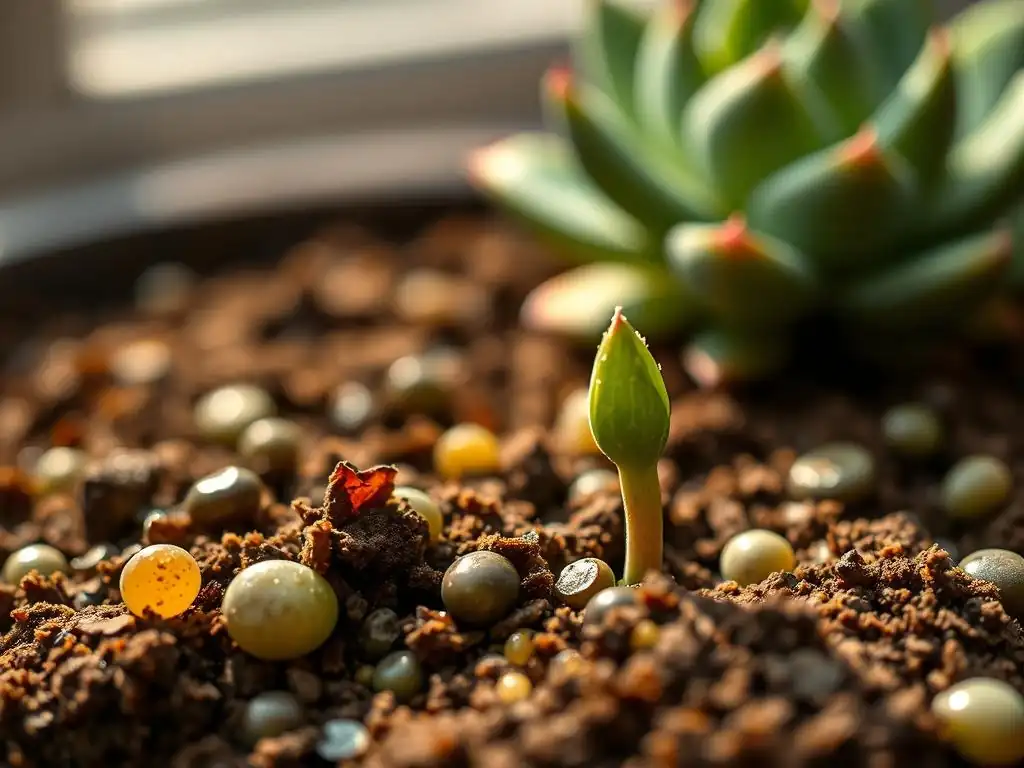
Welcome to SucculentEssentials.org, where the fascinating world of succulents unfolds before you! Are you ready to unlock the secrets to cultivating these resilient beauties? We delve into the intriguing art of succulent propagation, and this journey begins with a crucial element: fresh succulent seeds. Discover why seed freshness is paramount for successful propagation and learn how to cultivate your own thriving succulent collection. Dive in and explore the vital role of seed quality in achieving vibrant, healthy plants – your succulent adventure starts now!
- Understanding the Impact of Seed Age on Succulent Germination Rates
- Sourcing Fresh Succulent Seeds for Successful Propagation
- Practical Techniques for Propagating Succulents from Fresh Seeds
- Troubleshooting Issues with Old or Low-Viability Seeds
- Maximizing Success with Fresh Succulent Seeds: Best Practices
- Frequently Asked Questions
- Final Reflection: Cultivating Success Through Freshness
- Unlock Your Succulent's Full Potential: Start Growing Today!
Understanding the Impact of Seed Age on Succulent Germination Rates
Successfully propagating succulents from seed offers a rewarding and cost-effective way to expand your collection and experiment with diverse varieties. However, the journey from seed to thriving succulent hinges significantly on a crucial factor often overlooked: seed freshness. This article delves into the importance of using fresh succulent seeds for optimal germination rates, exploring the science behind seed viability and providing practical tips for maximizing your propagation success. We'll examine how seed storage conditions affect germination, and discuss factors that influence how long succulent seeds remain viable.
Mastering this fundamental aspect of succulent propagation will dramatically increase your chances of cultivating healthy and robust plants from seed, transforming your propagation efforts from a gamble to a predictable and fruitful endeavor. Let's explore the science behind achieving high germination rates with fresh succulent seeds. 🌱
Seed Viability and Germination Percentage: The Crucial Link
Seed viability, simply put, refers to a seed's ability to germinate and grow into a healthy plant. This capacity is directly correlated to the seed's age and the conditions under which it has been stored. Fresh succulent seeds boast a significantly higher viability rate compared to older seeds.
For example, a batch of freshly harvested Echeveria seeds might exhibit a germination rate exceeding 80%, while the same species' seeds stored improperly for a year might show a germination rate as low as 20% or even less. This dramatic decrease is due to the natural degradation of the embryo within the seed over time. The longer a seed is stored, the more likely its internal structures – crucial for germination – are to deteriorate, leading to reduced germination potential or complete failure to germinate.
Understanding this crucial link between seed viability and germination percentage is paramount for any serious succulent propagator. The higher the viability, the greater your chances of successful propagation.
How Seed Storage Affects Succulent Seed Germination
Proper seed storage is critical for maintaining seed viability. Improper storage dramatically accelerates the decline in germination rates. Factors like temperature, humidity, and light exposure all play significant roles. Ideally, succulent seeds should be stored in a cool, dark, and dry environment. A cool refrigerator (around 4°C or 39°F) is often recommended for long-term storage, although it's crucial to ensure the seeds are stored in airtight containers with desiccant packets to absorb moisture and prevent mold growth.
Exposure to excessive heat, moisture, or light can quickly degrade the seed's internal components, rendering them non-viable. Conversely, seeds stored under optimal conditions can retain a high percentage of their viability for several months, sometimes even years, depending on the species. However, even with proper storage, a gradual decline in viability is inevitable. For best results, always prioritize using the freshest seeds possible.
Factors Influencing Seed Freshness and Longevity
Several factors influence how long succulent seeds remain fresh and viable. These include:
- Seed Species: Different succulent species have varying seed longevity. Some species’ seeds retain viability for longer periods than others. [Specific data on seed longevity for various succulent species pending]
- Harvesting Method: Proper harvesting techniques are critical. Seeds should be collected when fully ripe but before they begin to disperse. [Detailed explanation of proper seed harvesting techniques pending]
- Seed Processing: Cleaning and drying seeds appropriately after harvesting helps to prevent mold and microbial growth, which can compromise viability. [Specific instructions on seed processing pending].
- Storage Conditions: As previously mentioned, maintaining optimal storage conditions (cool, dark, dry) is crucial for extending seed longevity. Even minor variations in these conditions can significantly impact seed viability.
By understanding and addressing these factors, succulent enthusiasts can significantly improve their success rates in propagating these fascinating plants from seed. Using fresh, well-stored seeds is the cornerstone of successful succulent propagation from seed.
Sourcing Fresh Succulent Seeds for Successful Propagation
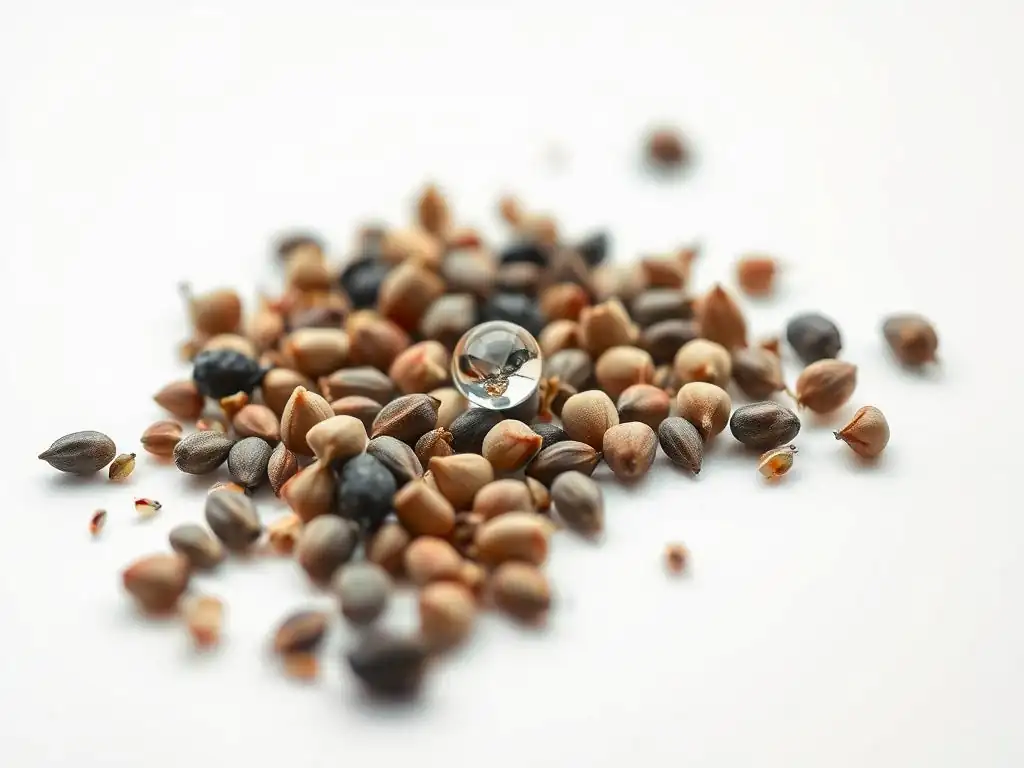
Sourcing fresh succulent seeds is paramount for successful propagation. The viability of seeds—their ability to germinate and grow—declines rapidly after harvest. Using old or improperly stored seeds significantly reduces your chances of achieving a thriving succulent nursery. This section will guide you through identifying reliable suppliers and recognizing the hallmarks of high-quality, fresh seeds. Remember, investing in fresh fresh succulent seeds directly impacts your propagation success rate.
Identifying Reliable Suppliers of Fresh Succulent Seeds
Choosing your seed supplier carefully is crucial. Avoid purchasing seeds from unknown sources or online marketplaces without established reputations, as the age and quality of the seeds cannot be guaranteed. Look for suppliers specializing in succulents, ideally those with detailed descriptions of their seed sourcing and storage practices. Reputation is key; check online reviews and forums for feedback from other succulent enthusiasts on their experiences with different suppliers. Consider these factors when evaluating potential suppliers:
- Seed Source Transparency: Reputable suppliers will openly disclose the origin of their seeds (e.g., specific plant cultivar, geographic location). This transparency helps ensure the seeds are not only fresh but also correctly identified.
- Seed Storage Information: Look for information about how the supplier stores their seeds. Proper storage is vital for maintaining seed viability. Suppliers should mention methods like cool, dark, and dry storage to minimize degradation.
- Germination Rates: Some suppliers will provide germination rate data for their seeds. While not a perfect indicator of freshness, a high germination rate suggests the seeds are likely viable.
- Customer Service: A responsive and helpful customer service team shows a commitment to quality and customer satisfaction. They should be willing to answer your questions about seed sourcing and storage.
Recognizing Signs of Fresh and High-Quality Succulent Seeds
Even from a reputable supplier, it's essential to visually inspect the seeds upon arrival. Fresh succulent seeds generally exhibit certain characteristics:
- Color and Appearance: The seeds should have a consistent color appropriate for the species; avoid seeds that are discolored, dull, or show signs of damage (e.g., mold, insect infestation). The color should be vibrant and consistent with the species description provided by the supplier.
- Size and Weight: For a given species, the seeds should be uniformly sized and have a plump, firm appearance, rather than being shrunken or lightweight. This indicates proper hydration and maturity at harvest.
- Packaging: The seeds should be packaged appropriately to prevent damage and moisture absorption. Look for airtight, moisture-proof packaging that protects the seeds from light and humidity. Avoid packages showing signs of damage or leakage.
Consider using a magnifying glass for a closer inspection, particularly with smaller seeds. A few slightly damaged seeds in a batch is not uncommon, but an excessive number suggests poor quality or inadequate storage. If you notice any concerning signs, contact the supplier immediately.
Tips for Storing Freshly Purchased Succulent Seeds
Once you've received your fresh succulent seeds, proper storage is crucial for maintaining their viability. Store them in a cool, dark, and dry place. Ideal conditions include a temperature between 33-41°F (0-5°C) and low humidity. Avoid storing seeds in direct sunlight or near sources of heat or moisture.
- Airtight Containers: Use airtight containers made of glass or food-grade plastic to prevent moisture absorption and insect infestation. Label the containers clearly with the species name, date of purchase, and the quantity of seeds.
- Desiccants: Consider including a desiccant packet (silica gel) in the container to absorb excess moisture and help prevent mold growth.
- Regular Checks: Periodically check your seeds for any signs of damage or infestation. Discard any seeds that show signs of deterioration. Proper storage can significantly extend the viability of your fresh succulent seeds allowing for planting throughout the growing season.
Remember, proactive seed management is vital for successful succulent propagation. By carefully selecting your suppliers and properly storing your seeds, you significantly increase your chances of achieving high germination rates and a flourishing succulent collection.
Practical Techniques for Propagating Succulents from Fresh Seeds
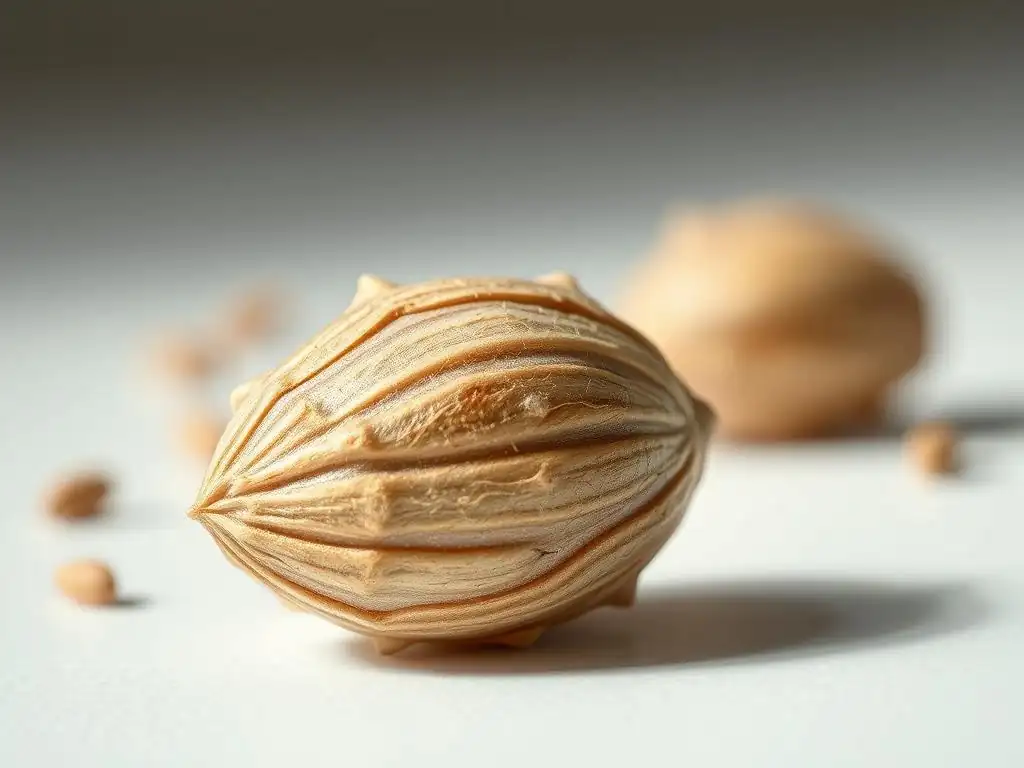
This section delves into the practical aspects of propagating succulents from fresh seeds, emphasizing the crucial role of seed freshness in achieving high germination rates. We'll explore techniques that maximize your chances of success, from preparing the ideal seed-starting mix to maintaining optimal environmental conditions. Using fresh succulent seeds significantly increases your chances of propagation success compared to older seeds, which may have reduced viability or be prone to fungal diseases. Remember, the fresher the seeds, the better your results.
Preparing the Seed Starting Mix for Optimal Germination
The foundation of successful succulent seed propagation lies in the seed-starting mix. Using the wrong medium can lead to damping-off (a fungal disease that kills seedlings), poor drainage, or compacted soil hindering root development. A well-draining, sterile mix is paramount. Avoid using garden soil, as it often contains pathogens and may not provide the necessary aeration.
Here's a recipe for a suitable seed-starting mix:
- 1 part perlite: This volcanic glass provides excellent drainage and aeration, preventing waterlogging.
- 1 part vermiculite: This mineral expands when wet, retaining moisture while still allowing for good airflow.
- 2 parts finely sifted peat moss: This organic material provides essential nutrients and moisture retention, but it's crucial to sift it to remove any large chunks that could impede drainage.
Thoroughly mix these components. You can also add a small amount of coarse sand for extra drainage. Sterilizing the mix is recommended to prevent fungal issues. This can be done by microwaving the mix for a few minutes or baking it in the oven at a low temperature (around 180°F/82°C) for about 30 minutes. Allow the mix to cool completely before use. The key is to create a lightweight, airy mix that retains some moisture without becoming soggy. This balance is crucial for healthy seedling development, maximizing your chances for fresh succulent seeds propagation.
Sowing Fresh Succulent Seeds: A Step-by-Step Guide
Sowing fresh succulent seeds requires precision and gentle handling. Here's a detailed step-by-step guide to ensure optimal germination:
- Choose your containers: Small, shallow containers with drainage holes are ideal. Seed trays or individual small pots work well.
- Fill the containers: Fill your chosen containers with the prepared seed-starting mix, leaving about ½ inch of space from the top. Gently firm the mix down.
- Sow the seeds: Succulent seeds are tiny! Scatter them thinly and evenly across the surface of the mix. Avoid overcrowding, as this can lead to competition for resources and increased risk of damping-off.
- Cover (or not): Some succulent seeds require light to germinate, while others benefit from darkness. Check the specific needs of your succulent species. For those requiring light, simply press the seeds gently into the surface. For those that need darkness, lightly cover the seeds with a thin layer of the seed-starting mix.
- Water gently: Use a fine mist spray bottle to gently water the seeds. Avoid overwatering, which can wash away the seeds or lead to fungal growth.
- Label and cover: Label your containers clearly with the species name and sowing date. Cover the containers with a clear plastic lid or plastic wrap to maintain humidity. This creates a mini-greenhouse effect, promoting germination.
Following these steps precisely increases your chances of successful fresh succulent seeds propagation. Remember to always refer to the specific requirements of your chosen succulent species for optimal results.
Maintaining Optimal Environmental Conditions for Germination
Maintaining the right environment is crucial for successful germination. Temperature, light, and humidity play significant roles in the germination process. Fresh succulent seeds, because of their higher viability, are less susceptible to environmental fluctuations but still benefit from ideal conditions.
- Temperature: Most succulents germinate best at temperatures between 65-75°F (18-24°C). Avoid extreme temperatures, as they can damage or kill the seedlings. A warm, consistently temperature room is ideal.
- Light: Light requirements vary depending on the species. Some seeds need bright, indirect light, while others prefer partial shade. Avoid direct sunlight, which can scorch delicate seedlings. Check the specific light requirements of your succulent type.
- Humidity: High humidity is essential during the initial germination phase. The plastic cover mentioned above helps maintain humidity. However, regularly check for condensation and remove the cover for short periods to allow for ventilation and prevent fungal growth. Good airflow is essential, particularly when using a humidity dome. This balance of humidity and airflow is crucial for fresh succulent seeds propagation.
Regularly monitor your seedlings for signs of germination. Once seedlings emerge, gradually reduce the humidity and increase ventilation to harden off the young plants. Patience and attention to detail are key to successful succulent propagation from fresh seeds. Remember, consistent monitoring and care greatly improve your chances of success.
Troubleshooting Issues with Old or Low-Viability Seeds
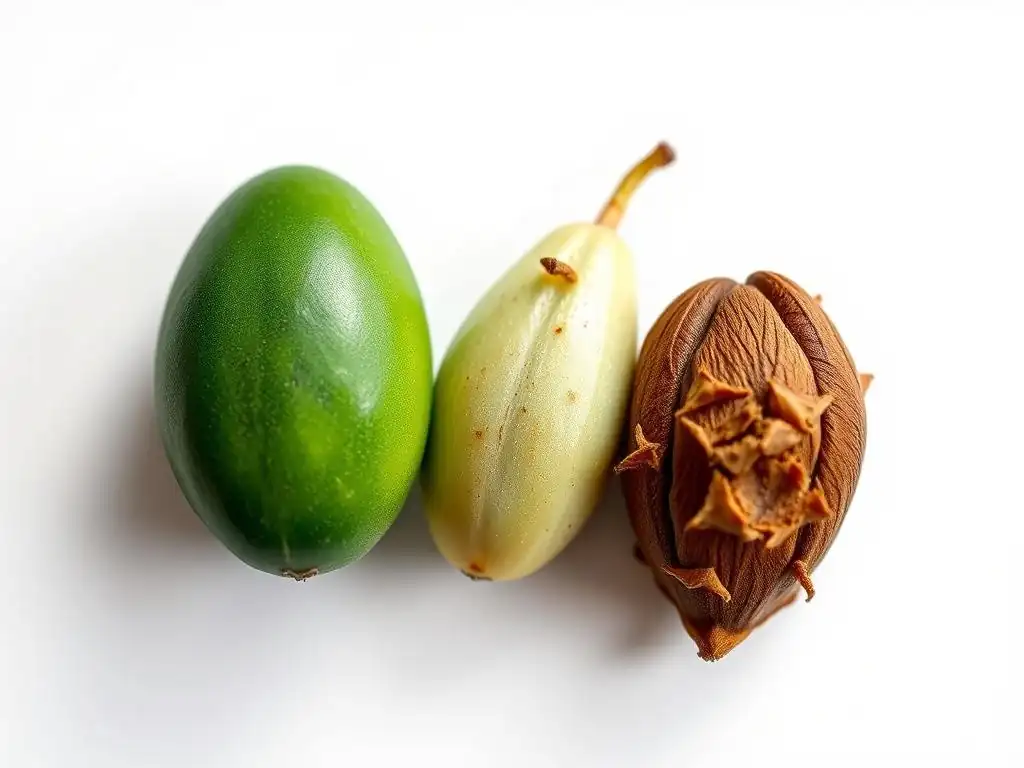
This section focuses on identifying and addressing problems encountered when using old or low-viability succulent seeds for propagation. The success rate of fresh succulent seeds propagation hinges significantly on seed quality. Age dramatically impacts germination rates, leading to frustration for even experienced succulent enthusiasts. Understanding the telltale signs of poor seed quality and employing appropriate strategies are crucial for maximizing your chances of success.
Identifying Signs of Poor Germination Due to Seed Age
One of the most significant challenges in succulent propagation from seed is discerning the quality of the seeds before sowing. While visually inspecting seeds can offer some clues, it's not foolproof. However, certain indicators strongly suggest compromised viability due to age or improper storage.
Several signs point towards poor germination potential stemming from seed age:
- Low Germination Rates: The most obvious sign is a significantly lower germination rate than expected. For instance, if a packet boasts a 90% germination rate, but you only see 10-20% germination after following all recommended procedures, seed age is a prime suspect. This is especially true if you're using seeds that are several years old.
- Delayed Germination: Even if some seeds germinate, a prolonged period before germination occurs is another red flag. Fresh seeds typically germinate within a predictable timeframe, depending on the species. Substantial delays indicate reduced vigor and potentially compromised viability.
- Weak Seedlings: Seedlings emerging from older seeds often appear weak and underdeveloped. They may be smaller, paler, and slower-growing compared to seedlings from fresh seeds. This reduced vigor makes them more susceptible to diseases and pests.
- High Mortality Rate: A high mortality rate among the germinated seedlings is a clear sign of poor seed quality. Weak seedlings are more likely to succumb to environmental stresses or fungal infections.
- Physical Appearance: While not always definitive, older seeds may exhibit physical changes. They might appear dull, discolored, or shriveled compared to their fresh counterparts. However, many viable seeds may look perfectly normal even after several years.
Strategies for Improving Germination Rates with Less-Than-Fresh Seeds
While using fresh seeds is always recommended for optimal results in fresh succulent seeds propagation, sometimes you might have older seeds on hand. Here's how to improve your odds:
- Pre-Sowing Treatment: Soaking the seeds in a diluted solution of hydrogen peroxide (3%) for 10-15 minutes can help disinfect them and potentially improve their germination rate. This is particularly helpful if you suspect fungal contamination.
- Improved Germination Medium: Using a well-draining, sterile seed-starting mix is crucial. A mix of perlite and vermiculite provides excellent aeration and drainage, minimizing the risk of damping-off (a fungal disease that kills seedlings).
- Controlled Environment: Maintain a consistently warm and humid environment. Using a propagator or humidity dome helps maintain optimal conditions for germination. Consistent warmth (around 70-75°F or 21-24°C) is generally ideal.
- Patience and Observation: Germination might take longer with older seeds. Be patient and monitor the seeds regularly, ensuring the medium remains moist but not waterlogged.
- Seed Scarification (For Some Species): Certain succulent seeds have hard seed coats that hinder germination. Gentle scarification, such as lightly nicking the seed coat with a sharp knife or using sandpaper, can improve water uptake and germination. However, proceed with caution as excessive scarification can damage the seed.
Remember, even with these strategies, germination rates with older seeds will likely remain lower than with fresh seeds.
When to Discard Old or Non-Viable Succulent Seeds
Ultimately, there comes a point where it's best to discard old or non-viable seeds. Continuing to sow seeds with very low germination potential represents a waste of time, resources, and effort.
Consider discarding seeds if:
- Multiple Attempts Fail: After following the strategies above and still observing extremely low germination rates or high seedling mortality, it's time to let go. The seeds are likely beyond recovery.
- Seeds Are Significantly Old: Seeds that are several years old, especially those stored improperly, rarely show good germination results. Discarding them is a sensible approach.
- Physical Signs of Deterioration: If the seeds show clear signs of damage, such as mold, significant discoloration, or severe shriveling, they should be discarded immediately to prevent the spread of disease.
Replacing old or low-viability seeds with fresh, high-quality seeds is the most effective way to ensure successful succulent propagation. Investing in fresh seeds is a worthwhile investment for achieving vibrant, healthy succulent plants. Prioritizing fresh succulent seeds propagation will undoubtedly lead to greater success and less frustration.
Maximizing Success with Fresh Succulent Seeds: Best Practices
This section delves into the crucial aspects of ensuring successful propagation using fresh succulent seeds. The freshness of the seeds is paramount; using older seeds dramatically reduces germination rates and overall success. We'll explore key factors influencing germination, from selecting the right species to optimizing environmental conditions. Remember, "fresh succulent seeds propagation" hinges on meticulous attention to detail.
Selecting the Right Succulent Species for Seed Propagation
Not all succulent species are equally easy to propagate from seed. Some are notoriously challenging, while others readily germinate. Choosing the right species significantly impacts your success rate. Consider these factors when selecting seeds for propagation:
- Germination Rate: Research the species' typical germination rate. Species known for high germination rates, like Sedum, offer a higher chance of success for beginners. Conversely, species with notoriously low germination rates might require more advanced techniques and patience.
- Seed Size and Shape: Larger seeds generally have higher germination rates and are easier to handle. Smaller seeds can be more challenging to sow and manage.
- Species-Specific Requirements: Certain species have unique needs regarding light, temperature, and humidity. Knowing these specific requirements beforehand is crucial for providing optimal conditions. For example, some desert succulents require very warm temperatures for germination.
Here's a table illustrating the varying germination success rates of common succulent species:
| Succulent Species | Germination Rate (Approximate) | Difficulty Level | Notes |
|---|---|---|---|
| Sedum morganianum (Burro's Tail) | 80-90% | Easy | Fast germination, readily available seeds |
| Echeveria spp. | 60-70% | Moderate | Can be sensitive to overwatering |
| Sempervivum spp. (Hens and Chicks) | 70-80% | Easy | Relatively easy to propagate from seed |
| Lithops spp. (Living Stones) | 30-40% | Difficult | Requires specific environmental conditions |
| Haworthia spp. | 50-60% | Moderate | Seeds are often small and delicate |
Remember to always source seeds from reputable suppliers to ensure viability and accurate species identification. Using seeds from unknown sources increases the risk of low germination rates or obtaining the wrong species entirely.
The Role of Light, Temperature, and Humidity in Seed Germination
Optimal environmental conditions are critical for successful "fresh succulent seeds propagation." Light, temperature, and humidity directly influence germination and seedling development. Let's examine each factor in detail:
- Light: Succulent seeds generally require bright, indirect light. Direct sunlight can scorch delicate seedlings. Using a grow light or placing the seed tray in a location with filtered sunlight is recommended. The amount of light needed varies among species; research the specific light requirements of your chosen species.
- Temperature: The ideal temperature range for germination varies widely among succulent species, but generally falls between 65-75°F (18-24°C). Maintaining consistent temperatures is crucial; fluctuations can negatively impact germination. Using a heat mat can help maintain a consistent temperature, especially during cooler months.
- Humidity: While succulents are drought-tolerant once established, their seeds often require higher humidity for successful germination. Covering the seed tray with a clear plastic dome or humidity dome creates a humid microclimate. However, be mindful of potential fungal growth; ensure adequate ventilation to prevent this. Regularly misting the soil surface can also help maintain humidity.
Maintaining the correct balance of light, temperature, and humidity is vital for achieving high germination rates. Careful monitoring and adjustments are necessary to create an optimal environment for your chosen succulent species. Precise temperature and humidity levels are often species-specific, so refer to detailed care guides for your particular succulent. Accurate monitoring with a thermometer and hygrometer is crucial.
Frequently Asked Questions
How important is seed freshness for successful succulent propagation from seeds?
Seed freshness is crucial for high germination rates. Older seeds have significantly reduced viability, leading to lower success rates or even complete failure. Using fresh seeds dramatically increases your chances of a successful propagation.
Where can I find fresh succulent seeds?
Reputable online retailers specializing in succulents and seed suppliers are your best bet. Look for sellers who specify harvest dates or seed age. Avoid older, undated seeds.
What are the signs of fresh succulent seeds?
Fresh seeds generally appear plump and firm, with a consistent color and no signs of damage or mold. They should feel heavy for their size.
How long can I expect succulent seeds to remain viable?
Viability depends on the species and storage conditions, but generally, succulent seeds are best used within a year of harvest. Proper storage (cool, dark, dry) can extend their lifespan slightly.
What are the consequences of using old succulent seeds for propagation?
Using old seeds results in low germination rates, slow growth, or no germination at all. You may waste time and resources without achieving your propagation goals. Seed freshness is paramount.
Final Reflection: Cultivating Success Through Freshness
The vitality of a succulent, from its vibrant hues to its robust growth, hinges entirely on the quality of its seed. Ignoring the crucial role of seed freshness in propagation isn't just a minor detail; it's the difference between a thriving collection and a disappointing failure. The seemingly small act of prioritizing fresh seeds directly impacts the success rate, the health of the plants, and ultimately, the joy derived from cultivating these fascinating plants.
The impact of seed freshness extends far beyond the individual plant; it speaks to a broader appreciation for the interconnectedness of life. We often overlook the subtle details in nature, but the simple act of choosing fresh succulent seeds underscores the importance of respecting the natural lifecycle. The earth laughs in flowers.
– Ralph Waldo Emerson. This quote beautifully captures the essence of nurturing life from its very beginning, and the use of fresh seeds is a direct reflection of that respect. The knowledge gained in this exploration has deepened my own appreciation for the delicate balance required for successful propagation, prompting me to be more mindful and patient in my own gardening practices.
Now, consider your own approach to propagation. Are you prioritizing seed freshness? Take a moment to reflect on your current methods and consider the potential benefits of sourcing the freshest seeds possible. The journey of cultivating succulents is a rewarding one, and by understanding the importance of seed freshness, you'll not only increase your chances of success but also deepen your connection with the natural world and the beauty it offers. Embrace the freshness, embrace the growth, and embrace the joy of cultivating your own succulent paradise.
Unlock Your Succulent's Full Potential: Start Growing Today!
Thanks for joining us on this succulent propagation journey! You've learned how to cultivate thriving plants from seed. Ready to put your knowledge into practice?
- Begin your succulent growing adventure! Gather your supplies—we've covered the essentials—choose your favorite varieties, and sow the seeds.
- Share your successes (or any questions!) on our forum—we'd love to see your progress and help you along the way!
- Explore our extensive library of resources on succulent care for more tips and tricks to keep your plants thriving.
Ready to witness the magic of seeds transforming into vibrant succulents? Let's grow together!