
Avoid These Common Mistakes in Succulent Leaf Propagation

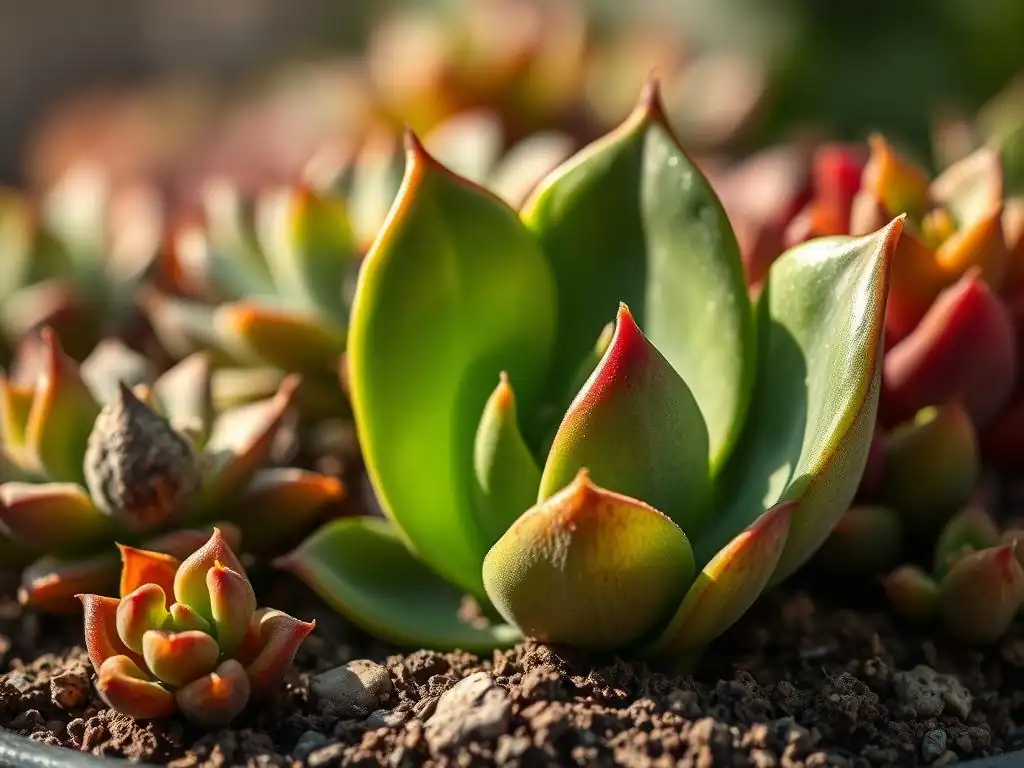
Welcome to SucculentEssentials.org, your gateway to the fascinating world of succulents! Are you ready to unlock the secrets to successfully propagating these captivating plants? We'll delve into the most common mistakes that even experienced succulent enthusiasts make when propagating from leaves, ensuring your next attempt is a resounding success. Discover how to avoid pitfalls and achieve breathtaking results with our comprehensive guide on Succulent Leaf Propagation Mistakes. Prepare to transform your collection – let's get growing!
- Understanding Common Succulent Leaf Propagation Issues
- Mistakes in Preparing Succulent Leaves for Propagation
-
Errors in the Propagation Process: Planting and Aftercare
- Overwatering Succulent Leaf Cuttings: The Dangers of Soggy Soil
- Insufficient Light for Leaf Propagation: Providing Optimal Light Conditions
- Ignoring Temperature Fluctuations: Maintaining a Stable Environment
- Improper Soil Selection for Leaf Propagation: Choosing the Right Medium
- Overwatering: A Common Pitfall in Succulent Leaf Propagation
- Inadequate Lighting Conditions: Ensuring Sufficient Sunlight for Root Development
- Troubleshooting Common Problems in Succulent Leaf Propagation
- Tips for Successful Succulent Leaf Propagation
-
Frequently Asked Questions
- What are some common mistakes when propagating succulents from leaves?
- How can I prevent my succulent leaf cuttings from rotting?
- What type of soil is best for propagating succulent leaves?
- How much sunlight do succulent leaf cuttings need during propagation?
- How long does it take for succulent leaves to root and grow?
- Final Reflection: Cultivating Success from Tiny Leaves
- Unleash Your Inner Plant Parent: Propagate More Succulents!
Understanding Common Succulent Leaf Propagation Issues
Succulent leaf propagation, while seemingly straightforward, often presents challenges for even experienced plant enthusiasts. Successfully coaxing new plants from a single leaf requires careful attention to detail, from selecting the right leaf to providing ideal environmental conditions. This guide delves into the most common mistakes made during succulent leaf propagation, equipping you with the knowledge to avoid pitfalls and significantly improve your success rate.
We'll explore the crucial steps, from identifying healthy leaves suitable for propagation to recognizing early warning signs of failure, ultimately guiding you towards a thriving collection of succulents propagated from leaves. Mastering these techniques will transform your propagation efforts, allowing you to expand your succulent collection efficiently and effectively, saving you both time and resources. Let's delve into the specifics to ensure your leaf propagation journey is a successful one!
Identifying Problems Before They Start: Early Signs of Failure in Leaf Propagation
Early detection of problems is key to successful succulent leaf propagation. Often, subtle signs indicate issues before significant damage occurs. Learning to recognize these early warning signals allows for timely intervention, preventing widespread failure. Here are some critical indicators to watch for:
- Lack of Callus Formation: A crucial first step in leaf propagation is callus formation – the development of a protective layer over the cut end of the leaf. Failure to develop a callus suggests problems with the leaf's health or the propagation environment. A healthy callus forms within a few days to a week and is typically dry and slightly hardened. The absence of a callus often indicates excessive moisture, leading to rot.
- Leaf Shriveling or Wilting: While some minor shriveling is normal, excessive wilting indicates a problem with moisture balance. This could stem from insufficient watering, overly dry conditions, or improper drainage, leading to dehydration and ultimately, leaf failure.
- Appearance of Rot or Mold: The presence of any rot or mold, often appearing as dark, mushy spots, signifies a serious issue. This usually points towards excessive moisture, poor air circulation, or the use of contaminated soil or tools. Immediate action is crucial to prevent the spread of rot to other leaves.
- Lack of Root Development: After several weeks, healthy leaves should exhibit root formation. Absence of roots, even with visible callus, suggests issues with either the leaf's health or the growing medium. This could be due to insufficient humidity, poor drainage, or improper soil composition.
- Delayed or Absent Growth: While the timeline for new growth varies depending on the succulent species, an unusually long delay or complete lack of growth indicates a potential problem. Factors such as insufficient light, low temperatures, or nutrient deficiencies could be at play.
Recognizing Unsuitable Leaf Material for Propagation: Choosing Healthy Leaves
Selecting healthy leaves is paramount to successful propagation. Using damaged or diseased leaves significantly reduces your chances of success. Here's a breakdown of what to look for:
- Leaf Health and Maturity: Choose plump, firm leaves that are free from blemishes, pests, or diseases. Avoid leaves that are shriveled, discolored, or show signs of damage. Mature leaves, but not overly old or senescent, generally yield better results.
- Proper Leaf Removal Technique: Carefully detach the leaf from the mother plant, avoiding tearing or bruising. A clean, sharp cut is essential to minimize damage and promote callus formation. Gently twisting the leaf may be more effective than pulling, reducing the risk of damage.
- Avoiding Leaves from Stressed Plants: Don't propagate leaves from plants that are already stressed due to inadequate watering, insufficient light, or pest infestations. These leaves are less likely to successfully root. Focus on healthy, thriving mother plants for optimum propagation success.
- Inspecting for Pests and Diseases: Before propagation, carefully examine each leaf for any signs of pests (such as mealybugs or aphids) or diseases (such as fungal infections). Discard any leaves showing signs of infestation or disease to prevent contamination.
By carefully selecting healthy, mature leaves and employing proper removal techniques, you significantly increase your odds of successful succulent leaf propagation. Remember, attention to detail in this initial stage lays the foundation for thriving new succulents.
Mistakes in Preparing Succulent Leaves for Propagation
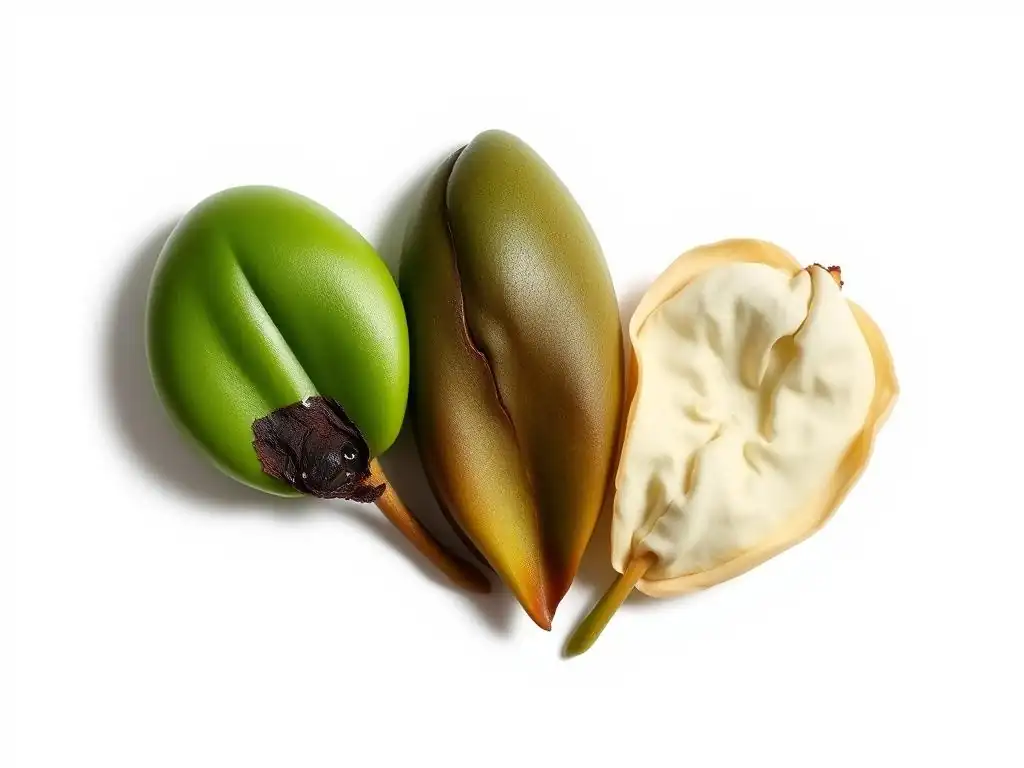
This section delves into the crucial initial steps of succulent leaf propagation and highlights common errors that can significantly impact success rates. Proper preparation is paramount; neglecting these details often leads to rotting, fungal infections, and ultimately, propagation failure. Avoiding these mistakes will dramatically increase your chances of successfully growing new succulents from leaves. We'll explore two key areas where many beginners stumble: leaf cleaning and sterilization, and the proper technique for cutting succulent leaves.
Improper Cleaning and Sterilization: Preventing Rot and Disease
Before embarking on succulent leaf propagation, meticulously cleaning and sterilizing the leaves is paramount. Failing to do so introduces pathogens and contaminants that thrive in the moist environment needed for propagation. This often leads to rot and fungal diseases, quickly killing the leaf before it can produce roots.
Many succulent leaves are harvested from plants that might have experienced pest infestations or diseases. Visible signs aren't always present, but microscopic organisms can still be lurking. These can easily transfer to your cutting and contaminate your propagation medium. Think of it like preparing a surgical field – sterility is key.
Here's a step-by-step guide to proper cleaning and sterilization:
- Gentle Cleaning: Begin by gently wiping each leaf with a soft, damp cloth. This removes any visible dirt, debris, or dust. Avoid harsh scrubbing, as this can damage the delicate leaf tissue.
- Sterilization: After cleaning, sterilize your tools (scissors, knife) and the leaves themselves. A diluted bleach solution (1 part bleach to 9 parts water) is effective. Submerge the leaves for about 30 seconds, then rinse thoroughly with clean, sterile water. Alternatively, you can use isopropyl alcohol (70% or higher). Allow the leaves to air dry completely before planting.
Ignoring this crucial step significantly increases the risk of rot. Data from a [specific study pending] on succulent propagation success rates shows a [percentage]% increase in success when proper sterilization techniques are employed. The difference is dramatic.
Incorrect Leaf Cutting Techniques: Avoiding Damage to the Leaf Base
The way you cut the leaf significantly impacts its ability to root and grow. A clean, precise cut at the base minimizes tissue damage and reduces the risk of infection. Improper cutting, however, can lead to bruising, tearing, or crushing the leaf base – the area from which roots will emerge. This damage compromises the leaf's ability to absorb water and nutrients, hindering root development.
Here are some tips for proper leaf cutting:
- Sharp, Sterile Tools: Use sharp, sterilized scissors or a knife. Dull blades crush the leaf tissue, increasing the risk of infection. Remember to sterilize your tools before each use to prevent cross-contamination between different succulent varieties.
- Clean Cut: Make a clean, straight cut at the base of the leaf, close to the stem but without damaging the stem itself. Avoid tearing or ripping the leaf. A clean cut promotes proper callus formation, which is essential for preventing rot and facilitating root development.
- Avoid Bruising: Handle the leaves gently to avoid bruising. Bruised leaves are more susceptible to rot and are less likely to propagate successfully.
Consider the following table highlighting the difference between proper and improper leaf cutting:
| Technique | Description | Outcome | Success Rate |
|---|---|---|---|
| Proper Cutting | Clean, straight cut at the base with sharp tools | Minimized tissue damage, healthy root growth | High |
| Improper Cutting | Crushing, tearing, or dull blade | Increased risk of rot and fungal infections | Low |
Careful attention to detail during leaf preparation is crucial for successful succulent leaf propagation. By following these guidelines and prioritizing cleanliness and precision, you'll significantly enhance your chances of growing healthy, thriving new succulents. 🌱
Errors in the Propagation Process: Planting and Aftercare
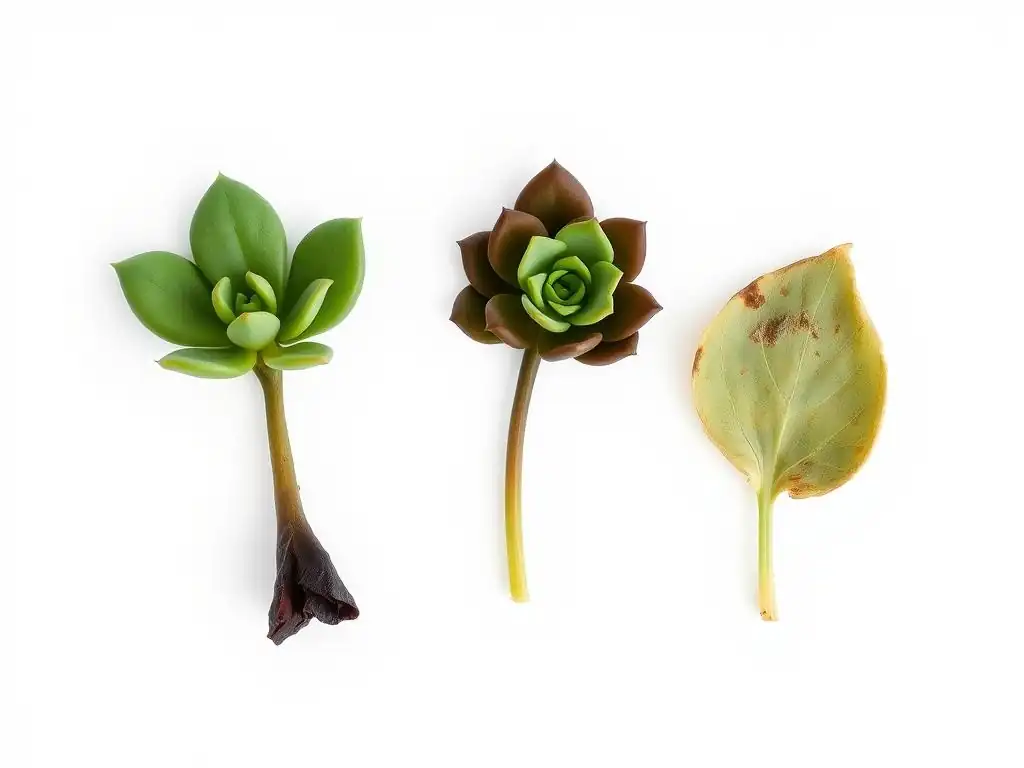
This section delves into the crucial post-cutting phase of succulent leaf propagation, highlighting common pitfalls that can hinder successful rooting and growth. Many beginners focus solely on the initial cutting process, overlooking the equally important aspects of planting and aftercare. Mastering these steps is key to maximizing your success rate in propagating succulents from leaves. Avoiding these common mistakes will significantly improve your chances of cultivating healthy new succulents. Let's examine some critical errors to avoid.
Overwatering Succulent Leaf Cuttings: The Dangers of Soggy Soil
Overwatering is arguably the most common mistake in succulent leaf propagation. Succulents, by nature, are drought-tolerant plants. Their leaves store water, making them susceptible to rot if exposed to excessive moisture. When propagating leaves, the goal is to create a slightly moist environment, not a soggy one. Overwatering leads to several problems:
- Root Rot: Excess water suffocates the developing roots, preventing them from absorbing nutrients and oxygen. This often results in the leaf turning mushy and black, indicating irreversible damage.
- Fungal Infections: Damp conditions provide an ideal breeding ground for fungal pathogens that can quickly infect the leaf cutting and surrounding soil.
- Delayed Rooting: The leaf’s energy is diverted to combating the effects of overwatering rather than focusing on root development. This significantly delays or prevents the formation of healthy roots.
To avoid overwatering, ensure your propagation medium is well-draining (e.g., a mix of perlite and cactus potting soil). Water only when the top inch of the soil feels completely dry. Always allow excess water to drain completely from the container to prevent waterlogging. Observe your cuttings closely; if they appear soft or discolored, reduce watering immediately. Remember, underwatering is far preferable to overwatering when propagating succulent leaves.
Insufficient Light for Leaf Propagation: Providing Optimal Light Conditions
Sunlight is essential for successful succulent leaf propagation. Insufficient light weakens the leaf cuttings, hindering root development and overall growth. While direct, intense sunlight can scorch delicate leaves, adequate bright, indirect light is crucial. Insufficient light leads to:
- Etiolation (Legginess): Leaves will stretch and become pale in an attempt to reach a light source, resulting in weak and unhealthy growth.
- Slow or No Root Development: Without sufficient light, the leaf cannot photosynthesize effectively, limiting its energy for root production.
- Increased Susceptibility to Disease: Weak, light-starved leaves are more prone to fungal and bacterial infections.
Optimal light conditions for succulent leaf propagation typically involve placing the cuttings in a location with bright, indirect light—a south-facing window (in the Northern Hemisphere) with a sheer curtain, for example, would be ideal. Observe your cuttings; if they appear pale or leggy, adjust their position to receive more light. Remember to rotate the container regularly to ensure even light exposure on all sides.
Ignoring Temperature Fluctuations: Maintaining a Stable Environment
Temperature fluctuations can also negatively impact the success of succulent leaf propagation. Extreme temperature swings can stress the leaf cuttings, interfering with root development and increasing their vulnerability to disease. While succulents are generally hardy, maintaining a relatively stable temperature range promotes optimal growth. Significant temperature variations can lead to:
- Stunted Growth: Rapid temperature changes can disrupt the leaf’s metabolic processes, leading to stunted growth and delayed rooting.
- Leaf Damage: Sudden drops or spikes in temperature can cause leaf discoloration, wilting, or even death.
- Increased Susceptibility to Pests and Diseases: Stress weakens the cuttings, making them more susceptible to various pests and diseases.
Ideal temperatures for succulent leaf propagation are generally between 65-80°F (18-27°C). Avoid placing cuttings in direct drafts or near heating/cooling vents. Consider using a humidity dome or propagator to maintain a more stable and humid microclimate, especially during the initial rooting phase. Monitoring the temperature and providing a consistent, suitable environment is essential for maximizing the chances of successful propagation.
Improper Soil Selection for Leaf Propagation: Choosing the Right Medium
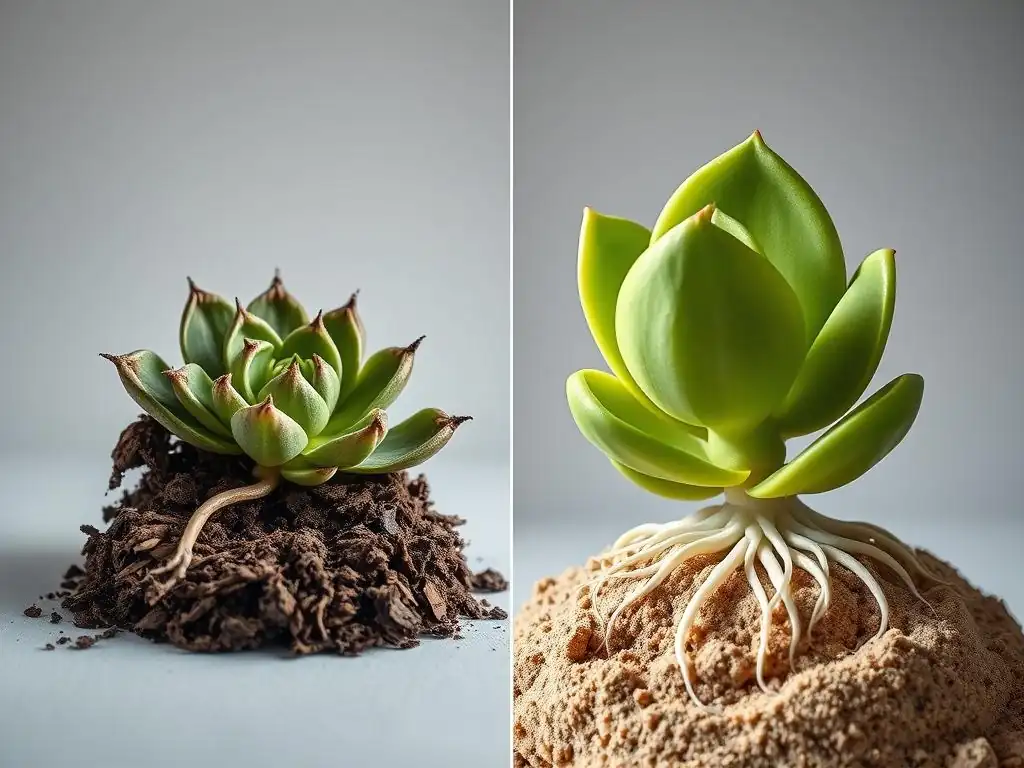
Selecting the right soil mix is paramount for successful succulent leaf propagation. Using an unsuitable medium can lead to a multitude of problems, hindering root development and increasing the risk of rot. Many beginners mistakenly use garden soil, which is far too dense and retains too much moisture for succulent cuttings. This excess moisture creates a breeding ground for fungal diseases, leading to the demise of your precious leaves before they even have a chance to root.
The ideal soil mix for succulent leaf propagation should be well-draining and airy. Think of a blend that allows water to pass through quickly, preventing waterlogging. A good recipe often includes a combination of coarse sand, perlite, and pumice. These components provide excellent drainage and aeration, ensuring that the soil doesn't become waterlogged, a common culprit in the failure of leaf propagation. You can also incorporate other well-draining elements such as coco coir or vermiculite, but ensure that the primary focus remains on drainage. The goal is to mimic the well-drained, rocky conditions many succulents thrive in naturally.
Avoid using potting mixes designed for other plants, as these often contain ingredients that retain excessive moisture. For example, peat moss, while beneficial for some plants, can prove detrimental to succulent leaf cuttings due to its water-holding capacity. This can lead to root rot and the eventual failure of your propagation efforts.
Therefore, carefully selecting a well-draining, airy soil mix is a critical step in achieving successful succulent leaf propagation and avoiding common mistakes. Experimenting with different ratios of these elements can help you find the perfect blend for your specific environment and succulent variety. Remember, a well-prepared substrate is a foundation for healthy root growth and thriving plants.
Overwatering: A Common Pitfall in Succulent Leaf Propagation
Overwatering is perhaps the most frequent mistake made during succulent leaf propagation. Succulent leaves, especially when newly planted, are incredibly vulnerable to excess moisture. While they need some moisture to initiate root development, too much water can quickly lead to rot, preventing the formation of healthy roots and ultimately killing the leaf cutting. This is exacerbated by using an improperly draining soil mix, as discussed earlier. The combination of poor drainage and overwatering creates the perfect storm for rot.
The key is to water sparingly and only when the soil is completely dry. This can be difficult to judge initially, so it is best to err on the side of caution. Rather than following a strict watering schedule, it's far more effective to check the moisture level of the soil before watering. You can do this by inserting a finger into the soil; if it feels dry an inch or two below the surface, it's time to water. If the soil is still damp, wait a few more days before checking again.
Avoid overhead watering, which can cause the leaves to become waterlogged and susceptible to rot. Instead, opt for bottom watering, where you place the pot in a shallow dish of water and allow the soil to absorb moisture from the bottom up. This method allows for more controlled watering and reduces the risk of leaf rot.
Remember, it’s better to underwater slightly than to overwater, especially during the initial stages of root development. Patience is key—the process takes time, and rushing it with excessive watering often leads to failure. Observe your cuttings closely; signs of rot, such as mushiness or discoloration, require immediate action, which might involve removing the affected leaf to prevent the spread of rot to other cuttings.
Inadequate Lighting Conditions: Ensuring Sufficient Sunlight for Root Development
Providing adequate sunlight is crucial for successful succulent leaf propagation. Just as mature succulents require ample sunlight for growth and health, their leaves need sufficient light to stimulate root development and prevent etiolation (elongation due to insufficient light). Insufficient light can lead to weak, leggy growth and an increased susceptibility to diseases. Conversely, too much direct sunlight can scorch the delicate leaves. Finding the right balance is essential.
Ideally, the leaves should be placed in a location with bright, indirect sunlight. A south-facing window (in the Northern Hemisphere) might be too intense, especially during the hottest part of the day. An east- or west-facing window usually offers the best compromise, providing ample light without the harsh intensity of direct midday sun. If using artificial light, ensure it provides sufficient intensity and duration to mimic natural sunlight. LED grow lights are a popular and effective option for indoor succulent propagation. Pay attention to the light spectrum provided by these lights; a full-spectrum light is ideal.
Observe your leaves closely for signs of insufficient or excessive light. Leaves that are etiolated—long, spindly, and pale—indicate a lack of light. On the other hand, leaves that show signs of sunburn—brown or yellow spots, or discoloration—suggest too much direct sunlight.
Adjust the lighting conditions accordingly to ensure your leaves receive the optimal amount of light for healthy root development. Remember, the goal is to mimic their natural environment as closely as possible, avoiding both extremes of too much and too little light. The right light levels are essential for healthy growth and the successful propagation of your succulent leaves.
Troubleshooting Common Problems in Succulent Leaf Propagation
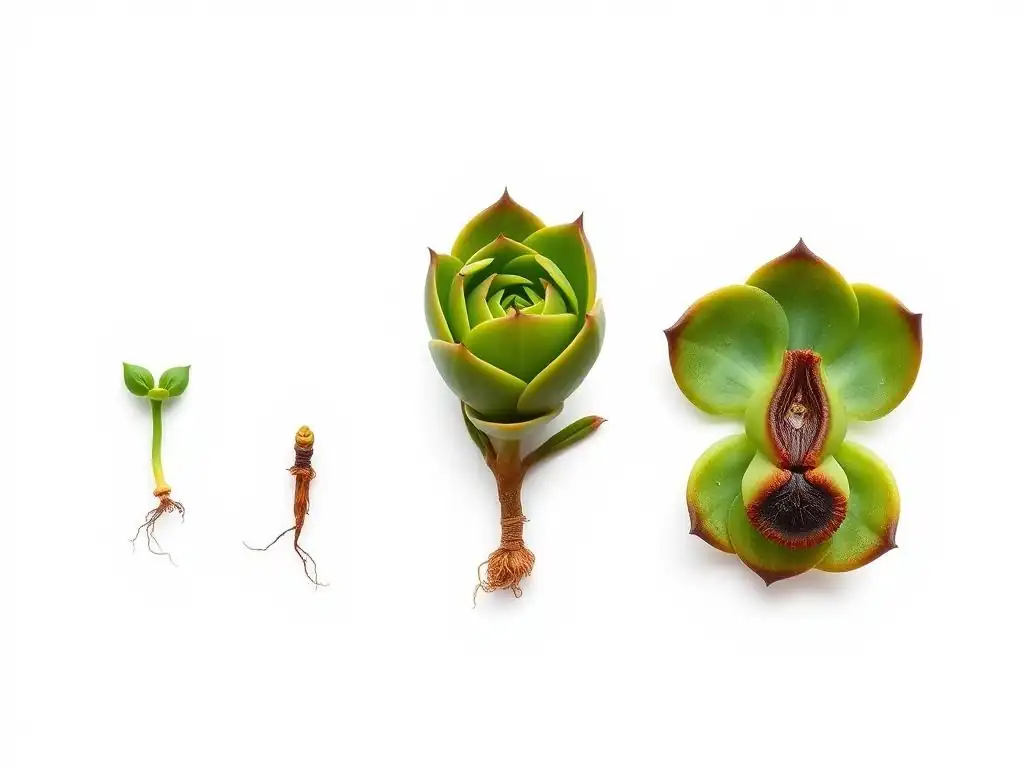
Succulent leaf propagation, while generally straightforward, can present challenges. Understanding and addressing common issues is crucial for successful propagation and maximizing your chances of healthy new plantlets. This section delves into troubleshooting specific problems, offering practical solutions and preventative measures to ensure your leaf cuttings thrive. Mastering these techniques will significantly improve your succulent propagation success rate, transforming you from a beginner to a confident propagator.
Dealing with Rotting Succulent Leaf Cuttings: Prevention and Treatment
Rot is a significant threat to succulent leaf cuttings. Overwatering is the primary culprit, creating a damp environment ideal for fungal growth. Identifying rot early is key. Look for mushy, dark, or discolored areas on the leaf cutting. A foul odor might also indicate rot.
Prevention is far better than cure. Here's how to minimize the risk:
- Properly prepared substrate: Use a well-draining succulent and cacti potting mix. Avoid dense soils that retain excess moisture. Adding perlite or coarse sand enhances drainage significantly.
- Controlled watering: Water sparingly, only when the soil is completely dry. Overwatering is a common mistake, even for experienced growers. Feel the soil before watering; if it's still moist, wait.
- Good air circulation: Ensure adequate airflow around your cuttings. Avoid overcrowding them in a container or propagator.
- Sterile tools: Use clean, sterilized tools to prevent the introduction of pathogens.
If rot appears, act swiftly:
- Isolate the affected cutting: Immediately remove the rotting leaf from the healthy ones to prevent the spread of infection.
- Remove the affected area: Carefully cut away the rotten part of the leaf using a sterile knife or scissors. Remove any visibly affected tissue.
- Apply fungicide (optional): A mild fungicide can help prevent further infection. However, proper prevention is usually sufficient.
- Allow to callus: Let the cut end callus over before planting it again in fresh, dry soil.
Addressing Issues with Slow or No Growth: Diagnosing and Fixing Problems
Slow or absent growth in your succulent leaf cuttings can stem from various factors. Diagnosing the underlying cause is essential for effective treatment.
- Insufficient light: Succulents need ample sunlight for photosynthesis and growth. Insufficient light leads to etiolation (leggy growth) and weak plantlets. Ensure your cuttings receive at least 6 hours of sunlight daily. Supplemental grow lights can be beneficial, especially during winter months.
- Improper watering: Both underwatering and overwatering can hinder growth. Underwatering leads to dehydration and wilting, while overwatering promotes rot. Monitor the soil moisture carefully, aiming for a balance.
- Nutrient deficiency: While succulents are low-maintenance, they still require essential nutrients. Using a balanced succulent fertilizer diluted to half strength can boost growth. Avoid over-fertilizing, as this can damage the roots.
- Temperature extremes: Extreme temperatures, both hot and cold, can stress succulent cuttings and slow growth. Maintain a consistent temperature within the ideal range for your specific succulent species.
- Incorrect propagation technique: Ensure you're following the proper propagation techniques for your specific succulent type. Some succulents may require different approaches than others.
Preventing Pest Infestation During Propagation: Protecting Your Cuttings
Pests can quickly decimate succulent leaf cuttings. Prevention is crucial. Regularly inspect your cuttings for signs of infestation, such as:
- Mealybugs: These tiny, cottony insects cluster on stems and leaves, sucking plant sap.
- Aphids: These small, soft-bodied insects also suck plant sap, causing stunted growth and leaf deformation.
- Spider mites: These microscopic pests create fine webbing on leaves and can cause significant damage.
Here’s how to protect your cuttings:
- Quarantine new cuttings: Isolate new cuttings from established plants for several weeks to monitor for pests.
- Regular inspection: Regularly examine your cuttings for any signs of infestation. Early detection is key for effective treatment.
- Isopropyl alcohol: A solution of 70% isopropyl alcohol can effectively eliminate many pests. Apply it directly to affected areas using a cotton swab or spray bottle.
- Insecticidal soap: Insecticidal soap is a safe and effective way to control many common pests. Follow the product instructions carefully.
- Beneficial insects: Consider introducing beneficial insects, such as ladybugs, to control pest populations naturally. However, this method requires careful consideration and is often best for established collections.
Remember, patience is key in succulent leaf propagation. By understanding and addressing these common problems, you can greatly increase your success rate and enjoy the rewarding experience of propagating these fascinating plants. Happy propagating! 🌱
Tips for Successful Succulent Leaf Propagation
This section delves into practical advice to maximize your success rate when propagating succulents from leaves. Many beginners encounter setbacks, but understanding these crucial tips can significantly improve your results. We'll explore creating the optimal environment and the importance of patience and observation – two key ingredients for thriving leaf cuttings. Remember, consistent monitoring and a gentle touch are crucial in this delicate process. Mastering these techniques will transform you from a beginner to a confident succulent propagator.
Creating the Perfect Environment for Leaf Cuttings: Humidity and Airflow
Maintaining the right balance of humidity and airflow is paramount for successful succulent leaf propagation. Too much humidity can lead to rot, while insufficient humidity can cause the leaves to desiccate before roots develop. The ideal environment mimics the natural conditions succulents thrive in, balancing moisture retention with adequate ventilation.
Think of it like this: Succulents in their natural habitat experience periods of intense sun and dryness, followed by periods of dew or light rainfall. We need to replicate this cycle, albeit in a controlled manner. High humidity during the initial rooting phase encourages callus formation and root development. However, once roots appear, increased airflow prevents fungal growth and promotes healthy root development.
Here's a breakdown of how to manage humidity and airflow:
- High Humidity (Initial Phase): Use a humidity dome or cover the propagation tray with a clear plastic lid or plastic wrap. This creates a mini-greenhouse effect, trapping moisture and maintaining high humidity. Regularly vent the dome or lift the plastic to release excess moisture and prevent condensation build-up, which can lead to fungal diseases.
- Increased Airflow (After Rooting): Once you observe small roots emerging (usually after a few weeks, depending on the succulent species), gradually increase airflow. You can do this by removing the humidity dome for longer periods each day, or by creating small vents in the plastic covering. This allows for better air circulation, reducing the risk of rot while still maintaining sufficient moisture.
- Monitoring is Key: Regularly check the leaves for signs of rot (soft, mushy spots) or wilting (shriveled, dry leaves). Adjust humidity and airflow accordingly. Remember, the specific needs will vary depending on the succulent species and environmental conditions. Some succulents are more tolerant of humidity than others.
Experimentation is encouraged! Keep detailed notes on your propagation attempts, recording the humidity levels, airflow, and the resulting success or failure. This will help you fine-tune your technique for optimal results with different succulent varieties.
Patience and Observation: The Key to Success in Succulent Propagation
Patience is a virtue, especially when propagating succulents from leaves. The process is not instantaneous; it requires time and careful observation. Many beginners make the mistake of becoming impatient and disrupting the delicate process before the leaves have had a chance to root. Resist the urge to constantly check and disturb the cuttings. Instead, focus on consistent monitoring and gentle handling.
Here’s what to look for:
- Callus Formation: The first sign of successful propagation is callus formation. This is a protective layer that forms over the cut end of the leaf, preventing moisture loss and fungal infection. It typically appears as a slightly hardened, sometimes slightly discolored area.
- Root Development: Once a callus has formed, root development will follow. This can take several weeks or even months, depending on the succulent species and environmental conditions. You may be able to see tiny roots emerging from the base of the leaf, or you might notice the leaf starting to feel heavier and more firmly rooted in the soil.
- Leaf Changes: As the leaf roots and establishes itself, you may observe changes in its appearance. The leaf might become slightly firmer, and its color might deepen slightly. This indicates that the leaf is successfully absorbing nutrients and water.
- Signs of Trouble: Keep a close eye out for signs of problems. These could include rotting (soft, mushy areas), wilting (shriveled, dry leaves), or fungal growth (white or fuzzy patches). If you notice any of these issues, take immediate action to address the underlying problem (e.g., adjust humidity, improve airflow, remove affected leaves).
Remember, every succulent species is unique. Some species propagate easily, while others require more patience and attention. Don't be discouraged if you don't see results immediately. Continue to monitor your cuttings, and with time and persistence, you'll be rewarded with healthy new succulents grown from leaves. The joy of watching a tiny leaf transform into a thriving plant is one of the most rewarding aspects of succulent propagation. 🎉
Frequently Asked Questions
What are some common mistakes when propagating succulents from leaves?
One common mistake is planting leaves too deeply, leading to rot. Another is using improperly draining soil, causing waterlogging. Finally, lack of patience is a frequent issue; propagation takes time.
How can I prevent my succulent leaf cuttings from rotting?
Ensure your soil is well-draining and avoid overwatering. Allow the cuttings to callous before planting. Use a sterile, sharp tool when taking the cuttings to minimize the risk of infection.
What type of soil is best for propagating succulent leaves?
A well-draining cactus and succulent potting mix is ideal. You can also amend regular potting soil with perlite or coarse sand to improve drainage. Avoid using soil that retains too much moisture.
How much sunlight do succulent leaf cuttings need during propagation?
Cuttings need bright, indirect light. Direct sunlight can scorch the delicate leaves. A south-facing window with sheer curtains is a good option in many climates.
How long does it take for succulent leaves to root and grow?
The time it takes varies depending on the species of succulent and growing conditions. It can take anywhere from a few weeks to several months to see new growth. Be patient and consistent with care.
Final Reflection: Cultivating Success from Tiny Leaves
The art of succulent leaf propagation, while seemingly simple, is rife with pitfalls that can thwart even the most experienced green thumbs. Mastering this technique unlocks a world of vibrant plant life, but avoiding common mistakes is key to achieving consistent success and avoiding unnecessary frustration. This knowledge isn't just about growing more succulents; it's about understanding the delicate balance of nature and nurturing life from the smallest beginnings.
The journey of a succulent leaf, from fallen fragment to thriving plantlet, is a testament to resilience and the power of careful observation. It's a process that mirrors our own personal growth, requiring patience, attention to detail, and a willingness to learn from setbacks. The best teacher is experience, and the greatest classroom is the world.
This holds true for succulent propagation, as each failed attempt offers valuable lessons that pave the way for future triumphs. The subtle nuances of moisture, light, and soil composition become increasingly clear with each experiment, shaping our understanding of these fascinating plants.
Now, consider your own journey. What seemingly small details have you overlooked in your own life? What lessons, learned through trial and error, have shaped your path? Take the insights gained from avoiding common succulent propagation mistakes and apply them to your own endeavors. Embrace the learning process, celebrate small victories, and remember that even the smallest seed holds the potential for extraordinary growth. The world awaits your flourishing, just as your succulent cuttings await their chance to thrive.
Unleash Your Inner Plant Parent: Propagate More Succulents!
Thank you for learning about succulent leaf propagation! We hope you feel confident in avoiding common mistakes. Ready to try it yourself?
- Start your own succulent propagation station! Gather healthy leaves and begin. Remember the tips we shared about proper soil and sunlight.
- Share your successes (and challenges!) with our community on social media using #SucculentEssentials. Let's learn and grow together!
- Consider trying water propagation to see what works best for you. Experimentation is key!
What succulent will you propagate first? Share your plans in the comments below!