
The Perfect Soil Mix for Succulent Leaf Propagation: A Detailed Recipe

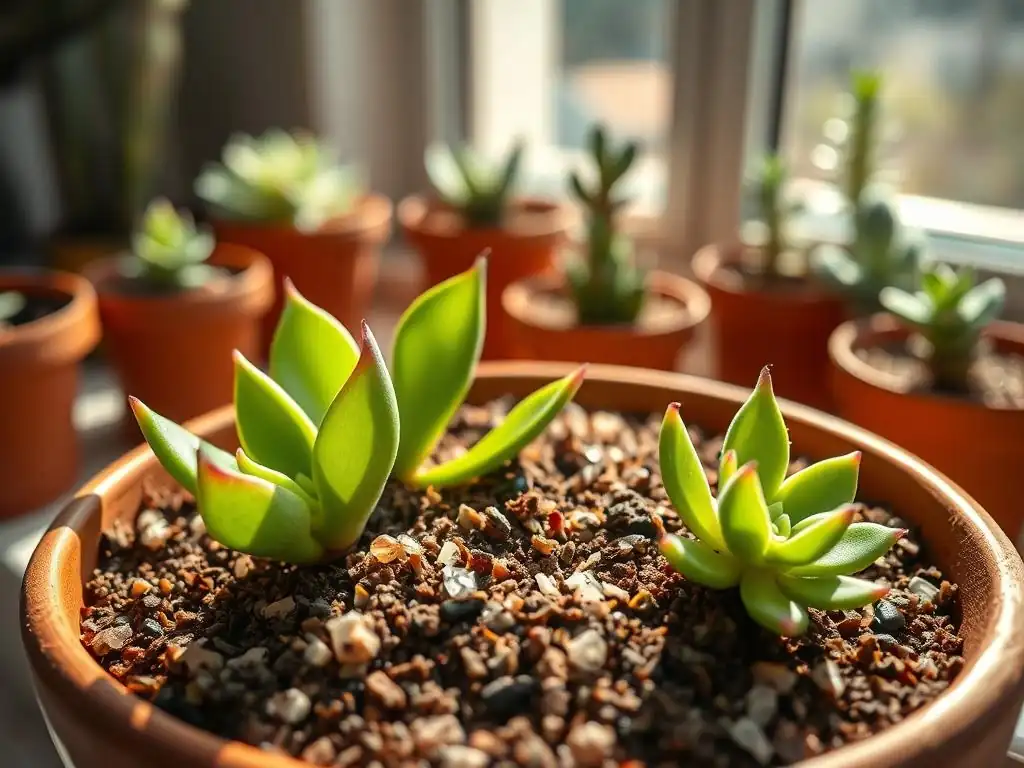
Dive into the fascinating world of succulents with SucculentEssentials.org! Are you ready to unlock the secrets to effortlessly propagating your favorite drought-tolerant beauties? We've cracked the code to successful succulent leaf propagation, and it all starts with the perfect soil mix. Discover our detailed recipe for the Best succulent leaf propagation soil, and watch your collection flourish like never before. Prepare to be amazed by what you can achieve – let's get growing!
- Understanding the Ideal Soil Composition for Succulent Leaf Cuttings
- The Recipe: Creating Your Perfect Succulent Leaf Propagation Soil Mix
- Troubleshooting Common Soil Mix Issues in Succulent Leaf Propagation
- Advanced Techniques for Enhancing Your Succulent Leaf Propagation Soil
- Maintaining Your Soil Mix for Optimal Succulent Growth
-
Frequently Asked Questions
- What is the best soil mix for propagating succulent leaves?
- Why is drainage so important when propagating succulent leaves?
- Can I use regular potting soil for succulent leaf propagation?
- How do I know if my soil mix is draining properly?
- What are the signs of overwatering succulent leaf propagation?
- Final Reflection: Cultivating Success: From Leaf to Thriving Plant
- Unleash Your Inner Plant Wizard: Propagate Your Succulent Collection!
Understanding the Ideal Soil Composition for Succulent Leaf Cuttings
Successfully propagating succulents from leaves requires more than just sticking a leaf in the ground and hoping for the best. The soil plays a pivotal role in this process, acting as the foundation for healthy root development and preventing rot, a common nemesis of succulent cuttings. This detailed guide will unveil the secrets to crafting the perfect soil mix for succulent leaf propagation, ensuring high success rates and vibrant new plants.
We'll explore the crucial ingredients, their individual roles, and the ideal ratios for optimal growth, helping you achieve the best results in your succulent leaf propagation endeavors. This recipe is designed to be the best succulent leaf propagation soil, guaranteeing a healthy environment for your cuttings to thrive.
Let's delve into the specifics of creating a soil blend that promotes robust root formation and minimizes the risk of fungal issues. Choosing the right soil is a critical step towards becoming a successful succulent propagator.
Why Specialized Soil is Crucial for Succulent Leaf Propagation
Standard potting soil, often used for other plants, is generally too dense and retains too much moisture for succulent leaf cuttings. This excess moisture creates the perfect breeding ground for fungal diseases and root rot, leading to the demise of your precious cuttings before they even have a chance to establish themselves. Succulents, by nature, are adapted to arid conditions and require well-draining soil to prevent their roots from sitting in water. A specialized soil mix mimics their natural habitat, providing the perfect balance of drainage, aeration, and just enough moisture retention to support root development without encouraging rot.
The key is to create a soil that is airy and allows for excellent airflow around the roots, preventing the buildup of moisture that can lead to fungal growth. Using the incorrect soil mix is one of the most common reasons for failure in succulent leaf propagation. 🌱
Key Ingredients: Balancing Drainage, Aeration, and Moisture Retention
The ideal soil mix for succulent leaf propagation is a carefully balanced blend of several key ingredients. Each ingredient contributes to a specific aspect of the overall soil properties:
| Ingredient | Function | Percentage in Mix |
|---|---|---|
| Coarse Sand | Excellent drainage, prevents compaction | 40% |
| Perlite | Improves aeration, drainage, and water retention | 30% |
| Vermiculite | Improves water retention, provides nutrients | 20% |
| Potting Mix (optional) | Adds some organic matter for slow nutrient release | 10% |
This recipe prioritizes drainage and aeration, crucial for preventing root rot, while still providing enough moisture retention to support the initial stages of root development. Adjusting the percentages slightly, based on your specific climate and environmental conditions, might be beneficial. For example, in drier climates, you might slightly increase the percentage of vermiculite. Remember, observation and adjustment are key to mastering succulent propagation.
The Role of Perlite and Vermiculite in Succulent Leaf Propagation Soil
Perlite and vermiculite, while often used interchangeably, offer distinct benefits to the soil mix. Perlite, a volcanic glass, is incredibly porous, providing exceptional drainage and aeration. Its lightweight nature helps to keep the soil loose and prevents compaction, ensuring that air can reach the roots. Vermiculite, a mineral formed from mica, retains more moisture than perlite, acting as a water reservoir for the cuttings.
It also provides some nutrients, slowly releasing them as the cuttings develop. The combination of perlite and vermiculite creates a perfect balance, providing excellent drainage while ensuring adequate moisture for healthy root growth. The synergy between these two ingredients is what makes this soil mix so effective for succulent leaf propagation. Using one without the other would significantly reduce the effectiveness of the mix.
The Recipe: Creating Your Perfect Succulent Leaf Propagation Soil Mix
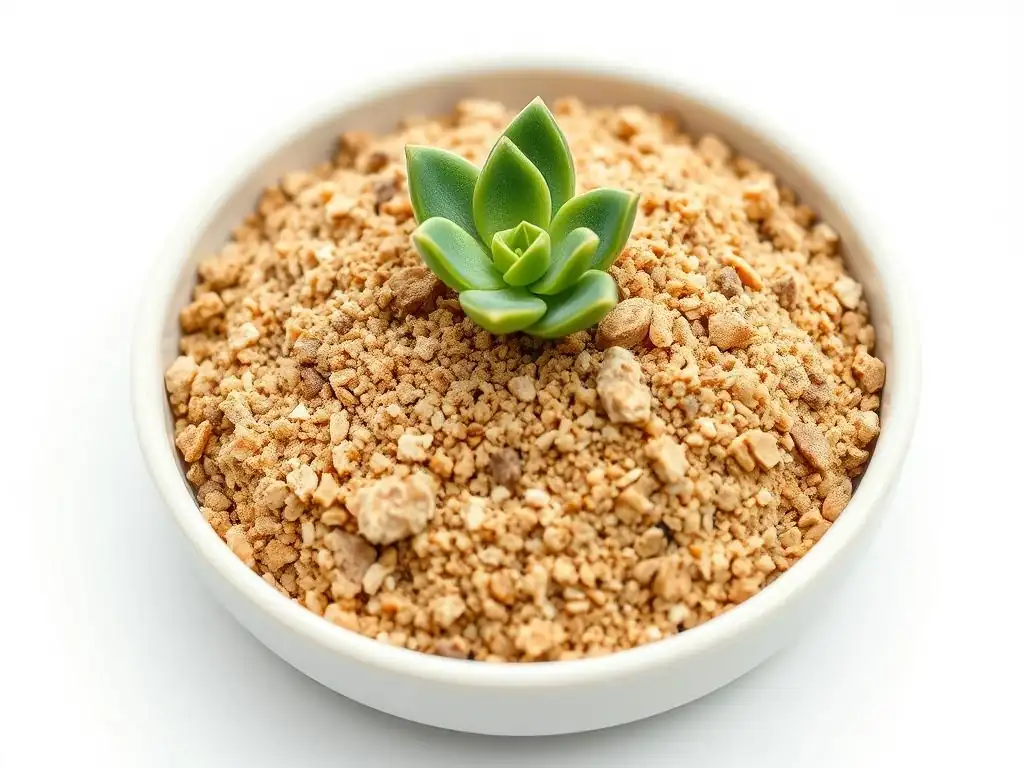
This section details the creation of the ideal soil blend for successfully propagating succulent leaves. Finding the best succulent leaf propagation soil isn't about using a single, magical ingredient; it's about achieving the perfect balance of drainage, aeration, and water retention. Poor drainage is the most common reason for leaf rot during propagation, so achieving optimal drainage is paramount.
We'll explore a recipe that prioritizes this crucial aspect while still providing the necessary nutrients for healthy root development. This blend leans towards a more gritty, well-draining mix, crucial for preventing the soggy conditions that lead to fungal diseases and root rot – common pitfalls in succulent propagation.
Step-by-Step Guide to Mixing Your Own Soil Blend
Creating your own succulent leaf propagation soil is surprisingly simple and offers far more control over the final product than using pre-mixed potting soil. Follow these steps for consistent results:
- Gather your ingredients: This recipe uses readily available materials. You'll need:
- Coarse Sand: This provides excellent drainage and aeration. Avoid fine sand, as it can compact and impede water flow.
- Perlite: This volcanic glass adds further aeration and prevents compaction. It's lightweight and helps retain some moisture without becoming waterlogged.
- Potting Mix (optional): A small amount of a well-draining potting mix can provide some minimal nutrients. However, relying too heavily on potting mix increases the risk of overwatering.
- Measure your ingredients: See the next section for precise measurements. Accurate measurements are key to achieving the ideal blend.
- Combine the ingredients: In a large container, thoroughly mix the sand, perlite, and (optional) potting mix. Ensure there are no large clumps and the mixture is evenly distributed.
- Test the drainage: Take a small handful of the mix and gently squeeze it. It should hold its shape slightly but crumble easily when you release the pressure. If it stays compacted, add more perlite or coarse sand. If it crumbles too easily, add a tiny bit more potting mix (if using). This is crucial for achieving the best succulent leaf propagation soil.
- Sterilization (optional): For extra protection against pathogens, you can sterilize the soil mix by spreading it thinly on a baking sheet and baking it in a preheated oven at 200°F (93°C) for 30 minutes. This step is optional but recommended, especially if you're reusing containers or are concerned about disease.
Precise Measurements for Optimal Results: A Detailed Recipe
The following recipe provides a great starting point, but you may need to adjust based on the specific materials you use and the climate in your area. Remember, the goal is a well-draining, airy mix that prevents waterlogging.
| Ingredient | Percentage of Total Volume | Rationale |
|---|---|---|
| Coarse Sand | 50% | Provides excellent drainage and aeration. |
| Perlite | 40% | Adds further aeration, prevents compaction, and improves water retention. |
| Well-draining Potting Mix | 10% (Optional) | Adds minimal nutrients; use sparingly to avoid increasing water retention. |
This 50/40/10 ratio (or a close approximation) provides a balance between drainage, aeration, and minimal nutrient provision. Remember that succulents are adapted to arid conditions and prefer less frequent, deeper watering than many other plants. This mix caters to those needs. Experimentation may be necessary to fine-tune the recipe for your specific environment and succulent varieties. Always err on the side of better drainage to avoid root rot.
Essential Tools for Mixing Your Succulent Propagation Soil
Having the right tools makes the process smoother and more efficient. Here's what you'll need:
- Large Container: A sturdy bucket or mixing bowl is ideal for combining the ingredients.
- Measuring Cups or Spoons: Accurate measurements are crucial for consistent results. A kitchen scale can provide even more precision.
- Gloves: Protecting your hands from the gritty texture of the sand and perlite is a good idea.
- Small Trowel or Spoon: Useful for mixing and testing the drainage of the soil.
- Baking Sheet (Optional): Needed if you choose to sterilize the soil mix in the oven.
With these tools and the recipe above, you'll be well-equipped to create the best succulent leaf propagation soil for your propagation efforts. Remember that consistent success in propagation depends on many factors, but starting with the right soil mix is a crucial first step. Happy propagating! 🌱
Troubleshooting Common Soil Mix Issues in Succulent Leaf Propagation
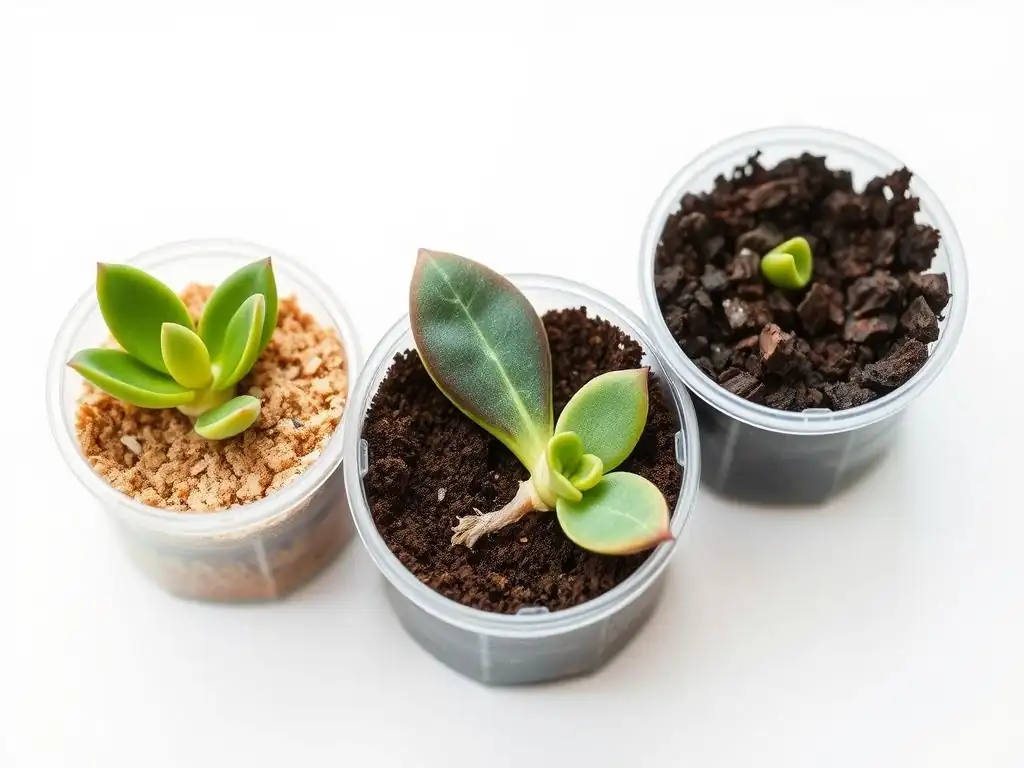
Creating the best succulent leaf propagation soil is crucial for successful propagation. Even with the perfect recipe, however, problems can arise. Understanding these potential issues and how to address them is key to maximizing your propagation success rate. This section focuses on identifying and resolving common soil mix problems, ensuring your succulent leaves have the optimal environment for rooting and growth. Remember, consistent monitoring and proactive adjustments are vital for healthy propagation.
Addressing Overwatering Problems in Your Propagation Mix
Overwatering is a common culprit in failed succulent leaf propagation. Too much moisture leads to root rot, a fatal condition for your delicate cuttings. Signs of overwatering include:
- Soggy soil: The soil remains consistently damp, even days after watering.
- Mushy or decaying leaves: The leaves become soft, translucent, and may develop brown or black spots.
- Fungal growth: White or gray mold may appear on the soil surface or the leaves themselves.
To remedy overwatering:
- Immediately remove affected leaves: Discard any leaves showing signs of rot to prevent the spread of disease.
- Allow the soil to dry completely: Refrain from watering until the soil is completely dry several inches below the surface. Consider using a moisture meter to monitor soil moisture levels accurately.
- Improve drainage: Ensure your propagation containers have adequate drainage holes. If using a tray, ensure excess water can drain freely. Consider adding a layer of gravel or perlite to the bottom of the container to further enhance drainage.
- Adjust watering frequency: Water less frequently, allowing the soil to dry out significantly between waterings. The frequency will depend on factors like container size, soil type, and ambient temperature and humidity. It’s better to underwater slightly than overwater.
Dealing with Poor Drainage: Identifying and Fixing Issues
Poor drainage is another significant obstacle in succulent leaf propagation. Standing water suffocates roots, preventing oxygen uptake and leading to root rot. Signs of poor drainage include:
- Water pooling on the soil surface: Water doesn't drain away after watering.
- Soil remaining consistently wet: The soil stays saturated for extended periods.
- Leaves exhibiting signs of root rot: Symptoms include mushiness, discoloration, and eventual decay.
Here's how to address poor drainage:
- Choose the right container: Select containers with ample drainage holes. Terracotta pots are particularly good as they are porous and allow for better airflow.
- Improve the soil mix: Ensure your propagation mix incorporates enough inorganic components like perlite, pumice, or coarse sand to enhance drainage and aeration. A well-draining mix is paramount for preventing waterlogging.
- Layer the bottom of the container: Adding a layer of gravel or broken pottery shards at the bottom of the container improves drainage by creating a space for water to collect before reaching the soil.
- Avoid over-compacting the soil: Gently mix the soil and avoid packing it down tightly, which can impede drainage.
Recognizing Signs of Nutrient Deficiencies in Your Propagation Soil
While succulents are relatively low-maintenance, nutrient deficiencies can hinder leaf propagation. While you don't need a nutrient-rich soil, a complete lack of nutrients can negatively impact root development and overall health. Signs of nutrient deficiencies include:
- Stunted growth: Leaves are small and don't grow as expected.
- Pale or yellow leaves: Chlorosis indicates a lack of essential nutrients like nitrogen or iron.
- Wilting or drooping leaves: Even with adequate watering, nutrient deficiency can cause wilting.
- Slow or no root development: Nutrient deficiencies can impede root formation, preventing successful propagation.
To address nutrient deficiencies:
- Use a balanced, slow-release fertilizer: Opt for a well-balanced succulent fertilizer diluted to half strength. Apply sparingly and only after roots have formed to avoid burning the delicate roots.
- Amend the soil: Consider amending the soil with a small amount of compost or well-rotted manure, providing essential nutrients in a slow-release form. Use sparingly, as too much organic matter can retain too much moisture.
- Monitor leaf color and growth: Regular observation allows you to identify potential deficiencies early on and take corrective action.
By proactively addressing these common soil mix issues, you can significantly improve your success rate in succulent leaf propagation. Remember, consistent monitoring and adjustments are key to cultivating a thriving propagation environment. The best soil mix is only half the battle; careful observation and timely intervention are equally important.
Advanced Techniques for Enhancing Your Succulent Leaf Propagation Soil
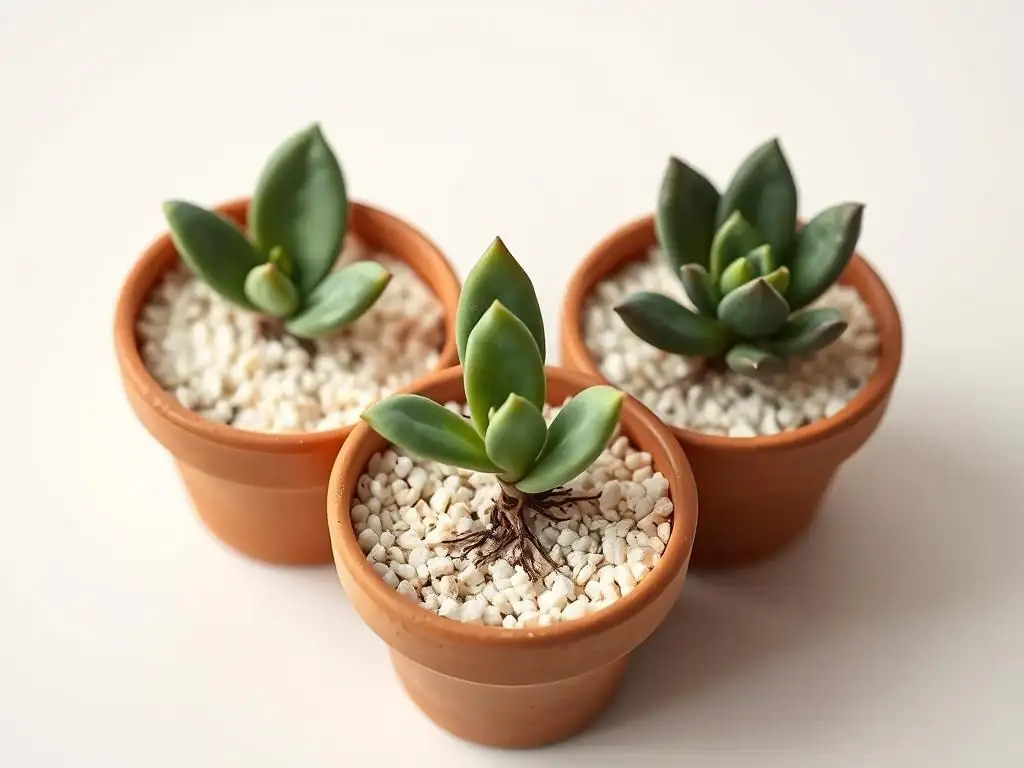
This section delves into advanced techniques to optimize your succulent leaf propagation soil mix, moving beyond the basic recipe. We'll explore ways to improve drainage, aeration, and nutrient content, ultimately boosting your propagation success rate. Achieving the best succulent leaf propagation soil isn't just about the right ingredients; it's about understanding how those ingredients interact and affect your cuttings.
Incorporating Organic Matter: Compost and Other Amendments
While a well-draining inorganic base is crucial for succulent leaf propagation, incorporating a small amount of organic matter can provide significant benefits. The key is moderation. Too much organic material can retain too much moisture, leading to rot. We recommend using well-rotted compost – not fresh compost, which can harbor pathogens – at a maximum of 10% of the total soil volume.
Well-rotted compost introduces beneficial microbes that improve soil structure and nutrient availability. These microbes help break down organic matter, releasing nutrients slowly and steadily, providing a gentle feeding for your developing roots. This slow-release nutrient system is ideal for succulent leaf propagation, avoiding the risk of fertilizer burn often associated with rapid nutrient uptake.
Consider alternatives like coco coir, which adds excellent water retention capacity without compromising drainage. Coco coir, when mixed correctly, offers a balance between moisture retention and aeration, making it a suitable amendment for those seeking to refine their propagation soil. However, remember that even with coco coir, proper drainage remains paramount. Overwatering remains the single biggest threat to successful propagation.
Using Specialized Soil for Specific Succulent Species
Not all succulents are created equal, and their propagation needs can vary. Some species, like Echeveria, are more sensitive to overwatering than others, like Sedum. Tailoring your soil mix to the specific succulent species you're propagating can significantly enhance your success.
For instance, Echeveria leaves benefit from a soil mix with a higher proportion of inorganic materials, such as perlite and pumice, to ensure exceptionally rapid drainage. Conversely, Sedum leaves, being generally hardier, might tolerate a slightly higher percentage of organic matter. Researching the specific needs of the succulent species you are propagating is key to achieving optimal results.
| Succulent Genus | Soil Mix Adjustment | Rationale |
|---|---|---|
| Echeveria | Increase perlite and pumice, reduce organic matter | Highly susceptible to root rot; requires exceptional drainage |
| Sedum | Slightly higher organic matter (well-rotted compost) | More tolerant of moisture retention; benefits from slow-release nutrients |
| Sempervivum | Similar to Echeveria; prioritize excellent drainage | Prone to rot if overwatered |
| Graptopetalum | High perlite content; minimal organic matter | Requires exceptionally well-draining soil |
This table provides a starting point. Always observe your cuttings closely for signs of overwatering or underwatering, adjusting your soil mix accordingly. Experience and observation are your best tools in mastering this aspect of propagation.
Sterilizing Your Soil Mix to Prevent Disease
Preventing disease is crucial for successful succulent leaf propagation. Sterilizing your soil mix helps eliminate pathogens that can cause damping-off, root rot, and other fungal diseases, which are particularly detrimental to delicate succulent cuttings.
Several methods exist for sterilizing your soil mix. The most effective is using a microwave. Spread your dry soil mix thinly on a microwave-safe plate, then microwave it on high for 2-3 minutes, stirring halfway through. The heat will kill most harmful microorganisms. Allow the soil to cool completely before use. Alternatively, you can bake your soil mix in the oven at 200°F (93°C) for 30-60 minutes. Again, ensure it cools fully before use. Remember to always prioritize safety when using these methods. 🧤
While sterilization significantly reduces the risk of disease, it's not a guarantee. Maintaining good hygiene practices, such as using clean tools and containers, is equally important in preventing disease during the propagation process. Regularly inspecting your cuttings for signs of disease and taking prompt action if necessary are key to long-term success in your leaf propagation endeavors. Preventing problems is always better than trying to cure them!
Maintaining Your Soil Mix for Optimal Succulent Growth
Maintaining the ideal soil mix is crucial for successful succulent leaf propagation. The "best succulent leaf propagation soil" isn't just about the initial mix; it's about ongoing management. A well-draining mix prevents root rot, a common killer of succulent cuttings. However, even the best-designed mix can become compacted or lose its drainage capacity over time. Regular monitoring and occasional adjustments are key to ensuring your cuttings thrive. This involves understanding the subtle shifts in your soil's structure and moisture retention.
Monitoring Moisture Levels in Your Propagation Tray
Monitoring moisture is paramount. Overwatering is a significant risk during propagation. The soil should be consistently moist but never soggy. A good rule of thumb is to allow the top inch of the soil to dry out slightly before watering again.
You can check this by inserting your finger into the soil. If it feels dry to the touch, it's time to water gently. Avoid directly pouring water onto the leaves; instead, water from the bottom of the tray using a tray method or carefully pour water around the base of the cuttings, ensuring that the water doesn't pool on the surface.
Excessive moisture leads to fungal growth and root rot, hindering the development of your precious leaf cuttings. Regularly checking moisture levels is a small effort with considerable rewards in terms of propagation success. Consider using a moisture meter for more precise readings, especially if you're dealing with many propagation trays or are unsure about your watering technique.
Repotting Leaf Cuttings Once Roots Develop
Once your succulent leaf cuttings have developed a robust root system (usually indicated by visible roots emerging from the base or by the appearance of new growth), it's time to consider repotting. This transition helps the cuttings move from the propagation phase to a more mature growth stage. The ideal timing depends on the specific succulent species and the size of the root system, but generally, this occurs within several weeks to a few months of initial propagation.
Repotting involves carefully transferring the cuttings to individual small pots containing fresh, well-draining succulent potting mix. This provides each cutting with ample space to grow its roots and establish itself. Gently loosen the soil around the roots to avoid damaging them during the transfer.
Avoid overwatering immediately after repotting, allowing the soil to dry slightly before resuming your regular watering schedule. This careful transition will maximize the chances of successful establishment for your propagated succulents.
Long-Term Care of Your Established Succulents
After successful propagation and repotting, your focus shifts to the long-term care of your established succulents. While the initial propagation mix was crucial for root development, the ongoing soil maintenance is equally important for their continued health and growth. As your succulents mature, they may require a slightly different soil composition to accommodate their increased size and root system.
This might involve incorporating a higher proportion of larger particles into the soil mixture to improve drainage and prevent compaction. You should also continue to monitor for signs of pests or diseases, addressing any issues promptly. Remember, the "best succulent leaf propagation soil" is a dynamic concept; it's not a one-size-fits-all solution, but rather a process of adaptation and ongoing care that will ensure your succulents flourish.
Regular fertilization with a balanced succulent fertilizer, applied sparingly, will provide the nutrients your plants need for healthy growth. Consistent care and attention will reward you with a thriving collection of propagated succulents, showcasing the fruits of your propagation efforts.
Frequently Asked Questions
What is the best soil mix for propagating succulent leaves?
The ideal mix for succulent leaf propagation is a well-draining blend. A good recipe includes equal parts perlite and coarse sand mixed with a small amount of potting soil. This ensures proper aeration and prevents root rot.
Why is drainage so important when propagating succulent leaves?
Excessive moisture is the biggest enemy of succulent cuttings. Good drainage prevents the leaves from sitting in water, which leads to rot and fungal diseases. Air circulation is also crucial.
Can I use regular potting soil for succulent leaf propagation?
While you can use some potting soil, it's not ideal. Regular potting soil often retains too much moisture, increasing the risk of root rot. Adding amendments like perlite or sand is crucial for improving drainage.
How do I know if my soil mix is draining properly?
Water your propagation mix. If the water drains quickly and doesn't pool on the surface, your mix is likely suitable. If the water sits on top, you need to add more perlite or coarse sand to improve drainage.
What are the signs of overwatering succulent leaf propagation?
Signs of overwatering include soft, mushy leaves, black or brown spots, and a foul odor. If you see these signs, remove the affected leaves and adjust your watering and soil mix to improve drainage.
Final Reflection: Cultivating Success: From Leaf to Thriving Plant
The quest for the perfect succulent leaf propagation soil isn't just about finding the ideal mix; it's about understanding the delicate balance of nature and harnessing it to nurture new life. Successfully propagating succulents from leaves offers a deeply rewarding experience, connecting us to the resilience and beauty of these fascinating plants. This knowledge, once considered a niche hobby, is now increasingly relevant as more people seek sustainable and affordable ways to expand their plant collections.
The journey from a single leaf to a thriving succulent is a testament to the power of patience and precision. It's a microcosm of the larger ecological principles at play in our world, reminding us of the interconnectedness of all living things. The earth laughs in flowers.
– Ralph Waldo Emerson. This quote beautifully encapsulates the joy and wonder inherent in the process, highlighting the transformative power of nurturing even the smallest of beginnings. The impact extends beyond individual gardeners; the growing popularity of succulent propagation reflects a broader societal shift towards sustainable practices and a deeper appreciation for the natural world.
Now, consider your own journey. Have you ever experienced the thrill of witnessing a tiny root emerge from a seemingly lifeless leaf? Take this knowledge and apply it to other areas of your life. Just as careful attention to detail is crucial for successful propagation, so too is meticulous planning and consistent effort necessary for achieving your goals. Embrace the process, learn from setbacks, and celebrate the small victories along the way. The rewards of nurturing life, whether it's a succulent cutting or a personal aspiration, are immeasurable.
Unleash Your Inner Plant Wizard: Propagate Your Succulent Collection!
Thank you for exploring the world of succulent leaf propagation! You've learned how to create the perfect soil mix—a crucial step towards a thriving succulent collection. Ready to put your knowledge into practice?
- Start propagating today! Gather your leaves and your specially prepared soil mix, and watch those roots develop! This is your opportunity to expand your collection and share the joy of succulents with others.
- Share your propagation journey! Take photos of your progress and post them on social media using #SucculentEssentials. Let's inspire one another!
- Experiment with different succulent varieties to see which thrive best with this soil mix. You might discover a hidden talent for propagation!
What exciting succulents will you propagate first, and what challenges are you looking forward to overcoming? Let's discuss in the comments below!