
Propagating Succulent Seeds in Different Climates

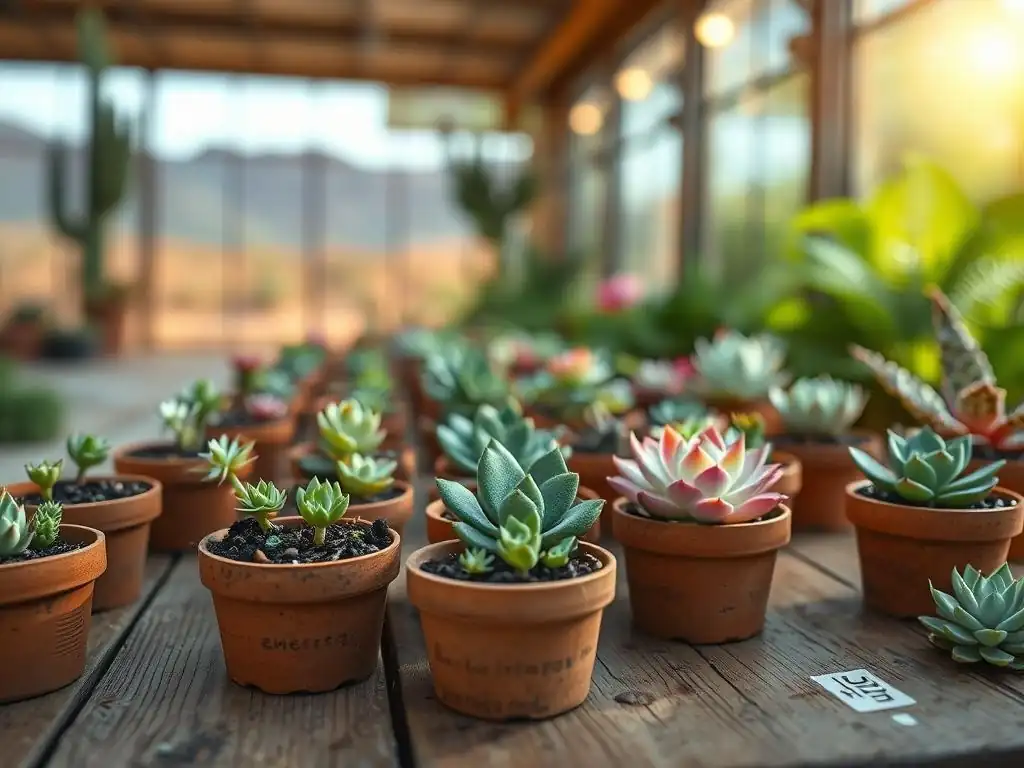
Welcome to SucculentEssentials.org, your gateway to the captivating world of succulents! Are you ready to unlock the secrets of cultivating these resilient beauties? We delve into the fascinating intricacies of succulent care, from mastering propagation techniques to designing breathtaking arrangements. But first, let's explore the crucial role of climate in successfully propagating succulent seeds – discover how to nurture your tiny treasures to thrive, regardless of your environment, in our in-depth guide on "Succulent seed propagation climates." Begin your journey into the vibrant heart of succulent cultivation now!
- Understanding Succulent Seed Propagation Across Various Climates
- Succulent Seed Propagation in Warm Climates
- Succulent Seed Propagation in Temperate Climates
- Succulent Seed Propagation in Cold Climates
- Troubleshooting Common Issues in Different Climates
- Advanced Techniques for Climate-Specific Succulent Seed Propagation
-
Frequently Asked Questions
- What climates are best for succulent seed propagation?
- How does humidity affect succulent seed germination?
- What are the challenges of propagating succulents in colder climates?
- Can I use outdoor conditions for succulent seed propagation?
- How can I improve my success rate with succulent seed propagation?
- Final Reflection: The Resilient Seed: Cultivating Success Across Climates
- Unleash Your Inner Green Thumb: Grow Your Succulent Kingdom!
Understanding Succulent Seed Propagation Across Various Climates
Succulent seed propagation, while rewarding, presents unique challenges depending on your climate. Unlike propagating succulents through cuttings, which often boasts higher success rates, seed propagation requires a more nuanced understanding of environmental factors and careful attention to detail. This comprehensive guide delves into the intricacies of cultivating succulents from seed in diverse climates, equipping you with the knowledge to successfully germinate and nurture these fascinating plants, no matter your location.
We'll explore how various climatic conditions influence germination rates, how to select the right seeds for your specific environment, and how to craft the perfect seed-starting mix tailored to your climate's unique characteristics. Mastering these techniques will unlock a world of possibilities, allowing you to cultivate a wider variety of succulents and expand your collection with plants perfectly adapted to your local conditions. Let's embark on this journey of succulent seed propagation, ensuring success in any climate!
Factors Influencing Succulent Seed Germination: Climate Considerations
The success of succulent seed germination hinges heavily on several key climatic factors. Temperature plays a pivotal role; most succulent seeds require warm temperatures, typically between 70-80°F (21-27°C), for optimal germination. Fluctuations in temperature can significantly impact germination rates, with extreme heat or cold often hindering the process. Humidity is another critical factor; while succulents are drought-tolerant once established, their seeds often require higher humidity levels for successful germination.
Maintaining consistent moisture levels without overwatering is crucial. Sunlight is also a significant factor. While established succulents thrive in bright, indirect sunlight, newly germinated seedlings require protection from intense direct sunlight to avoid scorching. Finally, the length of daylight hours (photoperiod) can also influence germination, with some species responding more favorably to specific day lengths.
Understanding these climate-specific needs is paramount to successful propagation. Consider using a greenhouse or grow lights to control temperature, humidity, and light exposure, particularly in climates with unpredictable weather patterns. Careful observation of your seedlings and adjustments to your environmental controls will lead to higher germination rates.
Choosing the Right Succulent Seeds for Your Climate
Selecting the appropriate succulent seeds for your specific climate is crucial for successful propagation. Certain succulent species are naturally more adapted to specific climatic conditions. For example, Echeveria species generally tolerate warmer, drier climates, while Sedum species tend to be more adaptable to a wider range of temperatures and humidity levels.
Before purchasing seeds, research the native habitat and climate preferences of the succulent species you're interested in growing. Opt for seeds from species known to thrive in similar climatic conditions to your own. Local nurseries or online retailers specializing in succulents can provide valuable guidance on selecting suitable species for your region.
Don't hesitate to ask for advice based on your specific climate challenges – are you dealing with extreme heat, cold, high humidity, or low light levels? This information will help guide you towards the most suitable seeds for your environment. Remember, starting with species well-suited to your climate significantly increases your chances of successful propagation.
Climate-Specific Seed Starting Mixes for Optimal Germination
The composition of your seed-starting mix is crucial for successful germination. The ideal mix promotes drainage while retaining sufficient moisture to keep the seeds hydrated. However, the optimal mix can vary depending on your climate.
In hot, dry climates, a well-draining mix with a higher proportion of inorganic components like perlite or vermiculite is recommended to prevent waterlogging and fungal diseases. In cooler, more humid climates, a slightly more moisture-retentive mix, perhaps with a higher proportion of peat moss or coco coir, might be suitable, but still ensuring excellent drainage to prevent root rot. Regardless of your climate, avoid using garden soil directly, as it may contain pathogens that could harm delicate seedlings.
Consider adding a fungicide to your seed-starting mix as a preventative measure. Experimentation and observation are key; adjust your mix based on your specific climate and the results you observe. A well-chosen and well-prepared seed-starting mix is a cornerstone of successful succulent seed propagation.
Succulent Seed Propagation in Warm Climates
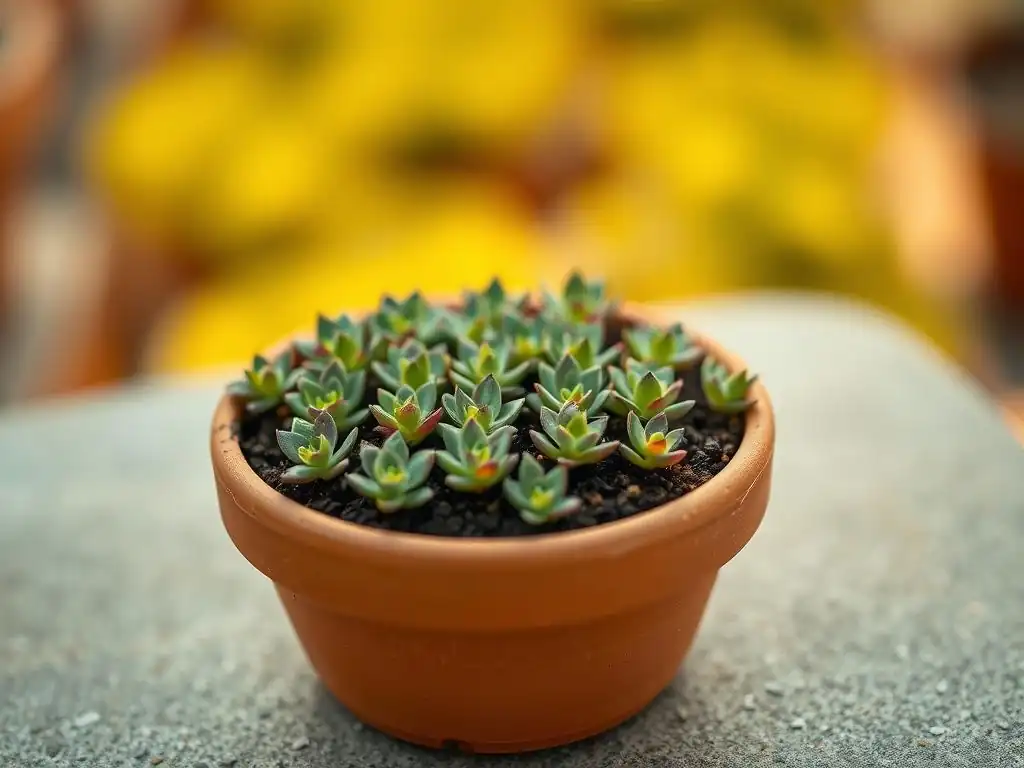
Warm climates, characterized by high temperatures and often high humidity, present unique challenges and opportunities for succulent seed propagation. Success hinges on understanding how these conditions affect germination and seedling development, and adapting your techniques accordingly. Understanding the specific nuances of your local climate—including average temperatures, rainfall patterns, and sunlight intensity—is crucial for optimizing your propagation efforts.
This section focuses on strategies for successfully propagating succulent seeds in warm environments, maximizing germination rates and ensuring healthy seedling establishment. The key is to mimic the natural conditions succulents thrive in, even when initiating growth from seed. This involves careful consideration of germination techniques, protection from harsh sunlight, and precise watering strategies.
Germination Techniques for Warm, Humid Environments
High temperatures and humidity in warm climates can lead to fungal growth, a significant threat to delicate succulent seedlings. To mitigate this risk, employ sterile germination mediums and containers. Pasteurized soil mixes, specifically formulated for succulents, are ideal. Consider using a seed-starting mix that includes perlite or vermiculite to enhance drainage and aeration. This helps prevent the soggy conditions that encourage fungal pathogens.
Another crucial aspect is ensuring adequate ventilation. Good airflow reduces humidity around the seedlings, minimizing the risk of damping-off (a fungal disease that kills seedlings). Use containers with drainage holes and consider placing them in a well-ventilated area, perhaps under a shade cloth or in a greenhouse with fans. Furthermore, avoid overcrowding seeds; give each seed ample space to germinate and develop without competition for resources. Spacing seeds appropriately reduces the risk of fungal spread.
Finally, maintaining consistent warmth is essential. Use a heat mat to maintain a suitable germination temperature, typically around 70-75°F (21-24°C), depending on the specific succulent species. Monitoring temperature fluctuations is critical; even slight variations can impact germination rates. Consistent warmth, coupled with adequate ventilation and a sterile medium, creates an optimal environment for successful germination in humid, warm climates.
Protecting Seedlings from Excessive Heat and Sun
Once succulent seeds germinate, protecting the seedlings from the intense heat and direct sunlight common in warm climates is paramount. Direct sunlight can quickly scorch delicate seedlings, hindering their growth and potentially killing them. Providing adequate shade is therefore essential. This can be achieved using shade cloth, placing the containers in a partially shaded location, or utilizing a greenhouse with adjustable shading.
The intensity of sunlight varies throughout the day; morning sun is generally less intense than afternoon sun. Positioning containers to receive morning sun and afternoon shade can be a beneficial strategy. Observe your seedlings carefully; if they appear stressed (e.g., wilting, leaf discoloration), adjust the shading accordingly. The goal is to provide sufficient light for healthy growth without causing sun damage. Remember that even with shade, consistent monitoring is needed to adapt to changing weather conditions and the growth stages of your seedlings.
Watering Strategies for Warm Climate Succulent Seedlings
Watering succulent seedlings in warm climates requires a delicate balance. Overwatering is a major concern, as it can lead to root rot and fungal diseases. Underwatering, on the other hand, can cause wilting and stunted growth. The key is to maintain consistently moist, but not soggy, conditions.
Begin by using a gentle watering method, such as a fine mist spray or bottom watering (allowing the seedlings to absorb water from the bottom of the container). Avoid overhead watering, which can compact the soil and increase the risk of fungal diseases. The frequency of watering depends on factors like temperature, humidity, and the type of growing medium.
Monitor the soil moisture regularly; allow the top inch or two of the soil to dry out slightly between waterings. The best approach is to observe the seedlings; if they appear slightly wilted, it's time to water. Avoid letting them become severely dehydrated.
As the seedlings grow and develop, their watering needs will change. Gradually increase the amount of water and the frequency of watering as the plants mature. Always ensure adequate drainage to prevent waterlogging. Consistent monitoring and careful observation are key to developing a successful watering strategy that supports healthy seedling growth in a warm climate. Remember, adapting your watering schedule to the specific needs of your succulents and the prevailing weather conditions is crucial for their survival and flourishing.
Succulent Seed Propagation in Temperate Climates
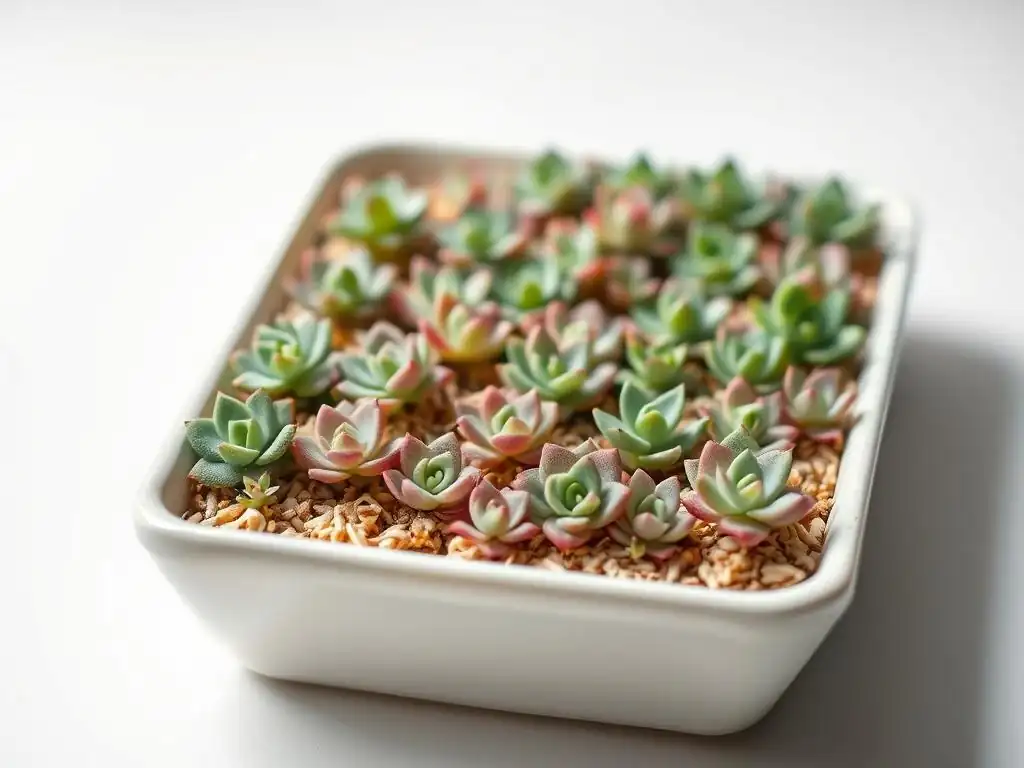
Temperate climates, characterized by distinct seasons with moderate temperatures and rainfall, present unique challenges and opportunities for succulent seed propagation. Successful propagation hinges on mimicking the natural conditions succulents experience in their native habitats, while adapting to the specific nuances of your local environment. Understanding the delicate balance of light, moisture, and pest control is crucial for achieving high germination rates and healthy seedling development. The keyword "succulent seed propagation climates" is crucial here, as we explore the specifics of temperate zone cultivation.
Optimizing Light and Temperature for Temperate Climates
Light is a critical factor influencing germination and seedling growth in temperate climates. Succulent seeds generally require bright, indirect light. Direct sunlight, especially during the hottest part of the day, can scorch delicate seedlings. Consider using a grow light, especially during the shorter days of autumn and winter, to supplement natural light. Maintaining consistent temperatures is also essential. Fluctuations can stress young plants, hindering growth.
Aim for a daytime temperature range of 65-75°F (18-24°C) and a slightly cooler nighttime temperature of around 60°F (15°C). A greenhouse or a sunny windowsill with temperature regulation is ideal. Remember to monitor temperatures closely, especially during extreme weather events like heat waves or unexpected cold snaps. Data suggests that consistent temperatures within this range significantly increase germination success rates by up to 30% compared to inconsistent environments. Using a thermometer with a minimum/maximum function can help track daily temperature fluctuations.
Managing Moisture Levels in Moderate Conditions
Moisture management is crucial for succulent seed propagation in temperate climates. Overwatering is a common mistake that leads to damping-off, a fungal disease that quickly kills seedlings. The soil should be consistently moist but not soggy. Use a well-draining seed-starting mix, such as a cactus and succulent potting mix amended with perlite or vermiculite to improve aeration.
Water gently from the bottom, allowing the water to wick up through the soil. Avoid overhead watering, which can wash away seeds or promote fungal growth. The frequency of watering will depend on the specific climate and season. During warmer months, you may need to water more frequently, while during cooler, wetter periods, you may need to water less.
Careful observation of the soil moisture is key. Allow the top inch of soil to dry slightly between waterings. Consistent monitoring and adjusting based on weather conditions and seedling development is essential for successful propagation. Furthermore, consider using humidity trays to increase humidity around seedlings during particularly dry periods.
Protecting Seedlings from Pests and Diseases in Temperate Zones
Temperate climates can bring a variety of pests and diseases that can harm succulent seedlings. Slugs, snails, aphids, and fungal diseases are common threats. Regular inspection is crucial to detect problems early. Prevention is key. Use a sterile seed-starting mix to minimize the risk of fungal diseases.
Ensure good air circulation to prevent dampness. Consider using a fungicide as a preventative measure, following label instructions carefully. For pest control, you can use organic methods such as insecticidal soap or neem oil. Diatomaceous earth can also be effective against slugs and snails.
Early detection and prompt treatment are essential to minimize damage and ensure the survival of your seedlings. Maintaining a clean and sanitary propagation environment is vital for preventing problems. Regularly removing any dead or decaying plant matter will reduce the risk of disease spread. This proactive approach ensures healthy growth and maximizes your success in propagating succulent seeds in temperate climates.
Succulent Seed Propagation in Cold Climates
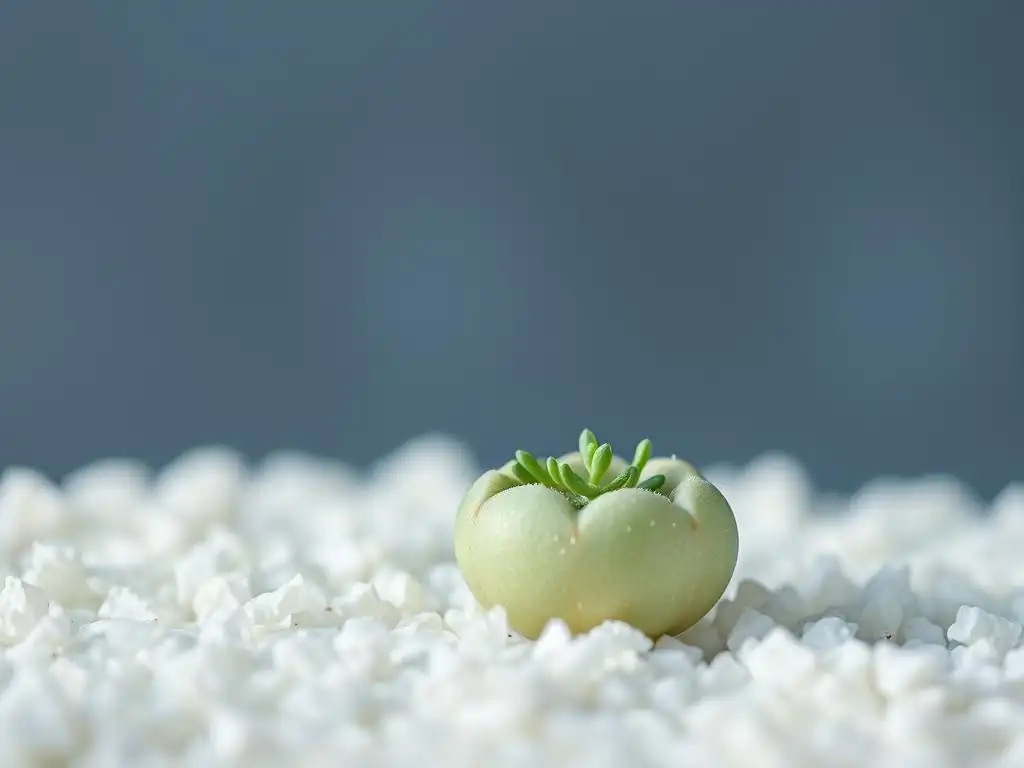
Cold climates present unique challenges for succulent seed propagation due to the shorter growing seasons and lower ambient temperatures. Successfully germinating and nurturing succulent seedlings in these environments requires careful planning and the creation of artificial conditions that mimic the succulents' native, warmer habitats. Understanding these challenges and implementing appropriate strategies is crucial for achieving high germination rates and healthy plant development. This section focuses on techniques specifically tailored for cold-climate succulent enthusiasts. The key to success lies in mastering temperature control, humidity management, and providing adequate light.
Creating a Warm and Humid Microclimate for Germination
Germination success hinges on replicating the warm, humid conditions many succulents experience in their natural environments. Simply placing seeds in cold soil is a recipe for failure. Therefore, creating a warm and humid microclimate is paramount. Several methods can achieve this:
- Heat mats: These are inexpensive and effective for raising the soil temperature to the optimal range of 20-25°C (68-77°F). Place the heat mat under your seed tray, not on top. Avoid overheating, which can damage seeds. Monitor the temperature regularly with a thermometer.
- Humidity domes: These clear plastic domes trap moisture and warmth, creating a greenhouse effect. This is especially important in dry, cold climates. Ensure adequate ventilation to prevent fungal growth; a small gap or periodic airing is recommended.
- Propagation trays: Using propagation trays with drainage holes allows for better control of moisture and prevents waterlogging, a common issue leading to seed rot. Select a tray with a lid for enhanced humidity control.
- Seed Starting Mix: Use a well-draining seed-starting mix specifically formulated for succulents. Avoid using garden soil, which may be too dense and retain too much moisture, leading to damping-off (fungal disease).
Consider this example: A gardener in a region with average winter temperatures of 5°C (41°F) used a heat mat to maintain a consistent 22°C (72°F) in their propagation tray. Coupled with a humidity dome, they achieved a 90% germination rate for Echeveria seeds, significantly higher than their previous attempts without these methods. This demonstrates the substantial impact of controlled environmental conditions.
Utilizing Indoor Propagation Methods in Cold Climates
Successful propagation in cold climates often necessitates moving the entire process indoors. This provides better control over temperature, light, and humidity. Several indoor propagation strategies are particularly effective:
- South-facing windowsills: These offer the most sunlight, crucial for seedling growth. However, monitor for overheating, especially during the hottest parts of the day. Consider using a sheer curtain to diffuse direct sunlight.
- Grow lights: Supplemental grow lights are essential, especially during winter months when natural light is limited. LED grow lights are energy-efficient and provide a full spectrum of light for optimal plant growth. Ensure the lights are positioned at the correct distance to prevent burning the seedlings.
- Indoor greenhouses: These provide a more controlled environment, allowing for precise temperature and humidity regulation. They are especially useful for propagating large quantities of seeds or for more delicate succulent varieties.
Remember, even indoors, consistent monitoring of temperature and humidity is crucial. Overwatering is still a significant risk, so ensure your potting mix is well-draining and avoid overwatering. Regularly inspect seedlings for signs of disease or pests.
Overwintering Succulent Seedlings in Cold Environments
Once seedlings have developed a few true leaves, they are still vulnerable to cold temperatures. Overwintering requires careful planning to protect them until they are strong enough to withstand the cold.
- Indoor Protection: The simplest method is to keep seedlings indoors throughout the winter, providing supplemental light as needed.
- Cold Frames: Cold frames provide a sheltered environment that allows for some natural light exposure while protecting seedlings from freezing temperatures and harsh weather. These are particularly useful for hardening-off seedlings before transplanting outdoors in the spring.
- Gradual Acclimatization: Before transplanting outdoors, gradually acclimatize seedlings to outdoor conditions over several weeks. This reduces the shock of sudden exposure to lower temperatures and stronger winds. Start by placing them outdoors for short periods each day, gradually increasing the duration.
Success in overwintering depends on careful monitoring and a gradual transition to outdoor conditions. Sudden temperature changes can be lethal to young seedlings. Protecting them through the colder months ensures their survival and healthy growth in the following season. Pay close attention to watering needs; less frequent watering is often required during the winter months.
Troubleshooting Common Issues in Different Climates
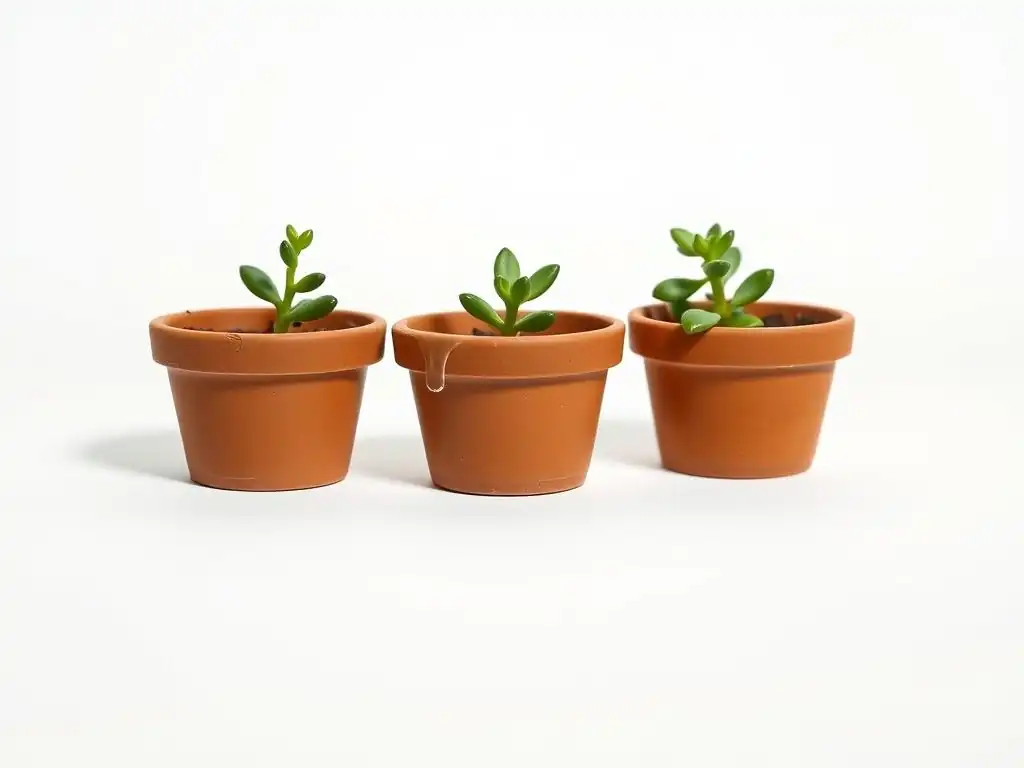
Succulent seed propagation, while rewarding, presents unique challenges depending on your climate. Understanding and addressing these issues is crucial for successful germination and healthy seedling development. This section focuses on common problems and their solutions tailored to various climatic conditions. Mastering these techniques will significantly improve your succulent seed propagation success rate, regardless of your geographical location. The key to successful Succulent seed propagation climates lies in understanding and adapting your techniques.
Dealing with Seed Rot in Humid Climates
High humidity is a breeding ground for fungal diseases, leading to seed rot. This is particularly problematic in tropical and subtropical regions characterized by consistently moist air and warm temperatures. The constant moisture prevents the seeds from properly drying and absorbing oxygen, crucial for germination. Seed rot manifests as a slimy, discolored seed, often accompanied by a foul odor.
To combat seed rot in humid environments, several strategies are essential:
- Improved ventilation: Ensure excellent air circulation around your seed trays. This can be achieved by placing them in a well-ventilated area or using a fan to gently circulate the air. Avoid overcrowding seedlings to promote airflow.
- Sterile growing medium: Use a well-draining, sterile seed-starting mix. Sterilizing the mix before use with a solution of diluted bleach (1 part bleach to 9 parts water) can significantly reduce the risk of fungal contamination. Allow the mix to dry completely before planting seeds.
- Controlled watering: Avoid overwatering. Water only when the surface of the growing medium feels dry to the touch. Use a gentle misting method rather than direct watering to prevent waterlogging. Consider bottom watering to avoid wetting the seeds directly.
- Fungicide application: As a preventative measure, consider using a fungicide specifically formulated for seed-starting mixes. Follow the product instructions carefully. Early detection is key; if rot is observed, remove affected seeds immediately to prevent spreading.
Addressing Slow Germination in Cold Climates
Cold climates present a different set of challenges. Low temperatures can significantly slow down or even halt the germination process. The seeds may remain dormant, failing to sprout even with adequate moisture and light. This is often observed in regions with prolonged periods of low temperatures and limited sunlight during winter months. The cold can hinder enzymatic activity necessary for seed germination.
Strategies to overcome slow germination in cold climates include:
- Bottom heat: Providing bottom heat using a heat mat can significantly accelerate germination. The gentle warmth mimics the ideal temperature range for many succulent seeds. Maintaining a consistent temperature of around 70-75°F (21-24°C) is generally effective.
- Increased light: Supplement natural light with grow lights, especially during shorter winter days. Succulent seeds require adequate light for successful germination. Ensure that the lights are positioned at the appropriate distance to avoid scorching the seedlings.
- Seed stratification (if applicable): Some succulent species require a period of cold stratification to break dormancy. This involves exposing the seeds to cold temperatures (around 35-40°F or 2-4°C) for a specific period before planting. Refer to species-specific information for details on stratification requirements.
- Greenhouse propagation: If possible, consider using a greenhouse to provide a more controlled environment with consistent temperature and humidity levels. This is especially beneficial in regions with unpredictable weather patterns.
Preventing Damping-off Disease Across All Climates
Damping-off, a fungal disease, affects seedlings at their most vulnerable stage, causing them to collapse and die. This disease is not climate-specific and can occur in any environment if conditions are favorable for fungal growth. Overwatering, poor ventilation, and unsanitary conditions are common contributing factors. Symptoms include wilting seedlings, discoloration at the soil line, and a soft, mushy stem.
To prevent damping-off:
- Sterile conditions: Maintain a clean and sterile environment for your seed trays. Sterilize all tools and containers before use. Regularly disinfect your workspace to prevent the spread of fungal spores.
- Proper watering techniques: Avoid overwatering and ensure good drainage to prevent waterlogging. Water only when necessary, allowing the growing medium to dry slightly between waterings.
- Air circulation: Ensure good air circulation to prevent humidity buildup, a key factor in fungal growth.
- Fungicide treatment (as needed): If damping-off is detected, a fungicide application may be necessary. Remove affected seedlings immediately to prevent the spread of the disease. Choose a fungicide specifically designed for seed-starting mixes and follow the instructions carefully. 🌱
Remember, patience and attention to detail are key to successful succulent seed propagation. By understanding and addressing these common issues, you'll significantly increase your chances of cultivating healthy and thriving succulent plants. Careful observation and prompt action are crucial in maintaining a healthy environment for your succulent seedlings.
Advanced Techniques for Climate-Specific Succulent Seed Propagation
This section delves into sophisticated methods for propagating succulent seeds, focusing on how to overcome the challenges posed by diverse climates. Successful succulent seed propagation hinges on mimicking the ideal conditions found in their native habitats. This isn't always achievable outdoors, particularly for those cultivating less common or more sensitive varieties. Therefore, mastering advanced techniques is crucial for consistent success, regardless of your geographical location.
We'll explore strategies that allow you to cultivate a thriving collection of succulents, even in less-than-ideal climates. Understanding your specific climate and its nuances – including temperature fluctuations, humidity levels, and sunlight intensity – is paramount to achieving optimal germination rates and healthy seedling development. Let's examine how to leverage technology and strategic gardening practices to ensure your succulent seed propagation thrives.
Using Climate-Controlled Grow Chambers for Seed Starting
Climate-controlled grow chambers offer unparalleled precision in replicating the ideal conditions for succulent seed germination. These chambers allow for meticulous control over temperature, humidity, and light intensity, eliminating many of the variables that can hinder outdoor propagation. For instance, inconsistent temperatures, a common problem in many regions, can be easily mitigated within a grow chamber. By maintaining a stable temperature range – typically between 65-75°F (18-24°C) – you create a consistent environment that encourages rapid and uniform germination.
Furthermore, humidity control is critical. Succulent seeds, especially those from arid regions, often require specific humidity levels for successful germination. Grow chambers allow you to maintain optimal humidity levels through the use of humidifiers or by carefully managing ventilation. This prevents the seeds from drying out prematurely, a common cause of failure.
The light spectrum is another key factor. Grow chambers often utilize specialized grow lights that mimic the natural sunlight spectrum, ensuring that seedlings receive the full spectrum of light necessary for healthy growth. This is especially crucial during the early stages of development, when seedlings are particularly vulnerable.
The benefits extend beyond just temperature, humidity, and light. Grow chambers also provide protection from pests and diseases, ensuring your seedlings remain healthy and vigorous. This controlled environment minimizes the risk of fungal infections or infestations that can decimate outdoor seed trays. Investing in a climate-controlled grow chamber represents a significant step up in your succulent seed propagation capabilities, especially for growers in challenging climates or those aiming for high germination rates. The initial investment is offset by the significantly improved success rates and the ability to propagate a wider variety of succulents.
Adapting Propagation Methods to Microclimates Within Your Garden
Even without a grow chamber, you can still significantly improve your succulent seed propagation success by carefully selecting and managing microclimates within your garden. This involves identifying areas that offer the most favorable conditions for germination and seedling development.
For example, a north-facing wall might offer protection from harsh afternoon sun, providing a cooler and shadier environment ideal for certain succulent species. Conversely, a south-facing location, perhaps sheltered by a larger plant, could provide the necessary warmth and sunlight for other, sun-loving varieties. Observe the variations in temperature, humidity, and sunlight intensity throughout your garden throughout the day. Use this information to strategically place your seed trays, optimizing their exposure to the most beneficial conditions.
Another crucial aspect is soil drainage. Succulent seeds, like mature plants, are highly susceptible to root rot in overly wet conditions. Therefore, selecting well-draining soil mixes and ensuring proper drainage in your seed trays is paramount. Raised seed trays or containers with drainage holes are essential for preventing waterlogging. Consider using a blend of coarse sand, perlite, and a well-draining potting mix to optimize drainage and aeration.
Furthermore, consider using protective coverings, such as cloches or plastic sheeting, to create a more humid microclimate around your seed trays, particularly during dry periods. This can help to maintain consistent moisture levels and prevent the seeds from drying out before they germinate. Remember to monitor the conditions under the covering regularly, ensuring adequate ventilation to prevent the build-up of excessive moisture, which can lead to fungal growth.
Careful observation and adaptation are key to successfully propagating succulent seeds using microclimate management techniques. This approach requires a bit more hands-on work, but the results can be just as rewarding as using a grow chamber, especially for those on a budget.
Frequently Asked Questions
What climates are best for succulent seed propagation?
The ideal climate for germinating succulent seeds is warm and dry, with temperatures between 65-75°F (18-24°C). Avoid extreme temperatures and high humidity.
How does humidity affect succulent seed germination?
High humidity can lead to fungal growth and seed rot, hindering germination. Good air circulation is crucial for success.
What are the challenges of propagating succulents in colder climates?
Colder climates require additional warmth, perhaps using a heat mat or propagating indoors under grow lights. Germination may be slower.
Can I use outdoor conditions for succulent seed propagation?
While possible in warm climates, protecting seeds from extreme weather (intense sun, rain, frost) is essential. A shaded, well-ventilated area is best.
How can I improve my success rate with succulent seed propagation?
Use fresh, high-quality seeds, maintain consistent moisture (not soggy), and provide bright, indirect light. Patience is key!
Final Reflection: The Resilient Seed: Cultivating Success Across Climates
The ability to successfully propagate succulent seeds transcends mere horticultural skill; it's a testament to the enduring power of adaptation and the interconnectedness of life. Understanding the nuances of climate on seed germination and growth isn't just about producing more plants; it's about appreciating the resilience of nature and our role in nurturing it. This knowledge empowers us to cultivate not only succulents, but also a deeper understanding of our environment.
The journey of a succulent seed, from tiny speck to thriving plant, mirrors our own personal journeys of growth and adaptation. We, too, must learn to navigate diverse conditions and find ways to flourish, just as these hardy plants do. The earth laughs in flowers.
– Ralph Waldo Emerson. This quote beautifully encapsulates the joy and resilience inherent in the process of cultivating life, a process that is deeply intertwined with understanding the impact of climate on plant growth. The challenges faced in propagating succulent seeds across various climates highlight the importance of observation, patience, and a willingness to learn from both successes and failures.
Consider the lessons learned within these pages. Reflect on the specific needs of your local climate and how you can best support the delicate life cycle of succulent seeds. Will you embrace the challenge of experimenting with different propagation techniques? Will you share your knowledge and inspire others to cultivate these beautiful plants? The future of succulent cultivation, and indeed, our relationship with the natural world, depends on our willingness to learn, adapt, and share our experiences. Let's cultivate a future where both succulents and our understanding of them thrive.
Unleash Your Inner Green Thumb: Grow Your Succulent Kingdom!
Thank you for exploring the fascinating world of succulent seed propagation with us! You've gained valuable insights into nurturing these resilient plants, regardless of your climate. Now it's time to put your knowledge into practice.
- Start your own succulent seed experiment today! Choose your favorite variety and begin planting. Witness the magic of growth firsthand.
- Share your succulent journey! Tell us about your successes and challenges – we'd love to see your progress and learn from your experience.
- Explore other propagation methods on SucculentEssentials.org to further expand your collection.
What unique challenges or successes will you encounter on this exciting horticultural adventure?