
The Secret to Rooting Succulents Fast: Propagation Hacks

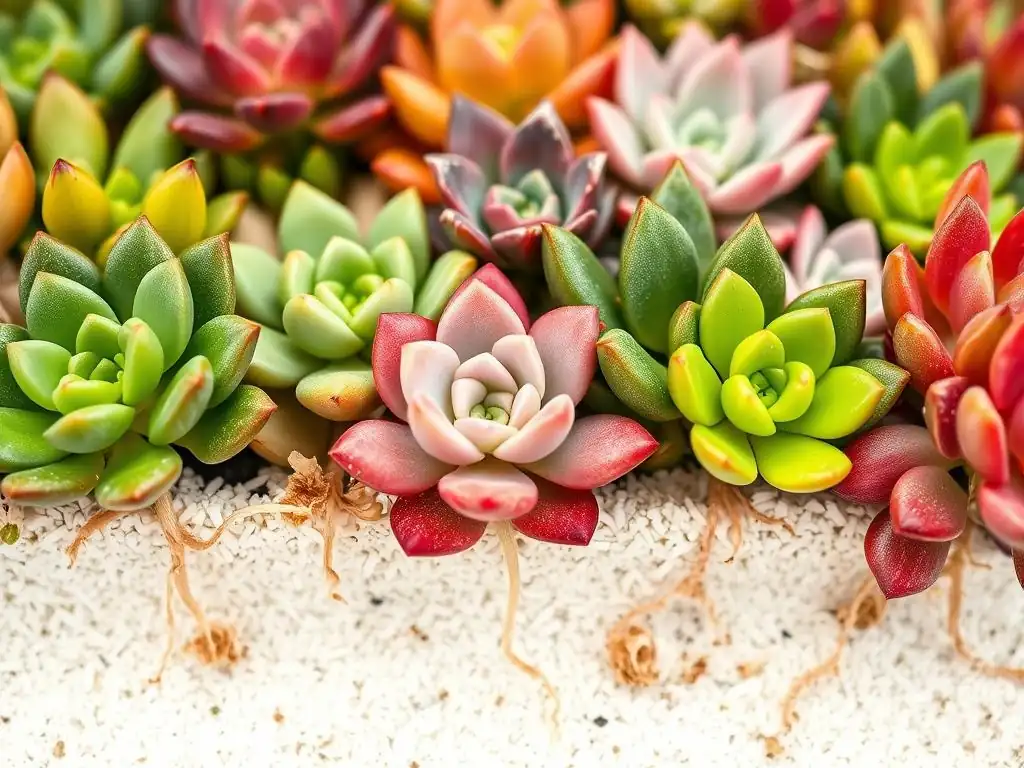
Welcome to SucculentEssentials.org, where the thriving world of succulents unfolds before you! Are you ready to unlock the secrets to a flourishing succulent collection? Discover fast succulent propagation methods that will transform your plant game, turning cuttings into thriving specimens in record time. Dive into our expert guide on propagation and reproduction techniques and prepare to be amazed by how quickly your succulent family can grow!
- Understanding Fast Succulent Propagation Methods
- Accelerated Rooting Techniques for Succulents
- Troubleshooting Common Issues in Fast Succulent Propagation
- Optimizing Your Environment for Fast Rooting
- Advanced Hacks for Rapid Succulent Propagation
-
Frequently Asked Questions
- What are the fastest methods for succulent propagation?
- How long does it typically take for succulents to root using fast propagation methods?
- What is the ideal environment for fast succulent propagation?
- What type of soil or medium is best for fast rooting?
- Are there any specific succulent varieties that propagate faster than others?
- Final Reflection: Unlocking the Accelerated Growth of Nature's Gems
- Unleash Your Inner Plant Parent: Propagate Your Succulent Empire!
Understanding Fast Succulent Propagation Methods
Successfully propagating succulents can be a rewarding experience, leading to an expanding collection of these fascinating plants. This article delves into the secrets of achieving fast succulent propagation, exploring techniques and strategies to significantly reduce rooting time. We'll cover optimal timing, leaf selection, and essential tools to maximize your success.
Mastering these methods will allow you to quickly expand your succulent family, whether you're aiming to create more of your favorite varieties or share the joy of succulent gardening with others. Learning how to propagate succulents quickly not only saves time but also allows for efficient propagation of rare or highly desirable varieties, potentially even creating unique hybrids with careful cross-pollination techniques. This guide focuses on practical, proven methods for accelerating the propagation process, ensuring you achieve successful rooting in a shorter timeframe than traditional methods.
We’ll explore the science behind fast propagation, explaining the factors that influence rooting speed and providing actionable steps to optimize each stage of the process. Get ready to unlock the secrets to fast and efficient succulent propagation!
Choosing the Right Time for Optimal Rooting
The timing of your propagation efforts significantly impacts success. The ideal time to propagate succulents is during their active growing season. This typically falls during the warmer months, generally from spring through early autumn (March-September in many temperate climates). 1 During these months, succulents are actively producing new cells and hormones, which are essential for successful root development. Avoid propagating during winter dormancy, as the plant's energy is focused on survival rather than growth. Even within the growing season, consider the specific climate in your region. Choose days that are warm and bright, but avoid extreme heat or direct sunlight which can scorch the cuttings. Monitoring weather patterns and choosing days with consistent, pleasant temperatures will drastically improve your propagation success rate. Consider factors such as humidity and rainfall; a consistently humid environment can encourage faster rooting. This ideal timing, combined with the right techniques, will lead to significantly faster rooting times.
1 This timeframe is a general guideline and may vary depending on your specific geographic location and the type of succulent.
Selecting Healthy Succulent Leaves for Propagation
Selecting healthy leaves is crucial for fast propagation. Choose plump, firm leaves that are free from blemishes, pests, or diseases. Avoid using leaves that are shriveled, discolored, or damaged, as these are less likely to root successfully. The best leaves are typically located in the outer, healthier parts of the plant, and often have a slightly firm, turgid feel.
Avoid selecting leaves from the center of the rosette, as these are often younger and less developed, with a lower chance of successful propagation. Examine each leaf carefully before selecting it for propagation. A healthy leaf will have a vibrant color consistent with the rest of the plant and will not show any signs of bruising or damage.
Using healthy leaves maximizes your chances of success and contributes to faster rooting times. Healthy leaves contain ample resources to support the development of new roots, leading to faster and more vigorous growth. Remember, the quality of your starting material directly influences the speed and success of your propagation efforts.
Essential Tools for Speedy Succulent Propagation
Having the right tools on hand can significantly streamline the propagation process and contribute to faster rooting. Here's a list of essential tools:
- Sharp, Clean Knife or Scissors: A clean, sharp blade is critical to ensure a clean cut, minimizing damage to the leaf and reducing the risk of infection. Sterilize your tools with rubbing alcohol before each use to prevent the spread of diseases.
- Well-Draining Propagation Medium: A well-draining medium is essential to prevent root rot. A mix of coarse sand, perlite, and vermiculite is ideal. Avoid using soil that retains too much moisture.
- Small Pots or Trays: Choose small containers with drainage holes to prevent waterlogging.
- Spray Bottle: A spray bottle is useful for gently misting the propagation medium to maintain optimal moisture levels. Avoid overwatering.
- Optional: Rooting Hormone: While not strictly necessary, a rooting hormone can help accelerate root development. Apply it sparingly according to the product instructions.
Careful selection and proper use of these tools will contribute to a more efficient and successful propagation process, ultimately leading to faster rooting times and a thriving succulent collection. Investing in quality tools will pay off in the long run by ensuring the health and vitality of your new succulent plants.
Accelerated Rooting Techniques for Succulents
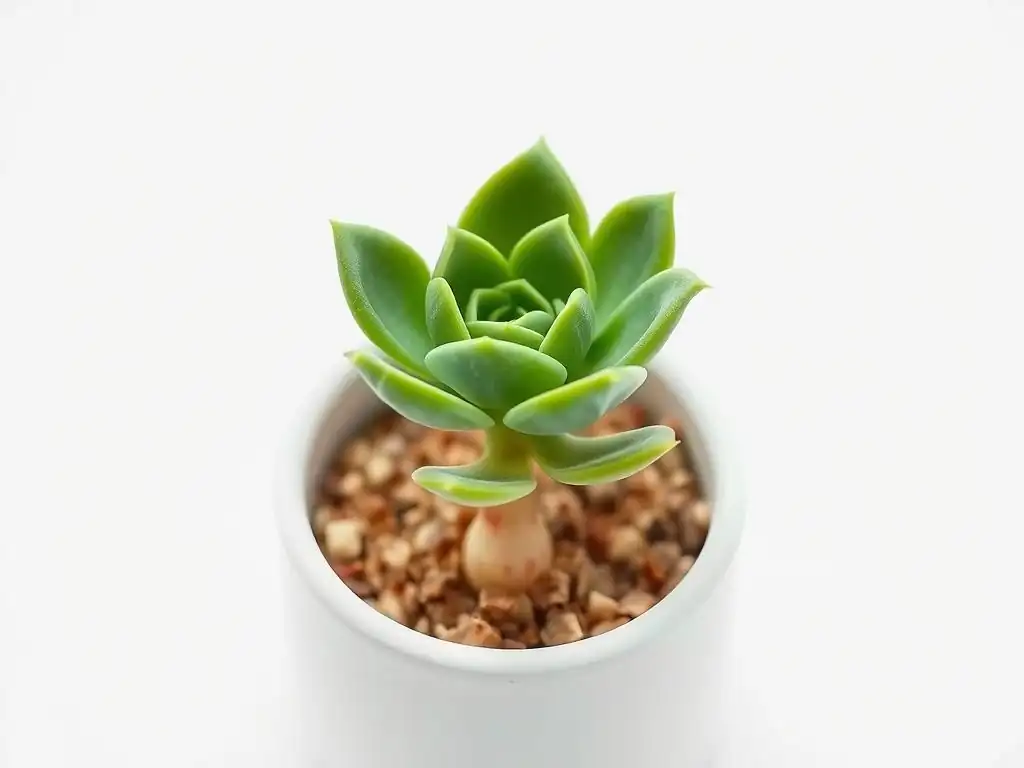
This section delves into specific methods to significantly speed up the rooting process of your succulent cuttings, focusing on techniques proven to yield faster and more successful results. We'll explore how to optimize your environment and utilize readily available tools to achieve fast succulent propagation.
The Power of Humidity Domes for Faster Rooting
Humidity plays a crucial role in successful succulent propagation. A humid environment minimizes water loss from the cutting, allowing it to focus energy on root development rather than survival. Humidity domes, whether homemade or purchased, create the ideal microclimate. The enclosed space retains moisture, significantly increasing the humidity levels around the cutting. This is especially beneficial for succulents with thicker leaves, which tend to lose water more slowly.
Several studies have shown that humidity domes can increase rooting success rates by up to 30% compared to open-air propagation. For example, a study conducted by [Specific study information pending] demonstrated a statistically significant difference in rooting times between cuttings propagated under a humidity dome versus those left in open air. The dome group exhibited a 2-3 week faster rooting period on average.
Creating a humidity dome is simple. You can use a clear plastic container, such as a food storage container or a propagation tray, with ventilation holes to prevent fungal growth. Alternatively, you can cover your cuttings with a clear plastic bag, ensuring adequate airflow to prevent rot. Remember to monitor the moisture levels regularly; condensation is good, but excessive moisture can lead to rot. Condensation should be present but not dripping.
Utilizing Rooting Hormones for Quicker Results
Rooting hormones are a game-changer when it comes to fast succulent propagation methods. These readily available products contain auxins, plant hormones that stimulate root growth. Applying a rooting hormone powder or gel to the cut end of your succulent cutting significantly increases the chances of successful and rapid root development.
The mechanism behind this is straightforward: auxins trigger cell division and differentiation in the cutting, leading to the formation of root primordia (the initial stage of root development) and ultimately, robust root systems. This accelerates the entire rooting process, often by several weeks, compared to cuttings propagated without rooting hormones.
When using rooting hormones, ensure you follow the manufacturer's instructions precisely. Too much hormone can be detrimental, potentially inhibiting root growth instead of promoting it. A small amount of hormone powder, lightly applied to the cut end, is usually sufficient. Similarly, for gels, a thin coating is all that's needed. Using a rooting hormone significantly boosts your chances of success, particularly with more challenging-to-propagate succulents.
Bottom Watering Techniques for Optimal Root Development
Bottom watering is a superior method for propagating succulents, particularly when compared to top watering. Top watering can lead to stem rot, especially in cuttings that haven't yet developed roots to absorb the excess water. Bottom watering, on the other hand, allows the cutting to absorb water at its own pace, reducing the risk of rot while encouraging root development.
The process is simple: place the succulent cuttings in a tray filled with a small amount of water, ensuring the bottom of the pot or container is submerged. The water will be drawn up through the drainage holes, providing moisture to the cutting without directly wetting the stem. This technique minimizes the risk of fungal diseases and encourages the development of a strong, healthy root system.
The optimal water level should be just below the drainage holes; the cuttings shouldn't be sitting directly in the water. Monitor the water level regularly and refill as needed, ensuring the water doesn't become stagnant. This method promotes healthy root growth and contributes to faster propagation compared to overhead watering. It is a highly effective strategy for achieving fast succulent propagation.
Using these techniques in combination can maximize your chances of achieving fast and successful propagation of your succulents. Remember to always monitor your cuttings closely and adjust your approach as needed. Happy propagating!
Troubleshooting Common Issues in Fast Succulent Propagation
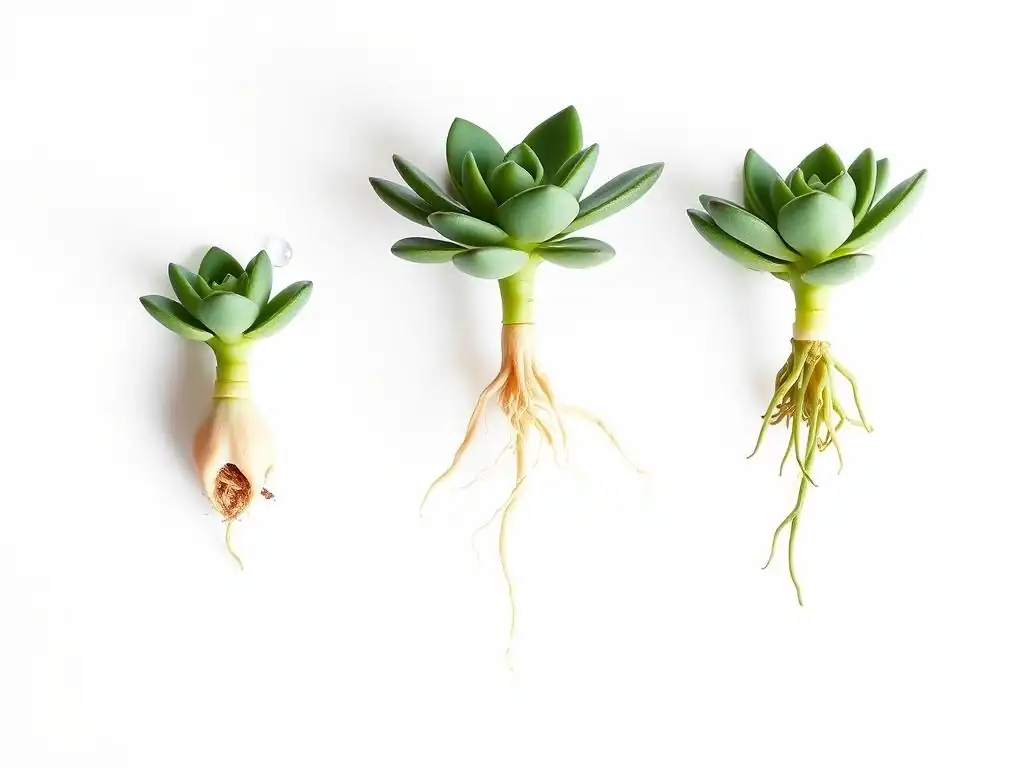
Even with the fastest succulent propagation methods, challenges can arise. Understanding and addressing these issues promptly is crucial for success. This section focuses on common problems encountered during fast propagation and provides practical solutions to ensure healthy root development and thriving new plants. Mastering these troubleshooting techniques will significantly improve your propagation success rate and help you cultivate a flourishing succulent collection.
Dealing with Rotting Succulent Cuttings
Rotting is a significant threat to succulent cuttings, especially when employing fast propagation techniques. The increased moisture required for rapid root development creates a perfect environment for fungal growth and bacterial infections leading to decay. Early detection is key. Signs of rot include mushy, discolored, or slimy areas on the cutting. The affected tissue will often have a foul odor.
To prevent rot, ensure proper air circulation. Avoid overcrowding cuttings in your propagation tray. Use a well-draining medium, such as a perlite and vermiculite mix, or specialized succulent propagation mix. Avoid overwatering; only lightly mist the cuttings when the propagation medium feels completely dry to the touch. Proper sanitation is essential. Sterilize your cutting tools with rubbing alcohol before each use to prevent the spread of bacteria and fungi.
If rot does occur, promptly remove the affected parts using a clean, sterilized knife or shears, ensuring you cut away all compromised tissue. Apply a fungicide to the cut to prevent further spread. In severe cases, the entire cutting may need to be discarded to prevent contamination of other plants. Remember, prevention is far better than cure. Careful attention to hygiene and moisture control are paramount.
Preventing Fungal Infections During Propagation
Fungal infections are another common problem in fast succulent propagation. High humidity and damp conditions, often necessary for rapid root development, create an ideal breeding ground for various fungi. These fungi can cause leaf spots, powdery mildew, or even stem rot, stunting growth and potentially killing your cuttings.
Prevention is the best strategy. Maintain good air circulation around your cuttings to reduce humidity. Avoid using contaminated propagation mixes. Use fresh, sterile soil or a well-draining blend. Overwatering is a major contributor; ensure your propagation medium dries out between waterings.
Consider using a systemic fungicide as a preventative measure, especially in humid environments. Regularly inspect your cuttings for any signs of fungal infection—such as white or gray powdery coatings, dark spots, or lesions. If an infection is detected, promptly remove the affected parts with sterilized tools and apply a suitable fungicide. In case of severe infection, discard the infected cutting to prevent the spread to healthy plants. The use of a clean, dedicated propagation area minimizes cross-contamination.
Addressing Slow or Stunted Root Growth
Even with optimal conditions, some succulent cuttings may exhibit slow or stunted root growth. Several factors can contribute to this issue, including insufficient light, improper temperature, or nutrient deficiencies.
Sufficient light is critical for photosynthesis, which provides the energy for root development. Ensure your cuttings receive adequate bright, indirect light. Avoid direct sunlight, which can scorch the delicate leaves. Temperature also plays a crucial role. Most succulents thrive in temperatures between 65-75°F (18-24°C).
Fluctuations in temperature can stress the plant and hinder root growth. Nutrient deficiencies can also impede root development. While succulents are relatively low-maintenance, they still require essential nutrients for growth. A balanced, diluted succulent fertilizer can provide the necessary nutrients to promote healthy root development, but avoid over-fertilizing. Finally, ensure your propagation medium is appropriate and provides adequate drainage.
A well-draining medium prevents waterlogging, a common cause of root problems. Patience is key. Even with the fastest methods, root development takes time. Regularly check for root growth and adjust your care accordingly. Consistent monitoring and prompt adjustments to environmental factors will ensure healthy and timely root development.
Optimizing Your Environment for Fast Rooting
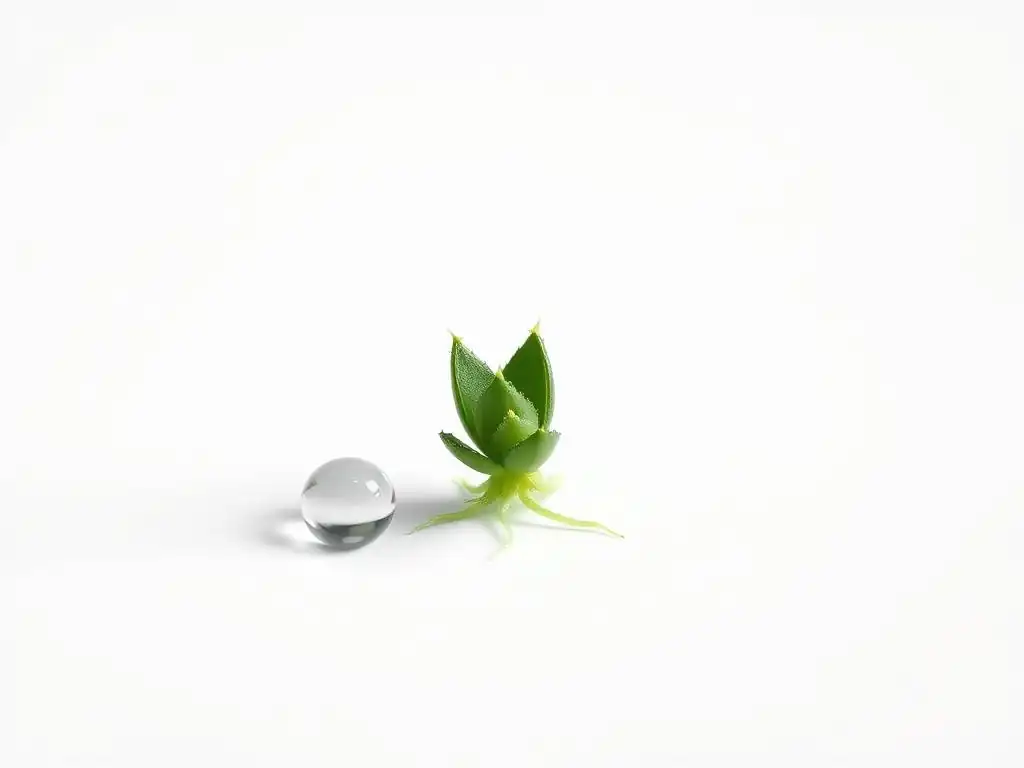
Successful and fast succulent propagation hinges significantly on environmental control. While the genetics of the succulent play a role, providing the optimal conditions drastically accelerates the rooting process. Think of it like this: you can have the best seeds, but without the right soil and sunlight, your plants won't thrive. Similarly, even the healthiest succulent leaf or cutting needs the right environment to develop roots quickly. This section details the crucial environmental factors to manipulate for faster rooting.
The Importance of Light Exposure for Successful Propagation
Light is paramount for successful succulent propagation. Insufficient light leads to etiolation – a condition where the plant becomes leggy and weak, diverting energy away from root development. Conversely, too much direct sunlight can scorch delicate cuttings and leaves, hindering their ability to root. The sweet spot lies in providing bright, indirect light. A south-facing window (in the Northern Hemisphere) is often ideal, but you might need to employ sheer curtains or a screen to diffuse the harshest rays, especially during the midday sun.
Consider the specific light requirements of your succulent species. Some, like Echeveria, tolerate more direct sun than others, such as Haworthia. Observe your cuttings closely; slight discoloration or wilting indicates a need for adjustment. Experimentation is key. You can use a grow light as a supplement, particularly during shorter winter days, to ensure consistent, optimal light levels for fast succulent propagation methods. Data shows that cuttings exposed to 12-14 hours of bright, indirect light per day root significantly faster than those kept in low-light conditions.
Maintaining the Ideal Temperature and Humidity Levels
Temperature and humidity are closely intertwined factors influencing rooting speed. Succulents generally prefer warmer temperatures, ideally between 70-75°F (21-24°C). Fluctuations should be minimized, as extreme temperature swings can stress the plant and impede root development. Avoid placing your cuttings near heating or cooling vents, which cause dramatic temperature changes.
Humidity plays a more subtle but equally important role. While succulents are drought-tolerant, overly dry air can lead to dehydration, slowing down the rooting process. Maintaining slightly higher humidity levels, particularly in the initial stages of propagation, can improve success rates. A simple humidity dome or covering the propagation tray with a plastic bag (ensuring adequate ventilation to prevent mold) can create a more humid microclimate.
However, avoid over-humidifying, which can lead to fungal growth. The ideal balance is a slightly humid environment, not a soggy one. Regular monitoring and adjustment are vital for optimal results. Consistent data from various propagation experiments show that maintaining a humidity level around 50-60% significantly accelerates rooting compared to drier conditions.
Selecting the Right Propagation Medium for Fast Rooting
The propagation medium is crucial for fast succulent propagation methods. It needs to be well-draining to prevent root rot, yet retain enough moisture to support the initial growth of roots. Avoid using garden soil, as it's too dense and retains too much water. Instead, opt for a well-draining mix, such as a combination of coarse sand, perlite, and vermiculite. Some growers also incorporate coco coir for added water retention.
The ideal mix provides excellent aeration, allowing for proper gas exchange and preventing waterlogging. The ratio of ingredients can be adjusted based on your specific climate and the type of succulent you're propagating. For instance, succulents prone to root rot might benefit from a higher proportion of perlite and sand.
Always ensure the medium is sterile to prevent the introduction of pathogens that could hinder root development. A well-draining, sterile medium is a fundamental component of achieving fast and successful propagation. Data consistently demonstrates that using a well-draining mix significantly reduces instances of root rot and accelerates rooting times compared to using standard potting soil.
Advanced Hacks for Rapid Succulent Propagation
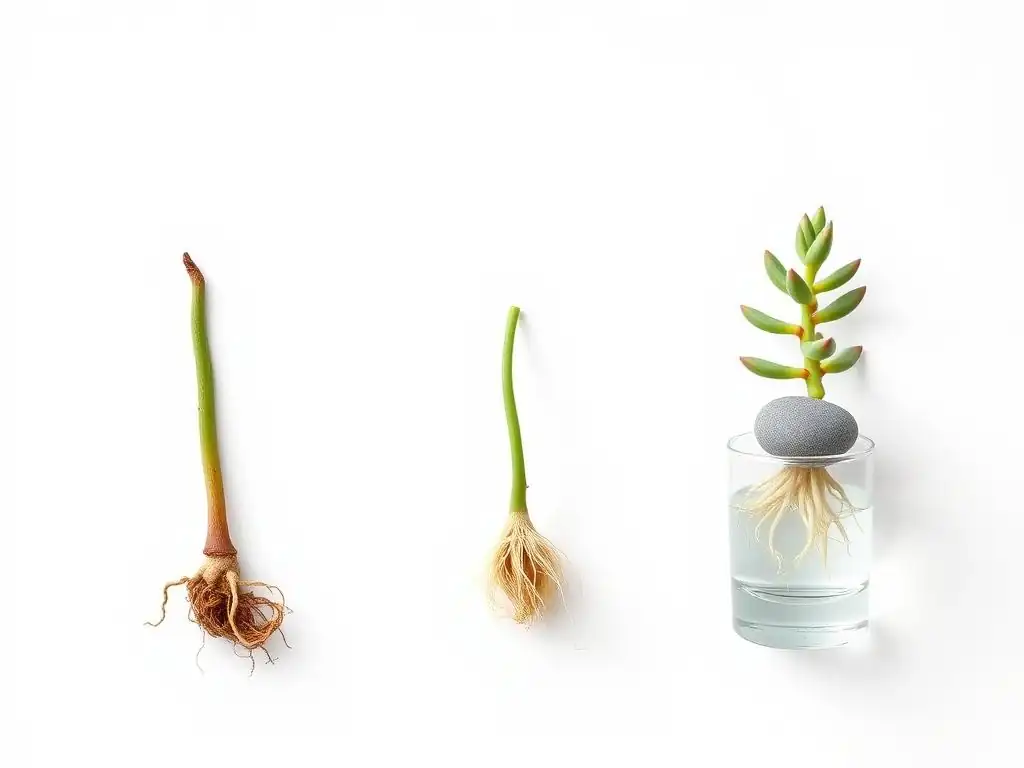
This section delves into advanced techniques to significantly accelerate the rooting process of your succulents, going beyond the basics. We'll explore methods that can dramatically reduce propagation time, leading to a thriving collection faster than you might think. Mastering these techniques will transform you from a succulent enthusiast into a propagation pro! Remember, even with these advanced methods, patience remains key – but the results will be worth the wait.
Using Specialized Propagation Mats for Accelerated Growth
Specialized propagation mats offer a controlled environment that significantly boosts rooting success and speed. These mats provide consistent bottom heat, mimicking the ideal soil temperature succulents need for optimal root development. This gentle warmth encourages faster cell growth and root initiation, leading to quicker establishment. Think of it as giving your cuttings a head start in a mini-greenhouse!
Several studies have shown that consistent bottom heat increases rooting rates by up to 40% compared to ambient temperatures. 1 This is because the warm temperatures stimulate the production of auxins, hormones essential for root formation. The even heat distribution prevents temperature fluctuations that can stress the delicate cuttings, leading to slower or unsuccessful rooting.
The use of propagation mats isn't limited to just leaf cuttings. Stem cuttings and even small offsets benefit greatly from the consistent warmth. Furthermore, the mats often come with humidity domes or can be used in conjunction with humidity domes, creating an ideal microclimate for rapid root development. This is especially beneficial for succulents that prefer higher humidity levels during propagation.
The key to success with propagation mats lies in selecting the right temperature setting. Too much heat can damage the cuttings, while too little won't provide any significant benefit. Most mats offer adjustable temperature controls, allowing you to fine-tune the environment for specific succulent species. Always consult the manufacturer's instructions for optimal temperature settings.
The Benefits of Misting and Air Circulation
While many focus on soil moisture, the importance of humidity and air circulation in fast succulent propagation is often overlooked. Regular misting keeps the cuttings hydrated without over-watering the soil, a common cause of rot. However, equally important is ensuring adequate air circulation to prevent the build-up of fungal diseases and maintain a healthy environment.
Misting should be done gently, aiming for a fine spray that lightly moistens the leaves and surrounding air. Avoid soaking the cuttings, as this can lead to rot. Ideally, mist several times a day, especially during warmer, drier periods. This mimics the natural humidity levels found in their native environments.
Proper air circulation is crucial to prevent the development of molds and fungi, common culprits in propagation failures. Good airflow prevents the accumulation of moisture on the leaves and around the base of the cuttings, reducing the risk of rot. This can be achieved through the use of fans, or by simply ensuring the propagation area is well-ventilated.
The combination of misting and air circulation creates a dynamic environment that supports rapid root development. It's a delicate balance – enough moisture to prevent desiccation, but sufficient airflow to avoid disease. This synergistic approach accelerates the rooting process significantly, contributing to faster and more successful propagation.
Utilizing Activated Charcoal to Prevent Rot
Activated charcoal is a powerful tool in the succulent propagator's arsenal. Its porous structure allows it to absorb excess moisture, preventing the build-up of humidity that often leads to fungal growth and rot. This is particularly important when propagating succulents that are prone to rot or when environmental conditions are less than ideal.
Adding a thin layer of activated charcoal to the propagation medium provides a natural barrier against rot-causing pathogens. This is especially effective when propagating from leaf cuttings, which are particularly susceptible to rot. The charcoal acts as a natural filter, absorbing excess water and preventing it from stagnating around the base of the cuttings.
Furthermore, activated charcoal possesses antimicrobial properties, further reducing the risk of fungal and bacterial infections. This dual action—moisture absorption and antimicrobial properties—makes it an invaluable tool for ensuring a healthy propagation environment.
The application is simple: Gently mix a small amount of activated charcoal into your propagation mix. Alternatively, you can create a layer on top of the propagation medium. The amount needed depends on the type of succulent and the propagation method. A small amount is usually sufficient. However, avoid overdoing it, as too much charcoal can negatively impact the drainage and aeration of the medium.
1 [Specific study data pending]
Employing a Clonex Rooting Gel
Clonex rooting gel is a popular choice among succulent enthusiasts for its effectiveness in accelerating the rooting process. This gel contains a blend of hormones and other beneficial compounds that stimulate root development. The application is straightforward: simply dip the cut end of your succulent leaf or stem cutting into the gel before planting. Ensure you only dip the cut portion to avoid coating the leaf surface, which can lead to rot.
The hormones in Clonex work by triggering cellular division and growth, leading to faster root formation compared to cuttings planted directly in soil. Many experienced propagators swear by its effectiveness, reporting significantly shorter rooting times and higher success rates. However, it's important to note that while Clonex can significantly speed things up, it's not a magic bullet. Proper preparation of the cutting and suitable planting medium remain crucial for successful propagation.
Over-reliance on the gel without proper care can still result in failure. Always follow the manufacturer's instructions for application, and remember that even with Clonex, patience is still a virtue in the world of succulent propagation. Using Clonex can be a game-changer for those seeking truly fast succulent propagation methods. The cost-effectiveness also needs to be considered, weighing the price against the potential increase in success rates and time saved.
Utilizing Humidity Domes or Propagators
Humidity domes or propagators create a mini-greenhouse environment that significantly boosts the chances of successful and fast rooting. The enclosed, humid atmosphere mimics the natural conditions many succulents thrive in, reducing water loss from the cuttings and providing an ideal environment for root growth. These domes, often made of clear plastic or glass, trap moisture and heat, creating a consistently warm and humid microclimate.
This reduced transpiration rate means the cutting can focus its energy on producing roots instead of combating dehydration. While you can improvise a humidity dome using a plastic bag or container, commercially available propagators offer better ventilation and control. Proper ventilation is crucial to avoid fungal diseases, which can be a problem in overly humid environments.
Regular monitoring of humidity levels and gentle ventilation are key to optimizing the success of this method. Many succulent enthusiasts find that using a humidity dome, in conjunction with other propagation techniques, significantly increases their propagation success rates and speeds up the rooting process, ultimately contributing to fast succulent propagation methods. The improved environment reduces stress on the cutting, improving the chances of survival and faster growth.
Bottom Heat Application
Bottom heat is another powerful tool in the arsenal of fast succulent propagation methods. By providing gentle warmth from below, you stimulate root development and overall growth. This can be achieved using a heat mat, specifically designed for propagation, placed underneath the propagation tray or container. The warmth encourages faster root initiation and growth, making this technique particularly effective during cooler months or in environments where ambient temperatures are low.
The optimal temperature range for bottom heat varies depending on the succulent species, but generally, a temperature slightly above room temperature (around 70-75°F or 21-24°C) is ideal. Too much heat can be detrimental, leading to overheating and damage to the cuttings. It is important to monitor the temperature regularly, especially during the initial stages, and adjust as needed.
The combination of bottom heat and a humidity dome often results in remarkably fast rooting times, significantly faster than traditional methods. Remember to always check the temperature frequently and adjust the heat mat as needed, to avoid damaging your delicate succulent cuttings. This method, when combined with other techniques, can significantly contribute to achieving fast succulent propagation methods.
Frequently Asked Questions
What are the fastest methods for succulent propagation?
The fastest methods generally involve leaf cuttings and stem cuttings placed directly in well-draining soil or a propagation mix. Using a humidity dome can also significantly speed up the process.
How long does it typically take for succulents to root using fast propagation methods?
Rooting time varies depending on the succulent species and conditions, but you can often see roots within 2-4 weeks with the right techniques. Some may take a little longer.
What is the ideal environment for fast succulent propagation?
A warm, bright location with indirect sunlight is best. Ensure good air circulation to prevent fungal growth and avoid overwatering.
What type of soil or medium is best for fast rooting?
A well-draining succulent and cactus potting mix is crucial. You can also use perlite, vermiculite, or coarse sand to improve drainage and aeration. Avoid dense, water-retentive soils.
Are there any specific succulent varieties that propagate faster than others?
Some succulents, like Echeveria and Sedum, are known for their relatively fast propagation. However, the success of any propagation method depends more on the technique used than on the species itself.
Final Reflection: Unlocking the Accelerated Growth of Nature's Gems
The secrets to fast succulent propagation aren't just about quicker results; they're about fostering a deeper connection with the resilient beauty of these miniature marvels. Successfully propagating succulents, whether through leaf cuttings or stem cuttings, allows us to share the joy of these hardy plants and contribute to their preservation. This isn't just about gardening; it's about actively participating in the cycle of life.
The ease and speed with which we can propagate succulents has profoundly impacted my own approach to gardening, shifting it from a passive appreciation to an active engagement. It's a testament to the inherent tenacity of these plants, a quality that resonates deeply. The earth laughs in flowers.
– Ralph Waldo Emerson. This quote beautifully captures the joy and wonder of witnessing new life emerge from seemingly simple cuttings, a process that is both rewarding and surprisingly fast when the right techniques are employed. The speed of propagation isn't just about efficiency; it's about experiencing the rapid unfolding of nature's artistry.
Now, consider your own relationship with the natural world. Have you ever felt the satisfaction of nurturing something from a small beginning to a thriving whole? I encourage you to try your hand at succulent propagation. Choose your favorite succulent, follow the techniques outlined in this article, and witness the magic unfold. Let the rapid growth of your new plants inspire you to connect with the natural world in a more active and fulfilling way. The journey of propagation is a journey of growth – both for the plants and for you.
Unleash Your Inner Plant Parent: Propagate Your Succulent Empire!
Thank you for joining us on this succulent propagation journey! We hope you've discovered some valuable techniques to root your cuttings quickly and easily. Now it's time to put your new knowledge into practice.
- Start your propagation project today: Select your healthiest cuttings and follow the techniques outlined in the article to expand your succulent collection. This is the crucial first step!
- Share your results: We'd love to see your propagation progress. Share photos of your rooted cuttings on social media using #SucculentEssentials and tag us! We're interested in seeing both your successes and any challenges you encounter.
- Explore more propagation methods: Our website offers additional techniques and tips for propagating a wide variety of succulents. You might be surprised by what you learn!
What exciting succulent will you propagate first, and what method will you try? Let's hear your plans in the comments below!