
Propagate with Confidence: The Ultimate Guide to Succulent Stem Cuttings

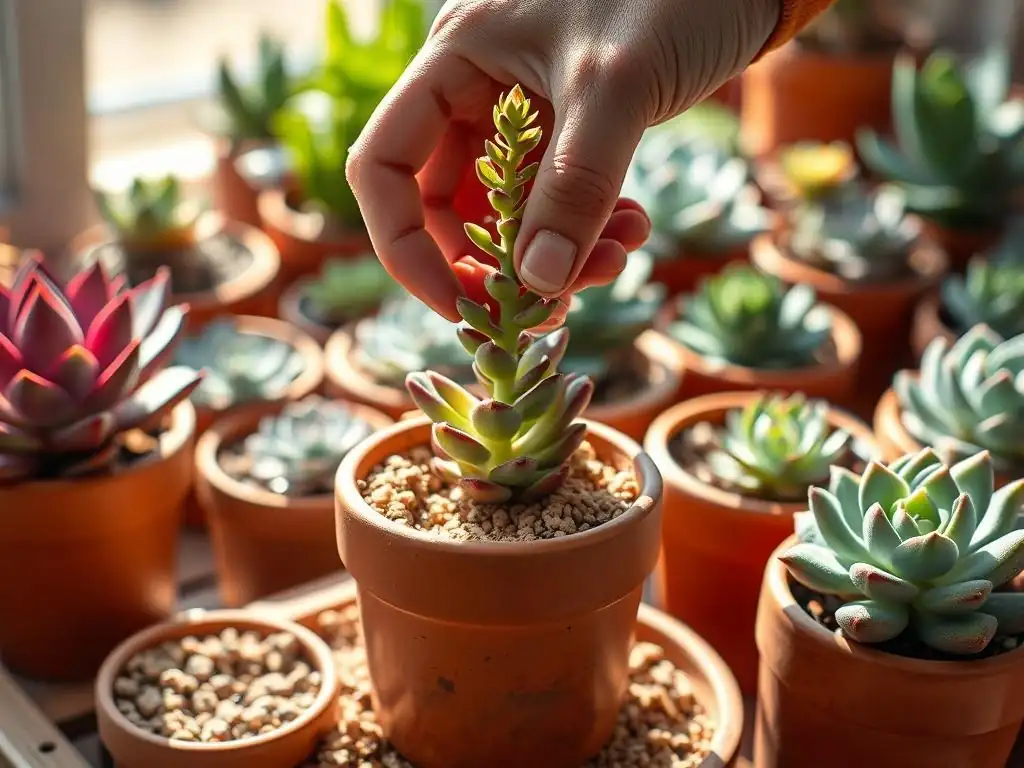
Dive into the fascinating world of succulents with SucculentEssentials.org! Are you ready to unlock the secrets to effortlessly expanding your succulent collection? Our expert guide on how to propagate succulent stem cuttings will empower you to create thriving new plants from your existing beauties. Discover simple techniques, avoid common pitfalls, and watch your succulent family flourish – let's get started!
- Understanding Succulent Stem Cuttings Propagation
- Preparing Your Succulent Stem Cuttings for Propagation
- Planting Your Succulent Stem Cuttings: A Step-by-Step Guide
- Caring for Your Propagated Succulent Cuttings
- Troubleshooting Common Problems in Succulent Stem Cuttings Propagation
- Advanced Techniques for Propagating Succulent Stem Cuttings
- Harvesting and Repotting Your Successfully Propagated Succulents
- Frequently Encountered Questions About Propagating Succulent Stem Cuttings (FAQ)
-
Frequently Asked Questions
- How do I prepare a succulent stem cutting for propagation?
- What is the best time of year to propagate succulent stem cuttings?
- How long does it take for a succulent stem cutting to root?
- What are the signs of successful propagation from a stem cutting?
- What should I do if my succulent stem cutting starts to rot?
- Final Reflection: Cultivating Growth, Inside and Out
- Unleash Your Inner Propagator: Grow Your Succulent Family!
Understanding Succulent Stem Cuttings Propagation
Propagating succulents from stem cuttings is a rewarding and surprisingly simple way to expand your collection and share these delightful plants with others. This comprehensive guide will walk you through each step, from selecting the perfect succulent to nurturing your new plants to maturity. We'll cover the essential tools, techniques, and troubleshooting tips to ensure your success in propagating succulent stem cuttings, transforming a single cutting into a thriving new plant.
This method is particularly effective for many popular succulent varieties, allowing even novice plant enthusiasts to enjoy the satisfaction of propagation. Learning how to propagate succulent stem cuttings opens a world of possibilities, whether you're aiming to increase your own collection or share the joy of succulents with friends and family. Let's dive into the details and get started!
Choosing the Right Succulent for Stem Cuttings
Not all succulents are created equal when it comes to propagation via stem cuttings. Some species root more readily than others. For beginners, it's best to start with succulents known for their ease of propagation. These generally include Echeveria, Sedum, and Kalanchoe varieties.
These genera are popular choices due to their relatively high success rate and quick rooting times. Avoid succulents with particularly delicate or woody stems, as these can be more challenging to propagate successfully. Researching the specific propagation needs of your chosen succulent variety beforehand is crucial. Consider factors like the plant's growth habit, its susceptibility to rot, and its overall hardiness.
Choosing a healthy mother plant from which to take cuttings is also paramount. A stressed or diseased plant is less likely to produce viable cuttings. Remember, patience and careful observation are key to successful propagation. A little research upfront will save you time and potential frustrations down the line.
Selecting Healthy Stems for Propagation
The health of your stem cuttings directly impacts the success rate of propagation. Select stems that are firm, plump, and free from disease or pests. Avoid stems that are soft, mushy, or show signs of discoloration. The ideal cutting should be several inches long, containing at least 2-3 sets of healthy leaves. The cutting should be taken from a healthy, actively growing part of the mother plant.
Avoid taking cuttings from stems that are flowering or otherwise stressed. Inspect the stem carefully for any signs of pests or diseases. If you notice anything suspicious, discard the stem and choose another. Clean, sharp tools are crucial for minimizing damage to the mother plant and ensuring a clean cut on the stem cutting, reducing the risk of disease. Remember, a healthy cutting is the foundation for a successful propagation.
Essential Tools for Successful Propagation
Having the right tools on hand will make the propagation process smoother and more efficient. Here's a list of essential tools:
- Sharp, clean knife or pruning shears: This is critical for making clean cuts to prevent the spread of disease and to promote faster rooting.
- Rooting hormone (optional but recommended): Rooting hormone significantly increases the chances of successful propagation by stimulating root development.
- Potting mix: Use a well-draining succulent and cactus potting mix. Avoid using regular garden soil, as it retains too much moisture and can lead to rot.
- Small pots or containers: Choose pots with drainage holes to prevent waterlogging.
- Watering can with a fine rose: Gentle watering is crucial to avoid overwatering.
Remember, successful propagation involves more than just taking a cutting; it's about creating the optimal environment for root development. By carefully selecting your cuttings and using the appropriate tools, you'll significantly increase your chances of success. Happy propagating!
Preparing Your Succulent Stem Cuttings for Propagation
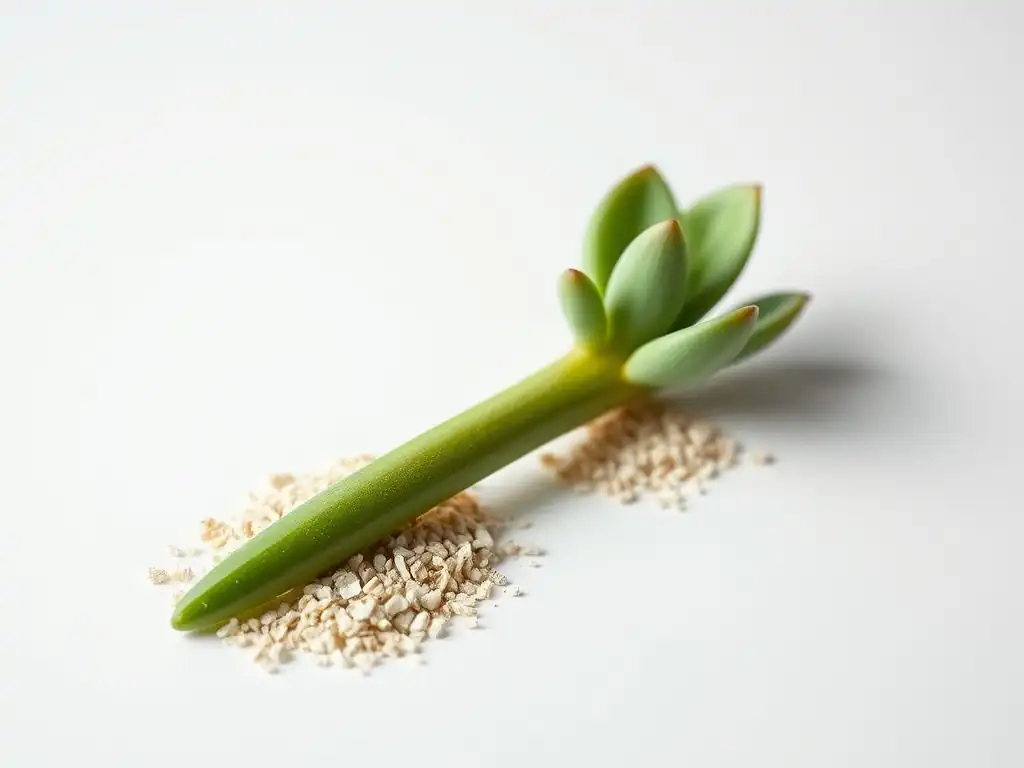
This section focuses on the crucial initial steps of preparing your succulent stem cuttings for successful propagation. Proper preparation significantly increases your chances of rooting and minimizes the risk of rot, a common problem for beginners. Mastering these techniques will elevate your propagation game and lead to healthier, thriving succulents. We'll cover cleaning, callusing, and rot prevention in detail.
Cleaning and Preparing the Cutting
Before even thinking about planting your succulent stem cutting, meticulous cleaning is paramount. This removes any potential contaminants that could hinder rooting or introduce diseases. Begin by using a sharp, clean knife or pair of sterilized pruning shears to make your cut. A clean, precise cut promotes faster callusing and reduces the risk of bacterial infection. Avoid tearing or crushing the stem, as this can create entry points for pathogens.
After taking your cutting, gently rinse it under lukewarm, running water. This removes any lingering soil, debris, or potential pests. Inspect the cutting carefully for any signs of disease or damage. If you notice any discoloration, soft spots, or unusual markings, it's best to discard that cutting to prevent contaminating healthy plants. A healthy cutting should be firm and display a vibrant color characteristic of the succulent species.
Finally, allow the cutting to air dry for several hours, or even overnight, in a well-ventilated area. This crucial step allows the cut surface to begin forming a protective layer, further reducing the risk of rot. The length of drying time may vary depending on the succulent species and environmental humidity; however, erring on the side of caution with a slightly longer drying period is generally advisable.
Allowing the Cutting to Callus: Importance and Technique
Callusing is a natural process where a protective layer of hardened tissue forms over the cut end of the succulent stem. This callus acts as a barrier against pathogens and helps to prevent rot, a significant hurdle in succulent propagation. Without this protective layer, the cutting is vulnerable to fungal and bacterial infections, dramatically reducing its chances of survival.
The callusing process typically takes several days to a couple of weeks, depending on the succulent species, environmental conditions, and the size of the cutting. During this time, it's essential to avoid placing the cutting in a humid or wet environment, as this can promote rot instead of callusing. Store the cutting in a dry, well-ventilated area, away from direct sunlight.
You can visually confirm callusing by observing the formation of a slightly hardened, usually light brown or tan, layer over the cut end of the stem. Once the callus is visible and firm to the touch, your cutting is ready for planting. This ensures that the cutting is properly sealed and protected, significantly increasing its chances of successful propagation.
Preventing Rot: Essential Tips and Tricks
Rot is the nemesis of succulent propagation. Understanding the conditions that promote rot and implementing preventative measures is crucial for success. Overwatering is the most common cause of rot, so using well-draining potting mix is essential. Avoid using soil that retains too much moisture; a mix specifically formulated for succulents is ideal.
Properly sized pots are also critical. Overly large pots retain more moisture than smaller ones, increasing the risk of rot. Choose a pot that is just slightly larger than the root system of your cutting. Also, ensure adequate drainage by using pots with drainage holes and placing a layer of gravel or perlite at the bottom.
Beyond soil and pot selection, air circulation is equally important. Good airflow helps to keep the soil dry and prevents the build-up of humidity, which encourages fungal growth and rot. Avoid crowding your cuttings; give them enough space to breathe. Regularly inspect your cuttings for any signs of rot, such as mushiness, discoloration, or a foul odor. If you notice any signs of rot, remove the affected area immediately and re-evaluate your propagation techniques. Prevention is key, but early detection and intervention are crucial for saving your precious cuttings.
Planting Your Succulent Stem Cuttings: A Step-by-Step Guide
This section details the crucial steps involved in planting your prepared succulent stem cuttings, ensuring optimal rooting and growth. Following these instructions will significantly increase your success rate in propagating succulent stem cuttings. Remember, patience and attention to detail are key to propagating these unique plants.
Choosing the Right Potting Mix for Succulent Cuttings
Selecting the appropriate potting mix is paramount for successful propagation of succulent stem cuttings. Standard potting soil retains too much moisture, leading to root rot – a common culprit in failed propagation attempts. Instead, opt for a well-draining, fast-drying mix. A good mix typically includes:
- Coarse sand: Provides excellent drainage and aeration.
- Perlite: A volcanic glass that improves drainage and prevents compaction.
- Pumice: Another volcanic rock, offering similar benefits to perlite.
- Coco coir (optional): Adds some organic matter and water retention, but use sparingly.
The ideal ratio will vary depending on your specific climate and the type of succulent, but a good starting point is a 1:1:1 ratio of coarse sand, perlite, and pumice. Avoid mixes with peat moss or other materials that retain excessive moisture. You can purchase pre-mixed succulent and cacti potting mixes, or create your own custom blend. The key is excellent drainage to prevent the cuttings from sitting in soggy soil. Proper drainage is crucial for preventing root rot, a common problem when propagating succulent stem cuttings.
Remember, a well-draining potting mix is the cornerstone of successful propagation. Too much moisture can lead to fungal diseases and the death of your cuttings.
Planting Depth and Spacing for Optimal Growth
Planting depth and spacing directly impact the success of your propagation efforts. Planting too deep can lead to rotting, while planting too shallow may result in instability and difficulty rooting.
- Planting Depth: The base of the stem cutting should be gently pressed into the potting mix, ensuring only the very bottom portion is buried. Aim for about ½ to ¾ inch depth. This allows the roots to develop readily without the risk of rotting. Avoid burying the leaves; they need sunlight to photosynthesize and contribute to the cutting's survival.
- Spacing: Give your cuttings adequate space to grow. Overcrowding leads to competition for resources and increased risk of fungal diseases. A good rule of thumb is to leave at least 1-2 inches between each cutting, depending on the size of the mature plant. This spacing allows for proper air circulation and prevents the spread of disease. Proper spacing also ensures that each cutting receives sufficient sunlight and nutrients.
Following these guidelines regarding planting depth and spacing will greatly improve your chances of successfully propagating succulent stem cuttings. Remember, proper spacing minimizes the risk of rot and promotes healthy growth.
Watering Your Newly Planted Cuttings: A Gentle Approach
Watering newly planted succulent stem cuttings requires a delicate touch. Overwatering is a common mistake that can lead to rot and failure. Instead of a regular watering schedule, focus on allowing the soil to dry out completely between waterings.
- Initial Watering: After planting, wait for at least a week before watering. This allows the cuttings to begin callusing over the cut ends and reduces the risk of rot. When you do water, do so sparingly, just enough to lightly moisten the soil. Avoid getting the leaves wet, as this can lead to fungal diseases.
- Subsequent Waterings: Continue to water sparingly, allowing the soil to dry out completely between waterings. The frequency will depend on your climate and the type of succulent. In warmer climates, you may need to water slightly more often, but always err on the side of underwatering rather than overwatering. Check the soil moisture regularly by inserting your finger a couple of inches into the soil. If it's dry, it's time to water; if it's still moist, wait.
Remember, patience is key. Your cuttings will gradually root and begin to grow, but this process takes time. Consistent monitoring and careful watering are essential to ensure the success of your propagation efforts, particularly when propagating succulent stem cuttings. Avoid overwatering, and always allow the soil to dry completely between waterings.
Caring for Your Propagated Succulent Cuttings
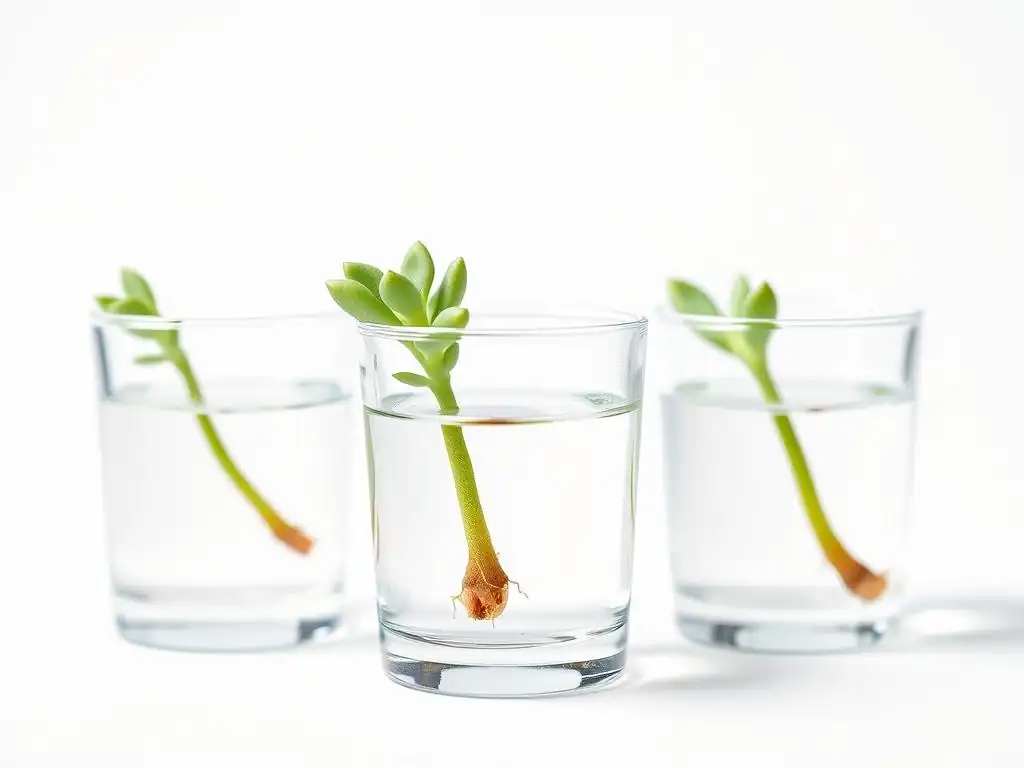
Once you've successfully taken and rooted your succulent stem cuttings, the journey isn't over! Nurturing these new plants through their initial growth stages is crucial for their long-term health and vibrancy. Proper care during this period will ensure strong, healthy succulents that will thrive for years to come. This section focuses on the essential steps to successfully cultivate your propagated succulent stem cuttings, ensuring they flourish into beautiful additions to your collection. We'll cover light, watering, and common problems, arming you with the knowledge to propagate succulent stem cuttings with confidence.
Providing the Ideal Light Conditions for Growth
Light is paramount for the successful propagation of succulent stem cuttings. These newly rooted plants are particularly sensitive to both insufficient and excessive sunlight. Too little light will lead to etiolation – a condition where the plant becomes leggy and weak, stretching towards the light source. Too much light, especially direct harsh sunlight, can scorch the delicate leaves, causing browning and damage.
The ideal light conditions for newly propagated succulent stem cuttings are bright, indirect light. Think of the dappled light found under a tree canopy or a brightly lit, east-facing window with a sheer curtain. Avoid placing your cuttings in direct sunlight, especially during the hottest part of the day. You can monitor the light intensity by observing the leaves; if they appear pale or stretched, they need more light; if they show signs of browning or sunburn, they need less.
A good rule of thumb is to gradually introduce your cuttings to brighter light conditions over several weeks. Start them in a slightly shaded location and slowly move them towards a brighter spot as they grow stronger. Rotating your cuttings regularly will ensure even growth and prevent them from leaning towards the light source. Remember, the specific light requirements may vary slightly depending on the type of succulent you are propagating. Some species are more tolerant of direct sun than others. Researching the specific light needs of your succulent variety is always a good practice.
Maintaining Proper Watering Schedule
Watering newly propagated succulent stem cuttings requires a delicate balance. Overwatering is a common mistake that can lead to root rot and fungal infections, ultimately killing your plants. Underwatering, on the other hand, can cause the cuttings to shrivel and become stunted.
The key is to allow the soil to dry out completely between waterings. This means sticking your finger about an inch into the soil; if it feels dry, it's time to water. Use a well-draining potting mix specifically formulated for succulents and cacti to prevent waterlogging. When you water, water thoroughly until water drains out of the drainage holes. Avoid letting your cuttings sit in standing water, as this can lead to root rot.
The frequency of watering will depend on several factors, including the type of succulent, the size of the pot, the temperature, and the humidity. During the warmer months, you may need to water more frequently, while during the cooler months, you may need to water less often. Always observe your cuttings closely for signs of under- or overwatering. Wilting leaves can indicate underwatering, while soft, mushy leaves can indicate overwatering. Adjust your watering schedule accordingly to maintain a healthy balance. Remember, it's better to underwater slightly than to overwater.
Recognizing and Addressing Common Issues During Propagation
Even with the best care, you may encounter some challenges during the propagation process. Recognizing and addressing these issues promptly is crucial for the survival of your cuttings. Some of the most common problems include:
| Problem | Cause | Solution |
|---|---|---|
| Root Rot | Overwatering, poorly draining soil | Allow soil to dry completely between waterings; use well-draining mix; improve air circulation. |
| Leaf Drop | Stress (from changes in light, temperature, or watering) | Gradually acclimate cuttings to new conditions; avoid drastic changes. |
| Etiolation | Insufficient light | Provide more bright, indirect light. |
| Sunburn | Excessive direct sunlight | Provide shade or filtered light, especially during peak sun hours. |
| Fungal Infections | Overwatering, poor air circulation | Improve air circulation, use a fungicide if necessary (research appropriate options). |
Remember, patience is key when propagating succulent stem cuttings. It takes time for the cuttings to root and establish themselves, and there will be some losses along the way. Don't be discouraged if some cuttings don't survive; learn from your mistakes and keep practicing. With careful observation and attention to detail, you'll soon be propagating succulent stem cuttings with confidence and enjoying the rewards of your efforts. 🎉
Troubleshooting Common Problems in Succulent Stem Cuttings Propagation
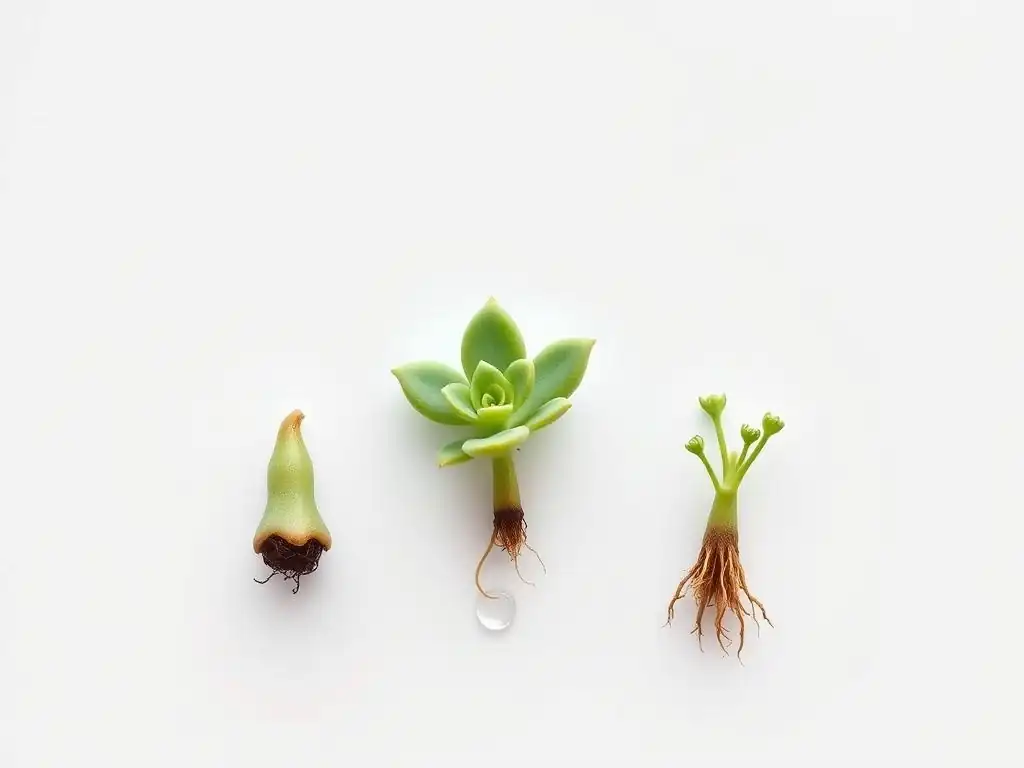
Propagating succulent stem cuttings is a rewarding experience, but challenges can arise. Understanding and addressing these issues promptly is crucial for successful propagation. This section focuses on common problems and provides practical solutions to ensure your cuttings thrive. Mastering these troubleshooting techniques will significantly improve your propagation success rate and allow you to propagate succulent stem cuttings with confidence.
Dealing with Root Rot and Overwatering
Root rot, a common ailment in succulent propagation, stems from excessive moisture. Overwatering is the primary culprit, creating a waterlogged environment that suffocates roots and invites fungal infections. Symptoms include mushy, dark-colored stems at the base of the cutting, and a foul odor emanating from the soil. Prevention is key; use well-draining soil mixes specifically formulated for succulents, which often include perlite, pumice, or coarse sand.
Ensure your propagation container has adequate drainage holes. Water only when the soil is completely dry, allowing the soil to dry out thoroughly between waterings. This careful watering schedule is crucial for preventing propagate succulent stem cuttings issues.
To address existing root rot, carefully remove the affected cutting from the soil. Gently rinse away excess soil and inspect the roots. Using sterilized shears, trim away any mushy or blackened roots. Allow the cutting to callus over for a few days before replanting in fresh, dry, well-draining succulent soil. Consider using a fungicide to prevent further infection. Remember, less is more when it comes to watering succulent cuttings; underwatering is far preferable to overwatering.
Addressing Pests and Diseases in Propagated Cuttings
Succulent cuttings, like mature plants, can be susceptible to pests and diseases. Common pests include mealybugs, aphids, and spider mites. Mealybugs appear as small, white, cottony masses, often clustered in leaf axils or on stems. Aphids are tiny, soft-bodied insects that suck sap from the plant, causing stunted growth and leaf discoloration. Spider mites are microscopic arachnids that spin fine webs on the plant, causing stippling and yellowing of leaves. Regularly inspect your cuttings for signs of infestation.
Early detection is vital for effective treatment. For mild infestations, manually remove pests using a cotton swab dipped in rubbing alcohol or insecticidal soap. For severe infestations, consider using a systemic insecticide, always following the product's instructions carefully. Maintaining good air circulation around your cuttings can help prevent pest problems. Practicing good hygiene, such as sterilizing your tools before and after handling cuttings, also helps minimize the spread of pests and diseases when you propagate succulent stem cuttings.
Encouraging Growth: Tips for Healthy Development
After successful rooting, nurturing your propagated cuttings to healthy maturity requires attention to several factors. Providing adequate light is paramount; most succulents thrive in bright, indirect sunlight. Avoid direct, intense sunlight, which can scorch the delicate leaves. A south-facing window with sheer curtains can provide ideal conditions. Additionally, maintain consistent temperatures, avoiding drastic fluctuations. Succulents generally prefer temperatures between 65-80°F (18-27°C).
Proper fertilization plays a crucial role in promoting healthy growth. Use a balanced, water-soluble fertilizer diluted to half strength, applying it sparingly during the growing season (spring and summer). Avoid over-fertilizing, as this can lead to salt buildup in the soil, harming the roots. Regularly monitor your cuttings for signs of stress, such as leaf drop, discoloration, or stunted growth.
Addressing these issues promptly will ensure the continued health and development of your propagated succulents. With consistent care and attention, you will reap the rewards of successfully propagating your own stunning collection of succulents. This attention to detail will significantly improve your ability to propagate succulent stem cuttings.
Advanced Techniques for Propagating Succulent Stem Cuttings
This section delves into more advanced methods to boost your succulent propagation success rate, moving beyond the basics to achieve faster rooting and healthier plants. We'll explore techniques that can significantly improve your propagation outcomes, whether you're a seasoned succulent enthusiast or just starting your propagation journey. Mastering these techniques will allow you to propagate succulent stem cuttings with greater efficiency and confidence.
Using Rooting Hormones for Faster Propagation
Rooting hormones are plant growth regulators that significantly accelerate the rooting process in succulent stem cuttings. These hormones, typically containing auxins like indole-3-butyric acid (IBA), stimulate root development, leading to faster establishment and a higher success rate. While not strictly necessary, rooting hormones are a valuable tool, especially for challenging-to-propagate varieties.
Several formulations of rooting hormones are available, from powders to gels and liquids. Powders are generally the most economical and easy to use. Simply dip the cut end of your succulent stem cutting into the powder, ensuring even coverage before planting. Gels and liquids offer similar benefits, providing a more controlled application.
The impact of rooting hormones is demonstrable. Studies have shown that cuttings treated with IBA resulted in a 20-30% increase in rooting success compared to untreated controls, with significantly faster root development times. 1 This translates to quicker propagation cycles and a larger number of successfully rooted cuttings, maximizing your propagation efforts. Remember to always follow the manufacturer's instructions for the specific rooting hormone you choose.
Propagation in Water vs. Soil: A Comparison
A common question among succulent propagators is whether to root cuttings in water or directly in soil. Both methods have their advantages and disadvantages, and the best choice often depends on the specific succulent species and your personal preference.
| Method | Advantages | Disadvantages |
|---|---|---|
| Water Propagation | Easier to monitor root development; less risk of rot if done correctly; simpler setup. | Slower rooting; increased risk of fungal growth if water isn't changed regularly; can be less sturdy. |
| Soil Propagation | Faster rooting in many cases; stronger root system from the start; more natural environment. | Higher risk of rot if the soil is too wet; more difficult to monitor root development; requires more careful watering. |
Water propagation involves placing the cutting in a jar of water, ensuring only the cut end is submerged. The water should be changed regularly to prevent bacterial and fungal growth. Soil propagation involves directly planting the cutting in a well-draining succulent potting mix, keeping the soil slightly moist but not soggy. Both methods require a bright, indirect light source. Experimenting with both techniques will help you determine which method works best for your specific succulents and propagation goals.
Creating Stunning Succulent Arrangements from Your Propagated Cuttings
Once your succulent cuttings have successfully rooted and developed a healthy root system, the possibilities for creative arrangements are endless. You've now cultivated your own succulent stock, ready to be showcased in unique and captivating displays.
The beauty of propagating your own succulents lies in the versatility it provides. You can create miniature gardens in small pots, build eye-catching vertical gardens on walls, or craft elaborate terrariums. The size and shape of the propagated cuttings will dictate the specific arrangement. Smaller cuttings are perfect for densely packed arrangements, while larger ones can form the focal point of a more spacious design.
Consider the color and texture variations within your propagated collection. Mixing and matching different succulent species and sizes creates a visually stunning and dynamic arrangement. Remember to choose a pot with adequate drainage to prevent overwatering, a common problem leading to rot. With a bit of creativity and patience, your propagated cuttings can transform into breathtaking succulent displays, showcasing your propagation prowess and adding a touch of natural beauty to any space.
1 [Specific study details pending]
Harvesting and Repotting Your Successfully Propagated Succulents
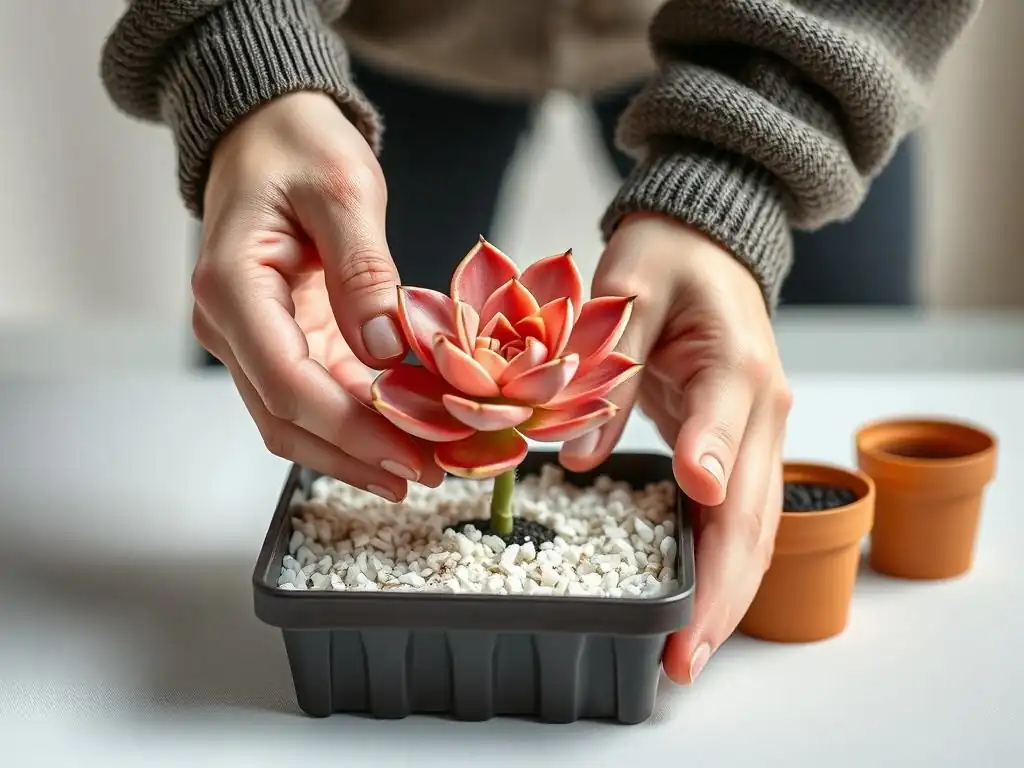
Successfully propagating succulent stem cuttings is only half the battle. Once your cuttings have developed robust root systems and several new leaves, it's time to harvest and repot them, giving them the space to thrive. This crucial step ensures your new succulents continue their healthy growth and reach their full potential. Ignoring this step can lead to overcrowding, stunted growth, and even disease.
Proper harvesting and repotting techniques are vital for maximizing your propagation success. This section focuses on the timing and techniques for this essential phase of succulent propagation. Remember, patience is key; rushing this process can jeopardize your hard work.
Knowing When to Repot Your Propagated Succulents
Knowing precisely when to repot your propagated succulents is crucial. There's no single magic number of weeks or months; it depends on several factors. The size of the root system is the primary indicator. Generally, you should repot when the roots are visibly filling the propagation container or starting to emerge from the drainage holes. This usually takes between 4-8 weeks, depending on the succulent species and environmental conditions.
However, don't wait until the roots are severely overcrowded or circling the container, as this can damage the delicate roots and hinder growth. Look for healthy, robust root development—a good sign that the succulent is ready for a larger pot. Observe your succulents closely; some species may root faster than others. For example, Echeveria species often root quickly, while Sedum may take a bit longer.
Another sign it’s time to repot is the appearance of new growth. The emergence of several healthy new leaves indicates that the cutting has successfully established itself and is ready for a more substantial growing medium. Avoid repotting if the new growth is weak or stunted, as this suggests potential problems that need addressing before transplanting. Regular observation, noting the root development and new growth, is vital for successful repotting.
The Repotting Process: A Step-by-Step Guide
Repotting your propagated succulents requires a gentle touch to avoid damaging the fragile roots. Follow these steps carefully:
- Prepare your new pot and soil: Choose a pot slightly larger than the propagation container, ensuring adequate drainage holes. Use a well-draining succulent potting mix, avoiding garden soil which retains too much moisture. A mix of cactus and succulent potting soil with perlite or pumice is ideal.
- Gently remove the cutting: Carefully remove the cutting from its propagation container. Avoid pulling forcefully; if the cutting resists, gently loosen the soil around the roots. If the roots are tightly bound, soak the container briefly in water to loosen the soil.
- Inspect the roots: Examine the root system for any signs of rot or damage. Trim any damaged roots with clean, sharp scissors.
- Plant the cutting: Place the cutting in its new pot, ensuring the base of the stem is at the same depth as it was in the propagation container. Gently fill the pot with the succulent potting mix, firming it gently around the base of the cutting to provide support.
- Water sparingly: After repotting, water sparingly. Allow the soil to dry slightly before watering again to prevent root rot. Overwatering is a common mistake that can kill newly repotted succulents.
This detailed approach ensures the successful transition of your propagated succulents into their new homes. Remember, gentle handling is key.
Maintaining Healthy Growth After Repotting
Following repotting, consistent care is essential for continued healthy growth. Avoid overwatering, which is the most common cause of succulent death. Allow the soil to dry completely between waterings. The frequency of watering will depend on factors such as the size of the pot, the type of succulent, and the environmental conditions. During the hottest months, you may need to water more frequently, but always allow the soil to dry significantly between waterings.
Providing adequate sunlight is also crucial. Most succulents thrive in bright, indirect sunlight. Avoid direct, intense sunlight, especially during the hottest part of the day, which can scorch the leaves. Rotate your pots regularly to ensure even sunlight exposure. Finally, monitor your succulents for any signs of pests or diseases.
Regular inspection allows for prompt treatment, preventing significant damage. By following these simple yet crucial steps, you can ensure the long-term health and vitality of your propagated succulents, reaping the rewards of your propagation efforts. Remember, the key is to mimic their natural desert environment as closely as possible. This includes well-draining soil, bright light, and infrequent watering.
Frequently Encountered Questions About Propagating Succulent Stem Cuttings (FAQ)
This section addresses common queries regarding the propagation of succulents from stem cuttings, offering practical advice and troubleshooting tips for successful propagation. Understanding these frequently asked questions will significantly increase your chances of propagating healthy and thriving succulents.
How long does it take for succulent stem cuttings to root?
The rooting time for succulent stem cuttings varies considerably depending on several factors: the succulent species, the environmental conditions (temperature, humidity, and light), and the health of the cutting itself. Generally, you can expect to see roots emerge within 2-6 weeks. However, some faster-growing succulents might root in as little as one week, while others, especially those with thicker stems or during cooler seasons, may take up to 8 weeks or even longer.
Patience is key! Avoid constantly checking for roots, as this can disturb the cutting and hinder the rooting process. Instead, focus on maintaining optimal conditions and trust the process. Here's a table summarizing expected rooting times for some common succulent genera:
| Succulent Genus | Average Rooting Time (Weeks) |
|---|---|
| Echeveria | 2-4 |
| Sedum | 1-3 |
| Crassula | 3-5 |
| Sempervivum | 2-4 |
| Kalanchoe | 1-2 |
Remember that these are averages. Individual cuttings may vary. Consistent monitoring for signs of new growth (tiny leaves or stems) is a better indicator of successful rooting than simply looking for roots.
What are the signs of root rot in succulent cuttings?
Root rot, a common problem in succulent propagation, occurs when the cutting's stem remains too wet, leading to fungal or bacterial infections. Identifying root rot early is crucial to saving your cutting. Here are some key signs to watch out for:
- Soft, mushy stem: A significant indicator of root rot is when the base of the cutting becomes soft and mushy to the touch. This indicates that the tissues are decaying.
- Darkening or discoloration: The stem near the soil line might turn brown, black, or develop dark spots, indicating fungal infection.
- Unpleasant odor: A foul odor emanating from the cutting or the soil is a strong sign of bacterial or fungal growth.
- Lack of growth despite adequate conditions: If your cutting remains stagnant for an extended period (beyond the expected rooting time), despite having optimal light and temperature, root rot could be the culprit.
- Falling leaves: Healthy cuttings retain their leaves. Premature leaf drop can signify that the roots are not functioning properly due to rot.
If you notice any of these signs, immediate action is necessary. Carefully remove the cutting from the soil, trim away any affected areas with a sterilized knife, and allow the cutting to callus before replanting it in fresh, dry soil. Proper watering techniques are crucial in preventing root rot.
What is the best type of lighting for propagating succulents?
Succulents, being sun-loving plants, require ample bright, indirect light for successful propagation. Direct sunlight, especially during the hottest parts of the day, can scorch the delicate cuttings. Therefore, bright, indirect light is ideal.
Here's a breakdown of suitable lighting options:
- South-facing window (filtered): A south-facing window can provide ample light, but it's essential to filter the direct sunlight using a sheer curtain or by placing the cuttings slightly away from the glass to avoid scorching.
- East or West-facing window: These windows offer softer, less intense light, making them excellent choices for propagating succulents, particularly during the summer months.
- Grow lights: Artificial grow lights are a fantastic option, especially during winter months or in areas with limited natural light. Full-spectrum LED grow lights are recommended to mimic natural sunlight effectively. Ensure the lights are positioned at the appropriate distance to avoid burning the cuttings.
Remember that the intensity of light needed can vary depending on the succulent species. Some species tolerate more direct sunlight than others. Observing your cuttings carefully and adjusting their position based on their response to the light is crucial for success. Monitor for signs of stretching (legginess), which indicates insufficient light, or scorching, which indicates excessive light. Adjust accordingly to find the sweet spot for optimal growth.
Frequently Asked Questions
How do I prepare a succulent stem cutting for propagation?
First, allow the cut end to callus over for a few days. This prevents rot. Then, plant the cutting in a well-draining propagation medium, such as cactus potting mix.
What is the best time of year to propagate succulent stem cuttings?
The ideal time is during the growing season, typically spring or summer, when temperatures are warmer and the succulents are actively growing. This promotes faster rooting.
How long does it take for a succulent stem cutting to root?
Rooting time varies depending on the succulent species and conditions, but it generally takes 2-6 weeks. Patience is key!
What are the signs of successful propagation from a stem cutting?
Look for new growth appearing from the stem or roots emerging from the base of the cutting. These are clear indicators of successful rooting.
What should I do if my succulent stem cutting starts to rot?
If you notice signs of rot (mushy or discolored tissue), immediately remove the affected parts and allow the cutting to dry further before replanting in fresh, dry medium. Ensure proper drainage to prevent future rot.
Final Reflection: Cultivating Growth, Inside and Out
The art of propagating succulent stem cuttings is more than just a horticultural hobby; it's a potent metaphor for resilience, growth, and the transformative power of patience. Successfully propagating these seemingly delicate plants requires careful attention, a willingness to learn from setbacks, and a deep appreciation for the natural world. This knowledge, however, extends far beyond the realm of gardening.
The process of nurturing a tiny cutting into a thriving plant mirrors our own journeys of self-discovery and personal growth. We, too, face challenges, periods of dormancy, and moments of doubt. Yet, with the right care and attention, we can overcome obstacles and flourish. As the poet Mary Oliver so eloquently stated: Tell me, what is it you plan to do with your one wild and precious life?
Propagating succulents reminds us to approach our own lives with the same dedication, nurturing our potential and celebrating the beauty of growth in all its forms.
Now, consider your own "cuttings"—those dreams, aspirations, or projects that may seem small or fragile. Embrace the process, learn from any "wilting," and cultivate your own unique potential with confidence. Just as a tiny succulent cutting can blossom into a vibrant plant, so too can your own ambitions flourish with consistent effort and unwavering belief in yourself. Begin today. Start small. And watch yourself grow.
Unleash Your Inner Propagator: Grow Your Succulent Family!
Thanks for exploring the world of succulent propagation with us! You've now unlocked the secrets to successfully growing new succulents from cuttings – a rewarding journey awaits. Ready to put your knowledge into practice?
- Take the plunge and propagate! Select a healthy stem cutting from your favorite succulent and follow the steps outlined in the article. This is your chance to expand your collection and share the joy of succulent gardening with others.
- Share your propagation success (or questions!) on our social media. Let's build a thriving community of succulent enthusiasts! We love seeing your progress and are happy to help you along the way.
- Experiment with different propagation methods. Try propagating a new variety and see what unique results you achieve. You might be surprised by what works best!
So, which exciting succulent will you propagate first? Let us know in the comments below!