
The Art of Succulent Grafting: Combining Traits for Extraordinary Plants

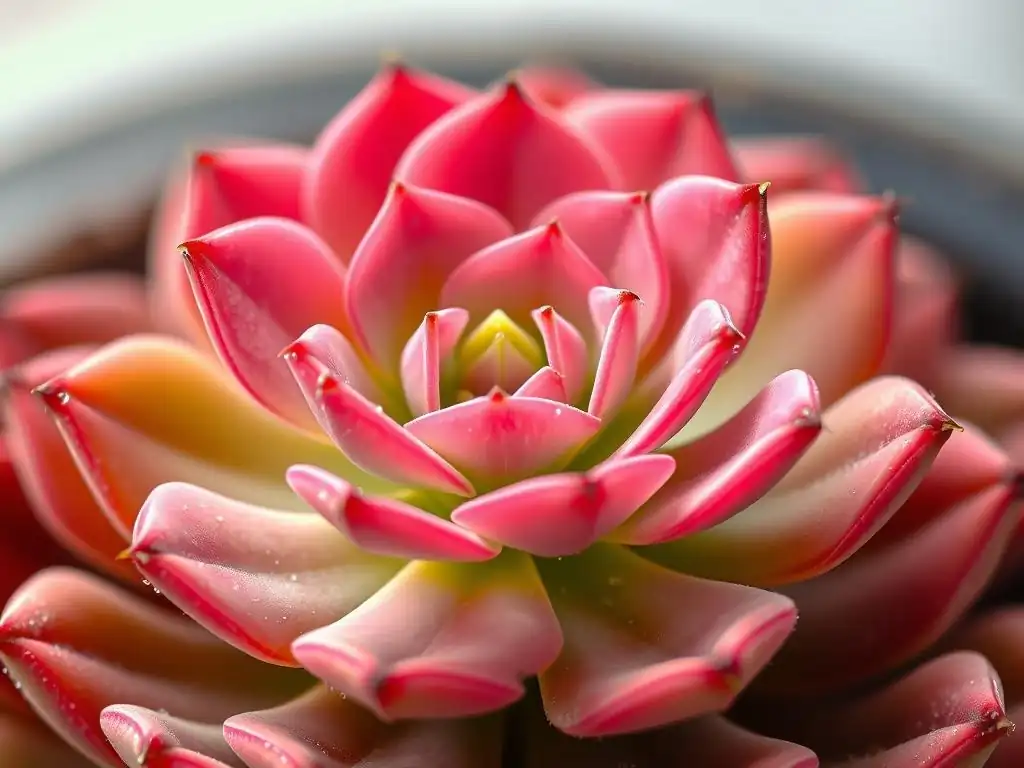
Welcome to SucculentEssentials.org, where the extraordinary world of succulents unfolds before you. Are you ready to unlock the secrets of creating truly unique and breathtaking plants? Our comprehensive guide on succulent grafting techniques will unveil the artistry behind combining desirable traits, resulting in spectacular specimens that will leave you amazed. Dive in and discover the fascinating world of propagation and reproduction, and prepare to be inspired!
- Understanding Succulent Grafting Techniques Guide: A Beginner's Introduction
- Step-by-Step Guide to Succulent Grafting Techniques
- Advanced Succulent Grafting Techniques and Hybrids
- Maintaining and Propagating Grafted Succulents
- Showcase: Examples of Successful Succulent Grafts
- Frequently Asked Questions
- Final Reflection: Cultivating Creativity Through Succulent Grafting
- Unleash Your Inner Plant Artist: Craft Your Dream Succulent!
Understanding Succulent Grafting Techniques Guide: A Beginner's Introduction
Succulent grafting, a fascinating horticultural technique, allows enthusiasts to combine the desirable traits of different succulent species, resulting in unique and often breathtaking plants. This comprehensive guide delves into the art of succulent grafting, providing a step-by-step approach suitable for both beginners and experienced succulent cultivators. We will explore the fundamental principles, essential tools, and crucial considerations for successful grafting, ultimately empowering you to create extraordinary succulents with combined characteristics like vibrant colors, unusual shapes, and increased hardiness.
This guide serves as your complete resource for mastering succulent grafting techniques, transforming your succulent collection into a showcase of horticultural artistry. Whether you're aiming to improve the hardiness of a delicate species or create a visually stunning hybrid, this guide will equip you with the knowledge and confidence to succeed. Learning these succulent grafting techniques opens a world of creative possibilities for any succulent enthusiast.
What is Succulent Grafting? Benefits and Applications
Succulent grafting involves joining a cutting (the scion) from one succulent onto the root system (the rootstock) of another. The scion provides the desirable aesthetic qualities, like unique coloration or unusual leaf shapes, while the rootstock provides a robust root system and often improved hardiness. 🌱
This technique offers several key benefits:
- Enhanced Growth: A strong rootstock can significantly improve the growth rate and overall vigor of a scion that might struggle on its own.
- Improved Hardiness: Grafting onto a hardy rootstock can make a delicate scion more resistant to disease and environmental stress.
- Unique Combinations: The most exciting benefit is the creation of visually striking hybrids with combined characteristics not found in nature. Imagine a vibrant, intensely colored scion thriving on a robust rootstock—a testament to the creative potential of grafting!
- Rescue of Damaged Plants: Grafting can sometimes be used to rescue a succulent with a damaged root system by attaching it to a healthy rootstock.
The applications of succulent grafting are diverse:
- Creating Rare Hybrids: Combining species to create unique, visually stunning plants.
- Improving Hardiness: Enhancing the resilience of delicate succulents.
- Propagating Difficult-to-Root Species: Grafting can be a successful propagation method for succulents that are challenging to root from cuttings.
- Preserving Rare Cultivars: Grafting allows for the propagation and preservation of rare or endangered succulent varieties.
Choosing the Right Rootstock and Scion: Compatibility and Considerations
Successful grafting hinges on selecting compatible rootstock and scion. Careful consideration is crucial for optimal results. Not all succulents are compatible; some combinations simply won't take. Generally, species within the same genus or closely related genera have a higher chance of successful grafting.
Rootstock Selection:
- Robust Root System: The rootstock should possess a strong, healthy root system capable of supporting the scion.
- Disease Resistance: A disease-resistant rootstock can protect the scion from potential pathogens.
- Growth Habit: Consider the growth habit of the rootstock to ensure compatibility with the scion's growth pattern.
Scion Selection:
- Desirable Traits: The scion should possess the appealing characteristics you want to preserve or combine—e.g., unusual color, shape, or pattern.
- Healthy Cutting: Use a healthy, disease-free cutting from a mature succulent.
- Size and Maturity: The scion should be appropriately sized for the rootstock to ensure a secure union.
Compatibility: Research is key! Consult reliable resources to identify compatible pairings before attempting a graft. Experimentation is part of the learning process, but starting with known compatible combinations increases your chances of success.
Essential Tools and Materials for Successful Grafting
Before embarking on your grafting project, gather the necessary tools and materials. Having everything prepared beforehand ensures a smooth and efficient grafting process. Sterility is paramount to prevent infection.
| Tool/Material | Purpose | Importance |
|---|---|---|
| Sharp, Sterile Blade | Making clean cuts on both scion and rootstock | Prevents damage and infection |
| Grafting Tape or Rubber Bands | Securing the scion to the rootstock | Ensures proper union and prevents separation |
| Sterilizing Solution (e.g., Isopropyl Alcohol) | Sanitizing tools and work surfaces | Prevents the spread of bacteria and fungi, crucial for success |
| Potting Mix | Providing a well-draining environment for the grafted succulent | Essential for healthy root development and preventing rot |
| Small Pots or Containers | Housing the grafted succulent during the healing process | Provides a stable environment for the graft to establish itself |
| Tweezers (optional) | Precisely handling small scions and rootstocks | Useful for delicate grafts |
Remember to sterilize all tools before and after each use to minimize the risk of infection. Cleanliness is essential for a successful grafting outcome. With careful preparation and attention to detail, you'll be well-equipped to embark on your succulent grafting journey!
Step-by-Step Guide to Succulent Grafting Techniques
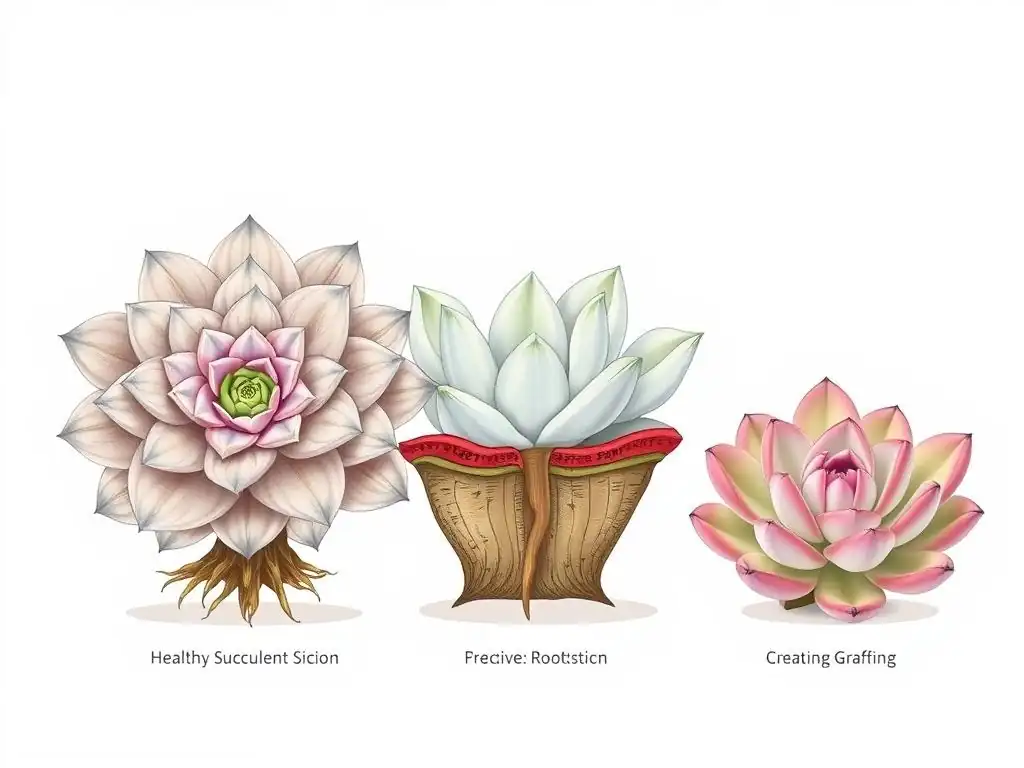
This section provides a detailed, practical guide to succulent grafting, a fascinating technique enabling the combination of desirable traits from different succulent varieties. Mastering these succulent grafting techniques opens up a world of creative possibilities for any succulent enthusiast. We'll cover the process from selecting your rootstock and scion to the crucial grafting process itself. This guide aims to equip you with the knowledge to successfully perform succulent grafting, leading to unique and beautiful plants.
Preparing the Rootstock: Cleaning and Shaping for Optimal Union
Choosing the right rootstock is paramount for successful grafting. Strong, healthy rootstocks provide the foundation for your grafted succulent. Ideally, select a rootstock with a robust root system and a stem diameter slightly larger than your scion. Popular rootstocks include Echeveria and Sedum species known for their vigorous growth and compatibility with various scion varieties.
Before grafting, meticulous preparation of the rootstock is essential. Begin by gently cleaning the rootstock with a soft brush and distilled water to remove any dust, debris, or potential pathogens. This minimizes the risk of infection at the graft union. Next, carefully cut the top of the rootstock using a sharp, sterilized blade—a scalpel or grafting knife is ideal. The cut should be clean and flat, creating a smooth surface for optimal contact with the scion.
The angle of the cut isn't as critical as ensuring a clean, flat surface. Avoid jagged edges, as these can hinder proper healing and increase the chances of failure. The cut should be made just above a node, a point where leaves or branches typically emerge. This promotes growth from the scion. Finally, allow the cut surface to dry slightly (about 30 minutes) to encourage callus formation before grafting.
Preparing the Scion: Selecting and Cutting the Desired Variety
The scion, the part you're grafting onto the rootstock, is where the desired traits—color, leaf shape, flower—come from. Careful selection is key to successful grafting. Choose a healthy, disease-free scion from a mature but not overly-old plant. Avoid scions with any signs of stress, damage, or disease. The ideal scion is a cutting from a stem or branch with several leaves.
The preparation of the scion involves making a clean cut that complements the rootstock. Using the same sterilized blade used for preparing the rootstock, cut the base of the scion to create a flat surface that matches the rootstock's cut. The cut should be clean and precise; avoid crushing or damaging the tissue. Aim for a similar size and shape to maximize the contact area between the scion and rootstock.
A slightly tapered cut can aid in alignment. As with the rootstock, allow the cut scion to dry for about 30 minutes before grafting to facilitate callus formation. This drying period helps prevent rot and encourages a stronger union. Remember, cleanliness and precision are crucial throughout this entire process.
The Grafting Process: Techniques for a Secure and Successful Union
With both the rootstock and scion prepared, the actual grafting can begin. The most common method is the whip graft, which involves creating angled cuts on both the rootstock and scion to create interlocking surfaces. Other techniques exist, but the whip graft offers a relatively simple and effective approach for beginners.
- Alignment: Carefully align the cut surfaces of the rootstock and scion, ensuring maximum contact between the cambium layers (the actively growing tissue just beneath the bark). Proper alignment is crucial for successful grafting.
- Securing the Graft: Once aligned, firmly secure the scion to the rootstock. You can use grafting tape or rubber bands to hold them together. Ensure the tape or band is snug but not so tight as to constrict the tissues.
- Protecting the Graft: After securing the graft, cover the union with a plastic bag or humidity dome to maintain a high humidity environment, promoting healing. This helps prevent the graft from drying out.
- Monitoring and Care: Place the grafted succulent in a well-lit location, out of direct sunlight. Monitor the graft regularly, ensuring the plastic bag or dome is not causing excessive moisture buildup, which can lead to rot. After a few weeks, if the graft appears successful (new growth emerges), gradually reduce the humidity. Remove the protective covering and continue to care for the plant as you would any other succulent. Remember patience is key. The healing process can take several weeks, and success isn't always immediate. Be patient, observant, and persistent. With careful attention to detail and proper technique, you'll be able to enjoy the fruits of your labor—unique and beautiful grafted succulents.
Remember to always use sterilized tools and maintain a clean workspace to prevent the introduction of pathogens. Succulent grafting is a rewarding experience, allowing you to create unique plants that showcase the beauty and versatility of succulents. Enjoy the process! 🌱
Aftercare: Protecting and Caring for Your Grafted Succulent
The success of your succulent grafting project hinges not only on the precision of the grafting process itself but also on the diligent aftercare you provide. Newly grafted succulents are incredibly vulnerable and require a delicate touch to ensure the scion and rootstock unite successfully. Improper aftercare can lead to graft failure, even if the initial grafting was flawlessly executed. Therefore, understanding and meticulously following the aftercare steps is paramount.
One of the most crucial aspects of aftercare is preventing infection. The wound sites, both on the scion and the rootstock, are susceptible to fungal and bacterial infections. Avoid watering the grafted plant directly for at least a week to ten days, allowing the wounds to callus over and begin the healing process. High humidity can also encourage fungal growth, so ensure good air circulation around the plant. In humid environments, consider using a fungicide specifically designed for succulents, following the manufacturer's instructions carefully. Avoid over-application, as this can damage the delicate new graft.
Light and temperature also play a significant role in the healing process. Place your grafted succulent in a bright, indirect light location, avoiding harsh midday sun, which can scorch the vulnerable scion. Maintaining a consistently warm temperature, ideally between 65-75°F (18-24°C), will promote optimal healing. Sudden temperature fluctuations can stress the plant, hindering the union of the scion and rootstock.
Watering is a critical element, requiring a delicate balance. Underwatering can cause the graft to fail due to dehydration, while overwatering can lead to root rot and fungal infections. After the initial week-long dry period, begin watering sparingly, allowing the soil to dry out completely between waterings. Monitor the plant closely for signs of wilting or overwatering, adjusting your watering schedule accordingly. The frequency of watering will depend on factors such as the type of succulent, the size of the pot, and the ambient temperature and humidity. Always err on the side of caution and underwater rather than overwater.
Finally, patience is key. The healing process can take several weeks, even months, depending on the species involved and the environmental conditions. Avoid disturbing the grafted plant unnecessarily during this period. Regularly inspect the graft union for signs of healing and any potential problems, such as discoloration, wilting, or signs of infection. Early detection and intervention can often save a struggling graft. With careful attention to these aftercare steps, you can significantly increase the chances of success in your succulent grafting endeavors, resulting in unique and beautiful plants.
Advanced Succulent Grafting Techniques and Hybrids
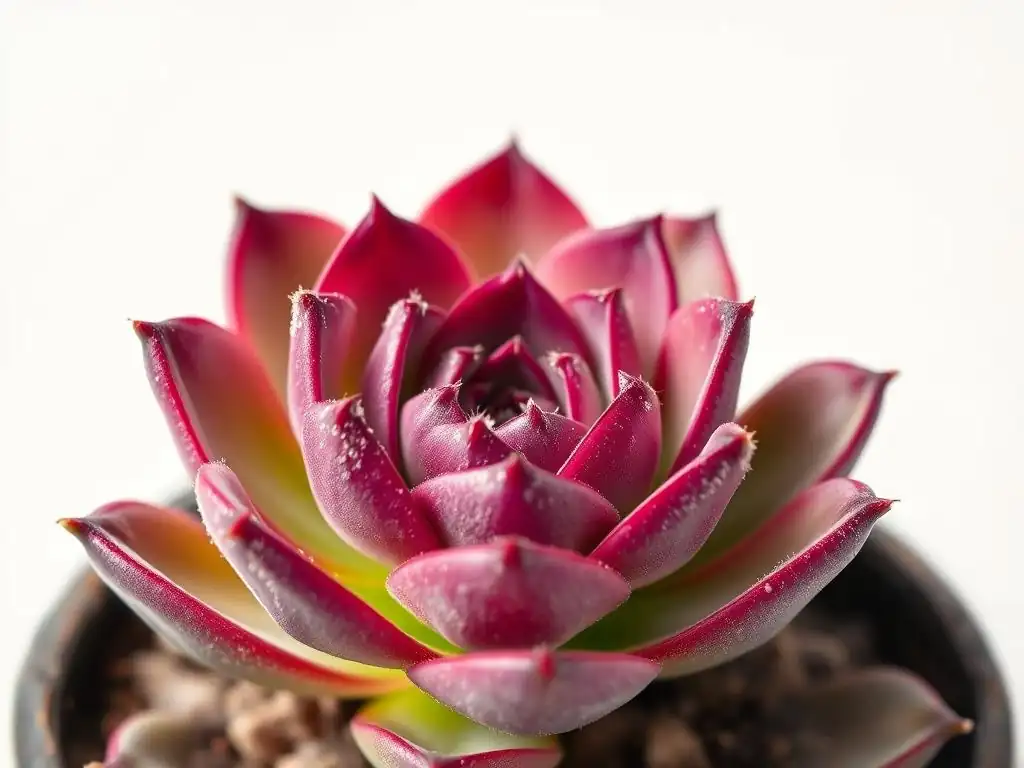
This section delves into the more intricate aspects of succulent grafting, moving beyond the basics to explore advanced techniques and the creation of unique hybrids. Mastering these techniques allows for the development of truly extraordinary succulent specimens, combining desirable traits from different species and genera. We'll examine the possibilities, challenges, and troubleshooting strategies involved in this fascinating horticultural pursuit. This guide will equip you with the knowledge to confidently tackle more complex grafting projects, expanding your succulent cultivation expertise.
Grafting Different Succulent Genera: Exploring Possibilities and Challenges
Grafting succulents from different genera presents both exciting possibilities and significant challenges. While grafting within the same genus often yields high success rates, intergeneric grafting requires a deeper understanding of plant compatibility and physiological requirements. Success hinges on selecting compatible rootstocks and scions with similar growth rates and vascular structures.
For example, grafting Echeveria onto a Sedum rootstock is often attempted, aiming to combine the rosette form of Echeveria with the robust root system of Sedum. However, the success rate is significantly lower compared to grafting Echeveria onto another Echeveria. This is because the vascular cambium layers, crucial for successful graft union, may not be sufficiently compatible across genera, leading to graft failure. Careful selection and precise grafting techniques are paramount.
The following table illustrates some examples of intergeneric grafting attempts, noting their relative success rates (based on anecdotal evidence and limited scientific studies; more research is needed in this area):
| Rootstock Genus | Scion Genus | Success Rate (Estimated) | Challenges |
|---|---|---|---|
| Sedum | Echeveria | Low (20-30%) | Incompatible vascular systems, differing growth rates |
| Echeveria | Graptopetalum | Moderate (40-60%) | Potential for graft incompatibility, slower union |
| Crassula | Kalanchoe | Moderate (40-60%) | Requires precise grafting technique, careful aftercare |
| Dudleya | Aeonium | Low (10-20%) | Significant physiological differences, high failure rate |
The challenges often involve:
- Incompatible vascular systems: The vascular cambium of the rootstock and scion must be compatible for successful fusion.
- Differing growth rates: A significant difference in growth rates between the rootstock and scion can lead to stress and failure.
- Physiological incompatibility: Even with apparent vascular compatibility, underlying physiological differences can hinder successful union.
Successful intergeneric grafting requires meticulous technique, careful selection of compatible plants, and a deep understanding of the physiological needs of each genus.
Creating Unique Hybrids Through Grafting: Combining Desirable Traits
Grafting offers a unique opportunity to create novel succulent hybrids by combining desirable traits from different cultivars or even species. This technique allows for the creation of plants with unusual colors, textures, and growth habits, pushing the boundaries of succulent aesthetics.
For instance, a grower might graft a slow-growing, highly colored Sempervivum cultivar onto a fast-growing, robust Sedum rootstock. This approach allows the beautiful Sempervivum scion to thrive with enhanced vigor, while the Sedum rootstock provides a sturdy base and faster growth. The result: a larger, more vibrant, and faster-growing plant than would be possible with the Sempervivum alone.
This approach allows for the creation of plants exhibiting:
- Improved growth rates: Combining a slow-growing scion with a fast-growing rootstock.
- Enhanced color and variegation: Grafting a highly colored scion onto a plain-colored rootstock.
- Unique textures and forms: Combining scions with unusual textures or growth habits with robust rootstocks.
- Disease resistance: Grafting a disease-prone scion onto a more resistant rootstock.
However, it's crucial to remember that while grafting can combine desirable traits, it does not create genetically stable hybrids. The offspring produced from cuttings or seeds from a grafted plant will revert to the characteristics of the scion. Therefore, the unique hybrid characteristics are only maintained in the grafted plant itself.
Troubleshooting Common Grafting Problems: Identifying and Solving Issues
Even with careful planning and execution, grafting succulents can encounter problems. Recognizing these issues early and implementing corrective measures is key to maximizing success rates.
Some common problems include:
- Graft failure: The scion and rootstock fail to unite, leading to the death of the scion. This is often due to incompatible plant material or improper grafting technique. Careful selection of compatible plants and precise grafting technique are vital.
- Rootstock rot: Excessive watering or poor drainage can lead to root rot in the rootstock, compromising the entire graft. Well-draining soil and careful watering are essential.
- Scion desiccation: The scion can dry out and die if not properly hydrated during the healing process. Maintaining humidity and providing gentle misting can prevent this.
- Pest infestations: Mealybugs, aphids, and other pests can attack the graft, weakening it and potentially causing failure. Regular inspection and prompt pest control are crucial.
Further Troubleshooting Tips
Maintaining optimal environmental conditions, such as appropriate light, temperature, and humidity, is critical for successful grafting. Providing adequate support to the graft during the healing process can prevent damage. Regularly inspecting the graft union for signs of healing or failure is also important. If you notice any signs of problems, address them promptly.
By carefully addressing these potential issues, and by continually refining your techniques based on experience and observation, you can significantly improve your success rate in the exciting world of succulent grafting. Remember, patience and attention to detail are essential for success in this rewarding horticultural endeavor.
Maintaining and Propagating Grafted Succulents
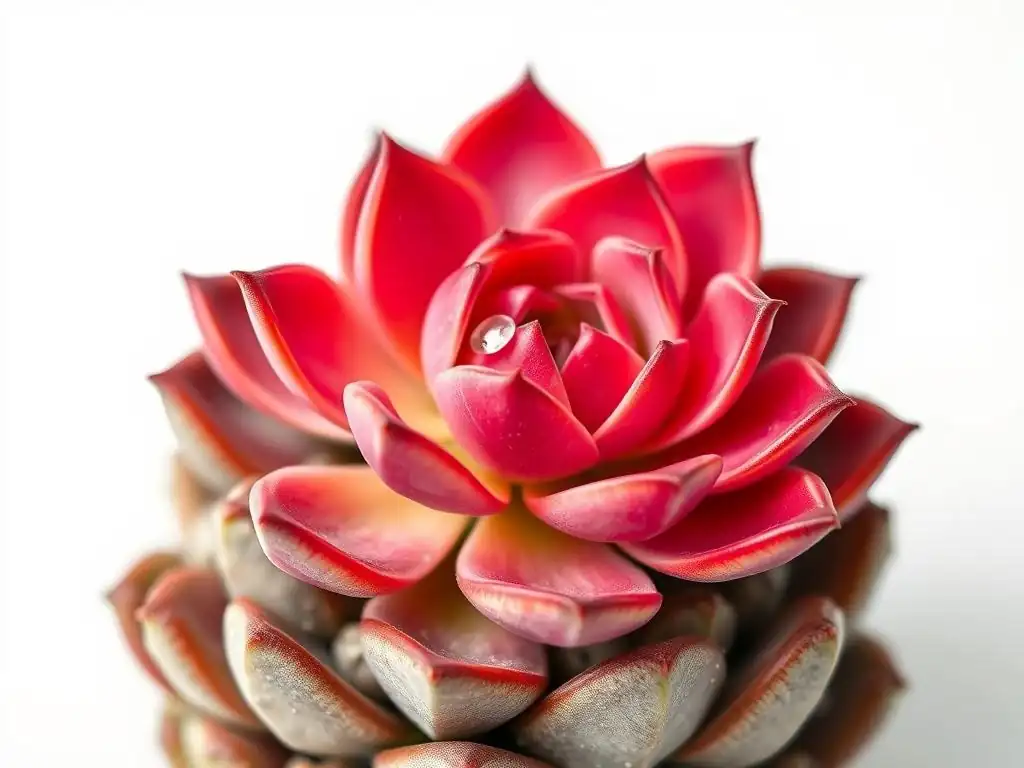
This section delves into the crucial aspects of caring for your newly grafted succulents, ensuring their successful growth and longevity. Successfully grafting succulents is only half the battle; proper post-grafting care is essential for a thriving plant. This guide will provide you with the necessary knowledge to cultivate these unique creations.
Providing Optimal Care for Grafted Succulents: Light, Watering, and Fertilizing
The success of your succulent grafting project hinges on providing the appropriate light, water, and fertilizer. Newly grafted succulents require a delicate balance to allow the scion (the top part) and rootstock (the bottom part) to unite successfully.
Firstly, light is paramount. Avoid direct, intense sunlight, which can scorch the delicate graft union. Instead, opt for bright, indirect light. A south-facing window with sheer curtains, or an east-facing window, usually provides ideal conditions. Observe your plant closely; slight wilting may indicate a need for more light, while discoloration suggests too much.
Next, watering requires a cautious approach. Overwatering is a common cause of graft failure. Allow the soil to dry out almost completely between waterings. Water thoroughly when you do water, ensuring the water reaches the roots without leaving the soil soggy. The frequency of watering will depend on the specific succulents used, the pot size, and environmental factors like temperature and humidity. During winter dormancy, reduce watering significantly. Signs of overwatering include soft, mushy leaves and a foul odor from the soil.
Finally, fertilizing should be done sparingly, especially during the first few months after grafting. Use a balanced, diluted succulent fertilizer, following the manufacturer's instructions carefully. Over-fertilizing can damage the delicate graft union and even lead to root burn. Spring and summer are the ideal times to fertilize, while withholding fertilizer during the winter dormancy period is recommended. A balanced approach, monitoring the plant's health closely, and adjusting as needed, is key to success.
Propagating Grafted Succulents: Methods and Considerations
While propagating grafted succulents directly from the graft union is generally not recommended due to the complexities involved, you can propagate the scion or the rootstock separately using standard succulent propagation methods. This allows you to preserve the desirable traits of either component.
- Scion Propagation: If the scion is a rare or highly prized cultivar, you can attempt to propagate it via leaf cuttings or stem cuttings. Success rates vary greatly depending on the species. Remember that the propagated scion will lack the root system of the original grafted plant.
- Rootstock Propagation: The rootstock, typically a hardy and easily propagated species, can be propagated using leaf cuttings, stem cuttings, or offsets. This is a simple way to replenish your supply of the rootstock material for future grafting projects.
Remember that the propagated plants will not exhibit the exact same characteristics as the original grafted succulent, as the unique combination of traits achieved through grafting will be lost. This method is primarily useful for preserving the genetic material of either the scion or the rootstock for future use. Careful selection of the rootstock, considering its growth habit and compatibility with various scions, is vital for long-term success.
Preventing Graft Failure: Common Mistakes and How to Avoid Them
Graft failure can be heartbreaking, but understanding common pitfalls and implementing preventative measures can greatly improve your success rate.
| Mistake | Description | Prevention |
|---|---|---|
| Improper Graft Union | Inaccurate alignment or insufficient contact between scion and rootstock. | Ensure precise alignment and firm contact, using appropriate grafting techniques and materials. |
| Overwatering | Excess moisture leads to rot and fungal growth. | Allow soil to dry thoroughly between waterings. Use well-draining soil and appropriate containers. |
| Insufficient Sunlight | Lack of light weakens the plant and hinders the graft union. | Provide bright, indirect light. Avoid direct sunlight, especially during the hottest part of the day. |
| Pest Infestation | Insects or diseases can compromise the graft. | Regularly inspect plants for pests and diseases. Implement appropriate pest control measures promptly. |
| Incompatibility | Using incompatible scion and rootstock species. | Research compatible species before grafting. Choose a rootstock known for its hardiness and ease of propagation. |
| Improper Wound Care | Not allowing the graft union to properly heal before exposing it to harsh conditions. | Protect the graft union from excessive moisture, sunlight, and physical damage during the healing process. |
By carefully following these guidelines and paying close attention to your grafted succulents, you can significantly increase your chances of success and enjoy the beauty of these unique plants for years to come. Remember, patience and observation are key to mastering the art of succulent grafting.
Showcase: Examples of Successful Succulent Grafts
This section provides a detailed look at successful succulent grafting examples, showcasing the diverse possibilities and aesthetic appeal achievable through this propagation method. Understanding these examples will enhance your own grafting endeavors and inspire creative combinations. We will explore the techniques and the resulting visual impact of each graft. Mastering these succulent grafting techniques is key to creating truly unique plants.
Echeveria 'Perle von Nürnberg' grafted onto Echeveria 'Laui'
The combination of Echeveria 'Perle von Nürnberg' and Echeveria 'Laui' is a popular choice among succulent enthusiasts due to the striking contrast in their appearances. 'Perle von Nürnberg' boasts a rosette of tightly packed, powdery blue-green leaves, while 'Laui' offers a more open rosette with greyish-green leaves and a reddish tinge in bright sunlight.
Grafting 'Perle von Nürnberg' onto 'Laui' typically involves using a section of the 'Perle von Nürnberg' rosette as the scion (the upper part of the graft) and a healthy, sturdy 'Laui' stem as the rootstock (the lower part). The resulting plant showcases the beautiful, compact rosette of 'Perle von Nürnberg', elevated atop the robust, established root system of 'Laui'. This combination often leads to a more vigorous growth rate and improved hardiness compared to growing 'Perle von Nürnberg' independently. The contrast in leaf texture and color creates a visually stunning effect.
The success rate for this graft is relatively high, provided clean cuts and proper alignment are maintained during the grafting process. Regular monitoring for signs of rot or rejection is crucial in the initial weeks following the procedure. This combination is a perfect example of how succulent grafting techniques can enhance both the visual appeal and the overall health of the plant.
Graptopetalum paraguayense grafted onto Sedum 'Rubrotinctum'
This grafting combination highlights the versatility of succulent grafting techniques. Graptopetalum paraguayense, also known as Ghost Plant, possesses delicate, silvery-green leaves with a unique, almost ethereal appearance. Sedum 'Rubrotinctum', or Jelly Bean Plant, offers plump, rounded leaves that can exhibit shades of green, red, and purple depending on light exposure.
Grafting Graptopetalum paraguayense onto Sedum 'Rubrotinctum* provides a striking contrast between the delicate scion and the sturdy rootstock. The resulting plant displays the elegant, almost translucent leaves of the Graptopetalum atop the vibrant, colorful leaves of the Sedum. This combination is especially interesting because it allows the delicate Graptopetalum, which can sometimes be challenging to propagate by other methods, to thrive with the robust root system of the Sedum.
This graft requires careful attention to detail, as the delicate leaves of Graptopetalum paraguayense can be easily damaged during the grafting process. However, with careful handling and proper aftercare, the success rate can be quite high. This unusual pairing is a testament to the artistic potential of succulent grafting techniques.
Kalanchoe beharensis grafted onto Kalanchoe 'Tessa'
This example showcases a graft using two species within the same genus, Kalanchoe. Kalanchoe beharensis, or Panda Plant, is known for its large, velvety, grey-green leaves with a distinctive texture. Kalanchoe 'Tessa' offers smaller, more compact, and often brightly colored leaves, depending on the cultivar.
Grafting Kalanchoe beharensis onto Kalanchoe 'Tessa' provides a chance to combine the unique texture and size of the Panda Plant with the more compact and potentially vibrant color of 'Tessa'. The resulting plant might display the large, textured leaves of the Kalanchoe beharensis atop a more compact and potentially more brightly colored base. This combination can lead to a visually interesting and unique plant.
This type of graft highlights the potential for using succulent grafting techniques to explore variations within the same genus. The success of this graft depends on the compatibility of the two species, and careful observation is necessary to ensure proper healing and growth. The resulting plant, however, can be a rewarding demonstration of the possibilities inherent in succulent grafting. The potential for unexpected color variations makes this a particularly exciting experiment in succulent grafting techniques.
Frequently Asked Questions
What is succulent grafting?
Succulent grafting is a technique where you join two succulents together: a rootstock (the base) and a scion (the top). This combines the desirable traits of both plants, such as rootstock hardiness and scion aesthetics.
Why would I graft succulents?
Grafting allows you to grow rare or difficult-to-propagate succulents on a hardier rootstock. It can also produce unique and visually striking plants by combining different colors, shapes, and textures.
What tools do I need for succulent grafting?
You'll need a sharp, clean knife or scalpel, some grafting tape or rubber bands, and a clean, flat surface to work on. Sterilizing your tools is crucial to prevent infection.
How long does it take for a grafted succulent to heal?
Healing time varies, but it typically takes several weeks for the graft to fuse successfully. Keep the grafted plant in a warm, dry environment with bright, indirect light during this period.
What are some common mistakes to avoid when grafting succulents?
Avoid using damaged or diseased plants. Ensure the cambium layers of the scion and rootstock are in close contact for successful fusion. Also, avoid overwatering during the healing process.
Final Reflection: Cultivating Creativity Through Succulent Grafting
The art of succulent grafting isn't merely a horticultural technique; it's a testament to the boundless creativity inherent in nature, and a powerful tool for us to harness that creativity. The ability to combine the resilience of one species with the aesthetic beauty of another opens up a world of possibilities for plant enthusiasts, pushing the boundaries of what we consider possible in the plant kingdom. This is particularly relevant today, as interest in sustainable and unique gardening practices continues to grow.
The enduring appeal of succulent grafting lies in its ability to transcend the limitations of individual species, resulting in plants that are both visually stunning and remarkably resilient. This process mirrors our own human capacity for growth and adaptation; we, too, can learn to combine our strengths and overcome our weaknesses through collaboration and innovation. The purpose of life, after all, is to live it, to taste experience to the utmost, to reach out eagerly and without fear for newer and richer experience.
– Eleanor Roosevelt. This quote resonates deeply with the spirit of experimentation and the pursuit of beauty that drives succulent grafting.
Consider the possibilities: what unique combinations can you create? What challenges will you overcome in your own "grafting" of skills, ideas, and perspectives? Don't be afraid to experiment, to fail, and to learn from the process. The beauty of succulent grafting, and indeed of life itself, lies not just in the final result, but in the journey of discovery and the growth that comes with it. Embrace the challenge, nurture your creativity, and watch your own unique "masterpiece" flourish.
Unleash Your Inner Plant Artist: Craft Your Dream Succulent!
Thank you for exploring the world of succulent grafting! You've now discovered the secrets to creating truly unique and breathtaking plants. Ready to put your knowledge into practice?
- Start with a simple graft: Begin by practicing the techniques we've discussed—it's easier than you might think! This is the first step towards growing truly extraordinary succulents.
- Share your progress: Post photos of your creations on social media using #SucculentEssentialsGrafting—let's inspire each other!
- Experiment with advanced techniques: Once you've mastered the basics, explore more complex grafting methods and experiment with various succulent varieties.
Ready to transform your succulent collection into a living masterpiece? What exciting combinations will you create next?