
Grafting Succulents: The Role of Grafting in Creating Bonsai Succulents

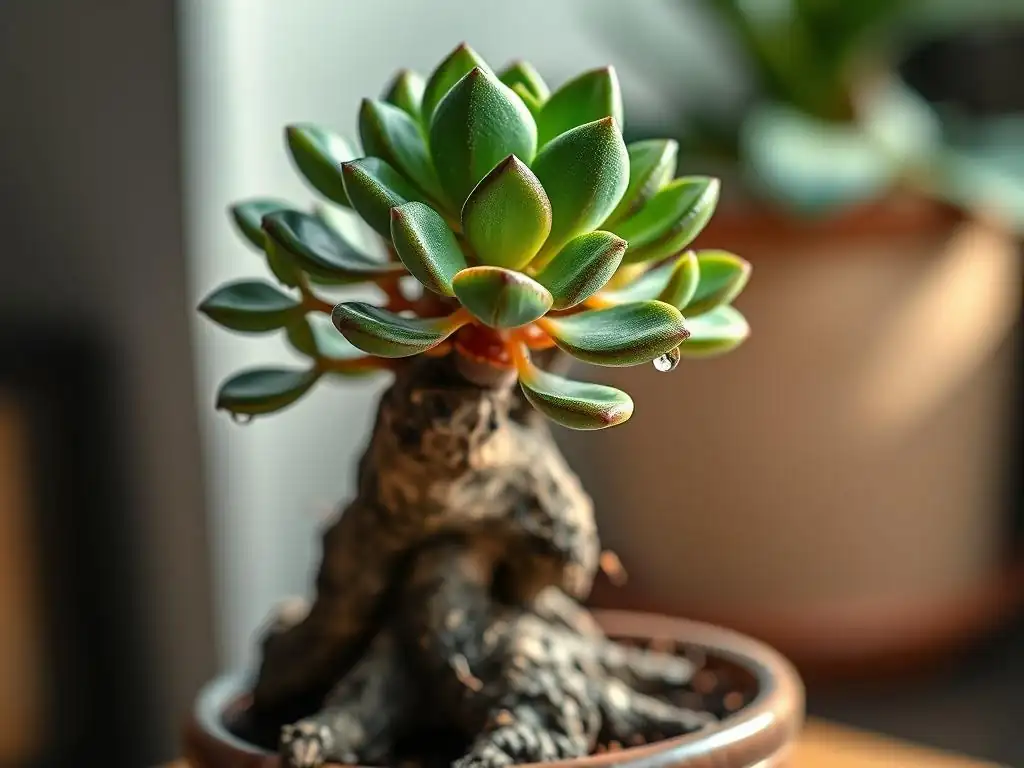
Welcome to SucculentEssentials.org, where the fascinating world of succulents unfolds! Are you ready to unlock the secrets to cultivating these resilient beauties? We delve into every aspect of succulent care, from basic maintenance to advanced techniques. But prepare to be amazed by our comprehensive Grafting Succulents Bonsai Guide, a journey into the art of creating miniature succulent masterpieces. Discover the surprising role of grafting in achieving breathtaking bonsai succulents – your adventure begins now!
- Understanding the Art of Grafting Succulents for Bonsai
-
Step-by-Step Guide: Grafting Succulents for Bonsai Creation
- Preparing the Rootstock: Selecting and Cleaning the Base Plant
- Preparing the Scion: Choosing and Preparing the Desired Succulent Cutting
- The Grafting Process: Techniques for Joining Rootstock and Scion
- Aftercare: Crucial Steps for Successful Graft Union and Growth
- Maintaining the Grafted Succulent Bonsai: Watering, Lighting, and Pruning
- Advanced Techniques in Succulent Bonsai Grafting
- Designing Your Bonsai Succulent: Shaping and Styling
- The Benefits of Grafted Succulent Bonsai
- Frequently Asked Questions
- Final Reflection: The Enduring Art of Miniature Succulent Worlds
- Unleash Your Inner Bonsai Artist: Craft Your Miniature Masterpiece
Understanding the Art of Grafting Succulents for Bonsai
Grafting succulents, a fascinating technique within the world of succulent cultivation, opens up exciting possibilities, particularly in the creation of miniature bonsai. This comprehensive guide delves into the intricacies of grafting succulents, focusing specifically on its application in bonsai development. We'll explore the "why" behind this technique, guide you through selecting appropriate rootstock and scion, and equip you with the essential tools and materials for a successful grafting project.
Whether you're a seasoned succulent enthusiast or a curious beginner, this guide provides a step-by-step approach to mastering this art, ultimately allowing you to cultivate unique and stunning bonsai succulents. The process, while requiring patience and precision, yields rewarding results in the form of beautifully miniaturized succulent bonsai, adding a unique touch to your collection.
This guide aims to be your complete resource for grafting succulents bonsai, covering everything from initial planning to successful establishment. Prepare to unlock the secrets to creating breathtaking miniature succulent landscapes!
What is Grafting and Why Use it for Succulent Bonsai?
Grafting, in the context of plant propagation, involves joining two different plant parts – a rootstock and a scion – to create a single plant. The rootstock provides the root system and often influences the overall size and hardiness of the resulting plant. The scion, on the other hand, contributes the desirable characteristics, such as unique leaf shape, color, or flower type.
Why use grafting for succulent bonsai? The answer lies in the potential for creating miniature, aesthetically pleasing bonsai forms that might not be achievable through traditional propagation methods. By carefully selecting a dwarfing rootstock, the growth of the scion (the desired succulent variety) is controlled, resulting in a smaller, more manageable plant ideal for bonsai.
Furthermore, grafting allows you to combine the desirable characteristics of different succulent species, creating unique hybrids with captivating visual appeal. This technique offers a level of control and creativity unavailable with other methods, allowing for the development of incredibly unique and beautiful miniature succulents. Consider the potential for combining a vibrant colored scion with a robust, dwarfing rootstock—the possibilities are virtually endless!
Choosing the Right Rootstock and Scion for Miniature Succulents
The success of succulent bonsai grafting hinges on selecting the appropriate rootstock and scion. The rootstock should ideally be a slow-growing, robust species known for its compact root system and ability to support the scion. Popular choices often include hardy and easily manageable varieties known for their resilience and ability to thrive under various conditions.
Conversely, the scion should be a succulent that possesses the desirable aesthetic qualities you seek for your bonsai – perhaps an interesting leaf shape, vibrant coloration, or unique flowering characteristics. It's crucial to ensure compatibility between the rootstock and scion; choosing closely related species significantly increases the chances of a successful graft. Careful observation and research are vital for selecting the optimal pairing for your bonsai project.
Remember to consider the mature size of both components to ensure a proportionate and aesthetically pleasing end result. Improper selection can lead to graft failure or an unbalanced, unsightly bonsai. 📈
Essential Tools and Materials for a Successful Graft
Before embarking on your succulent bonsai grafting project, gathering the necessary tools and materials is paramount. You'll need a sharp, sterile grafting knife or scalpel to ensure clean cuts, minimizing the risk of infection. Additionally, grafting tape or clips are crucial for securely holding the scion and rootstock together during the healing process. A rooting hormone powder can significantly enhance the success rate by promoting callus formation and root development. Finally, ensure you have a clean, sterile work environment to prevent contamination.
Sterilizing your tools with rubbing alcohol before and after each use is highly recommended. Having all materials readily accessible and prepared beforehand ensures a smooth and efficient grafting process. Remember, precision and cleanliness are key to maximizing the chances of success in your succulent bonsai grafting endeavor. 🌱
Step-by-Step Guide: Grafting Succulents for Bonsai Creation
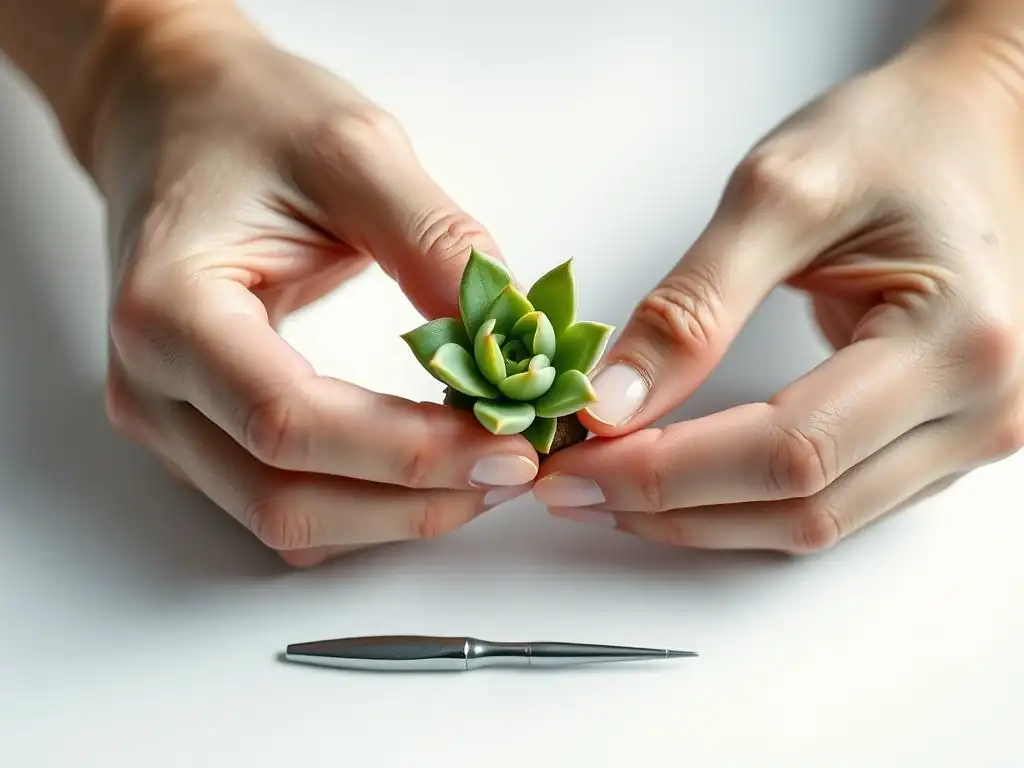
This section provides a detailed, step-by-step guide on grafting succulents to create miniature bonsai. We'll cover selecting appropriate rootstock and scion, preparing them for grafting, and executing the grafting process successfully. Remember, patience and precision are key to successful succulent grafting. This guide focuses on techniques suitable for creating bonsai-style succulents.
Preparing the Rootstock: Selecting and Cleaning the Base Plant
Choosing the right rootstock is crucial for the success of your succulent bonsai. The rootstock provides the foundation and influences the overall size and shape of the final plant. Ideal rootstocks are healthy, robust succulents with strong root systems and a compatible growth habit. Commonly used rootstocks include Echeveria species known for their sturdy stems and resilience. Avoid rootstocks showing signs of disease, pests, or stress.
The selection process should consider the desired size and style of your bonsai. A larger rootstock will support a more substantial scion, while a smaller rootstock will yield a more miniature bonsai. Consider the rootstock's growth rate as well; faster-growing rootstocks might require more frequent maintenance.
Once you've selected your rootstock, thorough cleaning is paramount. This removes any dirt, debris, or potential pathogens that could compromise the graft. Gently wash the rootstock with clean water, ensuring you remove any loose leaves or damaged tissue. Allow the rootstock to dry completely before proceeding to the grafting process. Proper cleaning minimizes the risk of infection and promotes successful union between the rootstock and scion. This meticulous preparation is key to creating a thriving miniature succulent bonsai.
Preparing the Scion: Choosing and Preparing the Desired Succulent Cutting
The scion, or the cutting you'll be grafting onto the rootstock, determines the aesthetic characteristics of your bonsai succulent. Select a healthy, disease-free cutting from a mature succulent plant. The cutting should be firm, not soft or mushy, and free from any signs of damage or pests. The ideal scion is a small, well-developed shoot with several healthy leaves.
The type of succulent you choose for the scion will greatly influence the final look of your bonsai. Consider succulents known for their interesting shapes, colors, or textures. Many Sedum, Graptopetalum, and Sempervivum species are popular choices for their suitability for grafting and their visually appealing characteristics. The scion should be relatively small to maintain the bonsai aesthetic.
Before grafting, prepare the scion by carefully removing any lower leaves that would come into contact with the rootstock. This prevents rot and ensures a clean graft union. Ensure the cut surface of the scion is clean and smooth. A sharp, clean blade is crucial for this process to minimize damage to the succulent tissue. The smoother the cut, the better the chance for proper callus formation and successful grafting.
The Grafting Process: Techniques for Joining Rootstock and Scion
The grafting process itself requires precision and a steady hand. There are several techniques for grafting succulents, but a common method involves a simple wedge graft. This involves making a clean, angled cut on both the rootstock and the scion, ensuring the cambium layers (the actively growing tissue just beneath the bark) of both pieces align. This alignment is crucial for successful union.
After making the cuts, carefully fit the scion onto the rootstock, ensuring the cambium layers are in close contact. Secure the graft using a gentle rubber band or grafting tape, ensuring that the scion is held firmly in place but not constricted. Avoid applying excessive pressure, which could damage the delicate succulent tissues.
After grafting, place the plant in a well-ventilated area with indirect light. Avoid direct sunlight, which could stress the plant and hinder the grafting process. Keep the environment slightly humid to promote callus formation and healing. Regularly check the graft site for signs of rot or infection. Successful grafting requires patience; it may take several weeks for the scion to fully fuse with the rootstock and begin to grow. Careful monitoring and maintenance are essential for nurturing the grafted plant into a beautiful bonsai succulent.
Aftercare: Crucial Steps for Successful Graft Union and Growth
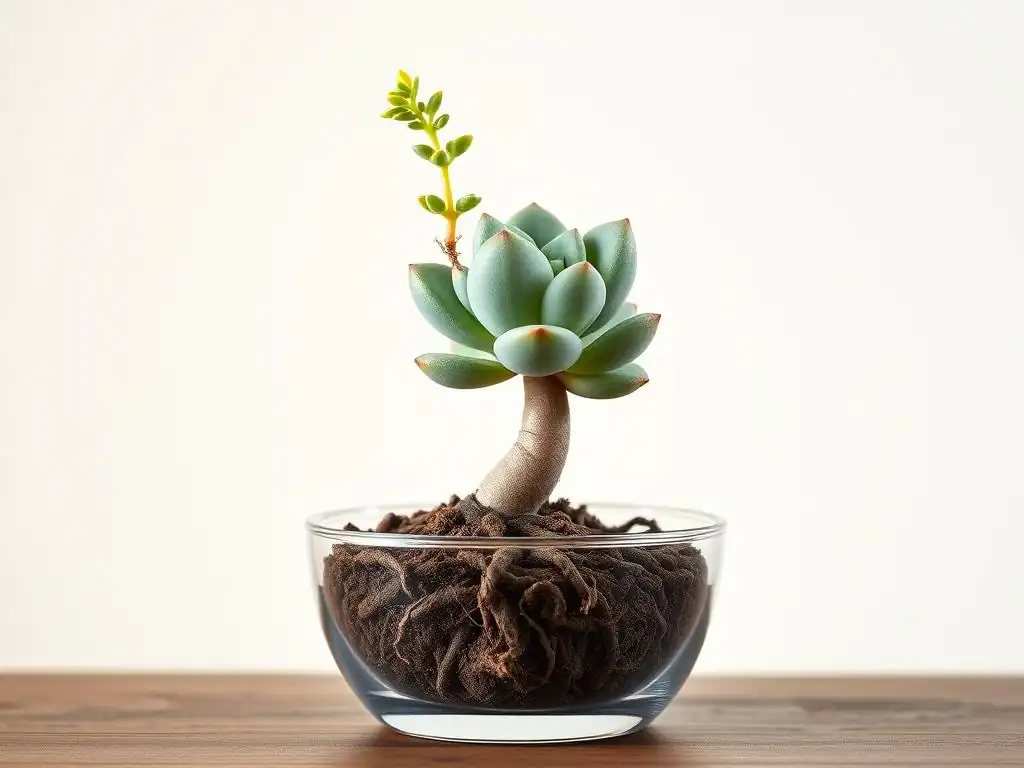
After the grafting procedure, meticulous aftercare is paramount to ensuring a successful graft union and the healthy growth of your bonsai succulent. The initial few weeks are critical, demanding consistent monitoring and gentle handling. Avoid any jarring movements that could dislodge the scion from the rootstock. Keep the grafted plant in a shaded area, shielding it from direct sunlight which could desiccate the delicate graft union and cause it to fail. High humidity is beneficial during this period; consider placing the plant in a humidity dome or covering it with a clear plastic bag to maintain a moist microclimate.
However, ensure adequate ventilation to prevent fungal growth, a common problem in humid environments. Regularly check the moisture level of the soil, keeping it consistently moist but not waterlogged. Overwatering can lead to root rot, jeopardizing the entire plant's health and the success of the graft. Underwatering, on the other hand, will cause the scion to dehydrate and wilt, hindering the union process.
Finding the right balance is key to successful grafting. You'll notice successful grafting when the scion begins to show signs of new growth, indicating that the union has taken place and the plant is thriving. This usually happens within a few weeks, but can take longer depending on the species and environmental conditions. Patience is key!
Maintaining the Grafted Succulent Bonsai: Watering, Lighting, and Pruning
Maintaining the health and aesthetic appeal of your grafted succulent bonsai requires ongoing attention to watering, lighting, and pruning. Watering should be infrequent but thorough, allowing the soil to dry out completely between waterings. Overwatering remains a significant threat to the health of your bonsai, potentially leading to root rot and the demise of your carefully crafted creation. Observe the soil's moisture level carefully, using your finger to check for dryness before watering again. The frequency of watering will depend on the season, environmental conditions, and the type of succulent used for grafting.
During the hotter summer months, you might need to water more frequently, whereas in winter, watering might be needed less often. Proper lighting is essential for the continued growth and vibrant coloration of your bonsai. Ensure your bonsai receives ample bright, indirect sunlight. Direct sunlight can scorch the delicate leaves, especially for those species sensitive to intense solar radiation. A south-facing window, filtered through a sheer curtain, often provides ideal lighting conditions.
Regular pruning is vital for maintaining the desired shape and size of your bonsai. Use sharp, sterilized scissors or pruning shears to remove any dead, damaged, or overgrown leaves or stems. Pruning also helps to encourage bushier growth and maintain a balanced, aesthetically pleasing form. Remember to always sterilize your tools before and after pruning to prevent the spread of diseases. By diligently following these maintenance practices, you can ensure the longevity and beauty of your unique succulent bonsai creation, a testament to your horticultural skills and patience.
Advanced Techniques in Succulent Bonsai Grafting
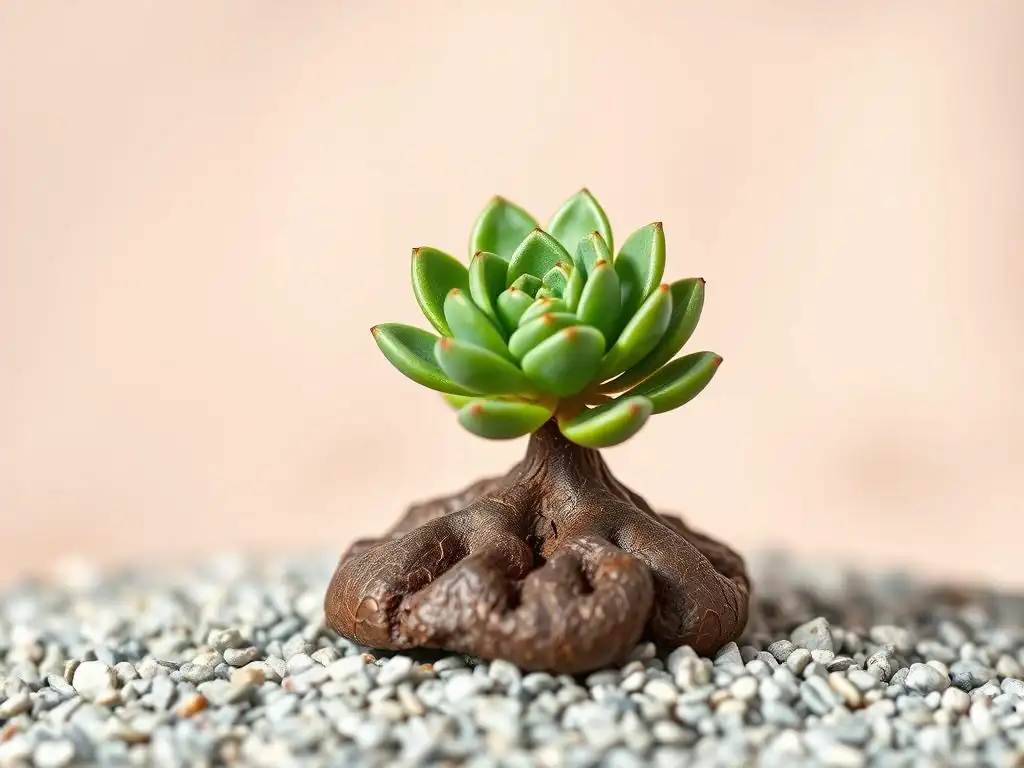
This section delves into more advanced grafting techniques to elevate your succulent bonsai creations. We'll explore methods that allow for greater complexity and creativity in your designs, moving beyond the basics of single-scion grafting. Mastering these techniques will allow you to craft truly unique and stunning bonsai. This guide focuses on improving your grafting succulents bonsai skills.
Grafting Multiple Scions onto a Single Rootstock
Grafting multiple scions onto a single, robust rootstock opens up a world of design possibilities for your succulent bonsai. This technique allows you to create miniature landscapes or striking contrasts in texture and color within a single plant. The key to success lies in careful selection of both the rootstock and the scions.
Consider the following when selecting your rootstock and multiple scions:
- Rootstock Vigor: Choose a healthy, well-established rootstock with a strong root system capable of supporting multiple scions. Species like Echeveria or Sedum are often preferred for their robust root systems and compatibility with various scion varieties.
- Scion Compatibility: Ensure the scions are compatible with the rootstock. Similar species within the same genus often graft successfully. However, experimentation may be necessary to determine optimal pairings. Note that grafting succulents isn't always straightforward.
- Placement and Spacing: Strategically plan the placement of your scions on the rootstock to create a balanced and visually appealing bonsai. Allow sufficient space between scions for growth and to prevent overcrowding.
- Grafting Technique: Use the same precise techniques as with single-scion grafting, ensuring a clean and tight union between the scion and rootstock. Pay close attention to aligning the cambium layers for successful fusion.
Successful multiple scion grafting results in a fuller, more mature-looking bonsai in a shorter time frame. However, it requires meticulous planning and execution. Regular monitoring for signs of incompatibility or disease is crucial. Careful selection of species and precise grafting techniques are essential for grafting succulents bonsai.
Using Different Grafting Methods for Succulents
While the wedge graft is a common method for succulents, other techniques can be employed depending on the size and shape of the rootstock and scion. Experimentation and familiarity with various methods will allow you to adapt to different situations and achieve optimal results.
Here are some alternative grafting methods suitable for succulents:
| Grafting Method | Description | Suitability for Succulents | Advantages | Disadvantages |
|---|---|---|---|---|
| Side Veneer Graft | A thin slice is taken from both the rootstock and scion, and the slices are joined. | Ideal for smaller scions and rootstocks with limited diameter | Creates a strong union; aesthetically pleasing if done well | Requires precision; may be more challenging for beginners |
| Approach Graft | Rootstock and scion are planted close together, and their tissues are joined after they grow together. | Suitable for larger scions and rootstocks; less precise. | Easier technique, higher success rate for beginners | Slower union; higher risk of infection if not done carefully |
| Cleft Graft | A split is made in the rootstock, and the scion is inserted. | Suitable for thicker rootstocks; less common for succulents | Strong union | Can damage the rootstock if not performed correctly |
Remember that successful grafting depends on many factors, including proper sanitation, timing, and environmental conditions. Proper grafting succulents necessitates attention to detail.
Troubleshooting Common Grafting Problems and Solutions
Even with careful planning and execution, problems can arise during succulent bonsai grafting. Knowing how to identify and address these issues is crucial for success.
Here are some common problems and their solutions:
- Graft Failure: If the graft doesn't take, it may be due to incompatibility, improper technique (poor cambium alignment), or infection. Inspect the graft union carefully. If there's no sign of callusing, the graft has likely failed. Try again with a different rootstock/scion combination or improve your technique.
- Infection: Signs of infection include discoloration, wilting, or rot at the graft union. Promptly remove infected tissues, apply a fungicide, and ensure proper ventilation to prevent further spread. Sterile tools are crucial for preventing infection when grafting succulents.
- Scion Dieback: The scion may die back due to dehydration or incompatibility. Ensure adequate moisture and humidity during the healing process. Consider shading the graft to reduce stress.
- Rootstock Overgrowth: An overly vigorous rootstock can overshadow the scion. Regular pruning of the rootstock can promote balanced growth.
Careful observation and timely intervention are essential for addressing these challenges. Successful grafting requires patience and attention to detail. Remember, even experienced succulent growers encounter setbacks. Learning from mistakes is a vital part of the process. The key to success is detailed observation and proactive management.
Designing Your Bonsai Succulent: Shaping and Styling
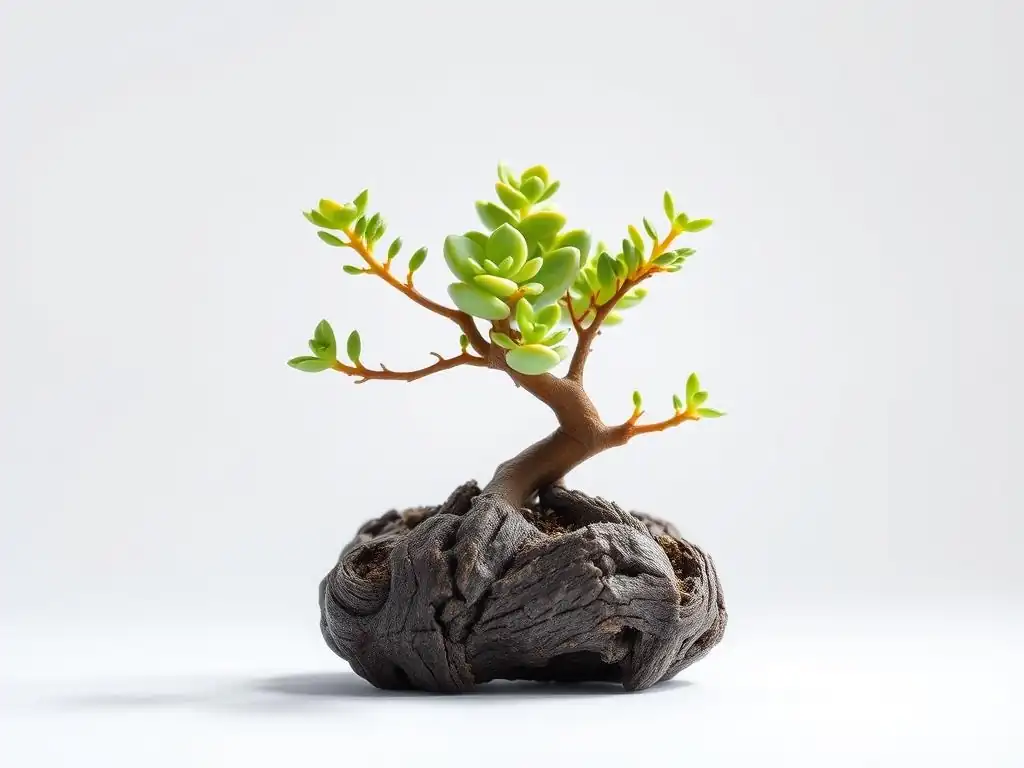
This section delves into the crucial aspects of shaping and styling your grafted succulent bonsai. Remember, the goal is to mimic the natural beauty and miniature scale of mature, established plants. Careful planning and execution are key to achieving a truly breathtaking bonsai. We'll explore specific techniques to guide you through this process. Successful grafting is only the first step; the artistry lies in the shaping.
Shaping Techniques for Miniature Succulents
Several techniques are employed to shape miniature succulents for bonsai. These techniques vary depending on the specific succulent species used as the scion (the grafted part) and the rootstock (the base plant). For example, Sedum species, often used as scions due to their compact growth, may require different pruning methods compared to Echeveria, known for their rosette formations.
One common method is wire bending. Thin, flexible aluminum wire is carefully wrapped around branches and stems to gently guide their growth direction. This allows for precise control over the angles and curves, creating elegant sweeps and graceful bends. It's crucial to avoid damaging the succulent's delicate tissues; padding the wire with soft material can prevent injuries.
Another technique involves selective pruning. This focuses on removing unwanted branches or leaves to maintain the desired shape and size. Regular pruning encourages bushier growth and helps create a balanced silhouette. Deadheading (removing spent flowers) is also essential to prevent the plant from diverting energy towards seed production, instead focusing on growth and shaping.
The use of growth regulators can also play a role, though this should be approached cautiously. Certain plant hormones can influence the branching pattern and overall growth habit of the succulent, facilitating the creation of a more compact and aesthetically pleasing bonsai. However, incorrect application can harm or even kill the plant, so thorough research and understanding of the specific growth regulator are vital.
Creating a Natural Aesthetic in Your Bonsai
The ultimate goal is to create a miniature landscape that appears naturally formed, rather than artificially manipulated. This involves understanding the natural growth habits of your chosen succulent species. Observe how they grow in their natural environment – this will provide invaluable insight into shaping techniques.
For instance, a Crassula ovata (Jade Plant) bonsai should reflect the natural, slightly twisted branches and rounded form often seen in mature specimens. Avoid overly structured or geometric shapes; instead, strive for an organic, flowing appearance. The placement of branches and leaves should be carefully considered to create visual balance and depth.
Consider the ramification – the branching structure – of your bonsai. A well-ramified bonsai exhibits numerous small branches that create a feeling of age and maturity. This can be achieved through strategic pruning and shaping over several years. The overall impression should be one of subtle elegance and natural grace, not forced formality. The use of natural-looking containers further enhances this aesthetic.
The Importance of Patience and Observation in Bonsai Development
Creating a stunning succulent bonsai is a long-term project. Patience is paramount. Regular observation is crucial to monitor the plant's health and adjust shaping techniques as needed. The plant's response to pruning and shaping will vary depending on factors such as the season, light exposure, and overall health.
Document your progress with photographs or notes. This allows you to track the plant's development and adjust your approach accordingly. Remember that bonsai is a dynamic art form; the shaping process is ongoing, requiring constant attention and adaptation. The journey itself is a rewarding aspect of creating your miniature succulent masterpiece. Over time, you'll develop a keen eye for detail and an intuitive understanding of your plant's needs, leading to a flourishing and aesthetically pleasing bonsai. Enjoy the process! The rewards of patience and careful observation are immeasurable.
The Benefits of Grafted Succulent Bonsai
Grafting succulents offers a multitude of advantages, particularly when aiming for the creation of miniature bonsai. This technique allows for the manipulation of the plant's form and characteristics in ways not achievable through traditional propagation methods. The resulting grafted succulent bonsai displays unique aesthetic qualities and longevity, making it a rewarding project for experienced succulent enthusiasts. This section will delve into the specific benefits of grafting in the context of bonsai creation, focusing on aesthetic appeal, the creation of unique combinations, and extending the lifespan of desirable varieties.
Unique Aesthetic Appeal of Grafted Succulents
The aesthetic appeal of a grafted succulent bonsai lies in its ability to showcase the contrasting textures and colors of different succulent species. Imagine, for example, the vibrant, jewel-toned leaves of a Sedum rubrotinctum (Jelly Bean plant) skillfully grafted onto the sturdy, miniature trunk of a Portulacaria afra (Elephant Bush). This juxtaposition of forms and colors creates a visually striking miniature landscape, far exceeding the aesthetic impact of a single, ungrafted succulent.
The careful selection of the rootstock (the plant providing the root system and trunk) and the scion (the plant grafted onto the rootstock) is crucial in achieving a harmonious and visually pleasing bonsai. The rootstock's shape and growth habit determine the overall structure of the bonsai, while the scion provides the unique foliage and color.
The possibilities are virtually limitless, allowing for the creation of truly unique and artistic miniature plants. Careful consideration of size, texture, and color contrast is key to maximizing this unique aesthetic appeal.
Creating Rare and Unusual Succulent Combinations
Grafting allows for the creation of succulent combinations that would be impossible to achieve through natural propagation. This opens up exciting possibilities for hybridizing different species and achieving unique aesthetic results. For instance, grafting a slow-growing, rare succulent variety onto a more vigorous rootstock can help ensure the survival and propagation of a desirable, yet potentially fragile, species. This is particularly valuable for preserving rare or endangered succulent varieties.
Furthermore, grafting allows for the combination of succulents with contrasting growth habits and characteristics. A fast-growing rootstock can support a slow-growing scion, resulting in a more compact and manageable bonsai. This control over growth rates is a significant advantage that greatly enhances the bonsai creation process. The ability to combine otherwise incompatible species expands the creative potential exponentially, leading to truly unique and fascinating bonsai creations.
Extending the Lifespan of Desired Succulent Varieties
Certain succulent varieties are naturally short-lived or prone to disease. Grafting onto a robust and disease-resistant rootstock can significantly extend the lifespan of these delicate plants. By providing a stronger root system and improved overall health, grafting ensures the longevity of the desired scion. This is especially beneficial for preserving prized specimens or rare cultivars.
The choice of rootstock is critical in this context; selecting a species known for its hardiness and resistance to common succulent diseases is paramount to achieving a longer lifespan for the grafted bonsai. This method allows succulent enthusiasts to enjoy their favorite varieties for a much longer period, potentially for many years beyond their natural lifespan. This extension of lifespan is a significant factor in justifying the effort involved in the grafting process, especially when dealing with rare or particularly desirable succulents.
Frequently Asked Questions
What is succulent grafting?
Succulent grafting involves joining the scion (desired succulent top) onto the rootstock (base plant). This creates a unique plant with the aesthetic qualities of the scion and the robust root system of the rootstock. This technique is often used in bonsai creation.
Why graft succulents for bonsai?
Grafting allows for the creation of miniature, unique bonsai. It combines the desirable characteristics of different succulents, resulting in interesting shapes and colors not easily achieved through natural growth. It also allows for faster growth and easier shaping.
What are the benefits of using grafting in succulent bonsai?
Grafting offers faster growth, interesting visual combinations, and improved longevity compared to growing a bonsai from seed or cuttings. It also allows for the use of difficult-to-propagate succulents.
What types of succulents are best for grafting onto bonsai rootstock?
Many succulents work well, but species with smaller leaves and compact growth habits are ideal. Popular choices include Echeveria, Sedum, and Graptopetalum for scions, and Portulacaria afra (Elephant Bush) for rootstock due to its strong root system and branching habit.
Where can I find more information on grafting succulents for bonsai?
You can find further information and detailed tutorials on grafting techniques by exploring resources like SucculentEssentials.org, searching for "succulent grafting bonsai" online, or consulting specialized books on succulent cultivation and bonsai.
Final Reflection: The Enduring Art of Miniature Succulent Worlds
The art of grafting succulents to create bonsai is not merely a horticultural technique; it's a testament to human creativity and our enduring fascination with miniature worlds. This practice, once a niche hobby, is experiencing a surge in popularity, reflecting a growing desire for unique and aesthetically pleasing plants within our increasingly urbanized lives. The accessibility of information, coupled with the inherent beauty of these miniature masterpieces, ensures its continued growth.
The impact of grafting succulents on the bonsai landscape is undeniable. It has broadened the possibilities of bonsai creation beyond traditional tree species, opening up a vibrant new avenue for artistic expression. The beauty of bonsai lies not only in its meticulous cultivation but also in its capacity to evoke a sense of tranquility and connection with nature.
This quote perfectly encapsulates the appeal of bonsai succulents, offering a manageable and visually stunning way to engage with this ancient art form. The ease of propagation through grafting also makes it a more accessible hobby, democratizing the joy of bonsai creation.
Now, consider your own creative potential. Perhaps you've been inspired to try your hand at grafting, to nurture a tiny desert landscape in your own home. Or maybe this exploration has sparked a deeper appreciation for the artistry and patience required to cultivate these miniature marvels. Regardless, I encourage you to embrace the possibilities, to experiment, and to find your own unique expression within the captivating world of grafted succulent bonsai. Let the journey of creation begin.
Unleash Your Inner Bonsai Artist: Craft Your Miniature Masterpiece
Thanks for exploring the fascinating world of succulent grafting with us! You've now learned the secrets to creating stunning bonsai succulents. Ready to put your knowledge into practice?
Here's how to take the next step:
- Begin your grafting journey today! Gather your supplies, select your scion and rootstock, and try your hand at this unique horticultural art. Don't be afraid to experiment! Success comes with practice.
- Share your creations! Show us your progress on social media using #SucculentEssentialsGrafting – we love seeing your beautiful bonsai. Tag us so we don't miss your amazing work!
- Expand your skills by browsing our website (SucculentEssentials.org) for more expert tips and tricks to elevate your succulent collection. You'll find many advanced techniques there.
What exciting grafting combinations will you create next to make your own miniature succulent bonsai masterpieces?