
The Secret to Success: Commercial Propagation of HighDemand Succulents

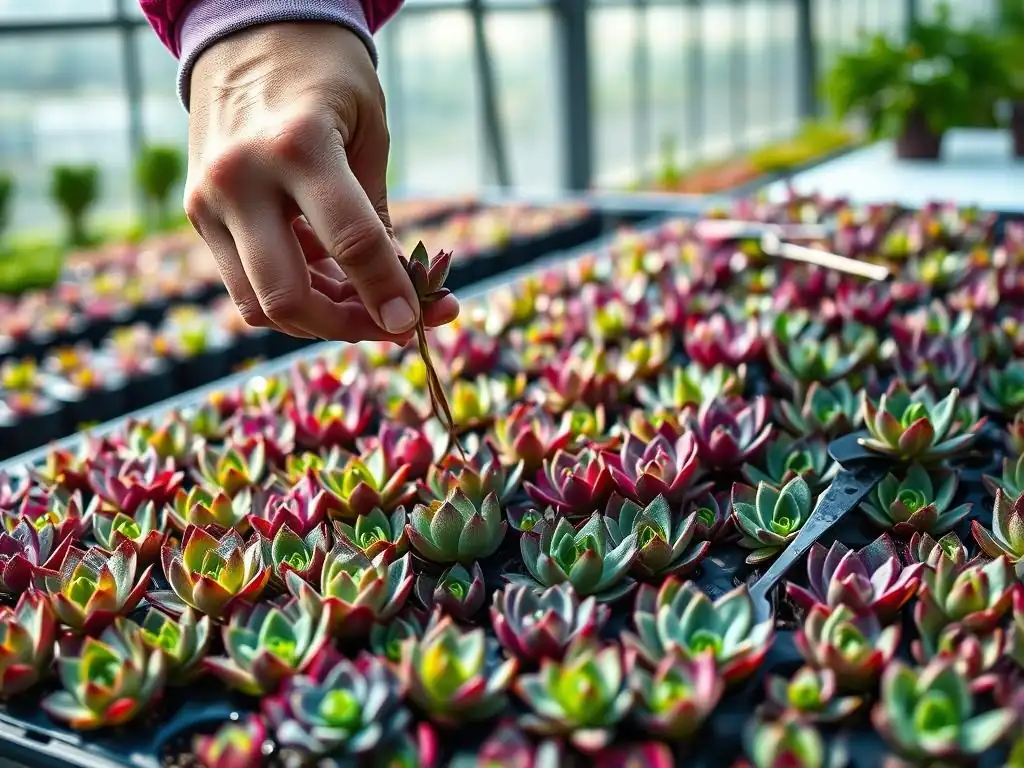
Welcome to SucculentEssentials.org, where the fascinating world of succulents unfolds! Are you ready to unlock the secrets to cultivating thriving, vibrant plants? We delve into the art and science of succulent care, from basic maintenance to advanced techniques. But first, discover the intriguing methods behind propagating high-demand succulents – a journey into commercial cultivation that will leave you amazed. Dive in and uncover the secrets to success!
- Understanding the High-Demand Succulent Market
- Establishing a Commercial Succulent Propagation Setup
- Mastering Propagation Techniques for High-Demand Succulents
- Optimizing Growth and Reducing Losses
- Scaling Your Succulent Propagation Business
- Frequently Asked Questions
- Final Reflection: Cultivating Success, One Cutting at a Time
- Unleash Your Inner Plant Pro: Grow Your Own Succulent Empire!
Understanding the High-Demand Succulent Market
The succulent market is booming, with a growing number of enthusiasts seeking unique and rare varieties. This surge in popularity presents a significant opportunity for commercial propagation of high-demand succulents. This article delves into the strategies and considerations needed to successfully cultivate and sell these sought-after plants, transforming your passion for succulents into a profitable venture.
We will explore identifying profitable varieties, analyzing market trends, and developing effective pricing strategies to maximize your returns in this exciting and competitive field. From understanding the nuances of consumer preferences to mastering efficient propagation techniques, we'll equip you with the knowledge to thrive in the world of commercial succulent propagation. The key to success lies in a careful combination of horticultural expertise and shrewd business acumen, a balance we'll unpack throughout this guide.
Identifying Profitable Succulent Varieties
Choosing the right succulent varieties is paramount for success in commercial propagation. Focusing on high-demand succulents maximizes your profit potential. Several factors contribute to a succulent's desirability, including:
- Rarity: Unique and hard-to-find succulents command higher prices. Examples include certain Haworthia cultivars, rare Echeveria hybrids, and unusual Sedum varieties.
- Aesthetic Appeal: Succulents with striking colors, interesting textures, or unusual growth habits are highly sought after. Think of the vibrant hues of Sedum rubrotinctum or the rosette perfection of Echeveria laui.
- Ease of Propagation: While rarity is important, selecting varieties that propagate relatively easily balances profitability with efficiency. Some succulents, like Echeveria and Sedum, are known for their ease of propagation via leaf cuttings or offsets.
- Market Trends: Staying abreast of current trends is vital. Research online forums, social media groups, and succulent-focused publications to identify emerging trends and popular varieties. For example, certain variegated succulents are experiencing a surge in popularity.
Market Research and Trend Analysis for Succulent Propagation
Thorough market research is crucial before investing heavily in any particular succulent. This involves:
- Analyzing Competitor Offerings: Identify your local competitors and analyze their pricing, selection, and marketing strategies. This allows you to differentiate your offerings and potentially identify gaps in the market.
- Identifying Target Demographics: Understanding your customer base is essential. Are you targeting experienced collectors, casual hobbyists, or interior designers? This informs your choice of succulents and marketing strategies.
- Tracking Sales Data: If you already have a small-scale operation, track your sales data closely to identify the most popular varieties and adjust your propagation accordingly. This data-driven approach is key to optimizing your stock.
- Utilizing Online Resources: Leverage online tools and resources to monitor industry trends, including social media analytics, online marketplaces, and industry publications. This provides insights into emerging trends and consumer preferences. For example, you might notice a rising interest in miniature succulents or specific color palettes.
Assessing Demand and Pricing Strategies for High-Demand Succulents
Pricing your succulents strategically is critical for profitability. Consider these factors:
| Factor | Impact on Pricing | Example |
|---|---|---|
| Rarity and Uniqueness | Higher prices for rare and unusual varieties | A rare variegated Haworthia could command a significantly higher price. |
| Size and Maturity | Larger, more mature plants command higher prices | A large, mature Agave americana will sell for more than a small seedling. |
| Propagation Method | Tissue culture plants may command higher prices than those propagated from cuttings. | Tissue-cultured succulents often have a higher success rate. |
| Competition and Market | Adjust prices based on competitor pricing and overall market demand. | Monitor prices of similar succulents offered by other nurseries. |
| Production Costs | Account for all costs, including materials, labor, and overhead. | Factor in the cost of pots, soil, and your time. |
Pricing strategies can include:
- Tiered Pricing: Offer different price points based on size, rarity, and condition.
- Value-Based Pricing: Emphasize the uniqueness and value of your plants rather than solely focusing on cost.
- Promotional Pricing: Offer discounts or bundles to attract customers and clear out excess stock.
By carefully considering these factors and adapting your strategies as needed, you can successfully navigate the commercial propagation of high-demand succulents and build a thriving business. 📈
Establishing a Commercial Succulent Propagation Setup
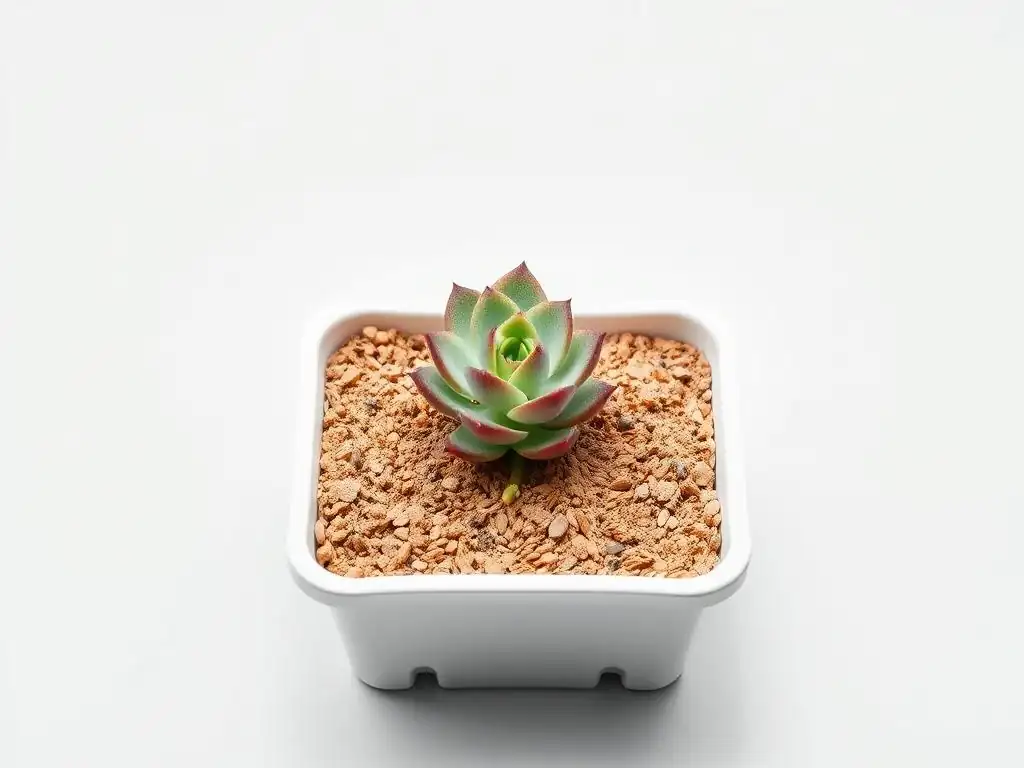
This section details the crucial first steps in establishing a profitable succulent propagation business. Setting up your operation requires careful planning and investment in the right infrastructure to ensure the successful propagation of high-demand succulents. Ignoring these initial steps can lead to significant losses down the line. We'll explore the key aspects of building a robust and efficient propagation setup.
Selecting the Right Propagation Methods for High-Value Succulents
Choosing the right propagation method is paramount for maximizing yields and maintaining the quality of high-value succulents. Different methods suit different species and commercial goals. Let's examine some popular techniques:
- Leaf Cuttings: This method is particularly effective for Echeveria, Sedum, and Graptopetalum species. Success hinges on providing adequate humidity and preventing fungal infections. While inexpensive, it's labor-intensive, requiring meticulous attention to detail during planting and monitoring. Expect a lower success rate compared to other methods for certain species.
- Stem Cuttings: Ideal for propagating columnar and branching succulents like Euphorbia and Crassula. Properly prepared cuttings, with a clean cut and a period of callusing before planting, dramatically improves success rates. This method generally offers faster propagation than leaf cuttings for many species.
- Offset Propagation: This is the easiest method for many succulents that naturally produce offsets (or "pups"). Simply separating and repotting these offsets requires minimal effort and often yields high success rates. However, it's dependent on the mother plant producing sufficient offsets, limiting its scalability for some species.
- Tissue Culture: While more expensive to set up initially, tissue culture provides a sterile environment for rapid and large-scale propagation of high-demand succulents. This method ensures disease-free plants and allows for the production of thousands of identical plants from a single mother plant. It's particularly valuable for preserving rare or hard-to-propagate varieties.
| Propagation Method | Advantages | Disadvantages | Suitability |
|---|---|---|---|
| Leaf Cuttings | Low cost, relatively simple | Labor-intensive, lower success rate for some species | Echeveria, Sedum, Graptopetalum |
| Stem Cuttings | Faster propagation than leaf cuttings | Requires careful preparation | Euphorbia, Crassula, many branching succulents |
| Offset Propagation | Easiest method, high success rate | Dependent on mother plant offset production | Many succulents that naturally produce offsets |
| Tissue Culture | Large-scale propagation, disease-free plants | High initial investment | Rare or difficult-to-propagate varieties |
Choosing the right method often involves balancing cost, labor, success rate, and the specific characteristics of the high-demand succulents you intend to propagate. Careful analysis of these factors is crucial for maximizing profitability.
Creating an Optimal Growing Environment for Commercial Succulent Propagation
The environment plays a critical role in successful succulent propagation. Maintaining optimal conditions directly impacts growth rates, plant health, and overall yield. Key factors include:
- Light: Succulents require ample sunlight, ideally 6-8 hours daily. Supplemental lighting may be necessary, especially during winter months or in areas with limited sunlight. Consider using grow lights specifically designed for plant cultivation. The intensity and duration of light should be adjusted based on the specific needs of the succulent species being propagated.
- Temperature: Maintaining a consistent temperature is crucial. Most succulents thrive in temperatures between 65-80°F (18-27°C). Fluctuations in temperature can stress the plants and impact their growth. Proper ventilation is essential to prevent overheating and maintain good air circulation.
- Humidity: Succulents generally prefer low humidity. High humidity can lead to fungal diseases and rotting. Good air circulation is key to controlling humidity levels. In humid environments, consider using fans or dehumidifiers.
- Watering: Overwatering is a major cause of succulent death. A well-draining potting mix and careful watering practices are essential. Allow the soil to dry completely between waterings. The frequency of watering will depend on factors like temperature, humidity, and the size of the pot.
Creating and maintaining the ideal growing environment requires careful monitoring and adjustment based on the specific needs of your succulents and the prevailing environmental conditions. Investing in appropriate climate control equipment may be necessary to ensure consistent conditions.
Sourcing High-Quality Mother Plants for Consistent Propagation
The quality of your mother plants directly impacts the quality and consistency of your propagated succulents. Sourcing healthy and disease-free mother plants is essential for success.
Key considerations include:
- Supplier Selection: Choose reputable suppliers with a proven track record of providing high-quality, disease-free succulents. Verify their propagation practices and disease control measures. Consider visiting the supplier's facilities to assess their operation firsthand.
- Plant Inspection: Thoroughly inspect each mother plant before purchase. Look for signs of disease, pests, or stress. Reject any plants showing signs of damage or abnormalities. Careful inspection is essential to prevent the introduction of diseases or pests into your propagation facility.
- Quarantine: Always quarantine newly acquired mother plants before introducing them to your existing collection. This allows you to monitor for any signs of disease or pests and prevents contamination of your existing stock. The quarantine period should last for at least several weeks, allowing ample time for observation.
- Plant Health Maintenance: Maintaining the health of your mother plants is crucial for consistent propagation. Provide them with optimal growing conditions, including proper lighting, watering, and fertilization. Regularly inspect them for signs of disease or pests and take prompt action if necessary. Implementing a preventative pest and disease management program is essential.
Investing in high-quality mother plants is a crucial step in ensuring the long-term success and profitability of your commercial succulent propagation business. A proactive approach to plant health management is essential for maintaining the quality of your stock and minimizing losses.
Mastering Propagation Techniques for High-Demand Succulents
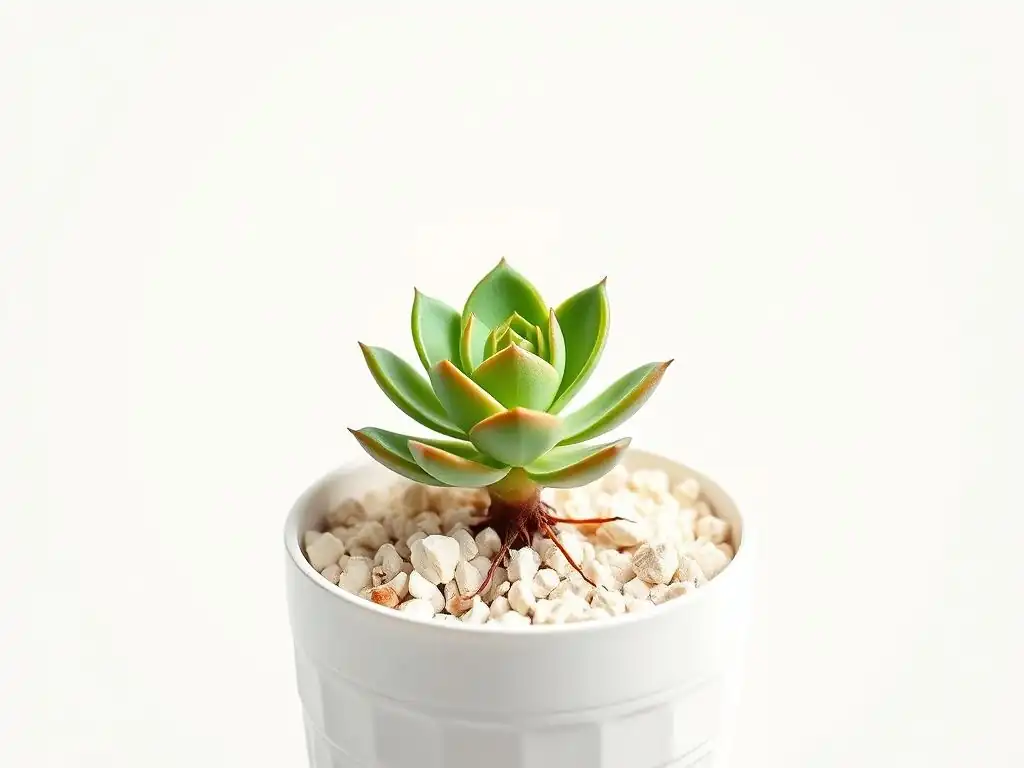
This section delves into the specialized techniques crucial for successful commercial propagation of high-demand succulents. Profitability in this niche market hinges on efficient and effective propagation methods that maximize yield while maintaining plant health and quality. We'll explore various techniques, emphasizing their suitability for different succulent types and highlighting best practices for optimal results. Understanding these techniques is key to propagating high-demand succulents successfully and scaling your business. The focus here is on increasing your output of popular and valuable succulent varieties.
Leaf Propagation Techniques for High-Demand Succulents
Leaf propagation, a relatively simple yet effective method, is particularly well-suited for certain high-demand succulent species like Echeveria and Sedum. However, success depends on meticulous attention to detail. The process begins with selecting healthy, mature leaves from robust mother plants. Avoid leaves showing signs of disease or damage. These should be carefully detached, ideally with a clean, sharp knife or shears to minimize trauma to the leaf.
After detaching the leaves, allow them to callous over for a few days. This crucial step helps prevent rot. Once the cut end has formed a protective layer, gently place the leaves on a well-draining propagation medium, such as a perlite and vermiculite mix, or even just perlite alone. Avoid burying the entire leaf; simply rest it on the surface. Maintaining a consistently humid environment is vital; this can be achieved through propagation trays with humidity domes or by regularly misting the leaves.
Consistent, but not excessive, moisture is key. Overwatering is a common pitfall, leading to fungal diseases and leaf rot. Proper ventilation is also crucial to prevent the build-up of humidity, which can foster the growth of harmful pathogens. Root development typically takes several weeks to a few months, depending on the species and environmental conditions.
Once roots are established and new growth is visible, the young succulents can be carefully transplanted into individual pots containing a well-draining succulent potting mix. This ensures they have adequate space and nutrients for continued growth. Careful monitoring and timely repotting are vital for maximizing the yield and quality of your propagated succulents.
Stem Cutting Propagation for High-Demand Succulents
Stem cuttings offer another effective approach to propagating high-demand succulents, particularly those with thick, sturdy stems. Species like Crassula ovata (Jade Plant) and various Kalanchoe varieties respond well to this method. The process begins by selecting healthy, non-flowering stems from mature plants. Cuttings should ideally be 4-6 inches long, taken just below a node (where leaves or branches emerge). As with leaf propagation, using a clean, sharp blade minimizes the risk of infection.
After cutting, allow the cuttings to callous for several days. This is crucial to prevent rot and fungal growth. Once the cut end has calloused, plant the cuttings in a well-draining propagation medium, such as a mixture of perlite and vermiculite, or a specialized succulent potting mix. Ensure the lower nodes are partially buried to encourage root development. Maintain a consistently moist environment, but avoid overwatering. Regular misting can help maintain humidity.
Rooting hormones can significantly accelerate the rooting process, particularly in challenging-to-propagate species. However, their use is not always necessary. Regular monitoring for signs of root development is essential. Once the cuttings have established a strong root system, they can be transplanted into individual pots containing a well-draining succulent potting mix. Careful attention to watering and environmental conditions is crucial throughout the propagation process to maximize the success rate and the quality of the propagated plants. The use of bottom watering helps to prevent fungal diseases.
Specialized Propagation Methods for Rare and High-Value Succulents
Propagating rare and high-value succulents often requires more specialized techniques. These techniques may involve grafting, tissue culture, or other advanced methods to maintain genetic purity and ensure high-quality offspring.
Grafting is a technique where a cutting from a desirable succulent variety (the scion) is joined to the rootstock of a hardy, compatible species. This method is particularly useful for propagating succulents that are difficult to root from cuttings or have slow growth rates. It's often used with rare or highly prized cultivars.
Tissue culture, a more sophisticated method, involves growing plants from small pieces of plant tissue in a sterile laboratory environment. This allows for rapid propagation of large numbers of genetically identical plants, preserving desirable traits and eliminating the risk of disease transmission. While more expensive and requiring specialized equipment, tissue culture offers significant advantages for mass production of high-value succulents.
The selection of the appropriate propagation method depends heavily on the specific characteristics of the succulent species and the desired scale of propagation. The investment in specialized equipment and expertise can lead to significant returns, especially when dealing with rare and high-demand plants. Moreover, the use of advanced techniques can contribute significantly to the conservation efforts of endangered succulent species.
Optimizing Growth and Reducing Losses
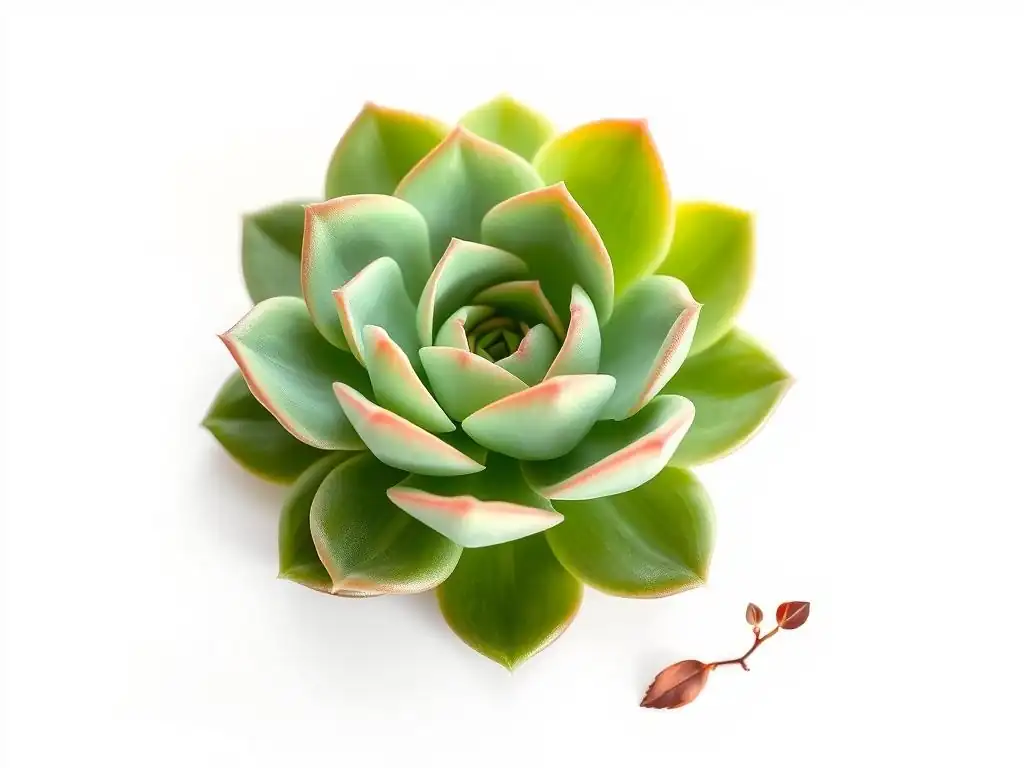
Commercial propagation of high-demand succulents requires a keen understanding of optimizing growth while minimizing losses. This involves a multifaceted approach encompassing environmental control, meticulous hygiene, and efficient resource management. High-demand succulents, such as Echeveria, Sedum, and Graptopetalum varieties, often command premium prices, making efficient propagation crucial for profitability. Losses due to disease, pests, or improper cultivation can significantly impact the bottom line. Therefore, focusing on preventative measures and early intervention is paramount.
Preventing Common Diseases and Pests in Commercial Succulent Propagation
Preventing disease and pest infestations is far more effective and cost-efficient than treating them. Proactive measures are key to successful commercial propagation of high-demand succulents. Maintaining a clean and sterile propagation environment is crucial. This includes regularly sanitizing propagation trays, tools, and work surfaces with a diluted bleach solution (1 part bleach to 9 parts water). Proper ventilation is also essential to prevent the build-up of humidity, which can encourage fungal diseases.
Furthermore, careful selection of healthy mother plants is critical. Inspecting each plant for signs of disease or pests before propagation significantly reduces the risk of infestation spreading throughout the nursery. Quarantining newly acquired plants for a period of observation before integration into the main propagation area is a prudent practice.
Regular monitoring for signs of disease or pest activity – such as discoloration, wilting, or the presence of insects – allows for early intervention, limiting the spread and minimizing losses. Early detection is key to preventing widespread outbreaks and maintaining healthy stock. Remember, a proactive approach to disease and pest prevention is essential for the financial health of your succulent propagation business.
Implementing Effective Pest and Disease Management Strategies
Despite preventative measures, pest and disease outbreaks can still occur. Having a well-defined management strategy in place is crucial for swift and effective action. This involves identifying the specific pest or disease affecting the succulents, which often requires a combination of visual inspection and, in some cases, laboratory testing. Once identified, implementing targeted control measures is vital.
This may include the use of appropriate pesticides or fungicides, always following label instructions carefully and prioritizing environmentally friendly options whenever possible. In some cases, biological control methods, such as introducing beneficial insects, can be a sustainable and effective solution. However, careful consideration of the specific pest and its life cycle is crucial for effective biological control.
Another effective strategy is to isolate affected plants to prevent the spread of the infestation. This involves removing infected succulents from the main propagation area and placing them in a separate, quarantined area for treatment. This prevents the contamination of healthy plants and limits the damage caused by the pest or disease.
Accurate record-keeping is essential for tracking pest and disease outbreaks, enabling the analysis of trends and the development of more effective preventative measures in the future. Regularly reviewing and updating your pest and disease management strategy is essential to adapt to changing conditions and emerging threats. The goal is to minimize losses while maintaining a healthy and productive succulent propagation operation.
Nutrient Management and Fertilization for Optimal Growth of High-Demand Succulents
Nutrient management is a critical aspect of successfully propagating high-demand succulents. These plants have specific nutritional requirements, and providing the right balance of nutrients is essential for optimal growth and development. Over-fertilization can be detrimental, leading to root burn and potentially killing the plants. Under-fertilization, on the other hand, results in stunted growth and reduced yield.
Finding the right balance requires careful consideration of the specific succulent species being propagated and the growing medium used. A well-balanced, slow-release fertilizer specifically formulated for succulents is generally recommended. The fertilizer should contain a balanced ratio of macronutrients (nitrogen, phosphorus, and potassium) and micronutrients essential for plant health.
The frequency of fertilization should be adjusted based on the growth stage of the succulents, with higher frequency during periods of active growth and reduced frequency during dormancy. Regular monitoring of the plants for signs of nutrient deficiency or toxicity is crucial for adjusting the fertilization regime as needed. Observing the color of the foliage can be an indicator of nutrient imbalances; for instance, pale green leaves may suggest a nitrogen deficiency, while reddish or purplish discoloration could indicate phosphorus deficiency.
Maintaining optimal nutrient levels is crucial for maximizing growth rates and producing high-quality, marketable succulents. This ensures a healthy and profitable succulent propagation business.
Scaling Your Succulent Propagation Business
This section delves into the practical aspects of expanding your succulent propagation business, focusing on efficient operations to maximize profitability while maintaining high-quality plant production. Scaling up requires careful planning and execution, moving beyond a hobbyist approach to a streamlined, commercial operation. Efficient processes are key to propagating high-demand succulents at scale.
Efficient Handling and Storage of Propagated Succulents
Efficient handling and storage are crucial for maintaining the health and viability of your propagated succulents. Neglecting these steps can lead to significant losses and damage your reputation. Consider these key areas:
- Specialized Trays and Containers: Investing in high-quality trays with appropriate drainage is essential. These trays should be easily stackable to optimize space utilization in your propagation area. Consider using different sized trays to accommodate various succulent sizes and stages of growth. For example, smaller cuttings might start in propagation flats, then move to larger containers as they develop.
- Optimal Environmental Control: Temperature and humidity play a vital role in succulent health. Maintaining consistent conditions is critical, particularly during the critical rooting phase. Investing in climate-controlled propagation chambers or using strategically placed fans and humidifiers can significantly improve success rates. Monitoring temperature and humidity levels regularly with accurate instruments is recommended.
- Watering Strategies: Overwatering is a common problem, especially with newly propagated succulents. Implementing a precise watering schedule, using drip irrigation or bottom watering techniques, can help prevent root rot and ensure even moisture distribution. Observe the plants closely for signs of overwatering or underwatering, adjusting your strategy accordingly.
- Pest and Disease Management: Regular inspection is crucial for early detection and treatment of pests and diseases. Implementing preventative measures, such as using sterile propagation media and maintaining good air circulation, can minimize risks. Having a plan for dealing with common succulent pests (e.g., mealybugs, aphids) is vital for business continuity.
Packaging and Shipping High-Demand Succulents for Wholesale and Retail
Successfully propagating high-demand succulents is only half the battle; packaging and shipping them safely and efficiently is equally important. This process directly impacts customer satisfaction and repeat business.
- Packaging Materials: Choose sturdy, protective packaging to prevent damage during transit. Individual plants should be carefully secured to avoid jostling. Consider using biodegradable and recyclable materials to appeal to environmentally conscious customers. For example, using recycled cardboard boxes and peat-based pots is a good sustainable option.
- Shipping Methods: Selecting the appropriate shipping method is crucial for the health of your succulents. Prioritize speed and temperature control, especially during hot or cold weather. Consider using express shipping for delicate or high-value plants. Also, adequately labeling your packages with handling instructions is important.
- Wholesale vs. Retail Packaging: Wholesale packaging prioritizes efficiency and cost-effectiveness, often using bulk packaging methods. Retail packaging should emphasize visual appeal and product presentation. High-quality retail packaging can enhance the perceived value of your succulents and increase sales.
- Labeling and Documentation: Accurate labeling is crucial, including plant names, care instructions, and your business information. Include any necessary phytosanitary certificates for interstate or international shipments. Clear and concise documentation minimizes potential problems and ensures compliance with regulations.
Marketing and Sales Strategies for Commercial Succulent Propagation
Effective marketing and sales strategies are crucial for reaching your target market and maximizing profitability. This requires understanding your customer base and leveraging appropriate channels.
- Online Presence: A strong online presence is vital. A professional website with high-quality images and detailed product descriptions is essential. Utilize social media platforms to showcase your succulents and engage with potential customers. Consider running targeted online advertising campaigns to reach a wider audience.
- Wholesale Partnerships: Building relationships with garden centers, nurseries, and florists can provide a significant sales channel. Offer competitive pricing and reliable delivery to secure long-term partnerships. Participating in trade shows and industry events can facilitate these connections.
- Direct-to-Consumer Sales: Direct sales through online stores, farmers' markets, and pop-up shops allow you to connect directly with customers and build brand loyalty. Providing excellent customer service and offering unique succulent arrangements can set your business apart.
- Pricing Strategies: Develop a pricing strategy that considers your production costs, market demand, and competitor pricing. Offering tiered pricing for different quantities or sizes can attract both wholesale and retail customers. Regularly review and adjust your pricing to remain competitive and profitable. Accurate cost accounting is crucial for success.
This detailed approach to scaling your succulent propagation business will allow you to efficiently propagate high-demand succulents, ensuring a sustainable and profitable enterprise. Remember, consistent quality and customer satisfaction are paramount for long-term success.
Frequently Asked Questions
What are "high-demand succulents"?
High-demand succulents are popular varieties that are frequently sought after by collectors and enthusiasts. This often translates to higher prices and increased difficulty in obtaining them. Examples include rare Echeveria hybrids or highly sought-after Haworthia cultivars.
Why is commercial propagation of succulents important?
Commercial propagation is crucial for meeting the high consumer demand for popular succulent varieties. It ensures a consistent supply of these plants, preventing over-harvesting from the wild and making them more accessible to plant lovers.
What are the key techniques for propagating high-demand succulents?
Successful propagation involves mastering techniques like leaf cuttings, stem cuttings, and offset division. Sterile conditions and the right growing medium are also essential for success.
What are some challenges in propagating high-demand succulents commercially?
Challenges include maintaining high success rates, preventing disease, and scaling up production while preserving the quality and characteristics of the desired plants. Finding the right balance between speed and quality is a significant hurdle.
How can I learn more about propagating high-demand succulents?
SucculentEssentials.org offers comprehensive guides and resources on various propagation methods. Explore our articles and tutorials to learn the best practices for successfully propagating your favorite succulent varieties, including those in high demand.
Final Reflection: Cultivating Success, One Cutting at a Time
The commercial propagation of high-demand succulents isn't just a horticultural pursuit; it's a vital link in the chain of sustainable beauty and economic opportunity. The techniques detailed in this article, from understanding optimal rooting hormones to mastering sterile propagation environments, are directly applicable to both large-scale nurseries and passionate home growers alike, ensuring the continued availability of these increasingly popular plants.
The surge in succulent popularity reflects a deeper societal shift towards appreciating the beauty of resilience and low-maintenance living. This trend, I believe, speaks to a yearning for connection with nature in an increasingly urbanized world. The love of gardening is a seed that once sown never dies.
This sentiment, though not specifically about succulents, perfectly encapsulates the enduring appeal of nurturing life and witnessing its growth, a feeling deeply connected to the propagation process.
Now, consider your own journey. Are you ready to take a cutting and nurture it into a thriving plant? Perhaps you'll start small, propagating a few leaves from your existing collection. Or maybe you'll be inspired to explore the commercial possibilities, contributing to the vibrant world of succulent cultivation. Regardless of your path, remember the power of propagation: it's not just about creating more plants; it's about cultivating growth, resilience, and a deeper connection with the natural world.
Unleash Your Inner Plant Pro: Grow Your Own Succulent Empire!
Congratulations on delving into the fascinating world of succulent propagation! You've gained valuable knowledge to cultivate these stunning plants. Ready to apply your new skills?
- Start your own succulent propagation project today! Choose your favorite variety—perhaps a vibrant Echeveria or a spiky Haworthia—and follow the steps outlined in the article to watch your collection thrive. This is your chance to create a unique and flourishing succulent garden.
- Share your propagation journey with fellow plant enthusiasts on our social media channels! Let's inspire each other and build a strong community of succulent lovers. Use the hashtag #SucculentEmpire to connect with others.
- Consider exploring less common propagation methods, such as leaf cuttings or stem cuttings—you might discover a new favorite technique!
So, what exciting succulent will you propagate first, and what challenges will you overcome? We can't wait to see your progress!