
The Business of Succulents: A Practical Guide to Commercial Propagation

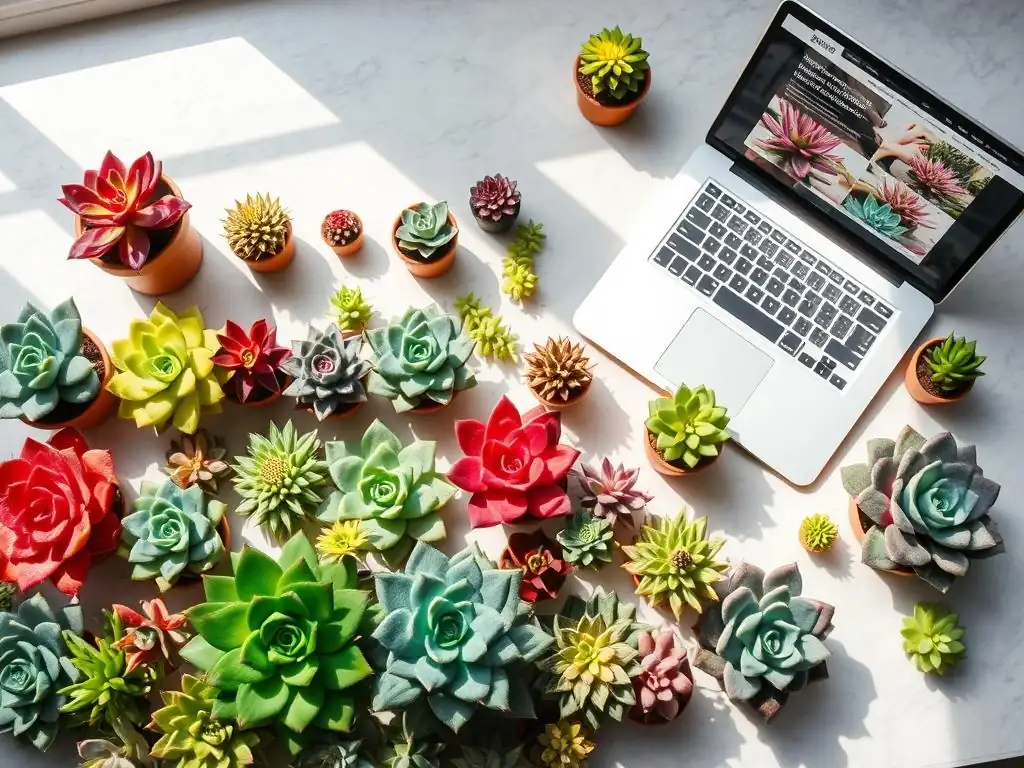
Welcome to SucculentEssentials.org, where the thriving world of succulents unfolds before you! Are you ready to unlock the secrets to cultivating these captivating plants, not just for your own enjoyment, but for profit? Our expert guide, "Sell Succulents Online Profitably," dives deep into the lucrative business of succulent propagation, revealing the techniques and strategies to turn your passion into a thriving enterprise. Discover how to cultivate, care for, and market these drought-resistant beauties – your journey to succulent success begins here!
- Understanding the Market for Succulents: Sell Succulents Online Profitably
- Setting Up Your Succulent Propagation Business
- Mastering Succulent Propagation Techniques for High Yield
- Preparing Your Succulents for Sale: Packaging and Shipping
-
Marketing and Sales Strategies for Online Succulent Success
- Building Your Brand and Online Presence: Attracting Customers to Your Succulents
- Utilizing Social Media for Succulent Sales: Showcasing Your Products
- Effective Online Advertising Strategies for Reaching Succulent Enthusiasts
- Creating Compelling Product Listings: Driving Sales with High-Quality Images and Descriptions
- Customer Service and Retention: Building Loyalty and Repeat Business for Your Online Succulent Shop
- Legal and Financial Aspects of Your Succulent Business
-
Scaling Your Succulent Business for Long-Term Growth
- Expanding Your Product Line: Diversifying Beyond Individual Plants
- Exploring Wholesale Opportunities: Reaching a Wider Audience with Your Succulents
- Investing in Automation and Technology: Streamlining Your Succulent Production and Sales
- Building a Team: Managing Growth and Delegating Tasks in Your Expanding Business
-
Frequently Asked Questions
- What's the best way to source succulents for online sales?
- How can I photograph my succulents effectively for online sales?
- What online platforms are best for selling succulents profitably?
- What are the essential legal considerations for selling succulents online?
- How can I price my succulents competitively yet profitably?
- Final Reflection: Cultivating Success: The Enduring Power of the Succulent
- Unleash Your Inner Plantpreneur: Grow Your Succulent Empire
Understanding the Market for Succulents: Sell Succulents Online Profitably
The burgeoning popularity of succulents has created a vibrant market ripe for entrepreneurs. This guide delves into the practical aspects of commercial succulent propagation, focusing on how to effectively sell succulents online profitably. From identifying your niche to mastering pricing strategies, we'll equip you with the knowledge to cultivate a successful online succulent business. The succulent market isn't just about selling plants; it's about tapping into a passionate community of plant enthusiasts who appreciate unique varieties, high-quality specimens, and exceptional customer service.
This guide will help you navigate the complexities of this exciting market and build a profitable online venture. We'll explore essential steps to ensure your success, covering everything from understanding consumer preferences to optimizing your online presence for maximum reach and conversions. Let's dive into the details.
Identifying Your Niche in the Succulent Market
The succulent world is incredibly diverse. To sell succulents online profitably, you need to identify a specific niche. Instead of trying to be everything to everyone, focus on a particular area to stand out from the competition. Consider specializing in:
- Rare or Unique Varieties: Focus on hard-to-find succulents or those with unusual characteristics. This attracts collectors willing to pay a premium.
- Specific Succulent Types: Mastering the propagation and care of a particular genus (e.g., Echeveria, Haworthia) allows for specialized expertise and targeted marketing.
- Succulent Arrangements and Gifts: Create and sell beautiful arrangements, terrariums, or kokedamas – catering to those seeking ready-made decorative options.
- Organic and Sustainable Practices: Highlighting environmentally friendly cultivation methods appeals to an increasingly eco-conscious consumer base.
- Beginner-Friendly Succulents: Target novice succulent enthusiasts with easy-to-care-for varieties and comprehensive care instructions.
Thorough market research is crucial to determine which niche has the highest potential for profitability within your geographic area and target audience. Don't underestimate the importance of understanding your ideal customer's preferences and purchasing habits. Consider factors like age, location, and lifestyle when defining your niche.
Market Research: Analyzing Demand and Competition for Online Succulent Sales
Before investing heavily in propagation, conduct thorough market research to understand demand and competition. This involves:
- Analyzing competitor pricing: Research what similar businesses are charging for comparable succulents. This helps you establish competitive yet profitable pricing.
- Identifying popular varieties: Observe which succulents are consistently in high demand on online marketplaces and social media. This will guide your propagation efforts.
- Assessing shipping costs and logistics: Factor in shipping costs and packaging materials, as these can significantly impact your profit margins. Consider local delivery options to reduce costs.
- Evaluating online marketplaces: Explore platforms like Etsy, Shopify, and others to understand the landscape of online succulent sales. Note the strengths and weaknesses of various platforms.
- Understanding seasonal demand: Succulent sales often fluctuate with seasons. Plan your propagation schedule accordingly to meet peak demand periods.
This data-driven approach will help you make informed decisions about which succulents to propagate, how to price them, and how to market your products effectively. Consider using online tools to analyze keyword searches, competitor websites, and social media trends.
Pricing Strategies for Profitable Succulent Sales Online
Pricing your succulents correctly is crucial for profitability. Consider these strategies:
| Pricing Strategy | Description | Pros | Cons |
|---|---|---|---|
| Cost-Plus Pricing | Calculate your costs (propagation, materials, shipping) and add a markup. | Simple to calculate; ensures you cover costs. | May not be competitive if costs are high or demand is low. |
| Value-Based Pricing | Price based on perceived value, considering rarity, size, and aesthetics. | Can command higher prices for premium succulents. | Requires strong market understanding; may overprice less desirable items. |
| Competitive Pricing | Price similarly to competitors while maintaining a reasonable profit margin. | Remains competitive; avoids undercutting or overpricing. | May limit profit potential if competition is fierce. |
| Bundling and Discounts | Offer discounts for multiple purchases or create attractive bundled offers. | Encourages larger orders; increases average order value. | Requires careful cost analysis to avoid losing profitability. |
Remember to factor in all costs – not just propagation, but also packaging, shipping, and marketing. Experiment with different pricing strategies to find what works best for your business and target audience. Regularly review your pricing to adjust for market fluctuations and changing costs. The key is to find a balance between profitability and competitiveness. 🎂
Setting Up Your Succulent Propagation Business
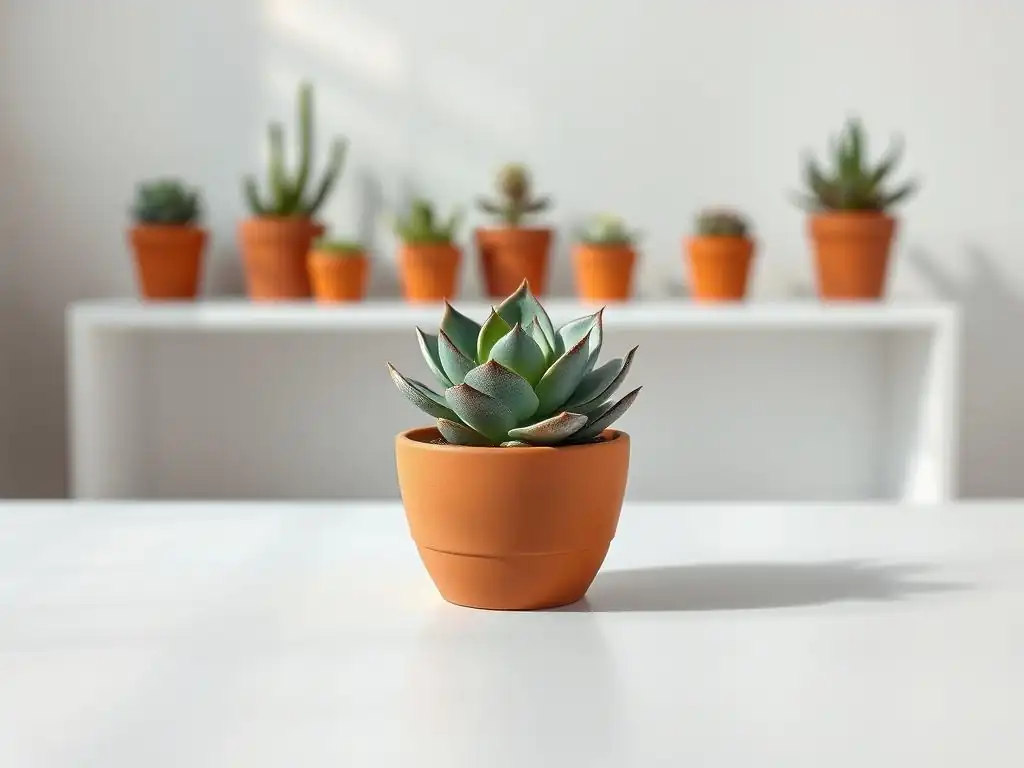
Successfully selling succulents online profitably requires a well-structured business plan. This goes beyond simply propagating plants; it involves understanding market demands, managing costs effectively, and building a strong online presence. Let's delve into the key aspects of establishing a successful succulent propagation business.
Choosing the Right Succulent Varieties for Commercial Propagation
Profitability hinges on selecting succulent varieties that are both popular and relatively easy to propagate. Research is key! Analyze online marketplaces like Etsy and eBay to identify trending succulent types. Look for succulents with consistent demand throughout the year, minimizing reliance on seasonal spikes. Consider factors like:
- Growth Rate: Fast-growing succulents will allow for quicker turnover and higher profits. Echeveria and Sedum species are generally known for their relatively fast growth.
- Propagation Ease: Choose succulents that propagate easily through leaf cuttings, stem cuttings, or offsets. This minimizes labor costs and maximizes yield. Kalanchoe daigremontiana (Mother of Thousands) is a prime example due to its prolific offset production.
- Market Demand: Focus on unique colors, textures, and forms that stand out from the competition. Rare or unusual varieties can command higher prices, but also require more specialized care and knowledge.
- Shipping Tolerance: Select succulents that can withstand the stresses of shipping, minimizing losses during transit. Hardy varieties with robust leaves are preferable to delicate ones.
Consider creating a spreadsheet to track potential varieties, including their growth rate, propagation method, market price, and shipping tolerance. This allows for a data-driven approach to selection. Remember, diversifying your offerings is crucial to cater to a broader customer base and reduce risk.
Sourcing Your Starting Material: Propagules and Mother Plants for Sale
Securing high-quality starting material is crucial for successful propagation and ultimately, for selling succulents online profitably. There are several options to consider:
- Purchasing Mother Plants: Acquiring established, healthy mother plants from reputable nurseries or wholesalers ensures a strong foundation for your propagation efforts. This may involve a higher initial investment, but it minimizes the risk of disease or genetic inconsistencies.
- Leaf and Stem Cuttings: Purchasing cuttings can be more cost-effective, especially for common varieties. However, carefully inspect the cuttings for signs of disease or damage before purchasing.
- Seed Starting: While seed starting offers the potential for large-scale production, it requires more time, resources, and expertise. It's generally less efficient for commercial purposes unless you are specializing in rare or hard-to-propagate varieties.
- Ethical Sourcing: Always prioritize ethical sourcing to avoid contributing to the over-harvesting of wild succulents. Support sustainable practices and responsible growers.
The optimal sourcing strategy depends on your budget, available space, and level of expertise. A mix of approaches might be the most effective long-term strategy. For example, you might buy mother plants of rarer varieties and purchase cuttings of more common succulents.
Establishing Your Propagation System: Methods for Mass Production of Succulents
Efficient mass propagation is key to selling succulents online profitably. This requires a system that optimizes space, resources, and labor. Consider these methods:
- Leaf Propagation: Ideal for succulents like Echeveria and Sedum, this method involves placing healthy leaves on a well-draining medium to induce root formation. This can be scaled up using trays or propagation mats.
- Stem Cuttings: Suitable for many succulent types, stem cuttings require a slightly different approach, often involving a rooting hormone to stimulate root development. The use of a misting system can significantly improve success rates.
- Offset Propagation: Some succulents, like Echeveria, readily produce offsets (baby plants) that can be carefully separated and potted individually. This is a relatively low-maintenance method for mass production.
- Tissue Culture: This advanced technique allows for rapid multiplication of plants in a sterile environment. While requiring specialized equipment and expertise, it offers the potential for extremely high-volume production. However, the initial investment is significant.
The choice of propagation method will depend on the specific succulent varieties you're working with and your available resources. Experimentation and careful observation are crucial to optimizing your propagation system for maximum efficiency and yield. Remember to maintain meticulous records to track success rates and identify areas for improvement. This data is invaluable for improving profitability.
Mastering Succulent Propagation Techniques for High Yield
Successfully selling succulents online profitably hinges on efficient and high-yield propagation methods. This section delves into proven techniques to maximize your succulent production, minimizing costs and maximizing your return on investment. We'll explore the nuances of each method, focusing on strategies for commercial-scale operations. Remember, consistent high-quality succulents are key to building a thriving online business.
Leaf Propagation for High-Volume Succulent Production
Leaf propagation, while seemingly simple, offers significant potential for high-volume succulent production when executed correctly. This method is particularly effective for succulents that readily produce plantlets from their leaves, such as Echeveria and Sedum species. However, success depends on meticulous attention to detail.
Several factors significantly impact the success rate of leaf propagation for commercial purposes:
- Leaf Selection: Choose healthy, mature leaves, free from diseases or damage. Avoid leaves that are too young or too old, as they may not be viable. A good rule of thumb is to select leaves from the outer, more mature sections of the plant.
- Substrate Preparation: A well-draining, sterile substrate is paramount. A mix of perlite and vermiculite, or a specialized succulent potting mix, provides optimal aeration and drainage, preventing root rot – a common problem in leaf propagation. Consider using a commercial seed starting mix for consistency.
- Humidity Control: Maintaining appropriate humidity levels is crucial during the initial stages of root development. A humidity dome or propagator can significantly improve success rates, especially in drier climates. Regularly monitor humidity levels to avoid excessive moisture, which can lead to fungal growth.
- Light Exposure: While succulents prefer bright, indirect light, newly propagated leaves should be shielded from harsh direct sunlight to prevent desiccation. Gradually increase light exposure as the plantlets develop.
- Scale and Efficiency: For commercial purposes, consider using propagation trays or flats. These allow for efficient space utilization and easy management of large quantities of leaves. Automated watering systems can further streamline the process.
Data shows that using a humidity dome increases the success rate of leaf propagation by approximately 30% compared to open propagation. Furthermore, employing sterile propagation media reduces fungal infections by up to 50%, leading to healthier plantlets and higher yields.
Stem Cuttings Propagation: Techniques for Fast Growth and High Success Rate
Stem cuttings are another highly effective propagation method for many succulent varieties, often resulting in faster growth compared to leaf propagation. This technique involves taking cuttings from healthy stems and rooting them in a suitable medium.
Several key steps ensure success:
- Cutting Selection: Select healthy, firm stems with minimal leaf damage. Cuttings should ideally be 2-4 inches long, depending on the succulent species. Use a sharp, clean knife or shears to avoid crushing the stem.
- Callusing: Allowing the cut ends to callus over for a few days before planting helps prevent rot. This process allows the wound to seal and reduces the risk of fungal infections.
- Rooting Medium: Similar to leaf propagation, a well-draining substrate is essential. A mixture of perlite and vermiculite, or a cactus and succulent potting mix, works well. Avoid overly moist conditions.
- Planting Depth: Plant the stem cuttings just deep enough to provide stability. Burying them too deeply can lead to rot.
- Growth Hormones: Using rooting hormones can significantly improve rooting success, especially for more challenging-to-propagate species. This is a valuable consideration for commercial operations aiming for high yields.
- Post-Planting Care: Providing adequate light (bright, indirect sunlight) and maintaining appropriate moisture levels are crucial for successful rooting. Avoid overwatering, which can lead to stem rot.
A study on Sedum morganianum showed that the use of rooting hormone increased the rooting percentage by 45% within four weeks. This highlights the economic benefits of incorporating rooting hormones into commercial stem cutting propagation.
Offsets and Pups Propagation: Maximizing Yields from Existing Plants
Offsets, also known as pups, are small plantlets that grow naturally from the base of the mother plant. This propagation method is the easiest and often most efficient for certain succulent types, providing a rapid way to increase your stock.
Key considerations for maximizing yields from offsets and pups:
- Timing: The best time to separate offsets is typically during the growing season (spring and summer) when the plants are actively growing.
- Separation Technique: Carefully separate offsets from the mother plant, ensuring that each offset has its own roots or a portion of root system. A sharp, clean knife or shears is recommended.
- Planting: Plant the separated offsets in a well-draining succulent potting mix, ensuring they are planted at the correct depth. Avoid overwatering.
- Mother Plant Care: After separating offsets, ensure the mother plant receives adequate care to promote further offset production.
- Scaling Up: For large-scale propagation, consider using larger containers or propagation trays to accommodate numerous offsets. This approach streamlines the process and enhances efficiency.
The use of offsets and pups for propagation can be significantly faster and more efficient compared to leaf or stem cuttings. This translates directly to higher yields in less time, a major advantage for commercial succulent businesses aiming to "sell succulents online profitably". Data on average pup production per mother plant varies widely depending on species but can easily reach 5-10 pups per year for vigorous growers. Careful monitoring and proper plant nutrition can further optimize this yield.
Preparing Your Succulents for Sale: Packaging and Shipping
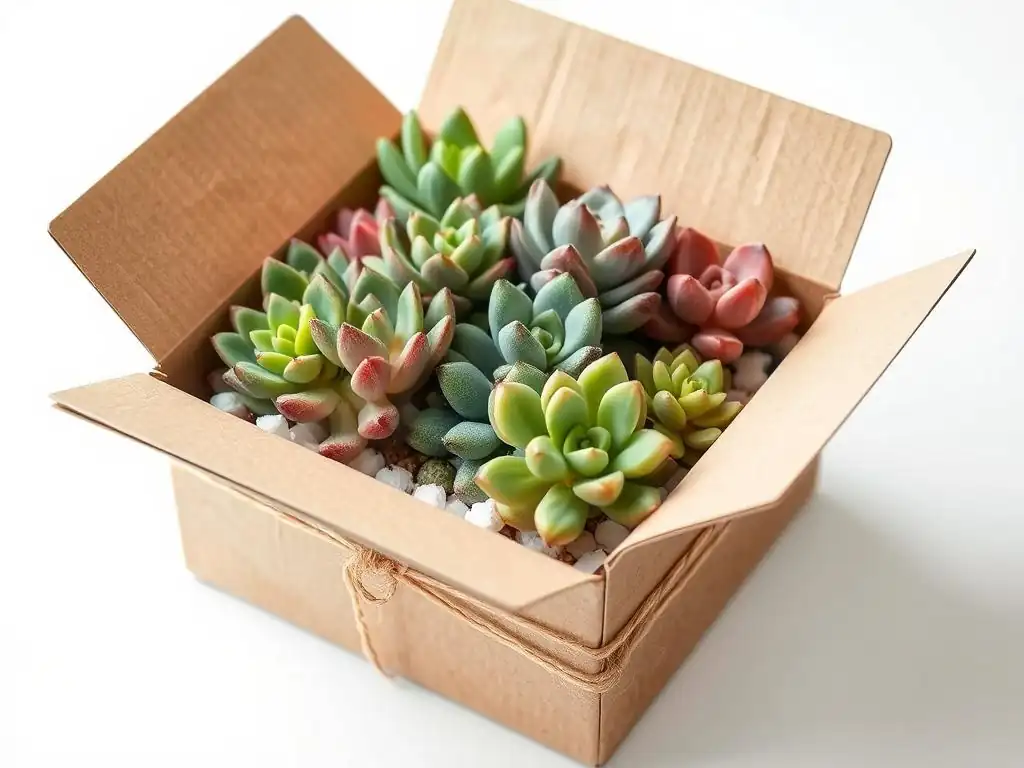
This section focuses on the crucial steps of preparing your succulents for safe and appealing online sales. Packaging is paramount to ensuring your plants arrive healthy and visually appealing to the customer, directly impacting your profitability and customer satisfaction. Neglecting this step can lead to damaged goods, unhappy customers, and ultimately, a decrease in your "sell succulents online profitably" efforts.
Packaging Succulents for Safe and Appealing Online Sales
Packaging succulents for online sale requires careful consideration of protection and presentation. The goal is to balance robust protection against transit damage with a visually appealing package that enhances the customer experience. Here's a breakdown:
- Choosing the Right Container: Avoid flimsy packaging. Opt for sturdy boxes made of corrugated cardboard to withstand potential rough handling during shipping. The box size should be appropriate to the size of the succulent and allow for sufficient cushioning material. Smaller succulents can be grouped together effectively, but ensure proper spacing to prevent damage.
- Cushioning Materials: Proper cushioning is key to preventing breakage. Avoid materials that retain moisture, like newspaper, which can lead to root rot. Instead, use biodegradable packing peanuts, bubble wrap, or crumpled paper. Strategically position the cushioning material around the plant to prevent movement within the box.
- Securing the Plant: Secure the succulent within the box to prevent shifting during transit. You can use tape to gently secure the pot to the box, or create a snug fit with the cushioning material. For particularly delicate plants, consider using plant supports.
- Adding a Personal Touch: While robustness is vital for "sell succulents online profitably," a touch of personalization can enhance the customer experience. Include a small handwritten note, a care guide, or a business card to create a more memorable experience.
- Labeling and Addressing: Clearly label the box with the recipient's address and any necessary handling instructions (e.g., "fragile," "handle with care"). This ensures smooth delivery and reduces the risk of mishaps.
Choosing the Right Shipping Methods for Succulents: Protecting Your Investment
Shipping methods significantly impact the success of your online succulent sales. Choosing the wrong method can lead to damaged plants and dissatisfied customers, hindering your ability to "sell succulents online profitably." Several factors influence the optimal shipping method:
- Distance: Local deliveries might allow for less robust packaging and potentially cheaper shipping options. Longer distances necessitate more protective packaging and faster, more reliable shipping.
- Weather Conditions: Extreme temperatures can damage succulents. Consider climate-controlled shipping options during harsh weather conditions. This might increase shipping costs, but it’s a worthwhile investment to protect your plants and your reputation.
- Shipping Speed: Faster shipping methods, while more expensive, minimize transit time, reducing the risk of damage and plant stress. Prioritize speed, especially during warmer months, when succulents are more susceptible to heat stress.
- Insurance: Consider insuring your shipments, especially for higher-value succulents or bulk orders. Insurance protects you from financial losses due to damage or loss during transit. This is a crucial aspect of successfully selling succulents online profitably.
| Shipping Method | Pros | Cons | Best For |
|---|---|---|---|
| Standard Mail | Cost-effective | Slow, less reliable | Local deliveries, low-value succulents |
| Priority Mail | Faster, more reliable | More expensive | Most orders, especially during warmer months |
| Express Shipping | Fastest, most reliable, often insured | Most expensive | High-value or time-sensitive orders |
Handling Returns and Damaged Shipments: Minimizing Losses in Online Succulent Sales
Returns and damaged shipments are inevitable in online sales. Having a clear and efficient system in place minimizes losses and maintains customer satisfaction, which is vital for "sell succulents online profitably."
- Clear Return Policy: Establish a transparent return policy that outlines the conditions for returns, including timelines and responsibilities. Clearly state who covers return shipping costs.
- Damage Assessment: Upon receiving a damaged shipment report, promptly assess the damage. Request photographic evidence from the customer. This documentation is crucial for potential insurance claims.
- Resolution: Offer a solution that satisfies the customer, such as a replacement, refund, or partial refund. Aim to resolve the issue quickly and professionally. Positive resolution can turn a negative experience into an opportunity to retain the customer.
- Preventative Measures: Regularly review your packaging and shipping procedures to identify areas for improvement. Continuously update your methods based on customer feedback and experience. Proactive measures significantly reduce future returns and damaged shipments. This will improve your bottom line and help you "sell succulents online profitably."
Additional Tips for Minimizing Losses
Consider using robust packaging materials even for small orders. Over-packaging is better than under-packaging. Also, always keep detailed records of all shipments, including tracking numbers and insurance information.
Marketing and Sales Strategies for Online Succulent Success
Successfully selling succulents online profitably requires a multi-faceted approach encompassing strong branding, effective social media engagement, and targeted advertising. This section delves into the key strategies to build a thriving online succulent business. Remember, consistent effort and adaptation are crucial for long-term success in this competitive market.
Building Your Brand and Online Presence: Attracting Customers to Your Succulents
Establishing a compelling brand identity is paramount to attracting and retaining customers in the competitive online succulent market. Your brand should reflect your unique selling proposition (USP), whether it's specializing in rare varieties, offering uniquely designed arrangements, or providing exceptional customer service. This involves several key steps:
- Develop a strong brand name and logo: Choose a name that is memorable, easy to pronounce, and relevant to your succulent business. A professional logo visually represents your brand and should be consistent across all platforms. Consider using a logo that incorporates elements evocative of succulents, such as geometric shapes or natural textures.
- Create a professional website: Your website is your online storefront. It needs to be user-friendly, visually appealing, and easy to navigate. High-quality photos of your succulents are essential. Include detailed product descriptions, care instructions, and customer testimonials. Consider incorporating a blog to share succulent care tips, propagation advice, and behind-the-scenes glimpses of your business. This helps build trust and authority, crucial for selling succulents online profitably.
- Optimize your website for search engines (SEO): Use relevant keywords like "sell succulents online," "buy succulents online," "rare succulents for sale," etc., throughout your website content, including product descriptions and blog posts. This improves your website's ranking in search engine results, driving organic traffic to your site.
- Showcase your expertise: Highlight your knowledge and passion for succulents. This could involve writing informative blog posts, creating videos demonstrating propagation techniques, or offering online workshops. This positions you as a trusted authority, increasing customer confidence and sales.
Social media platforms are powerful tools for showcasing your succulents and connecting with potential customers. A well-executed social media strategy can significantly boost your online sales. Here’s how:
- Choose the right platforms: Focus your efforts on platforms where your target audience is most active. Instagram, with its visually-driven nature, is particularly well-suited for showcasing succulents. Pinterest is also excellent for driving traffic to your website through visually appealing pins. Facebook can be used for building a community and running targeted ads.
- Create high-quality visual content: Invest in professional-quality photos and videos of your succulents. Use natural lighting and attractive backgrounds to highlight the beauty of your plants. Show them in various arrangements and settings to inspire potential buyers. Consider using Reels or TikTok videos to demonstrate care tips or propagation techniques.
- Engage with your audience: Respond promptly to comments and messages. Run contests and giveaways to boost engagement. Share user-generated content featuring customers' succulent arrangements. This fosters a sense of community and loyalty, essential for selling succulents online profitably.
- Utilize social media advertising: Consider running targeted ads on platforms like Instagram and Facebook to reach potential customers interested in succulents. This allows you to reach a wider audience and drive traffic to your website. Experiment with different ad formats and targeting options to optimize your campaigns.
Effective Online Advertising Strategies for Reaching Succulent Enthusiasts
Beyond social media, other online advertising strategies can effectively reach succulent enthusiasts and drive sales. These include:
- Pay-per-click (PPC) advertising: Google Ads allows you to create targeted ads that appear at the top of search engine results pages when users search for relevant keywords, such as "buy succulents online" or "succulent delivery." This is a highly effective way to drive traffic to your website and generate sales. Careful keyword research and ad copywriting are crucial for maximizing your return on investment (ROI).
- Influencer marketing: Partnering with succulent influencers on social media can expose your brand to a wider audience. Choose influencers whose audience aligns with your target market. Collaborate on sponsored posts, giveaways, or reviews to promote your succulents and increase brand awareness.
- Email marketing: Build an email list by offering valuable content, such as succulent care guides or discounts. Use email marketing to announce new product arrivals, promotions, and special offers. Segment your email list to personalize your messaging and improve engagement.
- Affiliate marketing: Partner with related businesses or websites to promote your succulents. Offer commissions to affiliates for each sale they generate. This can be a cost-effective way to expand your reach and increase sales. Carefully select affiliates whose audience aligns with your target market.
By implementing these marketing and sales strategies, you can significantly increase your chances of selling succulents online profitably and building a successful online business. Remember that continuous learning, adaptation, and a focus on providing excellent customer service are key to long-term success.
Creating Compelling Product Listings: Driving Sales with High-Quality Images and Descriptions
Selling succulents online profitably hinges on creating product listings that are both visually appealing and informative. High-quality images are paramount. Forget blurry photos; showcase your succulents in sharp detail, highlighting their unique colors, textures, and sizes. Consider using multiple angles – a top-down shot, a side profile, and even close-ups of interesting details like unusual leaf formations or vibrant blooms. Professional-looking photography significantly increases the perceived value of your plants and encourages customers to click "add to cart." Think about using a lightbox or natural, diffused light to avoid harsh shadows and ensure consistent lighting across all your images.
Beyond visuals, your descriptions must be equally compelling. Go beyond simply listing the succulent's name; provide detailed information about its size (height and width), mature size, sunlight requirements, watering needs, and overall care instructions. Include details about its unique characteristics – is it a slow-growing variety? Does it produce beautiful flowers? Highlight any special features that set it apart from similar succulents.
Use keywords naturally within your descriptions to improve search engine optimization (SEO), but always prioritize clarity and accuracy over keyword stuffing. Consider adding customer reviews to build trust and social proof, further enhancing the credibility of your listings and encouraging sales. Remember, a well-written and visually stunning listing can transform a potential buyer into a satisfied customer. This is crucial for selling succulents online profitably.
Customer Service and Retention: Building Loyalty and Repeat Business for Your Online Succulent Shop
Exceptional customer service is the cornerstone of a thriving online succulent business. Responsiveness is key. Aim to answer customer inquiries promptly and thoroughly, addressing any concerns or questions they may have about your succulents or the ordering process. Clear communication is essential, and providing tracking information promptly helps manage customer expectations and fosters trust. Consider offering multiple communication channels – email, live chat, and even social media messaging – to accommodate different customer preferences.
Beyond prompt responses, proactively address potential issues. Clearly outline your shipping policies, return procedures, and plant care instructions to minimize misunderstandings and returns. Packaging is also crucial; ensure your succulents arrive safely and undamaged. Use appropriate packaging materials to protect the plants during transit, and consider adding a personalized touch, such as a handwritten note or a small care guide, to enhance the customer experience. This personalized touch can significantly impact customer satisfaction and encourage repeat business.
Building loyalty extends beyond excellent service. Consider implementing a loyalty program, offering discounts or exclusive promotions to repeat customers. Regular email newsletters with care tips, new product announcements, and special offers can keep your customers engaged and coming back for more. Finally, encourage customer reviews and testimonials. Positive feedback not only boosts your credibility but also provides valuable social proof for potential buyers, significantly impacting your ability to sell succulents online profitably. Remember, cultivating a loyal customer base is a long-term investment that pays dividends in repeat purchases and positive word-of-mouth referrals.
Legal and Financial Aspects of Your Succulent Business

Successfully selling succulents online profitably requires more than just a green thumb; it demands a solid understanding of the legal and financial landscape. Navigating this terrain effectively will safeguard your business and maximize your earning potential. This section focuses on the crucial legal and financial considerations you must address to build a sustainable and successful online succulent enterprise.
Understanding Business Licenses and Permits for Selling Succulents Online
Before you even list your first echeveria, ensure you're operating within the legal framework. The specific licenses and permits required vary significantly depending on your location (city, state, and country). Some jurisdictions might require a general business license, while others may have specific regulations for selling plants or operating an online retail business. Furthermore, if you're propagating succulents on a larger scale, you might need agricultural licenses or permits, particularly if you're dealing with a high volume of plants or specific rare varieties.
It's crucial to research your local, state, and federal regulations thoroughly. Contact your local Small Business Administration (SBA) or equivalent agency for guidance. Failing to obtain the necessary permits could lead to hefty fines and legal repercussions, potentially jeopardizing your entire business. Don't underestimate the importance of this step; it's the foundation upon which your online succulent empire will be built. Thoroughly researching and obtaining all required permits is a critical step in learning how to sell succulents online profitably.
Managing Inventory and Finances: Tracking Costs and Profits in Succulent Sales
Profitability in any business hinges on effective financial management. For your succulent enterprise, this translates to meticulous tracking of inventory and expenses. This involves more than just noting how many plants you have; you need a robust system to monitor your costs – from propagation materials (soil, pots, cuttings) to packaging, shipping, and marketing expenses.
Consider using spreadsheet software or dedicated inventory management systems to track every aspect of your business. This allows for accurate cost of goods sold (COGS) calculations, which are essential for determining your profit margins. For example:
| Item | Cost per Unit | Quantity | Total Cost |
|---|---|---|---|
| Propagation Mix | $5 | 10 bags | $50 |
| Small Pots | $1 | 100 pots | $100 |
| Echeveria Cuttings | $2 | 50 cuttings | $100 |
| Packaging | $0.50 | 100 units | $50 |
| Shipping (avg.) | $8 | [Data Pending] | [Data Pending] |
Regularly reviewing these figures will help you identify areas where you can cut costs and optimize your pricing strategy to maximize your profit margins and ultimately learn how to sell succulents online profitably. Don't forget to factor in the time spent on propagation and other tasks; assigning a monetary value to your labor helps provide a more accurate picture of your profitability.
Tax Obligations and Reporting Requirements for Your Succulent Business
Understanding your tax obligations is paramount to the long-term success of your online succulent business. The tax implications depend on the structure of your business (sole proprietorship, LLC, etc.) and your location. You'll likely need to pay self-employment taxes, sales taxes (depending on your state/location), and potentially income taxes. Accurate record-keeping is vital for filing your taxes correctly and avoiding penalties.
Keep detailed records of all income and expenses, using a system that allows you to easily categorize transactions. Consider consulting with a tax professional or accountant to ensure compliance with all applicable regulations. This proactive approach will save you time, money, and potential legal headaches down the line. Ignoring tax obligations can severely impact your business's financial health and prevent you from learning how to sell succulents online profitably. Proper tax planning is an essential part of building a sustainable and successful online succulent business.
Scaling Your Succulent Business for Long-Term Growth
This section focuses on strategies to expand your succulent business beyond a small-scale operation, ultimately helping you achieve sustainable, profitable growth and successfully sell succulents online profitably. Scaling requires careful planning and execution, focusing on efficient production, diverse offerings, and smart marketing. Ignoring these aspects can hinder growth, even with a strong initial product.
Expanding Your Product Line: Diversifying Beyond Individual Plants
Selling individual succulents is a great starting point, but diversifying your offerings is crucial for long-term success in the competitive world of online succulent sales. Consider these additions to your product line to attract a broader customer base and increase your average order value:
- Succulent Arrangements & Gifts: Pre-made arrangements in attractive containers (terracotta pots, glass terrariums, etc.) cater to customers seeking ready-made gifts or decorative pieces. Offer various sizes and styles to target different price points. Consider themed arrangements for holidays or special occasions. This allows you to sell succulents online profitably by offering higher-priced, value-added products.
- DIY Kits: Tap into the growing interest in DIY projects with kits containing succulents, potting mix, containers, and instructions. This engages customers and provides a unique, hands-on experience. Offer different levels of difficulty to attract both beginners and experienced succulent enthusiasts.
- Propagated cuttings: Selling cuttings is a cost-effective way to expand your offerings and provide customers with affordable options. Clearly label cuttings with the variety and provide simple propagation instructions. This can dramatically increase your profit margins and help you sell succulents online profitably.
- Succulent-related merchandise: Expand beyond plants themselves by offering complementary products like decorative pots, tools, books on succulent care, or even branded apparel. This increases revenue streams and brand awareness.
- Subscription boxes: Monthly or quarterly subscription boxes featuring a curated selection of succulents, potting mix, and other related items can create recurring revenue and foster customer loyalty. This is a fantastic strategy to consistently sell succulents online profitably.
Exploring Wholesale Opportunities: Reaching a Wider Audience with Your Succulents
Wholesale partnerships are a powerful way to significantly increase your sales volume and reach a much wider audience. This strategy can transform how you sell succulents online profitably. Consider the following:
- Identifying Potential Buyers: Target local florists, garden centers, home décor stores, and even online retailers who might be interested in stocking your succulents. Research their existing inventory to ensure your offerings complement, rather than compete with, their current selection.
- Establishing Competitive Pricing: Wholesale pricing needs to be attractive enough to entice buyers while still ensuring profitability for your business. Consider offering tiered pricing based on order volume.
- Ensuring Consistent Supply: Wholesale partnerships require a reliable and consistent supply of high-quality succulents. Develop efficient propagation methods and maintain a healthy inventory.
- Negotiating Contracts: Formalize your wholesale arrangements with clear contracts outlining pricing, order minimums, payment terms, and delivery schedules.
Investing in Automation and Technology: Streamlining Your Succulent Production and Sales
Investing in automation and technology can significantly boost efficiency and profitability, particularly as your business grows. This is essential to sell succulents online profitably at scale.
- Automated Watering Systems: For larger-scale propagation, automated watering systems can save time and ensure consistent moisture levels, reducing plant loss and maximizing yields.
- Inventory Management Software: Efficient inventory tracking is crucial to avoid overstocking or running out of popular varieties. Utilize software to monitor stock levels, track sales, and manage orders.
- E-commerce Platform: A well-designed e-commerce website is essential for online sales. Choose a platform that offers secure payment processing, inventory management tools, and marketing capabilities. Optimize your site for search engines (SEO) to attract more organic traffic.
- Shipping and Packaging Optimization: Efficient packaging and shipping methods are critical for ensuring the safe arrival of your succulents. Invest in protective packaging and explore shipping options that minimize transit time. This helps maintain the health of your plants and improves customer satisfaction, ultimately impacting your ability to sell succulents online profitably.
By implementing these strategies, you can effectively scale your succulent business, increase profitability, and establish a sustainable presence in the competitive online marketplace. Remember that consistent quality, excellent customer service, and smart business practices are key to long-term success.
Building a Team: Managing Growth and Delegating Tasks in Your Expanding Business
As your succulent business thrives and you successfully sell succulents online profitably, you'll reach a point where you can no longer handle all aspects single-handedly. Scaling up necessitates building a reliable team. This isn't just about adding bodies; it's about strategically assembling individuals with complementary skills who can contribute to your overall success. Initially, you might focus on hiring for specific bottlenecks – perhaps someone to handle the increasing order fulfillment, or another to manage social media and customer engagement.
The key to successful team building lies in clear communication and delegation. Before hiring, define roles and responsibilities meticulously. Create detailed job descriptions outlining expectations, performance metrics, and reporting structures. This prevents confusion and ensures everyone understands their contribution to the overall business goals. For instance, one team member might specialize in propagation techniques, another in packaging and shipping, and a third in customer service and online marketing. This division of labor allows for specialization and increased efficiency, ultimately contributing to selling succulents online profitably.
Effective delegation involves more than just assigning tasks; it involves empowering your team. Provide your employees with the resources, training, and autonomy they need to succeed. Regular check-ins and feedback sessions are crucial for monitoring progress, addressing challenges, and fostering a positive work environment.
Regular team meetings can also facilitate brainstorming, problem-solving, and the sharing of best practices, all contributing to the overall efficiency and profitability of your succulent enterprise. Remember, investing in your team is investing in the long-term growth and sustainability of your business. A well-trained, motivated team is essential for selling succulents online profitably and scaling your operations smoothly.
Consider also the legal implications of employing people. Depending on your location and the size of your team, you may need to navigate employment laws, tax obligations, and insurance requirements. Seeking advice from legal and financial professionals can ensure you operate within the legal framework and protect your business from potential liabilities. These seemingly administrative tasks are crucial for sustainable, long-term growth and profitability in the competitive online succulent market. Proper management of your team will directly impact your ability to sell succulents online profitably.
Frequently Asked Questions
What's the best way to source succulents for online sales?
You can propagate succulents yourself for a consistent supply, purchase wholesale from reputable nurseries, or source from local growers. Consider the cost and quality of each option.
How can I photograph my succulents effectively for online sales?
Use natural light and a clean, uncluttered background. Highlight the unique features of each succulent with clear, high-resolution images. Show them in various sizes and angles.
What online platforms are best for selling succulents profitably?
Etsy, eBay, and your own website are all viable options. Consider platform fees and your target audience when making your choice. Social media marketing is also crucial.
What are the essential legal considerations for selling succulents online?
Ensure you comply with plant import/export regulations and labeling requirements. Understand sales tax laws in your area and any necessary business permits or licenses.
How can I price my succulents competitively yet profitably?
Research market prices for similar succulents. Factor in your costs (propagation, packaging, shipping) and desired profit margin. Offer bundles and discounts to boost sales.
Final Reflection: Cultivating Success: The Enduring Power of the Succulent
The burgeoning online marketplace for succulents isn't just a trend; it's a testament to the enduring appeal of these resilient plants and the entrepreneurial spirit they inspire. The practical strategies outlined in this guide – from propagation techniques to effective online marketing – offer a pathway to success in this increasingly competitive field. But more than just profit, this business model represents a connection to nature and a chance to share its beauty with a wider audience.
The impact of succulents extends beyond mere commerce; they represent a growing movement towards sustainable living and a renewed appreciation for the simple pleasures of gardening. They offer a tangible connection to nature, even in urban environments, providing a sense of calm and accomplishment. The love of gardening is a seed that once sown never dies.
This quote perfectly captures the enduring passion that fuels both the cultivation and the sale of these captivating plants, a passion that continues to shape our relationship with the natural world.
You, the reader, now hold the knowledge to cultivate not only succulents but also your own entrepreneurial success. Consider the lessons learned, from mastering propagation techniques to building a strong online presence. Don't just passively consume this information; actively apply it. Embrace the challenges, celebrate the successes, and nurture your own unique brand within this vibrant market. The journey of selling succulents online profitably is yours to cultivate.
Unleash Your Inner Plantpreneur: Grow Your Succulent Empire
Thank you for exploring the world of succulent propagation! We hope you've gained valuable insights into turning your passion into a profitable business. Now it's time to put your knowledge into practice.
Here's how to take the next steps:
- Launch your succulent business: Begin modestly, perhaps focusing on a single succulent variety you're particularly passionate about. Master the propagation techniques you've learned and build a strong inventory before expanding your offerings.
- Experiment with diverse propagation methods: Explore air layering, leaf cuttings, or even tissue culture – the possibilities are vast! This will set your business apart and attract customers seeking unique and rare plants.
- Share your progress and connect with fellow succulent enthusiasts on social media! Use the hashtag #SucculentEmpire to join a thriving community.
What captivating succulent variety will you cultivate first, and what makes it so special?