
Pest Control: Strategies for Healthy Commercial Succulent Propagation

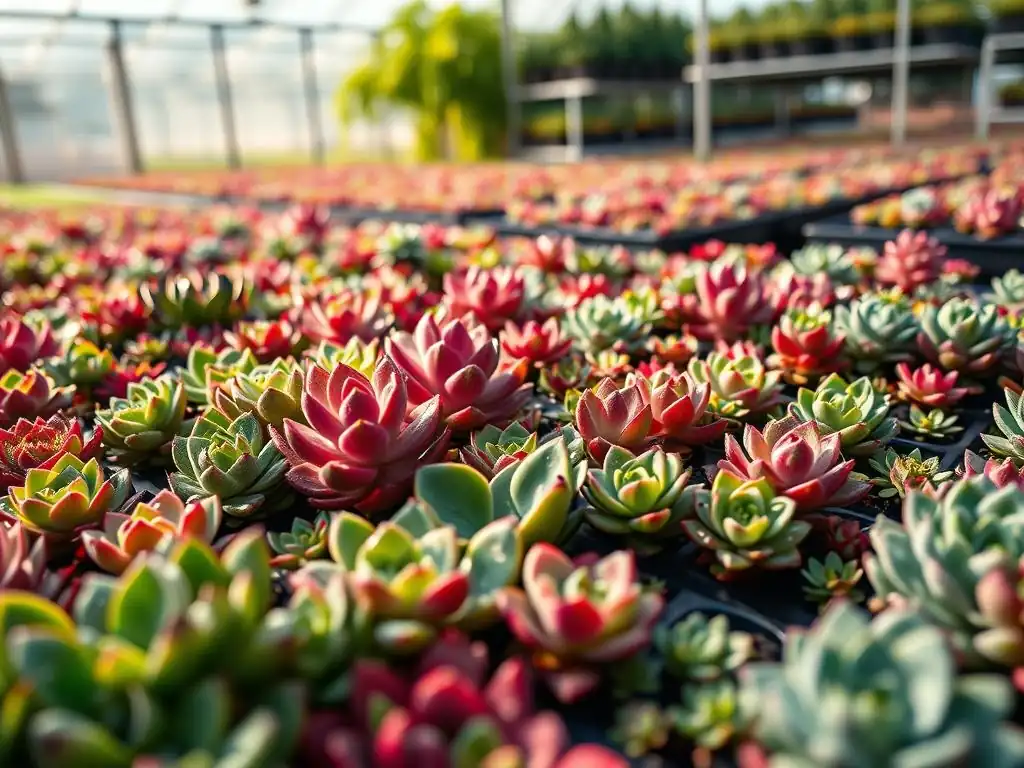
Welcome to SucculentEssentials.org, where the thriving world of succulents unfolds before you! Are you ready to unlock the secrets to cultivating a truly spectacular succulent collection? We delve into every aspect of succulent care, from basic propagation to advanced techniques. But first, consider this: Commercial succulent pest control presents unique challenges. Discover how to safeguard your precious plants and achieve unparalleled success in our in-depth guide on propagation – your journey to a flourishing succulent empire starts now.
- Understanding Common Succulent Pests in Commercial Propagation
-
Implementing Effective Pest Control Strategies in Your Succulent Nursery
- Preventative Measures: Maintaining Cleanliness, Quarantine Procedures
- Biological Control Methods: Introducing Beneficial Insects, Using Nematodes
- Chemical Control Strategies: Selecting Appropriate Insecticides, Safe Application Techniques
- Integrated Pest Management (IPM) for Sustainable Pest Control in Succulent Propagation
- Specific Pest Control for Commercial Succulent Production
-
Monitoring and Maintaining Pest Control in Your Commercial Operation
- Regular Inspection and Early Detection: Identifying Pests in the Early Stages
- Record Keeping and Pest Control Logs: Tracking Infestations and Treatment Effectiveness
- Adapting Pest Control Strategies: Responding to Changing Pest Populations
- Long-term Sustainability of Pest Control in Commercial Succulent Propagation
- Resources and Further Reading on Commercial Succulent Pest Control
-
Frequently Asked Questions
- What are the most common pests affecting commercial succulent propagation?
- What are some preventative measures for commercial succulent pest control?
- What are effective organic pest control methods for succulents?
- How can I effectively manage a large-scale succulent pest infestation?
- What are the long-term benefits of proactive commercial succulent pest control?
- Final Reflection: Cultivating Resilience: The Future of Commercial Succulent Propagation
- Unleash Your Inner Plant Protector!
Understanding Common Succulent Pests in Commercial Propagation
Commercial succulent propagation, while rewarding, presents unique challenges. Maintaining healthy, thriving plants at scale requires a proactive and comprehensive pest control strategy. Neglecting pest management can lead to significant losses in yield, impacting profitability and the overall success of your business. This article will delve into identifying common succulent pests, recognizing signs of infestation, and understanding the impact these tiny invaders can have on your succulent propagation efforts.
We'll also explore effective and sustainable pest control strategies specifically tailored for commercial settings, ensuring the health and vitality of your succulent inventory while adhering to industry best practices. This guide will equip you with the knowledge to protect your investment and maintain the high quality standards demanded in the commercial succulent market. Ignoring pest control isn't an option when dealing with large-scale succulent cultivation; it's an investment in your business's long-term success.
Identifying Common Pests: Mealybugs, Aphids, Scale Insects
Several pests pose significant threats to commercially propagated succulents. Among the most common are mealybugs, aphids, and scale insects. These tiny creatures can quickly infest plants, leading to significant damage if left unchecked.
Mealybugs, easily identified by their cottony white wax secretions, often congregate in leaf axils and crevices. They suck plant sap, weakening the succulent and causing stunted growth. Their feeding can also lead to the development of sooty mold.
Aphids, small, soft-bodied insects, are typically green, black, or brown. They also feed on plant sap, leading to similar damage as mealybugs. Large aphid infestations can quickly overwhelm a succulent, causing significant damage. They often secrete honeydew, which also encourages the growth of sooty mold.
Scale insects, characterized by their hard, protective shells, are more difficult to control. They attach themselves to the plant's stems and leaves, sucking sap and potentially transmitting diseases. Their presence is often indicated by yellowing or browning of the affected areas. Effective control requires careful attention to detail and potentially stronger treatments.
Recognizing Signs of Infestation: Leaf Damage, Webbing, Sooty Mold
Early detection is crucial in managing succulent pests. Recognizing the telltale signs of infestation can help you implement control measures before the damage becomes irreversible.
Leaf damage is a primary indicator. Look for discoloration, yellowing, wilting, or distorted growth patterns. These symptoms can point to sap-sucking insects like mealybugs, aphids, and scale insects.
The presence of webbing, particularly fine, silken threads, suggests spider mites. These tiny arachnids can quickly infest succulents, causing significant damage to leaves and stems. Their webbing is often a clear sign of an infestation.
Sooty mold, a black, sooty fungus, frequently develops on the honeydew secreted by aphids and mealybugs. The presence of sooty mold is a strong indication of a hidden infestation, requiring careful inspection to identify the underlying pest. The mold itself can also hinder photosynthesis.
The Impact of Pests on Succulent Growth and Yield: Reduced Growth, Plant Death
Succulent pests significantly impact both plant health and commercial yield. Infestations can lead to several detrimental effects:
- Reduced Growth: Sap-sucking insects deprive succulents of essential nutrients, leading to stunted growth and smaller, less marketable plants. This directly impacts the profitability of your operation.
- Plant Death: Severe infestations can overwhelm succulents, leading to wilting, defoliation, and ultimately, plant death. This represents a significant loss of investment and inventory.
- Decreased Quality: Infested succulents are less aesthetically pleasing, impacting their marketability. Damaged plants are often unsaleable, leading to financial losses.
- Spread of Disease: Some pests can transmit plant diseases, further exacerbating the problem and potentially impacting a large portion of your succulent stock.
Addressing pest control proactively is crucial for the long-term health and profitability of any commercial succulent propagation business. Ignoring these issues can have devastating consequences.
Implementing Effective Pest Control Strategies in Your Succulent Nursery

Commercial succulent propagation demands a robust pest control strategy to ensure high yields and healthy plants. Ignoring pest infestations can lead to significant losses, impacting profitability and reputation. This section outlines key preventative, biological, and chemical control methods crucial for maintaining a thriving succulent nursery. Effective commercial succulent pest control requires a multi-pronged approach, prioritizing preventative measures before resorting to more aggressive interventions.
Preventative Measures: Maintaining Cleanliness, Quarantine Procedures
Proactive measures are the cornerstone of successful commercial succulent pest control. Maintaining impeccable cleanliness within the nursery significantly reduces the risk of infestation. This involves regular sanitation of all surfaces, including benches, pots, and tools. A simple solution of bleach and water (1:10 ratio) can effectively eliminate many common pathogens and pest eggs. Remember to thoroughly rinse all surfaces after cleaning to avoid harming your succulents.
Furthermore, implementing strict quarantine procedures for newly acquired succulents is vital. Isolate new plants for at least two weeks before introducing them to the main propagation area. This observation period allows you to detect any hidden pests or diseases early, preventing widespread infestations. Regular visual inspections during this period are critical, paying close attention to leaf undersides, crevices, and root systems. Detailed records of each batch's origin and quarantine period are essential for effective traceability and future pest management analysis.
| Task | Frequency | Description |
|---|---|---|
| Clean propagation benches | Daily | Wipe down with bleach solution (1:10 ratio), rinse thoroughly. |
| Sanitize tools | After each use | Immerse tools in bleach solution, rinse and allow to air dry completely. |
| Inspect new plants | Daily (during quarantine) | Check for signs of pests, diseases, or unusual growth patterns. |
| Record keeping | For each batch | Document arrival date, origin, quarantine period, and any observed issues. |
Biological Control Methods: Introducing Beneficial Insects, Using Nematodes
Biological control offers a more environmentally friendly approach to commercial succulent pest control compared to chemical methods. Introducing beneficial insects, such as predatory mites or ladybugs, can effectively target specific pests like mealybugs, aphids, and spider mites. These beneficial insects prey on the harmful pests, reducing their populations naturally. However, careful consideration is necessary to ensure that the introduced species are compatible with the existing environment and do not become invasive themselves. Researching the specific pests prevalent in your region and selecting the appropriate beneficial insects is crucial for success.
Another effective biological control method involves using nematodes, microscopic worms that parasitize and kill various soilborne pests. Nematodes are particularly effective against certain larvae and pupae stages of insect pests. Applying nematodes to the soil can significantly reduce pest populations without harming the succulents. Remember to follow the manufacturer's instructions carefully regarding application rates and environmental conditions. The successful implementation of biological control often requires a deeper understanding of the pest life cycle and the specific beneficial organisms used.
Chemical Control Strategies: Selecting Appropriate Insecticides, Safe Application Techniques
While preventative and biological methods should be prioritized, chemical control may be necessary in severe infestations. Selecting appropriate insecticides is paramount, focusing on products specifically labeled for use on succulents and safe for beneficial insects. Always read and follow the label instructions meticulously, paying attention to application rates, safety precautions, and potential environmental impacts. Avoid broad-spectrum insecticides whenever possible, as they can harm beneficial insects and disrupt the natural ecosystem within your nursery.
Safe application techniques are crucial to minimize risks to both your plants and personnel. Apply insecticides in a well-ventilated area, using protective gear such as gloves, masks, and eyewear. Follow the instructions regarding application methods (e.g., spraying, drenching) and avoid over-application. Proper disposal of empty containers is also vital to protect the environment and prevent accidental exposure.
Regular monitoring after application is essential to assess its effectiveness and make any necessary adjustments to your pest control strategy. Careful record-keeping of the insecticides used, application dates, and observed results is vital for future reference and analysis. This meticulous approach ensures the long-term health and productivity of your commercial succulent propagation operation.
Integrated Pest Management (IPM) for Sustainable Pest Control in Succulent Propagation
Integrated Pest Management (IPM) represents a holistic and sustainable approach to commercial succulent pest control. Unlike traditional methods that rely heavily on pesticides, IPM emphasizes prevention and monitoring, employing pesticides only as a last resort. This strategy minimizes environmental impact, reduces the risk of pesticide resistance in pests, and protects both your plants and your workers. A crucial element of IPM is meticulous monitoring of your succulent nursery.
Regularly inspect plants for signs of infestation, paying close attention to both the leaves and the soil. Early detection is key to preventing widespread outbreaks. Consider using sticky traps to monitor flying insects and regularly examine the undersides of leaves for signs of aphids, mealybugs, or spider mites. Detailed records of your monitoring efforts are essential for tracking pest populations and evaluating the effectiveness of your control measures.
Implementing IPM requires a multi-pronged strategy. Firstly, cultural controls play a vital role. This includes maintaining optimal growing conditions for your succulents, providing adequate spacing to improve air circulation and reduce humidity—factors that can exacerbate pest problems. Proper sanitation is also paramount. Remove and dispose of infected plants promptly and thoroughly clean all tools and pots between uses. This prevents the spread of pests and diseases. Regularly inspect incoming plants for pests before integrating them into your nursery to prevent introducing new infestations. A robust quarantine period for new plants is a highly recommended practice.
Secondly, biological controls offer a natural and effective way to manage pests. Beneficial insects, such as ladybugs and lacewings, are natural predators of many common succulent pests. Introducing these beneficial insects into your nursery can help keep pest populations in check. You can purchase these beneficial insects from specialized suppliers or encourage their presence by planting flowers that attract them. Additionally, nematodes, microscopic worms, can be effective against certain soil-borne pests. The careful selection and introduction of these biological controls require careful consideration and research to ensure effectiveness and compatibility with your existing ecosystem.
Finally, chemical controls, such as pesticides, should be used only when other methods have proven ineffective and only after careful consideration of the potential risks. Always choose the least toxic pesticide that is effective against the specific pest you are dealing with. Follow label instructions meticulously, and consider rotating different pesticides to prevent the development of resistance. Understanding the specific life cycle of your target pest can greatly improve the timing and effectiveness of your pesticide application.
Remember that overuse of pesticides can harm beneficial insects and negatively impact the overall health of your succulent nursery. A well-designed IPM program requires ongoing evaluation and adjustment based on the specific pests present, environmental conditions, and the overall health of your plants. This iterative approach ensures the long-term sustainability and success of your commercial succulent propagation.
Specific Pest Control for Commercial Succulent Production
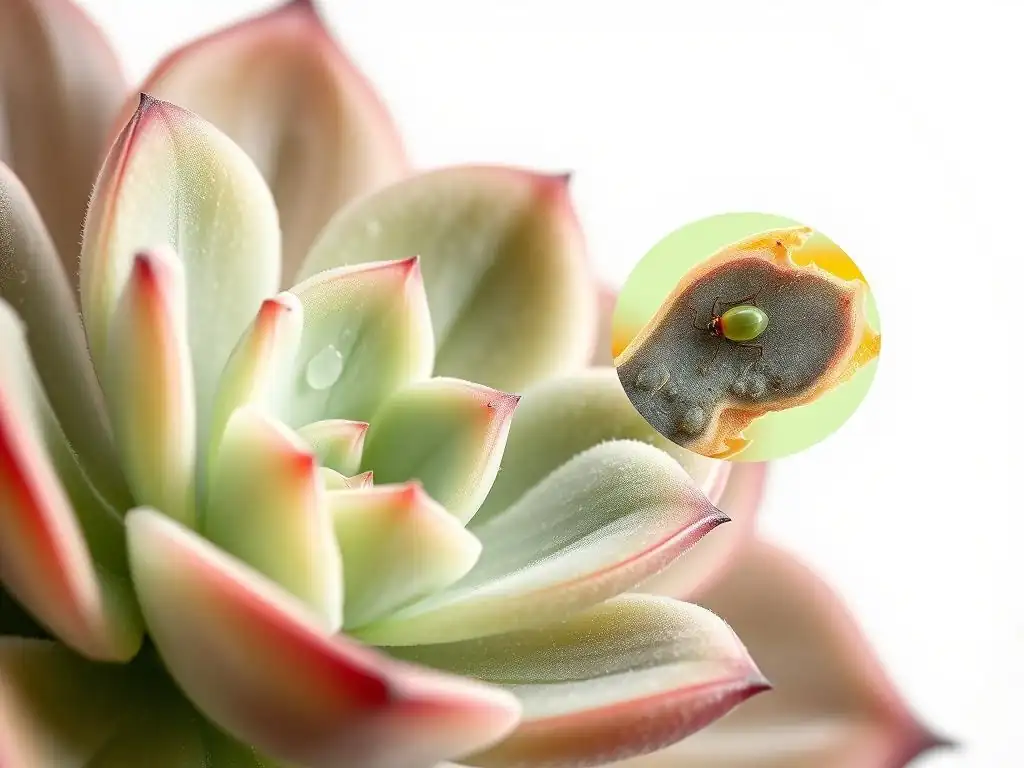
Commercial succulent propagation requires a robust pest management strategy to ensure high yields and maintain plant health. Ignoring pest infestations can lead to significant losses, impacting profitability and the overall quality of your product. This section details specific pest control measures crucial for large-scale succulent cultivation, focusing on proactive prevention and effective treatment options. Understanding the life cycles and vulnerabilities of common succulent pests is key to successful commercial pest control. Remember, early detection and swift action are paramount in minimizing damage and preserving your succulent stock.
Mealybug Control in Commercial Succulent Settings: Treatment Options and Prevention
Mealybugs, with their cottony white wax coverings, are a significant threat to commercial succulent production. These sap-sucking insects weaken plants, leading to stunted growth, yellowing leaves, and even plant death. Effective mealybug control requires a multi-pronged approach combining preventative measures and targeted treatments.
Several effective treatment options exist. Isopropyl alcohol (70% solution) applied directly to visible mealybugs with a cotton swab or small brush is a common organic method. However, this is labor-intensive for large-scale operations. For wider infestations, insecticidal soaps or horticultural oils can be used, ensuring thorough coverage of all plant surfaces. Always follow label instructions carefully, paying attention to application rates and safety precautions. These treatments work by disrupting the mealybug's protective wax layer and causing dehydration.
Prevention is equally crucial. Regular inspection of plants is paramount, identifying infestations early. Maintaining good sanitation practices, including promptly removing infested plant material and debris, reduces the risk of mealybug spread. Introducing beneficial insects, such as ladybugs or lacewings, can also provide biological control, reducing the need for chemical interventions. These natural predators feed on mealybugs, limiting their population growth. Careful monitoring of the beneficial insect population is important to ensure their effectiveness. Finally, maintaining optimal growing conditions, including proper watering and ventilation, promotes plant vigor and resilience, making them less susceptible to mealybug infestations.
Aphid Management in Large-Scale Succulent Propagation: Effective Control Measures
Aphids are tiny, soft-bodied insects that cluster on succulent stems and leaves, feeding on plant sap. Their rapid reproduction rate makes them a serious pest in commercial settings. Large aphid infestations can lead to leaf curling, distorted growth, and the transmission of plant viruses. Effective aphid management requires a combination of strategies tailored to the scale of your operation.
For smaller nurseries, manual removal using a strong stream of water can be effective. However, for large-scale propagation, this method is impractical. Insecticidal soaps and horticultural oils remain effective options, as they disrupt aphid cell membranes. Systemic insecticides can be used as a last resort, but their use should be carefully considered due to potential environmental impact and the possibility of insecticide resistance development. Always carefully follow label instructions and consider rotating insecticides to prevent resistance.
In addition to chemical controls, biological control methods offer a sustainable approach. Introducing aphid predators like ladybugs, lacewings, or parasitic wasps can significantly reduce aphid populations. These beneficial insects naturally regulate aphid numbers, minimizing the need for chemical intervention. Maintaining a healthy and diverse ecosystem within the nursery environment promotes the establishment and success of these beneficial insects. Furthermore, monitoring for aphid infestations through regular inspections and implementing preventative measures, like proper sanitation and ventilation, are crucial in mitigating the risk of large-scale outbreaks.
Scale Insect Eradication: Strategies for Commercial Succulent Nurseries
Scale insects are another common pest affecting commercial succulent production. These small, immobile insects attach themselves to succulent stems and leaves, creating a protective shell. This shell makes them difficult to control, and their feeding can cause significant damage, including stunted growth, leaf yellowing, and even plant death.
Effective scale insect management often requires a combination of methods. Manual removal is possible for small infestations, but it’s time-consuming and impractical for large operations. Horticultural oils are effective at suffocating scale insects, but thorough coverage is crucial. Systemic insecticides can be used, but careful consideration of their environmental impact and potential for resistance development is necessary. Rotation of insecticides is recommended to minimize resistance development. Furthermore, some scale insects are controlled by specific parasitic wasps, representing a biological control option. Introducing these beneficial insects can reduce reliance on chemical controls and promote a more sustainable pest management strategy.
Prevention remains crucial. Regular inspection and early detection are key. Maintaining good sanitation, removing infected plant material promptly, and providing optimal growing conditions to promote strong plant health are all vital preventative measures in managing scale insect infestations in a commercial succulent nursery. A proactive approach, combining preventative measures with targeted treatment options, is essential for successful scale insect eradication and maintaining healthy, thriving succulent stock.
Monitoring and Maintaining Pest Control in Your Commercial Operation
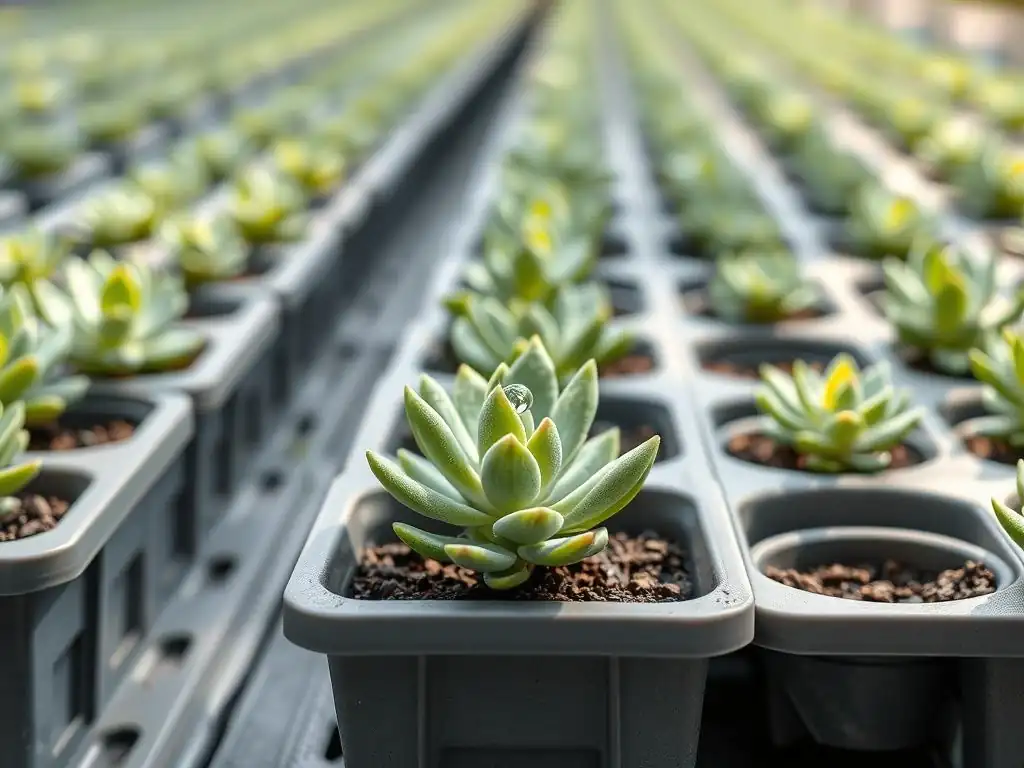
Effective commercial succulent pest control hinges on proactive monitoring and consistent maintenance. Ignoring early signs of infestation can lead to significant losses and compromise the overall health of your succulent propagation operation. This section details crucial strategies for maintaining a pest-free environment and minimizing economic impact. Remember, prevention is always cheaper and less stressful than cure!
Regular Inspection and Early Detection: Identifying Pests in the Early Stages
Regular inspections are the cornerstone of successful commercial succulent pest control. A diligent eye for detail can mean the difference between a minor setback and a major infestation. Aim for at least weekly inspections, increasing frequency during warmer months when pest activity is typically higher. Your inspection should cover every stage of succulent growth, from seedlings to mature plants.
Focus your attention on these key areas:
- Leaves: Look for discoloration, holes, webbing, or unusual spots. Common pests like mealybugs, aphids, and spider mites often leave visible signs on leaves.
- Stems: Check for signs of damage, wilting, or unusual growths. Scale insects frequently attach themselves to stems, causing damage and hindering growth.
- Roots: Inspect the root systems of your plants during repotting or transplanting. Root mealybugs and other soil-borne pests can cause significant damage if left unchecked.
- Soil: Examine the soil surface for any signs of pest activity, such as small insects, webbing, or unusual castings. This is especially important for succulents grown in shared containers or propagation trays.
Employ a systematic approach to your inspections, ensuring you cover every plant thoroughly. Use a magnifying glass to aid in identifying smaller pests. Early detection allows for prompt intervention with less aggressive control methods, minimizing the risk of widespread damage and the need for harsher chemicals. Remember, early detection is key to effective commercial succulent pest control. 🐛
Record Keeping and Pest Control Logs: Tracking Infestations and Treatment Effectiveness
Maintaining detailed records of pest infestations and treatment effectiveness is crucial for long-term success in commercial succulent pest control. This documentation provides valuable insights into pest population trends, treatment efficacy, and the overall health of your operation. A comprehensive record-keeping system allows you to:
- Track pest infestations: Note the date, location, type of pest, and the severity of the infestation. Include specific details such as the number of affected plants and the areas of the plant most impacted.
- Monitor treatment effectiveness: Record the type of treatment applied (e.g., insecticidal soap, neem oil, biological control), the application method, and the date of application. Subsequent inspections should note the response of the pests to the treatment. Did the population decline? Did the treatment have any negative impact on the plants?
- Identify trends: Analyze your records over time to identify patterns in pest infestations. This information can help you predict future outbreaks and implement preventative measures. For example, you might notice that a particular pest is more prevalent during certain months or in specific growing conditions.
- Improve pest control strategies: By reviewing your records, you can evaluate the effectiveness of your current pest control strategies and make necessary adjustments. This data-driven approach ensures that your pest management program remains effective and efficient.
Consider using a spreadsheet or dedicated pest control software to track your data efficiently. This will aid in analyzing trends and making informed decisions about your pest management program. A well-maintained pest control log is an invaluable tool for optimizing your commercial succulent propagation operation. 📈
Adapting Pest Control Strategies: Responding to Changing Pest Populations
Pest populations are dynamic; what works today might not work tomorrow. Commercial succulent pest control requires adaptability and a willingness to adjust your strategies in response to changing conditions. Here are some key considerations:
- Monitoring resistance: Over time, pests can develop resistance to specific pesticides. Regular monitoring of pest populations and their response to treatment is crucial for detecting resistance. If a particular treatment is consistently ineffective, it's time to explore alternative control methods.
- Integrated Pest Management (IPM): IPM is a holistic approach that emphasizes preventative measures, monitoring, and the use of less toxic control methods only when necessary. This approach minimizes the risk of pesticide resistance and reduces the environmental impact of your pest control program.
- Rotating treatments: Rotating different types of pesticides or control methods can help prevent the development of resistance. This strategy keeps pests on their toes and reduces the likelihood of a treatment becoming ineffective.
- Environmental factors: Consider environmental factors that might influence pest populations, such as temperature, humidity, and light levels. Adjusting these factors can sometimes help to reduce pest pressure. For example, ensuring proper ventilation can help to reduce the risk of fungal infestations.
Adaptability is key to successful long-term commercial succulent pest control. Regularly review your pest control strategies, monitor pest populations, and adjust your approach as needed to maintain a healthy and thriving propagation operation. Staying informed about new pest control techniques and best practices is also crucial for staying ahead of the curve. Remember, a flexible and responsive approach is essential for minimizing losses and maximizing the success of your commercial succulent propagation business. 🌱
Long-term Sustainability of Pest Control in Commercial Succulent Propagation
Maintaining a sustainable pest control strategy in commercial succulent propagation is crucial for both the health of your plants and the long-term viability of your business. Relying solely on chemical pesticides can lead to resistance, harming beneficial insects, and potentially contaminating your products. A truly sustainable approach integrates preventative measures with targeted interventions, minimizing environmental impact while maximizing plant health. This holistic strategy requires careful planning and consistent monitoring.
One key aspect of long-term sustainability is the implementation of robust preventative measures. This includes maintaining impeccable hygiene in your propagation facilities. Regular cleaning and disinfection of propagation trays, tools, and work surfaces can significantly reduce the risk of pest infestations. Proper spacing between plants ensures adequate airflow, discouraging the spread of pests and diseases. Careful selection of healthy, pest-free planting material is also paramount; sourcing succulents from reputable suppliers with rigorous quality control measures is a vital first step. Regularly inspecting incoming stock for signs of infestation is essential.
Furthermore, a sustainable approach encourages the use of biological control methods. Introducing beneficial insects, such as ladybugs or lacewings, can help naturally control pest populations. These insects prey on common succulent pests, providing a biological alternative to chemical pesticides.
The effectiveness of this method depends on maintaining a balanced ecosystem within your propagation environment, which means avoiding the indiscriminate use of broad-spectrum insecticides. Careful monitoring is needed to ensure that the beneficial insects are thriving and effectively managing the pest populations. Regular assessments of both pest and beneficial insect populations are vital for adjusting the biological control strategy as needed.
Finally, meticulous record-keeping is essential for long-term sustainability. Documenting pest infestations, the control methods employed, and their effectiveness allows you to track trends and refine your approach over time. This data can inform future preventative measures and help you anticipate potential pest outbreaks. By analyzing historical data, you can identify patterns and develop more effective and sustainable pest management strategies tailored to your specific propagation environment and the prevalent pest species in your region.
This data-driven approach is key to creating a robust and environmentally responsible commercial succulent propagation operation. Ignoring data collection and analysis limits your ability to adapt and improve your pest control methods. A commitment to continuous improvement, informed by rigorous data analysis, is the cornerstone of a successful and sustainable commercial succulent propagation business.
Resources and Further Reading on Commercial Succulent Pest Control
This section provides essential resources to further your understanding and implementation of effective pest control strategies within a commercial succulent propagation setting. We delve into reliable suppliers, safe handling practices, and relevant research, ensuring your operation maintains healthy and thriving succulents. Understanding these aspects is crucial for maximizing yields and minimizing losses due to pest infestations. This information is particularly relevant for those involved in commercial succulent pest control.
Reliable Suppliers of Pest Control Products for Succulents
Finding high-quality and effective pest control products specifically designed for succulents is paramount. Choosing the right supplier ensures access to products that are both effective against common succulent pests and safe for the plants themselves. Look for suppliers who offer detailed product information, including active ingredients, application instructions, and safety precautions. Some key factors to consider when selecting a supplier include:
- Product Range: A comprehensive range catering to various succulent pests (e.g., mealybugs, aphids, spider mites) is essential.
- Product Safety: Prioritize suppliers offering products with low toxicity to humans, pets, and beneficial insects. Look for organic or bio-pesticide options whenever possible.
- Technical Support: A supplier offering readily available technical support and advice on product selection and application is invaluable.
- Reputation and Reviews: Check online reviews and testimonials to gauge the reliability and customer service of potential suppliers. This can save you from potentially purchasing ineffective or damaging products.
Consider creating a list of potential suppliers, comparing their offerings, pricing, and customer service before making a decision. Regularly evaluate your suppliers to ensure they continue to meet your needs and maintain high standards. This proactive approach will greatly contribute to the long-term success of your commercial succulent pest control strategy.
Best Practices for Safe Handling and Application of Pesticides
Safe handling and application of pesticides are crucial for both the health of your succulents and the safety of your staff and the environment. Following these best practices is paramount for responsible commercial succulent pest control:
- Personal Protective Equipment (PPE): Always wear appropriate PPE, including gloves, eye protection, and a respirator, when handling pesticides. The specific PPE required will depend on the type of pesticide being used; always refer to the product label for detailed instructions.
- Application Techniques: Follow the manufacturer's instructions meticulously for application rates, methods (e.g., spraying, drenching), and frequency. Over-application can harm your succulents, while under-application may prove ineffective.
- Environmental Considerations: Apply pesticides responsibly, minimizing drift to surrounding plants and avoiding contamination of water sources. Consider the impact on beneficial insects and pollinators.
- Proper Storage: Store pesticides in a secure, well-ventilated area, away from children, pets, and food. Follow all label instructions for proper storage and disposal.
- Record Keeping: Maintain detailed records of pesticide applications, including the product used, application date, rate, and any observed effects. This is essential for tracking effectiveness and addressing potential issues.
- Rotation of Pesticides: Rotate different classes of pesticides to prevent the development of pesticide resistance in pest populations. This is a vital aspect of long-term commercial succulent pest control success.
Implementing these best practices not only ensures the safety of your team and the environment but also contributes to the overall effectiveness of your pest management strategy. Neglecting these precautions can lead to health hazards and ineffective pest control.
Relevant Research and Studies on Succulent Pest Management
Staying updated on the latest research and studies related to succulent pest management is essential for refining your commercial succulent pest control strategies. This allows you to adapt to emerging pest threats and explore new, more effective, and environmentally friendly control methods.
- University Extension Programs: Many universities offer extensive research and resources on integrated pest management (IPM) techniques applicable to succulents. These resources often provide valuable insights into regional pest populations and effective control strategies.
- Scientific Journals: Peer-reviewed scientific journals publish studies on various aspects of plant pest management, including those specific to succulents. These publications often provide detailed information on pest biology, behavior, and control methods.
- Industry Publications: Trade magazines and industry publications often feature articles and reports on the latest advancements in pest control for commercial horticulture, including succulent propagation.
- Online Databases: Numerous online databases provide access to research articles, reports, and other relevant information on pest management.
By actively seeking and integrating findings from these sources, you can continually improve your pest control protocols and maintain a healthy and productive succulent propagation business. Remember that continuous learning and adaptation are key to successful and sustainable commercial succulent pest control.
Frequently Asked Questions
What are the most common pests affecting commercial succulent propagation?
Common pests include mealybugs, aphids, spider mites, and scale insects. These can quickly infest large numbers of plants, significantly impacting yield. Early detection is crucial.
What are some preventative measures for commercial succulent pest control?
Quarantine new plants, maintain good air circulation, and ensure consistent watering practices to avoid stress. Regularly inspect plants for early signs of infestation.
What are effective organic pest control methods for succulents?
Using neem oil, insecticidal soap, or introducing beneficial insects like ladybugs can help control pests organically. These methods are generally safer for the environment and consumers.
How can I effectively manage a large-scale succulent pest infestation?
For severe infestations, professional pest control services specializing in horticulture may be necessary. They can offer targeted treatments and prevent widespread damage.
What are the long-term benefits of proactive commercial succulent pest control?
Proactive pest management minimizes crop loss, reduces the need for harsh chemicals, maintains plant health, and ultimately improves the profitability of your succulent propagation business.
Final Reflection: Cultivating Resilience: The Future of Commercial Succulent Propagation
The fight against pests in commercial succulent propagation isn't just about protecting plants; it's about safeguarding a burgeoning industry and ensuring the long-term health of our ecosystems. The strategies discussed—from preventative measures like meticulous hygiene to integrated pest management techniques—are crucial not only for maximizing yields but also for minimizing the environmental impact of pest control. Ignoring these practices risks jeopardizing the sustainability of this increasingly popular sector.
The delicate balance between commercial success and ecological responsibility is a constant challenge, one that resonates deeply with me. The beauty and resilience of succulents themselves mirror the need for a holistic approach to pest control. We cannot simply eradicate pests; we must learn to coexist sustainably. The best way to predict the future is to create it,
and that's precisely what responsible pest management allows us to do – create a future where thriving succulent businesses coexist harmoniously with a healthy environment.
Consider the impact of your choices. Will you prioritize preventative measures, minimizing the need for harsh chemicals? Will you embrace integrated pest management, fostering a balanced ecosystem within your propagation facilities? The future of commercial succulent propagation, and indeed the health of our planet, depends on our collective commitment to sustainable practices. Let's cultivate resilience, not just in our plants, but in our approach to pest control.
Unleash Your Inner Plant Protector!
Thank you for learning about protecting your precious succulent cuttings from pests! You now have the knowledge to cultivate a thriving, healthy collection. Let's put that knowledge into action.
- Prioritize Prevention: Begin immediately by implementing the pest control strategies discussed in the article. Start with a thorough inspection of your cuttings and take proactive steps to prevent infestations.
- Share Your Success: Tell us about your favorite preventative method! Share your tips and tricks in the comments below—we'd love to hear from you!
- Explore Further: Learn more about specific pest solutions by searching our website for detailed articles on common succulent pests.
Ready to transform your propagation area into a pest-free paradise? What's your first step toward a healthier, happier succulent collection?