
Sharing Your Succulent Seed Success with Others

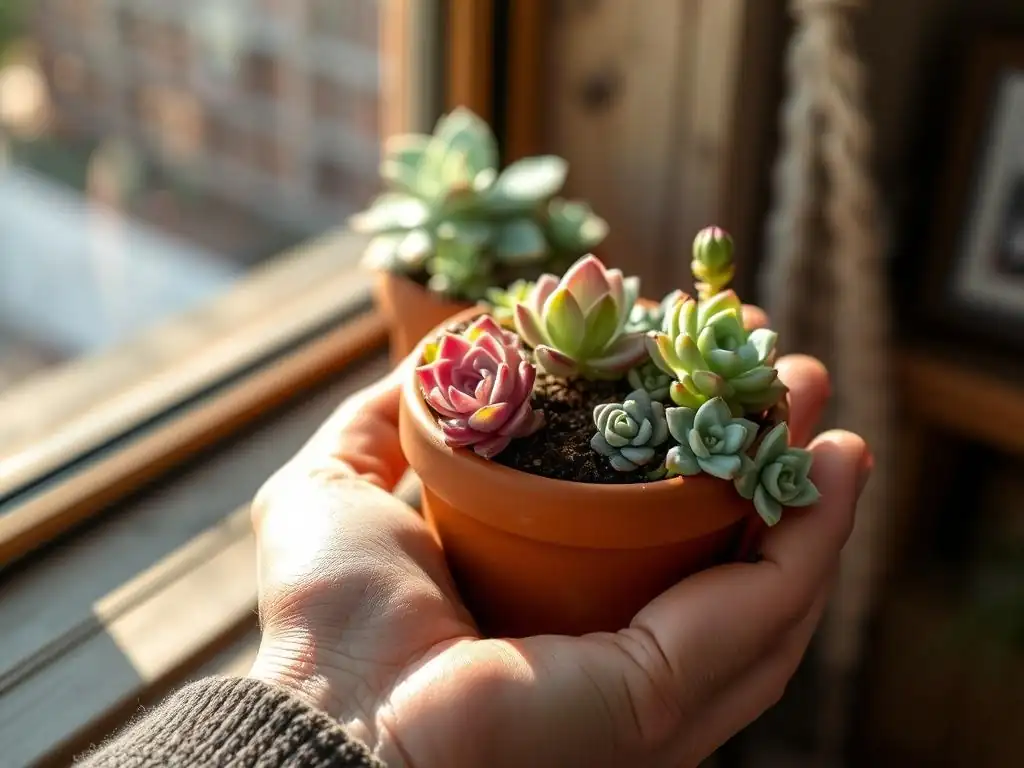
Welcome to SucculentEssentials.org, where the fascinating world of succulents unfolds before you! Are you ready to unlock the secrets to cultivating these resilient beauties? We'll guide you through everything from basic care to advanced techniques, like mastering succulent seed propagation tips. Discover the joy of nurturing life from seed and creating stunning displays – your succulent journey starts here!
-
Mastering Succulent Seed Propagation Tips: A Comprehensive Guide
- Selecting the Right Succulent Seeds for Propagation
- Preparing Your Seed Starting Mix for Optimal Germination
- Sowing Succulent Seeds: Techniques for Success
- Creating the Ideal Environment for Germination: Light, Temperature, and Humidity
- Watering and Maintaining Your Seedlings: A Step-by-Step Approach
- Identifying and Addressing Common Seed Propagation Challenges
- Recognizing Healthy Seedlings: Signs of Successful Germination
- Transplanting Your Succulent Seedlings: The Right Time and Method
- Sharing Your Succulent Seedlings: Tips for Gifting and Trading
- Advanced Succulent Seed Propagation Techniques
- Sharing Your Expertise: Connecting with Fellow Succulent Enthusiasts
- Beyond Seed Propagation: Other Succulent Propagation Methods
- Frequently Asked Questions
- Final Reflection: Cultivating Community Through Succulent Seeds
- Unleash Your Inner Succulent Guru!
Mastering Succulent Seed Propagation Tips: A Comprehensive Guide
Successfully propagating succulents from seed offers a rewarding journey for any plant enthusiast. This comprehensive guide delves into the intricacies of succulent seed propagation, providing detailed instructions and expert tips to maximize your chances of germination and healthy seedling growth. From selecting the right seeds and preparing the ideal growing medium to mastering sowing techniques and nurturing young plants, we'll cover all the essential steps to help you cultivate a thriving collection of succulents from seed.
This approach allows for greater variety in your succulent collection and provides a unique connection to the life cycle of these fascinating plants. Learning these techniques will transform you from a succulent admirer into a confident propagator, capable of expanding your collection and sharing your success with others. Let's embark on this exciting adventure together!
Selecting the Right Succulent Seeds for Propagation
Choosing high-quality seeds is paramount for successful propagation. Opt for seeds from reputable suppliers known for their germination rates and variety. Avoid using seeds collected from unknown sources, as their viability and genetic purity are uncertain. When selecting seeds, consider factors like the species' specific needs and your growing environment. Some succulent species are easier to propagate from seed than others.
For beginners, it's recommended to start with readily available and known-for-easy-germination species like Sedum, Echeveria, or Sempervivum. Always check the seed packet for information on germination rates and any specific requirements for the chosen species. Remember to carefully examine the seeds before planting; discard any that appear damaged or discolored. The quality of your seeds directly impacts your success rate, so invest in the best you can find. A higher initial cost can translate to significant time and effort saved in the long run.
Preparing Your Seed Starting Mix for Optimal Germination
The ideal seed starting mix for succulents is well-draining and sterile to prevent fungal diseases. A common and effective blend is a mixture of equal parts perlite and vermiculite, with a small amount of peat moss added for moisture retention. This combination provides excellent aeration and drainage, crucial for preventing the damping-off disease, a common problem for succulent seedlings.
Avoid using garden soil, as it often contains pathogens and may be too dense for delicate succulent seeds. Before use, sterilize your seed-starting mix by baking it in the oven at a low temperature (around 200°F) for about 30 minutes to eliminate any potential fungal spores or pests. This step significantly reduces the risk of seedling loss.
Ensure the mix is evenly moist before sowing the seeds, but avoid overwatering, which can lead to rot. The perfect moisture level is crucial for successful germination. Using a sterile, well-draining mix is a foundational step in ensuring your succulent seeds thrive.
Sowing Succulent Seeds: Techniques for Success
Sowing succulent seeds requires a delicate touch. Begin by filling your seed-starting containers with the prepared mix, leaving about ½ inch of space at the top. Gently press the surface to create a firm, level base. Scatter the seeds evenly across the surface, avoiding overcrowding. You can lightly cover the seeds with a thin layer of the seed-starting mix—no more than twice the diameter of the seeds.
Larger seeds may require slightly deeper planting. After sowing, lightly mist the surface with water using a spray bottle, ensuring the seeds are not disturbed. Cover the container with clear plastic wrap or a humidity dome to maintain high humidity, crucial for germination. Place the container in a warm location with bright, indirect light, avoiding direct sunlight which can scorch the delicate seedlings. Consistent warmth and humidity are key factors to stimulate germination.
Regularly check the moisture level and mist as needed, preventing the mix from drying out completely. Patience is key, as germination times vary widely depending on the species, ranging from a few days to several weeks. Careful attention to detail during this crucial stage will significantly increase your chances of success in succulent seed propagation. 🌱
Creating the Ideal Environment for Germination: Light, Temperature, and Humidity
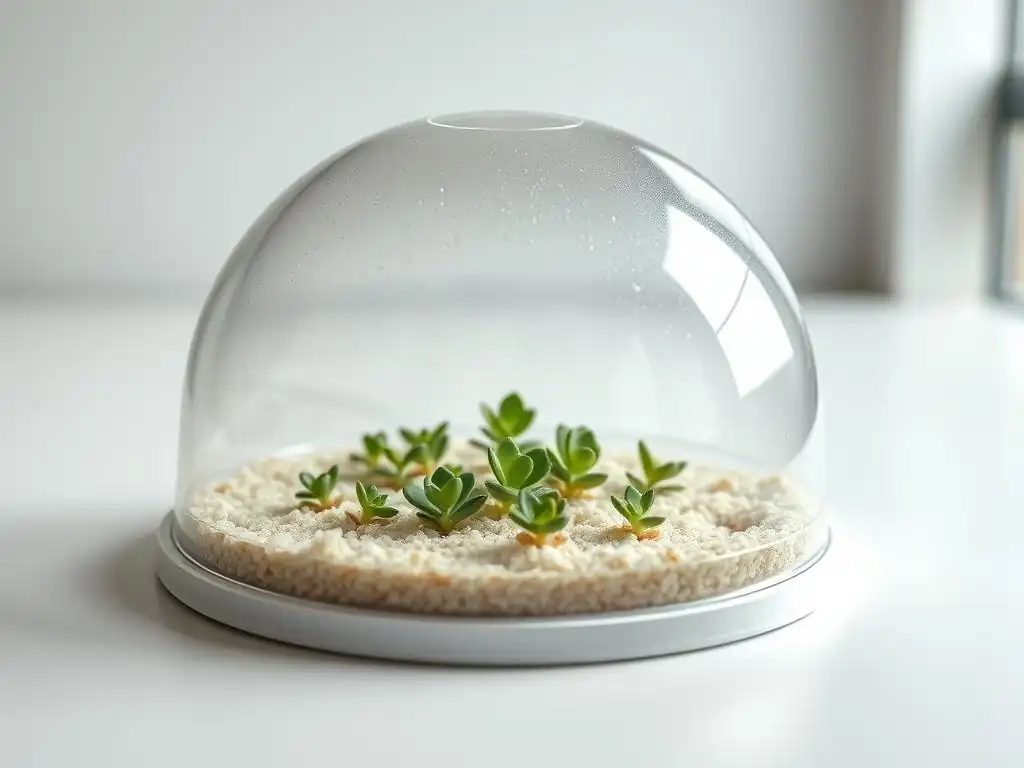
Success in succulent seed propagation hinges significantly on providing the optimal germination environment. This involves carefully controlling three key factors: light, temperature, and humidity. Let's delve into each:
Firstly, light is crucial, but it's a delicate balance. While succulents need sunlight to thrive, newly germinated seedlings are incredibly sensitive to intense direct sunlight, which can scorch their tiny leaves. The best approach is to use bright, indirect light. A north-facing window, or a location shielded from the harshest midday sun, works well. You might even consider using grow lights, ensuring they are positioned several inches above the seedlings to prevent burning. Experiment with light intensity to find the sweet spot for your specific succulent species; some might tolerate more light than others.
Next, temperature plays a vital role. Most succulent seeds germinate best within a temperature range of 65-75°F (18-24°C). Fluctuations outside this range can hinder germination or even kill the seedlings. A consistently warm environment is key. Consider using a heat mat under your propagation tray to maintain a stable temperature, especially during colder months. Monitoring the temperature with a thermometer is highly recommended to ensure it remains within the ideal range.
Finally, humidity is another critical factor. While succulents are generally drought-tolerant, their seeds require a slightly humid environment for successful germination. This doesn't mean soaking the soil; instead, it's about maintaining a moist atmosphere around the seeds. Covering the propagation tray with clear plastic wrap or a humidity dome helps to trap moisture and create a mini greenhouse effect.
However, be sure to regularly vent the cover to prevent the build-up of excess moisture, which can lead to fungal diseases. Proper ventilation is essential for preventing mold and ensuring healthy seedling development. Remember to carefully observe your seedlings and adjust the humidity accordingly.
Watering and Maintaining Your Seedlings: A Step-by-Step Approach
Once your succulent seeds have germinated, the next crucial step is proper watering and ongoing care. This is a delicate process that requires patience and attention to detail. Overwatering is a common mistake that can lead to damping-off (a fungal disease that kills seedlings), while underwatering can stunt growth. Here's a step-by-step approach:
- Initial Watering: After germination, water very gently using a fine mist spray bottle. Avoid directly drenching the tiny seedlings; aim for a light, even misting to moisten the soil surface. Allow the soil to dry slightly between waterings to prevent waterlogging.
- Watering Frequency: The frequency of watering will depend on several factors, including the type of succulent, the soil mix, and the ambient temperature and humidity. As a general rule, water when the top inch of soil feels dry to the touch. Avoid watering from above, as this can dislodge the delicate seedlings. Instead, consider bottom watering – placing the tray in a shallow dish of water and allowing the soil to absorb moisture from the bottom.
- Soil Moisture Monitoring: Regularly check the soil moisture level using your finger or a moisture meter. This will help you determine when it's time to water again and prevent both overwatering and underwatering.
- Fertilizing: Avoid fertilizing your seedlings for the first few months. They obtain enough nutrients from the seed itself and the germination medium. Once they have developed a robust root system, you can start applying a diluted succulent fertilizer according to the manufacturer's instructions.
- Repotting: Once your seedlings have developed several sets of true leaves and have reached a manageable size, you can gently repot them into individual containers with a well-draining succulent potting mix. Handle the seedlings with care to avoid damaging their delicate roots.
Identifying and Addressing Common Seed Propagation Challenges
Even with meticulous care, succulent seed propagation can present some challenges. Recognizing these challenges early and implementing appropriate solutions is crucial for success. Here are some common problems and how to address them:
- Damping-off: This fungal disease is a common culprit, killing seedlings before they can establish themselves. It's often caused by overwatering and poor ventilation. To prevent damping-off, ensure good air circulation, avoid overwatering, and use a sterile seed-starting mix. If damping-off occurs, remove affected seedlings immediately to prevent the spread of the disease.
- Slow or No Germination: Several factors can contribute to slow or no germination, including old or low-quality seeds, improper temperature, insufficient light, or dry soil. Ensure you are using fresh seeds from a reputable source, providing the correct temperature and light conditions, and maintaining appropriate soil moisture.
- Pest Infestations: Tiny insects can attack your seedlings, stunting their growth. Regularly inspect your seedlings for signs of pests and implement appropriate pest control measures if necessary. Consider using insecticidal soap or neem oil, always following the product instructions carefully.
- Nutrient Deficiencies: While succulents are relatively low-maintenance, nutrient deficiencies can affect their growth. Ensure your soil mix is rich in essential nutrients, and consider supplementing with a diluted succulent fertilizer once your seedlings are established.
Addressing these challenges proactively, by carefully monitoring your seedlings and adjusting your approach as needed, will significantly increase your chances of successful succulent seed propagation. Remember, patience and observation are key to overcoming these hurdles and enjoying the rewards of propagating your own succulent collection from seed.
Recognizing Healthy Seedlings: Signs of Successful Germination
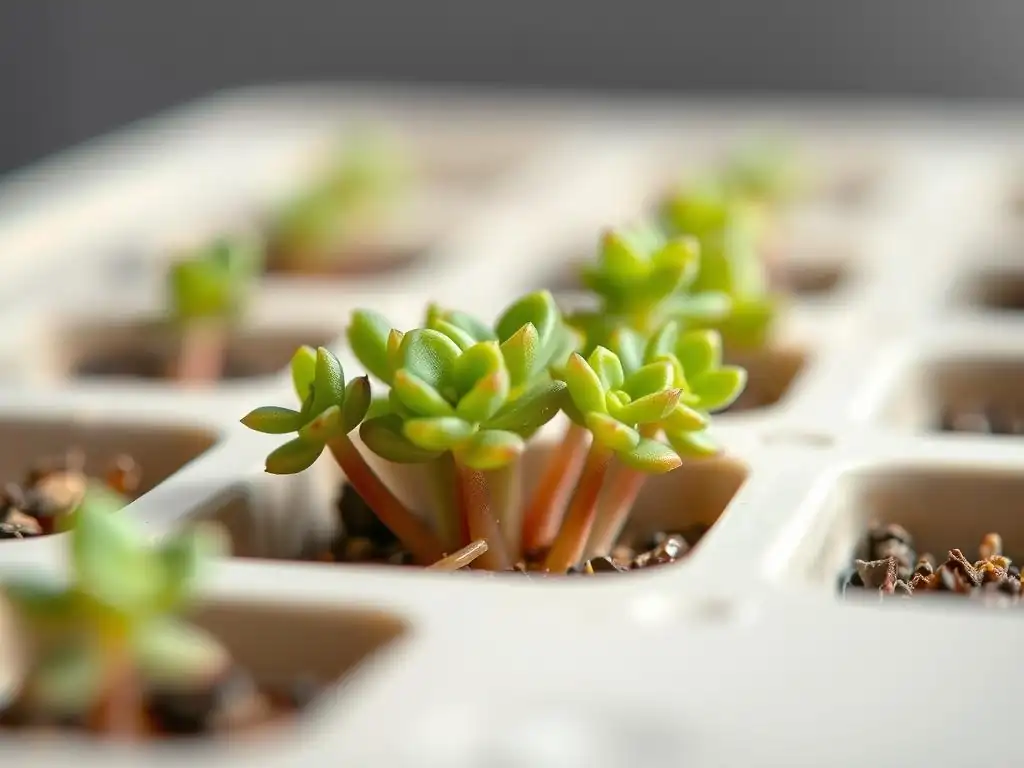
Successfully germinating succulent seeds is a rewarding experience, but knowing when germination has truly taken place requires a keen eye. Healthy succulent seedlings exhibit several key characteristics that distinguish them from failed or unhealthy sprouts. First, look for the emergence of the radicle, the embryonic root. This tiny root will be the first visible sign of life, pushing down into the growing medium.
It's crucial to note that this stage can be quite subtle, so careful observation is key. Next, you'll see the development of the plumule, the embryonic shoot. The plumule will grow upwards, eventually developing into the stem and leaves of the seedling. Healthy plumules are typically firm and a vibrant green, indicating strong growth.
Conversely, weak or discolored plumules can suggest issues with the growing conditions or the seeds themselves. A healthy seedling will also show a consistent, steady growth rate. While the initial growth is slow, you should observe gradual increases in size and the development of new leaves. Stunted growth or wilting can indicate problems such as overwatering, insufficient light, or nutrient deficiencies.
Remember, the appearance of healthy seedlings can vary slightly depending on the specific succulent species. Some species may have a faster germination rate than others, while the seedling's initial appearance might differ. However, the underlying principles remain consistent: a healthy seedling displays a firm, vibrant green appearance, a well-developed root system, and steady growth.
Careful monitoring of these key indicators will allow you to identify and address any problems early, maximizing your chances of successfully raising your succulent seedlings. Regularly inspecting your seedlings, perhaps with a magnifying glass for the initial stages, is crucial for early identification of any problems. This proactive approach will ensure you can promptly address any issues and give your young succulents the best possible start in life.
Transplanting Your Succulent Seedlings: The Right Time and Method
Once your succulent seedlings have developed their first few true leaves – typically a few weeks after germination – it's time to consider transplanting them. This crucial step provides the young plants with more space and nutrients to thrive. Timing is key; transplanting too early can stress the delicate seedlings, while delaying it too long can lead to rootbound plants. The ideal time is when the seedlings are robust enough to handle the gentle handling involved in transplanting but not so large that their roots are severely intertwined.
The method for transplanting is delicate and requires a light touch. Use a small, clean tool, such as a toothpick or a small spoon, to gently loosen the seedlings from their initial growing medium. Avoid pulling forcefully, as this can easily damage the fragile roots. Prepare individual pots or a larger tray filled with a well-draining succulent potting mix.
Gently place each seedling into its new pot, ensuring that the root system is adequately covered with the fresh potting mix. Do not bury the seedlings too deeply, as this can hinder their growth. After transplanting, water lightly and place the seedlings in a bright, but not directly sunny, location.
Avoid overwatering, as this can lead to root rot, a common problem for young succulents. Regular monitoring and careful watering are crucial during the initial weeks after transplanting, allowing your precious seedlings to acclimate to their new environment and continue their healthy growth journey. Remember patience is key, and consistent care will pay off in the form of healthy, thriving succulent plants.
Sharing the fruits of your succulent seed propagation efforts is a wonderful way to connect with fellow plant enthusiasts. Whether you're gifting seedlings to friends or trading with other collectors, a little preparation ensures your seedlings arrive safely and thrive in their new homes. When gifting, choose healthy, robust seedlings with several true leaves. Gently remove each seedling from its pot, ensuring that the root ball remains intact.
Wrap the roots in a slightly damp paper towel to prevent them from drying out during transit. Place the wrapped seedlings in a small container, ensuring they are protected from damage. Include a small note with care instructions, specifying the type of succulent, its light requirements, and watering frequency. Sharing your knowledge alongside the seedling ensures that your gift continues to flourish.
For trading, online succulent communities and local plant swaps are excellent platforms. Clearly photograph your seedlings, highlighting their size and health. Include detailed information about the succulent species and its propagation history. This transparency builds trust and facilitates successful trades.
When receiving seedlings, reciprocate the courtesy by providing clear instructions and following proper handling techniques to ensure the seedlings' well-being. Whether gifting or trading, remember that sharing your passion for succulent propagation is a rewarding experience, fostering a sense of community among plant lovers and spreading the joy of these beautiful, resilient plants. The exchange of knowledge and seedlings strengthens the bond between plant enthusiasts and helps to propagate these unique plants even further.
Advanced Succulent Seed Propagation Techniques
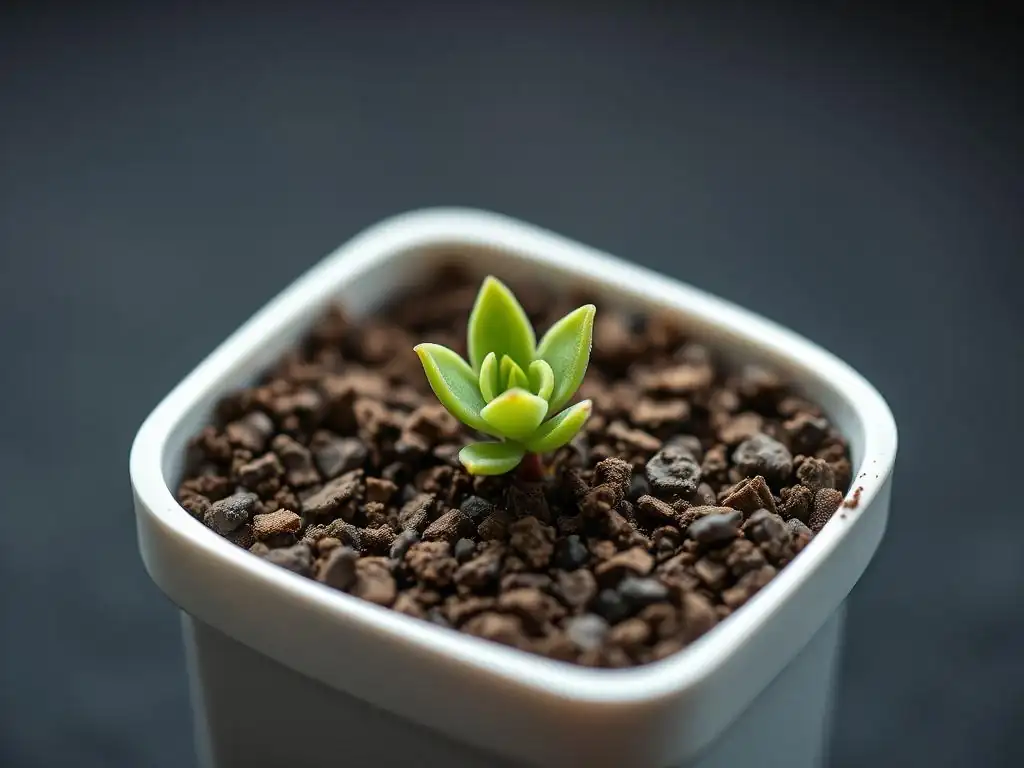
This section delves into more advanced techniques for propagating succulents from seeds, moving beyond the basics and exploring methods to enhance your success rate and expand your succulent collection with unique varieties. We'll cover hybrid seed production, seed saving strategies, and troubleshooting common propagation challenges.
Hybrid Seed Production and Cross-Pollination
Creating hybrid succulents through cross-pollination opens a world of exciting possibilities for unique plant varieties. Understanding the process is key to successful hybrid seed production. The most crucial aspect is selecting parent plants with desirable traits. Consider factors such as leaf shape, color, size, and growth habit. You want to combine the best characteristics to create a superior offspring.
Careful hand-pollination is usually necessary, as wind and insects may not reliably transfer pollen between specific plants. Using a small, fine-tipped brush, gently collect pollen from the donor plant's anthers (the pollen-producing part of the stamen). Then, carefully transfer this pollen to the stigma (the receptive part of the pistil) of the recipient plant's flower. Repeat this process several times for increased success.
Important Considerations for Cross-Pollination
Timing is crucial. Pollinate when the flowers are fully open and receptive. Observe the flowers closely; the stigma often becomes receptive shortly *before* the anthers release pollen. Proper identification of the plant species and cultivars is also essential to ensure successful cross-pollination and predict the resulting hybrid traits. Keep detailed records of the parent plants involved in each cross to track the results. This is extremely valuable for future propagation efforts.
After successful pollination, the flower will typically wilt and the ovary will begin to swell, eventually developing into a seed pod. Patience is key; seed maturation can take several weeks or even months, depending on the succulent species.
Seed Saving and Storage for Future Propagation
Saving seeds from your successful succulent propagation efforts allows you to preserve desirable traits and propagate more plants in the future. Proper seed saving and storage are crucial for maintaining seed viability. Begin by allowing the seed pods to fully mature on the plant. Once dry and slightly brittle, carefully collect the seeds, avoiding damage.
Clean the seeds by gently removing any remaining seed pod debris. A fine sieve can be helpful for this process. Allow the seeds to air dry completely in a cool, dry, and well-ventilated area, away from direct sunlight. Proper drying prevents mold and fungal growth, which can compromise seed viability.
Storage Containers: Use airtight containers such as small glass jars or sealed plastic bags.
Storage Conditions: Store seeds in a cool, dark, and dry place with low humidity. A refrigerator (not the freezer) is ideal for long-term storage.
Properly stored succulent seeds can remain viable for several years, although viability gradually decreases over time. Always label your seed containers clearly with the plant species, date of collection, and any relevant notes about the parent plants (e.g., hybrids).
Propagation Challenges and Troubleshooting for Seed-Grown Succulents
Seed propagation, while rewarding, presents unique challenges. One common issue is low germination rates. This can be due to several factors, including immature seeds, improper storage, or unsuitable germination conditions. Ensure seeds are fully mature before collecting and storing them correctly. Using fresh seeds significantly improves germination success.
Another frequent problem is damping-off, a fungal disease that affects seedlings. This is often caused by overly moist conditions. Ensure good air circulation and avoid overwatering during germination. Sterilizing the growing medium before sowing can also help prevent damping-off.
| Problem | Possible Cause(s) | Solution |
|---|---|---|
| Low Germination | Immature seeds, improper storage, unsuitable conditions | Use fresh, properly stored seeds; optimize germination conditions. |
| Damping-off | Overwatering, poor air circulation, fungal pathogens | Improve air circulation; avoid overwatering; sterilize growing medium. |
| Slow Growth | Nutrient deficiencies, insufficient light | Provide adequate light and nutrients; use a well-draining potting mix. |
| Etiolation | Insufficient light | Increase light exposure; consider supplemental grow lights. |
Addressing these challenges proactively increases your chances of successfully propagating succulents from seeds and enjoying the unique rewards of cultivating these fascinating plants from seed. Careful attention to detail throughout the process—from selecting parent plants to managing environmental conditions—is key to achieving a high success rate in your succulent seed propagation endeavors.
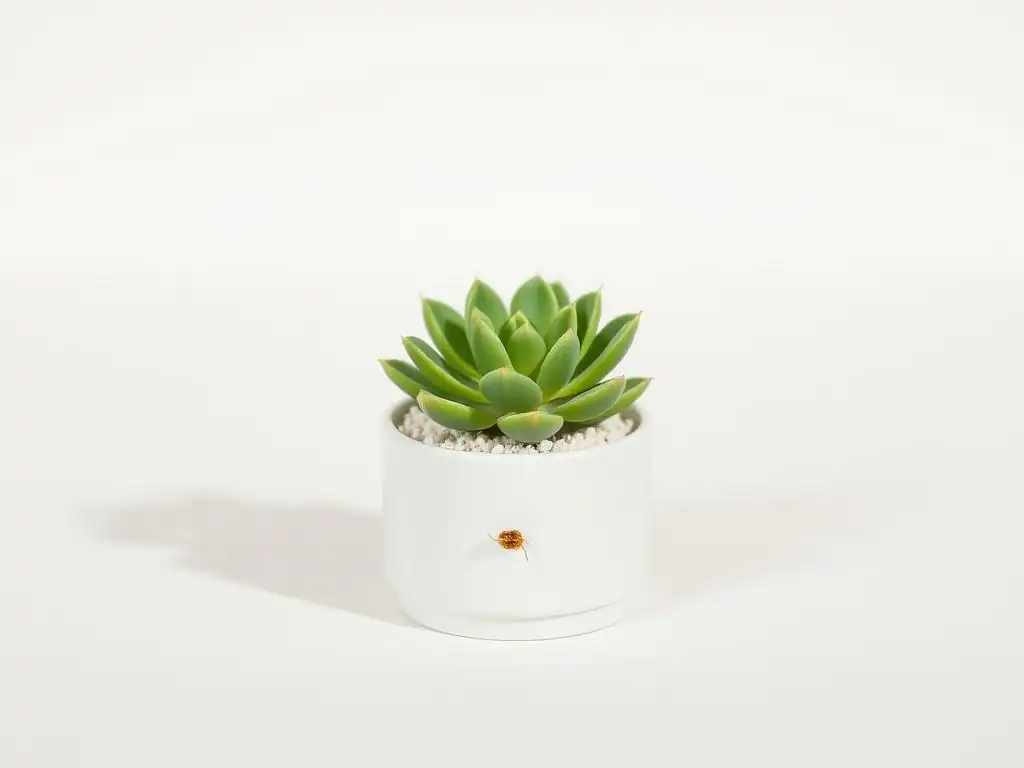
Sharing your succulent seed propagation success isn't just about boasting; it's about fostering a community of growers, learning from others, and contributing to the wider appreciation of these fascinating plants. The joy of nurturing a tiny seed into a thriving succulent is best shared! This section explores various avenues for connecting with fellow succulent enthusiasts and exchanging valuable succulent seed propagation tips.
Online Communities and Forums for Seed Propagation Discussions
The internet offers a wealth of opportunities to connect with other succulent lovers. Numerous online forums and communities are dedicated to discussing all aspects of succulent cultivation, including seed propagation. These platforms provide a space to share your experiences, ask questions, and receive advice from experienced propagators. Many forums have dedicated threads or sections for seed-related discussions, where you can find detailed information on specific succulent species, germination techniques, and troubleshooting common problems.
For example, you might find discussions about the optimal temperature and humidity levels for germinating Sedum seeds, or compare notes on different seed-starting mixes used for Echeveria. You can also share photos of your seedlings' progress, showcasing your successes and learning from others' mistakes. This collaborative environment is invaluable for refining your succulent seed propagation tips and expanding your knowledge base. Remember to always be respectful and contribute constructively to these online communities.
Local Succulent Societies and Clubs
Connecting with local succulent enthusiasts offers a more personal touch. Many cities and regions boast succulent societies or clubs that organize meetings, workshops, and plant swaps. These gatherings provide excellent opportunities to share your succulent seed propagation tips directly with others, learn from their experiences, and potentially exchange seeds or seedlings.
The informal setting of these events encourages open dialogue and the sharing of practical advice. You might learn about locally adapted germination techniques, discover new sources for seeds, or even find someone willing to trade seeds of rare or hard-to-find succulents. Participating in these groups offers a tangible sense of community and contributes to a more localized network of succulent enthusiasts. Check online for local horticultural societies or search for "succulent clubs near me" to find groups in your area.
Collaborating with Other Propagators: Sharing Knowledge and Seeds
Beyond online forums and local clubs, consider collaborating directly with other succulent propagators. This could involve exchanging seeds of different varieties, sharing your expertise on specific propagation techniques, or even co-authoring articles or blog posts on succulent seed propagation tips.
Collaborating can lead to significant advancements in your propagation skills. For instance, you might learn a new technique for sterilizing seeds from a fellow propagator, or gain insights into optimizing germination rates for particular species. Swapping seeds allows you to expand your collection and experiment with new varieties, enriching your overall propagation experience. Remember to always clearly label and document the origin of your seeds to maintain accurate records and avoid potential cross-contamination. Building these relationships strengthens the community and fosters a deeper appreciation for the art of succulent seed propagation.
Beyond Seed Propagation: Other Succulent Propagation Methods
Seed propagation, while rewarding, isn't the only way to expand your succulent collection. Many succulent species readily propagate through vegetative methods, offering faster results and sometimes higher success rates than starting from seed. These methods leverage the plant's natural ability to regenerate from existing tissues, bypassing the more delicate seedling stage. Understanding these alternative techniques is crucial for any serious succulent enthusiast aiming for Succulent seed propagation tips and broader propagation mastery. Let's explore some popular and effective alternatives.
Leaf Propagation Techniques for Succulents
Leaf propagation is a remarkably simple and effective method for many succulent varieties. It involves detaching a healthy, mature leaf and allowing it to callus and root. The process is surprisingly straightforward, but success depends on careful technique and patience.
Several factors influence the success of leaf propagation. Firstly, select leaves from healthy, actively growing plants. Avoid leaves showing signs of damage, disease, or stress. Secondly, use a clean, sharp knife or scissors to make a clean cut at the base of the leaf, minimizing damage to the leaf itself. A ragged cut increases the risk of rot.
After detaching the leaves, allow them to callus for several days to a week. This allows the cut end to dry and form a protective layer, preventing rot during the rooting process. Place the leaves on a dry, well-ventilated surface, avoiding direct sunlight.
Once callused, the leaves can be placed on a well-draining propagation medium, such as a mix of perlite and vermiculite, or even directly onto the surface of a suitable potting mix. Gently press the base of the leaf into the medium. Keep the medium slightly moist but not soggy – overwatering is a common cause of failure.
Root development can take several weeks or even months, depending on the species and environmental conditions. Once roots appear and small plantlets begin to form, you can carefully transplant them into individual pots with a well-draining succulent potting mix. Regular watering, bright indirect sunlight, and patience are key to successful leaf propagation. This method is particularly effective for species like Echeveria, Sedum, and Kalanchoe.
Stem Cuttings Propagation: A Simple Method
Stem cuttings are another popular and highly successful propagation method for succulents. This technique involves taking a cutting from a stem, allowing it to callus, and then rooting it in a suitable medium. This method is generally faster than leaf propagation, often producing new plants within a few weeks.
The process begins by selecting a healthy stem from a mature plant. The cutting should be several inches long and contain several leaves. Use a clean, sharp knife or scissors to make a clean cut just below a node (the point where leaves or branches emerge). Removing the lower leaves from the cutting helps prevent rot during the rooting process.
As with leaf propagation, allow the cut end of the stem to callus for several days to a week before planting. This prevents rot. Once callused, plant the cutting in a well-draining propagation mix, ensuring that at least one node is buried below the surface.
Keep the medium consistently moist but not waterlogged. Providing bright, indirect sunlight will encourage root development. After several weeks, you should see new growth emerging from the nodes, indicating successful rooting. Once the cutting is well-rooted, you can transplant it into a larger pot with a succulent potting mix. This method works well for many succulent types, including Crassula, Sedum, and Euphorbia.
Division Propagation for Mature Succulents
Mature, established succulents often readily propagate through division. This method involves carefully separating the plant into smaller, independent sections, each with its own roots and stems. This is a relatively simple process, but requires care to avoid damaging the plant.
Division is best performed during the succulent's active growing season (spring or summer). Gently remove the plant from its pot and carefully loosen the root ball. Inspect the plant to identify natural divisions or points where the plant can be separated without causing significant damage. You may need to use a clean, sharp knife or scissors to separate stubborn sections. Ensure each section has a healthy root system and several stems.
Once separated, plant each section in its own pot with a well-draining succulent potting mix. Water lightly and provide bright, indirect sunlight. With proper care, the divided sections will quickly establish themselves and continue to grow. Division is particularly effective for clump-forming succulents such as Sempervivum and Echeveria varieties that naturally produce offsets. This method also works well for larger succulents that have become overcrowded in their containers. Careful handling and a sharp, clean tool are essential to minimize stress and damage during the division process. 🌱
Frequently Asked Questions
How can I successfully propagate succulents from seeds?
Success depends on providing the right conditions. This includes using well-draining soil, ensuring proper light and warmth, and maintaining consistent moisture without overwatering. Patience is key, as germination can take time.
What type of soil is best for succulent seed propagation?
A well-draining seed-starting mix is crucial. Avoid using garden soil, as it retains too much moisture and can lead to fungal diseases. Consider adding perlite or vermiculite to improve drainage.
What is the ideal light and temperature for germinating succulent seeds?
Bright, indirect light is best, avoiding direct sunlight which can scorch seedlings. A temperature between 65-75°F (18-24°C) is generally ideal for germination.
How often should I water succulent seedlings?
Water sparingly and only when the soil surface feels dry to the touch. Overwatering is a common cause of seedling failure. Allow the soil to dry out slightly between waterings.
How long does it take for succulent seeds to germinate?
Germination time varies greatly depending on the species and growing conditions. Some may germinate within a few weeks, while others can take several months. Be patient and observe your seedlings closely.
Final Reflection: Cultivating Community Through Succulent Seeds
The quiet act of nurturing a succulent from seed mirrors the quiet power of community building. Sharing the knowledge and joy of succulent propagation isn't just about growing plants; it's about fostering connection and collaboration in a world that often feels increasingly disconnected. The seemingly small act of sharing a seed, a tip, or a success story can blossom into something far greater.
The impact of shared knowledge within the succulent community is profound. It's a testament to the human spirit's inherent desire to connect and contribute. We build upon each other's experiences, learning from both successes and failures, creating a collective wisdom that transcends individual limitations. The best way to find yourself is to lose yourself in the service of others,
Mahatma Gandhi once said, and this rings true in the shared journey of succulent propagation. The act of giving back, of sharing our hard-won knowledge, enriches not only the recipient but also ourselves, deepening our appreciation for the process and the community we've cultivated.
Now, consider your own succulent journey. What unique knowledge or experience can you share? Perhaps it's a specific technique for germination, a preferred soil mix, or simply the joy of witnessing a tiny seed transform into a thriving plant. Take a moment to reflect on how you can contribute to this vibrant community.
Share your successes, your challenges, and your passion. By doing so, you'll not only help others but also deepen your own connection to the world of succulents and the people who share your love for these resilient plants. Let's cultivate a future where the sharing of knowledge blooms as brightly as the succulents themselves.
Unleash Your Inner Succulent Guru!
Thank you for exploring the world of succulent propagation! We hope you've gained valuable knowledge and are ready to put your skills to the test. Here are some ways to share your passion:
- Start a succulent exchange: Connect with fellow plant enthusiasts online or in your local community and offer to trade cuttings or seedlings. This is a fantastic way to expand your collection while helping others cultivate their own green spaces.
- Share your journey: Post photos of your flourishing succulents on social media using #SucculentEssentials and tag us—we'd love to see your progress, both successes and setbacks!
- Consider selling your succulents: Turn your propagation expertise into a small business, sharing your techniques with others and potentially earning extra income from your extra plants.
Ready to cultivate a thriving succulent community and share your green thumb expertise? What's your next step in your succulent propagation journey?